
关税战

Search documents
铝:突破上行,氧化铝:偏弱运行,铸造铝合金:跟随电解铝
Guo Tai Jun An Qi Huo· 2025-09-15 05:29
Report Summary 1. Industry Investment Rating No investment rating information is provided in the report. 2. Core Viewpoints - The price of aluminum is expected to break through and move upward, while the price of alumina will run weakly, and the price of cast aluminum alloy will follow that of electrolytic aluminum [1]. - The impact of Trump's "tariff war" is far less than the "theoretical level", mainly due to "exemptions". The actual effective tariff rate in the US is only about 9%-10%, much lower than the theoretical rate of about 18%, which means the negative impact of tariffs on inflation and corporate profits has been significantly over - estimated [3]. 3. Summary by Related Catalogs 3.1 Futures Market - **Electrolytic Aluminum**: The closing price of the Shanghai Aluminum main contract was 21,120, up 425 compared to T - 5. The LME Aluminum 3M closing price was 2701, up 99 compared to T - 5. The LME注销仓单占比 was 22.72%, with a significant increase compared to T - 1 [1]. - **Alumina**: The closing price of the Shanghai Alumina main contract was 2914, down 92 compared to T - 5. The trading volume and open interest had certain changes, and the near - month contract to the first - continuous contract spread was - 19 [1]. - **Aluminum Alloy**: The closing price of the aluminum alloy main contract was 20,645, up 365 compared to T - 5. The trading volume and open interest also showed some changes, and the near - month contract to the first - continuous contract spread was - 10 [1]. 3.2 Spot Market - **Electrolytic Aluminum**: The social inventory of domestic aluminum ingots was 618,000 tons, a decrease of 2,000 tons compared to T - 5. The electrolytic aluminum enterprise profit was 4592.31, with a profit increase compared to T - 5. The import and export profits also had certain changes [1]. - **Alumina**: The average domestic alumina price was 3099, down 67 compared to T - 5. The alumina prices at different ports and the enterprise profit in Shanxi also showed downward trends [1]. - **Aluminum Alloy**: The theoretical profit of ADC12 was 162, and the prices of related products such as Baotai ADC12 and Baotai ADC12 - A00 had certain changes [1]. 3.3 Other Information - The trend intensity of aluminum, alumina, and aluminum alloy is all 0, indicating a neutral trend [3].
陶冬:新欧债危机在酝酿中
Di Yi Cai Jing· 2025-09-15 02:51
Group 1: Federal Reserve and Economic Indicators - The Federal Reserve is expected to lower interest rates by 25 basis points, but a larger cut is not completely ruled out [1][2] - Recent inflation data shows a year-on-year CPI increase of 2.9% and a month-on-month increase of 0.4%, indicating the fastest price rise since January [1][2] - The job market is showing signs of weakness, with an average of only 29,000 new jobs added over the past three months, while a monthly addition of 80,000 is needed for economic stability [2][3] Group 2: European Economic Concerns - Fitch downgraded France's long-term sovereign rating from AA- to A+, citing political instability and difficulties in reducing fiscal deficits [3][4] - France's government debt has risen from 94% to 114% over the past decade, with economic growth stagnating around 1% [4][5] - Both France and the UK are facing significant fiscal challenges, with the potential for a slow-burning fiscal crisis if market confidence deteriorates [5][6]
特朗普发表涉华言论,强硬措辞引爆国际舆论
Sou Hu Cai Jing· 2025-09-15 02:05
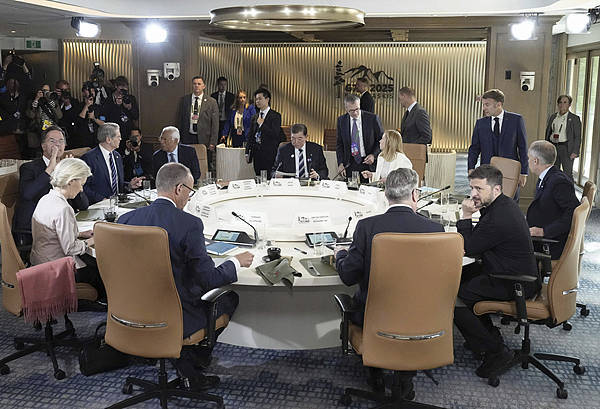
Core Viewpoint - The recent statements by former President Trump regarding tariffs on China and the cessation of Russian oil purchases highlight a shift in U.S. foreign policy, revealing cracks in American hegemony on the global stage [1][3][12] Group 1: Trump's Tariff Strategy - Trump advocates for immediate tariffs of 50% to 100% on China as a means to leverage its influence over Russia to end the Ukraine conflict [1][3] - The approach reflects Trump's transactional mindset, attempting to apply domestic negotiation tactics to international relations, viewing tariffs as tools for pressure rather than diplomatic solutions [3][12] - Historical context shows that previous tariffs imposed during Trump's administration resulted in significant economic losses for the U.S., with estimates of annual losses around $125 billion due to tariffs on China alone [7][9] Group 2: Reactions from Allies - European Union officials express skepticism about the feasibility of implementing such high tariffs, citing potential harm to their economies and the risk of retaliation from China [6][9] - Canada, while chairing the G7, refrains from supporting Trump's tariff proposals, indicating a desire to repair relations with China and India instead [6][7] - Other G7 allies, including Japan and South Korea, also voice concerns about the economic implications of joining a U.S.-led tariff initiative, highlighting the growing reluctance among allies to follow U.S. directives [7][12] Group 3: Implications for Global Trade - The proposed tariffs could lead to significant disruptions in global supply chains, with potential negative impacts on various industries reliant on Chinese goods [9][12] - The push for a "tariff alliance" by the U.S. may further strain relationships with allies, as countries prioritize their own economic interests over U.S. demands [9][12] - The overarching theme suggests that unilateral trade actions may undermine global cooperation and trust, with the potential for escalating tensions rather than resolving conflicts [10][12]

墨西哥跟风美国对华加关税,这事怎么看?
Sou Hu Cai Jing· 2025-09-13 14:28
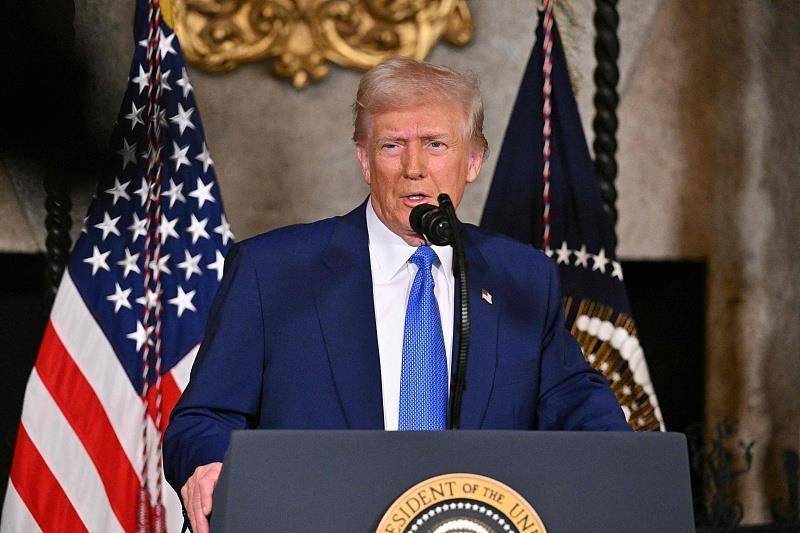
Core Viewpoint - Mexico has proposed a significant tariff reform, imposing tariffs as high as 50% on imports from non-free trade agreement countries, as part of its industrial policy in response to U.S. tariffs [1][3]. Group 1: Tariff Reform Details - The proposed tariff reform targets 1,371 categories of goods, accounting for 16.8% of Mexico's total tariff codes, with proposed rates of 10%, 20%, 25%, 30%, 35%, and 50% [1]. - The total value of goods affected by the new tariffs is approximately $52 billion, representing 8.6% of Mexico's imports [1]. - The tariffs are expected to be implemented by the end of next year, although there is a possibility of delays [1]. Group 2: Economic Context - Mexico's trade dependency on the U.S. is significant, with both imports and exports to the U.S. around 50% [3]. - In 2024, Mexico's exports to the U.S. are projected to exceed $500 billion, making it a key supplier of automobiles [6]. - The U.S. is also Mexico's largest source of imports, with over $140 billion in goods imported in 2024 [6]. Group 3: Global Trade Implications - The tariff reform is seen as a reaction to U.S. pressure, particularly regarding tariffs on countries like China and India [1]. - The new tariffs will particularly impact industries such as automotive, where tariffs on light vehicles will rise from 20% to 50%, affecting China's market share in Mexico [11]. - The broader implications of the U.S. tariff strategy are leading to a "tariff war," which is disrupting global supply chains and could harm Mexico's economic independence and industrial development [11][12].
花旗:“雷声大雨点小”!特朗普“关税战”影响远小于“理论水平”,关键原因是“豁免”
美股IPO· 2025-09-13 13:10
Core Viewpoint - The actual effective tariff rate in the U.S. is only around 9%-10%, significantly lower than the theoretical rate of approximately 18%, indicating that the negative impact of tariffs on inflation and corporate profits is overstated [1][3][5] Group 1: Tariff Impact Analysis - The report highlights a significant discrepancy between the theoretical effective tariff rate (17%-18%) and the actual effective rate (around 10%), suggesting that the real impact of the trade war is less severe than perceived [5][6] - The primary reason for this discrepancy is attributed to policy exemptions and carveouts rather than transshipment practices, which are believed to have a limited effect [6][7] - The "tariff-flation" effect has not materialized as expected, with the annualized growth rate of the tariff basket's prices remaining moderate at 2% [8] Group 2: Inventory and Profitability Concerns - U.S. companies have engaged in significant import stockpiling prior to the tariffs, with excess imports equivalent to 5-6 months of normal import levels, indicating that inventory buffers are nearing depletion [9] - There is limited evidence to support the notion that companies are absorbing tariff costs by compressing their profits, as profit margins for the S&P 500 remain stable [9]
特朗普决心已下,让27国对华“下战书”,将印度也划到中方阵营
Sou Hu Cai Jing· 2025-09-13 11:19
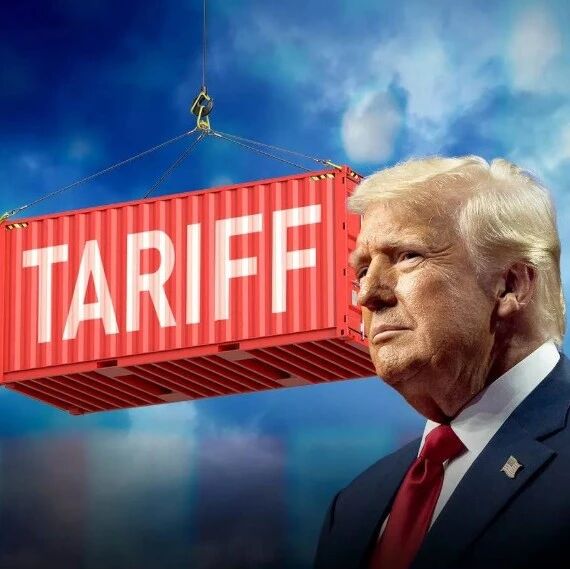
Group 1 - The core idea is that President Trump is attempting to engage the EU's 27 countries to impose a "secondary tariff" on China, reflecting his inability to handle China alone and seeking to share the burden with allies [1][3][4] - The EU is reportedly eager to collaborate with the US on this tariff strategy, partly due to past grievances and a desire to strengthen ties with the Trump administration [3][4] - There is mutual distrust between the US and EU regarding the execution of these tariffs, with both parties wanting assurances that the other will follow through on their commitments [3][6] Group 2 - Trump's strategy appears to be a response to previous failures in tariff negotiations, as he seeks to use the EU as a buffer to mitigate potential backlash from a failed tariff policy [4][6] - The EU's involvement could potentially catch China off guard, as the combined efforts of 27 nations may pose a greater challenge than unilateral actions [6][9] - The situation may also influence India's stance towards the US, as India's dissatisfaction with US tariffs could lead them to align more closely with China, complicating the geopolitical landscape [7][9]
“雷声大雨点小”!特朗普“关税战”影响远小于“理论水平”,关键原因是“豁免”
Hua Er Jie Jian Wen· 2025-09-13 10:31
Core Insights - The actual impact of the trade war on the US economy is significantly less severe than commonly perceived, with the effective tariff rate estimated at only 9%-10%, compared to a theoretical rate of about 18% [1][2] - The lower-than-expected tariff impact is primarily due to policy exemptions rather than transshipment practices, indicating a deliberate choice by policymakers [1][3] Group 1: Tariff Rates and Their Implications - The theoretical effective tariff rate based on announced tariffs is estimated to be 17%-18%, the highest since the Smoot-Hawley Tariff Act, while the actual effective rate is around 10% [2] - The discrepancy between theoretical and actual tariff rates suggests that the trade war's real effects are not as alarming as they appear [2] Group 2: Factors Mitigating Tariff Impact - Policy exemptions (Carveouts) are identified as a key reason for the lower effective tariff rate, with a significant number of exemption applications approved historically [4] - Transshipment activities, while present, have a limited effect on reducing overall tariff rates, contributing only about 1 percentage point to the effective rate reduction [4] Group 3: Future Risks and Market Reactions - US companies have built up significant inventory buffers prior to the implementation of tariffs, which are now nearing depletion, potentially leading to increased inflation in the coming months [5] - Evidence supporting the notion that companies are absorbing tariff costs by compressing profits is limited, as profit margins for the S&P 500 remain stable [6]

好家伙!美国又逼G7:对华加税,最高100%
Sou Hu Cai Jing· 2025-09-12 08:46
Group 1 - The Trump administration is pressuring G7 countries to impose high tariffs on China and India for purchasing Russian oil, aiming to force Russia into peace negotiations with Ukraine [1][5] - A video conference among G7 finance ministers is scheduled to discuss new measures proposed by the U.S. to increase pressure on Russia and limit its military capabilities [1][6] - The U.S. has suggested tariffs ranging from 50% to 100% on countries that continue to fund Russia's military through oil purchases [2][4] Group 2 - Canada, as the G7 rotating presidency, is coordinating with the U.S. on these discussions, emphasizing the need for collective action against nations supporting Russia [1][6] - The European Union is hesitant to adopt such high tariffs due to potential economic impacts and the risk of retaliation from China and India, which are significant trade partners [5][6] - The EU is seeking to strengthen ties with India and is negotiating a trade agreement, complicating the situation regarding tariffs on Indian goods [6][7] Group 3 - The EU aims to reduce its dependency on Russian energy, having decreased imports from 45% to about 20% since the onset of the Ukraine conflict [7] - Discussions are ongoing between EU and U.S. officials regarding the replacement of Russian liquefied natural gas with U.S. liquefied natural gas [6][7] - China has reiterated its stance on maintaining its energy security and has criticized the U.S. for using tariffs as a coercive tool, emphasizing that there are no winners in a trade war [7]
通讯|“加征关税只会让美国能源需求缺口越来越大”——关税战阴影笼罩北美最大清洁能源展
Xin Hua Wang· 2025-09-12 03:30
Group 1 - The imposition of tariffs is expected to exacerbate the energy demand gap in the U.S., as expressed by multiple companies at the RE+ clean energy exhibition [1][2] - The RE+ exhibition, held from September 8 to 11, showcases technologies and products related to solar energy, wind energy, hydrogen, energy storage, smart grids, and electric vehicles [1] - The tariff policies initiated during the Trump administration have raised concerns about the future of the U.S. renewable energy industry, leading to uncertainty among industry professionals [1][2] Group 2 - Companies like Premier Solar and others have reported significant impacts on their operations due to high tariffs on imported components, with some facing tariffs as high as 125% [1][2] - The uncertainty caused by fluctuating tariffs makes it difficult for companies to predict product costs and set stable pricing, affecting their operational forecasts [2] - Chinese companies, such as CATL, are focusing on enhancing product performance to navigate the challenges posed by tariff changes, emphasizing the continued reliance on Chinese supply chains for the U.S. renewable energy sector [3]

“加征关税只会让美国能源需求缺口越来越大”——关税战阴影笼罩北美最大清洁能源展
Zhong Guo Jin Rong Xin Xi Wang· 2025-09-12 02:38
Group 1 - The imposition of tariffs is expected to exacerbate the energy demand gap in the U.S. [1] - The RE+ exhibition highlighted the significant impact of the Trump administration's tariff policies on the renewable energy sector [1][2] - Companies are facing uncertainty in pricing and cost predictions due to fluctuating tariffs, which complicates stable business operations [2] Group 2 - Companies like Premier Solar and others are experiencing severe disruptions in sourcing components due to high tariffs, with some parts facing tariffs as high as 125% [1][2] - The U.S. energy sector is heavily reliant on components and technology from China, despite efforts to promote domestic manufacturing [2][3] - Reports indicate that broad tariffs imposed by the Trump administration could lead to increased energy costs, undermining energy and economic security in the U.S. [3]