创新驱动

Search documents
华福证券任志强:迈向“十五五” 稳中求进、新质领航
Zheng Quan Ri Bao Wang· 2025-12-12 10:50
Core Viewpoint - The Central Economic Work Conference held on December 10-11 outlines a clear development blueprint for the "14th Five-Year Plan" by systematically proposing eight key areas of focus, addressing both the achievements and challenges facing the economy, particularly the "strong supply but weak demand" issue [1][2]. Group 1: Key Tasks - The eight key tasks identified in the conference serve as a construction blueprint for economic work in 2026, with "domestic demand as the main driver" and "innovation-driven" being the top two priorities [2]. - Task one, "insist on domestic demand as the main driver," directly addresses the domestic supply-demand imbalance, while task two, "insist on innovation-driven," is essential for building long-term competitive advantages [2]. - Task three, "reform breakthroughs," and task eight, "safeguarding the bottom line," reflect a strategy to mitigate risks during development [2]. - Task four emphasizes "institutional opening-up" and the high-quality development of the Belt and Road Initiative, while task six promotes the construction of a new energy system and green transformation under the "dual carbon" initiative [2]. - Task seven focuses on "people's livelihood," with specific deployments in employment, education, healthcare, and support for childbirth, which will stimulate long-term sectors such as the silver economy and vocational education [2]. Group 2: Policy Signals - The core message from the conference indicates that macroeconomic policies will maintain continuity and coordination to ensure a stable economic start [2]. - The emphasis on "developing new quality productive forces according to local conditions" has been elevated to an unprecedented strategic level, becoming a key engine for optimizing economic structure and upgrading industries [2].
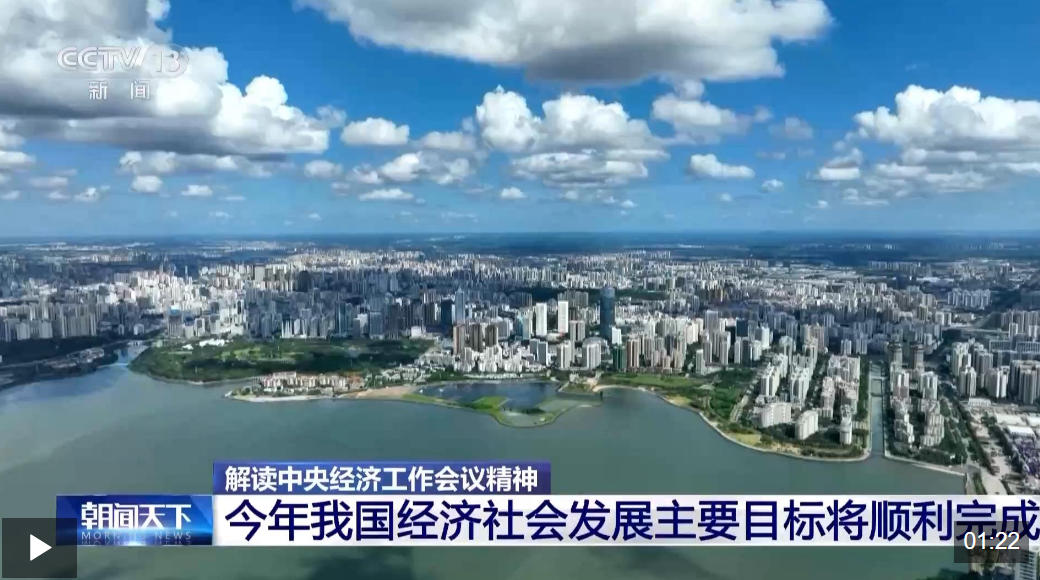
视频丨主要目标将顺利完成 中国经济今年有哪些亮眼表现?专家解读
Yang Shi Xin Wen Ke Hu Duan· 2025-12-12 10:27
中央经济工作会议12月10日至11日在北京举行。会议指出今年我国经济社会发展主要目标将顺利完成。这一年,中国经济有哪些亮眼表现?如何看待当前经 济形势?专家对此进行了解读。 国家信息中心经济预测部宏观经济研究室副主任 邹蕴涵:今年以来,全球经济增长持续放缓,我国经济总体保持了平稳的发展态势,各方的积极性、主动 性充分调动,各类宏观政策持续加力显效,共同推动经济的内生增长动力不断壮大,全年的各项指标将顺利完成,我国的经济高质量发展迈出了坚实的步 伐。 会议用"五个必须"科学总结了做好新形势下经济工作新的认识和体会,并提出我国经济长期向好的支撑条件和基本趋势没有改变,要坚定信心、用好优势、 应对挑战,不断巩固拓展经济稳中向好势头。 国家信息中心经济预测部宏观经济研究室副主任 邹蕴涵:会议实际上毫不讳言地直面我们当前面对的非常突出的矛盾,比如说我们经济里边供强虚弱的问 题,并且对这些问题做出了非常准确的判断和认识,来有的放矢解决这些问题。同时还有一系列非常突出的优势和长处,包括超大规模的市场优势,是我们 未来发展的底气和支柱所在。 中央经济工作会议指出,今年是很不平凡的一年,我国经济顶压前行,向新向优发展,现代化产 ...

泓德基金:坚持内需主导,关注“两新”政策后续
Xin Lang Cai Jing· 2025-12-12 09:46
Core Insights - The Central Economic Work Conference held in Beijing from December 10 to 11 acknowledged the achievements of the past year and the "14th Five-Year Plan" period, proposing five essential points for economic work under new circumstances, which will serve as the ideological foundation for future policies [1][3] Group 1: Economic Policy Direction - The current economic challenges are characterized as developmental and transitional issues, leading to a policy approach that maintains strategic stability, focusing more on support rather than drastic measures [1][3] - Fiscal policy language has become more moderate, emphasizing reform, while monetary policy remains moderately accommodative, with a new focus on reasonable price recovery. The expression regarding reserve requirement ratio (RRR) and interest rate cuts has shifted from "timely" to "flexibly and efficiently utilizing various policy tools," highlighting the importance of marginal policy effects [1][3] Group 2: Demand and Supply Side Focus - The conference emphasizes a demand-driven approach, with a primary focus on domestic demand and the construction of a robust domestic market. There is a commitment to expand the supply of quality goods and services, along with an optimization of the "two new" policy implementation, which will involve monitoring the scale and scope of subsidies [2][4] - In terms of investment, the conference aims to stabilize and reverse the downward trend, with future policies likely to balance investment stabilization and "anti-involution" efforts structurally [2][4] - The real estate sector is characterized by a stabilizing approach, with specific measures including controlling new supply, reducing inventory, and enhancing supply quality, reflecting a mindset focused on revitalizing existing assets and policy support [2][4] Group 3: Innovation and Reform - The conference prioritizes innovation-driven growth and the cultivation of new momentum as the second key focus for the coming year, shifting from merely expanding industries to emphasizing institutional development [2][4] - Regarding reforms, the conference announced plans to establish a national unified market construction regulation and to address "involutionary" competition more concretely than previous statements, indicating a stronger commitment to regulating disorderly competition among enterprises [2][4] Group 4: Risk Management - The content related to risk prevention has been deprioritized, suggesting that the most urgent phase of systemic risk prevention may have passed. However, risk management remains a bottom line, with an emphasis on urging local governments to actively manage their debts [5]
解读2025中央经济工作会议:真抓实干“十五五”|宏观经济
清华金融评论· 2025-12-12 08:30
Core Viewpoint - The article emphasizes the importance of a systematic and practical approach to economic policy in China, focusing on targeted and effective measures to address existing challenges while maintaining long-term growth potential [4][5]. Group 1: Economic Policy Direction - The Central Economic Work Conference has shifted from general principles to a more systematic and practical approach, emphasizing "targeted precision" and "solid implementation" in economic policies [5]. - The conference acknowledges the intertwining of long-term positive economic trends with new challenges, advocating for integrated effects of existing and new policies rather than a scattered use of policy tools [5][7]. Group 2: Key Focus Areas - The conference identifies three main focus areas: expanding domestic demand, fostering innovation and reform, and addressing risk in key sectors such as real estate and local government debt [10]. - It highlights the need to tackle demand shortfalls, enhance innovation-driven growth, and manage risks effectively, particularly in the real estate market and local government debt [10][19]. Group 3: Practical Implementation - The article outlines specific actions to boost domestic demand, including initiatives to enhance consumer spending and increase investment through government support and private sector engagement [13][14]. - It stresses the importance of aligning consumption and investment strategies to create a robust foundation for domestic demand growth [14][15]. Group 4: Innovation and Reform - The conference sets a clear agenda for innovation, including the establishment of international technology innovation centers and the promotion of a collaborative ecosystem for technology and industry integration [16]. - It emphasizes the need for reforms that dismantle barriers and release institutional dividends, with specific regulations and action plans to support private enterprises and improve the business environment [17]. Group 5: Social Welfare and Risk Management - The article discusses measures to enhance social welfare, focusing on employment stability, education, healthcare, and support for vulnerable groups, ensuring a safety net for the population [18]. - It outlines a structured approach to risk management, particularly in the real estate sector and local government debt, advocating for precise and gradual measures to mitigate systemic risks [19][20]. Group 6: Capital Market Development - The article highlights the importance of deepening capital market reforms to enhance attractiveness and inclusivity, aiming to create a multi-layered and differentiated market system [22][23]. - It calls for optimizing return mechanisms for investors and improving the regulatory framework to support long-term investments and facilitate market access for various stakeholders [22][23].

聚焦中央经济工作会议|东方证券黄燕铭:中国经济长期向好具有三大核心驱动力
Zheng Quan Ri Bao· 2025-12-12 07:35
12月10日至11日,中央经济工作会议在北京举行,全面总结2025年经济工作,深刻分析当前经济形势, 并部署2026年经济工作。 "2026年是'十五五'开局年,也是第二个百年奋斗目标新征程实现良好开局之后'再出发'的关键节 点。"东方证券研究所所长黄燕铭在接受《证券日报》记者采访时表示,立足当下,会议对2026年经济 环境的总体判断是"外部环境变化影响加深,国内供强需弱矛盾突出,重点领域风险隐患较多",相较于 去年表述,更加直接地点出"供强需弱"这一核心矛盾。同时会议也提到,"这些大多是发展中、转型中 的问题,经过努力是可以解决的,我国经济长期向好的支撑条件和基本趋势没有改变",因此可以期待 的是,未来政策在提振需求、优化供给这一主线上将更为聚焦。 稳中求进提质效 以创新驱动培育新动能、推动产业升级,是本次会议部署的重点任务。会议明确,坚持创新驱动,加紧 培育壮大新动能。 黄燕铭分析称,本次会议有一个重要特征就是对创新驱动以及"新动能"的表述变得更加"广义"。去年中 央经济工作会议中,"创新"相关段落的表述为"以科技创新引领新质生产力发展",主要聚焦新技术以及 培育新技术的金融与营商环境,但今年紧接在"内需 ...

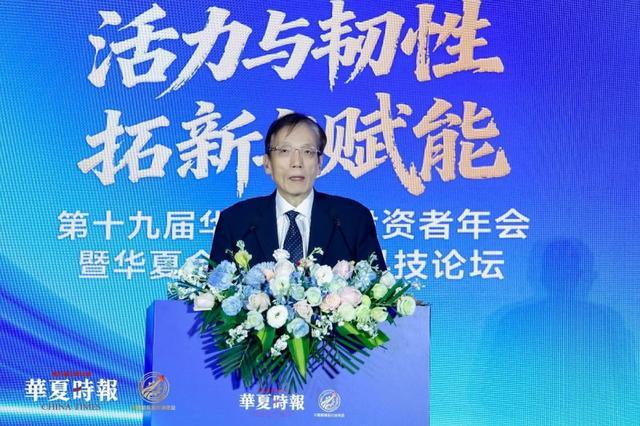
国务院发展研究中心原副主任刘世锦:建设离岸人民币金融产品生态,中国需要形成强大货币|2025华夏机构投资者年会
Hua Xia Shi Bao· 2025-12-12 06:35
Core Insights - The conference emphasized the theme of "vitality and resilience, innovation and empowerment" to address contemporary challenges and explore future pathways [2] Economic Transition - China's economy is transitioning from high-speed to medium-speed growth, with a shift in growth drivers from investment and exports to innovation and consumption [3] - The GDP deflator index has shown negative growth for ten consecutive quarters leading up to Q3 2025, with actual growth rates of 5.4% and 5.2% in the first two quarters of 2025 [3] Long-term Growth Advantages - China possesses three long-term growth advantages: 1. Catch-up potential, with per capita income at approximately $14,000, indicating significant room for growth towards the levels of developed countries [3] 2. Advantages in new technology revolutions, particularly in digital and green technologies, where China is at the forefront of industrial engineering and commercial applications [4] 3. The scale of the market economy, highlighted by a large middle-income group and the potential for 900 million low-income individuals to transition to middle-income status, significantly expanding the consumer market [4] Financial Strength - The construction of a "manufacturing powerhouse, consumer powerhouse, and financial powerhouse" is essential for modernizing China's economy [5] - Financial systems must enhance their project selection capabilities to support the real economy, especially as the economy shifts towards innovation-driven growth [5] Currency and Internationalization - A strong currency is a key indicator of a financial powerhouse, with the need for the RMB to play a more significant role internationally [6] - Recommendations include balancing imports and exports while increasing the use of RMB for international transactions, thereby enhancing its liquidity and facilitating its internationalization [6]
明确“路线图” 中央经济工作会议部署八项任务
Zhong Guo Xin Wen Wang· 2025-12-12 06:05
Core Insights - The Central Economic Work Conference outlined eight key tasks for China's economic work in 2026, emphasizing the importance of domestic demand and innovation-driven growth [1][2][3] Group 1: Economic Strategy - The first task is to "insist on domestic demand as the main driver and build a strong domestic market," highlighting its significance in the overall economic development [1] - The second task focuses on "insisting on innovation-driven growth and accelerating the cultivation of new momentum," indicating that technological innovation will play a crucial role in expanding domestic demand [1] - The third task emphasizes "deepening reforms to enhance the vitality of high-quality development," which includes improving the national unified market and optimizing the business environment to address institutional bottlenecks [1] Group 2: External Relations and Cooperation - The fourth task is to "insist on opening up and promoting win-win cooperation in multiple fields," which aims to enhance the synergy between domestic and international markets and resources [2] - The fifth task stresses "coordinated development to promote urban-rural integration and regional linkage," essential for achieving a broader and more robust new development pattern [2] Group 3: Sustainability and Social Welfare - The sixth task is to "insist on leading with 'dual carbon' goals to promote comprehensive green transformation," aligning with the previously announced goals of carbon peak and carbon neutrality [2] - The seventh task focuses on "prioritizing people's livelihoods and striving to do practical things for the public," reiterating the importance of stabilizing employment, businesses, markets, and expectations [2] Group 4: Risk Management - The eighth task is to "ensure bottom-line stability and actively and prudently resolve risks in key areas," particularly in stabilizing the real estate market and managing local government debt risks [2] - The overall economic policy approach is shifting from "promoting stability through growth" to "quality and efficiency," emphasizing the need for coordinated policy efforts [3]
“开局之年”中国经济怎么干?关注这些重点任务
Sou Hu Cai Jing· 2025-12-12 05:45
会议用"五个必须"科学总结了做好新形势下经济工作新的认识和体会,并提出我国经济长期向好的支撑条件和基本趋势没有改变。要 坚定信心,用好优势,应对挑战,不断巩固拓展经济稳中向好势头。 央视网消息:中央经济工作会议12月10日至11日在北京举行。会议指出今年我国经济社会发展主要目标将顺利完成。这一年,中国经 济有哪些亮眼表现?如何看待当前经济形势?来看专家的解读。 国家信息中心经济预测部宏观经济研究室副主任 邹蕴涵:今年以来,全球经济增长持续放缓,我国经济总体保持了平稳的发展态势, 各方的积极性、主动性充分调动,各类宏观政策持续加力显效,共同推动经济的内生增长动力不断壮大,全年各项指标将顺利完成, 我国经济高质量发展迈出坚实步伐。 中央经济工作会议指出,今年是很不平凡的一年,我国经济顶压前行、向新向优发展,现代化产业体系建设持续推进,改革开放迈出 新步伐,重点领域风险化解取得积极进展,民生保障更加有力。 国家信息中心经济预测部宏观经济研究室副主任 邹蕴涵:实际上,会议毫不讳言地直面我们当前面对的非常突出的矛盾。比如说,经 济里边供强虚弱的问题,并且对这些问题做出了非常准确的判断和认识,有的放矢解决这些问题。同时, ...
国投证券港股晨报-20251212
Guotou Securities· 2025-12-12 05:10
Group 1: Market Overview - The Hong Kong stock market experienced declines across major indices, with the Hang Seng Index down 0.04%, the Hang Seng China Enterprises Index down 0.23%, and the Hang Seng Tech Index down 0.83% [2] - The total market turnover was HKD 182.48 billion, with short-selling accounting for 16.27% of the total turnover [2] - Northbound capital saw a net inflow of HKD 791 million, with Meituan, Xiaomi, and Agricultural Bank of China being the most actively bought stocks [2] Group 2: Economic Policy Insights - The Central Economic Work Conference outlined key tasks for the upcoming year, emphasizing the importance of domestic demand, economic stability, and reasonable price recovery [4][5] - The conference highlighted the need for a proactive fiscal policy, maintaining necessary fiscal deficits, and optimizing fiscal expenditure structures [4] - Monetary policy will remain moderately loose, focusing on stabilizing economic growth and guiding financial institutions to support key sectors [4] Group 3: Company Analysis - Meituan - Meituan reported a total revenue of RMB 95.5 billion for Q3, a year-on-year increase of 2%, slightly below expectations [7] - The adjusted operating loss was RMB 15.3 billion, with core local business losses significantly higher than expected, reflecting the impact of industry subsidies [7][10] - Despite short-term performance pressures, Meituan's long-term goals for its food delivery business remain unchanged, with a focus on maintaining high-quality orders [10] Group 4: Business Segment Performance - In the food delivery segment, Meituan saw a healthy year-on-year growth in daily orders, although revenue declined due to increased rider and user subsidies [8] - The flash purchase segment experienced strong growth in new user acquisition and order frequency, benefiting from a rich supply [8] - The hotel and travel segment also showed robust growth, with a nearly 20% increase in merchant numbers and user scale [8] Group 5: Financial Forecast and Valuation - The forecast for Q4 indicates a slight decline in core local business revenue, with expectations of reduced losses in the segment [10] - The target price for Meituan has been adjusted to HKD 120, reflecting a valuation based on future earnings and market conditions [10] - The management maintains a target of 100 million high-quality daily orders, indicating confidence in the company's operational efficiency and market position [10]
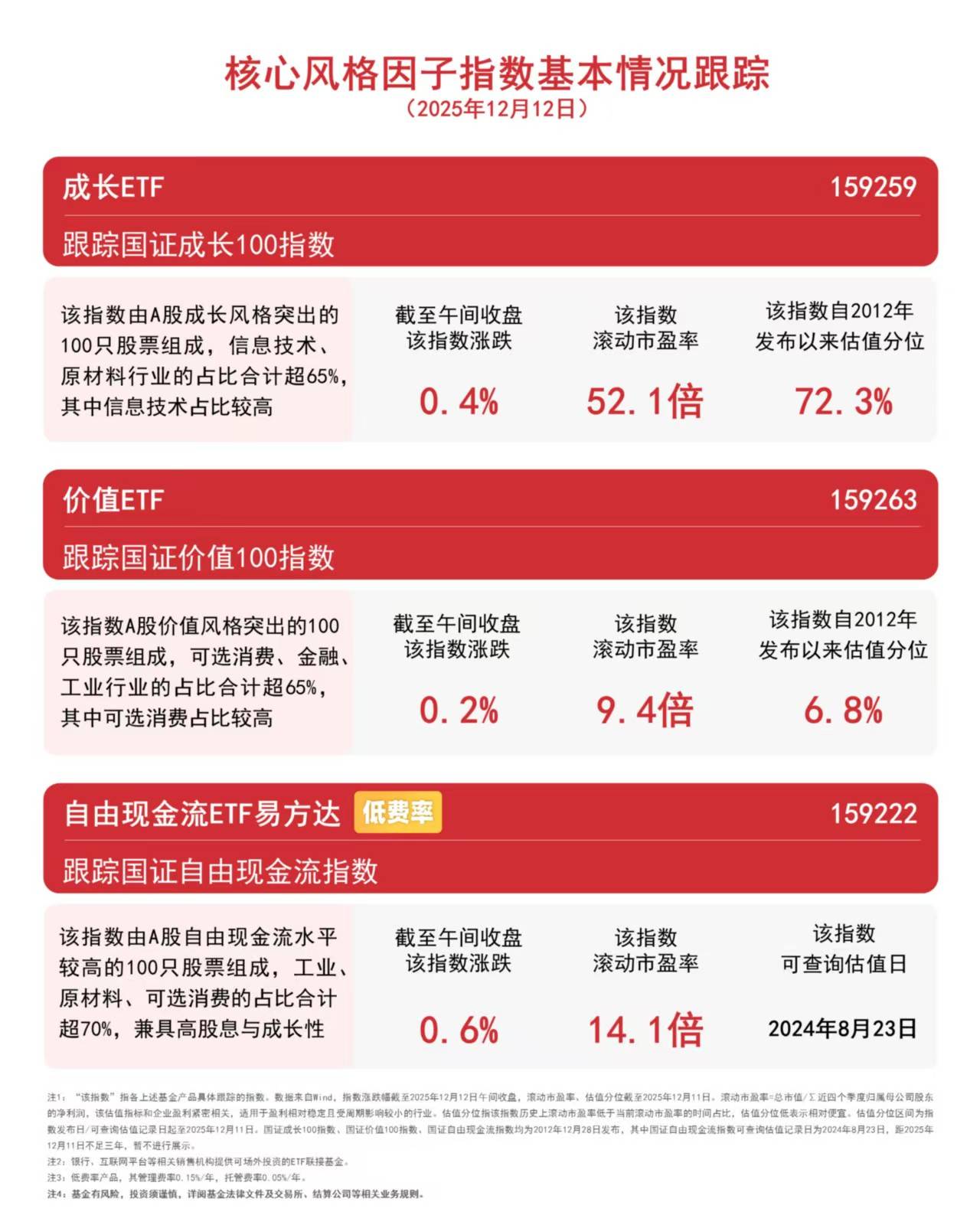
板块分化,自由现金流指数展现韧性,关注自由现金流ETF易方达(159222)等产品配置机会
Sou Hu Cai Jing· 2025-12-12 05:04
Group 1 - The core viewpoint of the articles highlights a mixed performance in the stock market, with a notable resilience in the free cash flow index, which rose by 0.6% [1] - The China Securities report emphasizes the contradiction of "strong supply and weak demand," suggesting a focus on achieving qualitative improvements and reasonable quantitative growth in the economy [1] - It is anticipated that policies will increasingly prioritize domestic demand in the coming year, with an expected enhancement in consumer resilience and a focus on innovation and reform [1] Group 2 - The report indicates that the effectiveness of policy coordination and implementation will be crucial, particularly in promoting multi-sector cooperation and green transformation [1] - Overall, the expectation is for stable economic growth through 2026, with continued policy support for high-quality development [1]