关税战

Search documents
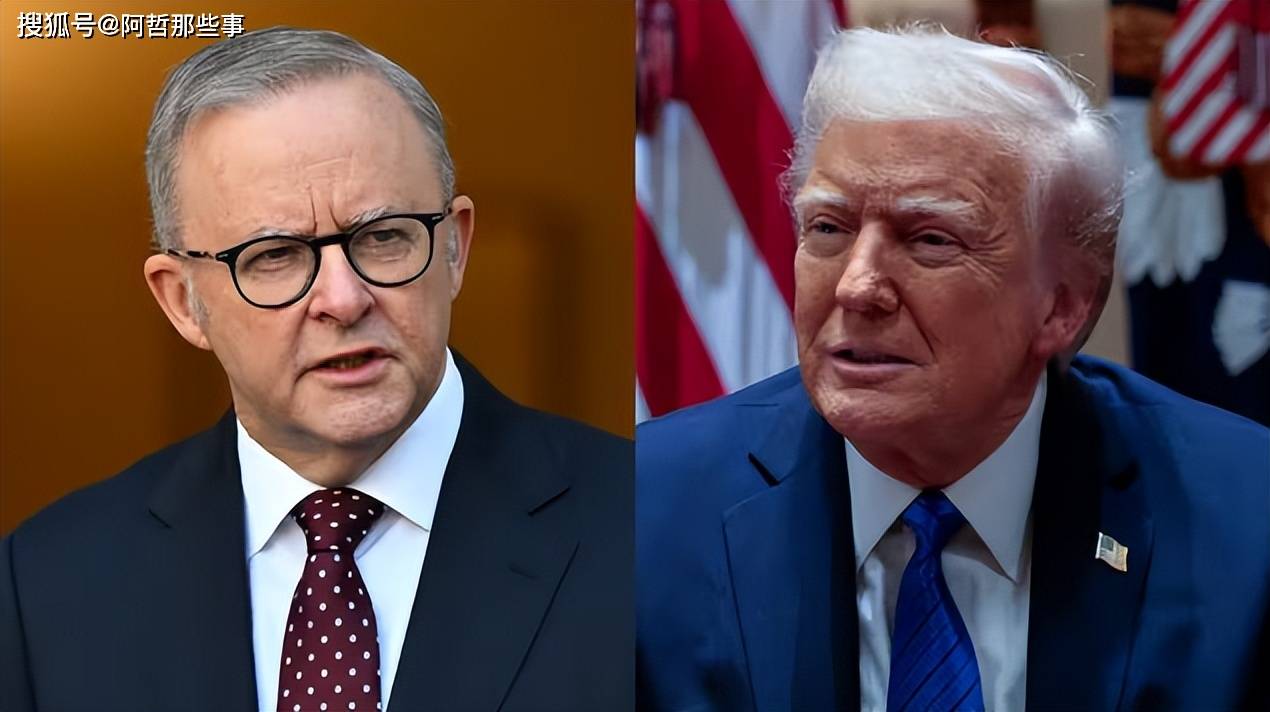
关税战不如意,美国又要换赛道?美方:不排除对格陵兰岛动武
Sou Hu Cai Jing· 2025-09-06 09:45
Group 1 - The core viewpoint is that the trade war initiated by the U.S. has backfired, leading to a crisis within the U.S. itself, as even long-time allies like Japan are resisting U.S. demands [1] - The U.S. is facing a shortage of goods due to the trade war, which has resulted in many products not being shipped to the U.S., impacting the daily lives of ordinary Americans [7] - Despite the U.S. administration's claims of winning the trade war, no trade partner has agreed to the U.S. demands since April 2, indicating a significant failure in U.S. trade negotiations [9] Group 2 - The U.S. President has made threats regarding the annexation of Greenland and Canada, showcasing a shift towards aggressive expansionist rhetoric as a distraction from domestic issues [3][5] - The justification for the annexation of Greenland is framed around security concerns, particularly in relation to perceived threats from China and Russia, indicating a strategic narrative being constructed by the U.S. administration [5] - The ongoing trade war and the resulting economic challenges are leading the U.S. to create new geopolitical tensions to divert attention from its internal struggles [7]


杨德龙:A股慢牛长牛行情更利于投资者做好投资!拉动消费最好的手段就是启动一轮牛市,这是提振投资者信心最直接方式
Sou Hu Cai Jing· 2025-09-05 10:28
Market Overview - The recent market rally that began in late June has shown strong momentum, with trading volume increasing significantly, reaching historical highs from 2 trillion to over 3 trillion [1] - The margin trading balance surpassed 2 trillion for the first time on August 5, marking a ten-year high, and has since increased by 300 billion [1] - Compared to ten years ago, the current market's circulating market value has significantly increased, with the margin trading balance accounting for less than 3% of the circulating market value, compared to approximately 4.27% a decade ago [1] Market Dynamics - Despite the strong short-term surge, concerns among investors have arisen, leading some to consider profit-taking or withdrawal [4] - A recent adjustment in the market has occurred, but it is viewed as a normal correction within the ongoing bull market rather than a trend reversal [4] - Key drivers of the bull market include supportive policies aimed at economic growth and continuous capital inflow [4] Capital Inflow - Six main sources of capital inflow into the stock market have been identified: 1. Institutional funds, particularly from insurance companies, driving large-cap blue-chip stocks [4] 2. Household savings moving into the market due to low deposit rates, with household deposits increasing by 60 trillion over the past five years [4] 3. Funds flowing out of the bond market as investors shift to equity assets [4] 4. Capital from the real estate market due to a fundamental change in housing price expectations [4] 5. Capital exiting traditional industries, especially those with overcapacity [4] 6. Foreign capital inflow, which reached 10.1 billion in the first half of the year [4] Economic Impact - The current bull market is expected to act as a catalyst for economic growth, potentially becoming the fourth engine alongside investment, consumption, and exports [7] - A strong capital market can enhance wealth effects, leading to increased consumer spending and reduced overcapacity pressures [7] International Context - The U.S.-China trade tensions, particularly the tariff war initiated by the U.S., have had a limited impact on China's economy, with a shift in export structure reducing reliance on U.S. markets [6] - China's exports grew by 7% in the first half of the year despite a complex external environment [6] Future Outlook - The market is anticipated to experience a slow bull market rather than a rapid surge, with potential for multiple adjustments along the way [5] - The focus for future economic growth will be on consumption, finance, and technology sectors, with opportunities arising from adjustments in the market [9]
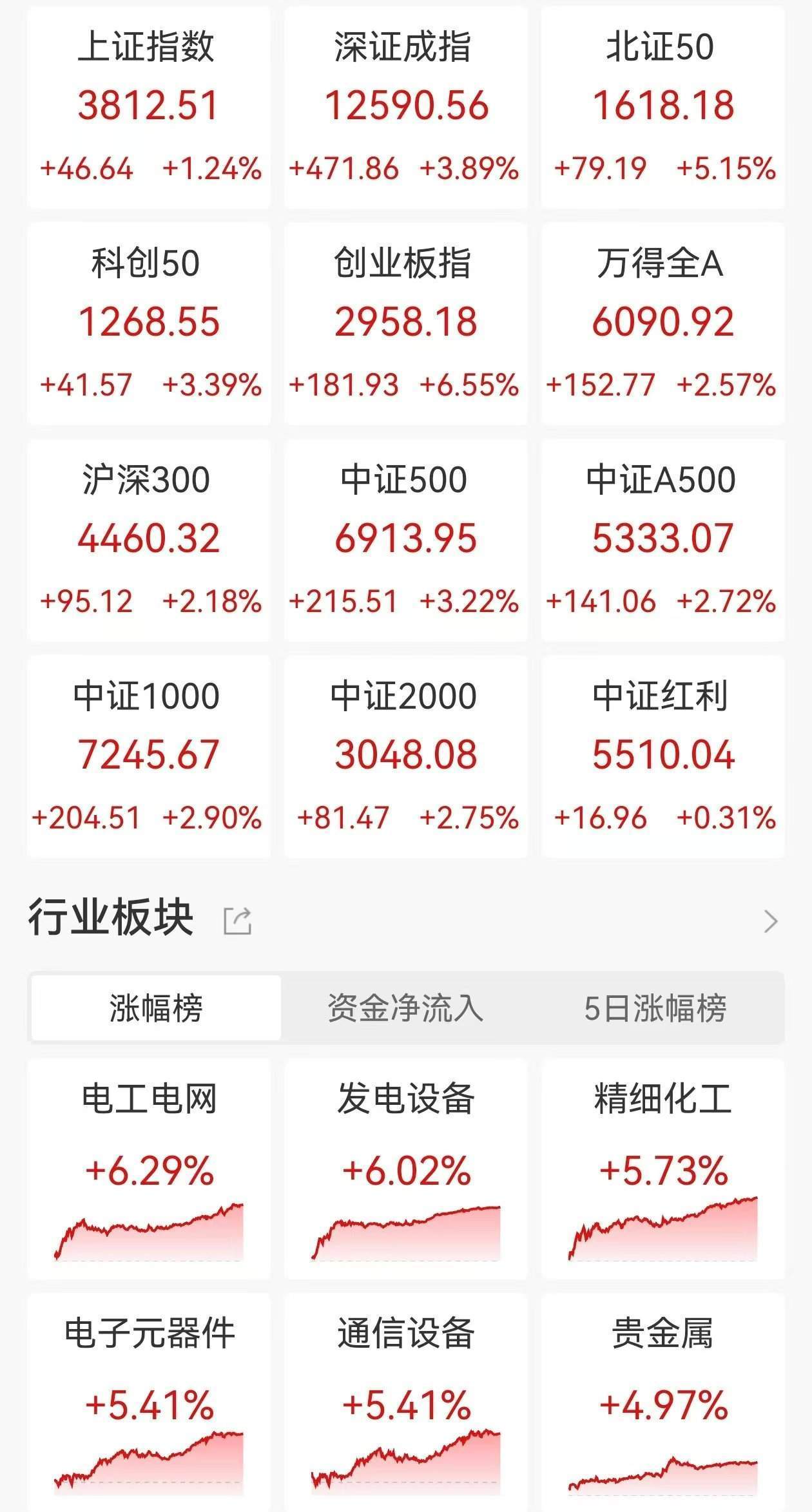
杨德龙:慢牛长牛行情更利于投资者做好投资
Xin Lang Ji Jin· 2025-09-05 10:02
Market Overview - The recent market rally that began in late June has shown strong momentum, with trading volume increasing significantly, surpassing 3 trillion, marking a historical high in daily trading volume [1] - The margin financing balance broke 2 trillion for the first time on August 5, reaching a ten-year high, and has since increased by 300 billion [1] - The current market's margin financing balance accounts for less than 3% of the circulating market value, compared to approximately 4.27% a decade ago, indicating a relatively low leverage level [1] Investor Sentiment - Despite the strong market performance, short-term volatility has raised concerns among cautious investors, leading some to consider withdrawing or taking profits [2] - The market has experienced a correction since approaching the historical high of 3.45 trillion in trading volume from October last year, but this adjustment is viewed as a normal part of the bull market rather than a trend reversal [2] Capital Inflows - Six main sources of capital inflow into the stock market have been identified: institutional funds, household savings reallocating due to low deposit rates, funds flowing out of the bond market, capital from the real estate market, funds exiting traditional overcapacity industries, and foreign investment [2] - Institutional funds, particularly from insurance companies, have played a significant role in driving the rise of large-cap blue-chip stocks [2] Economic Impact - The current bull market is expected to act as a catalyst for economic growth, potentially becoming the fourth engine alongside investment, consumption, and exports [5] - A strong capital market can enhance wealth effects, leading to increased consumer spending and alleviating overcapacity pressures in various industries [5] International Trade and Policy - The ongoing U.S.-China trade tensions have had a limited impact on China's economy, with a strategic shift in export structures reducing reliance on U.S. markets [4] - China's exports to the U.S. are projected to decrease from 19.2% in 2018 to 14.7% by 2024, indicating a diversification of trade relationships [4] Sector Focus - Future economic growth is expected to concentrate on consumption, finance, and technology sectors, with technology showing the most promise this year [7] - Consumer staples, particularly premium brands, may attract attention in the fourth quarter, while the financial sector, especially brokerage firms, is anticipated to benefit from market breakthroughs [7]
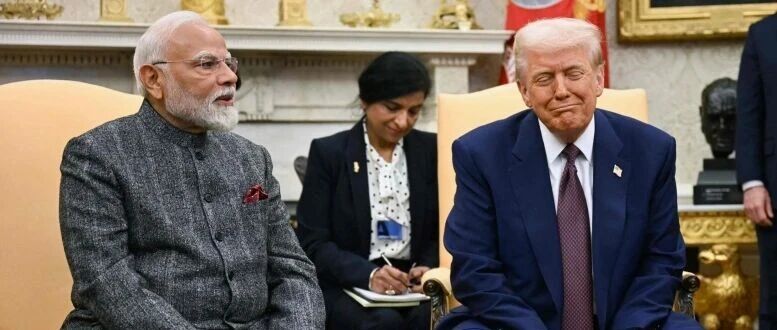
印度再次在WTO硬刚美国,特朗普称美印贸易“完全是一边倒灾难”
第一财经· 2025-09-05 09:54
Core Viewpoint - India is actively seeking to challenge the 50% tariffs imposed by the U.S. on copper products through the WTO, asserting that these measures are essentially safeguard measures rather than national security actions [4][6][10]. Group 1: U.S.-India Trade Relations - The U.S. began imposing a 50% tariff on certain copper products from July 30, effective from August 1 indefinitely [8]. - India exported copper products worth $360 million to the U.S. in the 2025 fiscal year, while its copper imports for the 2024-2025 fiscal year totaled $14.45 billion, indicating a significant trade imbalance [9]. - The U.S. tariffs are seen as a response to India's previous retaliatory measures against U.S. tariffs on steel and aluminum [6][10]. Group 2: WTO Consultations - India has requested consultations with the U.S. through the WTO, emphasizing its significant export interests affected by the U.S. tariffs [9]. - The Indian government has previously indicated its intention to impose retaliatory tariffs on U.S. products, which could amount to $1.91 billion in response to U.S. safeguard measures [10]. - India has also expressed concerns over the U.S. tariffs on automobiles and parts, which could impact $2.89 billion worth of Indian exports [10]. Group 3: Ongoing Negotiations - Despite the imposition of tariffs, India and the U.S. are engaged in negotiations for a bilateral trade agreement, with five rounds of talks completed since March [12]. - The next round of negotiations has been postponed due to the recent tariff imposition, with no new date set [13]. - India aims to resolve the tariff issue as a key condition for reaching a proposed trade agreement, while the U.S. is pushing for greater market access in sensitive sectors like agriculture [14]. Group 4: Trade Statistics - In the period from April to July, India's exports to the U.S. grew by 21.64% to $33.53 billion, while imports increased by 12.33% to $17.41 billion [15]. - The U.S. accounted for approximately 20% of India's total exports in 2024-2025, while India represented about 2.5% of U.S. imports [15].
最后一刻,特朗普终于签字了!美国对华认输,再暂停24%关税90天(2)
Sou Hu Cai Jing· 2025-09-03 21:12
Group 1 - The trade negotiations between the US and China are currently stalled, which is seen as beneficial for China as it enhances its competitive position in global trade [1] - The US's inability to increase tariffs on Chinese goods means that the burden of tariffs will shift to other countries, thereby reducing their trade competitiveness and indirectly boosting China's competitiveness [1] - Trump's attempts to impose high tariffs on China are hindered by rising inflation and supply chain instability in the US, which makes Chinese products more accessible in the US market [1] Group 2 - The "tariff truce" between the US and China may influence upcoming US-Russia presidential talks, as Trump expresses a desire for a meeting between Putin and Zelensky [3] - Trump's signing of the "tariff truce" indicates his struggle to manage the trade conflict with China, leading him to seek a resolution in the Russia-Ukraine situation to free up resources for the trade battle [3] - Putin is likely aware of Trump's reliance on him for negotiations, which may allow him to leverage more conditions during the talks [3]
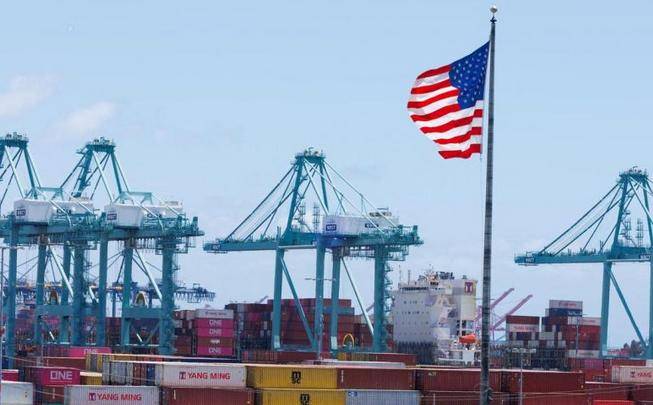
“死守”钢铝和汽车产业!加拿大缘何调整对美关税谈判重点?
第一财经· 2025-09-02 08:15
Core Viewpoint - Canada has decided to eliminate retaliatory tariffs on most U.S. imports, impacting approximately $21 billion in U.S. exports to Canada, including various consumer goods and appliances [3][4]. Group 1: Trade Relations and Tariffs - Canada will maintain tariffs on U.S. automobiles, steel, and aluminum temporarily, indicating a strong stance in these critical sectors [4]. - The decision to adjust negotiation strategies comes amid pressure from domestic, regional, and international factors, including the urgency created by other G7 members reaching trade agreements with the U.S. [7]. - The Canadian economy is facing challenges, with a reported GDP decline of 0.4% in Q2, following a 0.5% growth in Q1, and significant drops in exports of vehicles and machinery due to U.S. tariffs [7][8]. Group 2: Future Trade Frictions - Ongoing discussions focus on five strategic areas: steel, aluminum, automobiles, copper, and softwood lumber, with existing tariffs on non-compliant imports from Canada [11]. - The U.S. has imposed a 50% tariff on semi-finished copper and increased anti-dumping duties on Canadian softwood, raising the total tariff rate to 35.19% [11]. - The uncertainty surrounding negotiations has led to a decrease in foreign investment in Canada, with expectations that the U.S. may push for higher localization ratios and wage alignment in future talks [12].
美国面临什么形势,沙利文看得一清二楚,布局中国周边4年白干了
Sou Hu Cai Jing· 2025-09-01 10:28
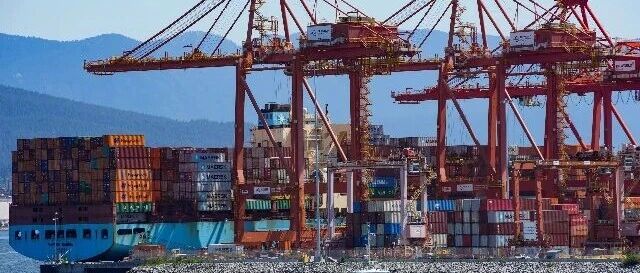
Group 1 - The Trump administration's tariff war has led to significant economic uncertainty globally, impacting both the U.S. and its allies [1][3] - Former National Security Advisor Sullivan expressed disappointment over the collapse of the global ally network that the U.S. had cultivated over the past four years [3][5] - The imposition of a 50% tariff on U.S. imports by India is seen as a severe measure that undermines U.S. efforts to counter China's influence [7][8] Group 2 - Sullivan noted that many countries now view the U.S. as an unreliable partner, with public sentiment shifting in favor of China in several regions [5][8] - The recent tariff actions are perceived as a strategic miscalculation that could accelerate the decline of U.S. global leadership and contribute to a multipolar world order [8] - The current geopolitical landscape has shifted from a U.S.-led coalition against China to a scenario where countries emphasize the unreliability of the U.S. [7][8]

财达期货:金价破位 白银跟涨
Jin Tou Wang· 2025-09-01 06:00
Macro News - The main gold futures contract in Shanghai reported a price of 799.00 CNY per gram, with an increase of 1.88% [1] - The opening price for the day was 786.10 CNY per gram, with a high of 802.38 CNY and a low of 785.70 CNY [1] - The U.S. core PCE price index for July rose by 2.9% year-on-year, marking the highest level since February 2025, aligning with market expectations [1] - The month-on-month increase was 0.3%, consistent with both expectations and previous values [1] Institutional Perspectives - Gold prices surged in the previous Friday's night session, with the main gold futures contract closing at 791.28 CNY per gram, up by 0.90% [1] - Silver futures also saw an increase, closing at 9,566 CNY per kilogram, up by 1.93% [1] - A U.S. appeals court ruled that most of the global tariff policies implemented by former President Trump were illegal, which could help control U.S. inflation and create conditions for potential interest rate cuts by the Federal Reserve [1] - The overall PCE index rose by 2.6% year-on-year and 0.2% month-on-month, meeting market expectations and marking the highest increase in four months [1] - Despite the news slightly lowering expectations for a Fed rate cut, the market still largely anticipates a rate cut in September [1] - The U.S. dollar index fell to 97.85, with potential for further declines, which could provide upward momentum for gold prices [1] - The daily chart for gold shows a breakout from a consolidation phase, indicating the formation of a new upward trend [1]
2025年的关税格局将如何影响外资在华设立公司的决策?
Sou Hu Cai Jing· 2025-09-01 05:29
Group 1 - Foreign investors targeting China in 2025 must navigate both the significant increase in US-China tariffs and the concurrent rise in incentives for foreign capital from Beijing [1][9] - Tariffs are identified as the fastest rising cost factor and the strongest incentive for companies to localize operations [1][15] - The US has implemented a 10% uniform tariff on all imports and punitive tariffs up to 145% on targeted Chinese goods, raising the average effective tariff to approximately 22%, the highest level since 1909 [6][15] Group 2 - The EU has raised tariffs on Chinese electric vehicles to 45.3% and initiated negotiations to convert tariffs into minimum price commitments, highlighting the rapid changes in tariff barriers [3] - Toyota's investment of 146 billion yen (approximately 20 billion USD) in a wholly-owned Lexus electric vehicle factory near Shanghai exemplifies a "produce locally, sell locally" strategy to mitigate US and EU tariffs [5] - The Chinese government has introduced measures such as the "Stabilizing Foreign Investment Action Plan" to ease market access and accelerate license approvals, along with tax incentives for reinvested profits [9][15] Group 3 - The establishment of 22 free trade zones with a "one chapter, one license" registration system and negative list industry access aims to reduce customs clearance delays and associated tariff financing costs [10] - Local subsidies, such as Guangzhou's reimbursement of up to 20,000 RMB (approximately 2,800 USD) for clean technology imports, are part of a broader competition to lower overall tariff rates [11] - Products manufactured in China that comply with EU origin rules can enjoy zero or low tariffs when entering 14 partner economies under RCEP, providing a buffer against US/EU profit losses [12] Group 4 - Despite a decline in the value of foreign direct investment in Q1 2025, the number of newly registered foreign-invested enterprises increased by 4.3% year-on-year, indicating continued attractiveness for technology-focused investors [15] - Companies are encouraged to adopt a dual-market manufacturing approach, designing high-value products in China while arranging final assembly through ASEAN RCEP hubs to maintain origin flexibility [16] - The need for companies to prepare for varying tariff scenarios (0%, 45%, and 145%) in investment return predictions is emphasized, with internal rate of return fluctuations projected between 11-18 percentage points [16]
中美关税战“意外”转折?最大赢家浮出水面,美国订单竟被盟友截胡?
Sou Hu Cai Jing· 2025-09-01 04:02
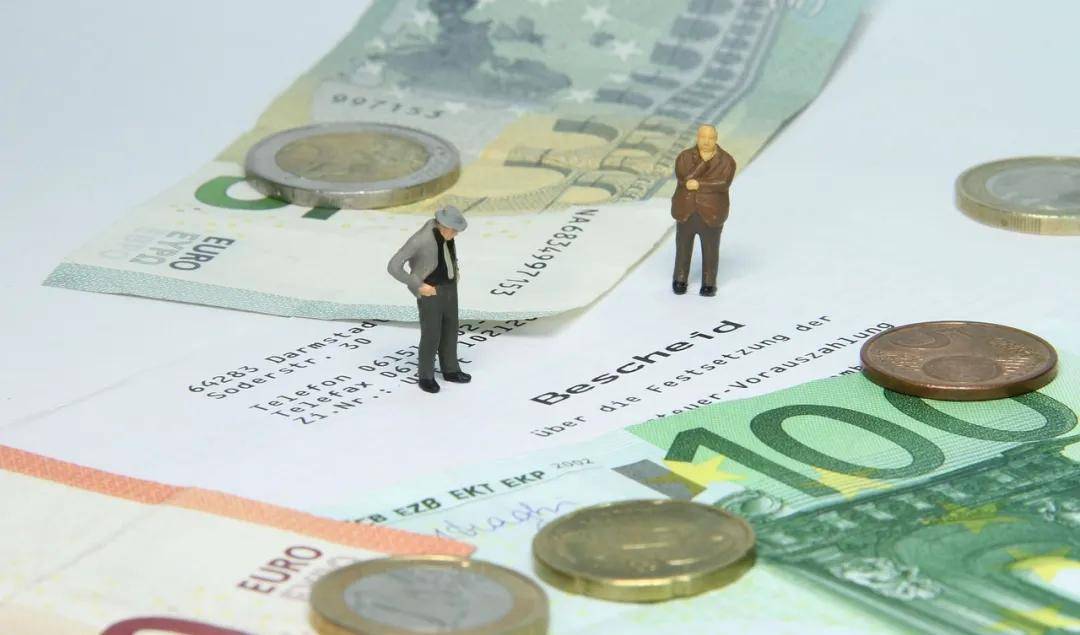
Core Points - The US-China trade war has entered a "ceasefire" phase after three rounds of difficult negotiations, with Australia emerging as an unexpected beneficiary of the situation [1][6] - The US has faced significant economic losses due to the trade war, with small and medium-sized enterprises struggling and agricultural exports, particularly soybeans and corn, suffering from lost access to the Chinese market [4][9] - Australia's economy has shown steady growth, with increased exports of iron ore, coal, and wine to China, positioning it as a key player in the trade dynamics between the US and China [6][7] Summary by Sections US-China Trade Dynamics - The US has implemented aggressive tariff policies against China, with tariffs reaching as high as 145%, but China's strong response has challenged US economic dominance [3][4] - The trade war has resulted in significant economic repercussions for the US, including increased costs for businesses and a decline in agricultural exports [4][9] Australia's Economic Position - Australia has capitalized on the trade war, increasing its market share in China for key products like iron ore and coal, benefiting from China's demand for resources [6][8] - The trade relationship between Australia and the US is imbalanced, with Australia relying heavily on trade with China for economic growth [7][8] Market Opportunities - The structure of US tariffs has inadvertently allowed Australia to fill the void left by American products in the Chinese market, particularly in coal and agricultural goods [8][9] - Australia's agricultural exports, including soybeans and beef, have surged as Chinese companies seek alternatives to US products due to increased costs from tariffs [9][10]