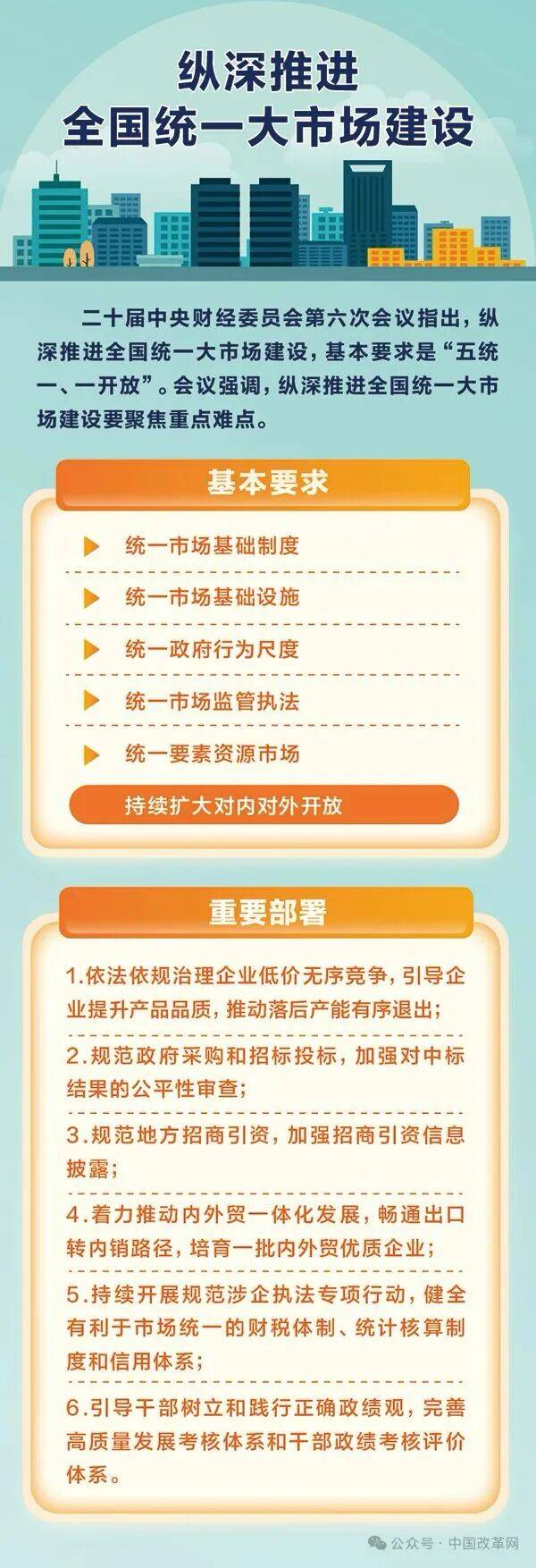
全国统一大市场

Search documents
南财快评|物价温和回升背后,有哪些积极变量?
2 1 Shi Ji Jing Ji Bao Dao· 2026-01-09 15:44
Group 1 - The core consumer price index (CPI) in China increased by 0.8% year-on-year, marking the highest growth since March 2023, driven by effective domestic demand policies and increased consumption during the New Year holiday [1] - The core CPI, excluding food and energy, rose by 1.2%, indicating sustained consumer recovery momentum, while the industrial consumer goods price, excluding energy, increased by 2.5%, reflecting improved demand in the manufacturing sector [1][2] - The service sector and quality consumer goods prices have shown steady growth, with service prices rising for eight consecutive months, indicating a shift in consumer spending from basic to quality-oriented products [2] Group 2 - The Producer Price Index (PPI) has shown a narrowing decline due to structural support from the growth of new productive forces, with prices for external storage devices rising by 15.3% year-on-year and biomass liquid fuel prices increasing by 9% [2][3] - Policies aimed at reducing "involution" competition and building a unified national market have positively impacted PPI recovery, with prices in previously over-competitive sectors like coal and lithium-ion batteries showing a consistent narrowing of year-on-year declines [3] - Key variables affecting price trends include a significant year-on-year drop in pork prices by 14.6%, which has pressured overall CPI, and the impact of international oil prices on domestic fuel prices, which decreased by 8.2% year-on-year [3] Group 3 - The internal recovery dynamics are expected to dominate, promoting a continued moderate increase in prices, supported by policies like trade-in programs and the ongoing construction of a unified national market [4] - The supply-demand relationship in the industrial sector is expected to improve, driven by the growth of the digital economy and green industries, which will contribute to a sustained rise in PPI and potentially achieve year-on-year growth by the second half of 2026 [4] - The moderate rise in prices is anticipated to support nominal GDP expansion, laying a positive foundation for stable economic performance in 2026 [4]
中国PPI连续3个月环比上涨
21世纪经济报道· 2026-01-09 11:06
Group 1: Consumer Price Index (CPI) Insights - In December 2025, the Consumer Price Index (CPI) increased by 0.2% month-on-month and 0.8% year-on-year, with the year-on-year growth rate reaching its highest level since March 2023 [1][4] - The rise in CPI was primarily driven by food prices, which increased by 1.1%, contributing approximately 0.17 percentage points to the year-on-year CPI increase [5][4] - The overall CPI for 2025 remained flat compared to the previous year, indicating insufficient effective consumer demand and a mismatch between supply and demand [2][6] Group 2: Producer Price Index (PPI) Insights - The Producer Price Index (PPI) rose by 0.2% month-on-month in December 2025, marking the third consecutive month of increase, while the year-on-year decline narrowed to 1.9% [8][7] - Key industries such as coal mining and lithium-ion battery manufacturing saw price increases, reflecting improvements in supply-demand structures and ongoing capacity governance [8][9] - The overall PPI for 2025 decreased by 2.6%, indicating a historically low price level combination, which aligns with the current macroeconomic context of supply exceeding demand [9][10] Group 3: Economic Outlook and Policy Implications - The "stabilize growth and promote consumption" policies are expected to gradually release their effects, with a low base effect anticipated to contribute to a moderate increase in CPI in 2026 [2][6] - The ongoing governance of key industries and the establishment of a unified national market are expected to continue into 2026, potentially improving price competition and market expectations [10][11] - Factors such as the low base effect from 2025's PPI decline and complex domestic and international economic conditions may drive an increase in upstream raw material prices in 2026 [11]


连续三日,人民日报刊发钟才平文章|宏观经济
清华金融评论· 2026-01-09 09:22
Core Viewpoint - The articles emphasize the importance of "adapting to local conditions" in economic work, highlighting its role in achieving high-quality development and effective governance in China [2][3][4]. Group 1: Economic Strategy and Development - The concept of "adapting to local conditions" is a key method advocated by Xi Jinping, applied across various sectors including poverty alleviation, rural revitalization, and ecological governance [3][4]. - The current economic environment during the 14th Five-Year Plan period requires tailored approaches to address unique regional challenges, avoiding one-size-fits-all solutions [3][4]. - The emphasis on local adaptation is crucial for achieving high-quality development and addressing the imbalances between urban and rural areas [4][5]. Group 2: Economic Performance and Projections - China's economy is projected to grow by approximately 5% in 2025, with a total economic output expected to reach 140 trillion yuan [7][10]. - The manufacturing sector shows positive trends, with significant growth in high-tech manufacturing and equipment manufacturing, outpacing overall industrial growth [10][11]. - Despite challenges from international trade tensions, China's overall exports increased by 5.4% in dollar terms, demonstrating resilience [8][10]. Group 3: Policy Implementation and Governance - The articles stress the need for effective macroeconomic policies, including a more proactive fiscal policy and a flexible monetary policy to support economic recovery [15][18]. - There is a focus on enhancing the efficiency of fiscal spending, with a significant budget allocation of 29.7 trillion yuan for public expenditure in 2025 [17]. - The importance of aligning various policies to avoid contradictions and ensure cohesive economic governance is highlighted [19][20].

国家统计局:12月国内金饰品价格上涨5.6%
Xin Lang Cai Jing· 2026-01-09 02:01
12月份,扩内需促消费政策措施继续显效,叠加元旦临近,居民消费需求增加,居民消费价格指数 (CPI)环比上涨0.2%,同比上涨0.8%,扣除食品和能源价格的核心CPI同比上涨1.2%。受国际大宗商 品价格传导拉动以及国内重点行业产能治理相关政策持续显效等因素影响,工业生产者出厂价格指数 (PPI)环比上涨0.2%,同比下降1.9%。 一、CPI环比由降转涨,同比涨幅继续扩大,核心CPI上涨1.2% CPI环比由上月下降0.1%转为上涨0.2%,环比上涨主要受除能源外的工业消费品价格上涨影响。扣除能 源的工业消费品价格上涨0.6%,影响CPI环比上涨约0.16个百分点。 其中,提振消费政策效果持续显现,叠加元旦临近,居民购物娱乐需求增加,通信工具、母婴用品、文 娱耐用消费品、家用器具价格均有上涨,涨幅在1.4%-3.0%之间;受国际金价上行影响,国内金饰品价 格上涨5.6%。能源价格下降0.5%,其中受国际油价变动影响,国内汽油价格下降1.2%,影响CPI环比下 降约0.04个百分点。食品价格上涨0.3%,影响CPI环比上涨约0.05个百分点。其中,节前消费需求增 加,鲜果和虾蟹类价格分别上涨2.6%和2.5% ...
中国12月CPI环比由降转涨,同比涨幅继续扩大,核心CPI上涨1.2%
Hua Er Jie Jian Wen· 2026-01-09 01:35
Group 1: CPI Analysis - In December, the Consumer Price Index (CPI) increased by 0.8% year-on-year, up from 0.7% in the previous month, marking the highest level since March 2023 [1][4] - The core CPI, excluding food and energy, rose by 1.2% year-on-year, maintaining above 1% for four consecutive months [4] - The increase in CPI was primarily driven by a rise in food prices, which increased by 1.1%, with fresh vegetables and fruits seeing significant price hikes of 18.2% and 4.4% respectively [4][3] Group 2: PPI Analysis - The Producer Price Index (PPI) rose by 0.2% month-on-month, marking the third consecutive month of increase, with the growth rate expanding by 0.1 percentage points from the previous month [5][7] - Year-on-year, the PPI decreased by 1.9%, but the decline was narrower by 0.3 percentage points compared to the previous month, indicating some positive changes in certain industries [7] - Key industries such as coal mining and lithium-ion battery manufacturing saw price increases, reflecting improvements in supply-demand dynamics and ongoing policy effects [5][6]
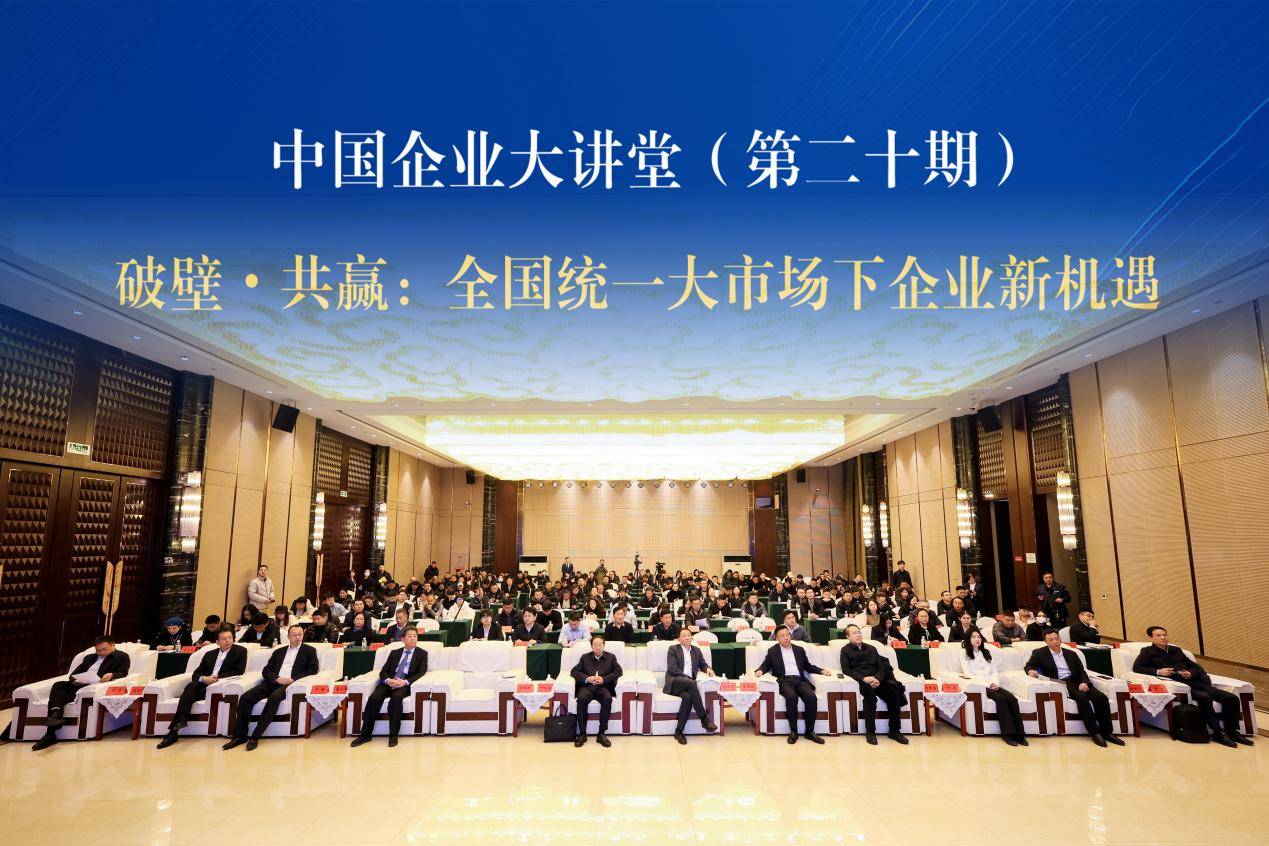
第二十期中国企业大讲堂 在首衡集团举办
Xin Lang Cai Jing· 2026-01-08 21:03
Group 1 - The core theme of the event was "Breaking Walls, Winning Together: New Opportunities for Enterprises under the National Unified Market" [1] - Shouheng Group has successfully integrated into the Beijing-Tianjin-Hebei coordinated development strategy, relocating over 7,200 merchants and more than 50,000 people to Hebei [1] - The operational costs for merchants in Shouheng's market are reduced by over 35% compared to the average in Beijing, with 70% of merchants experiencing revenue growth [1] Group 2 - Shouheng Group's dual-track practice involves building a network to overcome geographical barriers and using smart platforms to eliminate information silos [2] - The company has seen significant success in its layouts in regions like Xiaogan, Hubei, and Changde, Hunan, achieving a "double thousand" breakthrough in transaction volume and value within two years [2] - Shouheng Group aims to enhance supply chain resilience through cross-regional resource allocation and promote the free flow and efficient allocation of factors nationwide [1][2]
2026中国经济展望:用好超大规模市场这张牌
Jing Ji Ri Bao· 2026-01-08 15:35
Group 1 - China's market is characterized by its enormous scale, with over 1.4 billion people and the world's largest middle-income group, providing a significant advantage for economic development [1] - The daily economic activities in China include over 500 million express packages and approximately 340 billion yuan in online transactions, showcasing the market's robust dynamics [1] - The focus on leveraging the super-large market advantage is essential for China's economic stability and high-quality development amidst various risks and challenges [1] Group 2 - The ice and snow tourism sector in China is entering a prosperous phase, with an expected 360 million participants and a revenue forecast of 450 billion yuan for the 2025-2026 winter season [2] - The vast market allows for rapid validation of new technologies and products, fostering continuous innovation from initial users to broader market adoption [3] - A competitive landscape has emerged, enabling businesses to respond quickly to personalized demands, thus activating consumer market potential [3] Group 3 - The establishment of a cross-grid electricity trading mechanism in 2025 aims to enhance the efficiency of electricity distribution across regions, facilitating a unified national market [5] - Continuous reforms are necessary to eliminate market barriers and enhance economic circulation, transitioning China's market from large to strong [6] - The focus on creating a unified national market involves both establishing beneficial regulations and removing obstacles that hinder market development [6] Group 4 - China's integration into the global economy is evident through its active participation in the Belt and Road Initiative and its status as a major trade partner for over 150 countries [8] - High-level openness initiatives are set to transform China's market advantages into global resource allocation capabilities, enhancing its role as a profit center and innovation partner [9] - The Hainan Free Trade Port is expected to facilitate the entry of foreign enterprises into the Chinese market and support Chinese companies in expanding globally [10]
经济改革理论的创新和突破
Sou Hu Cai Jing· 2026-01-08 14:43
Core Viewpoint - Economic reform is essential for liberating and developing social productivity, enhancing the economic system, and ensuring sustainable economic growth, as emphasized in Xi Jinping's economic thought [1][4][11]. Group 1: Economic Reform Objectives - The primary goal of economic reform is to adjust production relations to stimulate internal social development dynamics and enhance overall economic efficiency [2][4]. - Economic reform serves as a crucial method for countries to address economic development challenges, as seen in the post-World War II global context [2][4]. Group 2: Historical Context of Economic Reform in China - After the establishment of the socialist system, China faced the challenge of improving its economic system, transitioning from a highly centralized planned economy to a vibrant socialist market economy [3][4]. - The reform and opening-up initiated by the Chinese Communist Party broke traditional constraints and led to significant theoretical and practical advancements in economic reform [3][4]. Group 3: Current Challenges and Reform Needs - As China enters a new era focused on high-quality development, it faces deep-seated institutional issues that require further reform to ensure effective economic governance and resource allocation [4][19]. - The need for a modern economic system is underscored by the necessity to address imbalances and inefficiencies in the current economic structure [4][19]. Group 4: Leadership and Public Support in Reform - Strong leadership and public support are critical for the success of economic reforms, as evidenced by historical failures in other countries due to a lack of cohesive leadership [12][13]. - Xi Jinping's emphasis on the Party's leadership as a political advantage highlights the importance of maintaining a unified direction in reform efforts [12][13]. Group 5: Market and Government Relationship - The relationship between government and market is central to economic reform, with a focus on optimizing their interaction to promote sustainable economic growth [15][16]. - Successful market reforms in China have been characterized by a balanced approach that leverages both market mechanisms and government intervention [16][19]. Group 6: Income Distribution and Social Equity - Reform efforts must address income distribution issues to promote social equity and ensure that the benefits of economic growth are shared among all citizens [24]. - A comprehensive income distribution system that includes initial, redistributive, and third distribution mechanisms is essential for achieving common prosperity [24].
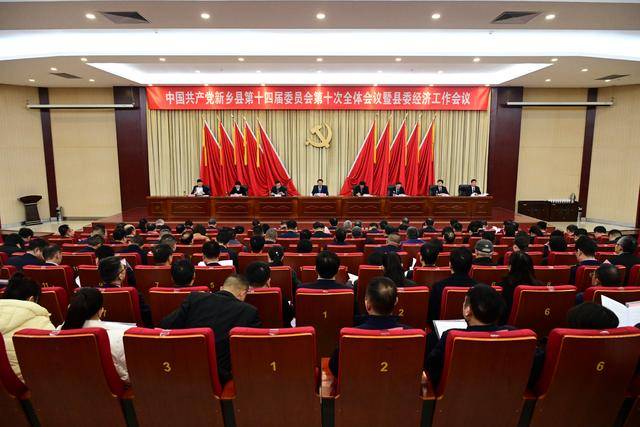
确保“十五五”开好局 新乡县提出“八个关键着力点”
Sou Hu Cai Jing· 2026-01-08 07:12
Economic Growth and Development - During the "14th Five-Year Plan" period, the GDP of Xinxiang County increased from 21.77 billion to 31.8 billion, with per capita GDP exceeding 90,000, ranking first among eight counties and cities [2] - The general public budget revenue rose from 1.06 billion to 1.4 billion, with an average annual growth of 5.8%, maintaining an 80% tax ratio, also ranking first among eight counties and cities [2] - By the end of the "14th Five-Year Plan," the per capita disposable income of residents reached 35,000, which is 1.3 times that of the end of the "13th Five-Year Plan," maintaining the absolute first position among eight counties and cities [2] Strategic Focus for Future Development - Xinxiang County has identified eight key focus areas for economic work in 2026 to ensure a strong start for the "15th Five-Year Plan" [2] - The county aims to enhance domestic demand, integrate into the national unified market, and promote efficient governance reforms [3] - There is a focus on strengthening the real economy and building a modern industrial system, with plans to implement a "special industry cluster excellence upgrade plan" [3] Innovation and Industrial Development - The county plans to promote innovation-driven development and enhance the integration of technological and industrial innovation [3] - Efforts will be made to establish an industrial innovation alliance centered around leading enterprises and to develop the "Xinxiang Manufacturing" regional brand [3] - The goal is to attract and cultivate significant projects in sectors such as industrial robotics, artificial intelligence, biomanufacturing, and new energy [3] Rural Revitalization and Environmental Protection - Xinxiang County is committed to comprehensive rural revitalization, ensuring food security, and enhancing agricultural productivity [4] - The county aims to strengthen pollution prevention and accelerate the transition to a green and low-carbon economy, with specific targets for reducing emissions and increasing green manufacturing enterprises [4] - There is a focus on improving public services in education, healthcare, and social security to enhance the quality of life for residents [5] Governance and Safety - The county emphasizes the importance of balancing high-quality development with safety, implementing effective governance through party leadership and data-driven approaches [5] - There are measures in place to mitigate financial risks and ensure compliance with land protection policies [5] - The county aims to enhance community safety and maintain social stability through ongoing efforts against crime and illegal land use [5]
中国企业大讲堂第二十期在首衡集团成功举办 共谋统一大市场发展新篇
Sou Hu Cai Jing· 2026-01-08 06:29
Group 1 - The event "Breaking Walls, Winning Together: New Opportunities for Enterprises under the National Unified Market" gathered nearly 200 participants from government, enterprises, academia, and research sectors to discuss core issues such as market rule unification and efficient flow of factors, providing intellectual support for implementing national strategies and enhancing market vitality [1][9] - The event was hosted by the China Enterprise Reform and Development Research Association (CERDRA) and co-organized by Shouheng Group and the Hebei Provincial State-owned Assets Supervision and Administration Association [3] - The president of CERDRA emphasized that building a national unified market is a fundamental support and inherent requirement for constructing a new development pattern, marking a profound shift in China's economic development towards "rule-driven" growth [5] Group 2 - Shouheng Group's chairman highlighted the company's successful integration into the Beijing-Tianjin-Hebei coordinated development strategy, facilitating the relocation of over 7,200 merchants and more than 50,000 people from Beijing to Hebei, reducing operational costs by over 35% compared to Beijing [6] - The company is implementing a nationwide layout based on its successful practices in the Beijing-Tianjin-Hebei region, covering key nodes in North and Central China, and enabling cross-season circulation of agricultural products across over 2,000 county-level production areas [6] - The president of Shouheng Group discussed the company's dual-track practice from regional to national layout, emphasizing the need to break geographical barriers through a node network and enhance sustainable development paths [7] Group 3 - The event utilized a hybrid format, combining online and offline participation, and was broadcasted through major media platforms, creating a high-quality dialogue platform for policy, academia, and industry [9] - Participants agreed that promoting the construction of a national unified market is a systematic project that requires consensus from all parties and the innovative role of enterprises to contribute to the new development pattern and high-quality economic and social development [9]