AI智能体

Search documents
数码视讯跌2.09%,成交额1.94亿元,近5日主力净流入-701.18万
Xin Lang Cai Jing· 2025-11-19 07:20
Core Viewpoint - The company, Digital Vision, is experiencing fluctuations in stock performance and is involved in various technological advancements, particularly in digital copyright protection and AI applications in the broadcasting sector [1][2][3]. Company Overview - Digital Vision Technology Co., Ltd. was established on March 14, 2000, and went public on April 30, 2010. The company is based in Haidian District, Beijing, and specializes in the research, development, production, sales, and technical services of digital television hardware and software products [8]. - The main revenue composition includes: video technology products and services (34.01%), information service terminals (21.46%), other (17.93%), public safety products (8.25%), network transmission systems (7.34%), financial technology products (6.70%), and software technology services (4.30%) [8]. Financial Performance - For the period from January to September 2025, Digital Vision achieved operating revenue of 465 million yuan, representing a year-on-year growth of 24.58%. The net profit attributable to the parent company was 24.62 million yuan, an increase of 10.34% year-on-year [9]. - The company has distributed a total of 370 million yuan in dividends since its A-share listing, with 42.83 million yuan distributed in the last three years [10]. Market Position and Trends - The stock price of Digital Vision decreased by 2.09% on November 19, with a trading volume of 194 million yuan and a turnover rate of 2.68%, leading to a total market capitalization of 8 billion yuan [1]. - The company is positioned within the computer IT services sector and is associated with concepts such as the Metaverse, data rights confirmation, NFT concepts, and virtual digital humans [9]. Technological Developments - Digital Vision has made significant advancements in copyright protection through the integration of new technologies, including blockchain for digital copyright management, which enhances the control authors have over their works [2]. - The company’s AI Agent for the broadcasting sector is designed for application in television stations and data centers, providing capabilities for operational maintenance, fault prediction, and self-optimization [2]. Shareholder Information - As of September 30, 2025, the number of shareholders increased to 81,400, with an average of 15,748 shares held per shareholder, a decrease of 1.68% from the previous period [9].

【公告全知道】芯片+华为+算力+数据中心+AI智能体+云计算!公司与华为深度合作人工智能算力中心解决方案
财联社· 2025-11-18 15:40
Group 1 - The article highlights significant announcements in the stock market, including "suspensions and resumption of trading, shareholding changes, investment wins, acquisitions, performance reports, unlocks, and high transfers" [1] - A company is collaborating deeply with Huawei on artificial intelligence computing center solutions, focusing on chips, computing power, data centers, AI agents, cloud computing, and trusted computing [1] - Another company has received sales contracts totaling nearly 800 million yuan from CATL, involving lithium batteries, solid-state batteries, robotics, and artificial intelligence [1] - A company is supplying over 220,000 tons of lithium salt products, related to solid-state batteries and lithium batteries [1]



为何AI在物理世界走得更慢?世界经济论坛AI专家这么说
Di Yi Cai Jing· 2025-11-18 09:31
Core Insights - The year 2026 is anticipated to be a pivotal year for the deep integration of AI and robotics technologies, as AI applications evolve from reactive to proactive services [1][2] - Despite the rapid growth of AI applications, challenges remain in deploying AI in physical environments, particularly in industrial settings where precision and efficiency are critical [1] - A significant report from MIT indicates that 95% of companies have not achieved commercial returns on their generative AI investments, despite spending between $30 billion and $40 billion [4] Group 1: AI and Robotics Integration - The integration of AI, sensors, and robotics is increasingly evident in industrial and manufacturing scenarios, with expectations for advancements in world model technology [2] - The complexity of integrating robots into industrial settings is significantly higher than deploying chatbots, necessitating a better understanding of the physical world [1] Group 2: Business Strategies for AI Deployment - Companies must focus on deepening their domain expertise and integrating AI with specialized knowledge to avoid the pitfall of "AI for AI's sake" [4][5] - Maintaining innovation resilience and being willing to pivot away from non-valuable projects is crucial for companies deploying AI [4] - Successful AI implementations often begin with pilot projects that clearly define commercial value before scaling up [5] Group 3: AI Applications in China - The World Economic Forum's MINDS initiative highlights significant AI applications in key sectors, with Chinese projects making up 40% of the awards despite only representing 20% of the total applications [6] - The collaborative nature of AI applications in China, involving multiple stakeholders, accelerates the development process [6] - Chinese policymakers prioritize AI development, fostering an environment conducive to innovation and collaboration among industry and academia [6]

人工智能系列谈丨AI时代的机遇与挑战:从科技创新到行业应用
Xin Hua She· 2025-11-18 06:34
Core Insights - The article emphasizes the accelerating impact of artificial intelligence (AI) on industrial transformation, highlighting the shift from theoretical breakthroughs to practical applications across various sectors [2][3][4]. Group 1: AI Development and Trends - AI has evolved significantly over the past 70 years, transitioning from expert systems to machine learning and now to deep learning, which utilizes neural networks to solve complex problems [3][4]. - The introduction of large language models (LLMs) marks a new phase in AI development, enabling better understanding and generation of human language [4][5]. - The current trends in AI include a shift in focus from model training to inference, with increasing demand for practical applications and solutions to real-world problems [6][7]. Group 2: Policy and Industry Response - The Chinese government is actively supporting the "AI+" initiative, aiming to integrate digital technology with manufacturing and market advantages, with a target for widespread adoption of intelligent applications by 2027 [2][7]. - Companies are encouraged to adopt a four-step methodology for AI implementation, which includes identifying business pain points, defining core values, executing plans, and adapting organizational structures to leverage AI effectively [8][9]. Group 3: Philosophical Considerations - The debate on whether AI will replace humans is ongoing, with contrasting views from industry leaders. Some express concern over AI's potential to surpass human capabilities, while others believe it will enhance human productivity and quality of life [10][12]. - The efficiency of human cognition, which operates on approximately 20 watts, starkly contrasts with the energy demands of training advanced AI models, highlighting the unique advantages of human intelligence [11].
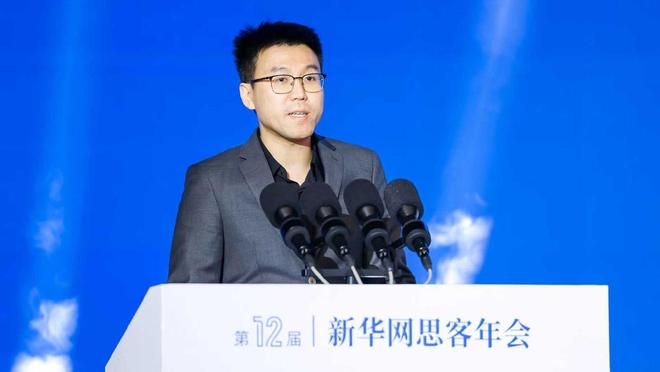
新增AI智能体功能,昌平文旅官方旅游小程序升级上线
Xin Jing Bao· 2025-11-17 05:18
Core Insights - The upgraded tourism mini-program "One Code to Travel Changping" aims to provide a comprehensive smart tourism service for visitors, enhancing the overall travel experience [1] Group 1: Service Enhancements - The mini-program focuses on delivering "richer, faster, and better" services by covering the entire travel process: pre-trip, during the trip, and post-trip [1] - Visitors can reserve entry slots and professional guides online, eliminating the need for on-site queuing [1] - Real-time updates on popular events such as "Sixteen Emperors Performance" and "Night Great Wall at Juyongguan" are provided to enhance the touring experience [1] Group 2: Integrated Tourism Resources - The mini-program integrates various tourism resources in Changping, including accommodations like courtyard homestays and high-quality resorts [1] - It offers easy access to local delicacies such as Kangling Spring Pancake Feast and Yangfang Hot Pot, as well as trendy souvenirs like the Fengguan refrigerator magnet and Great Wall cultural products [1] Group 3: AI Features - A new AI assistant feature acts as a "personal travel concierge," capable of answering questions about ticket prices, transportation, and outfit suggestions [1] - The AI can generate personalized itineraries based on travel duration, group size, and interests, and provides intelligent navigation within the scenic spots, detailing historical and architectural features [1]
百胜中国(09987.HK)三年年均复合年增长目标:经营利润实现高单位数增长,每股摊薄盈利和每股自由现金流均实现双位数增长
Ge Long Hui· 2025-11-17 04:50
Core Insights - Yum China is accelerating its store network expansion, aiming to double its store count to over 30,000 by 2030, with a commitment to return approximately 100% of free cash flow to shareholders starting in 2027 [1][11] Group 1: Strategic Initiatives - The RGM 3.0 strategy focuses on resilience, growth, and competitive advantage, driving significant operational transformation and reinforcing core competencies [1] - The company plans to leverage innovative store formats and a combination of direct and franchise operations to penetrate markets more deeply and rapidly [1] Group 2: KFC Growth Plans - KFC aims to increase its store count by approximately one-third to over 17,000 by 2028, with a projected operating profit exceeding RMB 10 billion [2] - The brand is expanding into over 2,000 untapped lower-tier cities while enhancing its presence in high-tier cities through flexible store models and accelerated franchise strategies [2] Group 3: Pizza Hut Development - Pizza Hut has completed a key transformation, achieving a 17% same-store sales growth for three consecutive quarters and is entering an accelerated growth phase [4] - The brand plans to add over 600 new stores annually for the next three years, targeting a total of over 6,000 stores by 2028 [4] Group 4: Lavazza Coffee Expansion - Lavazza Coffee is entering a new growth phase, with double-digit same-store sales growth and plans to open 1,000 stores by 2029, aiming for $60 million in retail sales [5][6] Group 5: Digital Strategy - Yum China has integrated AI technology into its operations since 2019 and is exploring generative AI to enhance customer experience and operational efficiency [7] Group 6: Supply Chain Management - The company boasts a world-class supply chain management system, having launched over 1,600 new or upgraded products in the past three years while maintaining competitive raw material costs [8] Group 7: Talent Strategy - The company emphasizes empowering restaurant managers (RGM) to focus on food safety, customer experience, and team building, which are critical for sustainable business growth [9] Group 8: Financial Goals - For 2025, Yum China targets an operating profit margin of 10.8% to 10.9% and aims for a diluted earnings per share growth in double digits from 2026 to 2028 [10][11] - By 2028, the company plans to exceed 25,000 stores and maintain a minimum operating profit margin of 11.5% [11]
龙湖、洋葱学园如何通过AI智能体重塑企业新形态?
虎嗅APP· 2025-11-15 09:17
Core Insights - The article emphasizes the transformative role of AI agents in enhancing operational efficiency within enterprises, while highlighting the gap between technological feasibility and commercial necessity, with many GenAI concepts remaining in the demo stage without quantifiable ROI proof [3]. Company Case Studies - Longfor Group has implemented over 180 digital employees across key areas such as pricing models, contract review, business risk control, and property management, creating a system of five categories of digital employees that enhance business efficiency and evolve into extensions of corporate cognition and decision-making [4]. - Onion Academy is leveraging AI to revolutionize the education sector by deploying multi-agent collaboration to develop personalized education products and partnering with schools to transform traditional teaching methods, facilitating large-scale autonomous learning [4]. - Fengrui Capital focuses on the commercialization pathways and investment opportunities of AI agents, exploring which industries and scenarios hold the most investment value during the application of AI technology [4]. Conference Value - The conference aims to explore how AI will introduce new elements into traditional sectors like real estate and education, and how the boundaries between AI and human capabilities will evolve [5]. - It will provide a comprehensive analysis of the entire landscape of agent deployment from technical application to commercial realization [5]. - Guests will share insights on the pitfalls of agent deployment and exclusive secrets to achieving ROI greater than 1 [5]. Trend Insights - The discussion will delve into the next potential breakthrough in the Agent Economy, encouraging early strategic planning for enterprise AI initiatives [6]. Attendees - The event will feature prominent figures such as Li Feng from Fengrui Capital, Yang Linfeng from Onion Academy, and Zhang Tiean from Longfor Group, targeting CDOs, CTOs, AI department heads, product directors, strategic investors, and researchers [7].


腾讯管理层:大模型仍在激烈竞争中 腾讯没有落后
Zhong Guo Jing Ying Bao· 2025-11-14 23:57
中经记者 李静 北京报道 11月13日,腾讯控股(00700.HK)发布2025年第三季度财报。该季度,腾讯实现营收1928.7亿元,同比 增长15%;经营利润(Non-IFRS)为725.7亿元,同比增长18%;净利润(Non-IFRS)为705.51亿元,同 比增长18%。 董事会主席兼首席执行官马化腾表示:"腾讯对AI的战略投入,为广告精准定向及游戏用户参与度等业 务领域带来助益,也带来了编程、游戏及视频制作等领域的效率提升。" 但近期市场上有质疑声音认为,腾讯在大模型领域的资本支出不够积极,或会导致腾讯无法输出更好的 模型。 腾讯总裁刘炽平在财报电话会议上对此回应道:"在这个时间点,我们不认为中国存在更好的模型,市 场还处于非常激烈的竞争中,不同的模型可能在不同使用场景中各有优劣。所以我们不认为腾讯在大模 型上真的落后。" 具体来看,在第三季度,腾讯元宝的生态打通进程明显提速。在7月,元宝打通了QQ音乐,实现"搜歌 即听"的功能;此外,元宝与腾讯视频完成对接;在协同办公场景,腾讯会议联合元宝推出了"AI纪 要"与"AI托管"功能;至9月,元宝全面上线微信公众号与视频号评论区。 "元宝已接入数十个腾讯核 ...

长虹AI智能体:“数字员工”撬动千亿智造生态
Jing Ji Guan Cha Wang· 2025-11-14 05:51
Core Insights - The rapid development of AI technology and applications is reshaping the manufacturing industry, with AI agents becoming integral to production operations across various processes [1] - Changhong Holdings Group is actively embracing AI, focusing on three dimensions: "AI + Manufacturing," "AI + Products," and "AI + Operations" to transform its business [1][2] - The introduction of AI agents in Changhong's operations is enhancing efficiency and decision-making capabilities, positioning them as "digital employees" within the company [1][7] Group 1: AI in Product Development - The integration of AI technology into home appliances represents a significant breakthrough for Changhong, with the launch of the "Yunfan AI" platform that includes five core technologies [2] - The "Canghai AI" agent enhances user experience by providing personalized services and continuous learning capabilities, making appliances smarter over time [2][3] - AI-enabled products like air conditioners and refrigerators are designed to optimize user interaction and energy efficiency, acting as "invisible housekeepers" [3] Group 2: AI in Manufacturing - Changhong is implementing AI across its manufacturing ecosystem, with a focus on predictive maintenance, visual defect detection, and production optimization [4] - The establishment of an AI manufacturing task force has led to the creation of advanced smart factories, with over 80% of manufacturing bases achieving advanced smart factory status [4][5] - AI agents play a crucial role in enhancing production efficiency, with significant improvements in quality control and resource optimization [5][6] Group 3: AI in Business Operations - The AI middle platform aims to enhance operational efficiency across sales, research, production, supply chain, and service sectors [7][9] - AI technologies are being utilized to automate marketing content generation and streamline procurement processes, significantly improving conversion rates and reducing approval times [9][10] - The integration of AI in supply chain management allows for accurate material demand forecasting and real-time monitoring of supplier capabilities, enhancing overall operational continuity [10] Group 4: Future Outlook - Changhong is positioned as a pilot enterprise for digital transformation, leveraging AI to drive efficiency and innovation across its operations and supply chain [10] - The company aims to contribute to the intelligent and high-quality development of the manufacturing industry in China, promoting a robust ecosystem for smart manufacturing [10]

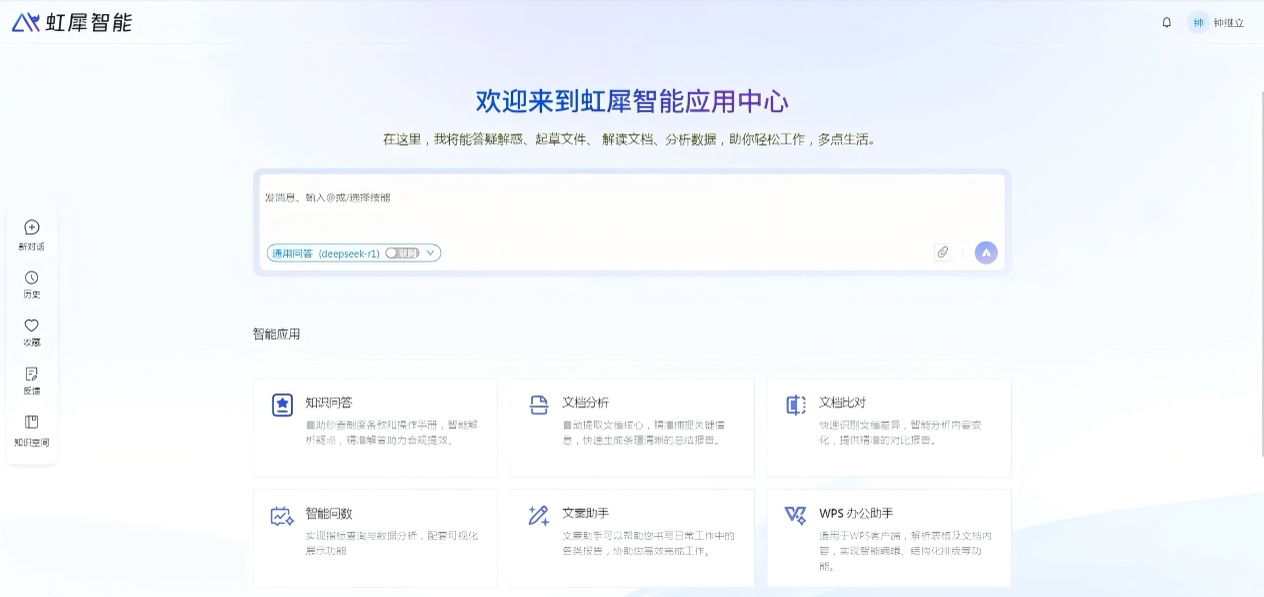
微软CEO纳德拉:软件计费模式将从“按用户”转向“按AI智能体”
Sou Hu Cai Jing· 2025-11-13 11:14
Core Insights - Microsoft is rethinking its software pricing model, focusing on "AI agents" instead of traditional user-based billing [3] - The company is shifting its strategic focus from developing software for human employees to providing support for "AI coworkers" [3][4] - The transition reflects a broader industry change where AI systems are becoming active users of software, prompting companies to redesign their pricing logic [3] Group 1 - Microsoft CEO Satya Nadella announced the consideration of a shift from "per user" to "per agent" billing, charging based on the number of AI systems capable of autonomous tasks [3] - The existing services like Microsoft 365 will evolve to become the core workspace for AI agents [3][4] - Nadella emphasized that the new infrastructure business will grow faster than user numbers, indicating a significant shift in business dynamics [4] Group 2 - Earlier this year, Microsoft introduced a "pay-as-you-go" pricing model for its AI agents, allowing businesses to pay flexibly based on the actual work completed by their AI systems [4] - This new billing mechanism complements the free Copilot chat experience available to Microsoft 365 users, enhancing the overall value proposition [4]