
预制菜

Search documents
砍自己一刀,西贝绝地求生
首席商业评论· 2025-10-08 05:07
Core Viewpoint - The article discusses the recent price reduction strategy implemented by the restaurant brand Xibei, which aims to regain consumer trust after facing criticism for high prices and the use of pre-made dishes. The effectiveness of this strategy during the National Day holiday is analyzed, highlighting both consumer reactions and potential long-term implications for the brand [8][24][28]. Price Reduction Strategy - Xibei announced significant price cuts on various core dishes starting from October 1, with prices for items like Xibei noodles dropping from 39 yuan to 33 yuan and roasted lamb chops from 119 yuan to 109 yuan. Additionally, a 100 yuan no-threshold voucher was introduced [8][12]. - This price adjustment is unprecedented in Xibei's history and is viewed as a self-rescue measure to counteract declining customer traffic [8][12]. Consumer Response - During the National Day holiday, Xibei experienced a noticeable increase in customer traffic compared to the previous period, with some locations seeing wait times for seating [8][18]. - Consumers reported significant savings using the vouchers, with some effectively dining for free by leveraging multiple vouchers [13][15]. However, there were complaints about portion sizes, indicating that the price reduction did not necessarily equate to value [29]. Market Dynamics - The introduction of vouchers led to a surge in secondary market activity, with 100 yuan vouchers being sold for 50-60 yuan on platforms like Xianyu, indicating a potential for arbitrage [19][20]. - The presence of "voucher hunters" and resellers could undermine the original intent of the promotional campaign, shifting it from customer appreciation to profit-making [20][24]. Brand Trust Issues - Despite the price cuts, Xibei continues to face skepticism regarding its use of pre-made dishes, with many consumers expressing doubts about the brand's claims of not using such products [24][26]. - The article notes that while consumers acknowledge the lower prices, they still associate the brand with its previous high pricing and pre-made dish controversies, which complicates the rebuilding of trust [26][28]. Strategic Implications - The article suggests that Xibei's shift from emphasizing value to competing on price could dilute its brand equity and long-term positioning in the market [28][29]. - To regain consumer trust, Xibei may need to focus on transparency regarding its food sourcing and preparation methods, as well as ensuring that pricing aligns with consumer expectations for quality [31][33].

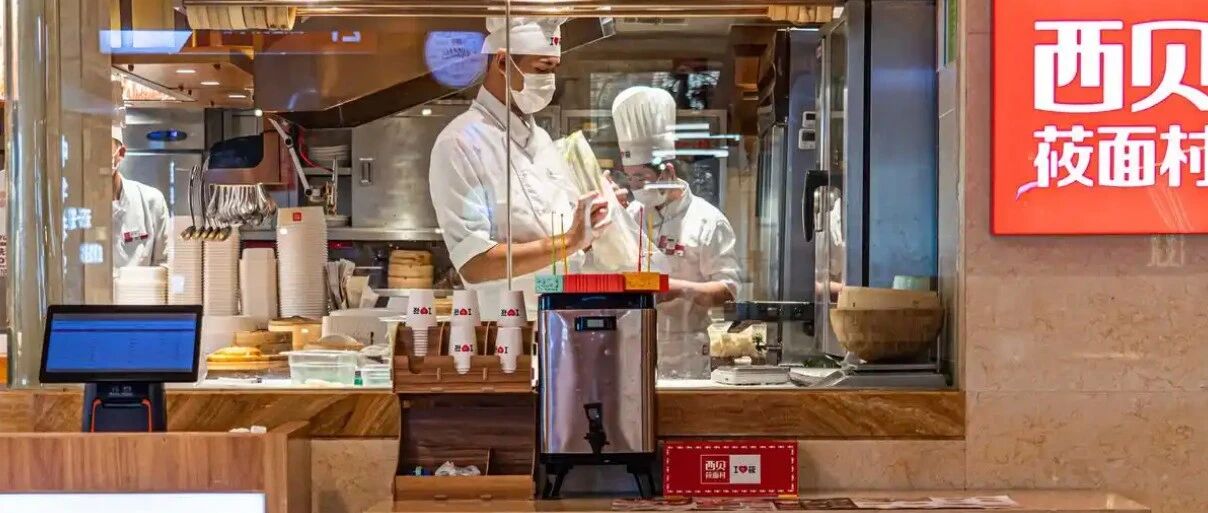
西贝北上广深门店实探:预制菜风波后的首个国庆假期过得怎么样?
Di Yi Cai Jing· 2025-10-05 09:06
Core Viewpoint - The article discusses the recovery of Xibei's business during the National Day holiday following controversies over its pre-prepared dishes, highlighting increased customer traffic and promotional strategies to attract diners [1][2][10]. Group 1: Business Performance - During the National Day holiday, Xibei experienced a noticeable increase in customer traffic, particularly in major cities like Beijing and Shenzhen, with some locations requiring a wait time of up to half an hour [2][15]. - In Suzhou, Xibei's restaurant saw a full house during peak hours, with a shift in customer demographics towards families and middle-aged groups [5][13]. - In Shanghai, some Xibei locations reported an 80% occupancy rate, primarily serving family customers, with no need for waiting [6][11]. Group 2: Promotional Strategies - Xibei issued 100 yuan vouchers to customers, which can be stacked and used without minimum spending requirements, leading to increased visits during the holiday [2][10]. - The restaurant implemented price reductions on several menu items, with discounts ranging from 10% to 30%, to attract price-sensitive customers [5][15]. - The company has been actively promoting its adjustments to food preparation methods, emphasizing that many dishes are now made fresh in-store to counteract negative perceptions of pre-prepared food [8][19]. Group 3: Customer Engagement - The distribution of vouchers has led to a secondary market where individuals and scalpers are reselling these vouchers at a profit, indicating strong demand [20][21]. - Xibei's marketing strategy aims to regain consumer trust and encourage repeat visits, although concerns remain about the long-term impact of previous controversies on brand perception [23][24].
中国数字电视台品牌顾问刘海铭:西贝危机的品牌重塑路径
Xin Lang Cai Jing· 2025-10-02 06:17
Group 1 - The crisis was ignited by a tweet from Luo Yonghao, which criticized the use of pre-prepared dishes at a restaurant, leading to widespread public discussion about transparency and integrity in the restaurant industry [1][2] - The founder of Xibei, Jia Guolong, responded strongly to the criticism, asserting that none of the dishes were pre-prepared and announcing intentions to sue Luo, escalating the conflict [2][3] - The crisis expanded beyond Xibei, affecting the entire restaurant industry, with other companies expressing support for Xibei and raising broader questions about the definition and labeling of pre-prepared dishes [3][4] Group 2 - The crisis highlighted a fundamental conflict between Xibei's brand promise of fresh, high-quality ingredients and its operational model, which relies on a central kitchen for efficiency [7][8] - The ambiguity surrounding the definition of pre-prepared dishes and the lack of industry standards contributed to the crisis, as Xibei argued that its offerings did not fit the definition of pre-prepared food [9][10] - The crisis response from Xibei was criticized for relying on legal action rather than effective public relations, failing to address consumer concerns and emotions adequately [11][12] Group 3 - The crisis led to significant financial impacts for Xibei, with daily revenues dropping by approximately 1 million yuan during the initial days of the controversy [13] - The incident prompted a broader reflection within the industry regarding crisis management and the importance of transparency and consumer trust [14] - The introduction of national standards for pre-prepared dishes was accelerated as a result of the crisis, aiming to provide clearer definitions and safety regulations for the industry [15][16] Group 4 - The crisis underscored the necessity for companies to adopt transparent business practices to rebuild consumer trust, as seen in the responses from other restaurants that openly communicated their food preparation processes [21][22] - The importance of aligning brand promises with actual delivery was emphasized, as discrepancies can lead to consumer distrust and potential crises [26][27] - Establishing a comprehensive crisis management system is crucial for companies to effectively respond to potential issues and mitigate risks in a fast-paced information environment [31][32]

贾国龙删号「退网」?我们存好了他的「语录合订本」
36氪· 2025-10-02 04:09
Core Viewpoint - The article discusses the contradictions and inconsistencies in the statements and actions of Jia Guolong, the founder of Xibei, highlighting the challenges faced by restaurant entrepreneurs in balancing efficiency, quality, scale, and original intentions [4][5][42]. Group 1: Contradictions in Business Strategy - Jia Guolong transitioned from promoting pre-made dishes to denying their existence, claiming "Xibei is 100% not pre-made" despite evidence of his involvement in the pre-made dish industry [9][10]. - His stance on going public shifted from "never" to a goal of completing an IPO by 2026, aiming for a market value exceeding 100 billion yuan, despite current revenues of only 6.2 billion yuan [12][14][15]. - The ambitious goal of opening 100,000 stores was drastically reduced to approximately 370 stores by 2024, showcasing a significant gap between aspiration and reality [16][19]. Group 2: Employee Management and Corporate Culture - Jia Guolong exhibited a dual approach to employee management, promising substantial bonuses while simultaneously imposing a demanding work schedule of 105 hours per week [21][22][23]. - His commitment to employee welfare was contradicted by a harsh work environment, leading to confusion among staff regarding the company's true values [24][43]. Group 3: Pricing and Consumer Relations - The pricing strategy of Xibei has been characterized by a cycle of price increases followed by public backlash and apologies, indicating a lack of consistency in pricing policies [25][28]. - Jia Guolong's statement "customers abuse me thousands of times, I treat customers like my first love" reflects a disconnect between the company's service philosophy and its actual customer relations [30][31]. Group 4: Dependency on Delivery Platforms - Jia Guolong criticized delivery platforms for undermining pricing power while simultaneously relying on them for 40% of Xibei's revenue, revealing a contradiction in his business strategy [33][35][36]. Group 5: Failed Brand Expansion - The attempt to diversify into multiple sub-brands has resulted in significant failures, with numerous projects being launched and quickly abandoned, indicating a lack of strategic focus [39][40]. - The rapid turnover of new brands and the chaotic management style have led to wasted resources and missed opportunities for growth in the core business [40][41]. Group 6: Overall Leadership Style - Jia Guolong's leadership style is described as autocratic, with decisions made unilaterally, often leading to ineffective strategies and a lack of accountability within the organization [43][44]. - The article suggests that many restaurant entrepreneurs share similar traits of disconnection from consumer needs and market realities, leading to a collective struggle in the industry [44].
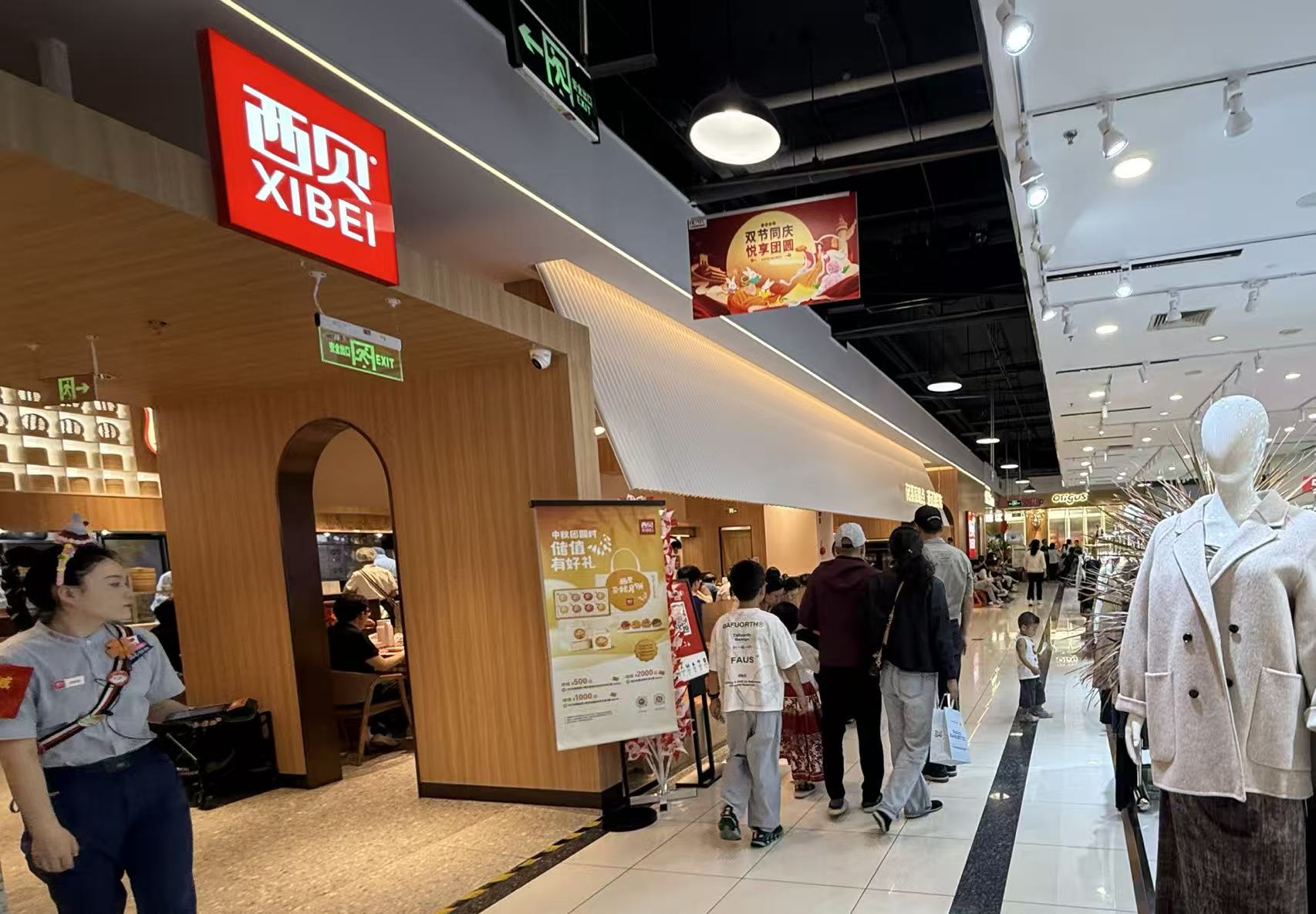
实探整改后的西贝门店:餐厅满员,多位家长带儿童就餐;降价几元;后厨改为现场制作
Sou Hu Cai Jing· 2025-10-01 08:34
Core Viewpoint - The company Xibei is facing a crisis following allegations of selling pre-made dishes, leading to a significant drop in customer traffic and necessitating price adjustments to regain consumer trust [2][11]. Price Adjustment - On October 1, Xibei reportedly implemented a nationwide price reduction of approximately 20%-40%, although in-store staff indicated the actual reduction was more modest, typically just a few yuan, with the maximum reduction being slightly over 20% [3][4]. - The price adjustments were made in response to public backlash, particularly after founder Jia Guolong stated that the company's profit margin was around 5%, raising doubts about the necessity of such drastic price cuts [3][4]. Customer Traffic Impact - Following the controversy, Xibei experienced a 30% decline in dine-in customer traffic and a 40%-50% drop in takeout orders [10][12]. - Despite the introduction of a promotional campaign offering 100 yuan dining vouchers, the increase in customer traffic was minimal, with many customers visiting solely to obtain the vouchers [12][13]. Public Relations and Response - The crisis began on September 10 when influencer Luo Yonghao criticized Xibei for its pricing and menu offerings, prompting a strong rebuttal from Jia Guolong [11]. - Xibei issued a public apology on September 15, acknowledging a gap between production practices and customer expectations, and committed to adjusting its food preparation methods by 2025 [11][12]. Operational Changes - Xibei has canceled its "25-minute serving" guarantee, indicating a shift towards more traditional cooking methods that may take longer [13]. - The company is attempting to rebuild consumer trust amidst ongoing negative feedback on social media regarding its pricing and product offerings [13].
部分菜品降幅超20% 陷入风波的西贝仍在自救
Qi Lu Wan Bao· 2025-10-01 07:55
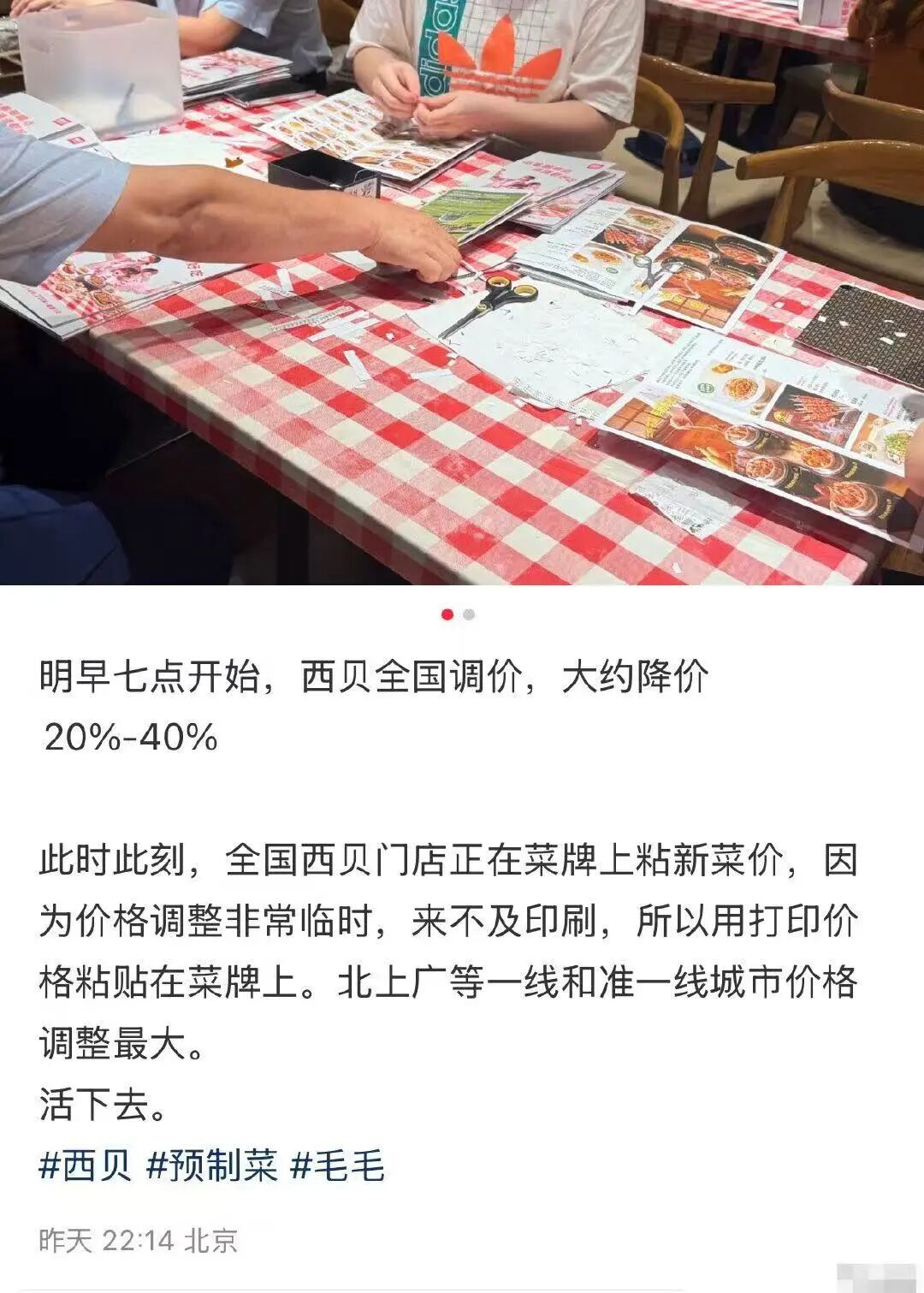
Core Viewpoint - Xibei is undergoing significant price adjustments across its nationwide stores, with reductions ranging from 20% to 40% on various menu items, as part of efforts to recover from recent controversies and improve customer perception [1][3][9]. Pricing Adjustments - The price changes are being implemented rapidly, with staff manually updating old menus with new price tags due to the sudden nature of the adjustments [3][9]. - Specific examples of price reductions include: - Hu Ma You Stir-fried Eggs from 43 yuan to 33 yuan (23% decrease) [6]. - Small Pot Beef Brisket from 79 yuan to 76 yuan (approximately 4% decrease) [6]. - Grassland Tender Roasted Lamb Chops from 119 yuan to 99 yuan (16.8% decrease) [6]. - Mongolian Beef Steak from 139 yuan to 128 yuan [8]. - Scallion Grilled Fish from 89 yuan to 79 yuan [8]. Promotional Activities - On September 24, Xibei launched a promotional campaign called "Xibei Treats You to Dinner," offering 100 yuan dining vouchers to customers, which can be used in all Xibei stores for dine-in only [9]. - Customers have reported significant savings using these vouchers, with one instance where a bill of 302 yuan was reduced to just 2 yuan after applying three vouchers [11]. Recent Controversies - Xibei has faced scrutiny over allegations of serving pre-prepared dishes, leading to a public apology from the company acknowledging a gap between production practices and customer expectations [9][13]. - The company has also been involved in discussions regarding the authenticity of its promotional content, with some materials being removed due to backlash against customers and employees [13].
西贝,全国大降价!
Zhong Guo Ji Jin Bao· 2025-10-01 06:08
Core Viewpoint - Xibei has implemented a nationwide price reduction on its menu, with some dishes seeing price cuts exceeding 20% as of October 1, 2023, particularly in first-tier and quasi-first-tier cities [5][6][11]. Price Adjustment Details - The price reduction began at 7 AM on October 1, with staff across the country busy updating price tags on existing menus due to the sudden nature of the announcement [6][11]. - Specific examples of price changes include: - Grassland tender roasted lamb chop reduced from 119 yuan to 99 yuan - Yellow rice cake (6 pieces) reduced from 29 yuan to 26 yuan - Sesame oil scrambled eggs reduced from 43 yuan to 33 yuan, a decrease of 23% - Five kinds of tomato sour soup with fish reduced from 29 yuan to 23 yuan, a decrease of 20% [9][10]. Customer Feedback and Company Response - Xibei's customer service confirmed that the price adjustments were made based on customer feedback, ensuring consistent reductions within the same city [11]. - In response to previous criticisms regarding high prices and low value, Xibei's founder stated that the pricing strategy is "high quality at a reasonable price," with an average profit margin of no more than 5% in the first half of the year [13]. Operational Changes and Challenges - Despite the price cuts, Xibei's customer traffic remains low, with reports of very few diners in some locations [14]. - The company has made operational adjustments, including moving food preparation from a central kitchen to in-store cooking to enhance customer experience [15]. - The previous commitment to serve all dishes within 25 minutes has been removed, emphasizing that dishes are now prepared fresh [14][15]. Leadership and Public Relations - The founder of Xibei, Jia Guolong, has shifted his public stance from confrontational to more conciliatory, even clearing his social media accounts amid ongoing scrutiny [16][19]. - Jia previously faced backlash for his comments regarding criticism from public figures, indicating a change in approach to public relations [17][21].

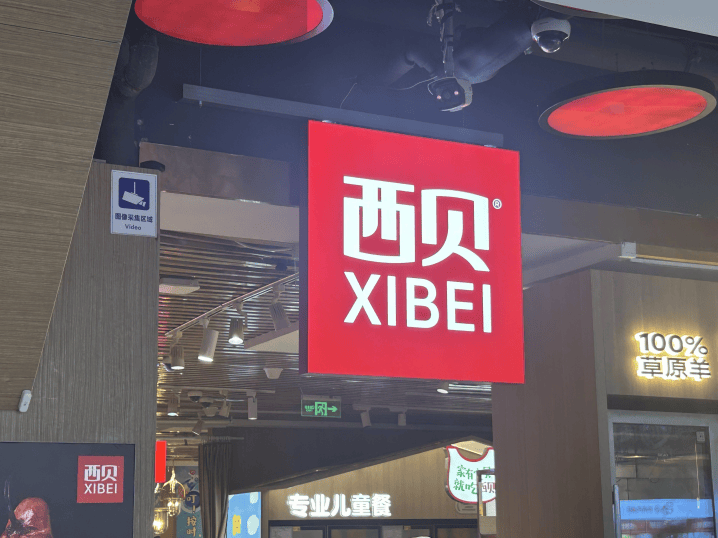
直击西贝“失血”调改:厨师长频频开会,后厨更忙了,餐厅更空了
凤凰网财经· 2025-09-30 12:13
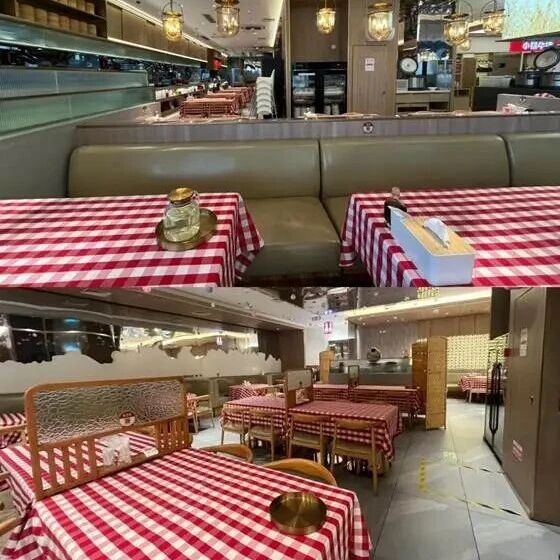
Core Viewpoint - The article discusses the ongoing challenges faced by Xibei restaurant chain in the wake of a public relations crisis, highlighting their attempts to implement changes in response to consumer concerns and the impact on customer traffic and employee morale [3][27]. Summary by Sections 1. Changes Implemented - Xibei has modified nine core menu items to be prepared on-site, including beef patties and fish sticks, and has switched to non-GMO soybean oil for cooking [1]. - As of September 29, only one item, the yellow rice cake, remains unmodified according to their public announcement [1]. 2. Customer Traffic and Experience - During a visit on September 29, the restaurant's occupancy rate was approximately 10%, making it one of the least busy chains in the mall [5]. - The restaurant had only two tables occupied during a pre-lunch peak, and by noon, only five tables were filled [7]. - A significant decrease in child patrons was noted, with fewer families dining compared to previous visits [9]. 3. Public Relations and Communication - Xibei's communication strategy has been criticized, with the founder's responses to public concerns perceived as defensive [3]. - The restaurant's management has become more cautious in their interactions with the media and customers, reflecting a shift from previous openness [27]. 4. Employee Sentiment and Operations - Employees expressed uncertainty about the company's direction and recent changes, indicating a tense atmosphere [16][26]. - There has been an increase in employee training sessions, particularly related to the new standard operating procedures for children's meals [17]. 5. Financial Impact - The restaurant's daily revenue reportedly dropped by nearly half following the onset of the crisis, with current occupancy rates indicating a further decline [15]. - Despite promotional efforts, such as offering 100 yuan dining vouchers, customer turnout remained low [11][13]. 6. Consumer Behavior - Customers have become more cautious in their dining choices, with some expressing dissatisfaction with the perceived value of their meals [13]. - The article notes a shift in consumer sentiment, with some patrons still willing to dine at Xibei despite the controversies, while others have decided against returning [13]. 7. Industry Context - The article suggests that the crisis reflects broader issues within the high-end dining sector, including consumer expectations and the perceived value of dining experiences [27][28]. - Experts argue that the focus should shift from punitive measures against Xibei to a more constructive dialogue about industry standards and practices [28][29].
日辰股份涨2.08%,成交额4864.20万元,主力资金净流入39.87万元
Xin Lang Zheng Quan· 2025-09-30 06:24
Group 1 - The core viewpoint of the news is that Rizhao Food Co., Ltd. (日辰股份) has shown positive stock performance and financial growth, with a notable increase in revenue and net profit in the first half of 2025 [1][2]. Group 2 - As of September 30, the stock price of Rizhao Food Co., Ltd. increased by 2.08% to 32.36 CNY per share, with a total market capitalization of 3.191 billion CNY [1]. - The company reported a revenue of 204 million CNY for the first half of 2025, representing a year-on-year growth of 8.63%, and a net profit of 35.2348 million CNY, which is a 22.64% increase compared to the previous year [2]. - The main business revenue composition includes 71.72% from sauce seasonings, 22.29% from powdered seasonings, 5.15% from baked goods, 0.63% from food additives, and 0.21% from other sources [1]. - The company has distributed a total of 202 million CNY in dividends since its A-share listing, with 88.1133 million CNY distributed in the last three years [3]. Group 3 - As of June 30, the number of shareholders increased by 2.81% to 6,357, while the average circulating shares per person decreased by 2.74% to 15,512 shares [2]. - The top ten circulating shareholders include a new entry, CITIC Prudential Multi-Strategy Mixed Fund (中信保诚多策略混合), holding 950,600 shares [3].

圣农发展涨2.03%,成交额1.77亿元,主力资金净流入38.34万元
Xin Lang Cai Jing· 2025-09-30 06:20
Core Viewpoint - The stock of Shennong Development has shown significant growth this year, with a notable increase in both revenue and net profit, indicating strong performance in the poultry industry [1][2]. Group 1: Stock Performance - As of September 30, Shennong Development's stock price increased by 2.03%, reaching 18.08 CNY per share, with a total market capitalization of 22.477 billion CNY [1]. - The stock has risen by 28.39% year-to-date, with a 5.73% increase over the last five trading days and a 19.66% increase over the last 60 days [1]. - The company has appeared on the "Dragon and Tiger List" once this year, with the most recent occurrence on April 8 [1]. Group 2: Financial Performance - For the first half of 2025, Shennong Development reported a revenue of 8.856 billion CNY, reflecting a year-on-year growth of 0.22%, while the net profit attributable to shareholders reached 910 million CNY, a remarkable increase of 791.93% [2]. - Cumulatively, the company has distributed 6.860 billion CNY in dividends since its A-share listing, with 1.113 billion CNY distributed over the past three years [3]. Group 3: Shareholder and Institutional Holdings - As of September 10, the number of shareholders for Shennong Development decreased by 8.03% to 35,700, while the average circulating shares per person increased by 8.73% to 34,843 shares [2]. - Among the top ten circulating shareholders, Hong Kong Central Clearing Limited holds 33.7795 million shares, an increase of 13.3849 million shares compared to the previous period [3]. - The Southern CSI 500 ETF and Bosera Growth Navigation Mixed A are also among the top shareholders, with varying changes in their holdings [3].
