
中企出海

Search documents
国泰海通 · 晨报1225|宏观、策略、医疗器械
国泰海通证券研究· 2025-12-24 13:38
Macro Analysis - The US GDP growth rate for Q3 2025 is 4.3%, exceeding expectations of 3.3% and the previous value of 3.8%, indicating strong economic resilience [3] - Key drivers of this resilience include robust personal consumption, increased public spending, and enhanced export contributions [3] - Personal consumption is supported by the wealth effect from capital markets, with major stock indices reaching historical highs in Q3 2025 [3] - Government spending, particularly in defense, and investments in companies like Intel have also contributed to economic strength [3] - A recovery in global economic activity has boosted US exports, aided by trade agreements that have reduced or eliminated tariffs [3] K-Shaped Recovery - The US economy exhibits a "K" shaped recovery, characterized by income and consumption disparities [4] - Income inequality has been exacerbated by policies affecting the job market, leading to higher unemployment rates among minority groups [4] - Large enterprises are faring better than small businesses, as indicated by the S&P Global Composite PMI remaining above the neutral line, while the NFIB small business optimism index has declined [4] - Investment and growth disparities are evident, with strong performance in private non-residential investments, particularly in equipment and intellectual property, while construction investment growth has slowed [4] Future Economic Outlook - The US government shutdown from October 1 to November 12, 2025, is expected to impact Q4 2025 economic performance, but resilience is anticipated in 2026 [5] - The shutdown will reduce government procurement and investment activities, affecting economic performance directly and indirectly [5] - A recovery in Q1 2026 is likely due to pent-up demand and continued strength in consumption and new economic investments [5] - The Federal Reserve is expected to lower interest rates 2-3 times in 2026, despite a strong economy, due to structural weaknesses in the labor market [5] Globalization of Chinese Enterprises - Chinese enterprises are entering an accelerated phase of globalization, driven by the need to occupy high-value segments of the global supply chain [9] - The transition from a GDP-driven growth model to a GNI-driven model emphasizes innovation and accelerated globalization [9] - China's trade competitiveness has improved significantly, particularly in capital and technology-intensive sectors, with exports exceeding expectations since 2025 [10] - Chinese companies are shifting from product exports to a more integrated approach involving capacity, branding, and distribution [10] Capital Expenditure Trends - A global upturn in industrial and infrastructure capital expenditure is expected, driven by easing monetary policies and increased demand in emerging markets [11] - Southeast Asian countries are experiencing rapid industrialization and urbanization, leading to significant demand for power and infrastructure [11] - Developed markets are also seeing a surge in demand for energy infrastructure updates due to green transitions and AI-driven needs [11] - The resilience of overseas demand for Chinese products is projected to exceed market expectations in 2026 [11] Industry Recommendations - Recommended sectors include power equipment, machinery, automotive, new materials, innovative pharmaceuticals, and gaming [12] - Emerging market industrialization is expected to drive demand for power and infrastructure, while developed markets will continue to update energy infrastructure [12] - High-value components are recommended due to China's technological and cost advantages, with a focus on communication equipment and automotive parts [12] - The urbanization in emerging markets is anticipated to create new demand for consumer products, enhancing the global presence of Chinese cultural and service sectors [12]


1.1亿年轻人正在刷卡:印尼中产消费增速碾压东南亚
吴晓波频道· 2025-12-22 00:29
Core Insights - The article highlights the significant presence of Chinese brands in Indonesia, showcasing their integration into the local market and consumer culture [2] - Indonesia has become a crucial market for Chinese companies due to its large population, youthful demographic, and rapid economic growth, leading to increased consumer spending [3] - The article discusses successful business models of Chinese companies in Indonesia, emphasizing the importance of localization and leveraging domestic supply chains [6][11][14] Group 1: Market Overview - Indonesia is the fourth most populous country in the world with over 280 million people, and about half of its population is under 30 years old, indicating a strong consumer base [3] - The bilateral trade volume between China and Indonesia is projected to reach $147.8 billion in 2024, marking a 6.1% year-on-year increase [2] - The e-commerce market in Indonesia is expected to grow at a compound annual growth rate (CAGR) of 28% from 2019 to 2024, reaching 3.4 times its size in 2019 [3] Group 2: B2C Market Segmentation - The projected Gross Merchandise Value (GMV) for various B2C categories in Indonesia by 2029 includes: - Fashion and Apparel: $273.6 billion with a CAGR of 14.6% [4] - Consumer Electronics: $213.9 billion with a CAGR of 15.1% [4] - Food and Beverage: $164.3 billion with a CAGR of 17.2% [4] - Beauty and Personal Care: $144.9 billion with a CAGR of 20.6% [4] - Furniture and Home: $70.6 billion with a CAGR of 19.3% [4] Group 3: Successful Business Models - Cool-vita, a health supplement brand, achieved over 10 million sales in its first year and a GMV CAGR of over 200% over six years, becoming the top online health brand in Indonesia [9] - The company adopted localized marketing strategies, such as selling single units of products to cater to local purchasing power [11][13] - Xiaomi established a production facility in Indonesia in 2017, achieving 100% local production and becoming the second-largest smartphone brand in the country by 2018 [18][19] Group 4: Strategic Insights for Market Entry - Companies are encouraged to develop localized marketing strategies that resonate with the Indonesian consumer base [11] - Utilizing domestic supply chain advantages can enhance operational efficiency and market responsiveness [14][15] - Management teams should include local talent to ensure effective execution of strategies and cultural integration [16][17] Group 5: Future Opportunities - The article outlines plans for a private board focused on helping businesses capture opportunities in Indonesia's consumer market, emphasizing the importance of local insights and strategic partnerships [29][31]

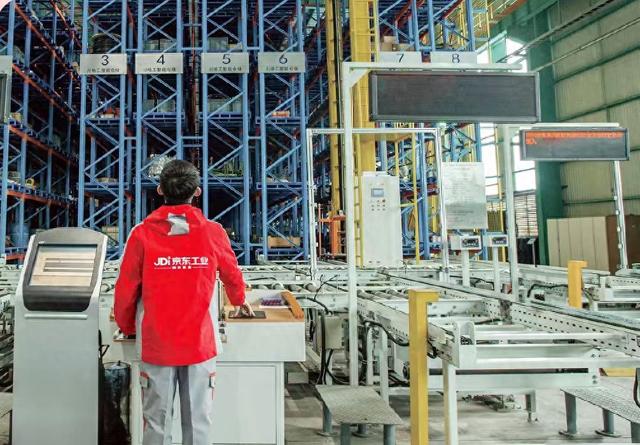
数据要素驱动供应链升级,京东工业全周期赋能中企出海
Huan Qiu Wang· 2025-12-19 08:03
Core Insights - The article highlights the challenges faced by Chinese manufacturing companies in cross-border supply chains, including compliance standards, high logistics costs, and weak local infrastructure, with non-production material supply being a critical bottleneck [1][3] - JD Industrial has positioned itself as a key partner for Chinese companies going global, leveraging its global supply chain capabilities and strategic partnerships in markets like Brazil and Indonesia [1][5] Group 1: Challenges in Cross-Border Supply Chains - Chinese manufacturing companies are accelerating their overseas expansion but face significant challenges such as varying compliance standards and high logistics costs [1][3] - The lack of robust local supply chain infrastructure in emerging markets leads to common issues like product unavailability, high prices, and delayed fulfillment [1][3] Group 2: JD Industrial's Solutions - JD Industrial has identified three key phases of overseas expansion for companies: construction phase, trial production phase, and mass production phase, each with distinct supply chain needs [3][5] - The company offers four differentiated supply chain solutions: a general-purpose SaaS platform, a one-stop cross-border product solution, a long-tail procurement solution, and a comprehensive digital service [3][5] Group 3: Future Outlook - With the dual drive of data elements and digital technology, JD Industrial aims to enhance its overseas service network and optimize supply chain solutions to support sustainable development for Chinese companies in international markets [5][6] - The case of JD Industrial exemplifies a comprehensive service system that addresses multiple challenges in cross-border supply chains, demonstrating the necessity of professional supply chain services for Chinese companies going global [6]
中企出海:重构价值链,步入深水区
2 1 Shi Ji Jing Ji Bao Dao· 2025-12-16 10:19
Core Viewpoint - Chinese companies are increasingly seeking opportunities in overseas markets as domestic growth becomes insufficient, leading to a diverse range of enterprises exploring various globalization paths [1][2]. Group 1: Evolution of Chinese Companies Going Global - The history of Chinese companies going global has evolved from merely exporting products to building ecosystems and value chains [2][3]. - The initial phase involved exporting products, with companies like GCL-Poly Energy relying on cost advantages and scale to penetrate global markets [2]. - The evolution includes a shift towards higher value segments, such as technology and brand development, with companies like GCL-Poly integrating advanced technologies to enhance competitiveness [3]. Group 2: Current Trends in Overseas Expansion - Chinese companies are now engaging in collaborative overseas expansion, establishing factories in multiple countries, including Indonesia, Thailand, Hungary, Morocco, and Brazil, showcasing rapid deployment [4][5]. - This cluster-based approach significantly reduces the risks and challenges associated with individual companies expanding abroad, enhancing the speed and depth of Chinese manufacturing advantages overseas [5]. Group 3: Challenges in the Deep Water Zone - The current global business environment presents complexities, including geopolitical tensions and trade protectionism, which require companies to adapt their strategies for overseas operations [9][10]. - Companies face hidden costs, such as "cognitive costs," which necessitate a deep understanding of local markets and consumer behaviors rather than merely replicating domestic strategies [6][10]. - Compliance has become a critical infrastructure for companies, with a focus on obtaining necessary certifications and understanding local regulations [7]. Group 4: Localization and Cultural Integration - Successful overseas expansion increasingly relies on local talent and cultural integration, with companies prioritizing hiring local employees to enhance market understanding [8]. - Companies must also localize operations, including supply chains and delivery systems, to resonate with local market dynamics [8]. Group 5: Resilience Amidst Uncertainty - Despite external uncertainties, Chinese companies are accelerating their globalization strategies, focusing on diversified geographical distribution to mitigate risks [10]. - The rise of digitalization and AI technologies is lowering barriers for smaller enterprises to expand internationally, with predictions of significant trade growth driven by AI advancements [10][11]. Group 6: Product Competitiveness - Ultimately, the core competitiveness of companies will hinge on the quality and adaptability of their products, which are essential for navigating external challenges [12][13]. - Companies must focus on enhancing their technological capabilities and product offerings to remain resilient against fluctuating trade policies and market conditions [13].
中企“出海”面临系统重构,如何规避合规风险
Di Yi Cai Jing Zi Xun· 2025-12-16 05:27
Core Insights - The internationalization of Chinese enterprises is evolving from low-value manufacturing to product export and now to brand globalization, necessitating a comprehensive system restructuring to adapt to diverse market conditions [2][3][4] Group 1: System Restructuring - Companies must transition from "single store output" to "platform-driven" models, relying on data-driven decision-making rather than experience-based approaches [3] - A robust ecosystem is essential for global operations, integrating financial payments, logistics, SaaS, and localized marketing to ensure smooth operations across different countries [3][4] Group 2: New Logic of Going Global - The current logic of Chinese enterprises going global emphasizes high value through brand and innovation, moving away from the traditional low-cost manufacturing model [4] - Companies are increasingly deploying local talent with strong operational and digital capabilities to enhance brand competitiveness in foreign markets [4][5] Group 3: Compliance Risks - Different regions present unique challenges, with compliance and regulatory issues significantly affecting expansion efforts, particularly in markets like the U.S. [6][7] - Companies must adapt their management practices to local regulations and cultural differences to mitigate compliance risks and operational challenges [6][7] Group 4: Digitalization Challenges - The integration of digital systems across global operations is a major challenge, particularly in managing POS systems and ensuring real-time data flow [7][8] - In Southeast Asia, low penetration of online ordering and electronic payments complicates operations for foreign brands, necessitating a flexible digital management system [8][9] Group 5: Future Outlook - Continuous investment in digital infrastructure is crucial for empowering Chinese brands to expand globally, leveraging their inherent digital capabilities and supply chain advantages [9]

中企“出海”面临系统重构,如何规避合规风险
第一财经· 2025-12-16 05:14
Core Viewpoint - Chinese enterprises are undergoing a transformation in their internationalization process, evolving from low-value manufacturing to product export and now to brand globalization, which presents new challenges in compliance and market adaptation [3]. Group 1: System Reconstruction and Core Logic Changes - The shift in internationalization requires a comprehensive "system reconstruction" across three dimensions: moving from "single store output" to "platform-driven," from "experience-based decision-making" to "data-driven decision-making," and from "individual operations" to "ecosystem collaboration" [5]. - Companies must ensure smooth flows of capital, information, and logistics in foreign markets, which demands enhanced platform coordination and compliance capabilities [5]. - The current logic of "going global" emphasizes high value through brand and innovation, integrating cultural elements and local adaptations rather than relying solely on low-cost manufacturing [6][7]. Group 2: Compliance Risk Management - The challenges faced by Chinese companies in international markets vary significantly by region, with compliance and operational hurdles being prominent [9]. - For instance, regulatory requirements in the U.S. have extended the approval and renovation periods for new stores, while markets like Malaysia and Thailand allow for quicker expansion but present their own local operational challenges [9][10]. - Successful international expansion hinges on adapting management practices to local conditions and leveraging digital tools to optimize supply chains [10]. Group 3: Digitalization and Market Adaptation - The need for a unified digital management system is critical for managing consumer behavior, cash flow, and supply chain operations across different markets [11]. - The penetration of online ordering and electronic payments in Southeast Asia remains low, complicating the integration of local payment systems for cross-border operations [11]. - New Chinese retail and restaurant brands are leveraging their inherent digital capabilities and robust supply chain systems to establish themselves as potential global leaders [12].

经济观察|中企出海迎海南自贸港封关新机遇
Zhong Guo Xin Wen Wang· 2025-12-13 05:26
Core Viewpoint - The establishment of a Chinese enterprise overseas base in Hainan Free Trade Port aims to provide tailored solutions for companies looking to expand internationally, leveraging the region's favorable tax policies and resource integration [1][2]. Group 1: Economic Opportunities - The Hainan Free Trade Port is set to implement more liberal policies in trade, investment, and cross-border capital flow, creating a competitive environment for companies to align with international standards [2]. - In the first half of 2025, Chinese listed companies achieved overseas revenue of 4.9 trillion RMB, marking a 4.5% year-on-year increase, indicating strong resilience and vitality in overseas expansion [1]. Group 2: Industry Performance - Key sectors such as biomedicine and retail are showing significant growth, with the overseas licensing of innovative drugs exceeding 100 billion USD and major internet companies accelerating their overseas warehouse layouts [1]. - Hainan province reported a 43% year-on-year increase in newly registered foreign investment enterprises, totaling 296 companies in the first ten months of the year, alongside a 42.6% rise in actual foreign investment amounting to 3.17 billion USD [3]. Group 3: Strategic Development - The Hainan provincial government plans to enhance the region as a headquarters base for Chinese companies entering international markets, focusing on developing a comprehensive service platform for overseas expansion [2]. - The county of Chengmai is actively promoting its identity as a hub for overseas expansion, with five key sectors already in motion, including gaming, cross-border e-commerce, and new energy vehicles [3].
(经济观察)中企出海迎海南自贸港封关新机遇
Zhong Guo Xin Wen Wang· 2025-12-12 12:17
中新社海南澄迈12月12日电 (记者 尹海明)在海南自贸港即将启动全岛封关运作之际,一个中国企业出 海基地11日在海南自贸港13个重点园区之一的海南生态软件园启动,为企业量身定制出海方案。同时, 涵盖新消费、商业零售、医疗健康、金融投资等多个行业领域的8家企业与该基地签约。 (经济观察)中企出海迎海南自贸港封关新机遇 越来越多的企业正选择从海南出海。据了解,今年前10个月,海南全省新增对外投资备案企业296家, 同比增长43%;实际对外投资额31.7亿美元,同比增长42.6%。 魏峰认为,借助海南自贸港这一政策高地,加速布局跨境研发、高端制造与离岸金融等新兴领域,可为 企业全球化征程提供有力支撑。(完) 来源:中国新闻网 编辑:张嘉怡 海南生态软件园跨境事业部总经理林诗基告诉中新社记者,该基地以"立足自贸港、链接全中国、服务 全球化"为愿景,依托海南自贸港税收政策优势,通过整合园区产业集群和专业机构的全国资源,搭建 产业链协同与资源对接平台,构建了全链条服务生态体系。 中企出海正展现强大的韧劲与活力。中国上市公司协会党委书记魏峰在正于海南省澄迈县举行的2025中 国上市公司出海产业发展大会上说,2025年上半 ...
通往欧洲之路 刘强东快乐并痛着
Xin Lang Cai Jing· 2025-12-12 06:40
Core Viewpoint - The acquisition of Ceconomy by JD.com represents a significant move by a Chinese company into the European market, highlighting the complexities of cultural barriers and trust-building in international business [1][19]. Group 1: Acquisition Details - JD.com announced its intention to acquire Germany's largest electronics retailer, Ceconomy, for approximately €2.2 billion (about 18.5 billion RMB), marking one of the largest acquisitions by a Chinese company in Europe in recent years [3][21]. - The acquisition has received approval from the German Federal Cartel Office, paving the way for the transaction [3][21]. - JD.com aims to acquire a 45.5% stake in Ceconomy in the first phase of the stock buyback plan, with a second phase to complete the remaining 29% by November 27 [11][29]. Group 2: Cultural and Economic Concerns - The acquisition has raised concerns in France due to Ceconomy's status as the second-largest shareholder of Fnac Darty, a company deeply rooted in French culture [3][21]. - French authorities have imposed conditions on JD.com to ensure that it will not influence the governance or management of Fnac Darty, addressing public concerns about cultural sovereignty [4][22]. - The French Minister of Economy emphasized the cultural significance of Fnac and the need for JD.com to respect its heritage [6][24]. Group 3: Market Position and Strategy - Fnac Darty, with projected sales of approximately €8.25 billion in 2024, is a major player in the European retail market, selling a wide range of products through both online and offline channels [7][25]. - JD.com has been expanding its presence in Europe, including launching the online platform Joybuy in France, which offers a diverse range of products with a promise of same-day delivery [16][34]. - The acquisition is seen as beneficial for both JD.com and European retailers, as it allows JD.com to leverage advanced technology and efficiency while gaining insights into consumer behavior in Europe [35].


中企赴港上市加速“出海”,国际化布局仍有三大挑战
第一财经网· 2025-12-10 12:49
"走出去"并非因为国内市场竞争激烈而"出逃"。 内地企业赴港上市热潮还在继续。综合Wind统计和港交所公开数据,截至今年12月10日,港股市场共 有104家公司IPO,相比2024年全年增长了近四成。申请中的排队企业同样创下近10年来数量之最。 在政策和市场的驱动下,对于企业而言,除了融资需求,"走出去"与国际化布局是另一重要动因。 "出海"趋势不改 于12月8日在港交所上市的纳芯微电子(02676.HK)的创始人、董事长兼CEO王升杨在当天的媒体沟通 会上表示,公司赴港上市的一个重要目标,就是以香港为平台,更好地经营海外市场。作为国内首家实 现"A+H"两地上市的模拟芯片企业,他们计划到2029年,海外营收占比达20%左右,成为中国市场的重 要补充。 港股上市后,纳芯微的下一步是将香港办公室打造为海外运营和销售总部,除了服务海外客户,还将构 建海外供应链体系。 为了应对挑战,他表示,中企自身能做的首先是尽可能完善自身合规体系,包括建立客户自动筛查系 统,明确禁止合作的客户范围,避免直接或间接与这类客户产生贸易关系,"合规能力本身就是需要建 立的核心能力"。其次,开拓海外市场须采用海外客户能够接受的方式,不能 ...