场景化消费

Search documents
烘焙生意要掌握创新火候
Jing Ji Ri Bao· 2025-07-07 22:19
Core Insights - The Chinese baking retail market is projected to exceed 859.56 billion yuan by 2029, indicating significant growth potential in the industry [1] - The baking market is experiencing diversification, with brands adopting various strategies such as e-commerce, blending traditional culture with modern techniques, and focusing on popular single-item products [1] - The industry faces challenges, including high store closure rates, with an expected addition of 103,000 new stores and 95,000 closures by the end of 2024, reflecting a high elimination rate [1] Group 1: Consumer Trends - There is a shift in consumer preferences towards healthier options, with approximately 71% of consumers willing to pay a premium for cleaner ingredient formulations [1] - Brands are focusing on health and wellness by developing products that are oil-free, low-carb, and have clean ingredient lists, balancing taste and health [1] Group 2: Experience and Innovation - Consumers now seek emotional value from baked goods, leading brands to create hybrid consumption spaces that combine baking with bookstores, tea, and coffee, enhancing the overall experience [2] - Digital technology is being integrated into product development and supply chain management, improving product innovation and ensuring food safety and quality [2] - The development of baking brands requires a focus on fundamental skills and patience, emphasizing the importance of mastering the basics to achieve market success [2]
2025年香水行业的发展现状及趋势,香水行业目前面临的问题
Sou Hu Cai Jing· 2025-06-25 16:39
Market Overview - In Q1 2025, the global perfume market showed steady growth, with Tmall's perfume GMV reaching 658 million yuan, a year-on-year increase of 4.23%, and the average transaction value (ATV) growing by 10.39%, indicating a consumer shift towards high-end perfumes [1][20]. - International brands like Chanel, Dior, and Hermes continue to dominate the market, with Chanel holding a 13% market share, driven by the strong sales of its classic fragrances [1][24]. Brand Performance - Domestic brands such as Guansha and Diptyque have achieved rapid growth through differentiated positioning, becoming new highlights in the market [3][24]. - The concentration of top brands is high, with Tmall International's self-operated sales accounting for over 16% of the market, leveraging supply chain advantages [3][24]. - Diptyque's sales increased by 41% year-on-year, attributed to successful marketing strategies around Valentine's Day and International Women's Day, with its rose and berry fragrances becoming bestsellers [3][24]. - Eurolon flagship store saw a staggering 312.5% year-on-year sales growth, with strong performance in categories like perfumes and car fragrances [25][29]. Consumer Trends - Consumers' perception of perfumes is fundamentally changing, with 57% of users on Xiaohongshu viewing perfumes as tools for emotional relief, and 44% seeking spiritual empowerment, indicating a shift from perfumes as mere social symbols to emotional healing carriers [3][4]. - Scenario-based consumption is becoming a core driver, with dating, commuting, and travel being the top three demands, while emerging scenarios like camping and music festivals are showing significant growth [4]. Sustainability and Innovation - Technological breakthroughs are reshaping product forms, such as Coty Group's molecular fragrance technology extending scent duration by 30%, and carbon capture technology achieving carbon neutrality across the supply chain [4]. - Sustainability is an irreversible trend, with consumer attention to eco-friendly packaging increasing by 36%, prompting brands to adopt biodegradable materials and streamlined designs [4].


当北京烤鸭遇上圣祥老酸奶:“老北京文化”的品牌觉醒之路
Sou Hu Wang· 2025-06-06 08:14
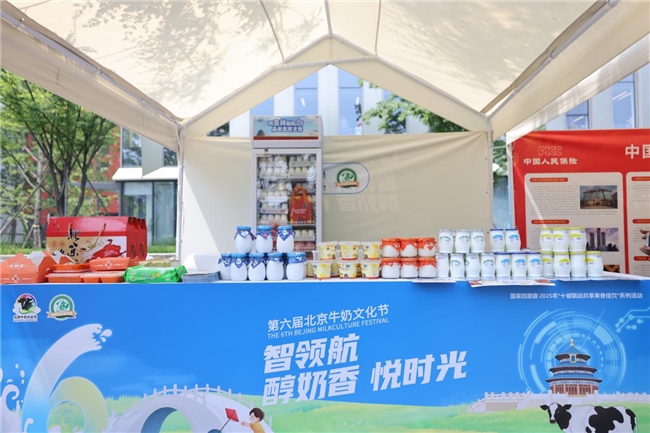
Core Insights - The current consumer market is weak, prompting dairy companies to seek new solutions, with experiential and scenario-based consumption emerging as a potential recovery path [1] - Brands that can accurately capture the trend of consumers seeking emotional resonance and unique experiences during consumption have the opportunity to stand out [1] Group 1: Innovative Consumption Trends - The unique pairing of "Peking Duck with Yogurt" has gained popularity, becoming a fun choice for family gatherings and parent-child interactions, driven by the creative DIY experience zone at the Beijing Milk Culture Festival [4] - This trend reflects a shift from traditional product offerings to innovative consumption experiences that resonate with cultural heritage [5] Group 2: Cultural and Historical Significance - The collaboration between Peking Duck and yogurt is rooted in deep insights into Beijing's culinary culture, with both products representing traditional craftsmanship and cultural heritage [5] - Peking Duck, a 600-year-old culinary symbol, and the traditional yogurt-making process of Shengxiang Dairy both emphasize quality and cultural transmission [5] Group 3: Market Positioning and Strategy - Shengxiang Dairy has established itself as a leading brand in Beijing yogurt, focusing on the production and development of traditional ceramic jar yogurt while continuously improving quality and production processes [7][9] - The company has built three production bases across China, with a daily production capacity of 300 tons, showcasing its commitment to quality and scale [7] Group 4: Product Innovation and Health Trends - Shengxiang Dairy has introduced a range of health-oriented products, such as honey yogurt and poria yogurt, catering to the growing consumer demand for healthy foods [14][15] - The innovative "milk skin yogurt" has gained popularity for its unique texture and rich flavor, utilizing low-temperature fermentation technology to enhance nutritional value [16][17] Group 5: Future Directions and Collaborations - The company is exploring new collaborative models with academic institutions to enhance research and development capabilities, exemplified by its partnership with China Agricultural University [20] - Shengxiang Dairy's approach demonstrates that the path to breaking through traditional categories lies in modern technology interpreting traditional wisdom, creating a unique competitive advantage [20]

今年端午,奥莱的客流凭什么与景区并驾齐驱?
Sou Hu Cai Jing· 2025-06-04 11:31
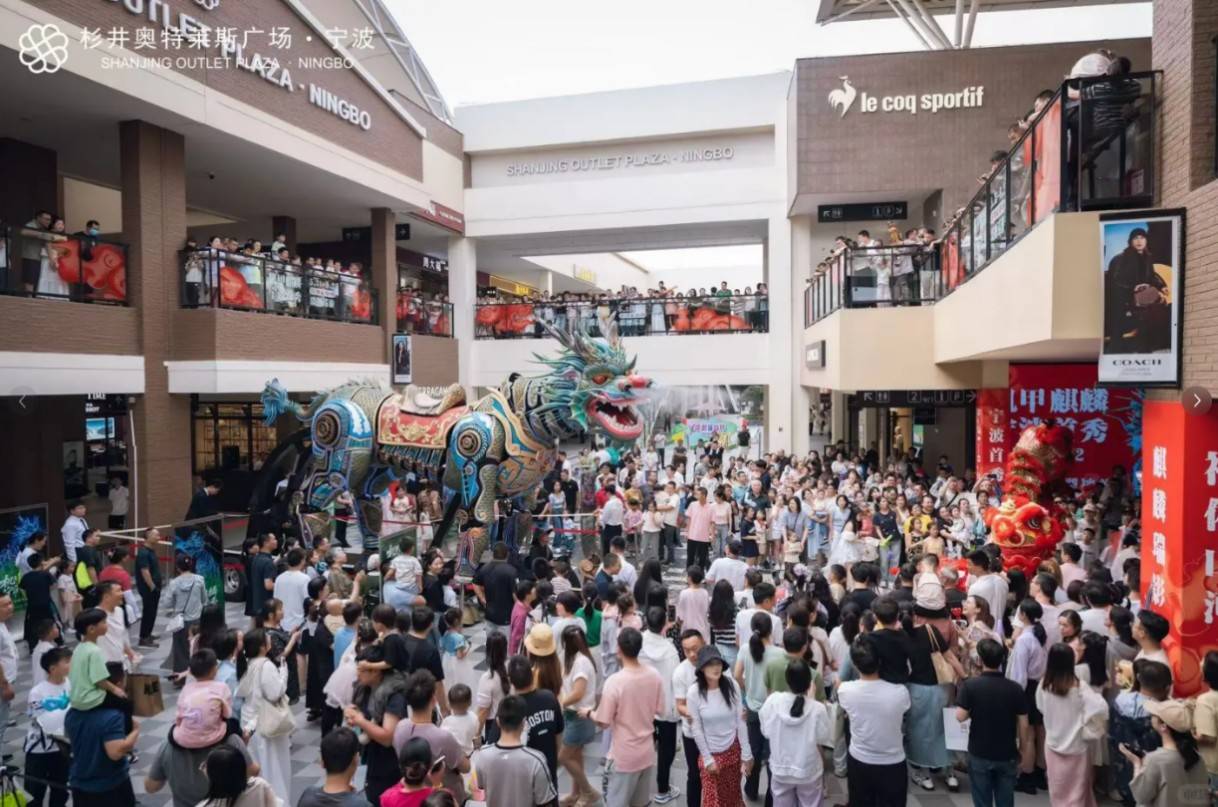
Core Insights - The article highlights the growing popularity of outlet shopping during holidays, with significant consumer engagement observed during the Dragon Boat Festival this year [1][3] - Young consumers are driving the trend towards outlet shopping, seeking quality products at reasonable prices, which aligns with their consumption values [3][6] Group 1: Outlet Shopping Trends - Various outlets have organized themed activities to attract customers, such as a 10-meter high mech qilin installation in Ningbo and a combination of cultural markets with major brand discounts in Fujian, leading to record foot traffic [1] - The foot traffic at the Fujian outlet exceeded 200,000 on the first day of the Dragon Boat Festival, marking a three-year high for the holiday [1] Group 2: Consumer Behavior - Young consumers, particularly those from the post-90s and post-00s generations, prefer a combination of practicality and long-term value in their purchases, avoiding premium prices for mere brand labels [3][6] - The rise of online shopping platforms like Vipshop, which recently offered significant discounts on luxury brands, reflects a shift in consumer preferences towards value-driven purchases [5] Group 3: Industry Dynamics - The outlet model is reshaping the retail landscape, with a notable increase in the scale and capital intensity of domestic outlet projects [5] - Vipshop reported a GMV of 52.4 billion yuan in Q1, with a year-on-year growth of 18%, indicating a strong performance in the online retail sector [5]
小红书运营:2025服饰潮流行业618重点品类趋势解码报告
Sou Hu Cai Jing· 2025-05-30 10:48
Core Insights - The report indicates that the online traffic in the apparel and fashion industry during the 2025 618 shopping festival is expected to grow by 23% year-on-year, driven by multiple promotional events that boost specific categories [1][2] - Consumer demand is shifting from a "broad consensus" on categories to a "niche consensus," focusing on specific scenarios, styles, and demographic segments such as outdoor activities, music festival outfits, and workplace attire [1][2] Apparel and Footwear Trends - In women's clothing and footwear, there is a significant increase in search volume for items like spaghetti strap dresses and halter neck dresses, with bright colors like red and purple gaining popularity [1][2] - Sun protection clothing is emphasizing slim-fit designs and sun protection capabilities, while the trend for clogs is leaning towards thick soles and basic black and white colors with decorative elements [1][2] - Sandals are evolving towards high-heeled, strappy designs suitable for both vacation and commuting scenarios [1][2] Underwear and Accessories - The underwear market is seeing a notable rise in demand for strapless and cooling underwear due to summer needs, with users focusing on features like anti-slip and breathability [1][2] - In the accessories and sunglasses market, necklaces, bracelets, and rings are core categories, with butterfly and bead elements trending; sunglasses are shifting from functional to fashionable, emphasizing face-slimming designs and adaptability to outdoor scenarios [2] Bags and Outdoor Sports - The bag industry is witnessing growth in woven bags, hobo bags, and bowling bags, with fresh color schemes like mint green and milk tea becoming popular [2] - The sports and outdoor category is becoming more specialized and diversified, with a surge in searches for emerging sports like pickleball and creek hiking, leading to increased demand for functional items like sun protection clothing and quick-dry shoes [2] Children's Clothing - The children's clothing market is experiencing growth in demand for sun protection clothing, quick-dry pants, and creek shoes due to summer travel needs, with parents prioritizing safety and functionality [2] Men's Fashion - In men's fashion, business and sports scenarios dominate, with styles like clean fit and old money gaining traction; popular items include polo shirts, dress shirts, and casual suits, focusing on scenario adaptability and body shaping [2] Overall Market Strategy - The report emphasizes the need for brands in the apparel and fashion industry to capitalize on trends of scenario-based, style-oriented, and functional demands by engaging in targeted audience operations and precise content marketing to enhance conversion rates [2][3]

国补政策执行9个月后仍拉动电器消费增长,下半年家电消费能否再创新高
Hua Xia Shi Bao· 2025-05-30 08:09
Core Viewpoint - The appliance trade-in subsidy policy has shown significant effects on consumer electronics, with notable sales increases despite the policy transitioning from a burst effect to a normalized state [2][3]. Group 1: Policy Impact - The national subsidy policy has maintained a strong influence on appliance sales, with sales during the May 1-5 period reaching 460 million yuan, a 43.8% increase compared to last year's Golden Week [3]. - Cumulatively, the trade-in program has generated 11.81 billion yuan in sales since its inception, with government subsidies amounting to 1.98 billion yuan [3]. - The policy has led to an increase in demand for quality-of-life appliances, with companies introducing innovative products like cleaning appliances and dishwashers at lower prices due to subsidies [3]. Group 2: Future Outlook - Different perspectives exist regarding the future of appliance consumption, with some experts predicting a downturn post-promotional periods due to a decline in consumer willingness rather than ability [4]. - The appliance industry is seen as entering a phase of upgrading existing products rather than merely increasing sales volume, with a shift towards improving lifestyle through integrated solutions rather than individual products [5]. - Key opportunities identified include policy support for industrial demand expansion, positive consumer response to trade-in policies, and a shift towards experience-driven consumption [4]. Group 3: Market Dynamics - The market is transitioning from a focus on basic needs to a greater emphasis on improvement needs, with consumers seeking comprehensive solutions for their living spaces rather than standalone products [5]. - Companies are adapting their service offerings to meet the evolving consumer expectations, focusing on providing holistic solutions that enhance quality of life [5].

带你抢跑下一轮烘焙上新黄金窗口:年度新品集中爆发!中国烘焙以产品力开启新一轮价值竞争
东京烘焙职业人· 2025-05-26 08:53
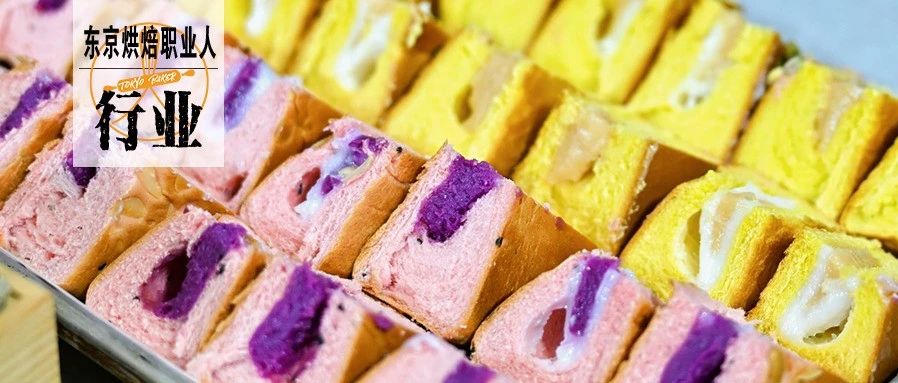
Core Viewpoint - The 2025 China Bakery New Product Launch Week showcased over 30 new products from more than 20 companies, highlighting a strong industry focus on product-driven innovation and deep interaction among industry players [1][5][107]. Group 1: Event Overview - The event took place from May 19 to May 21, featuring a high-density professional atmosphere with active engagement from attendees [1]. - Over 50 baking brands supported the event online, indicating a broad interest in new product developments [1]. Group 2: Product Highlights - The new products covered various categories, including bread, cakes, and functional breads, reflecting industry changes [5]. - Traditional Chinese ingredients are increasingly integrated into modern baking narratives, with examples like the Garden Bakery's mooncakes featuring local ingredients [6]. - Innovations in texture and flavor combinations were emphasized, with products designed to offer diverse sensory experiences [28]. Group 3: Health and Functionality Trends - The trend towards "healthy baking" is evident, with products focusing on nutritional enhancement rather than just ingredient reduction [51]. - Brands like Ston and Kunyu Mai are leading the way in creating functional baked goods that cater to health-conscious consumers [52]. Group 4: Cross-Industry Integration - The event highlighted the expansion of consumption scenarios, with products designed for afternoon tea and social sharing, moving beyond traditional bread attributes [66]. - Innovative products like coffee-shaped croissants and savory desserts were introduced to attract younger consumers [66]. Group 5: Industrial Standards and Quality - The evolution of industrial standards was showcased by several factory-type enterprises, emphasizing product stability and flavor consistency [90]. - Companies like Zhongbei Egg Tart and Xinmai Foods demonstrated their capabilities in producing high-quality, standardized baked goods suitable for mass distribution [91][92]. Group 6: Industry Insights - The event served as a platform for competition and collaboration among brands, facilitating information exchange and alignment between research, branding, and distribution [107]. - The future of the baking industry will benefit from more dialogue platforms that connect product development with market needs, enhancing consumer engagement [108].
从价格战到体验战,苏宁易购以四场发布会掀起618新打法
Sou Hu Cai Jing· 2025-05-23 12:50
Core Viewpoint - The home appliance market is entering a critical window period due to rising temperatures and mid-year promotions, with Suning.com restructuring its strategy to focus on offline experiences and consumer engagement during the 618 shopping festival [1][11]. Group 1: Market Strategy - Suning.com is leveraging a combination of four category launch events and over 10,000 stores to enhance the offline shopping experience, emphasizing "new products, prices, services, and experiences" [1][2]. - The company aims to activate the value of offline stores and position the 618 festival as a "golden period" for home appliance consumption, moving away from traditional price-driven promotions to a focus on quality and experiential consumption [1][2]. Group 2: Consumer Behavior - Data from Suning.com indicates a shift in consumer decision-making, with large-screen TVs (85 inches and above) accounting for over 50% of sales since 2025, and new appliances like dishwashers and water purifiers seeing over 50% year-on-year growth [2][9]. - The company is creating a "first experience, then decision" consumption loop by setting up experiential areas in stores, such as CBA viewing zones and coffee experience spaces [2][3]. Group 3: Product and Service Innovation - The strategy in the TV category highlights a shift from price competition to quality consumption, with large-screen TVs being marketed as lifestyle upgrades rather than mere products [5][6]. - Suning.com is collaborating with brands to create a standardized service commitment for new appliances, integrating fragmented supply chain resources into comprehensive solutions [8]. Group 4: Supply Chain and Pricing Strategy - Suning.com’s supply chain strategy features three main characteristics: price penetration through centralized procurement, the debut of new products in physical stores, and bundled services that enhance competitive advantages against online platforms [6][9]. - The company is promoting a "healthy breathing ecosystem" for air conditioning, targeting the 630 million existing units in the market, which aligns with national policies to phase out high-energy-consuming products [8][9]. Group 5: Policy and Market Dynamics - The expansion of the national home appliance replacement policy from 8 to 12 categories, with subsidies up to 2,000 yuan, is expected to stimulate consumption during the 618 festival [9]. - Suning.com’s promotional policies allow for discounts as low as 50% when combining national, manufacturer, and platform subsidies, indicating a shift from price-sensitive to quality-sensitive consumer behavior [9][11]. Group 6: Offline Store Value - In the context of high traffic costs and slowing e-commerce growth, offline stores are experiencing a "value rediscovery," with Suning.com positioning them as key venues for consumer engagement and service delivery [11]. - The company is exploring how to convert the surge in traffic during promotional periods into sustainable daily customer flow, emphasizing the importance of transforming "browsing value" into "buying motivation" [11].

金龄健康:聚力银发经济 贡献品牌力量
Qi Lu Wan Bao· 2025-05-13 21:23
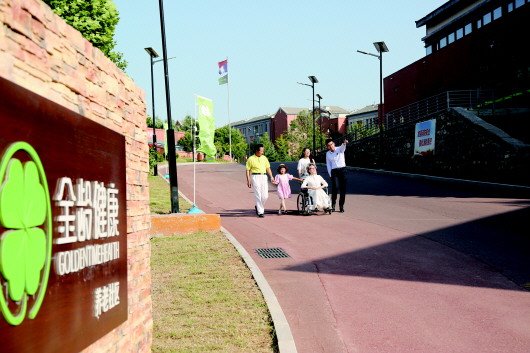
Core Viewpoint - The company Jinling Health has been recognized as one of the "Most Influential Brands in Shandong 2025" due to its commitment to innovation and quality in the elderly care industry, contributing significantly to the development of the silver economy and health services in Shandong province [5][11]. Group 1: Brand Development and Standards - Jinling Health has established a strong brand in the elderly care sector by focusing on standardization and quality assurance, having developed 618 service standards and received multiple national and provincial honors for its service quality [6][10]. - The company integrates social responsibility into its brand identity, exemplified by its establishment of a "Public Welfare Zone" to prioritize care for low-income elderly individuals [7]. Group 2: Innovation in Elderly Care Services - The company has launched a "Cultural Tourism + Elderly Care" model, successfully attracting over 110,000 visitors through its travel and leisure projects since its establishment [8]. - Jinling Health is expanding its service offerings by creating a multi-brand matrix that includes community-based care and wellness products, enhancing the overall consumer experience for the elderly [9]. Group 3: Industry Chain Extension - The company is actively extending its elderly care industry chain, forming a "126+N" development system that emphasizes digital management and service diversification [10]. - Jinling Health has established partnerships with educational institutions to foster talent development in the elderly care sector, contributing to the training of professionals in this field [10]. Group 4: Regulatory and Market Context - The implementation of the national standard for brand value evaluation in the elderly care industry is expected to enhance service quality and brand building, aligning with Jinling Health's goals for future growth [11].
新闻有观点·行业洞察|逛商场还是逛公园?“公园式商场”如何破局?
Yang Guang Wang· 2025-05-12 10:20
Core Insights - The rise of "park-style shopping malls" reflects a shift in consumer preferences towards spaces that combine shopping with natural and thematic experiences, breaking the monopoly of traditional malls [3][5] - The design of "park-style shopping malls" emphasizes openness, greenery, and thematic elements, creating a harmonious shopping environment that appeals to a diverse consumer base [5][7] Industry Trends - The "park-style shopping mall" concept is gaining traction as part of the broader "urban new space" development trend, attracting consumers with its unique blend of shopping and social interaction [3][8] - The integration of digital tools for consumer profiling and activity segmentation is seen as essential for enhancing the shopping experience and ensuring financial viability [8] Design and Planning - Successful "park-style shopping malls" require innovative operational strategies and localized design that incorporates local culture to meet consumer needs [8][11] - Future developments in "park-style shopping malls" should align with urban planning initiatives, allowing for flexible growth and community integration [11]