柔性供应链

Search documents
Temu跨境电商柔性供应链构建:应对动态检测名单的策略
Sou Hu Cai Jing· 2025-10-26 19:43
Core Insights - The Temu platform faces significant compliance challenges following a report indicating that 18 out of 19 toy products failed quality checks, resulting in a compliance rate of only 5% [1] - In response, Temu is tightening regulations on toy products, increasing store deposit requirements to 30,000 RMB and enforcing stricter testing report standards [1][2] - The European Union's Digital Services Act poses potential fines of up to 6% of annual revenue for systemic violations, increasing pressure on the platform and its sellers [1] Compliance and Supply Chain Management - Sellers on the Temu platform must develop adaptable supply chain systems to meet evolving compliance requirements, moving away from reliance on single testing agencies [2] - Establishing partnerships with multiple accredited testing organizations is crucial for risk diversification and ensuring compliance amid sudden policy changes [2] - Integrating compliance checks into the product development phase is essential to avoid costly modifications after production [2] Inventory and Logistics Strategies - Order loss due to stockouts averages 23%, necessitating dynamic demand forecasting that incorporates various data sources [4] - Implementing intelligent inventory optimization through ABC classification and automated replenishment suggestions is vital for maintaining supply continuity [4] - A combination of sourcing and overseas warehousing can reduce costs and improve stock availability, particularly during policy shifts [4] Technology and Data Utilization - The supply chain management system from Zhixing Qidian demonstrates significant value by integrating multi-platform data and using AI for demand forecasting [6] - Logistics network resilience is critical for quick responses to market changes, with multi-modal transport solutions balancing cost and efficiency [6] - Establishing localized warehousing can enhance delivery efficiency, while emergency logistics plans ensure continuity during unexpected disruptions [6] Supplier Evaluation and Cost Management - A robust supplier evaluation model should assess capabilities, quality control, and cost structures to ensure reliable sourcing [8] - Quality control must involve a three-tier inspection system, including sample testing and compliance certification for target markets [8] - Understanding the full cost structure, including procurement and logistics, is essential for maintaining healthy profit margins [8] Competitive Advantage through Compliance - The ability to adapt to changing testing agency lists is becoming a core competitive advantage for sellers on the Temu platform [9] - Successful sellers are internalizing compliance requirements into their product development processes, differentiating themselves from less adaptive competitors [9] - Establishing a detection alert mechanism to monitor regulatory changes and testing agency statuses is crucial for rapid response to policy adjustments [9][10] Conclusion - The shift towards a high-pressure compliance environment on the Temu platform necessitates proactive supply chain management strategies [10] - Building resilient supply chains that can withstand regulatory changes is essential for sustained growth and market competitiveness [10]


厦门电商平台服装加工
Sou Hu Cai Jing· 2025-10-23 23:37
Core Insights - Xiamen has developed a complete industrial chain in the e-commerce apparel processing sector, supported by numerous small and medium-sized garment factories that provide comprehensive services from fabric procurement to finished product manufacturing [1] Group 1: Supply Chain Advantages - Xiamen is surrounded by multiple textile fabric markets, facilitating quick procurement of common fabrics such as cotton, linen, and chemical fibers for processing factories [3] - The local logistics system is mature, enabling rapid delivery of finished products to major e-commerce warehouses nationwide [3] - Some factories adopt a "small order quick response" model, completing small batch production of fewer than 500 pieces within 3-5 days, catering to e-commerce platforms' needs for testing products [3] Group 2: Common Cooperation Models - **Processing with Supplied Materials**: E-commerce platforms provide design drafts and fabrics, while factories handle cutting and sewing, charging processing fees ranging from 5 to 15 yuan per piece [4] - **Turnkey Production**: Factories autonomously procure materials based on client needs, with quotes typically including material costs and processing fees, suitable for small sellers with weaker supply chain control [4] - **ODM Cooperation**: Factories offer ready-made samples for clients to select, allowing for quick modifications and direct mass production, thus shortening the new product launch cycle [5] Group 3: Cost Structure Example - For a standard cotton T-shirt, the cost breakdown is as follows: - Fabric cost: approximately 8-12 yuan - Cutting and sewing labor cost: 3-5 yuan - Accessories (buttons/labels, etc.): 1-2 yuan - Packaging and transportation cost: 2-3 yuan - The total cost typically ranges from 15 to 25 yuan, depending on the complexity of the craftsmanship, with some factories requiring a minimum order quantity of 300 pieces [6][8][10] Group 4: Quality Control Points - E-commerce apparel processing generally employs QC inspection processes, with formal factories maintaining quality inspection records, while some small workshops may lack a complete system [10] Group 5: Industry Development Trends - Recent trends include specialization in certain segments: - Factories focusing on knitted products have introduced computerized flat knitting machines to enhance efficiency [10] - Some enterprises are transitioning to flexible supply chains, supporting minimum orders of 100 pieces [10] - Quality control steps include: - Pre-production confirmation of sample sizes and processes - Inspection of fabric defects during cutting - Random checks of semi-finished products during sewing - Full inspection of finished products for details like color differences and loose threads [10] - Factories are collaborating with design studios to develop proprietary pattern libraries [10] - There is a notable disparity in capabilities among processing factories in Xiamen, with larger factories having complete equipment but higher order thresholds, while smaller workshops are more flexible but may have unstable quality control [11] - Overall, Xiamen's e-commerce apparel processing industry has formed a regional agglomeration effect, capable of meeting diverse demands from low-end volume to mid-range quality [11]
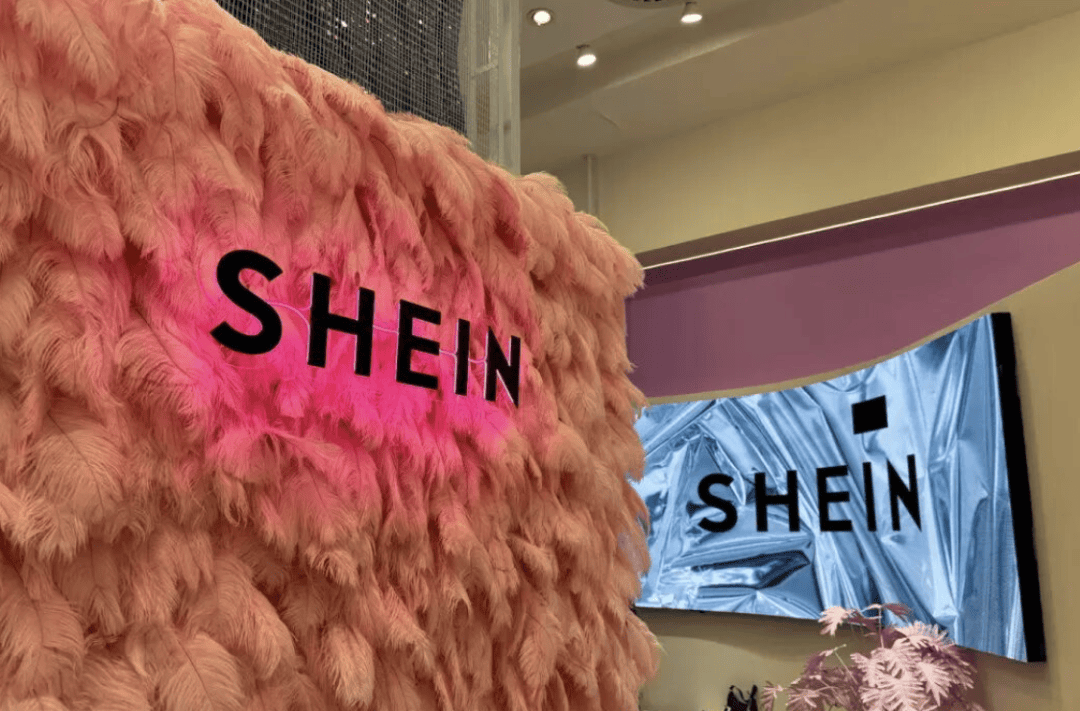
SHEIN新加坡公司财务真相调查:去年营收370亿美元,增收不增利,过去3年纳税约4亿美元
Sou Hu Cai Jing· 2025-10-19 15:55
Core Viewpoint - SHEIN, a fast fashion e-commerce platform, is facing scrutiny over its tax payments in Singapore, where it reportedly paid over 3.3 billion RMB in taxes over four years. The company denies these claims, labeling them as malicious speculation [1][6]. Financial Performance - In 2024, SHEIN Singapore reported revenues of $37.044 billion (approximately 264.016 billion RMB), marking a year-on-year growth of nearly 20% [1][6]. - The company's EBITDA (Earnings Before Interest, Taxes, Depreciation, and Amortization) declined by 11.54% year-on-year, with figures of $1.325 billion in 2024 compared to $1.498 billion in 2023 [6][8]. - From 2022 to 2024, SHEIN Singapore's total revenue was $21.582 billion, $30.915 billion, and $37.044 billion respectively, while its EBITDA for the same years was $703 million, $1.498 billion, and $1.325 billion [5][6]. Tax Payments - SHEIN Singapore's corporate tax payments from 2022 to 2024 are estimated to be around $440 million (approximately 3.136 billion RMB) [1][9]. - The estimated corporate tax for 2024 is about $189 million (approximately 1.347 billion RMB) [9]. Asset and Liability Growth - As of the end of 2024, SHEIN Singapore's total assets reached $15.267 billion, reflecting a year-on-year increase of 72.47%, while total liabilities were approximately $12.484 billion, up about 74.43% [11][12]. Corporate Structure and Control - SHEIN Singapore is the actual controller of Guangzhou Roadget Business PTE. LTD., which is the largest entity under SHEIN in China [1][4]. - The management team of SHEIN Singapore does not include one of its founders, Xu Yangtian, who has reportedly changed his nationality to Singaporean [16]. IPO Plans - SHEIN is reportedly planning to go public in Hong Kong, with previous attempts to list in the US and UK facing challenges [18][20]. - The company aims to submit a confidential listing application to the Hong Kong Stock Exchange, potentially becoming the first large IPO without public disclosure of financial details [20].
孤独假日,cos委托走红
Hu Xiu· 2025-10-10 12:35
Group 1: Cosplay Commission Industry - The concept of "cosplay commission" has gained popularity among young people, allowing individuals to hire someone to portray a favorite virtual character for companionship [4][5][6] - This service has developed a mature industry chain, attracting attention from both online and offline platforms [5][6] - The typical pricing for cosplay commissions is around 100 yuan per hour, with some well-known cosplayers charging higher rates [7] Group 2: Consumer Behavior and Experience - Consumers often seek a sense of safety and comfort from female cosplayers, who may adopt male character traits through costumes and props [7] - Cosplayers engage deeply in their roles, enhancing the immersive experience for clients by embodying character traits and preferences [8] - The demand for cosplay commissions has expanded beyond virtual characters to include "mom commissions" or "sister commissions," reflecting a desire for emotional support and companionship [9] Group 3: Impact on Retail and Events - Cosplay events have proven effective in driving foot traffic to retail spaces, with one event reportedly increasing attendance by nearly 200 people in under four hours [13][14] - Retailers like 凯德MALL have struggled with declining revenues, with a reported 4.46% decrease in revenue year-on-year for the first half of 2025 [14][16] - The growth in the "toys and hobbies" sector, which surged by 46%, contrasts sharply with the stagnation in traditional retail categories [16] Group 4: Social Dynamics and Community Engagement - The concept of "无料" (free giveaways) has emerged as a social tool within cosplay communities, fostering connections among fans and enhancing the event experience [17][18] - The flexible supply chain behind these giveaways allows for rapid production and distribution, catering to the needs of the community [21][22] - The rise of cosplay commissions and related activities reflects a broader trend of addressing loneliness in the digital age, as individuals seek meaningful connections through shared interests [24]
科尔尼《全球供应链战略报告》重磅发布 (上):洞察全球供应链的十大趋势与挑战
科尔尼管理咨询· 2025-09-25 09:41
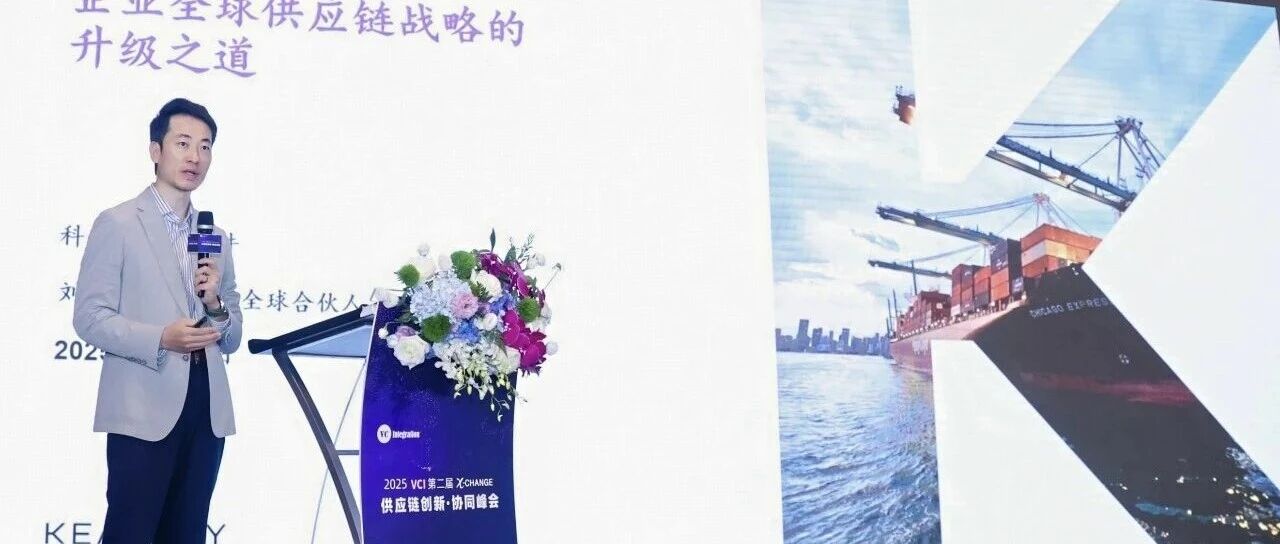
Core Insights - The article discusses the transformation of global supply chains from a focus on efficiency and cost to resilience, efficiency optimization, and sustainable development due to geopolitical tensions, technological advancements, and climate crises [3][31]. Group 1: Key Issues in Global Supply Chains - Four core issues are identified in the current global supply chain landscape: structural issues, risk control issues, efficiency issues, and sustainability issues [4][5]. - Structural issues are driven by geopolitical tensions leading to a shift from globalization to regionalization, increasing trade costs and necessitating fundamental adjustments in supply chain layouts [5][10]. - Risk control issues highlight the normalization of vulnerabilities and disruptions, with a significant increase in supply chain interruption events, leading to substantial revenue losses for companies [6][10]. - Efficiency issues arise from rising operational costs and declining collaboration efficiency within supply chains, exacerbated by regionalization and fragmentation [7][10]. - Sustainability issues are characterized by increased pressure for green transformation and compliance costs, as regulations evolve into market entry barriers [8][10]. Group 2: Trends and Challenges - The article outlines ten trends and challenges that are reshaping supply chain dynamics and competitive rules globally [9][10]. - Trend 1 emphasizes the shift towards regionalization and shorter supply chains, with global trade growth entering a plateau phase [10][13]. - Trend 2 discusses the restructuring of value chains within economic regions, with different countries assuming new roles in the value chain [16][18]. - Trend 3 highlights the imbalance in labor and capacity layouts, leading to labor shortages and mismatched production capabilities in emerging markets [18][19]. - Trend 4 focuses on the structural upgrade of Chinese enterprises going abroad, transitioning from traditional exports to more complex models [19][21]. - Trend 5 addresses the increasing uncertainty in global economic policies, which has become a new norm for supply chains [21][23]. - Trend 6 outlines the compounded risks facing global supply chains, including trade policy impacts and labor shortages, leading to systemic disruptions [23][25]. - Trend 7 discusses the dual-edged effects of digitalization and automation technologies on supply chains, enhancing efficiency while introducing new risks [25][26]. - Trend 8 presents the rise of flexible supply chains to adapt to rapid market changes and mitigate risks [26][27]. - Trend 9 highlights the pressures of green transformation and compliance costs as ESG standards become stringent market requirements [27][28]. - Trend 10 points out the differentiation and complexity of ESG standards across regions, creating compliance barriers for businesses [28][30]. Conclusion - The article concludes that the global supply chain is undergoing a critical transformation, necessitating a strategic upgrade for companies to navigate the intertwined challenges and trends effectively [31][32].
顺丰控股:公司持续完善服务能力与产品体系
Zheng Quan Ri Bao· 2025-09-05 08:13
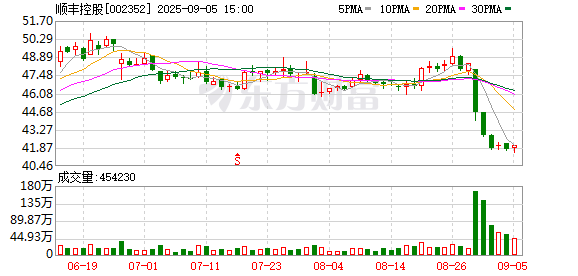
Core Insights - SF Holding has highlighted the increasing penetration of express delivery services into various life and production scenarios, indicating a shift in the nature of delivery demand [2] - The company noted that over half of its express delivery volume now consists of consumer goods, such as clothing and cosmetics, rather than just traditional business documents [2] - New manufacturing models are driving demand for express delivery, with flexible supply chains enabling small-batch and multi-batch production, leading to the adoption of just-in-time (JIT) logistics by many manufacturing clients [2] - SF Holding is expanding its service capabilities and product system to provide end-to-end comprehensive logistics services, including the development of air freight for large industrial products [2]

畅联股份: 上海畅联国际物流股份有限公司2025年半年度报告
Zheng Quan Zhi Xing· 2025-08-29 16:18
Core Viewpoint - Shanghai Shine-Link International Logistics Co., Ltd. reported a decline in key financial metrics for the first half of 2025, indicating challenges in revenue generation and profitability compared to the previous year [1][2]. Financial Performance - The company's operating revenue for the first half of 2025 was approximately ¥739.40 million, a decrease of 10.78% from ¥828.75 million in the same period last year [3][9]. - Total profit for the period was about ¥86.37 million, down 14.17% from ¥100.62 million year-on-year [3][9]. - Net profit attributable to shareholders was approximately ¥68.31 million, reflecting a 14.62% decline from ¥80.01 million in the previous year [3][9]. - The net cash flow from operating activities was ¥100.32 million, a significant drop of 27.24% compared to ¥137.88 million in the same period last year [3][9]. Key Financial Indicators - Basic earnings per share decreased to ¥0.1885, down 14.63% from ¥0.2208 [3][9]. - The weighted average return on net assets was 3.63%, a decrease of 0.62 percentage points from the previous year [3][9]. - The company's net assets attributable to shareholders at the end of the reporting period were approximately ¥1.81 billion, down 2.21% from ¥1.85 billion at the end of the previous year [3][9]. Business Overview - The company focuses on providing lean supply chain management services for international multinational enterprises, utilizing advanced information technology and IoT solutions [4][5]. - Key sectors served include high-tech electronics, medical devices, machinery components, imported food, and apparel [4][5]. Competitive Advantages - The company emphasizes a comprehensive service model that integrates various supply chain functions, enhancing operational efficiency and reducing costs for clients [4][5]. - A strong emphasis on information technology has led to the development of a "smart logistics" model, improving service delivery and customer satisfaction [4][5]. - The company has established long-term strategic partnerships with several Fortune 500 companies, ensuring a stable and high-quality customer base [4][5]. Operational Developments - The company has been expanding its national logistics network, with significant operations in major cities across China and a recent establishment of a wholly-owned subsidiary in Vietnam [6][7]. - Ongoing construction of logistics bases in Zhengzhou and Kunming is expected to enhance operational capacity and service delivery [7][8]. Recognition and Awards - The company has received multiple awards and recognitions for its contributions to the logistics industry, including being named a key enterprise in medical device logistics [6][8].

LABUBU的泼天富贵,泡泡玛特的产能焦虑
虎嗅APP· 2025-08-29 00:05
Core Viewpoint - The article discusses the rapid growth and production challenges faced by Pop Mart, particularly focusing on the LABUBU plush toy line, which has become a significant revenue driver for the company. The demand for LABUBU has surged, leading to a need for supply chain upgrades and increased production capacity to meet market needs [4][5][10]. Production Capacity and Demand - In August 2025, Pop Mart's monthly production capacity for plush products exceeded 30 million units, representing a more than 1000% increase compared to March 2025 [5]. - The production line for LABUBU toys is highly automated, with a daily capacity of 100,000 units expected by mid-2025, utilizing both advanced machinery and skilled labor [4][5]. Revenue Growth - In the first half of 2025, the revenue from THE MONSTERS, which includes LABUBU, reached 4.81 billion yuan, marking a 668% year-on-year increase and contributing 34.7% to the company's total revenue [8][10]. Supply Chain Upgrades - The surge in demand for LABUBU has prompted Pop Mart to reorganize its supply chain, with over 30% of the supply chain team being new hires in 2024 [11]. - The company is pushing for automation upgrades in its partner factories to improve efficiency and increase production capacity [12][13]. Challenges in Supply Chain Management - The rapid increase in orders has led to challenges in maintaining production efficiency, with a significant reliance on manual labor for the plush components [19]. - The average reorder cycle for Pop Mart was previously 4-5 months, but has been reduced to 1-1.5 months due to the need for faster response to market demands [20][21]. Strategic Directions - Pop Mart is expanding its production bases both domestically and internationally, with plans for six major production bases, four in China and two overseas [13]. - The company is focusing on enhancing cross-departmental collaboration and leveraging technology to improve supply chain efficiency [24][25]. Future Outlook - Pop Mart's leadership emphasizes the importance of adapting to market changes and maintaining a flexible supply chain to handle sudden spikes in demand [22][28]. - The company is actively seeking new partnerships and production capabilities to ensure it can meet future demand for popular products like LABUBU [28].


重新理解SHEIN:一个绝对的长板和供给升级方法论
雷峰网· 2025-08-28 11:06
Core Viewpoint - SHEIN's core capability lies not in sales but in its supply chain integration ability and methodology [1] Group 1: Supply Chain Integration - Before 2015, flexible supply chains were attempted by various companies in China's apparel industry but failed to succeed [2] - SHEIN stands out as a unique player, focusing on supply chain upgrades over quick market strategies [5] - Supply chain transformation is a slow process, often yielding minimal visible results [3] Group 2: Market Demand and Digitalization - SHEIN's approach is driven by market demand, emphasizing the importance of connecting directly with supply chain sources [7] - The company has established a digital supply chain system that allows for real-time, precise responses to market needs [11] - This system addresses three core issues: efficient low-cost rapid product launches, maximizing sales opportunities through small batch production, and achieving low or zero inventory [12] Group 3: Empowering Factories - SHEIN's digital tools have transformed factories, enabling them to sell over 1 million units of a single product and significantly increase production value [16] - The company has helped factories reduce inventory rates to single digits, compared to the industry average of 30% [17] - SHEIN's initiatives have led to a significant transformation in traditional garment factories, enhancing their market competitiveness [18] Group 4: Technological Innovation - SHEIN's success is not merely due to its "small batch quick response" model but also its technological and product innovations [22] - The company has developed over 170 tools and devices, obtaining more than 25 patents, to enhance production efficiency and quality [28] - SHEIN's innovations have improved production efficiency by up to 80% in various processes [31] Group 5: Training and Standardization - SHEIN emphasizes talent development and standardized process management as key components of its supply chain technology transfer [33] - The company has conducted nearly 1,400 training sessions for suppliers, enhancing their operational efficiency [37] - Targeted training programs have addressed specific challenges faced by factories, leading to significant improvements in production capacity [40] Group 6: Green Innovation - SHEIN's supply chain reforms are rooted in green technology innovation, aiming for a more efficient and low-carbon manufacturing process [47] - The company has implemented water-saving technologies, saving approximately 1.13 million tons of water [49] - SHEIN's investments in renewable energy have resulted in significant reductions in carbon emissions, equivalent to the annual electricity consumption of thousands of households [53] Group 7: Long-term Impact - SHEIN's supply chain integration capabilities have led to systemic evolution across the entire industry, addressing core challenges of cost reduction and efficiency enhancement [56] - The company has launched initiatives to support the transformation of manufacturing enterprises, contributing to the emergence of new cross-border brands [58]

零售巨头“守门”,谁能撕开固化的德国电商体系?
Xin Lang Cai Jing· 2025-08-19 21:15
Core Insights - The German e-commerce market is experiencing a shift as Chinese platforms like Temu, SHEIN, and AliExpress penetrate the market with low prices and a wide range of products, challenging the dominance of local players like Amazon.de and Otto [11][12][13] Group 1: Market Dynamics - Kaufland.de has emerged as the third-largest e-commerce platform in Germany, with annual sales exceeding €1.5 billion and a continuous double-digit growth in GMV [3][6] - The integration of Kaufland's supermarket model with e-commerce has been recognized as a "German-style e-commerce template," showcasing a unique path for digital transformation in European retail [3][4] - The overall e-commerce growth in Germany is relatively slow, with local platforms experiencing only about 5.6% annual growth, while online retailers face a decline of approximately 1.2% [8][10] Group 2: Competitive Landscape - Chinese e-commerce players have gained significant traction in Germany, with Temu achieving a GMV of approximately $750 million in its first year, making it the 13th largest e-commerce platform [13] - The price sensitivity of German consumers has increased, with 35% preferring low-priced products and 68% comparing prices while shopping online, creating a favorable environment for Chinese platforms [13][14] - Kaufland has responded to the competitive pressure by launching the "Global Marketplace" initiative, allowing international sellers to join its platform, which now includes over 11,000 merchants [15][16] Group 3: Consumer Behavior - German consumers are increasingly open to using non-German sellers, with 15%-20% of young consumers trying cross-border e-commerce platforms, primarily valuing price and product variety [14] - The traditional shopping habits of German consumers, which emphasize quality assurance and after-sales service, are being challenged by the rapid growth of Chinese e-commerce platforms [12][17] - The shift in consumer preferences indicates a potential long-term change in the German e-commerce landscape, as exemplified by the experiences of consumers like Anna Müller, who appreciate the convenience and affordability of Chinese products [11][17]