渠道转型

Search documents
坦博尔递表港股,县城羽绒服如何闯关「户外」?
Hua Er Jie Jian Wen· 2025-10-22 12:20
Core Viewpoint - The domestic outdoor market is heating up, with the local brand Tambor officially submitting its listing application to the Hong Kong Stock Exchange, aiming to capitalize on the growing trend in outdoor activities and online sales channels [1][2]. Company Overview - Tambor, founded by Wang Yongping in Weifang, Shandong, previously listed on the New Third Board in 2015 but delisted in 2017 due to brand aging and sluggish growth [2]. - The company has repositioned itself as an "outdoor quality lifestyle brand," shifting its focus from winter down jackets to all-season, multifunctional apparel [6]. Financial Performance - In 2024, Tambor achieved revenue of 1.3 billion yuan, a year-on-year increase of 28%, capturing a 1.5% market share in China's professional outdoor apparel sector, ranking seventh overall and fourth among local brands [3]. - Revenue growth accelerated to 84.83% in the first half of 2025, with online sales doubling [4]. - Online revenue surged from 226 million yuan to 626 million yuan over three years, increasing its share from 30.9% to 48.1% [8]. Market Trends - The online retail market for professional outdoor apparel in China grew from 22 billion yuan in 2019 to 52.8 billion yuan in 2024, with a compound annual growth rate of 19.1%, significantly outpacing the overall apparel market [7]. - Tambor's online sales growth rate exceeded 80% in 2024, making it the fastest among China's top ten professional outdoor brands [10]. Operational Challenges - Tambor faces challenges related to increased return rates due to higher online sales, with refund liabilities rising to 13.11 million yuan, a 48% increase [12]. - The company has closed partnerships with 152 inefficient distributors and reduced its number of physical stores to 568 by mid-2025, down 40 from the beginning of the year [13]. Marketing and Brand Positioning - Tambor has invested heavily in marketing, with a sales expense ratio of 39% in 2024, which is nearly 6 percentage points higher than its competitor [14]. - The brand's net profit margin fell to approximately 8.2% in 2024, a decline of over 5 percentage points from the previous year [16]. Product Development - Tambor aims to establish its outdoor sports series as a core growth engine, launching a premium outdoor series priced between 999 and 3299 yuan, although this series currently contributes only 4.6% to total revenue [17][18]. - The reliance on lower-priced urban outdoor series, which accounts for about 70% of revenue, poses challenges for the brand's upward pricing strategy [19]. Financial Pressure - Tambor's operating cash flow showed a net outflow of 90 million yuan in the first half of 2025, with cash reserves dwindling to 26.01 million yuan against inventory valued at 931 million yuan [22]. - The company is seeking to strengthen its product lineup through acquisitions or the launch of high-end sub-brands, but faces increasing financial pressure [22][23].
坦博尔IPO前,突击分红2.9亿元
Xin Lang Cai Jing· 2025-10-13 10:21
Core Viewpoint - The domestic outdoor brand Tambor is preparing for an IPO in Hong Kong, following a significant pre-IPO dividend distribution of 290 million yuan, which has raised concerns about its financial health and cash flow management [2][12][14]. Financial Performance - Tambor has demonstrated impressive revenue growth, with revenues increasing from 732 million yuan in 2022 to 1.302 billion yuan in 2024, reflecting a compound annual growth rate of over 33%. In the first half of 2025, revenue reached 658 million yuan, marking an 85% year-on-year increase [5][6]. - Despite the revenue growth, Tambor's net profit has shown significant volatility, with net profit decreasing from 139 million yuan in 2023 to 107 million yuan in 2024, a decline of 23%. The net profit margin has also decreased from 13.6% in 2023 to 8.2% in 2024 and further to 5.5% in the first half of 2025 [6][10][14]. Market Position - The Chinese outdoor apparel market is rapidly expanding, with the market size projected to grow from 688 billion yuan in 2019 to over 2.87 trillion yuan by 2029. Tambor is currently the fourth largest domestic professional outdoor apparel brand based on retail sales in 2024 [6][8]. Channel Transformation - Tambor has been actively transforming its sales channels, with online sales increasing from 226 million yuan in 2022 to 626 million yuan in 2024, accounting for 48.1% of total revenue. In the first half of 2025, online sales surpassed offline sales for the first time [8][9]. - However, the rapid growth of online channels has led to increased marketing expenses, which reached 508 million yuan in 2024, representing 39% of total revenue, up nearly 12 percentage points from 2022 [9][10]. Inventory Challenges - As of June 30, 2025, Tambor's inventory value surged to 931 million yuan, a 262% increase from the end of 2023. The inventory turnover days have also significantly increased from 242 days in 2023 to 485 days in the first half of 2025, indicating potential inefficiencies in inventory management [10][11]. Pre-IPO Dividend and Financial Strategy - Prior to its IPO, Tambor distributed a substantial dividend of 290 million yuan, which is over eight times the 35 million yuan distributed in 2022. This distribution has reduced the company's net assets from 741.5 million yuan at the end of 2024 to 487.5 million yuan by June 30, 2025 [12][14]. - The company plans to use the funds raised from the IPO for technology research and development, brand building, channel upgrades, and strategic acquisitions, although the recent dividend may necessitate some funds to address short-term liquidity issues [15].


坦博尔IPO前,突击分红2.9亿元
中国基金报· 2025-10-13 10:18
Core Viewpoint - The article discusses the upcoming IPO of the domestic outdoor brand Tamboor, highlighting its impressive revenue growth and recent financial maneuvers, including a significant pre-IPO dividend distribution of 290 million yuan [2][20]. Revenue Growth - Tamboor has demonstrated remarkable revenue growth, increasing from 732 million yuan in 2022 to 1.302 billion yuan in 2024, representing a compound annual growth rate of over 33%. In the first half of 2025, revenue reached 658 million yuan, marking an 85% year-on-year increase [5][12]. - The Chinese professional outdoor apparel market is rapidly expanding, with market size projected to grow from 688 billion yuan in 2019 to 1.319 trillion yuan in 2024, and expected to exceed 2.87 trillion yuan by 2029 [7]. Profitability Challenges - Despite strong revenue growth, Tamboor's net profit has shown significant volatility. Net profit was 85.77 million yuan in 2022, peaked at 139.24 million yuan in 2023, but fell to 107.31 million yuan in 2024, a year-on-year decline of 23%. In the first half of 2025, net profit was 35.94 million yuan [9][10]. - The net profit margins have also been under pressure, with net profit margins of 11.7%, 13.6%, 8.2%, and 5.5% for the years 2022, 2023, 2024, and the first half of 2025, respectively [9][10]. Channel Transformation - Tamboor has actively pursued channel transformation, with online channel revenue increasing from 226 million yuan in 2022 to 626 million yuan in 2024, accounting for 48.1% of total revenue by 2024. In the first half of 2025, online revenue surpassed offline for the first time [12][13]. - However, the rapid growth of online channels has led to increased marketing expenses, with sales and distribution expenses reaching 508 million yuan in 2024, accounting for 39% of revenue, an increase of nearly 12 percentage points from 2022 [12]. Inventory Issues - As of June 30, 2025, Tamboor's inventory value surged to 931 million yuan, a 262% increase from the end of 2023, and further rose to 1.103 billion yuan by the end of August 2025. The inventory turnover days increased significantly from 242 days in 2023 to 485 days in the first half of 2025, indicating a slowdown in inventory movement [14][15]. Pre-IPO Dividend Distribution - Prior to its IPO, Tamboor distributed a substantial dividend of 290 million yuan to shareholders, which is over eight times the 35 million yuan distributed in 2022. This distribution resulted in a decrease in the company's net assets from 741.5 million yuan at the end of 2024 to 487.5 million yuan by June 30, 2025 [20]. - The family controlling Tamboor, led by founder Wang Yongping, received a significant portion of this dividend, raising concerns about the company's liquidity and the necessity for IPO fundraising to support future growth initiatives [18][20].

莎莎国际转型困局难破,第二财季内地市场线上营业额下滑3.5%
Sou Hu Cai Jing· 2025-10-11 02:20
Core Viewpoint - Sasa International is undergoing a critical transformation phase, reporting a sales increase despite challenges in its online operations after closing all offline stores in mainland China [1][2]. Group 1: Financial Performance - For the second fiscal quarter from July 1 to September 30, Sasa International reported a total revenue of HKD 10.308 billion, an increase of 8.4% year-on-year [2]. - Offline sales accounted for approximately 80.2% of total revenue, with offline sales reaching HKD 8.263 billion, a year-on-year growth of 9.4% [2][5]. - Online sales generated HKD 2.045 billion, reflecting a year-on-year increase of 4.9%, representing 19.8% of total revenue [5]. Group 2: Market and Operational Insights - As of September 30, Sasa International operated 157 offline stores, with a net increase of 2 stores, primarily in Hong Kong and Macau [4]. - The company’s core markets remain Hong Kong and Macau, where revenue grew by 10.2% to HKD 7.919 billion during the reporting period [5]. - The Southeast Asian market is identified as a new growth engine, with revenue increasing by 11.2% to HKD 1.189 billion, driven by a 41.3% growth in online sales [5]. Group 3: Challenges and Strategic Focus - In mainland China, Sasa International faced difficulties, with online sales declining by 3.5% to HKD 1.179 billion, although profitability improved year-on-year [7]. - The company is focusing on enhancing its online business and promoting exclusive brands to adapt to changing consumer preferences [7]. - Sasa International has closed all offline stores in mainland China due to the inability to achieve economies of scale, with 14 stores closed by March 31 and the remaining 18 by June 30 [6].

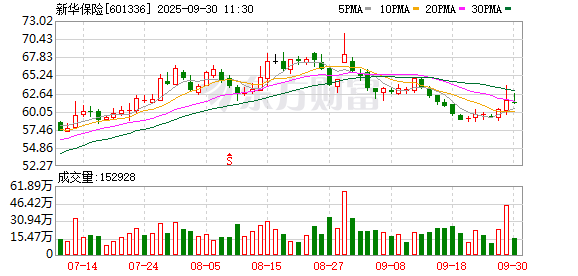
投资规模1.7万亿元,年化综合投资收益率6.3%,新华保险价值增长蓄势再攀升
Shang Hai Zheng Quan Bao· 2025-09-30 04:41
Core Insights - The company reported a premium income of 158.086 billion yuan for the first eight months of 2025, representing a year-on-year growth of 21% [2] - In the first half of 2025, the company achieved an operating income of 70.041 billion yuan, a 26% increase year-on-year, and a net profit of 14.8 billion yuan, up 33.5% [3] - The company was included in the Fortune Global 500 list in July 2025, highlighting its strong growth and market position [2] Financial Performance - The total assets of the company increased to 1.78 trillion yuan, a 5% growth compared to the end of the previous year [3] - The core solvency adequacy ratio stood at 170.72%, and the comprehensive solvency adequacy ratio was 256.01%, both significantly above regulatory requirements [3] - New business value reached 6.182 billion yuan, marking a substantial increase of 58.4% year-on-year, indicating both scale and value growth [3] Dividend and Investor Returns - The company plans to distribute a cash dividend of 0.67 yuan per share, totaling approximately 2.09 billion yuan, which accounts for 14.1% of the half-year net profit attributable to shareholders [3] Channel Transformation - The individual insurance channel saw a first-year premium income of 14.506 billion yuan, a remarkable growth of 70.8% [5] - The bancassurance channel achieved a first-year premium income of 24.939 billion yuan, a significant increase of 150.3% [5] - The company’s marketing team is undergoing a professionalization transformation under the "XIN Generation" plan, leading to improved productivity and performance [5] Investment Strategy - The investment scale exceeded 1.7 trillion yuan, reflecting a 5.1% increase from the previous year [6] - The company is focusing on optimizing asset allocation and enhancing investment capabilities to adapt to a low-interest-rate environment [7] - The company has established and invested in pilot funds to support quality listed companies in the secondary market, addressing asset-liability matching issues [6] Claims and Customer Service - In the first half of 2025, the company processed 2.41 million claims, with total payouts amounting to 7.3 billion yuan, demonstrating operational efficiency [8] - The average claim processing time was reduced to 0.72 days, showcasing improvements in service levels [8] Social Responsibility and Financial Inclusion - The company has invested over 1.21 trillion yuan in supporting the real economy, with a focus on various sectors including technology and green finance [8][9] - It has provided risk protection for over 12,000 technology companies, with an investment balance exceeding 605 billion yuan [9] - The company actively supports small and micro enterprises, with investments exceeding 227 billion yuan, reflecting a commitment to financial inclusion [10] Digital Transformation - The company is embracing digital innovation and accelerating its digital transformation, aiming to build core competencies in artificial intelligence and big data [12] - The company is committed to high-quality development and customer-centric strategies, positioning itself as a leading financial service group in China [12]

人保寿险上半年净利润68.67亿元 半年少了3578个营销员
Xi Niu Cai Jing· 2025-09-28 10:12
Core Insights - The company reported a significant improvement in operational efficiency, with original premium income reaching 90.513 billion yuan, a year-on-year increase of 14.5% [1] - Net profit surged to 6.867 billion yuan, reflecting a substantial year-on-year growth of 196% [1] Group 1: Business Performance - The company’s channel transformation under Chairman Zhao Peng has shown notable results, with the bancassurance channel generating original premium income of 53.104 billion yuan, up 24.1% year-on-year, and accounting for 58.7% of total premiums [1] - New business value experienced a remarkable year-on-year increase of 107.7% [1] Group 2: Distribution Channels - The individual insurance channel's premium contribution decreased to 39.1% [1] - The number of marketing personnel decreased to 79,218, down by 3,578 from the end of the previous year [1] - The average effective workforce was 21,030, a reduction of 821 compared to the end of the previous year [1]
江山欧派(603208):2025年半年报点评:业绩短期承压,渠道转型与新业务开拓显成效
Huachuang Securities· 2025-09-19 07:01
Investment Rating - The report maintains a "Strong Buy" rating for Jiangshan Oupai, expecting it to outperform the benchmark index by over 20% in the next six months [2][13]. Core Views - The company reported a significant decline in performance for the first half of 2025, with revenue of 868 million yuan, down 39.82% year-on-year, and a net profit attributable to shareholders of 10 million yuan, down 90.39% year-on-year [2]. - Despite short-term pressure on earnings, the company is making progress in channel transformation and new business development, which are expected to stabilize growth in the future [2][7]. Financial Performance Summary - **Revenue and Profitability**: In H1 2025, the company achieved total revenue of 868 million yuan, a decrease of 39.82% year-on-year. The net profit attributable to shareholders was 10 million yuan, down 90.39% year-on-year. The gross margin was 17.6%, a decline of 3.5 percentage points [2][7]. - **Future Projections**: The company is projected to have revenues of 2.334 billion yuan in 2025, with a year-on-year decline of 22.2%. The net profit is expected to be 69 million yuan, down 36.5% year-on-year [2][8]. - **Earnings Per Share (EPS)**: The EPS for 2025 is projected to be 0.39 yuan, with a PE ratio of 38 times [2][8]. Business Strategy and Market Position - **Channel Transformation**: The company is actively transforming its channel strategy, reducing direct engineering channels to control accounts receivable risks, while expanding its agency and franchise service channels, which have shown strong growth [2][7]. - **International Expansion**: The company is focusing on international markets, particularly in the Middle East, by establishing subsidiaries in regions like Saudi Arabia and Hong Kong [2][7]. Valuation - The target price for Jiangshan Oupai is set at 17.9 yuan per share, based on a discounted cash flow (DCF) analysis [2][3].

风口浪尖下的预制菜|千味央厨成餐饮寒流中的供应链承压者 主业承压、业绩双降
Xin Lang Zheng Quan· 2025-09-18 09:38
Core Viewpoint - In the first half of 2025, Qianwei Yangchun faced significant challenges in the restaurant supply chain industry, reporting a revenue decline of 0.7% year-on-year to 886 million yuan and a net profit drop of 39.7% to 35.79 million yuan, indicating stagnation in core business growth and shrinking profit margins [1] Group 1: Product Iteration Challenges - The company's reliance on traditional product lines, particularly staple and snack categories, has led to a decline in sales as core products like fried dough sticks and sesame balls lose market appeal [2] - Efforts to develop new products in baking and prepared dishes have not yielded significant results, with these segments still too small to drive substantial revenue growth [2] - The shift towards lower-margin products has further pressured overall profitability, revealing a gap in product transition between old and new offerings [2] Group 2: Channel Distribution Pressures - The company maintains a weak recovery in its direct sales channel, primarily due to strong ties with major clients like Yum China and Hema, but faces pressure as these clients demand better pricing [3] - The decline in the distribution channel is more alarming, with over 300 channel partners lost in six months, leading to a significant drop in sales from distributors [3] - Rising costs of raw materials, such as flour and oils, have made it difficult for the company to pass on these costs to customers, resulting in profit erosion [3] Group 3: Trust Crisis and Industry Transparency - The prepared food industry is experiencing a trust crisis, with increasing consumer scrutiny over ingredient processing, compelling restaurant clients to enforce stricter supply chain standards [4] - The company must invest more in quality control, traceability, and transparency, but these efforts are unlikely to yield immediate financial returns [4] Group 4: Need for Strategic Reform - The company's performance reflects the broader challenges faced by restaurant supply chain businesses during industry adjustments, with traditional business pressures and new business investment pains [5] - To regain balance, the company needs to focus on three areas: product innovation, optimizing distribution channels, and developing dynamic cost adjustment capabilities [5] - However, market patience is waning due to regulatory changes, shifting consumer preferences, and capital valuation adjustments, necessitating urgent internal reforms [5]
盐津铺子(002847):魔芋强劲增长,费用优化驱动盈利高增
Guotou Securities· 2025-09-18 06:31
Investment Rating - The report assigns a "Buy-A" investment rating to the company with a target price of 86.09 CNY over the next six months, corresponding to a valuation of 28.62x for the year 2025 [4][5]. Core Insights - The company reported a revenue of 2.941 billion CNY for the first half of 2025, marking a year-on-year increase of 19.58%. The net profit attributable to shareholders was 373 million CNY, up 16.70% year-on-year, while the net profit excluding non-recurring items reached 334 million CNY, reflecting a growth of 22.50% [1]. - The strong growth in konjac products and effective cost management have driven significant profit increases. The gross margin for Q2 2025 was 30.97%, slightly down by 1.98 percentage points year-on-year, while the net profit margin improved by 0.93 percentage points to 13.86% [3]. Revenue Breakdown - In terms of product categories, the revenue for the first half of 2025 was as follows: spicy snacks (1.32 billion CNY, +47.1%), baked potato products (460 million CNY, -18.4%), dried fruits and jellies (430 million CNY, +9.0%), deep-sea snacks (360 million CNY, +11.9%), egg snacks (310 million CNY, +29.6%), and other products (60 million CNY, +42.6%). The spicy snacks category, particularly the konjac products, showed the highest growth [2]. - Regionally, the revenue distribution was as follows: Central China (920 million CNY, +7.9%), East China (550 million CNY, +76.1%), Southwest and Northwest (430 million CNY, +32.5%), South China (280 million CNY, -17.2%), North China and Northeast (90 million CNY, +68.5%), overseas (10 million CNY, +67873.1%), and online e-commerce (570 million CNY, -1.0%) [2]. - By sales channels, the revenue from distributors was 2.30 billion CNY (+30.1%), direct sales in supermarkets was 60 million CNY (-42.0%), and e-commerce sales were 570 million CNY (-1.0%). The number of distributors increased to 3,713, while the number of large chain supermarket stores rose to 13 [2]. Profitability and Cost Management - The company has effectively managed costs, with a reduction in sales and management expense ratios by 3.70 percentage points and 1.12 percentage points year-on-year, respectively. The decrease in share-based payment expenses contributed to a significant reduction of 31.04 million CNY compared to the same period last year [3]. - The focus on core products has enhanced profitability, with a net profit growth forecast of 28.2%, 23.6%, and 19.2% for the years 2025 to 2027 [4].

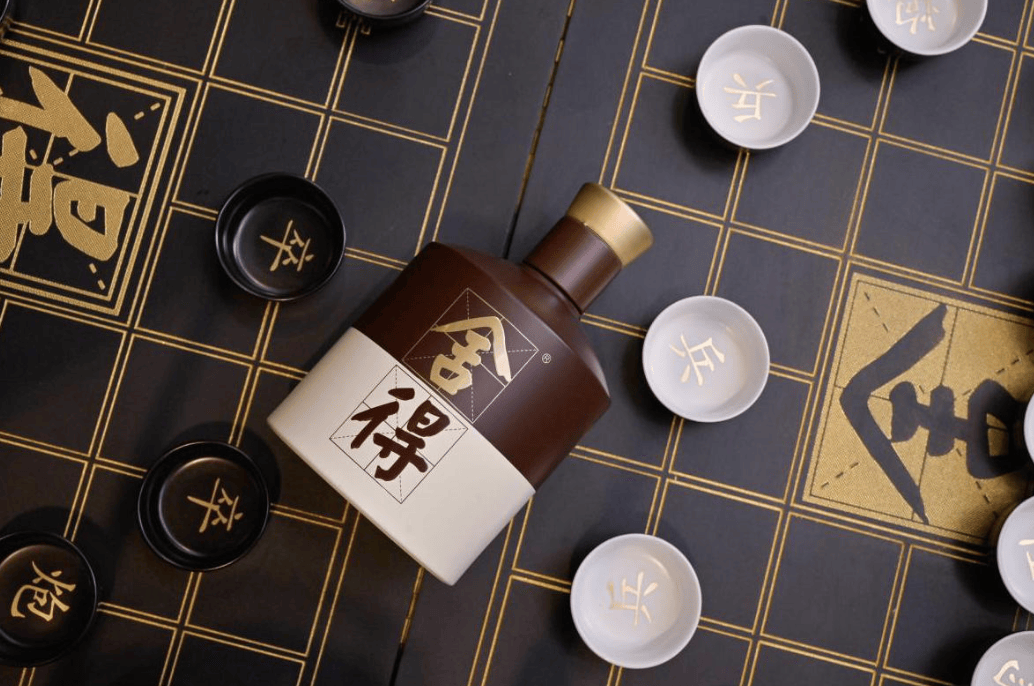
舍得酒业二季度净利润大增,业绩复苏之路仍需观察
Sou Hu Cai Jing· 2025-09-04 10:54
Core Viewpoint - Shede Liquor's financial report for the first half of the year indicates efforts to seek transformation amid challenges, with a notable recovery in the second quarter despite an overall decline in performance [1][3]. Financial Performance - In the first half of the year, Shede Liquor achieved revenue of 2.701 billion yuan, a decrease of 17.01% compared to the same period last year [1]. - Net profit reached 443.3 million yuan, down 24.98% year-on-year [1]. - In the second quarter, revenue was 1.125 billion yuan, with a reduced decline of 3.44% year-on-year, and net profit surged to 97.17 million yuan, an increase of 139.48% [1]. Market Reaction - The capital market reacted positively to the financial results, with Shede Liquor's stock price rising significantly, reaching 67 yuan per share and a total market value of 22.3 billion yuan as of August 25 [3]. - Over the past 11 trading days, the stock price increased by 30.1%, outperforming the liquor sector's 12.77% and the broader market's 6.41% [3]. Strategic Adjustments - Shede Liquor has shifted its strategy from a focus on high-end products to increasing its presence in the ordinary liquor market, with the revenue share of mid-to-high-end liquor decreasing from 79.54% to 73.05% [3]. - Revenue from ordinary liquor increased by 15.86%, raising its revenue share to 16.47% [3]. Industry Challenges - The competitive landscape in the liquor industry is characterized by a "pyramid" structure, with top brands like Moutai and Wuliangye dominating the high-end market, leaving Shede Liquor in a fiercely competitive lower segment [4]. - The company faces challenges with distributor inventory pressures and a reduction in the number of distributors, with 78 fewer distributors and a 3.01% decline in contract liabilities [4]. - Inventory turnover days for Shede Liquor exceed the industry average, indicating ongoing inventory challenges [4]. New Channel Development - To address these challenges, Shede Liquor is focusing on e-commerce and live streaming, achieving sales of 336 million yuan through e-commerce channels, a year-on-year increase of 31.38% [4]. - Despite the growth in online sales, traditional channels remain crucial for liquor consumption, particularly for events and group purchases [4]. Future Outlook - The recovery in the second quarter reflects the effectiveness of Shede Liquor's strategic adjustments, primarily through cost reduction measures [5]. - The sustainability of this recovery remains uncertain, and the company needs to continue exploring suitable development paths while maintaining stable performance [5].