能源多元化

Search documents
印度为865亿美元向美国低头,中国却趁机拿下千万桶俄油,差距在哪?
Sou Hu Cai Jing· 2025-08-21 21:26
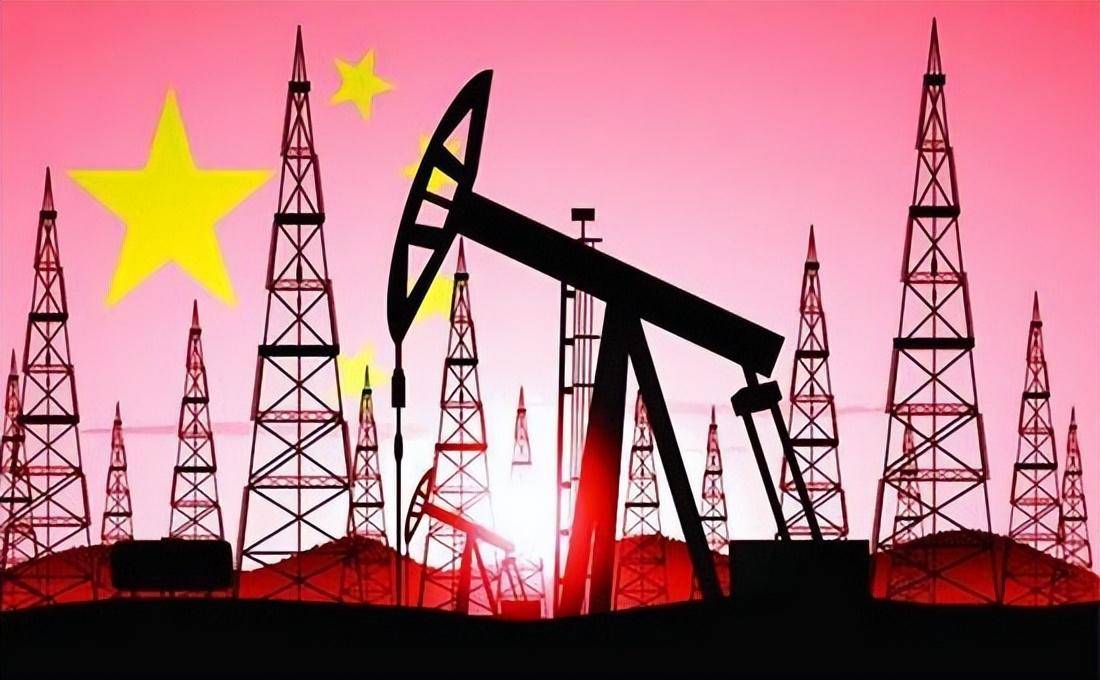
Core Insights - The article discusses the strategic maneuvering of China and India in the global oil market, particularly in relation to Russian oil imports amid external pressures [3][4][6][11]. Group 1: India's Position - India, previously the second-largest buyer of Russian oil, has halted purchases due to pressure from the U.S., with state-owned refiners suspending orders and seeking alternatives [3][7]. - The Modi government faces a dilemma between maintaining a significant $86.5 billion export market to the U.S. and the potential savings from discounted Russian oil [7][11]. - India's short-term focus on immediate economic benefits reveals a lack of strategic autonomy, making it vulnerable to external pressures [6][11]. Group 2: China's Strategy - In contrast, Chinese companies swiftly secured 15 batches of Russian oil, negotiating a $1 discount per barrel, which could save up to $10 million on a large scale [4][9]. - China's increased imports of Russian oil reduce its dependence on Middle Eastern oil and strengthen its energy partnership with Russia, with a 43% year-on-year increase in pipeline oil imports expected by Q1 2025 [8][9]. - Over 60% of Russian oil transactions are now settled in RMB, enhancing its international standing and mitigating risks associated with dollar-denominated transactions [8][9]. Group 3: Market Dynamics - China's role as a "rescue buyer" for Russian oil has shifted the balance of power in energy negotiations, allowing it to gain unprecedented leverage [9][11]. - The price of Urals crude oil in Western ports is approximately $65 per barrel, while Chinese firms are securing discounts, indicating a significant cost-saving opportunity [9]. - The competition for the Chinese market has prompted Saudi Aramco to consider offering more favorable pricing and extended payment terms to retain its customer base [9][12]. Group 4: Long-term Implications - The article emphasizes that the current situation reflects a redistribution of market power, with emerging economies like China gaining more pricing authority and options in the global energy landscape [13][15]. - The strategic choices made by China and India highlight the importance of balancing immediate economic interests with long-term strategic positioning in international relations [11][15].

俄罗斯天然气:欧洲不要,龙国为何不全接?
Sou Hu Cai Jing· 2025-08-21 16:30
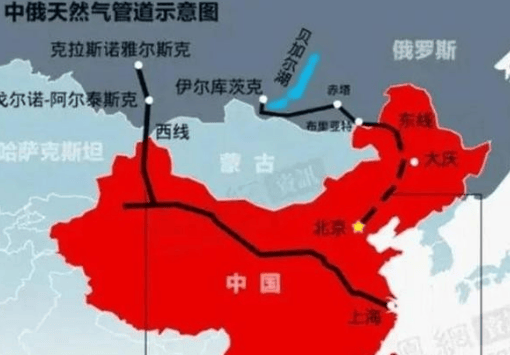
Core Insights - Russia is facing a significant challenge in finding markets for its excess natural gas after losing access to the European market, primarily due to pipeline transportation limitations [1][2][3] - The existing Power of Siberia pipeline, operational since 2019, has a maximum capacity of 38 billion cubic meters per year and is expected to reach full capacity by 2025, leaving Russia with a surplus of over 100 billion cubic meters of natural gas annually that cannot be exported [1][3] - Negotiations for a new western pipeline have been ongoing since 2014 but have yet to commence due to disagreements over pricing and market focus, with Russia prioritizing high-profit European sales over Asian markets [1][2][4] Pipeline and Market Dynamics - The Power of Siberia pipeline is currently the only major conduit for Russian gas to China, but its capacity is insufficient to cover the loss of European sales, which are projected to drop to 13% of the EU's gas supply by 2025 [2][3] - Russia's strategy to pivot towards Asia has been slow, with the western pipeline project stalled due to unresolved issues regarding routing and pricing, leading to a significant reduction in gas exports [2][4] - China is diversifying its energy sources, importing liquefied natural gas (LNG) from Australia and Qatar, which reduces its reliance on Russian gas and mitigates supply risks [2][3] Economic Implications - The shift in focus from Europe to Asia has resulted in a decline in overall Russian gas exports, with a reported 30% increase in exports to China not compensating for the 150 billion cubic meters lost from Europe [4] - Russia's gas production has decreased, and the country is now adjusting its export strategies to seek new markets in Turkey and India, although these markets are smaller and less profitable compared to Europe [3][4] - The economic pressure on Russia is mounting as it faces reduced revenues from gas exports, prompting restructuring within its gas companies and a reevaluation of its energy policies [4]
布米普特拉北京投资基金管理有限公司:美企763亿美元资本抢滩可再生能源蓝海
Sou Hu Cai Jing· 2025-08-19 17:46
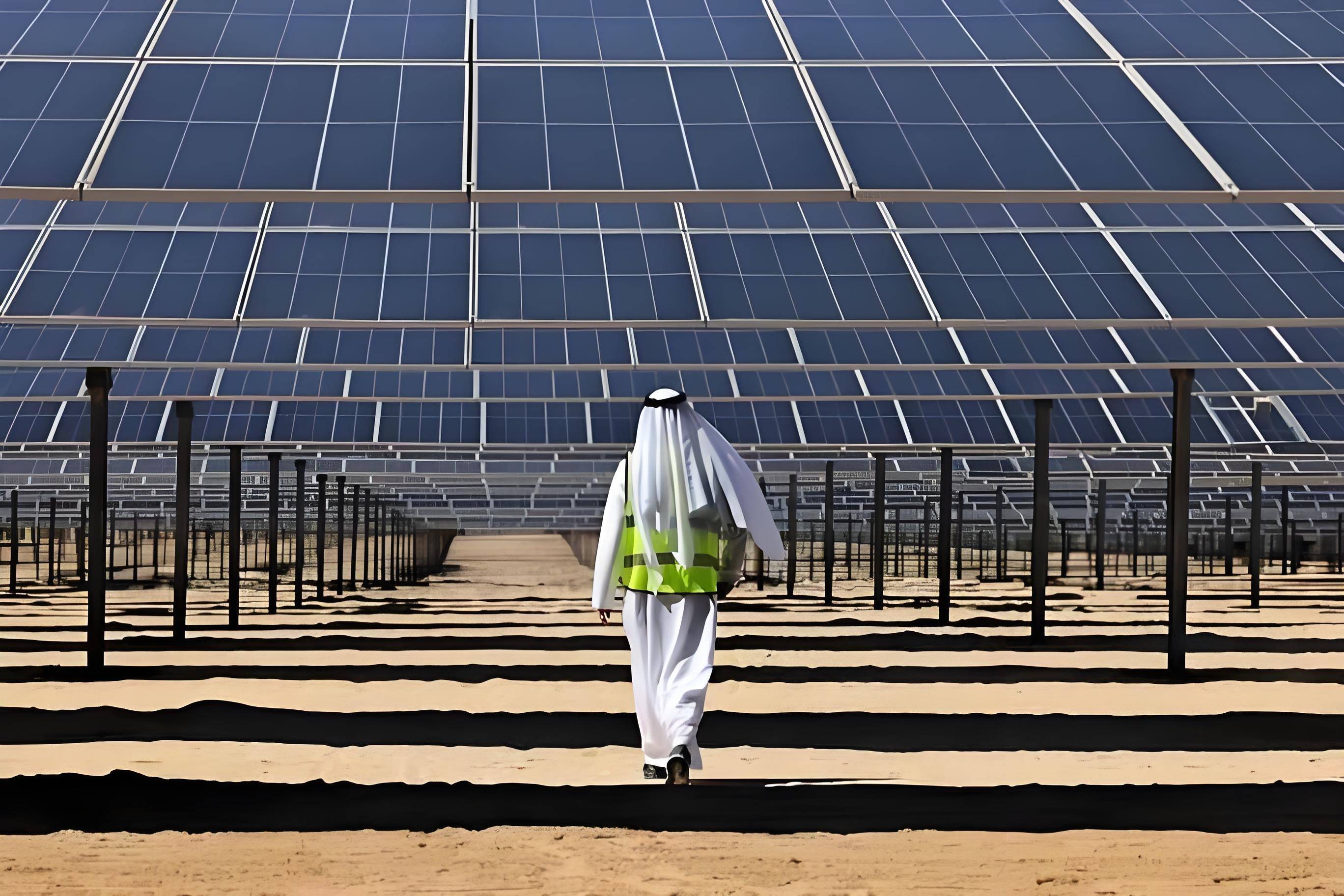
Core Insights - Stonepeak, a major alternative investment firm managing $76.3 billion in assets, is expanding its renewable energy footprint in the Middle East by launching a regional platform called WahajPeak, targeting the solar, wind, and energy storage markets in the Gulf Cooperation Council (GCC) and the broader Middle East [1][4] - The region aims to deploy 175 GW of clean energy capacity by 2030, which is equivalent to a quarter of the current global wind power capacity [1] Group 1 - WahajPeak's establishment follows a strategic alliance between Stonepeak and the Arab Energy Fund, committing $1 billion for infrastructure development in the Middle East [4] - This combination of capital and local resources is designed to support the expansion of WahajPeak's operations, aligning with the energy diversification and grid modernization strategies of countries like Saudi Arabia and the UAE [4] Group 2 - The new enterprise will be led by Mothana Qteishat, who has over 17 years of regional development experience and has previously served as Vice President at Jinko Power, with a track record of delivering over 5 GW of solar projects [7] - Stonepeak has established localized teams in Riyadh and Abu Dhabi, differentiating its operational model from traditional financial investors [7] Group 3 - The establishment of WahajPeak is part of Stonepeak's global renewable energy strategy, which includes platforms in Asia, North America, and Europe, with a total clean energy asset portfolio of 10.4 GW across various project stages [7] - Stonepeak's investment is poised to transform the energy landscape in the Middle East, potentially redefining the concept of "petrodollars" in the 21st century [9]
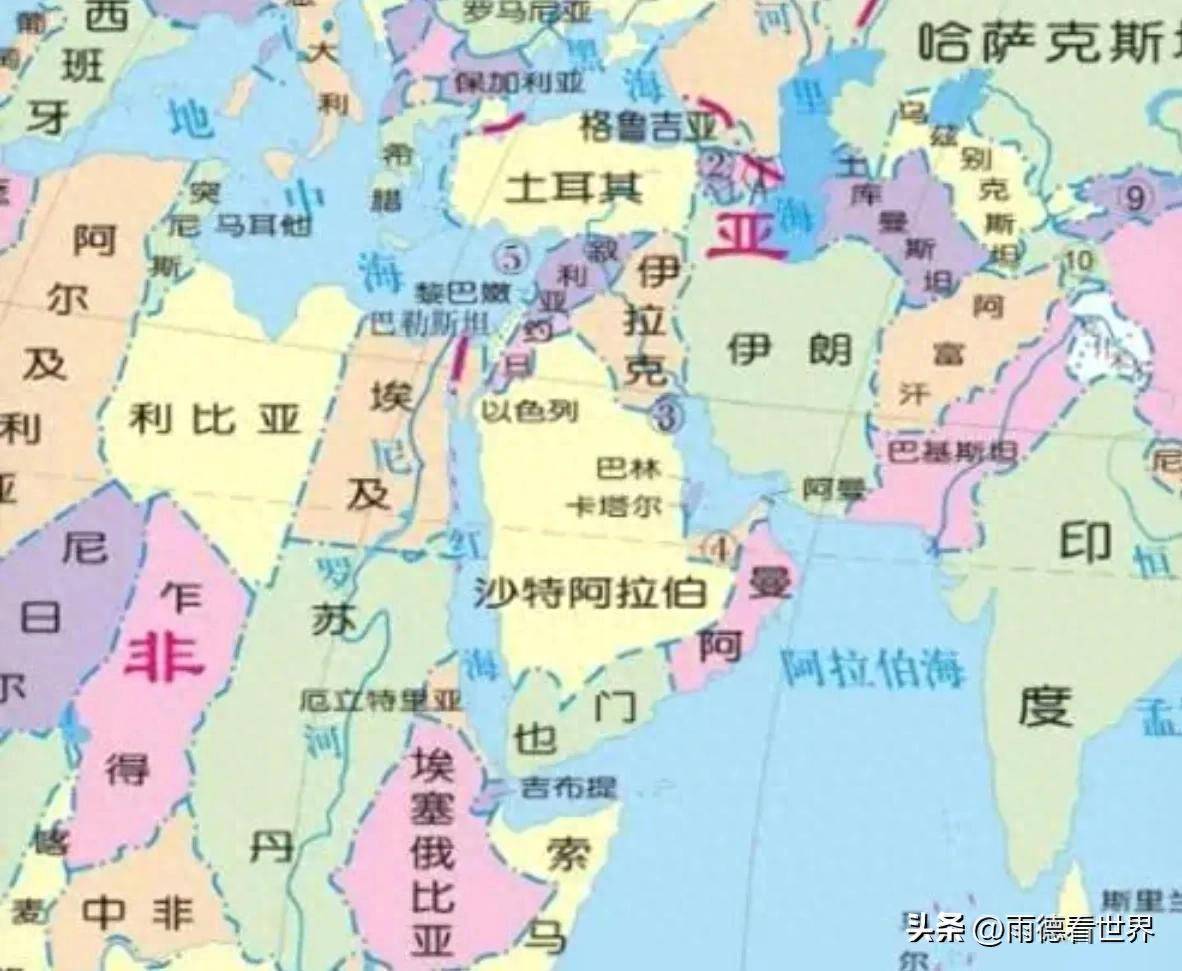
为啥俄罗斯原油占比首超沙特!我国进口能源版图中东惊变值得吗
Sou Hu Cai Jing· 2025-08-01 11:53
Core Insights - The global competition for oil, particularly in the Middle East, is a significant aspect of international relations, with the U.S. historically seeking control over this resource-rich region to maintain its influence and pricing power [1] - China's energy strategy is evolving towards reducing dependence on Middle Eastern oil, focusing on domestic production and diversifying import sources [3][7] Group 1: Energy Production and Consumption - In 2024, China's oil production is projected to reach a historical high of 212 million tons, yet it still falls short of the annual demand of 756 million tons, leading to an import volume of 553 million tons and a dependency rate of 71.9% [3][11] - The share of Middle Eastern oil in China's imports has decreased to below 55%, with Russia emerging as a significant supplier, accounting for 15.5% of imports [9][7] Group 2: Transportation and Supply Chains - Since 2004, China's oil imports have surged nearly sixfold, with Middle Eastern oil supply now constituting 51% of total imports, while Russian oil supply has reached 15.5% [5][9] - The construction of land-based energy corridors, such as the China-Russia oil pipeline with an annual capacity of 30 million tons, is helping to mitigate reliance on maritime routes like the Malacca Strait [7][19] Group 3: Energy Security Measures - China has established a strategic oil reserve system capable of covering 100 days of net imports, alongside increasing domestic oil and gas production to enhance energy security [11][12] - The promotion of green energy solutions, including the rise of electric vehicles and solar energy, is expected to reduce reliance on traditional oil, with 30 million electric vehicles projected to replace approximately 28 million tons of gasoline by 2024 [12][14] Group 4: Financial and Geopolitical Dynamics - The use of the Chinese yuan in oil transactions is increasing, with 99.6% of Sino-Russian oil trade now settled in yuan, marking a shift away from the U.S. dollar's dominance in global oil markets [14][19] - The potential of African oil resources is being recognized, with Nigeria's refineries expected to start production by 2025, contributing to a growing share of West African oil in the global market [16][19] Group 5: Strategic Initiatives - China's energy strategy is characterized by a multi-faceted approach, including the "island-hopping" strategy and enhancing energy autonomy, which is reshaping the global energy landscape [18][19] - The expansion of energy supply chains, including new production bases in Europe and North America, is aimed at overcoming trade barriers imposed by Western nations [18][19]
中美贸易急转藏深意,740亿能源大单告吹引震动,特朗普为何访华
Sou Hu Cai Jing· 2025-07-31 08:36
Core Viewpoint - The article discusses the significant decline in U.S. energy exports to China, resulting in a $74 billion deal collapsing, with U.S. energy exports to China dropping to zero by June 2025, highlighting the geopolitical and economic implications of this shift [1][3][5]. Group 1: U.S. Energy Export Decline - By June 2025, U.S. exports of crude oil, natural gas, and coal to China fell to zero, a stark contrast to nearly $800 million in business the previous year [3][5]. - The Texas oil fields faced severe repercussions, with layoffs and drilling platforms shutting down, and 30% of companies struggling for survival [3][5]. - Liquefied natural gas orders ceased for four consecutive months, and coal exports plummeted from $9 million to mere hundreds, indicating a drastic decline in U.S. energy market presence [3][5]. Group 2: Impact of Tariff Policies - The collapse of the energy deal is attributed to the tariff policies enacted during the Trump administration, which led to China imposing tariffs as high as 99% on U.S. energy products [5]. - U.S. shale oil production costs are around $60 per barrel, while Middle Eastern oil is below $20, making U.S. exports uncompetitive [5]. - Experts criticize the tariff strategy as self-destructive, effectively pushing away the largest customer for U.S. energy [5]. Group 3: China's Energy Strategy - China has diversified its energy sources, relying on cheaper oil from Russia, Saudi Arabia, and Iran, and has secured long-term contracts for natural gas [7]. - With an energy self-sufficiency rate exceeding 80% and a significant share of renewable energy, China is well-prepared to withstand the loss of U.S. energy imports [7]. - Analysts note that China's strategic approach has strengthened its position in the global energy market [7]. Group 4: Global Energy Market Shifts - The decline in U.S. energy exports is reshaping global energy dynamics, with countries like the EU, Japan, and South Korea seeking alternatives to U.S. oil and gas [9]. - The use of the U.S. dollar in energy transactions is decreasing, with 87% of energy trades between China and Russia now conducted in yuan [9]. - Research indicates a shift in the global energy trade center towards Asia, diminishing U.S. dominance in the market [9]. Group 5: U.S. Response and Internal Conflict - In response to the energy export crisis, Trump plans to visit Beijing in August 2025 to negotiate, amid pressure from Texas and West Virginia business owners [9][11]. - Internal conflicts within the U.S. administration are evident, with differing opinions on how to address the loss of the Chinese market [11]. - The situation reflects a complex interplay of economic and geopolitical factors, with both sides needing to navigate their strategies carefully [11]. Group 6: Future Outlook - Recent data shows U.S. energy exports at a two-year low, with a projected increase in trade deficit by $30 billion [13]. - The Asian energy consumption market is on the rise, indicating a long-term shift in global energy focus [13]. - The ongoing energy competition underscores the importance of self-reliance in energy security for nations [13].
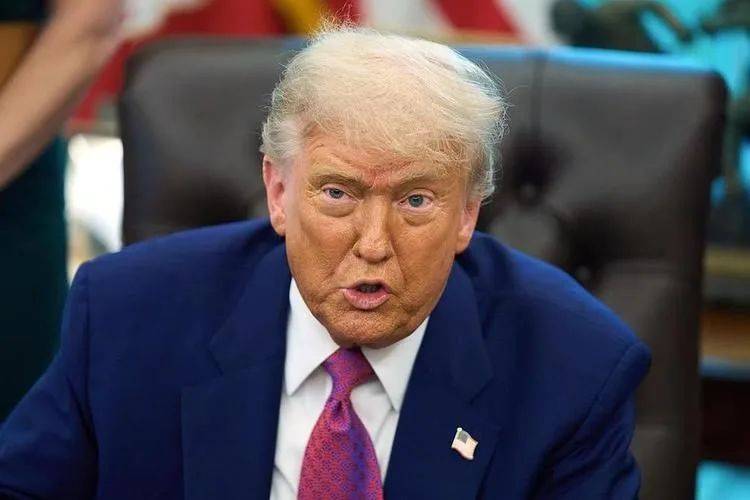
特朗普登机访华前,中方说到做到,连断美3条“财路”,特朗普不敢再狂了,反复强调1句话
Sou Hu Cai Jing· 2025-07-31 05:42
Group 1 - The core issue is the significant decline in U.S. energy exports to China, with imports of coal, crude oil, and LNG dropping to nearly zero in June, marking a drastic shift from previous years [1][2] - The direct cause of this decline is China's imposition of tariffs on U.S. energy products, which has led to a substantial increase in the overall tax rates, making U.S. energy exports less competitive [5][6][7] Group 2 - China has diversified its energy sources, reducing reliance on U.S. imports by sourcing energy from Africa, the Middle East, South America, and Australia, with Russia becoming a key supplier [8][9] - The growth of China's renewable energy sector, including wind, solar, and hydropower, is enhancing its energy security and reducing dependence on foreign sources [9][10] Group 3 - The U.S. energy sector is facing challenges due to lower competitiveness against Russian oil prices and stable Middle Eastern supplies, leading to a loss of market share [16] - High inflation in the U.S. is pressuring importers to manage inventory, complicating the situation further as continued tariffs could lead to higher costs for American consumers [18] Group 4 - The trade conflict has resulted in a clear advantage for China, which has successfully cut off U.S. energy exports while enhancing its own energy security through diversification and renewable energy development [20]
怪不得特朗普急着访华,贸易数据送进白宫,中方一滴美原油未进
Sou Hu Cai Jing· 2025-07-30 00:51
Core Insights - The article discusses the impact of the US-China trade war on the energy market, particularly the sharp decline in China's imports of energy products from the US and the subsequent effects on the global energy supply chain and geopolitical landscape [1][2]. Group 1: Trade War Dynamics - The Trump administration imposed tariffs to pressure China, which led to China retaliating with tariffs on US energy products, resulting in a loss of competitive advantage for the US in the Chinese market [2]. - As China shifted its energy imports towards other countries, especially Russia and Saudi Arabia, the global energy market dynamics have changed significantly [2]. Group 2: China's Energy Strategy - The article highlights China's progress in energy diversification, showcasing its ability to enhance energy security in response to the trade war [2][4]. - The trade war serves as a lesson that unilateral strategies in a globalized context can backfire, severely impacting the US energy sector [4].

乌克兰“断气”欧洲,影响有多大?拉开了中、美博弈的“大棋局”
Sou Hu Cai Jing· 2025-07-27 18:41
Group 1 - Ukraine has announced a halt to the transportation of Russian natural gas to Europe, indicating a significant geopolitical shift in energy supply dynamics [1][3] - Prior to the gas supply halt, Russian natural gas accounted for approximately 40% of Europe's imported natural gas, highlighting Europe's heavy reliance on Russian energy [3][5] - The cessation of gas supply raises concerns for European countries, particularly Germany and France, which have reduced coal and nuclear energy sources, leading to vulnerabilities in their energy structure [5][9] Group 2 - The United States stands to benefit from Europe's energy crisis, as European countries may turn to more expensive American shale gas to meet their energy needs [7][9] - This situation may lead to increased dependence of Europe on the U.S. for energy, potentially affecting political, military, and economic independence [9][13] - For China, the halt in Russian gas exports presents both challenges and opportunities, as it could acquire cheaper Russian gas while also positioning itself as a leader in renewable energy technology [9][12] Group 3 - The event underscores the importance of energy diversification, as Europe realizes the risks associated with over-reliance on a single energy source [12][15] - China's advancements in renewable energy technologies, such as solar and wind, position it favorably in the global market as countries seek to reduce dependence on fossil fuels [12][15] - The situation reflects a broader geopolitical struggle between the U.S. and China, with energy supply chains playing a crucial role in maintaining power dynamics [13][15]
普京若下台!俄欧和好,梅德韦杰夫预测欧洲结局很悲惨
Sou Hu Cai Jing· 2025-07-13 01:22
Group 1: European Resilience and Challenges - The EU's GDP growth is projected at 1.7% for 2024, with an unemployment rate of 6.2%, indicating stability rather than imminent collapse [3] - Germany's automotive industry has successfully transitioned, with electric vehicle sales reaching 28%, comparable to China's 25% [3] - EU investments in China have increased by 22%, with Volkswagen committing an additional €15 billion to the Chinese market, showcasing Europe's adaptability in a globalized economy [3] Group 2: Sino-Russian Cooperation - In 2024, China is set to purchase 88 million tons of oil from Russia, accounting for 35% of Russia's total exports, reflecting China's strategic energy diversification [4] - Russia's natural gas export price to China is only one-fifth of that to Europe, approximately $0.3 per cubic meter, highlighting Russia's dependency on the Chinese market [4] - Despite the cooperation, Russia relies on China for 90% of its chips, yet only received $1.2 billion worth of semiconductor equipment from China in 2024, significantly lower than the $28 billion from the U.S. [4] Group 3: Energy Decoupling and Economic Repercussions - By 2024, only 19% of the EU's total gas imports will come from Russia, down from 44% in 2021, indicating a successful diversification of energy sources [5] - Germany has built four LNG terminals and increased imports of liquefied gas from the U.S. by 120%, alleviating energy crises [5] - Economic sanctions against Russia have backfired, with Germany's steel production decreasing by 30% due to coal bans, and industrial electricity prices soaring to €250 per megawatt-hour [5] Group 4: Political Dynamics in Russia - Russia's political landscape is influenced by three factions: the KGB-affiliated Siloviki, the weakened pro-Western faction, and the expansionist Young Officers faction [6] - Post-Putin, power may shift to either the Siloviki, who would likely continue a hardline approach, or the Young Officers, who may escalate confrontations with the West [6] - Russia's external debt stands at $1.2 trillion, with 60% owed to Western banks, posing significant risks in the event of a fallout with the West [6] Group 5: China's Strategic Balance - China is pursuing energy diversification, importing 83 million tons of oil from the Middle East (17%) and 9.2 million tons of soybeans from Brazil (23%) in 2024 [7] - The construction of the China-Kyrgyzstan-Uzbekistan railway aims to bypass Russia, enhancing trade routes and expected to be operational by 2027 [7] - These strategies reflect China's efforts to safeguard its interests while mitigating geopolitical risks [7]

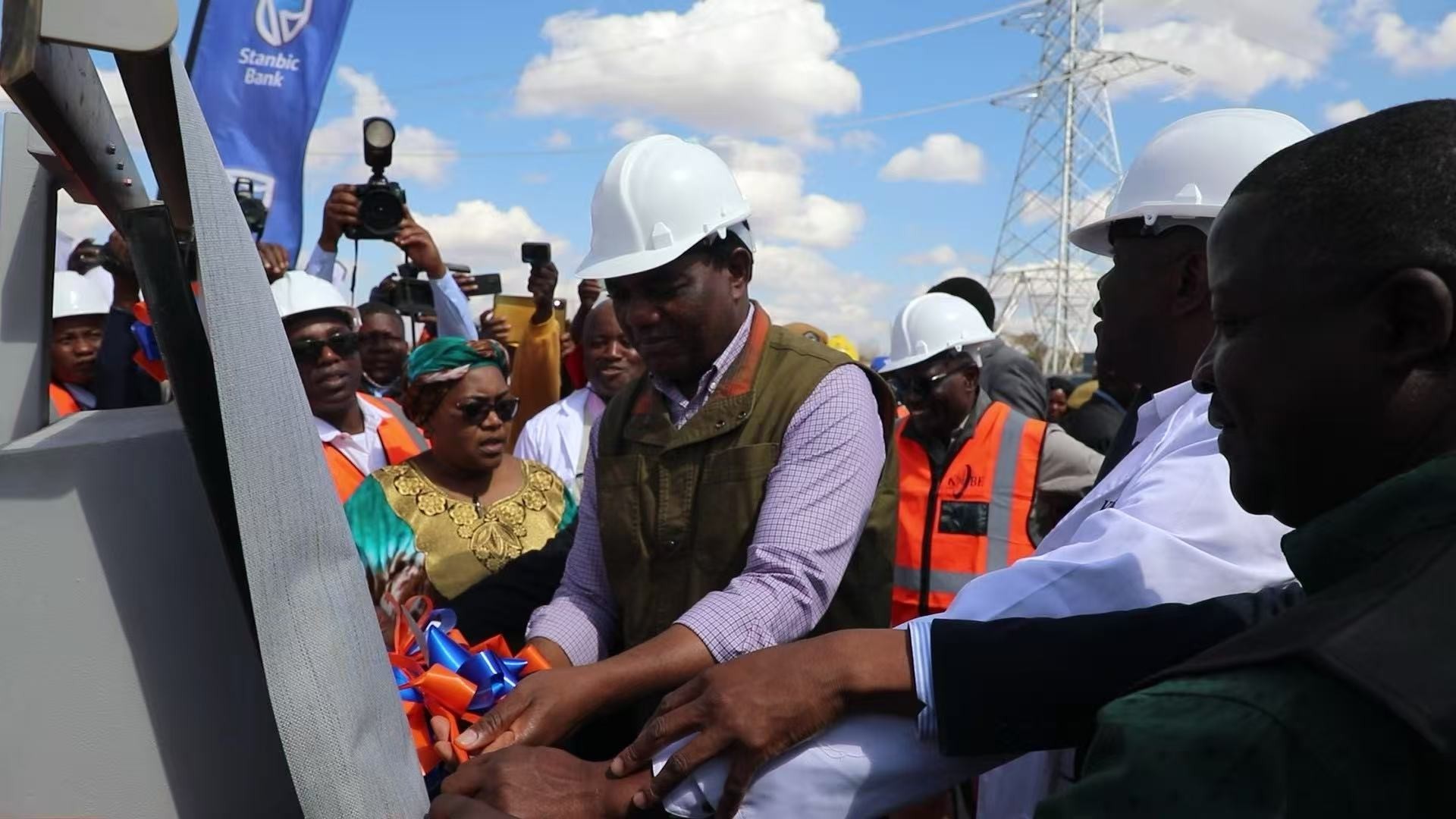
赞比亚总统为凯布韦100兆瓦太阳能项目剪彩
人民网-国际频道 原创稿· 2025-07-03 03:52
Core Viewpoint - The successful commissioning of the 100 MW solar power project in Zambia marks a significant milestone in the country's energy diversification efforts, aiming to reduce reliance on hydropower and support economic development [2][3]. Group 1: Project Overview - The Zambia Kabwe 100 MW solar project is the largest single photovoltaic project in Zambia, covering an area of 106 hectares [3]. - The project includes the construction of a 100 MW solar power station, a 33/132 kV booster station, and a 2.7 km double-circuit 132 kV transmission line, along with the expansion of an existing substation [3]. - It is expected to generate an annual electricity output of 180 million kWh, which can meet the annual electricity needs of 150,000 households, alleviating 30% of the power shortage in the region [3]. Group 2: Economic and Social Impact - The project has created over 1,350 jobs during its construction phase and has contributed to the improvement of surrounding infrastructure [3]. - The integration of 100 MW of clean energy into the national grid will directly support local mining operations and agricultural irrigation, benefiting local small and medium-sized enterprises [2][3]. Group 3: Bilateral Relations and Future Goals - The project is seen as a testament to the strong bilateral relations between China and Zambia, with China pledging continued support for Zambia's goal of achieving 1,000 MW of solar power generation [2][3]. - The Zambian government recognizes the importance of energy diversification in ensuring sustainable economic growth, especially in light of recent severe drought challenges [2].