智能驾驶

Search documents
均胜电子增资智驾芯片公司新芯航途,强化智能驾驶生态布局
Feng Huang Wang Cai Jing· 2026-01-27 07:57
Core Viewpoint - The investment by Junsheng Electronics in the autonomous driving chip design company, Xinxin Hangtu, is seen as a strategic move to enhance its diversified chip cooperation ecosystem and build a long-term competitive advantage in the domestic intelligent driving chip sector [1][2]. Group 1: Investment and Strategic Positioning - Junsheng Electronics has increased its stake in Xinxin Hangtu to 2.78%, joining other industry players like Chery and SAIC as shareholders [1]. - This investment is part of Junsheng Electronics' broader strategy to establish a "chip ecosystem matrix" that includes partnerships with global technology leaders such as Qualcomm and NVIDIA, as well as domestic firms like Hezhima and Horizon [2][3]. - The newly invested Xinxin Hangtu, established in December 2023, has already secured investments from notable institutions like NIO Capital and SAIC funds, and is closely associated with the autonomous driving algorithm company Momenta [2]. Group 2: Product Development and Market Strategy - The BMC X7 chip developed by Xinxin Hangtu, which boasts a computing power of 272 TOPS, is designed for high-level urban Navigation on Autopilot (NOA) and is set to be featured in a globally launched vehicle [2]. - Junsheng Electronics aims to expand its adaptable chip platform options through this investment, allowing it to offer domain controller products based on various chip solutions tailored to different automotive clients [3]. Group 3: System Integration and Value Enhancement - In response to the trend of software-defined vehicles, Junsheng Electronics is focusing on deepening its value in high-value system integration, moving from single components to integrated domain controllers and central computing units [4]. - The company's cross-domain integrated central computing platform aims to reduce system complexity and costs by sharing computing power across multiple functional domains [4]. - This strategic shift positions Junsheng Electronics as a provider of intelligent driving solutions, enabling it to offer near "plug-and-play" solutions to automakers, thereby shortening their R&D cycles [4]. Group 4: Commercialization and Market Expansion - By 2025, Junsheng Electronics is expected to transition from the layout phase to a critical value realization phase in the intelligent driving sector, with significant commercial projects underway [5]. - The company has secured over 1 billion yuan in orders for a high-level intelligent driving domain control project with a well-known domestic brand, set for mass production in 2026 [5]. - Additionally, Junsheng Electronics has won global projects for central computing units from two leading OEMs, with a total lifecycle order value projected to reach 15 billion yuan, expected to be produced by 2027 [5]. Group 5: Global Market and Competitive Advantage - Junsheng Electronics has leveraged its long-term partnerships with international chip manufacturers to secure mass production orders for L2/L2++ level intelligent driving systems, covering tens of thousands of vehicles [6]. - The company's global engineering and supply chain capabilities are crucial for converting its ecological layout into market advantages, enabling efficient order fulfillment across various regions [6]. - Through investments like that in Xinxin Hangtu, Junsheng Electronics is building a comprehensive system capability from hardware to solutions in the high-end intelligent driving sector [6].

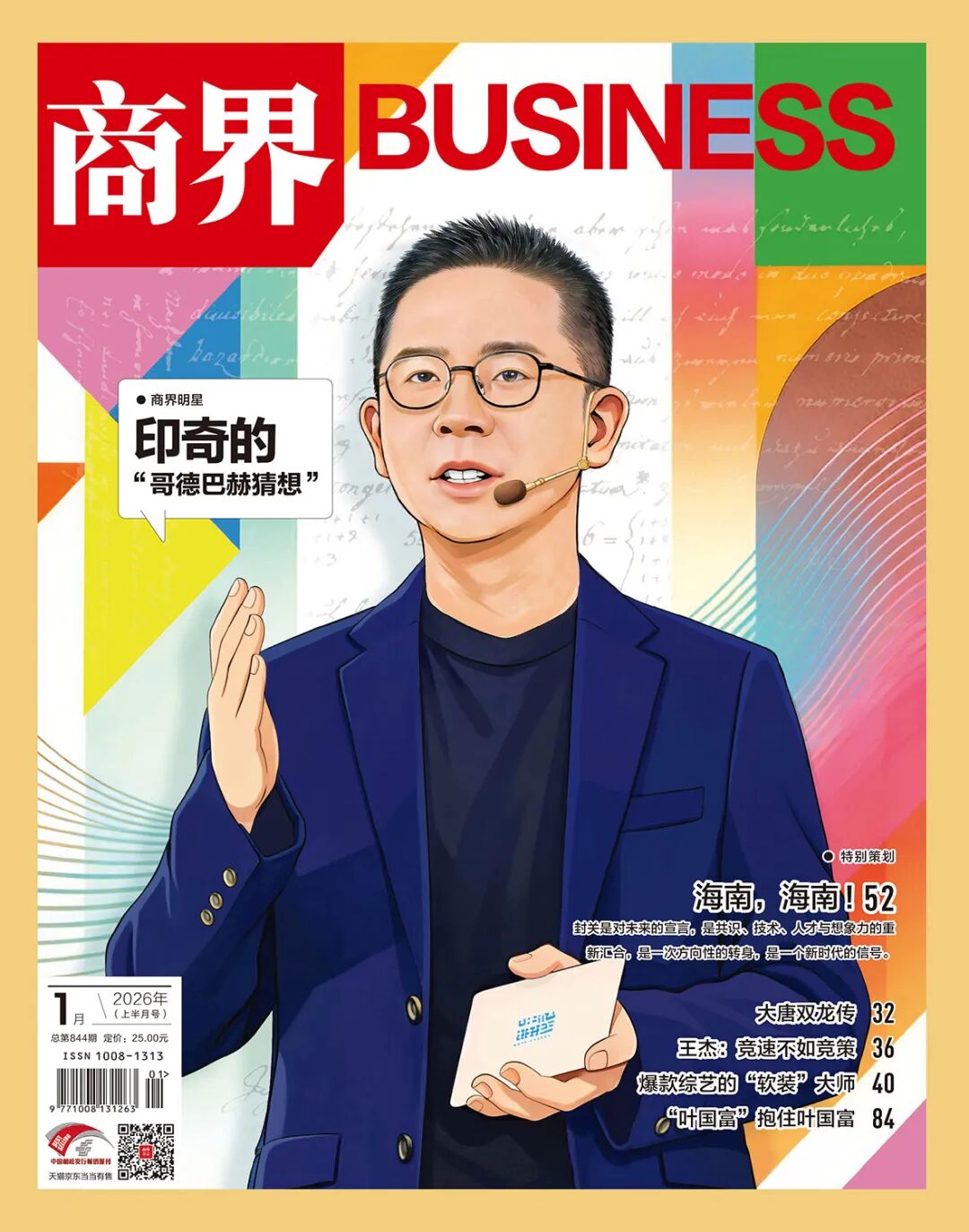
封面人物:印奇的“哥德巴赫猜想”
3 6 Ke· 2026-01-27 07:37
Core Insights - The article discusses the journey of a prominent figure in the AI industry, emphasizing the transition from AI technology to its application in the automotive sector, particularly through the establishment of a new brand "AFARI" under Qianli Technology, which focuses on the "AI + vehicle" strategy [3][36]. Group 1: Company Development - Qianli Technology, after a year of transformation, launched the "AFARI" brand, reinforcing its commitment to the AI-driven smart mobility sector [3][36]. - The company is focusing on three main business lines: Qianli Smart Driving (L2+ to L4 level solutions), Qianli Smart Cabin (natural interaction cockpit experience), and Qianli Smart Travel (Robotaxi) [31][36]. - The company aims to achieve significant milestones by 2026, including the commercialization of its AI solutions and advancements in its smart cabin and Robotaxi offerings [36]. Group 2: Technological Strategy - The founder emphasizes the importance of integrating AI technology with practical applications, particularly in the automotive industry, to create a sustainable business model [20][26]. - The strategy involves leveraging existing technological capabilities while ensuring a balance between long-term goals and short-term objectives to lead the industry [24][26]. - The company is focused on enhancing its "含模量" (content modulus), which refers to the ratio of model-driven components in its smart driving systems, aiming to reach levels comparable to leading global solutions [33][36]. Group 3: Market Positioning - The founder believes that the future of smart driving systems will involve the integration of various sensors to ensure safety, indicating a shift towards a more comprehensive approach in the automotive sector [34]. - Qianli Technology is positioned to capitalize on the growing demand for AI-driven solutions in the automotive market, with a clear strategy to avoid direct competition with established players by focusing on unique technological pathways [33][34]. - The company is also preparing for an IPO on the Hong Kong Stock Exchange, which reflects its ambition to enhance its market presence and attract investment for further growth [36].

经纬恒润股价连续3天上涨累计涨幅19.7%,华泰柏瑞基金旗下1只基金持5306股,浮盈赚取12.9万元
Xin Lang Cai Jing· 2026-01-27 07:26
Group 1 - The core point of the article highlights the recent performance of Jingwei Hengrun, which has seen a stock price increase of 2.02% to 147.77 CNY per share, with a total market capitalization of 17.726 billion CNY and a cumulative increase of 19.7% over the last three days [1] - Jingwei Hengrun, established on September 18, 2003, specializes in providing electronic products, R&D services, and high-level intelligent driving solutions for sectors such as automotive, high-end equipment, and unmanned transportation [1] - The company's revenue composition is primarily from electronic products (87.55%), followed by R&D services and solutions (12.21%), with minimal contributions from other segments [1] Group 2 - From the perspective of fund holdings, Huatai-PineBridge Fund has a significant position in Jingwei Hengrun, with its 1000 Enhanced Fund increasing its holdings by 400 shares to a total of 5,306 shares, representing 1.56% of the fund's net value [2] - The 1000 Enhanced Fund has achieved a year-to-date return of 11.7% and a one-year return of 53.06%, ranking 1120 out of 5548 and 1123 out of 4285 respectively in its category [2] - The fund managers, Liu Jun and Zha Huang, have substantial experience, with Liu Jun managing assets totaling 550.928 billion CNY and achieving a best return of 193.73% during his tenure [2]

融资11.77亿元!DeepWay深向开年就猛发力新能源重卡
第一商用车网· 2026-01-27 07:05
Core Viewpoint - DeepWay has successfully completed a Pre-IPO financing round, raising a total of 1.177 billion yuan, which will be used to strengthen its leading position in the smart new energy heavy truck sector [1]. Group 1: Company Overview - DeepWay is the world's first company to create smart new energy heavy truck solutions through positive definition and achieve mass delivery [3]. - The company employs a dual-driven development strategy of "self-owned vehicles + self-developed intelligent driving technology," redefining product and research structures beyond traditional fuel vehicle technology [3]. - As of June 2025, DeepWay has delivered approximately 6,400 new energy heavy trucks, ranking first in the global positive definition new energy heavy truck market [3]. Group 2: Development Strategy - DeepWay adopts a pragmatic and gradual development path, prioritizing resources towards areas that can achieve commercial viability first [3]. - The company has focused on electric vehicle innovation and the large-scale application of auxiliary driving systems, laying the groundwork for the eventual realization of fully autonomous driving [3][4]. - The company aims to balance technical feasibility and commercial sustainability, establishing a differentiated development route in the commercial vehicle autonomous driving sector [3]. Group 3: Market Focus and Application - DeepWay is currently concentrating on the large-scale short-distance bulk transportation market within China's logistics system, which accounts for approximately 40% to 50% of total road freight demand [4]. - The company is accelerating the application of intelligent platooning, conducting tests and operations in regions such as Xinjiang, Inner Mongolia, and Sichuan, and has delivered the first batch of platooning vehicles to customers [4]. Group 4: Investor Perspectives - Investors recognize DeepWay's systematic advantages in the intelligent driving field, highlighting the integration of vehicle and intelligent driving technology as a key factor for high reliability and safety [7]. - The company is seen as a potential leader in the future of smart road freight, with a clear strategic path and strong technological barriers [7]. - Investors appreciate DeepWay's role in reducing emissions and decarbonizing the road freight sector through its electric and intelligent technologies [8].
智能驾驶,没有中场战事只有无限战争
3 6 Ke· 2026-01-27 04:40
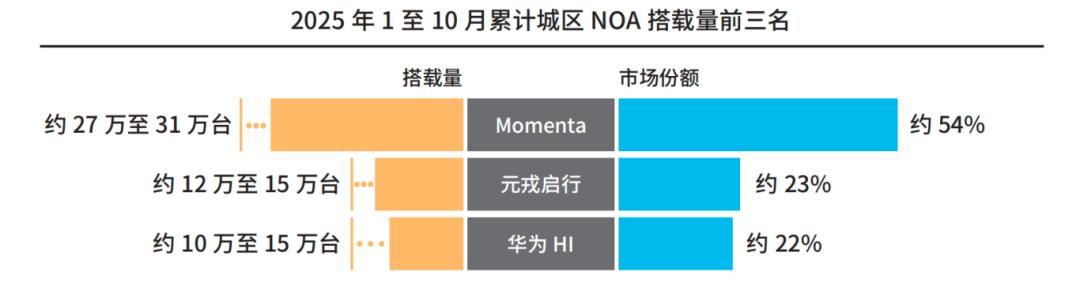
Core Insights - The article discusses the significant reshuffling in the Chinese advanced driving assistance market, particularly focusing on urban NOA (Navigation on Autopilot) as it approaches a critical penetration rate of over 10% by 2025, with expectations to reach 22% by 2026, leading to a market scale targeting millions of units [6][14]. Group 1: Market Dynamics - A number of players, including Maimo Zhixing and Dazhuo Intelligent, have exited the market, while Huawei, Yuanrong Qixing, and Momenta have emerged as the dominant trio, collectively holding 99% of the urban NOA market share from January to October 2025 [2][8]. - In October 2025, Yuanrong Qixing achieved the highest urban NOA installation rate, with a significant growth rate of 2.7 times compared to the average monthly installation from January to October 2025 [8][10]. Group 2: Competitive Strategies - The three leading companies have adopted different market strategies: Huawei focuses on high-end models, Momenta has a broad brand coverage, and Yuanrong Qixing targets mass-market models for data accumulation [9][10]. - Yuanrong Qixing's strategy emphasizes deep collaboration with a few key models to create "explosive" sales, resulting in significant sales increases for models like the Blue Mountain and Galaxy M9 [9][10]. Group 3: Future Projections - The competition is expected to intensify as the industry moves towards "million-unit production," with a projected annual output of 5 million high-level autonomous vehicles by 2026 [14][15]. - The article highlights the importance of data efficiency and closed-loop systems as critical competitive advantages in the evolving landscape of intelligent driving [14][15]. Group 4: Investment Trends - The investment landscape for autonomous driving has seen a significant rebound in 2025, with nearly 60 billion yuan raised, indicating a strong focus on leading and commercially viable projects [14][15].
舜宇光学正式分拆舜宇智行,正式递表港交所
Ju Chao Zi Xun· 2026-01-27 02:30
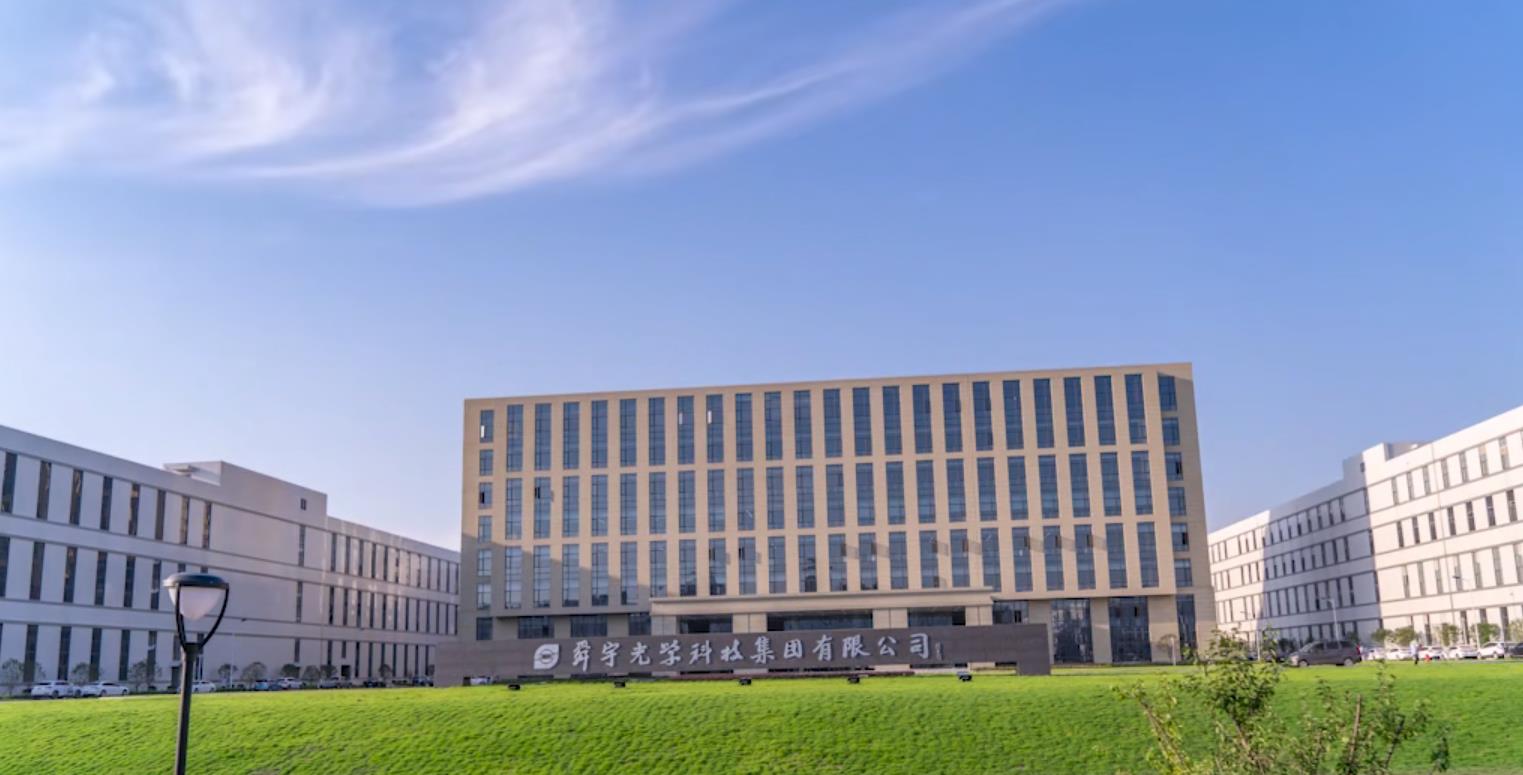
Core Viewpoint - Ningbo Sunyu Intelligent Technology Co., Ltd. has officially submitted its listing application to the Hong Kong Stock Exchange, aiming to split from Sunyu Optical and maintain its status as a subsidiary, with financial performance still consolidated into Sunyu Optical's accounts [2] Group 1: Company Overview - Sunyu Intelligent Technology, established on November 12, 2025, is a leading global provider of automotive optical technology, focusing on smart perception and smart cockpit solutions [2] - The company aims to become a key enabler of future smart mobility, offering a comprehensive range of automotive camera solutions and expanding into other optical solutions such as LiDAR and smart lighting [2] Group 2: Market Position - According to Frost & Sullivan, Sunyu Intelligent Technology holds a leading market position, ranking first globally in automotive camera solutions by shipment volume in 2024, with a market share equivalent to the combined total of its next three competitors [2] - The company is also the largest provider of smart perception and smart cockpit solutions globally, maintaining the number one market share in automotive lenses for 13 consecutive years [2] Group 3: Product Lines - The company has two main product lines: automotive camera solutions and other optical solutions, allowing it to offer an integrated smart automotive optical product matrix [3] - The automotive camera solutions include smart perception and smart cockpit solutions, which provide the foundational technology for autonomous driving solutions [3] Group 4: Smart Perception Solutions - Sunyu Intelligent Technology's smart perception solutions enhance the vehicle's perception capabilities, enabling ADAS and ADS to perform multi-sensor fusion, target detection, and path planning [3] - The comprehensive product portfolio includes front-view and side/rear-view perception products, improving the accuracy and response speed of smart driving systems [3] Group 5: Smart Cockpit Solutions - The smart cockpit solutions focus on enhancing user experience, providing real-time monitoring of vehicle status and improved human-machine interaction [4] - These solutions encompass visual products and in-cabin products, offering a richer internal and external view and interaction capabilities for passengers [4] Group 6: Other Optical Solutions - Sunyu Intelligent Technology has developed additional optical solutions, including LiDAR, in-cabin projection systems, and smart lighting solutions, leveraging its full-stack R&D platform and partner ecosystem [4][5] - The LiDAR solutions include long-range and mid-short range options, with the company achieving the development and mass production of a long-range LiDAR transceiver using a 1,550 nm light source in 2022 [4] - The in-cabin projection display solutions are designed for HUD and large screen applications, with the company being one of the first to develop ultra-high-resolution DLP PGUs for cinema-grade AR-HUDs [5]
汽车行业点评报告:特斯拉FSD及robotaxi更新:智能化拐点已至
CMS· 2026-01-26 15:25
Investment Rating - The report maintains a "Recommendation" rating for the automotive industry, indicating a positive outlook for the sector's fundamentals and an expectation that the industry index will outperform the benchmark index [8]. Core Insights - The transition to a subscription model for Tesla's Full Self-Driving (FSD) is seen as a significant shift, with the potential for increased penetration rates and confidence in the business model [2][4]. - The introduction of real-time mileage insurance discounts by Lemonade for FSD users highlights the recognized safety benefits of FSD compared to human drivers, which could further enhance the commercial viability of the FSD subscription model [3][4]. - The testing of Robotaxi without safety drivers in Austin marks a pivotal moment for the industry, with expectations for increased deployment throughout the year [5][6]. - The potential approval of FSD in Europe and China is viewed optimistically, with implications for broader market acceptance and growth in 2026 [7][12]. Summary by Sections Event 1: FSD Subscription Model - Tesla has shifted to a subscription-only model for FSD, with a current penetration rate of approximately 22% in the U.S. This is expected to rise significantly following the cancellation of the buyout option and the end of free trials [2]. - The anticipated price increase for FSD subscriptions reflects a shift in strategy, moving away from price reductions to enhance penetration [2]. Event 2: Insurance Model - Lemonade's new car insurance policy offers a 50% discount on premiums when FSD is activated, indicating a recognition of FSD's safety advantages [3][4]. - The average accident rate for FSD is reported to be significantly lower than the national average, further supporting the case for its adoption [4]. Event 3: Robotaxi Testing - The initial testing of Robotaxi without safety drivers is underway, although most vehicles still have safety drivers. This is seen as a starting point for future developments in autonomous driving [5][6]. Event 4: Regulatory Approvals - Optimism surrounds the potential approval of FSD in Europe, with a possibility of broader EU acceptance based on mutual recognition mechanisms [7][12]. - Caution is advised regarding the timeline for FSD approval in China, with the market currently showing limited sensitivity to this development [12].

Deepway深向完成11.77亿元Pre-IPO轮融资,加速重卡电动化与智能化|36氪独家
3 6 Ke· 2026-01-26 13:37
Core Insights - DeepWay has completed a Pre-IPO financing round of 1.177 billion yuan, led by PwC Capital, with participation from multiple investors [1] - The funds will primarily be used for the operation and development of the company's core business [2] - DeepWay aims to transition from policy-driven to market-driven growth in the new energy heavy truck sector, with significant market potential projected [2] Company Overview - Founded in July 2020, DeepWay's core shareholder is Baidu, with its CEO being the founder of logistics company Lion Bridge Group [2] - The company has launched three models of new energy heavy trucks and is the exclusive partner of Baidu's intelligent driving technology in the commercial vehicle sector [2] - DeepWay has completed four rounds of financing, totaling over 3.1 billion yuan [2] Market Dynamics - The new energy heavy truck market is experiencing explosive growth, with total sales reaching 231,100 units in 2025, a year-on-year increase of 182% and a market penetration rate of 28.89% [2] - Industry forecasts predict that the penetration rate of new energy heavy trucks will reach 35% by 2026 and exceed 50% by 2030, with the market size expected to surpass 250 billion yuan [2] Competitive Landscape - The industry participants are categorized into two groups: traditional companies like China National Heavy Duty Truck Group and FAW Jiefang, which are transitioning to new energy, and new energy heavy truck "new forces" like DeepWay [2] - DeepWay differentiates itself by focusing on a forward-thinking design philosophy and has achieved self-research in key components [3] Technological Advancements - DeepWay has delivered approximately 6,400 new energy heavy trucks as of June 2025 and is advancing the large-scale application of its auxiliary driving systems [3] - The company employs a subscription model for its intelligent driving services, with increasing rates of subscription for its latest models equipped with L2-level auxiliary driving hardware [3] - DeepWay is conducting tests for autonomous driving in various regions and aims for large-scale deployment of intelligent convoy systems [3] Investment Perspectives - Investors recognize DeepWay's systematic advantages in intelligent driving, emphasizing the integration of vehicle and driving technology for high reliability and safety [4] - The company is seen as a potential leader in the future of intelligent road freight due to its unique strategic path and strong technological barriers [4] - DeepWay's mission aligns with investor goals of reducing emissions and decarbonizing the freight sector through innovative electric and intelligent technologies [5]
【重磅深度/希迪智驾】深耕无人矿卡的智能驾驶平台型企业
东吴汽车黄细里团队· 2026-01-26 12:15
Group 1: Company Overview - The company, founded in 2017 by Professor Li Zeshang, is a global leader in smart driving hard technology products, focusing on autonomous driving and V2X technology for closed scenarios like mining and enclosed parks [2][10] - The company has a strong management team led by Li Zeshang, with extensive experience in motion control and manufacturing [11][18] - The company's revenue has been growing rapidly since 2024, with a compound annual growth rate of 74.62% from 2021 to 2024, driven by the expansion of its autonomous mining truck customer base [22] Group 2: Autonomous Mining Trucks - The company's "Yuan Mining" overall solution integrates multiple technologies, including smart driving and V2X, and is a platform product that can be promoted to other application scenarios [3][34] - Following a major mining accident in Inner Mongolia in 2023, national policies are pushing for automation in mining, aiming for at least 60% of coal mines to be intelligent by 2026 [3][40] - The market for autonomous mining trucks in China is expected to grow significantly, with a projected market size of RMB 396 billion by 2030, reflecting a compound annual growth rate of 65.3% from 2024 [50] Group 3: V2X Intelligent Transportation Solutions - The company is a leading provider of V2X intelligent transportation solutions, integrating advanced perception technology, sensor fusion algorithms, and V2X communication functions [4][75] - The V2X market in China is experiencing rapid growth, with a projected market size of RMB 238 billion by 2030, reflecting a compound annual growth rate of 50.9% from 2024 [79] - The company has successfully implemented V2X projects in multiple national pilot areas, establishing a strong market presence and influence [81] Group 4: Financial Projections and Investment Recommendations - The company is expected to see significant revenue growth driven by the continuous increase in autonomous mining truck orders, with projected revenues of RMB 10.78 billion, RMB 20.00 billion, and RMB 40.50 billion for 2025, 2026, and 2027 respectively [86] - The company is forecasted to achieve a net profit of RMB 1.03 billion in 2026 and RMB 6.27 billion in 2027, indicating a turnaround from previous losses [90] - The company is rated as a "buy" based on its strong growth potential in the autonomous mining truck sector and its competitive position in the V2X market [93]

保时捷中国CEO:目前在考虑多家中国智驾供应商合作可能性;三菱汽车宣布下任社长人选丨汽车交通日报
创业邦· 2026-01-26 11:54
Group 1 - Porsche China is currently considering partnerships with multiple Chinese intelligent driving suppliers and is open to exploring these options [2] - The Netherlands ranks first globally in charging station density with a vehicle-to-charging station ratio of 5:1, while China ranks second with a ratio of 9:1 and leads in fast charging station deployment at 49% [2] - Mitsubishi Motors announced that Kohei Nishikawa will become the next president effective April 1, 2026, while the current president, Takao Kato, will transition to chairman [4][5] Group 2 - By 2025, the total number of motor vehicles in China is expected to reach 469 million, with 366 million being cars, and the number of drivers is projected to be 559 million, including 525 million car drivers [5] - In 2025, new vehicle registrations are anticipated to be 35.35 million, with 26.19 million of those being new cars, marking the 11th consecutive year of new registrations exceeding 30 million [5]