
服务消费

Search documents
更大力度提振消费!三部门重磅发文!
Sou Hu Cai Jing· 2025-12-14 12:10
Core Viewpoint - The notice issued by the Ministry of Commerce, the People's Bank of China, and the Financial Regulatory Bureau emphasizes the need to strengthen collaboration between commerce and finance to boost consumption significantly [1][4]. Group 1: Strengthening Collaboration - Local commerce departments and financial management departments are encouraged to enhance communication and establish a coordinated working mechanism to address challenges in financial support for consumption expansion [4][5]. - Financial institutions are urged to align their resources and services with existing policies to actively support consumption growth [5][11]. Group 2: Financial Support for Key Consumption Areas - The notice highlights the importance of increasing financial support for service consumption, particularly in sectors like home services, hospitality, entertainment, education, tourism, and elderly care [2][8]. - Financial products and services should be innovated to better integrate into consumption scenarios and ecosystems, promoting the use of loans and financing for service-oriented businesses [2][8]. Group 3: New Consumption Models - The document encourages the development of new consumption models, including green consumption, digital consumption, and AI-driven consumption, while ensuring risk control and commercial sustainability [9]. - Financial institutions are advised to collaborate with e-commerce platforms and social media to create tailored financial services that cater to the unique characteristics of online shopping [9]. Group 4: Promoting Consumption Activities - Financial institutions are encouraged to participate in local consumption promotion activities, offering specialized products and services to reach a broader consumer base [11][12]. - The notice suggests the use of digital currency and smart contracts to enhance the efficiency of subsidy distribution and targeted policies [11]. Group 5: Information Sharing and Consumer Protection - Local commerce departments are tasked with creating a list of key projects in the consumption sector to facilitate information sharing with financial institutions, ensuring precise service delivery [12]. - The importance of consumer rights protection is emphasized, guiding consumers towards rational borrowing and spending practices [12].

三部门:完善“1+N”政策措施体系,加大服务消费政策支持力度
Sou Hu Cai Jing· 2025-12-14 07:50
Core Viewpoint - The Ministry of Commerce and two other departments have issued a notice to strengthen the collaboration between commerce and finance, aiming to boost consumption more effectively, particularly in the service sector [1] Group 1: Policy Measures - The notice emphasizes the expansion of service consumption and the improvement of the "1+N" policy measures system, increasing support for service consumption policies [1] - It highlights the need to innovate financial products and services that are more integrated into consumption scenarios and ecosystems, particularly in key service areas such as housekeeping, accommodation, dining, entertainment, education, tourism, and elderly care [1] Group 2: Financial Support - Financial institutions are encouraged to strengthen connections with service consumption and elderly care sectors, actively providing loans to businesses in these areas under the premise of independent decision-making [1] - The establishment of a mechanism to promote key enterprises, projects, and activities to financial institutions is proposed, aiming to facilitate better financing opportunities [1] Group 3: Financing Innovations - The notice calls for the expansion of financing services based on intangible assets like intellectual property and technological achievements, enhancing the variety of financial products suitable for small and micro enterprises [1] - It also suggests the development of commercial insurance products, including annuities, health insurance, and accident insurance, to improve the adaptability of finance to service consumption and optimize service supply [1]
招商证券:2025年中央经济工作会议如何指引A股?
Xin Lang Cai Jing· 2025-12-14 07:04
Core Viewpoint - The Central Economic Work Conference held on December 10-11 in Beijing maintained a relatively positive stance, indicating a focus on stabilizing investment and addressing demand-side weaknesses in the economy [1][2][3] Group 1: Economic Assessment and Policy Directions - The conference highlighted the phrase "strong supply, weak demand," indicating increased attention to the current decline in demand, suggesting that policies targeting demand may be introduced soon [7] - The narrow fiscal deficit rate is expected to remain at 4% next year, with an emphasis on maintaining necessary fiscal deficits and total debt levels, while also addressing local fiscal difficulties [7][8] - Monetary policy will prioritize promoting stable economic growth and reasonable price recovery, indicating a higher focus on economic development and price stabilization among multiple monetary policy goals [2][7] Group 2: Investment and Consumption Strategies - The conference emphasized expanding domestic demand as a key task for next year, with specific measures to boost consumption through increasing residents' income, optimizing the "two new" policy, and releasing potential in service consumption [2][8] - The focus on major projects is expected to be a primary driver for investment recovery, particularly as next year marks the beginning of the 14th Five-Year Plan [3][9] - Historical data suggests that the market tends to favor large-cap stocks in the week following the conference, with sectors such as oil and petrochemicals, telecommunications, and electronics showing higher probabilities of price increases [3][9]

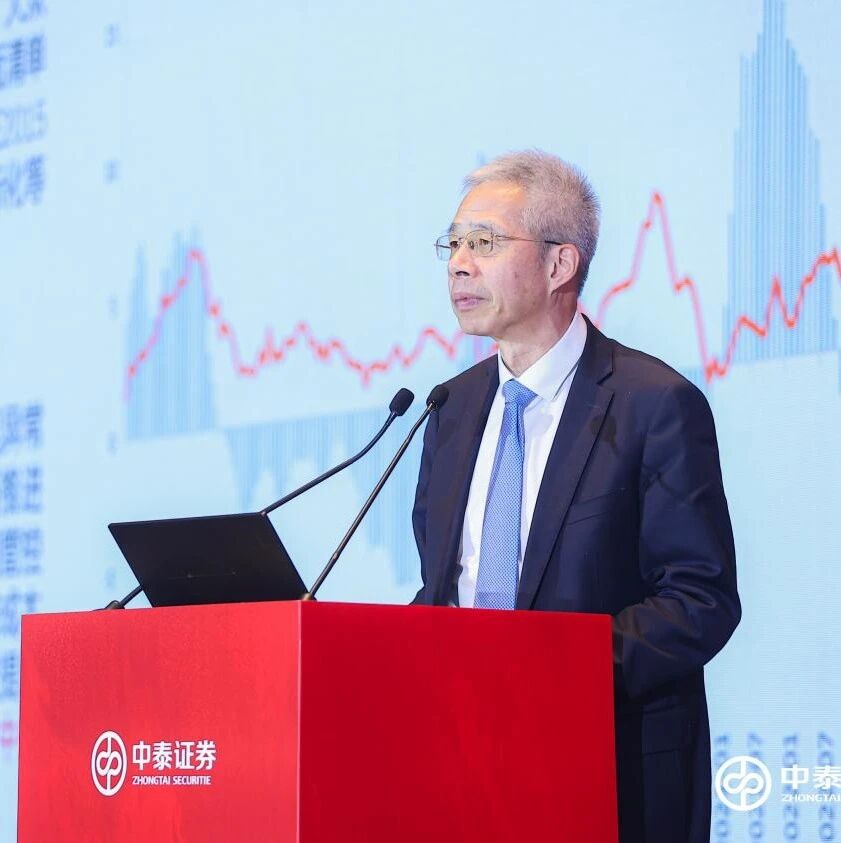
李迅雷最新研判!明年将涌现更多结构性机会
券商中国· 2025-12-13 15:15
Core Viewpoint - The 2026 strategy conference held by Zhongtai Securities highlighted the importance of the capital market in serving national strategies and empowering the real economy, with a focus on structural opportunities driven by advanced manufacturing and emerging industries, particularly in the context of artificial intelligence [2][4][5]. Group 1: Economic Structure and Opportunities - The Chinese economic structure is characterized by a strong supply but weak demand, leading to downward pressure on prices, which is a structural issue involving industrial and income distribution [7]. - Despite challenges, structural opportunities exist, particularly in advanced manufacturing and emerging industries led by AI, which are transforming the economic landscape and creating new industry prosperity [8]. - The improvement in listed companies' profitability supports the performance of the A-share market, with a year-on-year growth of 5.47% in the first three quarters, surpassing the actual GDP growth rate [10]. Group 2: Market Outlook and Investment Directions - The capital market is expected to present more structural opportunities in 2026, particularly in technology and new consumption sectors, as traditional consumption growth is limited [9][11]. - Zhongtai Securities' strategy chief analyst, Xu Chi, anticipates a structural market rotation in 2026, focusing on key areas such as technology innovation and reducing reliance on Western supply chains [11][12]. - Four key investment directions for 2026 include: 1) Gold and related sectors due to geopolitical tensions; 2) AI technology stocks expected to perform well; 3) Emerging consumption related to younger demographics; 4) High dividend and fixed-income-like assets [13].

投资大家谈 | 12月鹏华基金基本面投资专家观点启示录
点拾投资· 2025-12-13 11:00
Core Viewpoint - The article emphasizes that the current short-term market fluctuations do not alter the long-term upward trend, presenting a favorable opportunity for investors to position themselves for the upcoming year [1][5][6]. Active Equity - The market is currently experiencing short-term adjustments, but the upward trend remains intact, particularly in advanced manufacturing represented by technology, as well as in cyclical sectors like non-ferrous metals and chemicals [4][6]. - The domestic electronic and communication industry is expected to see stronger earnings certainty over the next two years due to rising capital expenditures in AI from global cloud vendors [6]. - The lithium battery supply chain is anticipated to gradually recover profitability, driven by increasing demand for energy storage [6]. - Non-bank financial institutions are projected to see an increase in return on equity (ROE) as economic conditions improve, with the overall equity market valuation remaining attractive [6][8]. Fixed Income - The convertible bond market is expected to have upward potential, with opportunities for investors to buy during market adjustments in December [18][20]. - The bond market is currently in a state of fluctuation, with weak fundamentals supporting the market, while the potential for interest rate declines and credit spread compression is anticipated [22][23]. - The strategy suggests maintaining a barbell structure and increasing leverage to participate in duration plays [24]. Quantitative Index - The underlying support for the AI+ theme remains strong, with the market transitioning from an overcrowded state to a phase focused on uncovering alpha [27][28]. - The market is expected to provide opportunities for value-based investments, particularly in large and mid-cap stocks, as the focus shifts towards fundamental-driven strategies [28]. Multi-Asset - The article discusses the shift in the US-China strategic competition and the potential collapse of the US debt and fiscal system, which may create opportunities in the domestic market despite current valuations [39]. - The focus is on the upcoming FOMC meeting and its implications for interest rates, with expectations of a gradual weakening of the dollar as the Fed enters a rate-cutting cycle [41][42].

确认了,“国补”不会结束!但有大调整
猿大侠· 2025-12-13 04:11
Core Viewpoint - The "National Subsidy" policy has significantly boosted consumption, benefiting over 360 million consumers and generating over 2.5 trillion yuan in consumption from January to November 2025 [1]. Group 1: Policy Impact - The "National Subsidy" has led to substantial exchanges, including over 11.2 million old cars, 12.844 million old home appliances, and 9.015 million digital products [1]. - The official deadline for the 2025 "National Subsidy" is set for the end of this month, with no extensions or additional budgets available once the funds are exhausted [1][2]. Group 2: Future Expectations - The "National Subsidy" policy is expected to continue into 2026, with potential adjustments to its core rules [3][6]. - The funding for the "National Subsidy" increased from 150 billion yuan in 2024 to 300 billion yuan in 2025, with expectations for a slight increase or maintenance of this scale in 2026 [8][9]. Group 3: Changes in Subsidy Categories - The 2025 policy expanded to include three new digital product categories and four new home appliance categories, indicating a shift towards more diverse consumer goods [13]. - Future policies may focus more on service consumption, targeting areas such as cultural tourism, sports, and health care, while also emphasizing green and smart products [13][14]. Group 4: Regulatory Adjustments - Due to issues like scalping and fraudulent transactions in 2025, the 2026 "National Subsidy" may implement stricter eligibility criteria and smarter regulatory measures to ensure funds reach genuine consumers [16].

央广财经年度对话2025解读“十五五”开局之年经济工作重点
Bei Jing Shang Bao· 2025-12-12 16:25
Group 1 - The event "Central Radio and Television Finance Annual Dialogue 2025" focuses on the theme "Setting Sail for the 14th Five-Year Plan with New Momentum" to gather insights and build connections among government, industry, academia, and finance [1][3] - Approximately 300 representatives from various sectors participated, discussing the construction of a modern industrial system and strengthening the foundation of the real economy [1][3] - The dialogue aims to enhance industrial collaboration and address challenges while promoting economic stability and growth [3] Group 2 - Former Vice Chairman of the National Social Security Fund Wang Zhongmin highlighted that the registration system has significantly boosted the prosperity of China's capital market, which will further facilitate the cultivation of new productive forces during the 14th Five-Year Plan [4] - Former Vice Minister of Commerce Wei Jianguo emphasized that service consumption will play a crucial role in expanding domestic demand and will be a key strategy for economic recovery [5] - Tsinghua University’s Professor He Ping stated that a stable and efficient financial system is essential for supporting technological innovation and addressing related challenges [6] Group 3 - Shenyin Wanguo Securities' Chairman Zhou Haichen discussed four new requirements for the capital market during the 14th Five-Year Plan: serving new productive forces, managing household wealth, building a strong financial nation, and achieving high-level financial openness [8] - Former Deputy Secretary-General of the National Development and Reform Commission Fan Hengshan stressed the importance of understanding the relationship between the development of new productive forces and strategic requirements, development measures, and environmental factors [10] - Shenzhen Stock Exchange's Vice General Manager Li Mingzhong expressed the need for a positive interaction among regulation, market, and media to create a conducive environment for capital market development [12] Group 4 - Shanghai Jiao Tong University’s Chairman Tu Guangshao pointed out that financial services must evolve to keep pace with changes in the real economy and new forms of development [14] - The dialogue included discussions on green development, industrial transformation, and health service optimization, emphasizing the importance of these areas for new productive force cultivation [16] - The session on advanced manufacturing transformation focused on digital energy innovation and the integration of intelligent technologies, outlining practical paths and opportunities for development [18] Group 5 - The dialogue on the big health industry innovation highlighted discussions on vaccine research, immune management, and smart health hardware applications, contributing to the construction of a healthy China [20] - A report on county-level credit construction and high-quality development was released, providing theoretical support and practical guidance for local economic development [21] - The collaboration between Shenzhen Stock Exchange and Central Radio and Television Network aims to enhance the multi-layered bond market and support the development of new productive forces [24]
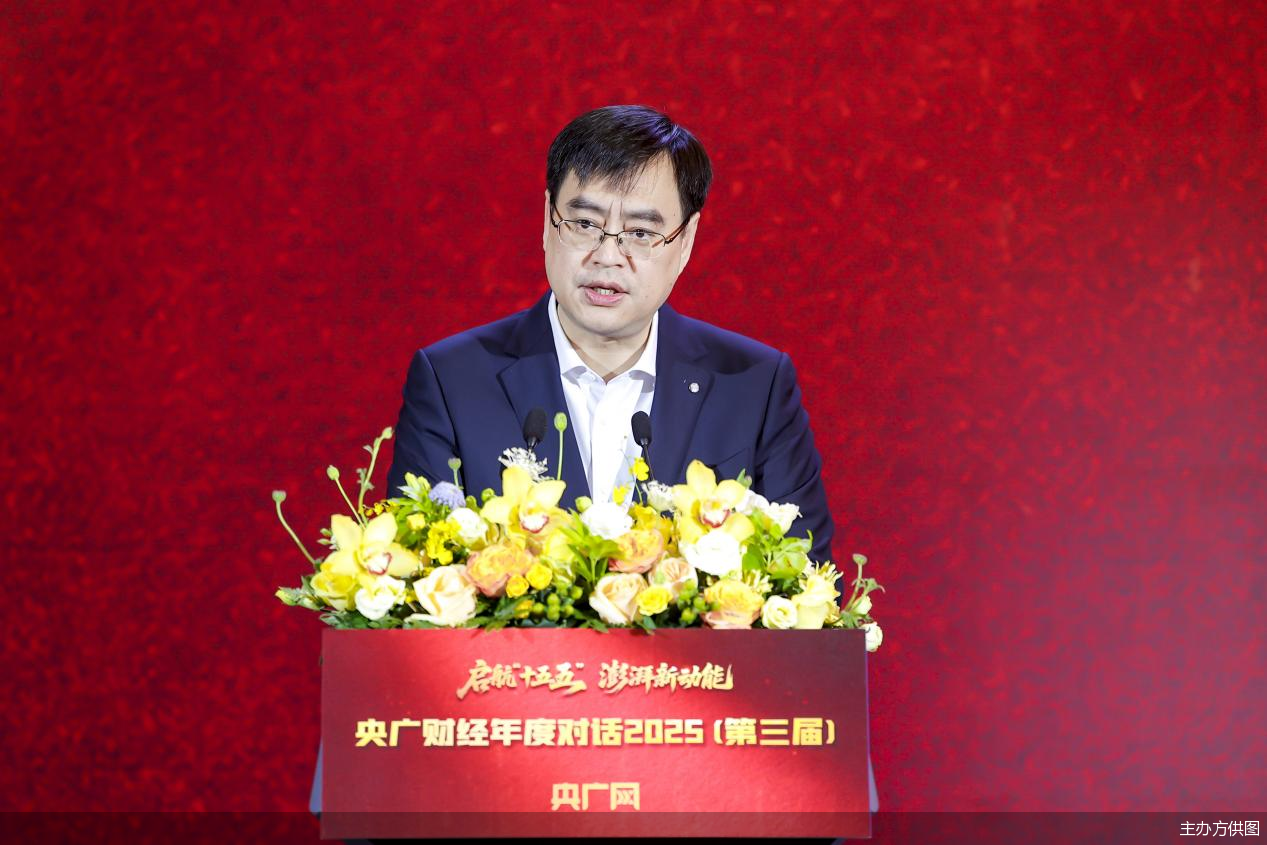
魏建国:服务消费将成为“十五五”扩内需破局重要“法宝”
Sou Hu Cai Jing· 2025-12-12 14:20
Core Viewpoint - The service consumption sector is identified as a crucial driver for expanding domestic demand, emphasizing its role in enhancing quality of life and economic transformation [1][3]. Group 1: Importance of Service Consumption - Service consumption is increasingly recognized as the main force driving overall consumption, highlighting its growing significance in the market [1]. - The transformation of consumption is occurring across four dimensions: digitalization, personalization, refinement, and branding, which collectively enhance the quality of service consumption products [1]. - Rural consumption growth is outpacing urban areas, indicating a shift in consumption patterns [1]. Group 2: Characteristics of Service Consumption - Service consumption is characterized by its "new" nature, leveraging digital technologies to eliminate barriers in demand connection, exemplified by the shift from daily to minute-based cross-border payment settlements [3]. - The "effect" of service consumption is seen in its ability to activate deeper consumer demands through high-end technology, as demonstrated by a Shenzhen-based new energy vehicle company optimizing its battery management system with German engineering consulting [4]. - Service consumption is described as a comprehensive upgrade to the quality of life for the public, acting as a vital tool for improving living standards and fostering refined consumption scenarios [4].
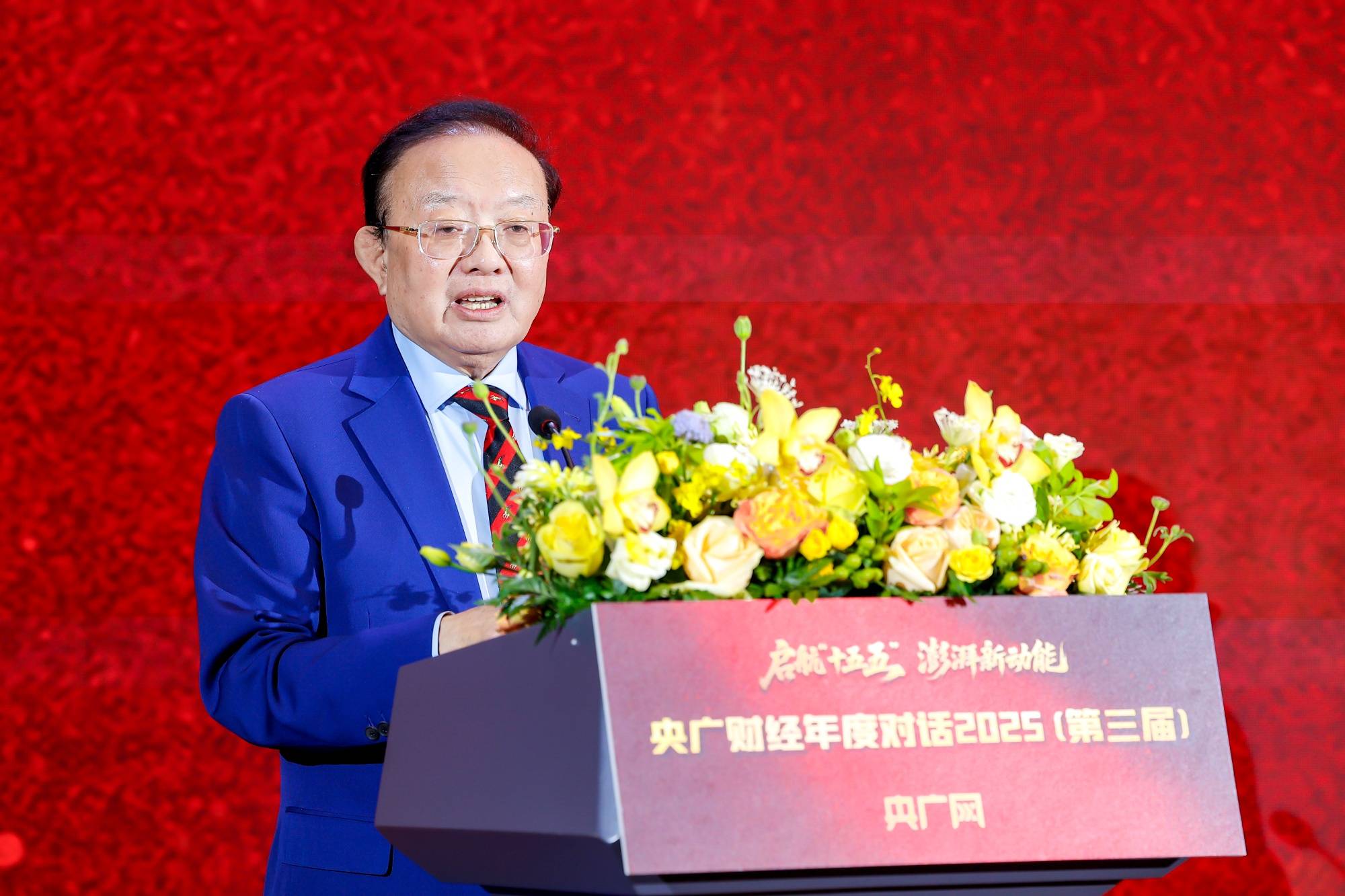
商务部原副部长魏建国:服务消费是扩内需的新质生产力
Zheng Quan Shi Bao Wang· 2025-12-12 11:51
Core Viewpoint - The emphasis on service consumption as a key driver for expanding domestic demand, focusing on new breakthroughs, effectiveness, and benefiting people's livelihoods [1][3] Group 1: Current Market Outlook - The overall consumption market is in a slow and fluctuating transition period, with a recovery in growth rates but not yet fully meeting expectations [1] - The transformation of the market is characterized by three main features: the increasing importance of service consumption, collaborative efforts in digitalization, personalization, refinement, and branding, and rural consumption growth outpacing urban areas [1] Group 2: New Productive Forces - The core and essence of new productive forces are encapsulated in three dimensions: "new," "effect," and "benefit" [2] - "New" refers to the use of digital technology in service consumption, breaking down barriers and enabling smart transmission, exemplified by the shift from daily to minute-based cross-border payment settlements [2] - "Effect" highlights how service consumption activates deeper demand through high-end technology, as seen in a Shenzhen electric vehicle company's optimization of battery management systems through German consulting services [2] Group 3: Benefits to Livelihoods - Service consumption represents a comprehensive upgrade in the quality of life for the public, acting as a tool for benefiting livelihoods and enhancing the domestic market [3] - The current focus is on a critical battle for expanding domestic demand, with service consumption being a vital tool for achieving breakthroughs in this area [3]
国家支持“买买买”!专家:“国补”可能向服务消费领域倾斜
2 1 Shi Ji Jing Ji Bao Dao· 2025-12-12 11:37
Core Viewpoint - The central economic work conference proposed to implement special actions to boost consumption, with a focus on optimizing the implementation of the "two new" policies [1] Group 1: Fiscal Support for Consumption - It is expected that the scale of fiscal funds to promote consumption will increase from 300 billion yuan this year to 500 billion yuan next year [1] - The support scope is likely to expand from durable consumer goods to general consumer goods and service consumption [1] - Service consumption is anticipated to become a key area for boosting overall consumption [1] Group 2: Future Trends in National Subsidies - The chief economist of China Minsheng Bank predicts that by 2026, national subsidies may shift towards the service consumption sector [1]