贸易战

Search documents
华联期货成本端偏弱
Hua Lian Qi Huo· 2025-10-26 13:22
Report Title - The report is titled "Hualian Futures LPG Weekly Report - Weak Cost Side" dated October 26, 2025 [2] Report Industry Investment Rating - No industry investment rating is provided in the report Report's Core View - The report analyzes the LPG market from multiple aspects and suggests temporarily waiting and watching or participating in intraday trading, highlighting risks associated with crude oil trends and macro - risks [5] Summary by Relevant Catalogs 1. Weekly View - **Upstream**: Crude oil rebounded from its annual low, driven by improved macro - sentiment and new sanctions on Russia. Previously, trade wars, rising financial risks, poor demand prospects, and weak financial attributes pressured oil prices. OPEC+ continued to increase production, but factors like the strength of gold and complex geopolitical situations may support oil prices [5] - **Supply**: Sino - US tariff issues resurfaced. The US is the largest source of China's LPG imports. China is seeking diversified import sources, and the impact of this tariff issue is expected to be less severe than before. Domestic production has decreased marginally, and the drag from competing LNG prices has weakened. Freight rates have continued to decline [5] - **Inventory**: Inventory decreased significantly on a weekly basis. Port storage capacity utilization dropped to a multi - year low, refinery storage capacity remained near a multi - year low, and gas station storage capacity rebounded. US inventory continued to rise from a high level, and exchange warehouse receipts were cancelled after reaching a record high [5] - **Demand**: Combustion demand is transitioning from the off - season to the peak season. Gasoline consumption is at a four - year low, and catering consumption growth has slowed. Chemical demand has increased week - on - week. PDH capacity utilization rebounded from a multi - year low, but margins are poor; alkylation capacity utilization declined seasonally with low margins; MTBE capacity utilization is high, and losses are narrowing [5] - **Strategy**: It is recommended to wait and watch or participate in intraday trading [5] 2. Spot and Futures Market - **"Gas/Oil" Ratio**: The spot "gas/oil" ratio is slightly above the neutral level. High tariffs previously affected LPG imports, leading to a high premium of LPG over crude oil. Currently, LPG inventory is rising [10] - **Spot Price**: Spot prices have been fluctuating since Q4 2023 and have declined in recent months. Combustion demand is currently in the off - season [12] - **Basis**: The basis has declined on a weekly basis. The basis shows significant fluctuations, seasonality, regional differences, and a large discount in the expiration month of warehouse receipts, indicating that the LPG spot market has some degree of monopoly [15][18] - **Spread between Contracts**: In Q1 this year, the 3 - 4 month spread of LPG futures once strongly shifted to a back structure [22] 3. Related Products - LNG prices have rebounded and are approaching LPG prices. International frozen cargo prices rebounded slightly and then weakened again [26] 4. Inventory - **China's LPG Inventory**: Inventory decreased on a weekly basis. Port storage capacity is at a multi - year median level, refinery storage capacity is near a multi - year low, and gas station storage capacity is neutral. Port inventory decreased after rebounding to a high level. US inventory continued to rise from a high level [31] - **Warehouse Receipts**: Warehouse receipts reached a record high and then were cancelled [39] 5. Supply Side - **Import and Export Volume**: No specific analysis of import and export volume trends is provided in the text, but it is mentioned that China is seeking diversified LPG import sources [5] - **Supply Volume**: LPG supply volume increased on a weekly basis but was lower than in 2023 and 2024. As refinery integration increases, supply may decline. Freight rates rebounded from a low level to a one - and - a - half - year high and then softened, and the Panama Canal is operating well [50][52] - **Import Margin**: No specific analysis of import margin trends is provided in the text [54] 6. Demand Side - **Consumption Demand**: Gasoline additive demand is weak, household combustion demand is declining, and commercial combustion demand growth has slowed. The increasing penetration rate of new energy vehicles is accelerating the substitution of gasoline additive demand [60] - **Capacity Utilization**: MTBE capacity utilization has softened from a high level, alkylation capacity utilization has declined seasonally, and PDH capacity utilization has dropped again and is approaching a multi - year low. In 2024, PDH capacity increased by 425,000 tons to 2.152 million tons, with an increase of nearly 25%, and there may be more than 200,000 tons of new capacity coming online in 2025 [61][64][67] 7. Industrial Chain Structure - The total LPG supply is at the 80 - million - ton level, with 58% from domestic production and 42% from imports. LPG is used for direct and indirect combustion, as well as in the chemical industry, with PDH for polypropylene production accounting for 25% [78]
突发:川普暴怒!对加拿大加征10%关税!卡尼沉默
Sou Hu Cai Jing· 2025-10-26 05:00
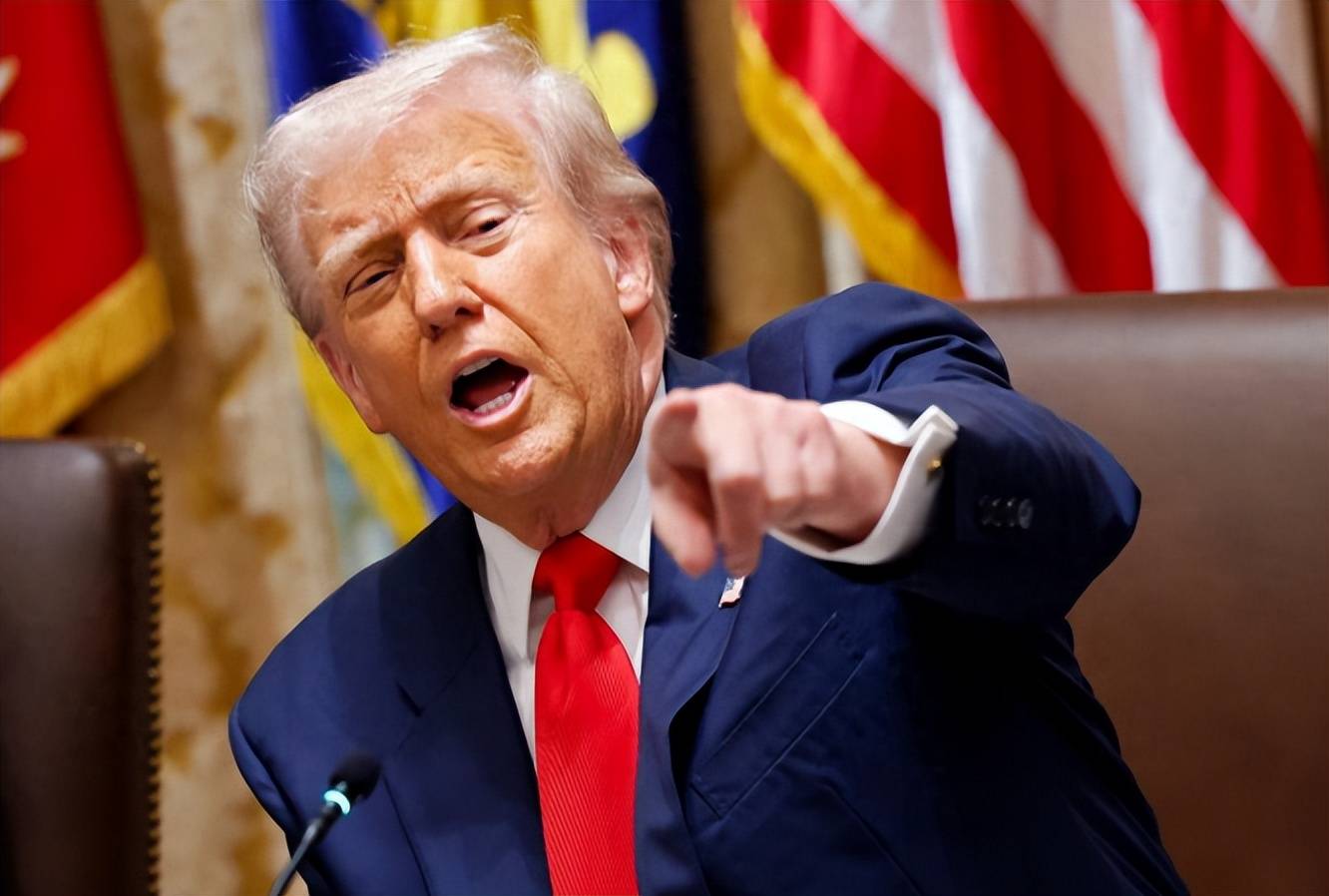
Core Viewpoint - The trade conflict between the U.S. and Canada has escalated, with President Trump announcing an additional 10% tariff on Canadian goods in response to an advertisement funded by the Ontario government that opposes tariffs [2][4]. Group 1: Tariff Announcement - President Trump declared a 10% increase in tariffs on Canada, although the specific tariffs affected were not clarified [2]. - The increase is a reaction to an Ontario government advertisement that quoted former President Reagan, which Trump deemed misleading and fraudulent [5][8]. Group 2: Advertisement Controversy - The Ontario advertisement, costing CAD 75 million, was intended to air on major U.S. networks until January and featured imagery of both nations' flags and workers [4]. - The ad was criticized by the Reagan Foundation for misrepresenting Reagan's views, and they are considering legal action against the Ontario government [8]. Group 3: Political Reactions - Trump accused Canada of using deceptive advertising to influence U.S. Supreme Court decisions regarding tariffs, asserting that Canadian tariffs have harmed American interests [7][8]. - Ontario Premier Ford announced the suspension of the advertisement following discussions with Prime Minister Trudeau, indicating a potential shift in strategy [6][10]. Group 4: Future Negotiations - Trudeau expressed readiness to resume constructive trade negotiations with the U.S., despite the current tensions [10][12]. - Conservative Party leader Poilievre criticized Trudeau for not reaching a trade agreement earlier, suggesting that it led to the recent tariff increase [14].


加拿大停播反关税广告也不好使,特朗普宣布加征10%关税
Xin Lang Cai Jing· 2025-10-26 03:41
Core Points - President Trump accused the Canadian provincial government of misleading the public with a "fake" video ad, leading to an announcement of an additional 10% tariff on Canadian goods [1] - The Ontario provincial government aired an advertisement featuring a quote from former President Reagan, warning about the negative impacts of tariffs, which Trump deemed as a distortion of Reagan's original intent [2] - The Canadian economy is heavily reliant on the U.S., with over 75% of its exports going to the U.S., making it vulnerable to tariff impacts [1] - Following the tensions, Ontario's Premier Ford decided to stop airing anti-tariff ads in an effort to resume trade negotiations with the U.S. [2] - The U.S. Supreme Court is set to hear arguments regarding the legality of the tariff measures on November 5, with previous courts ruling that the Trump administration may have overstepped its authority [3] Summary by Sections Trade Relations - Trump announced a 10% tariff on Canadian goods in response to an Ontario ad that he claimed misrepresented facts [1] - The Ontario government has been pressured to cease anti-U.S. advertising to facilitate trade negotiations [2] Economic Impact - Ontario, being the most populous and economically developed province in Canada, is significantly affected by U.S. tariffs [1] - The Canadian government is considering diversifying trade and focusing on domestic investment due to the ongoing trade tensions [2] Legal Proceedings - The U.S. Supreme Court will hear a case regarding the legality of Trump's tariff measures, which have been challenged in lower courts [3]
港股市场策略周报:调整后重回成长风格,关注互联网与保险-20251025
CMS· 2025-10-25 12:22
Market Outlook and Strategy - The report indicates that the recent decline in the Hong Kong stock market is an overreaction to external shocks, particularly influenced by the US-China trade tensions. It suggests that the easing of trade conflicts and the release of incremental policies will support a rebound in the market [2][4][5] - The overall outlook for the fourth quarter is characterized by a "first dip, then rise" trend, with a gradual or wave-like process of style switching rather than a simple flip. Growth style is expected to remain the main focus in the near term as market risk appetite improves [2][5] Industry Recommendations - The report recommends focusing on the internet and insurance sectors. The internet sector is highlighted for its strong fundamentals, with cloud revenue showing high growth rates, and the insurance sector is expected to benefit from increased equity positions and expanding interest spreads [6][2] Market Performance - The Hong Kong stock market experienced a broad decline last week, with the Hang Seng Index dropping by 3.97% and the Hang Seng Tech Index falling by 7.98%. The AH premium significantly widened to 120 [8][11] - The report notes that the major industries saw more declines than gains, with utilities, telecommunications, and energy sectors showing slight increases, while information technology and healthcare sectors led the declines [11][8] Micro Liquidity Analysis - The average daily trading volume in the Hong Kong market was HKD 359 billion, reflecting a slight decrease but remaining high compared to historical levels [15] - The report highlights a net outflow of local and foreign capital, with a net inflow of HKD 451 billion from southbound funds, primarily directed towards financial and non-essential consumer sectors [26][21] Valuation Levels - The current price-to-earnings ratio for the Hang Seng Index is 12.2 times, compared to a three-year median of 9 times and an eight-year average of 10.3 times. The MSCI China Index has a current P/E ratio of 13.6 times, with similar historical comparisons [29][30] Financing Needs - As of October 19, the financing demand for Hong Kong-listed companies is estimated at HKD 27 billion, with IPO and placement needs accounting for HKD 8.5 billion and HKD 17.2 billion, respectively [31]
加拿大白左歪曲里根讲话背刺川普,川普雷霆反击终止所有与加贸易谈判
Sou Hu Cai Jing· 2025-10-25 08:46
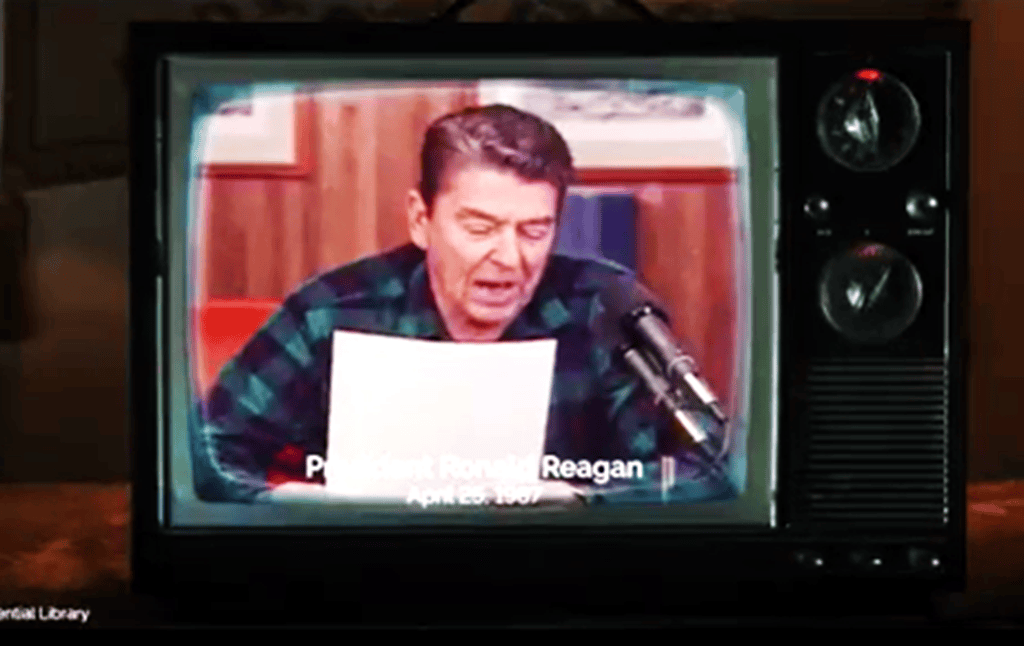
Core Points - President Trump announced the termination of all trade negotiations with Canada, citing a misleading advertisement against U.S. tariffs as the reason for this decision [1][3] - The advertisement, which cost $75 million, used footage of former President Ronald Reagan to argue against tariffs, claiming they would harm the U.S. economy in the long run [1][3] - The Ontario government, led by Premier Doug Ford, is behind the advertisement, which is part of a $53.5 million campaign to inform Americans about the negative impacts of tariffs [3][6] Trade Relations - The U.S. and Canada have a significant trade relationship, with $27 billion in trade occurring daily, and 75% of Canadian exports going to the U.S. [6] - Trump's tariffs on Canadian steel, aluminum, and automobiles have prompted Canada to respond with similar measures, indicating a tit-for-tat trade dynamic [8] - The ongoing review of the USMCA agreement may lead to further U.S. revisions that favor domestic industries, potentially escalating trade tensions [8] Legal Context - The U.S. Supreme Court is set to review the legality of Trump's tariffs, with potential implications for over $1 trillion in refunds if deemed unconstitutional [5] - The previous ruling by the Federal Circuit Court upheld that the Trump administration overstepped its authority under the International Emergency Economic Powers Act [5]
反美关税广告不播了,加拿大寻求与美恢复贸易谈判
Sou Hu Cai Jing· 2025-10-25 08:23
Core Points - Ontario Premier Ford announced the cessation of anti-tariff TV ads in the U.S. to facilitate trade negotiations with the U.S. starting next week [1] - Canada’s economy is heavily reliant on the U.S., with over 75% of its exports going to the country [1] - The U.S. has maintained high tariffs on most Canadian goods, with a significant impact on Ontario, the most populous and economically developed province in Canada [1] Group 1 - The Ontario government released an advertisement featuring a quote from former President Reagan, emphasizing that high tariffs lead to foreign retaliation and trade wars [4] - The Reagan Foundation criticized the ad for misrepresenting Reagan's original intent and is considering legal action against the Ontario government [4] - Trump's disappointment with Canada is growing due to perceived inflexibility, impacting the ongoing trade negotiations [4] Group 2 - The U.S. Supreme Court is set to hear arguments on the legality of the White House's tariff measures on November 5 [4] - A recent ruling by the Washington Federal Circuit Court upheld that the Trump administration exceeded its authority in implementing certain tariffs [4] - The shifting stance of Trump has prompted the Canadian government to strategically seek significant changes, focusing on trade diversification and domestic investment [4]
难怪特朗普软了,美每天对华进口10亿美元商品,中国港口变得拥堵
Sou Hu Cai Jing· 2025-10-25 04:10
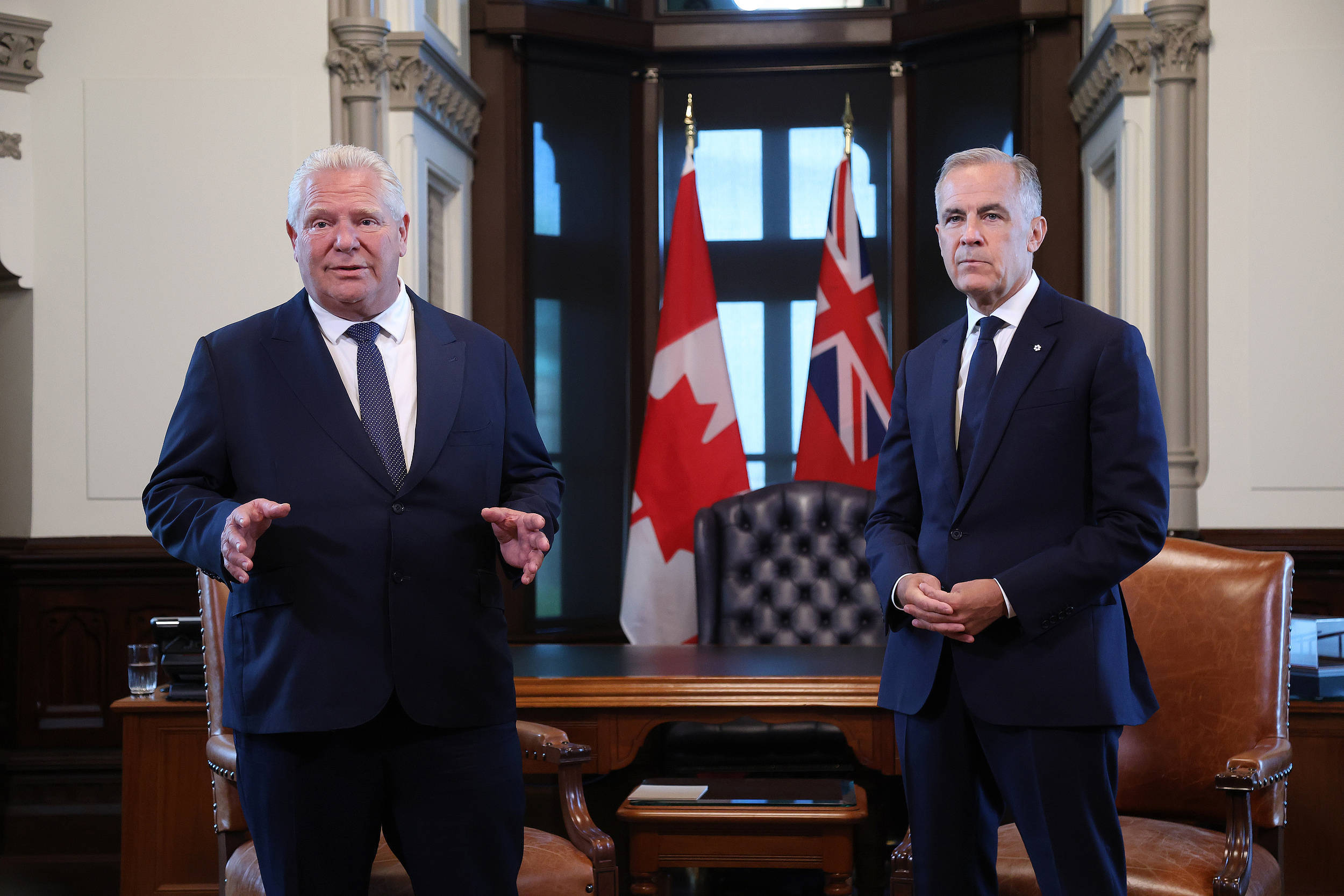
Core Insights - The U.S. is struggling to decouple from China despite rhetoric, as evidenced by the continued influx of Chinese goods into American markets, with daily imports valued at $1 billion [1][3] - China's ports are experiencing significant activity, with congestion attributed to high order volumes rather than a lack of demand, indicating robust export dynamics [3][5] - The U.S. tariff policies are ultimately burdening American consumers with rising prices, while China's manufacturing efficiency and supply chain stability remain unmatched [5][7] Group 1 - The U.S. continues to import substantial amounts of Chinese goods, with $1 billion worth entering daily, despite high tariffs [1] - American businesses are shifting orders to China to avoid potential tariff impacts, leading to increased congestion at Chinese ports [3] - The U.S. consumer is facing higher prices due to tariffs, with discussions in the U.S. Treasury about potential public backlash [5] Group 2 - China's government is enhancing its business environment and upgrading its industrial chain to maintain export strength [5][7] - The trade conflict appears to be counterproductive for the U.S., as it inadvertently strengthens China's position in global trade [5][7] - The essence of trade lies in cooperation and division of labor, which is being overlooked in the U.S.-China trade dynamics [7][9]
德媒:欧洲的忍耐已到极限,不卖稀土,就是逼欧盟实施制裁
Sou Hu Cai Jing· 2025-10-25 03:36
Group 1 - The escalation of US-China trade tensions has led to China's comprehensive control over rare earth exports, catching the Trump administration off guard and shaking the global supply chain [1] - European countries are increasingly anxious as the rare earth controls are set to take effect, particularly in the automotive industry, where major manufacturers warn of potential production halts within two months if the controls are implemented [3] - The EU believes that China's rare earth controls lack reasonable justification and pose a destructive threat to the global supply chain [3] Group 2 - Internal divisions have emerged within the EU regarding the response to China's actions, with Germany threatening to invoke the "Anti-Coercion Instrument," which some in Europe refer to as the "nuclear weapon of trade wars" [4] - China has stated that threats and pressure are not solutions to the problem, emphasizing that its rare earth controls are conducted in accordance with laws and regulations to ensure sustainable resource use and national security [4] - The EU's panic is not unfounded, as Western countries have relied on globalization for the past thirty years, outsourcing high-pollution, low-profit rare earth mining and refining to China while keeping high-value-added industry segments for themselves [6] Group 3 - The EU has repeatedly provoked China in its stance, as evidenced by sanctions against Chinese companies for allegedly assisting Russia in evading Western technology restrictions, which China firmly opposes [6] - China's Ministry of Foreign Affairs has clarified that China is neither the creator of the Ukraine crisis nor a party to it, and it will respond resolutely to any form of coercion [6] - The EU's actions appear to be a strategy to test China's limits and gain leverage in rare earth negotiations [6]
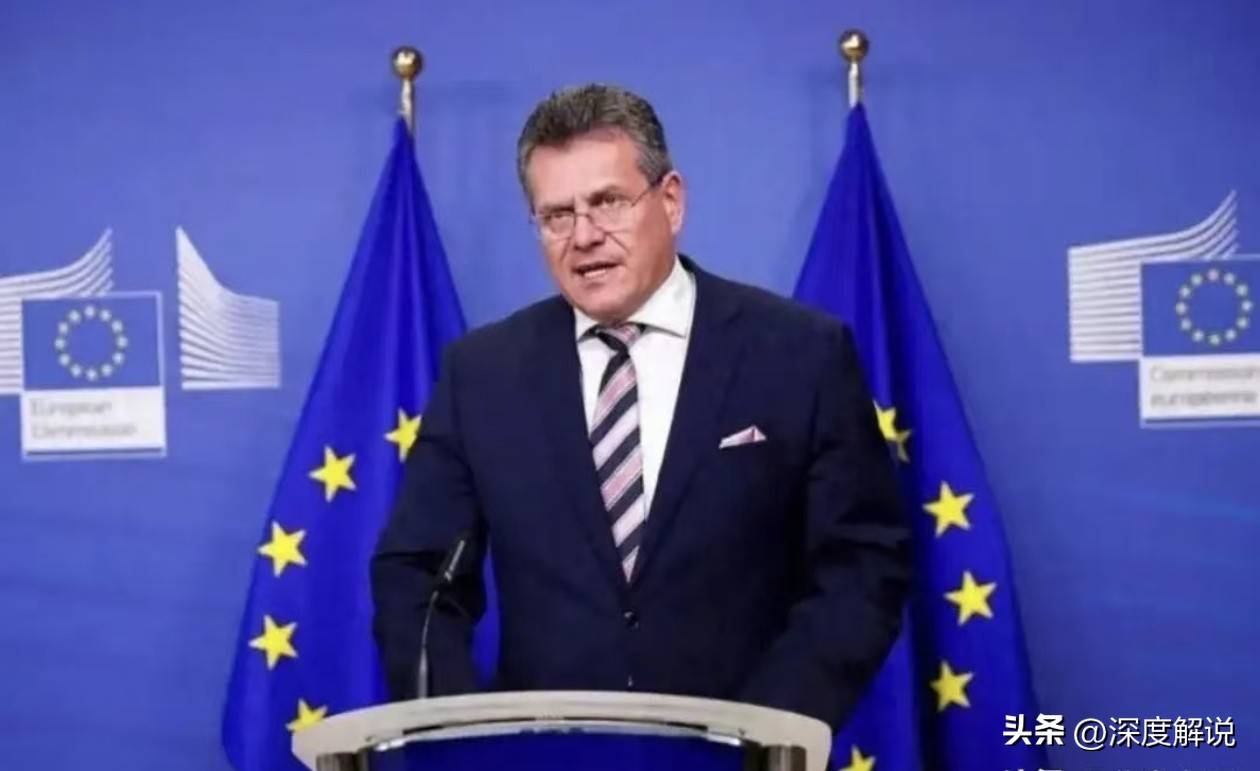
48小时风暴升级!欧盟挥出核选项重拳,冯德莱恩表示这只是开始
Sou Hu Cai Jing· 2025-10-24 12:42
Group 1 - The core issue is the EU's escalating tensions with China, driven by internal economic crises in Europe, particularly in Germany and France, leading to potential sanctions against Chinese companies [1][3][5] - The EU's "Anti-Coercion Instrument" (ACI) is seen as a significant measure against perceived economic threats, but it reflects the EU's internal anxieties rather than a position of strength [3][18] - Germany is experiencing a technical recession, while France faces credit rating downgrades due to high debt, impacting the overall stability of the European automotive industry [5][27] Group 2 - The EU's dual approach of seeking cooperation with China while simultaneously preparing for confrontation reveals a contradiction in its strategic objectives [11][12] - The ongoing sanctions against Russian entities have now extended to Chinese companies, indicating a broader geopolitical strategy that may backfire on the EU [14][25] - The reliance of European industries, particularly automotive, on Chinese markets and materials poses a risk of severe economic repercussions if tensions escalate [27][29] Group 3 - The actions taken by the Netherlands against a Chinese semiconductor firm signal a troubling trend of politicizing market rules, which could deter global investment in Europe [16][31] - The EU's inconsistent stance on trade and investment, characterized by accusations against China while simultaneously imposing restrictive measures, undermines its credibility as a stable investment destination [29][33] - The call for a more rational approach to EU-China relations emphasizes the need for pragmatic dialogue to avoid a detrimental trade conflict that could harm Europe's economic future [35]

难怪普京一点都不急:中美都闹成这样了,俄专家终于说了句大实话
Sou Hu Cai Jing· 2025-10-24 06:47
Group 1 - The core issue revolves around the competition for rare earth elements, which are crucial for technology and strategic dominance, particularly in the context of the ongoing US-China trade war [1][3] - China has announced export controls on rare earths, not as a ban but to improve its export management system, reflecting its actual needs [3][11] - The US heavily relies on China for rare earths, with a significant demand for gallium, estimated at 30 to 50 tons annually, and the inability to produce it domestically in the short term [5] Group 2 - Russia has adopted a neutral stance amid escalating US-China trade tensions, benefiting economically from increased agricultural exports to China, which grew at an average annual rate of nearly 40% from 2014 to 2020 [7] - The ongoing military conflict in Ukraine has intensified, with both sides targeting critical infrastructure, and the US has deepened its involvement by providing intelligence support to Ukraine [9] - China's strategic resilience is evident in its response to US pressure, emphasizing its strengths in key areas like rare earths and manufacturing, which are irreplaceable [11][13]