稀土出口管制

Search documents
美被曝从泰墨转运稀土,超3800吨流失,中方封堵漏洞之快让美破防
Sou Hu Cai Jing· 2025-07-13 04:54
Core Insights - The article highlights the significant increase in the import of antimony oxide by the United States through Thailand and Mexico, totaling over 3,800 tons, following China's export restrictions on critical minerals [1][3][4]. Group 1: Supply Chain Dynamics - China is a dominant player in the global rare earth market, controlling a large portion of antimony, gallium, and germanium production and exports, which are crucial for military, electronics, and semiconductor applications [3][7]. - Following China's export ban on these critical minerals in December 2024, U.S. companies quickly sought alternative routes through Thailand and Mexico to maintain their supply chains [3][7]. - The import volume of antimony oxide from Thailand and Mexico between December 2024 and April 2025 exceeded the total imports from 2022 to 2024, indicating a significant shift in sourcing strategies [4][9]. Group 2: Regulatory Responses - The U.S. companies have historically used third countries to circumvent export controls, as exemplified by Gallant Metals, which imports gallium from China via Southeast Asia [6][9]. - The rapid response from China to close the loophole in export controls involved a coordinated effort among various government departments to combat smuggling of gallium, germanium, and antimony [9][11]. - Following the exposure of these practices, U.S. imports of antimony oxide began to decline sharply from April 2025, leading to increased costs and supply chain instability for U.S. companies [13][14]. Group 3: Strategic Implications - The reliance of the U.S. on imported antimony, with over 80% dependency, underscores the strategic importance of these minerals in defense and industrial applications [7][14]. - The emergence of Thailand and Mexico as new suppliers, despite their limited production capabilities, raises questions about the sustainability of this supply chain [4][7]. - The ongoing competition between the U.S. and China in the rare earth sector is expected to have profound implications for global supply chains, emphasizing the strategic nature of these resources [14].

欧洲议会谴责中国限制稀土出口!网友:解禁光刻机可以考虑解封
Sou Hu Cai Jing· 2025-07-13 04:36
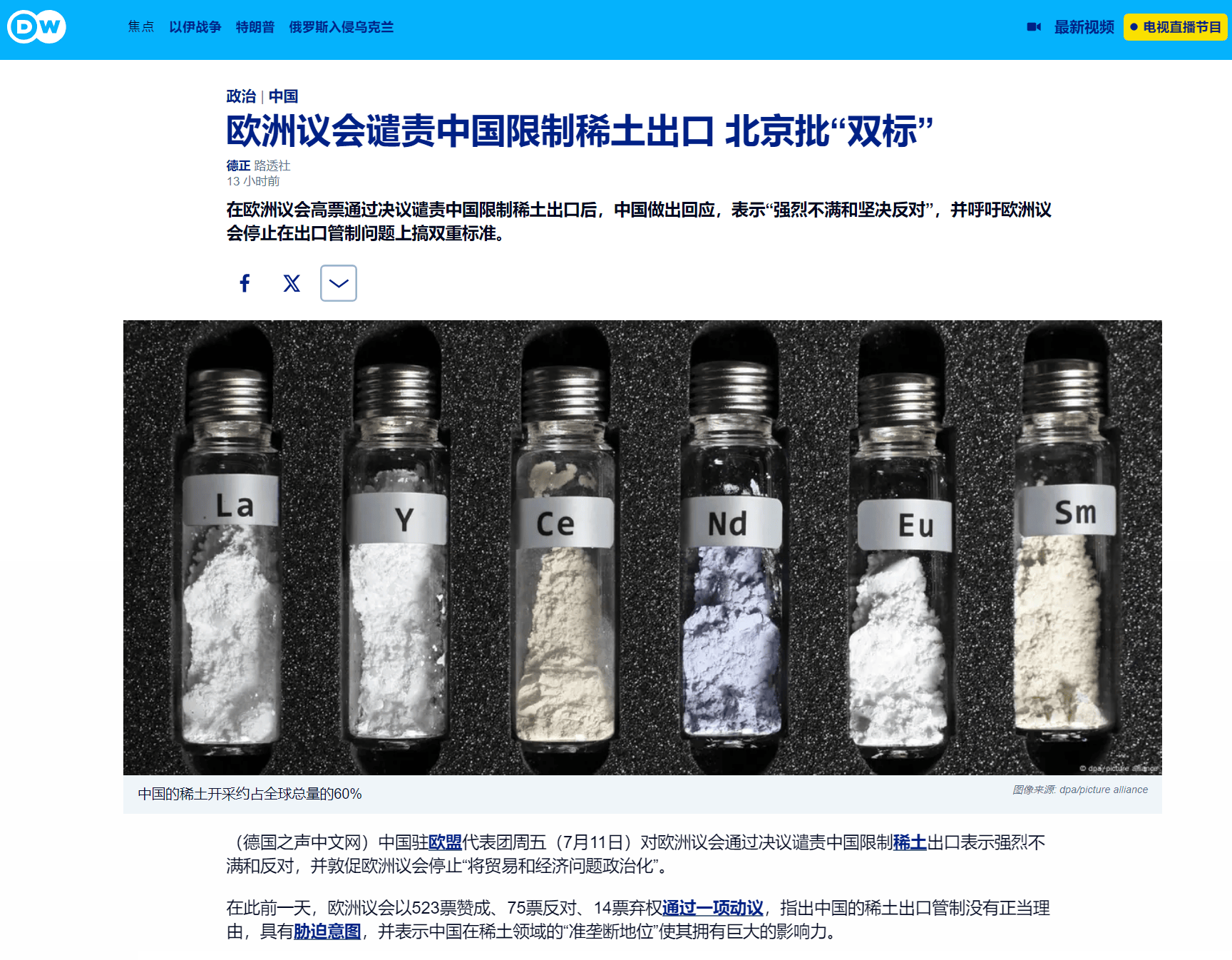
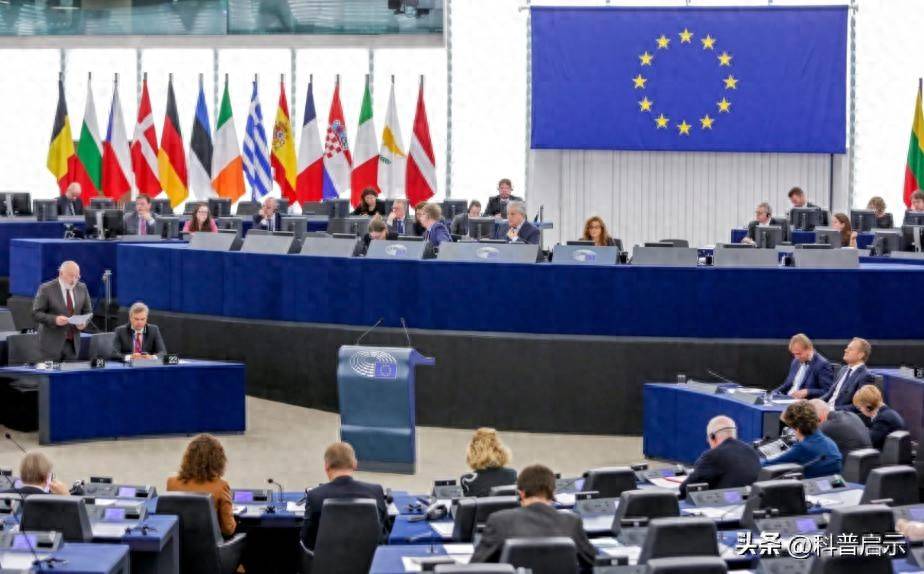
Group 1 - The European Parliament passed a resolution condemning China's restrictions on rare earth exports, highlighting China's "quasi-monopoly" in the sector and its significant market influence [1] - The resolution received overwhelming support with 523 votes in favor, 75 against, and 14 abstentions, indicating strong political consensus in Europe against China's trade practices [1] Group 2 - China's EU delegation expressed strong dissatisfaction and urged the European Parliament to refrain from politicizing trade and economic issues, advocating for a rational and pragmatic approach to cooperation [4] - Since May 13, the U.S. has adopted a tough stance on China's rare earth issues, with some progress in negotiations, but U.S. rare earth magnet manufacturers still face low approval rates for exports [4] - Europe has begun to emulate U.S. strategies, initiating investigations into Chinese electric vehicles and banning Chinese companies from participating in EU public procurement projects exceeding 5 million euros [5] Group 3 - China has responded to European pressure with countermeasures, including new policies that exclude EU companies from participating in government procurement for medical devices over 45 million yuan [5] - The article suggests that Europe misjudges its position in the trade conflict, believing it can pressure China without facing repercussions, which may lead to strategic miscalculations [5][7] Group 4 - Both Europe and China share similar positions regarding the rare earth issue, with China's export restrictions seen as a strategic response to U.S. and European sanctions on its high-tech sectors [11] - China's advancements in rare earth processing technology have allowed it to achieve high purity levels and efficiency, reinforcing its dominant position in the market [11] Group 5 - The article references past conflicts, such as the 2010 rare earth dispute between China and Japan, to illustrate the cyclical nature of trade tensions and the potential for retaliatory measures [12] - It emphasizes that while Europe expresses frustration, it must demonstrate genuine commitment and financial investment to achieve fair trade with China [14]
523:75!欧洲议会称稀土管制“违法”,要求立即取消,中方回应
Sou Hu Cai Jing· 2025-07-12 12:32
Core Viewpoint - The European Parliament passed a resolution condemning China's restrictions on rare earth exports, claiming that China's actions lack reasonable justification and exhibit coercive intent, while highlighting China's near-monopoly position in the rare earth sector [1][3]. Group 1: European Parliament's Resolution - The resolution received overwhelming support with 523 votes in favor, 75 against, and 14 abstentions, indicating a strong consensus within the EU that China's export control measures are unjustified [1][3]. - The European Parliament urged EU leaders to address these issues directly with China during an upcoming visit, emphasizing the need for a resolution [6]. Group 2: China's Response - China's EU delegation expressed strong dissatisfaction with the resolution, labeling it as political manipulation and urging the European Parliament to cease politicizing trade and economic issues [3][9]. - China emphasized that rare earths are dual-use materials and that its export controls are within its rights and consistent with international norms [9]. Group 3: Broader Context - The U.S. has been engaged in a contentious battle with China over rare earths since May 13, with limited progress reported in the civilian high-tech sector [11]. - Europe is attempting to collaborate with the U.S. to pressure China, which may lead to retaliatory measures from China [11][13]. - The current geopolitical landscape suggests that Europe must recognize the complexities of its relationships with both the U.S. and China, and consider cooperation as a viable path forward [13].
美国怎么就被中国稀土卡了脖子?原因你肯定想不到
Guan Cha Zhe Wang· 2025-07-12 01:33
Group 1 - The U.S. Department of Commerce restored export licenses for EDA software, aviation equipment, and engines to China, marking the end of a recent ban that began in late May [1][2] - The trade dispute escalated with tariffs increasing by 125% between the U.S. and China, leading to significant trade disruptions [2][4] - The U.S. government's ban on exports was a response to China's tightening of rare earth controls, which the U.S. viewed as a retaliatory measure [2][4] Group 2 - China's strict management of rare earth exports is aimed at preventing strategic resources from being used against its interests, creating a counterbalance in negotiations [4][5] - U.S. companies, particularly in the automotive sector, face supply chain disruptions due to China's rare earth export controls, which could lead to production halts [4][6] - The U.S. has relied on smuggling to obtain rare earth materials, but recent crackdowns by China threaten this supply route [6][10] Group 3 - The U.S. export ban on ethane, EDA software, and aviation equipment may backfire, as it could also harm U.S. exports and industries reliant on these markets [12][13] - EDA software is critical for semiconductor design, but China has made significant strides in developing its own alternatives since facing U.S. sanctions [13][18] - The C919 aircraft's engine options include domestically developed alternatives, such as the AEF1200, which is positioned to meet the aircraft's power requirements [15][16][18] Group 4 - The AEF1200 engine, derived from the WS20 military engine, is designed to compete with established Western models like the CFM56, showcasing China's advancements in aviation technology [15][16] - China's approach to building a self-sufficient supply chain in response to U.S. sanctions reflects a long-term strategy to mitigate risks associated with foreign dependencies [18][19] - The recent approval of rare earth exports to major U.S. automakers under strict conditions indicates a strategic compromise to ensure the continued development of China's aviation industry [18]

稀土永磁板块集体大涨 八大概念股盘点(名单)
Zheng Quan Zhi Xing· 2025-07-11 07:50
Group 1 - The rare earth permanent magnet sector showed significant activity, with the sector index rising by 5.64% and several stocks, including Northern Rare Earth (600111) and China Rare Earth (000831), hitting the daily limit [1] - Northern Rare Earth announced a projected net profit increase of 1882.54% to 2014.71 million by the first half of 2025, driven by market stabilization, increased production and sales, and cost reduction efforts [1] - The global market size for rare earth permanent magnets is expected to reach approximately $17 billion in 2024 and $27 billion in 2025, indicating substantial growth potential for the industry [1] Group 2 - Northern Rare Earth is the largest supplier of light rare earth products in China and globally, focusing on rare earth raw materials, functional materials, and some end-use products [2] - China Rare Earth primarily engages in the production and operation of rare earth oxides and offers technology research and consulting services [3] - Shenghe Resources has a diverse range of rare earth products, including both light and heavy rare earths [4] - Jiuwu Hi-Tech specializes in the development of membrane separation technology for ion-type rare earth mining and the research of rare earth leachate pretreatment processes [4] - Baotou Steel's main products include rare earth concentrates and fluorite [5] - Jinchuan Magnetics is a leading supplier of high-performance rare earth permanent magnet materials in the new energy and energy-saving sectors [6] - Guangsheng Nonferrous Metals focuses on rare earth mining, smelting separation, deep processing, and non-ferrous metal trading [7] - China Nonferrous Metal Industry's Technology is a leader in lead-zinc smelting and rare earth separation technologies in China [8]



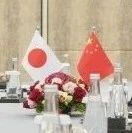
中日外长会谈,日本对军机异常接近表担忧
日经中文网· 2025-07-11 02:48
Core Viewpoint - The discussions between Japan and China highlight concerns over China's export controls on rare earths and the potential impact on Japanese businesses, alongside calls for improved bilateral relations and communication despite existing tensions [1][2]. Group 1: Rare Earth Export Controls - Japan expressed strong concerns regarding China's tightened export controls on rare earths, which have significantly affected Japanese companies [1] - The Chinese government has implemented these controls as a countermeasure against the high tariff policies of the Trump administration since April [1] Group 2: Agricultural Imports - Japan's Foreign Minister, Taro Kono, requested the resumption of Japanese beef imports, which have been banned in China since 2001 due to BSE concerns [2] - The Chinese government recently lifted a ban on Japanese seafood imports related to the Fukushima nuclear disaster, indicating a potential shift in trade relations [2] Group 3: Bilateral Relations and Security Concerns - Both foreign ministers agreed to continue discussions to promote a "strategic mutually beneficial relationship" despite existing issues [2] - There is an increasing friction in security matters, with China enhancing its military capabilities and Japan's Self-Defense Forces remaining vigilant [2][3]
稀土龙头业绩释放信号,内外价差加速收敛,行业有望迎来业绩+估值双重增长
Xuan Gu Bao· 2025-07-09 23:29
Group 1 - Northern Rare Earth expects a net profit attributable to shareholders of 0.9 billion to 0.96 billion yuan for the first half of 2025, an increase of 0.855 billion to 0.915 billion yuan compared to the same period last year, representing a year-on-year increase of 1882.54% to 2014.71% [1] - Following the China-US trade negotiations, China has partially relaxed rare earth export controls, expediting the approval process for foreign companies' export licenses, which has alleviated the high demand for rare earths from Western companies [1] - As of June, there has been a certain recovery in rare earth product export orders, although the export process has been slightly prolonged due to the time taken for license processing and customs inspections [1] Group 2 - With the upcoming peak season for domestic new energy vehicles and the subsequent overseas restocking demand, rare earth prices are expected to continue rising, benefiting the sector and leading to a dual boost in performance and valuation for domestic rare earth magnetic material companies [2] - Major domestic companies in the rare earth sector include Northern Rare Earth, China Rare Earth, Zhenghai Magnetic Materials, Ningbo Yunsheng, and Jinli Permanent Magnet [3]
欧盟天都塌了,还没等到中国稀土,却等到了中国的一记重拳
Sou Hu Cai Jing· 2025-07-09 03:19
Group 1 - The EU is attempting to negotiate a tariff exemption from the US while using Chinese interests as leverage, but China is demonstrating strategic acumen in this negotiation [1] - During Foreign Minister Wang Yi's visit to the EU, the EU made several demands, particularly regarding rare earth exports, reflecting a Western alliance mindset aligned with US interests [3][6] - China has established a "fast track" for EU companies to expedite the approval process for rare earth resources, showcasing its strategic approach to the rare earth issue [5] Group 2 - Despite the EU's concerns over China's rare earth export controls, the EU remains dependent on Chinese rare earth resources for its high-tech and automotive industries, making a complete break with China unlikely [8] - China has implemented selective control measures on rare earth exports, balancing the need to respond to US unilateralism while maintaining a cooperative relationship with the EU [8] - The Chinese Ministry of Commerce announced anti-dumping duties on EU brandy products, indicating that the EU cannot expect unconditional concessions from China [9] Group 3 - Overall, China's strategy towards the EU involves a dual approach: easing rare earth controls to alleviate immediate EU concerns while applying targeted anti-dumping measures to exert pressure [10]
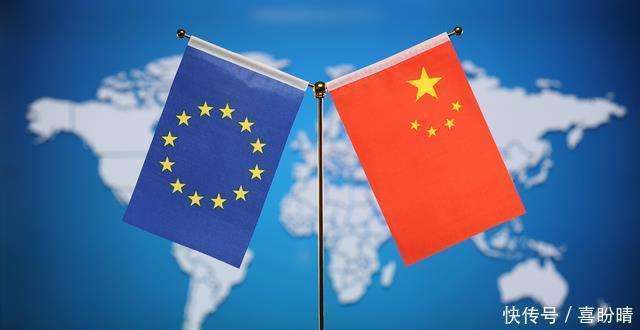
稀土不是问题,欧盟跟中美翻脸?从一个突发事件看欧盟如何作死
Sou Hu Cai Jing· 2025-07-08 09:16
Group 1 - The core issue between China and the EU is not solely about rare earth exports, but rather reflects broader geopolitical tensions and the EU's indecisiveness in its foreign policy [1][2] - China's Foreign Minister Wang Yi's recent visit to Europe aimed to mediate trade relations, yet the EU's demands for special treatment regarding rare earth export licenses indicate a challenge to China's legal framework [2][4] - The EU's criticism of China's support for Russia highlights its internal conflicts, as it seeks to balance relations with both China and the US while facing significant trade pressures [2][6] Group 2 - The EU's imposition of anti-dumping duties on Chinese brandy imports demonstrates its retaliatory stance, although China has provided exemptions for major producers, indicating a complex negotiation landscape [4][6] - The EU's trade negotiations with the US are precarious, with potential tariffs looming, reflecting the EU's struggle to navigate pressures from both superpowers [6][10] - The fragmented nature of the EU, composed of multiple member states, hampers its ability to respond effectively to external challenges, leading to inefficiencies in decision-making and a lack of cohesive strategy [8][10]
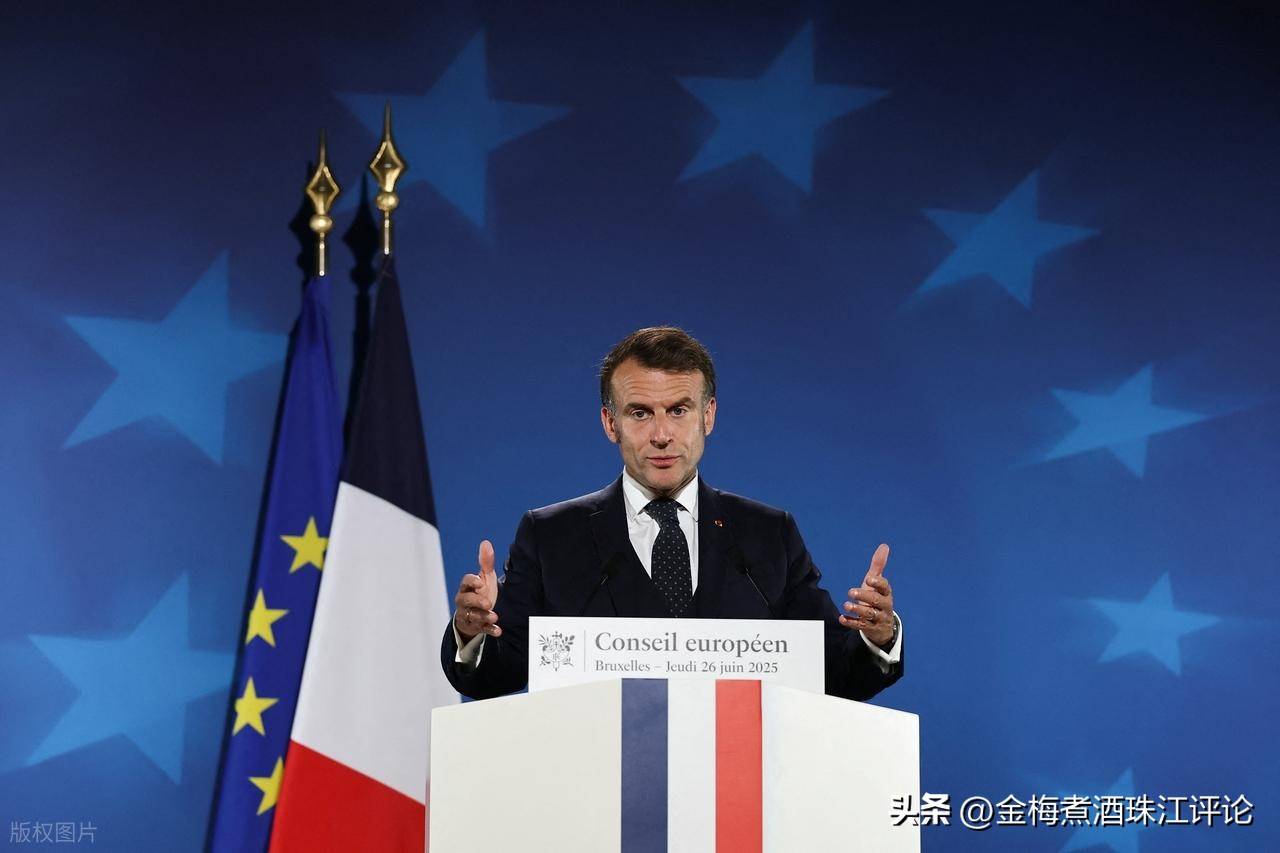
专家:中国没有将欧洲视为对手,而是希望与其共同维护平等互利的经贸往来
Sou Hu Cai Jing· 2025-07-08 09:02
Core Points - The China-EU trade dispute remains unresolved ahead of the summit, with both sides showing reluctance to compromise on key issues [2][6] - China insists on the removal of discriminatory measures and protectionist practices, particularly regarding electric vehicle exports and medical device market access [2] - The EU demands the elimination of tariffs on brandy imports from China and the cessation of anti-dumping investigations on dairy products and pork [2] - The EU also seeks the complete removal of export license requirements for rare earth elements and magnets from China [2] - China's Foreign Minister Wang Yi emphasized that rare earth exports should not be a point of contention between China and Europe [2][3] - The geopolitical landscape has led China to implement export controls on rare earths as a strategic response to trade tensions, particularly with the US [3][7] - Both China and the EU recognize the importance of maintaining a stable trade relationship despite existing political and ideological differences [7] Summary by Category Trade Relations - The upcoming China-EU summit is marked by uncertainty regarding the resolution of trade disputes, with both parties hesitant to make concessions [6][7] - China is focused on ensuring that its export controls do not disrupt global trade significantly, particularly in the rare earth sector [3] Export Controls - China has implemented export controls on rare earths as a necessary measure in response to international trade pressures, particularly from the US [3] - The strategic significance of rare earths makes them a critical point in the trade discussions, although China does not view them as a primary issue in its relations with Europe [2][3] Political Dynamics - The EU is caught between its desire to maintain a strong relationship with China and its ongoing political tensions with the US [7] - Both China and the EU are cautious in their approach, with China not rushing to finalize agreements before the summit, while the EU continues to assert its stance on various international issues [7]