美元霸权

Search documents
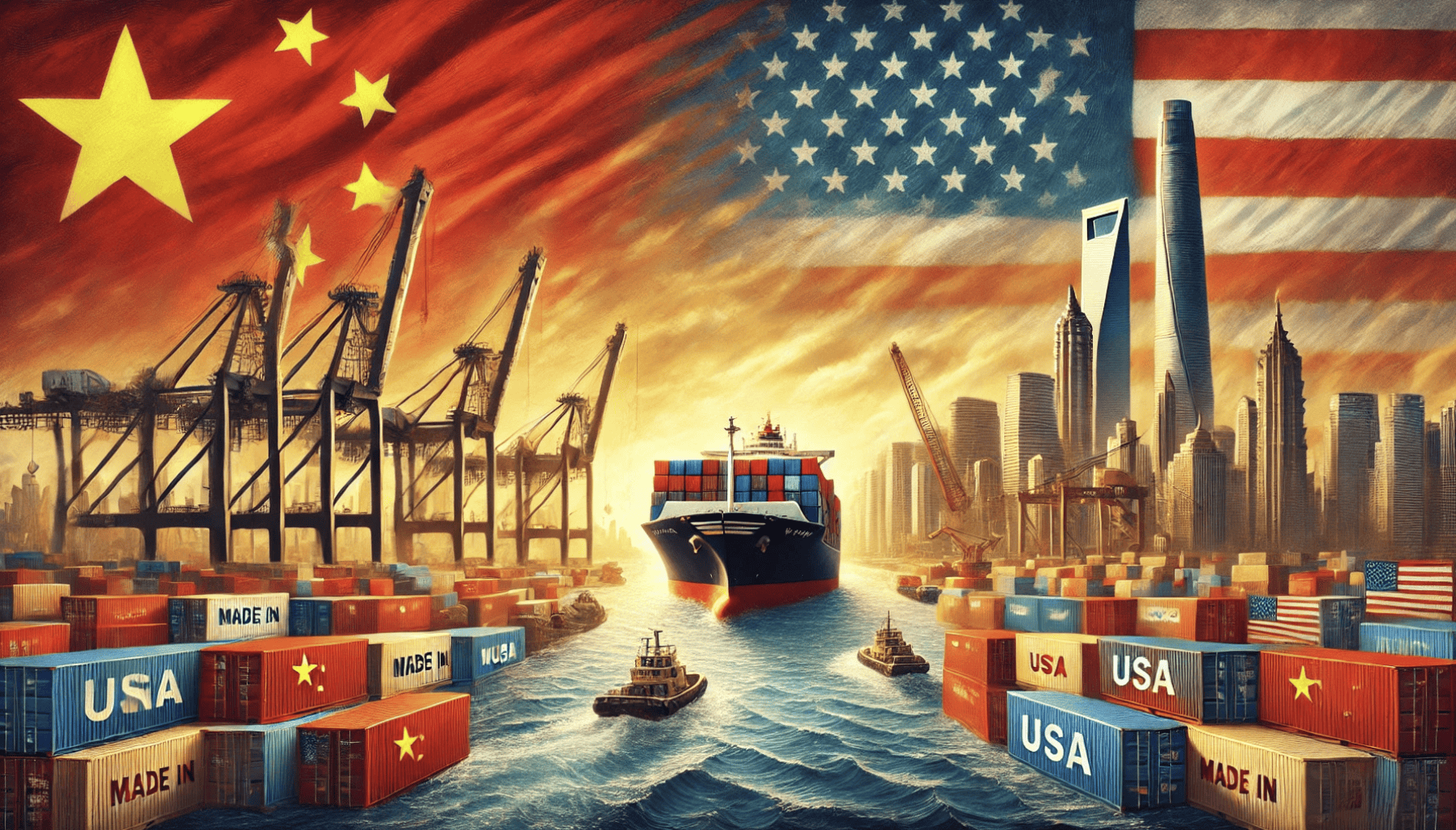
中美为什么顶着巨大压力,拼死进行经济战?这才是对决的终极目标
Sou Hu Cai Jing· 2025-08-26 07:27
Group 1 - The trade war between the US and China began in 2018 and has intensified, with both sides facing domestic economic pressures and international scrutiny [1] - The US perceives China's economic rise as a threat to its dominance, particularly in manufacturing and technology, while China views the US actions as an attempt to suppress its development [1][3] - The US has implemented tariffs on Chinese goods, citing issues like intellectual property theft and trade deficits, leading to escalating tariff rates from 10% to 145% [3] Group 2 - China's exports have been hindered due to the trade war, resulting in a slowdown in economic growth, with a GDP growth of 5.2% in Q2 2025, supported by government subsidies [4] - The trade war has led to increased inflation in the US, with PCE inflation expectations rising to 2.7% in 2025, while China faces weakened employment and domestic demand [6] - The ultimate goal of the economic conflict is for the US to maintain its dollar hegemony and global economic order, while China aims to establish a new global economic system and enhance its manufacturing capabilities [6][7] Group 3 - The trade war is seen as a decisive factor in determining the new world order, with potential outcomes affecting the dominance of the US dollar and the global trade landscape [7] - Both countries are currently in a stalemate, with the US struggling with domestic issues and military strength, while China maintains a relatively stable social environment [7]

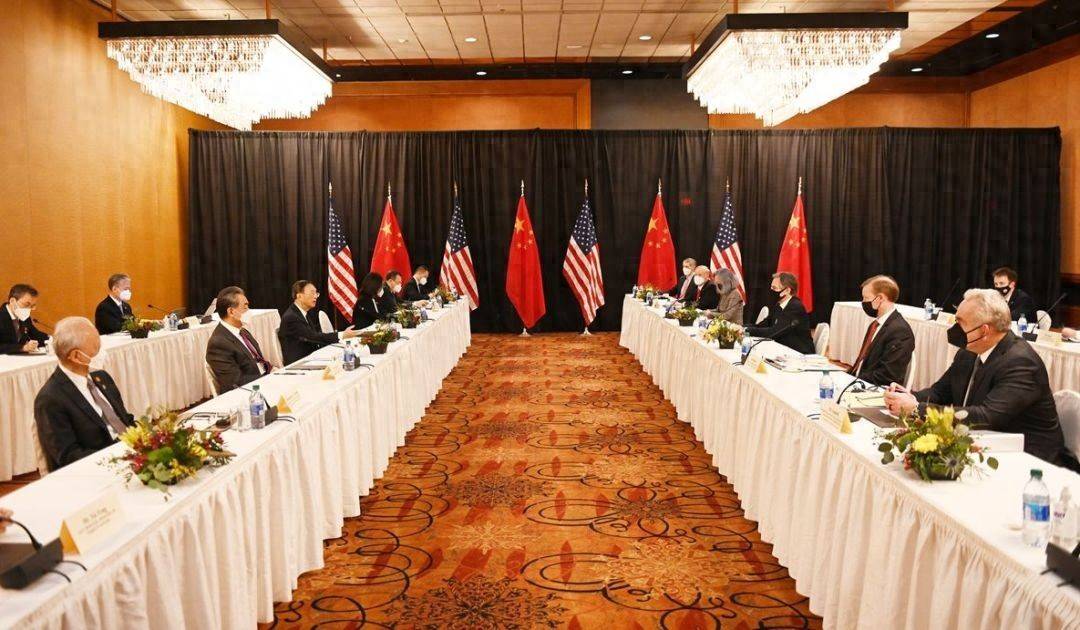
万亿大单背后暗藏玄机!特朗普金融布局浮出水面,全球紧盯美联储洗牌时刻
Sou Hu Cai Jing· 2025-08-26 00:06
Core Viewpoint - The recent $1.39 trillion trade agreement between the U.S. and the EU, while appearing to be a significant victory for the U.S., reveals underlying challenges and potential weaknesses in the U.S. dollar's dominance in global markets [1][3]. Trade Agreement Details - The agreement includes commitments from the EU to purchase $750 billion in U.S. energy products and $400 billion in AI chips by 2028, along with an additional $600 billion in investments from European companies into U.S. strategic sectors [1]. - However, the actual projected energy imports from the EU to the U.S. for 2024 are only $64.55 billion, falling significantly short of the annual target of $250 billion [1]. Tariff Adjustments - The U.S. will reduce tariffs on EU automobiles from 27.5% to 15%, while the EU will eliminate tariffs on all U.S. industrial goods, with a 15% cap on tariffs for key products like semiconductors and pharmaceuticals [3]. - Economists criticize this as a superficial exchange, suggesting that the EU is making significant concessions without receiving equivalent benefits [3]. Federal Reserve Dynamics - Following the trade agreement, President Trump nominated Stephen Milan, a proponent of weakening the dollar, to the Federal Reserve, which could lead to a significant shift in U.S. monetary policy [3][4]. - The market reacted strongly, with a 91.1% probability of a rate cut by September indicated in federal funds futures, leading to a decline in the dollar index [3]. Political Influence on the Federal Reserve - Tensions within the Federal Reserve are escalating, with Trump pressuring for the removal of Biden-appointed board members, which could result in a majority of Trump-aligned members on the board [4]. - Milan's proposals for reforming the Federal Reserve could undermine its independence, potentially leading to a repeat of past economic crises [5]. Global Market Reactions - The potential loss of independence for the Federal Reserve has raised alarms in global markets, with warnings from the Bank for International Settlements (BIS) and the IMF about the risks of politicizing central banks [5]. - A decline in the dollar's credibility could lead to a sell-off, increasing the attractiveness of gold and other currencies, while also distorting trade flows due to high tariffs [5]. Economic Philosophies Clash - The trade agreement reflects a clash between the U.S.'s unilateral approach under Trump and China's multilateral "Belt and Road" initiative, with implications for global supply chains [7]. - Short-term benefits may arise for risk assets, but long-term consequences could include rising inflation and economic friction with the EU and Switzerland over the U.S.'s weak dollar strategy [7].
中金缪延亮:美元霸权的“使用”与“动摇”
中金点睛· 2025-08-25 00:27
Core Viewpoint - The article argues that the U.S. dollar's hegemony is not diminishing but is being undermined by the U.S. government's excessive debt issuance and the politicization of its "safe asset" status, which erodes global investor confidence in U.S. Treasuries [2][27][28]. Group 1: Foundation of Dollar Hegemony - The foundation of dollar hegemony lies in the consensus around U.S. Treasuries as a "safe asset," characterized by long-term value retention, liquidity, and negative beta properties during crises [3][6]. - The concept of "exorbitant privilege" refers to the unique advantages the U.S. enjoys as the issuer of the world's primary reserve currency, allowing it to issue debt to cover trade deficits without significant repercussions [4][11]. Group 2: Manifestations of Dollar Hegemony - Dollar hegemony manifests in three key privileges: low-interest financing, the ability to roll over debt without repayment, and enhanced fiscal space during crises [9][10][13]. - Low-interest financing results from the high liquidity and quality of U.S. Treasuries, leading to a "convenience yield" that lowers the cost of borrowing for the U.S. [10][11]. - The U.S. can sustain high levels of debt without immediate repayment obligations, effectively engaging in a "Ponzi-like" financing model, as long as interest rates remain below economic growth rates [13][14]. Group 3: Current Status of Dollar Hegemony - The current status of dollar hegemony is challenged by the U.S. government's excessive debt issuance, which has pushed the debt-to-GDP ratio above 120%, raising concerns about fiscal sustainability [27][28]. - The politicization of U.S. Treasuries, exemplified by the freezing of foreign reserves, has created uncertainty about their status as a "safe asset," potentially leading to a loss of confidence among global investors [28][29]. - The absence of "ultimate buyers" for U.S. debt, as countries diversify their reserves away from Treasuries, poses a significant risk to the maintenance of the dollar's hegemonic status [30].

中国连续9月增持黄金,还是买的太少了?特朗普对瑞士加征39%关税
Sou Hu Cai Jing· 2025-08-24 15:42
Core Viewpoint - China's central bank has been steadily increasing its gold reserves for nine consecutive months, reaching a total of 73.96 million ounces (approximately 2300 tons), amidst speculation that this trend may soon halt due to external pressures, particularly from the U.S. [2][4][9] Group 1: China's Gold Accumulation Strategy - The Chinese central bank's approach to gold accumulation is characterized by a steady and methodical increase, purchasing 50,000 to 100,000 ounces monthly since November, which has resulted in a significant accumulation of hard currency [4][7] - Unlike other countries, China's gold purchases are all repatriated, enhancing its domestic reserves rather than relying on foreign storage [7][9] - China's gold reserves currently account for only 7% of its total reserves, significantly below the global average of 15%, indicating potential for further accumulation [9][11] Group 2: Impact of U.S. Tariffs on Gold Prices - The U.S. has imposed a punitive 39% tariff on Switzerland, which is expected to affect gold prices due to Switzerland's role in the global gold supply chain [4][11] - This tariff could lead to a situation where U.S. gold becomes more expensive compared to other countries, as Switzerland refines 70% of the world's gold [11][13] - The imposition of tariffs reflects a broader strategy by the U.S. to maintain dollar dominance, but it may inadvertently strengthen the position of gold as a reliable asset [11][15] Group 3: Global Monetary Dynamics - Central banks worldwide are accumulating gold at an unprecedented rate, with 95% indicating plans to continue buying in the coming year, signaling a shift in global monetary dynamics [11][15] - The rise in gold accumulation is seen as a preparation for potential instability in the dollar system, with countries like China reducing U.S. Treasury holdings while increasing gold reserves [15][16] - The evolving landscape suggests that gold is becoming more than just a safe-haven asset; it is emerging as a key player in the reconfiguration of the global financial order [16]
中国狂抛,美联储无奈“隐秘购债”,中国猛囤黄金,谁将挺到最后
Sou Hu Cai Jing· 2025-08-24 13:45
Core Viewpoint - The article discusses the ongoing financial tensions between the U.S. and China, highlighting China's significant sell-off of U.S. Treasury bonds and its increasing gold reserves as a strategic move against the dollar's dominance. Group 1: U.S. Treasury Bonds - The yield on the 10-year U.S. Treasury bond has risen above 4.5%, indicating market distress and raising concerns for the U.S. government [3][6] - In May, 38% of institutional investors reduced their holdings in U.S. stocks, marking the lowest level since May 2023, coinciding with a reduction in U.S. Treasury holdings [3][6] - The Federal Reserve has quietly halted its tightening plans and has begun purchasing excess U.S. Treasury bonds, acquiring $43.6 billion in the past week alone [6][10] Group 2: China's Actions - In March, China sold $18.9 billion in U.S. Treasury bonds, reducing its holdings to $765.4 billion, the lowest level in 15 years [8][10] - China's gold reserves have surged to 2,295 tons, constituting over 6.8% of its foreign exchange reserves, with a significant increase in gold trading volumes [8][11] - China is reportedly engaging in a "renminbi-gold" swap agreement with Brazil and Argentina, linking commodities directly to gold to bypass the dollar [10][13] Group 3: Global Central Bank Trends - The proportion of U.S. Treasury bonds held by global central banks has plummeted from 34% to 24%, while gold reserves have reached a new high since the dollar's decoupling from gold in 1971 [13] - Other countries' central banks have also increased their gold reserves, with 94 tons entering various central bank vaults by March 2023 [8][10] - The article suggests a growing trend of countries moving away from dollar dependency, as evidenced by transactions involving the yuan and gold [13]

美论坛提问:为何中国明知我们可能不偿还,却仍要购买美国国债?
Sou Hu Cai Jing· 2025-08-22 22:46
Core Insights - The article discusses the shifting dynamics of global economic power, highlighting the decline of the US dollar's dominance and the increasing influence of China in the global economy [1][2]. Group 1: US Debt Situation - The US national debt has surpassed $37 trillion, growing at an alarming rate of $100,000 per second, with daily obligations to repay $25 billion in old debt [1][2]. - The US Treasury is under pressure, as indicated by a satirical online post reflecting the precarious state of US debt management [1]. Group 2: China's Strategic Moves - China's decision to increase its holdings of US Treasury bonds by $1 billion, shortly after the Trump administration paused tariff increases on China, is seen as a calculated strategic maneuver [2][4]. - This move comes amid a volatile US bond market, where the yield on 10-year Treasury bonds dropped from 4.5% to 4.3%, resulting in a paper gain of $7.6 billion for China on its existing $756.4 billion holdings [2]. Group 3: Gold and Currency Dynamics - China has halted its 18-month streak of significant gold purchases due to high international gold prices, opting instead to manage liquidity by investing in short-term US Treasury bonds [2][4]. - The increase in China's US Treasury holdings, although minor at 0.013% of total holdings, sends a significant signal to the US, especially as it continues to reduce its overall US debt holdings [2][4]. Group 4: Implications for Global Economy - The article suggests that China's actions are gradually undermining the US dollar's hegemony, with the yuan's cross-border payment share rising to 12.8% and acceptance of digital yuan in Saudi oil trade [4][6]. - As US annual debt interest payments exceed $1 trillion, China's careful management of its US debt holdings reflects a strategic balancing act, indicating a profound shift in the global economic landscape [6].
被特朗普加征50%关税后,印度决定:继续购买俄罗斯石油!背后原因耐人寻味……
Sou Hu Cai Jing· 2025-08-21 07:48
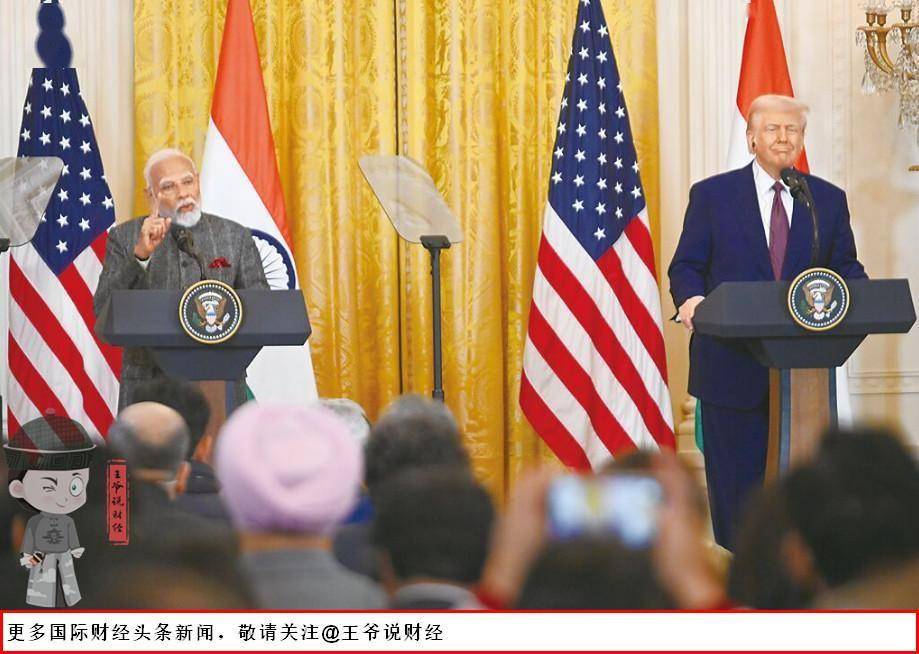
王爷说财经讯:硬刚特朗普?印度决定:继续购买俄罗斯石油,而且俄罗斯石油也会打折卖给印度,甚至还可以用卢比结算! 另外,据外媒报道,俄罗斯还要和中国、印度联手,意在反击美元霸权?一起来看看! 8月21日消息,在美国总统特朗普宣布,要对印度征收50%高关税后,但印度却罕见态度强硬,甚至表示将继续购买俄罗斯石油! 据俄罗斯《消息报》8月21日报道,印度已经就俄罗斯能源问题作出了最终决定。 印度驻俄罗斯大使——库马尔向《消息报》表示,尽管面临美国的压力,新德里仍将继续购买俄罗斯石油。 库马尔说:"不,印度只会购买对自身最有利的东西……问题不在于是否应该禁运,这关乎国家的安全、经济与能源利益,尤其是我国人民的能源需求。因 此,出于经济利益考虑,我们将继续购买贵国的石油。" 就在普京才结束与特朗普的峰会,受到特朗普高规格接待后,俄罗斯驻印度大使馆便痛批,特朗普因印度采购俄罗斯石油,对进口印度商品实施不合理的制 裁,而且还表示:"要是印度商品不能销往美国市场,那它们可以销往俄罗斯。至于双方90%的贸易,则要以印度卢比和俄罗斯卢布交易。 俄罗斯驻印度大使代办——巴布什金(Roman Babushkin)说,俄罗斯拥有十分特别 ...
美联储深夜改口!特朗普降息400点成空想,2025年只降1次?
Sou Hu Cai Jing· 2025-08-21 04:30
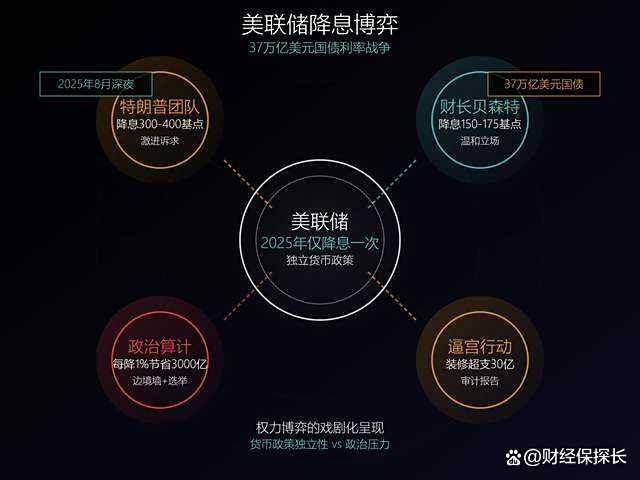
美元霸权的黄昏:特朗普降息梦碎与美联储的独立危机 一场关于降息的权力游戏,正在华盛顿上演,而美元霸权的丧钟,或许已经敲响。 曾几何时,特朗普政府为了刺激经济,可谓是"八仙过海,各显神通"。财政部长贝努特高调喊话,暗示 降息可期;总统特朗普更是语出惊人,狮子大开口,要求大幅降息。然而,美联储官员深夜一盆冷水, 彻底浇灭了白宫的降息美梦。 为了推动降息,特朗普政府可谓是无所不用其极。他们先是突袭美联储大楼,祭出所谓的"审计报告", 逼问美联储主席鲍威尔。特朗普甚至将工程问题与利率问题生硬地联系起来,声称"降息1个点能省3000 亿利息!"这背后,是特朗普政府精打细算的算盘。美国国债总额高达37万亿美元,每年仅利息支出就 高达1.2万亿美元。如果利率真的降到1%,白宫每年就能省下数千亿美元,用于修边境墙、填补医保漏 洞,甚至为中期选举提供资金。 然而,美联储内部却出现了"叛变"迹象。曾经是铁杆鹰派的美联储副主席鲍曼,一反常态地支持9月启 动三次降息。她与理事沃勒在7月会议上投下反对票,逼宫鲍威尔的架势,宛如一出华尔街版的《纸牌 屋》。更令人玩味的是,鲍曼和沃勒都是由特朗普亲自任命的。 降息固然美好,但通胀问题却如影 ...
认真给大家聊一聊中国经济
Sou Hu Cai Jing· 2025-08-20 15:07
Economic Overview - The article discusses the prediction by US Treasury Secretary that the Chinese economy is on the verge of collapse due to the real estate sector's hard landing, but argues that this view is misguided [1][16] - Current issues in the Chinese economy include declining real estate, massive local debt, overcapacity, declining birth rates, and income inequality [1][16] Economic Fundamentals - China's economic fundamentals are strong, with the highest trade surplus and foreign exchange reserves globally, as well as the lowest central government debt ratio [1][16] - The total household savings in China is approximately 160 trillion yuan, with net savings around 80 trillion yuan, indicating a strong capacity to endure economic fluctuations [1][2] Real Estate Market - The real estate market in China has seen a decline for four years, with some areas experiencing a 50% drop in prices, but this has not led to a panic sell-off as seen in the US [4][5] - The stability in the Chinese real estate market is attributed to the high cash flow and savings of the population, which prevents a hard landing [17][18] Urbanization and Debt - China's rapid urbanization has led to a significant increase in local government debt, exceeding 100 trillion yuan, as cities expanded quickly to accommodate rural populations [12][13] - The government is now focusing on controlling new debt and revitalizing existing assets to manage this debt effectively [20][21] Policy Responses - The government is addressing issues such as local debt, overcapacity, and declining birth rates through various policies, including limiting urban expansion and promoting orderly exit of excess capacity [22][23] - Recent initiatives to boost birth rates include financial subsidies for families and free preschool education [23][24] Economic Transition - The article emphasizes that the challenges faced by the Chinese economy are a result of rapid development and that solutions will take time, with gradual improvements expected over the next few years [47][61] - The shift in resource allocation from manufacturing to consumer support is underway, indicating a transition in economic strategy [44][46] Comparison with the US - The US economy also faces significant challenges, but its strong monetary policy and the ability to print dollars provide a buffer against economic crises [50][52] - The article suggests that while both economies have their issues, China's economic fundamentals remain robust compared to the US, which may face greater internal instability [62][63]
中国手握三大“王炸”反击,美元霸权面临崩塌时刻
Sou Hu Cai Jing· 2025-08-20 02:17
Core Viewpoint - The potential freezing of China's $3.4 trillion overseas assets by the West in the event of a Taiwan Strait conflict could have severe economic repercussions for both China and the United States, with the latter facing a GDP decline of 8%-15% while China could manage a recession of less than 5% [1][3]. Group 1: Economic Impact - The freezing of Chinese assets could lead to a 30% depreciation of the Renminbi, skyrocketing import costs, and a potential global recession, with the WTO estimating a $3 trillion contraction in global trade due to US-China tensions [3]. - The total foreign assets in China amount to $5.8 trillion, which includes significant investments from major companies like Apple and Tesla, indicating a potential vulnerability for Western firms if China retaliates [4]. Group 2: Retaliatory Measures - China has the capability to implement reciprocal asset freezes, which could severely impact Western companies operating in China, such as Starbucks and Apple, leading to substantial revenue losses [4][5]. - The export controls on gallium and germanium have already demonstrated China's ability to influence global supply chains, with significant price increases and production cuts in the US military sector [6]. Group 3: Financial Leverage - China's reduction of US Treasury holdings from $1.3 trillion to approximately $800 billion poses a threat to US fiscal stability, with potential increases in bond yields and interest payments if China were to sell off its remaining holdings [7]. - The rise of the Renminbi as a trade financing currency, surpassing the Euro, and the establishment of the CIPS payment system indicate a shift away from dollar dependency, which could destabilize the US dollar's dominance [7][9]. Group 4: Mutual Dependence - The interdependence between the US and China means that any economic sanctions or asset freezes could lead to significant price increases in the US, affecting consumer goods and agricultural products [9]. - China's strategic preparations, including increasing gold reserves and diversifying foreign exchange holdings, are aimed at mitigating risks associated with potential US sanctions [9][11]. Group 5: Conclusion of the Analysis - The analysis suggests that freezing Chinese assets could trigger a global economic crisis, with both nations holding significant leverage over each other, indicating that neither side would emerge as a clear winner in this financial standoff [11].