关税战

Search documents
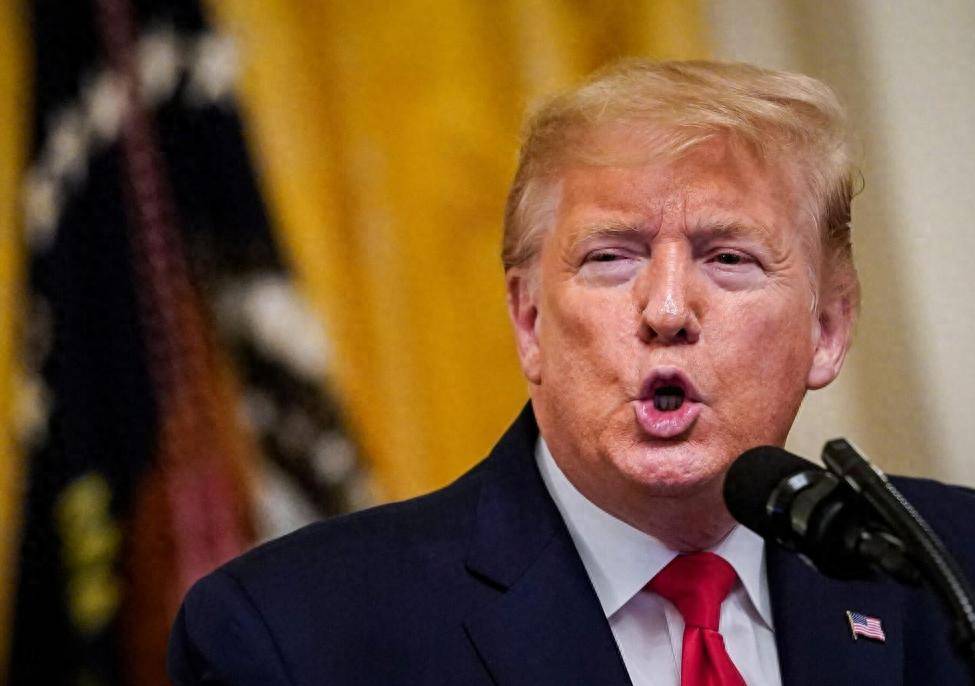
美财长很恼火:要求欧洲配合,一起制裁中国,欧洲人集体低头不语
Sou Hu Cai Jing· 2025-08-16 06:25
Group 1 - The meeting between former US President Trump and Russian President Putin on August 15 in Alaska is highly anticipated, with US Treasury Secretary Bessent suggesting that failure to achieve expected outcomes may lead to increased oil sanctions against Russia, which could pose greater risks and pressures on China [1] - Bessent expressed frustration over European representatives' silence when he proposed imposing 200% tariffs on Chinese goods in response to purchasing Russian oil, indicating their hesitation and the complexity of international relations [3][5] - The current economic status of China is significantly stronger than in previous decades, with a GDP of 126.06 trillion yuan in 2023 and a stable growth rate of 5.2%, making any trade friction with China a cautious consideration for other nations [8] Group 2 - The trade relationship between China and European countries is crucial, exemplified by Germany's trade volume with China reaching 245.4 billion euros in 2023, highlighting the potential economic repercussions of blindly following US proposals for high tariffs on Chinese goods [10] - China's advancements in technology, particularly in 5G, AI, and clean energy, have fostered important collaborations with European companies, indicating that sanctions could disrupt technological progress in Europe [12] - European nations recognize the importance of maintaining good relations with China for their long-term development, understanding that attempts to isolate or suppress China could lead to self-harm [14] Group 3 - The ongoing trade tensions between the US and China have not resolved as Trump anticipated, with his decision to suspend a 24% tariff on China reflecting his internal struggles and the complexities of the trade war [16] - Following the third round of US-China trade talks, both sides agreed to extend the suspension of certain tariffs, showcasing China's willingness to ease tensions and return to a cooperative relationship [16] - Bessent's evolving perspective on China, now referring to it as a "great nation," illustrates the respect China has gained in the economic struggle, emphasizing the need for dialogue and cooperation over confrontation [19]

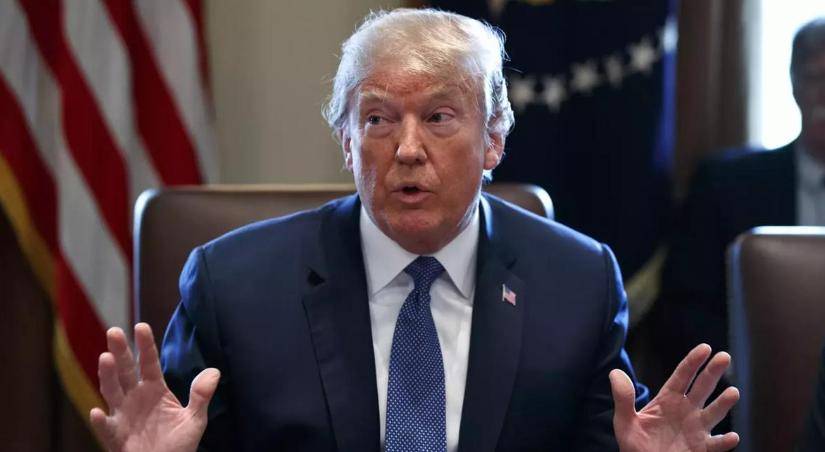
中国这招太狠!万斯反制中国买俄油,人民日报后手直击美国七寸
Sou Hu Cai Jing· 2025-08-16 03:13
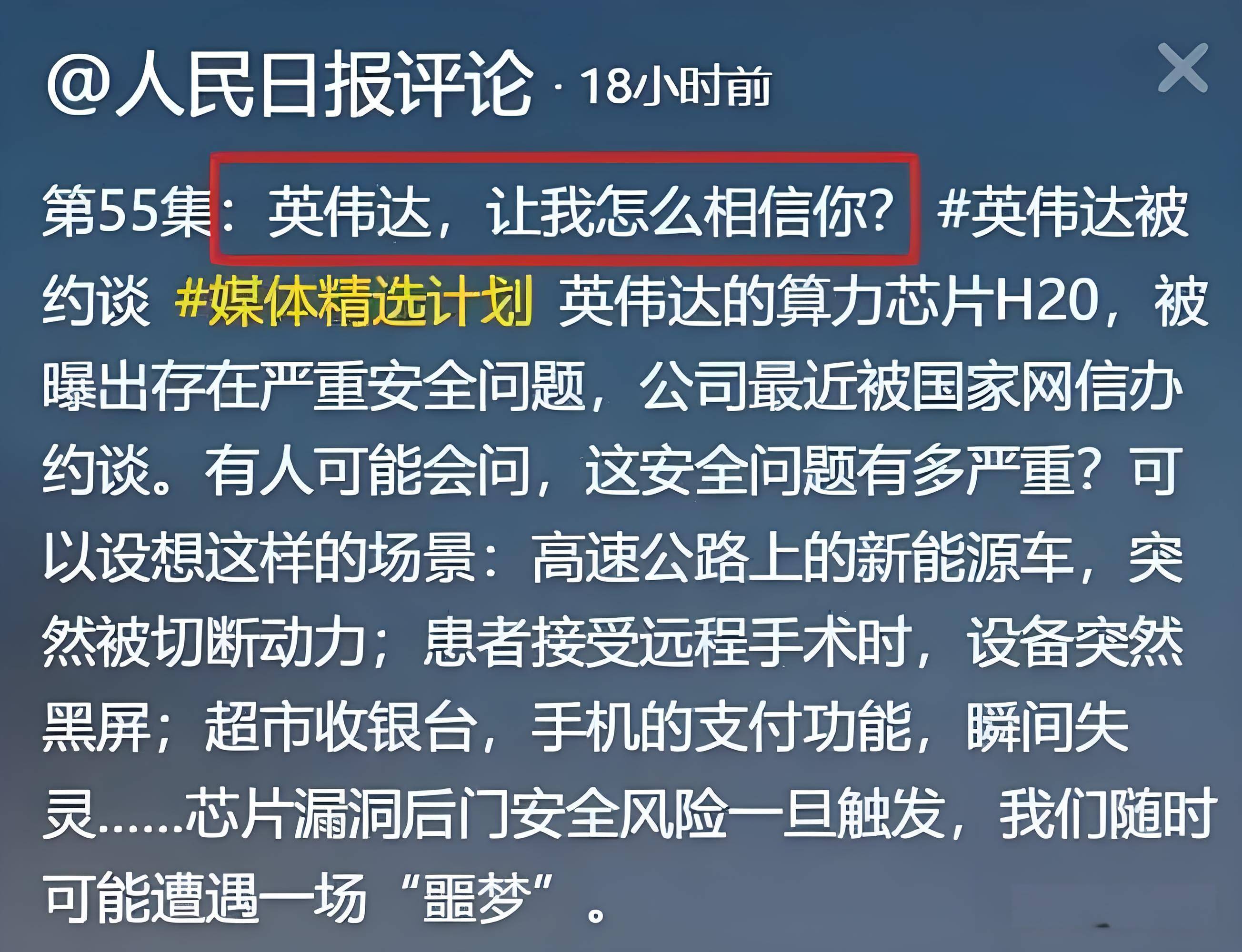
Group 1 - The recent statements by Trump regarding tariffs on China have created confusion, as he initially expressed a desire to reach an agreement but later considered imposing new tariffs [1][4] - The U.S. Vice President, Vance, indicated that the U.S. is contemplating new tariffs on China due to its continued purchase of Russian oil, similar to previous sanctions on India [4][8] - China is not as intimidated by U.S. threats as India was, and it has chosen to respond directly through a technology war rather than exhausting resources in a tariff battle [6][8] Group 2 - A Chinese media article accused U.S. tech companies of potentially embedding "backdoor" technologies in chips, which provoked a strong reaction from the U.S. tech sector, including a denial from Nvidia [9][10] - The article highlighted past U.S. government requests for tech companies to implant "backdoors," raising global concerns about U.S. technological leadership and integrity [9][10] - U.S. allies are increasingly anxious about the potential for U.S. interference in their technological advancements, fearing that their proprietary technologies could be compromised [11][12] Group 3 - The Chinese response has impacted the U.S. semiconductor industry, which holds 38% of global added value, with companies like Nvidia and Qualcomm accounting for 56% of profits [14] - The U.S. technology blockade against China is likely to accelerate China's push for domestic alternatives, which could severely affect revenues for U.S. semiconductor firms [14][16] - The recent developments have shifted the focus from a tariff war to a technology war, revealing U.S. hegemonic behavior in the global tech arena and potentially leading to long-term impacts on the U.S. tech market [16][17] Group 4 - On August 12, a compromise was reached with the signing of the Stockholm Trade Talks Joint Statement, which suspended the implementation of 24% reciprocal tariffs while maintaining 10% base tariffs [16][17] - Despite this, the U.S. continues to impose Section 301 tariffs and technology export controls on 136 Chinese entities, indicating a persistent strategy to hinder China's technological progress [16][17] - The situation presents both challenges and opportunities for China, particularly in advancing its domestic AI chip technology to overcome U.S. restrictions [17]
美财长G7会推对华200%关税,盟友集体沉默!欧洲选择让美国懵了
Sou Hu Cai Jing· 2025-08-15 23:31
Group 1 - The G7 summit revealed a significant tension regarding U.S. tariffs on China, with U.S. Treasury Secretary Mnuchin's proposal for a 200% secondary tariff on China met with silence from allies [1][3] - The U.S. is attempting to rally allies against China by proposing extreme tariffs on countries engaging in energy trade with Russia, specifically targeting China [3] - China's response to U.S. tariffs has been assertive, implementing countermeasures such as tariffs on U.S. agricultural products and technology, indicating a readiness to retaliate against perceived threats [5][7] Group 2 - European economies are heavily reliant on Chinese supply chains, with over 60% of industrial imports coming from China, making them vulnerable to U.S. tariff policies [7][8] - The U.S. has also imposed tariffs on European goods, causing distress among European manufacturers and prompting calls for unity to protect European interests [8][10] - Trust between the U.S. and its European allies has deteriorated due to inconsistent U.S. trade policies and threats, leading to concerns about the impact of tariffs on employment and competitiveness in Europe [10][12] Group 3 - The silence from G7 members during the tariff discussions indicates a shift in European attitudes towards U.S. unilateralism, with some countries seeking closer ties with China [12][14] - The current geopolitical landscape suggests that economic rationality may prevail over political coercion, as countries prioritize their economic survival and strategic dignity [14][15] - Analysts suggest that the self-damage from U.S. tariffs may outweigh any benefits, highlighting the unsustainable nature of aggressive tariff policies [15]
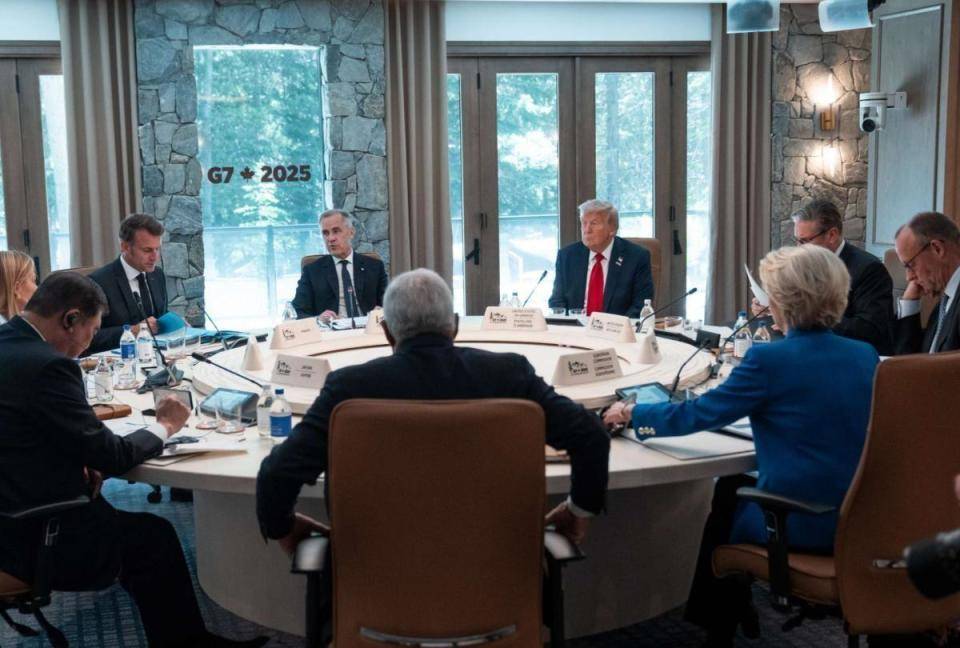
听说要和中国打关税战,在座的欧洲各国领导人,没一个人敢吱声
Sou Hu Cai Jing· 2025-08-15 12:44
Group 1 - The core issue revolves around the potential for a 200% secondary tariff on China discussed at the G7 summit, highlighting the divisions within the Western alliance regarding trade policies and sanctions against Russia [2][3][5] - The U.S. Treasury Secretary's comments reflect a growing frustration with European leaders' reluctance to impose strict tariffs on China, despite their vocal support for sanctions against Russia [2][5][7] - European countries, particularly Germany and France, are heavily reliant on trade with China, making the prospect of high tariffs economically damaging and politically sensitive [3][5][9] Group 2 - The G7 summit revealed significant discord among member nations, as the U.S. seeks to unify allies against China while facing pushback from Europe, which fears economic repercussions [7][9] - The U.S. has been inconsistent in its approach to sanctions, with recent actions against India indicating a focus on market access rather than a unified front against Russia and China [5][9] - The situation underscores the complexities of global trade dynamics, where countries must balance their economic interests with geopolitical pressures, particularly in the context of U.S.-China relations [7][9]
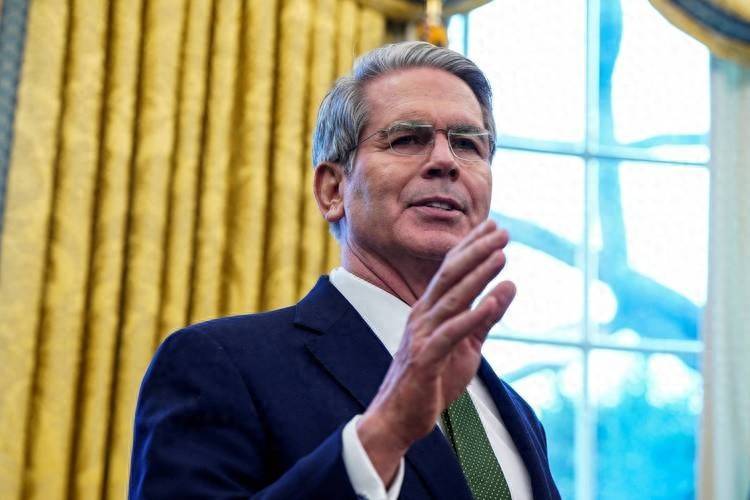
对华加税200%,G7跟不跟?听懂了美国的话外音,现场无一人应声
Sou Hu Cai Jing· 2025-08-15 12:44
Group 1 - The U.S. Treasury Secretary's call for high tariffs on countries purchasing Russian energy, particularly targeting China, reflects a unilateral approach that lacks support from European allies [1][3] - The proposed 200% tariff on China is deemed unrealistic, as even during the peak of the U.S.-China trade war, the highest tariff was only 145%, indicating the challenges of fully isolating China economically [3][5] - European nations are cautious about aligning too closely with U.S. policies against China, recognizing that such actions could jeopardize their own economic interests and access to the Chinese market [3][5] Group 2 - The U.S. strategy of encouraging allies to impose tariffs on China while avoiding direct confrontation reveals a desire to shift the burden of economic conflict onto other nations [5][7] - Historical patterns show that U.S. attempts to isolate countries like Iran have backfired, leading to stronger alliances among those targeted, similar to the current dynamics with China and Russia [9] - The silence from G7 nations during discussions about tariffs indicates a growing reluctance to support U.S. hegemonic ambitions, suggesting a potential shift in global economic alliances [11]
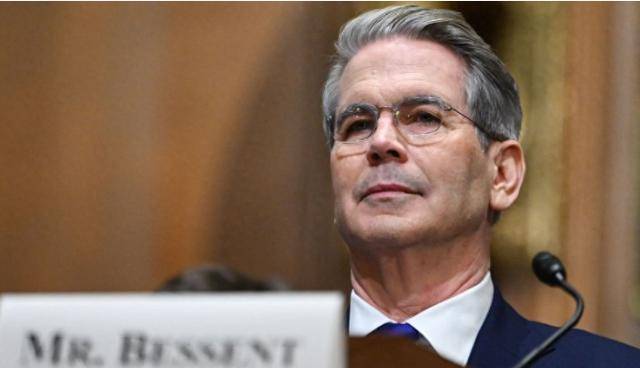
美债破37万亿后,特朗普打法全变了,俄欧成对手,中美要合作共赢
Sou Hu Cai Jing· 2025-08-15 03:28
为了在激烈的关税战中稳住美国经济的基盘,特朗普必须依赖美联储的货币政策,首先要确保降息顺利推进。尽管鲍威尔还继续担任美联储主席,但他配合 的降息举措似乎进展缓慢,特朗普对此颇为不满。除此之外,美国吸引外资的能力也十分关键,毕竟各国投资者的资金汇聚是美国经济稳定的重要保障。最 后,尽管关税对各国产品进入美国市场构成了一定的障碍,但这些因素加在一起,似乎远远不及美债问题带来的沉重负担。因此,特朗普要想解决当前困 境,必须加速推进国内外经济政策的调整。 多方迹象表明,近期美俄领导人的会晤目标并非单纯地寻求停火,而是通过达成一种稳定的框架来缓解乌克兰危机,并为最终结束该冲突创造条件。从美国 的角度来看,这一战略有两个明显的利益点:首先,通过加剧东欧局势,美国能够持续牵制欧洲,恶化俄罗斯与欧盟、中欧之间的关系,并通过军售和援助 乌克兰来消耗俄罗斯的力量;其次,俄罗斯如果希望在未来换取一定的制裁放宽,就必须在与朝鲜、伊朗等国家的地缘政治合作中作出妥协,同时分割国际 能源市场的利益。这一系列操作不仅可以继续打击俄罗斯,还能够为美国在全球战略布局中赢得更多筹码。 在这一过程中,尽管俄欧之间的冲突可能依旧未能得到彻底解决,但却 ...
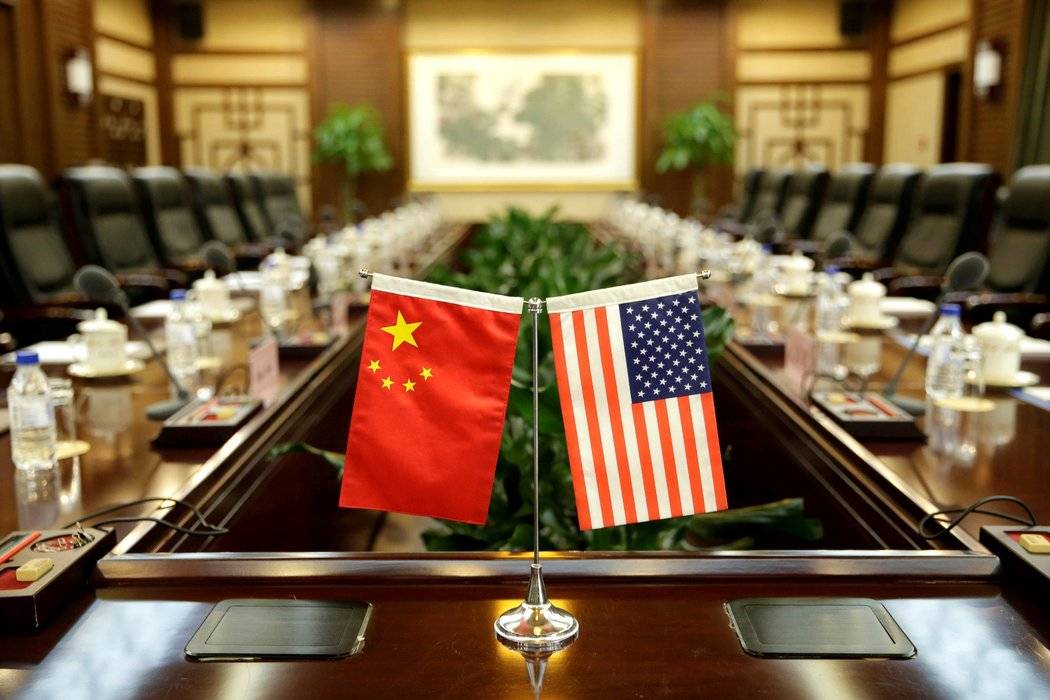
包藏祸心询问G7“对华加税200%”意愿,美财长碰了钉子
Guan Cha Zhe Wang· 2025-08-14 07:24
Group 1 - The core viewpoint of the articles revolves around the U.S. government's pressure on European allies to unify against Russia, particularly regarding sanctions on Russian energy purchases [1][2] - U.S. Treasury Secretary Mnuchin's comments indicate a push for higher tariffs on countries buying Russian energy, reflecting a strategy to politicize economic issues and exert hegemonic pressure [2][4] - The upcoming meeting between Trump and Putin is seen as a critical moment, with European leaders expressing concerns about potential unfavorable agreements for Ukraine [6][10] Group 2 - European leaders, including German Chancellor Merz, emphasize the necessity of Ukraine's involvement in any peace negotiations and the protection of European and Ukrainian security interests [6][10] - The U.S. has already imposed additional tariffs on India for purchasing Russian energy, suggesting a potential escalation of sanctions if the situation does not improve [5][6] - Analysts express skepticism about the effectiveness of the upcoming U.S.-Russia summit in achieving a ceasefire in Ukraine, highlighting the challenges Trump faces in dealing with Putin [10][11]
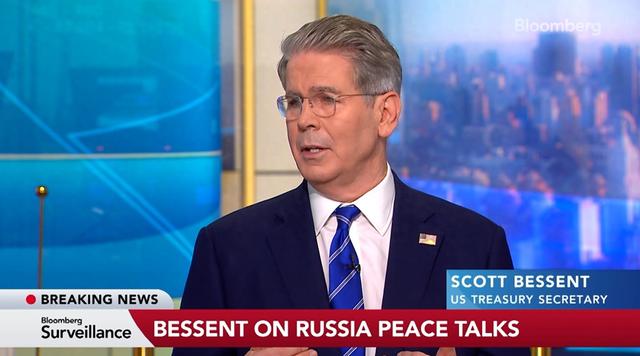
章家敦:特朗普必须给中国再加关税,现在全球嘲笑“美国认怂了”
Sou Hu Cai Jing· 2025-08-14 06:35
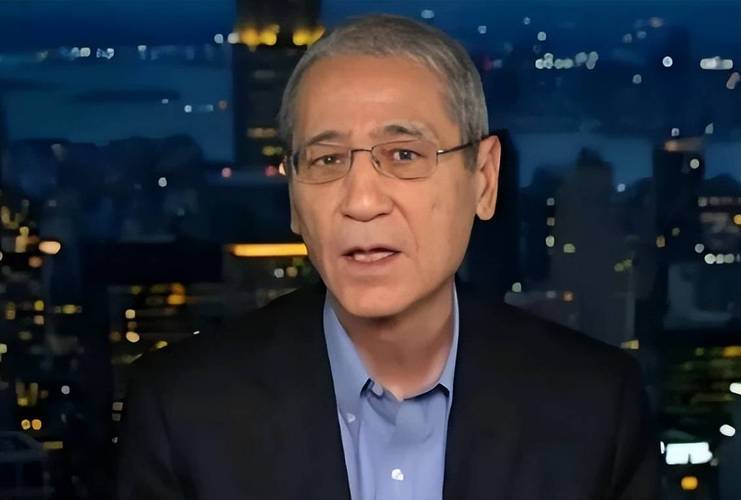
Group 1 - The article discusses the misleading statements made by Chang Jianjun on Fox News regarding U.S.-China trade relations and tariffs [1][3] - Chang claims that Trump's failure to impose punitive tariffs on China for purchasing Russian oil has emboldened China, leading to a perception that the U.S. is "backing down" [1][3] - The article criticizes Chang's selective narrative, which oversimplifies the complex U.S.-China economic relationship and ignores the historical context of tariff escalations [3][5] Group 2 - The article highlights that since April, the U.S. has imposed high tariffs on China, which has significantly disrupted normal trade relations and led to retaliatory measures from China [5] - It notes that the tariff rates between the two countries have exceeded 125%, causing immense pressure on businesses and a severe impact on the global economy [5] - The article argues that Trump's decision to seek negotiations with China was a response to the unsustainable nature of the tariff conflict, contrary to Chang's claims [5][7] Group 3 - The article emphasizes that Trump's reluctance to impose tariffs on China for Russian oil purchases is due to China's significant role in the international energy market and the potential harm to U.S. interests [7] - It asserts that China's market strength and manufacturing capabilities provide it with the resilience to counter U.S. trade pressures, which Chang fails to acknowledge [7]
中方对美国松口了?决定对美放开稀土,福特CEO反应十分快,关税战败北?
Sou Hu Cai Jing· 2025-08-14 06:35
可关键的第三轮谈判,进展不太顺利。美国虽说在谈判前主动对外放风,还撤销了一些针对咱中国的制 裁措施,看起来挺积极,期待值也很高,可实际上,他们做的这些事儿,都没在咱中方关切的核心点 上。就比如说"芬太尼关税",特朗普上台后,就把这锅甩给咱中国,还加征"芬太尼关税",咱中方那是 明确反对。 到现在,美国还揪着这事儿问责咱,不愿意撤销这项不合理的关税。还有高端芯片对华出口,美国为了 遏制咱中国科技发展,这两年在高端芯片领域搞出口管制。第三轮谈判前,他们放宽了H20芯片出口限 制,可谁能想到,这次出口的H20芯片不仅是次等货,还存在严重安全问题,咱中国网信办都约谈英伟 达公司了。 美国这所谓的善意,全是"水分",根本就没改变对华打压的态势。在这种情况下,关税领域的第三轮谈 判基本没啥成果,双方就达成了一个共识,把停战期展期90天。特朗普虽说对谈判给了个积极评价,可 心里估计还是不太得劲儿,只能尽量把签字日期往后拖,想对外展示美国对谈判不着急的样子。 就在双方做出承诺的同时,咱中国这边有个大动作,对外宣布暂停对美国相关实体实施出口管制,其中 就包括针对稀土的管制措施。也就是说,咱中国对美放开稀土出口了。这可不得了,消 ...
特朗普刚对印度掀桌,又动了向中国加税的念头,金砖不怕向美宣战
Sou Hu Cai Jing· 2025-08-13 03:08
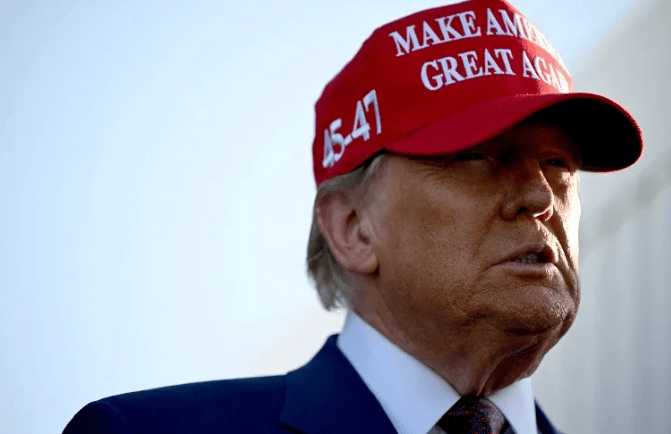
作为最早一批跟美国开启贸易谈判的国家,印度至今未能跟美国达成贸易协议,这让特朗普政府渐渐失去了耐心,决定直接对印度"掀桌"。 就在近日,美国总统特朗普以"印度购买俄罗斯石油"为借口,宣布对印度加征额外关税,以至于印度商品出口到美国,都将背上50%的高额关税。 与此同时,特朗普又宣布可能会对中国加征新关税,以应对"中国购买俄罗斯石油"的情况。 他的原话是这么说的,"现在美国已经对印度实施了额外关税,接下来可能会对其他国家实施,其中一个可能就是中国"。 那么我们又该如何看待特朗普这一动作呢?中印各自又会有怎样的反应呢? 首先,只能说特朗普加税加上瘾了,认为一切问题都可以通过关税解决。俄罗斯迟迟不跟乌克兰达成和平协议?加税!印度拖延跟美国的谈判进程?加税! 中国拒绝接受美国的关税霸凌?还是加税! 特朗普刚对印度掀桌,又动了向中国加税的念头,卢拉一语道破,金砖不怕向美"宣战"! 美国总统特朗普 印度总理莫迪 中俄印巴作为金砖成员国,同样面临着来自美国的关税威胁,这也让金砖国家更加坚定了合作的信念。 巴西总统卢拉就直言,自己要跟中印打电话,讨论金砖国家如何联手应对特朗普的关税施压。 中美关系 总之,特朗普现在用的最趁手 ...