技术创新

Search documents
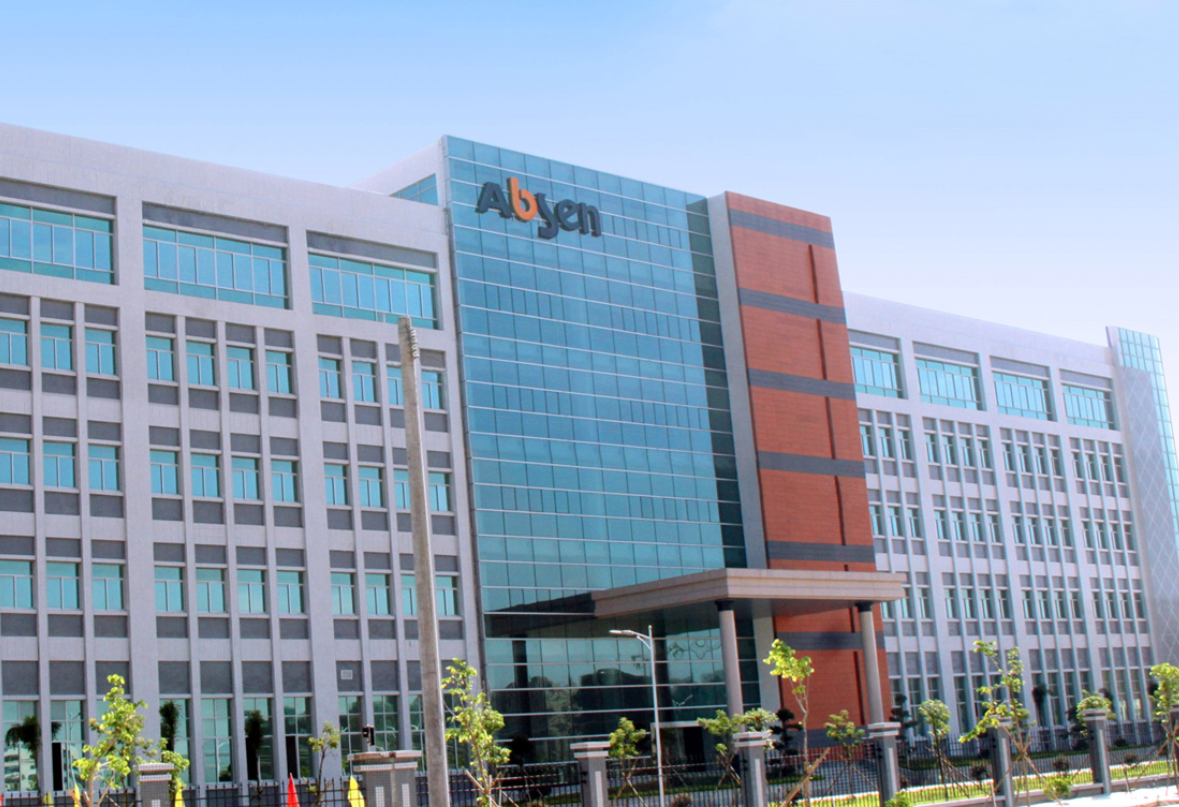
艾比森2025年营收约41.56亿元,净利润同比预增超105%
Ju Chao Zi Xun· 2026-01-09 03:13
Core Viewpoint - The company, Absen, forecasts a significant increase in net profit for the year 2025, with expectations of reaching between 240 million to 290 million yuan, representing a growth of 105.32% to 148.09% compared to the previous year [2] Group 1: Financial Performance - The projected net profit attributable to shareholders is expected to be between 240 million to 290 million yuan, a substantial increase from 116.89 million yuan in the previous year [2] - The net profit after deducting non-recurring gains and losses is anticipated to be between 218.85 million to 268.85 million yuan, marking a significant growth of 188.35% to 254.23% from 75.90 million yuan [2] - Basic earnings per share are expected to be between 0.6502 yuan and 0.7857 yuan, an increase of 103.70% to 146.15% from 0.3192 yuan in the previous year [2] Group 2: Revenue Growth - The company expects to achieve an operating revenue of approximately 4.156 billion yuan in 2025, reflecting a year-on-year increase of about 13.46% compared to 2024 [2] - Revenue from overseas markets is projected to be around 3.193 billion yuan, with a year-on-year growth of approximately 8.94%, supported by a well-established global channel network [2] - In the domestic market, despite a general decline in LED display demand, the company achieved a revenue of about 963 million yuan, representing a year-on-year increase of approximately 31.56% [2] Group 3: Profitability and Efficiency - The gross profit margin for 2025 is expected to be around 31%, an increase of approximately 3.5 percentage points compared to 2024, driven by strategic initiatives in technology and product management [3] - The company has focused on high-quality operations, resulting in a reduction of the expense ratio by about 0.8 percentage points year-on-year [4] - Operating cash flow is projected to reach approximately 824 million yuan, a significant increase of about 440% compared to 2024 [4] Group 4: Strategic Initiatives - The company emphasizes a "technology-leading" strategy, increasing R&D investment to foster a cycle of innovation and market premium [3] - A focus on high-value projects and premium clients has been established to enhance customer lifetime value and brand influence [3] - The company is actively reallocating resources from low-efficiency markets to high-value markets and products, optimizing its channel strategies [4]


原材料涨价潮催生锂电池产业变革
Huan Qiu Wang Zi Xun· 2026-01-09 01:05
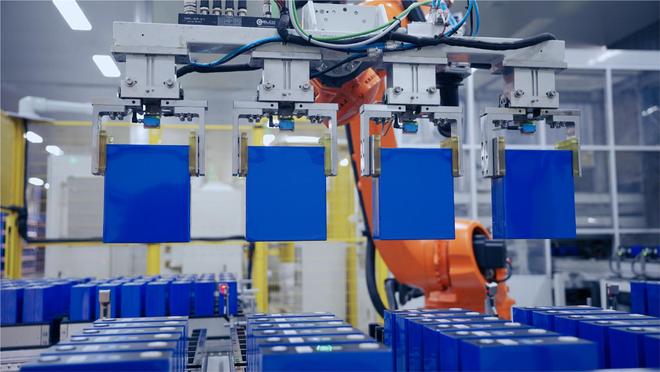
来源:科技日报 科技日报记者 王禹涵 苏州德加能源科技有限公司日前宣布,其电池系列产品售价上调15%,理由是"受锂电池原材料价格大 幅上涨的影响"。 这并非孤例。2025年末,一场由锂电池核心原材料价格飙升引发的连锁反应,正从产业链上游向下游蔓 延,在电池行业激起千层浪。作为锂电池的重要原材料,六氟磷酸锂价格从2025年7月的每吨4.93万元 飙升至近日的每吨17万元左右,市场一度呈现"一天一价"的态势。与此同时,宁德时代新能源科技股份 有限公司(以下简称"宁德时代")、惠州亿纬锂能股份有限公司等头部锂电池企业集体按下扩产"加速 键"。 原材料涨价与锂电池扩产并行,这看似矛盾的现象背后,实则蕴含着我国锂电池产业转型的深层逻辑 ——从"规模扩张"转向"质量突围"。 供需错配导致价格上涨 "涨得太快了,猝不及防。"多位锂电池产业链中下游从业者向科技日报记者坦言,六氟磷酸锂等核心原 材料价格的飙升,让整个行业措手不及。 中关村新型电池技术创新联盟理事长、电池百人会理事长于清教分析说,原材料涨价的根源,在于储能 与新能源汽车两大领域持续超预期的需求,特别是海外储能市场出现的"爆单"现象,加剧了这一趋势。 市场数据印证 ...


艾比森(300389) - 2026年1月8日投资者关系活动记录表
2026-01-09 00:52
Group 1: Company Overview and Performance - In 2025, the company achieved a net profit of approximately 240 million to 290 million CNY, representing a year-on-year growth of 105.32% to 148.09% [6] - The expected operating revenue for 2025 is about 4.156 billion CNY, an increase of approximately 13.46% compared to 2024 [7] - The company’s overseas revenue reached approximately 3.193 billion CNY, growing by about 8.94%, while domestic revenue was around 963 million CNY, with a year-on-year increase of approximately 31.56% [8] Group 2: Technological and Market Strengths - The company has invested significantly in R&D, holding multiple patents, with products like the COB curved screen and virtual studio setting industry benchmarks [3] - The brand value is estimated at 16.6 billion CNY, and the company has been recognized as a top management company by Deloitte for four consecutive years [4] - The company has established a "patent + talent + demand" R&D model, collaborating with universities to quickly convert customer needs into innovative products [4] Group 3: Future Development Plans - In 2026, the company will focus on three core areas: deepening technology implementation, capturing incremental markets, and optimizing global layout [5] - The company aims to accelerate the application of AI + display scenarios in commercial and cultural tourism sectors [5] Group 4: Competitive Advantages - The company maintains a leading position in technology through continuous innovation and product performance enhancement [11] - A robust service system has been established, providing comprehensive support from consultation to maintenance [12] - The company has built a cost advantage by optimizing production processes and supply chain management [12] - A global sales network with over 6,000 partners covers more than 140 countries, enhancing market penetration [12] - The organizational culture emphasizes collaboration and efficiency, fostering a cohesive work environment [12]
技术为底,渠道为王,元鼎智能的全球共赢智慧
雷峰网· 2026-01-09 00:31
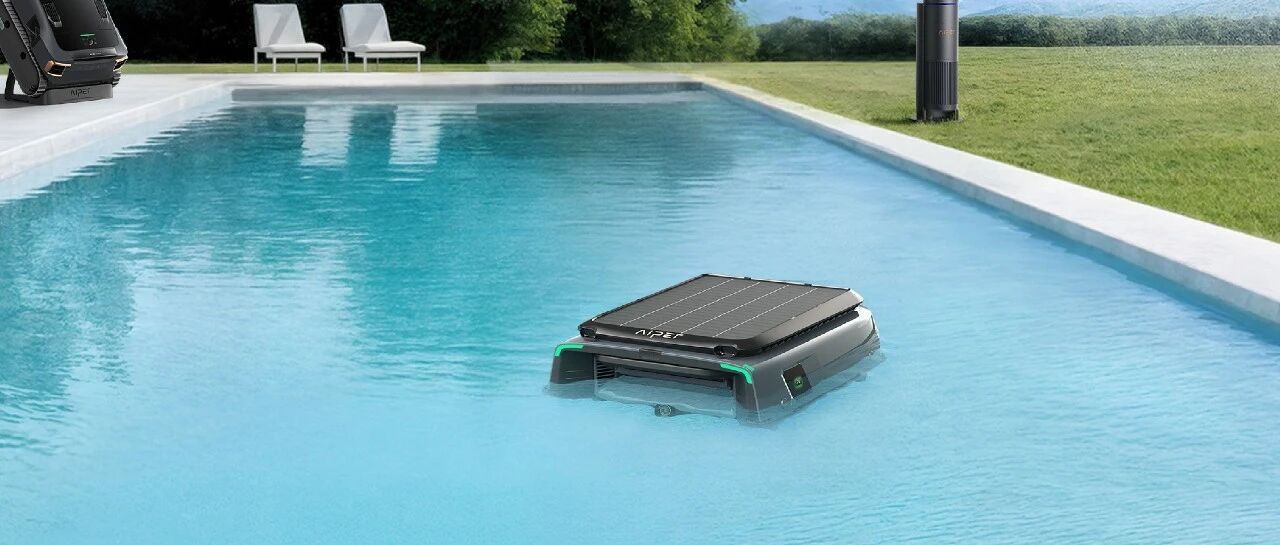
Core Viewpoint - The article emphasizes that true internationalization goes beyond merely capturing market share; it involves gaining widespread recognition and long-term respect through collaborative wisdom [1]. Group 1: Industry Competition - The competition in the pool cleaning robot industry is evolving from a focus on product and technology to a comprehensive battle over funding and channel capabilities, which are often more critical to the outcome [4][3]. - Major players have established formidable competitive barriers across various dimensions, making it difficult for challengers to catch up [2]. - Aiper (元鼎智能) has raised nearly 1 billion RMB in funding, setting a new industry benchmark and demonstrating that substantial financial resources are essential for strategic positioning [5]. Group 2: Technological Innovation - Aiper has led industry transformation by launching six advanced AI pool robot models at CES 2026, showcasing the future of smart pool and garden care [6]. - The company has skipped a generation in technology, moving directly to fifth-generation products that integrate physical cleaning and water quality management, thus achieving a significant lead in the industry [8]. - Continuous investment in technology has allowed Aiper to build a comprehensive smart ecosystem that includes pool cleaning, water quality management, and smart irrigation [8]. Group 3: Strategic Partnerships - Aiper has formed strategic partnerships with global leaders Fluidra and SCP, enhancing its global logistics, distribution networks, and service capabilities [9][11]. - These collaborations not only broaden Aiper's sales channels but also provide efficient access to European and American pool service providers, enhancing user insights and product iteration [14]. - The partnerships signify a shift in the competitive landscape of the pool cleaning robot industry, establishing Aiper as a key player [14]. Group 4: Market Positioning - Aiper has become the top-selling pool cleaning robot company globally, achieving significant market share during key sales events like Amazon Prime Day [17]. - The company has successfully penetrated major retail chains, including Walmart, Best Buy, and Costco, demonstrating its strong brand presence and sales performance [17]. - The traditional pool equipment market is characterized by a reliance on professional channels, which Aiper is strategically targeting to establish deeper connections with local consumers [18][20]. Group 5: Globalization Strategy - Aiper's approach to globalization emphasizes resource integration rather than a solitary push into foreign markets, providing a more sustainable growth model [27]. - The company has focused on building internal capabilities while forming external alliances, which is seen as a long-term strategy for quality growth [28]. - Aiper's success in the pool cleaning robot sector is attributed to its early strategic positioning and resource accumulation, allowing it to navigate industry challenges effectively [28].
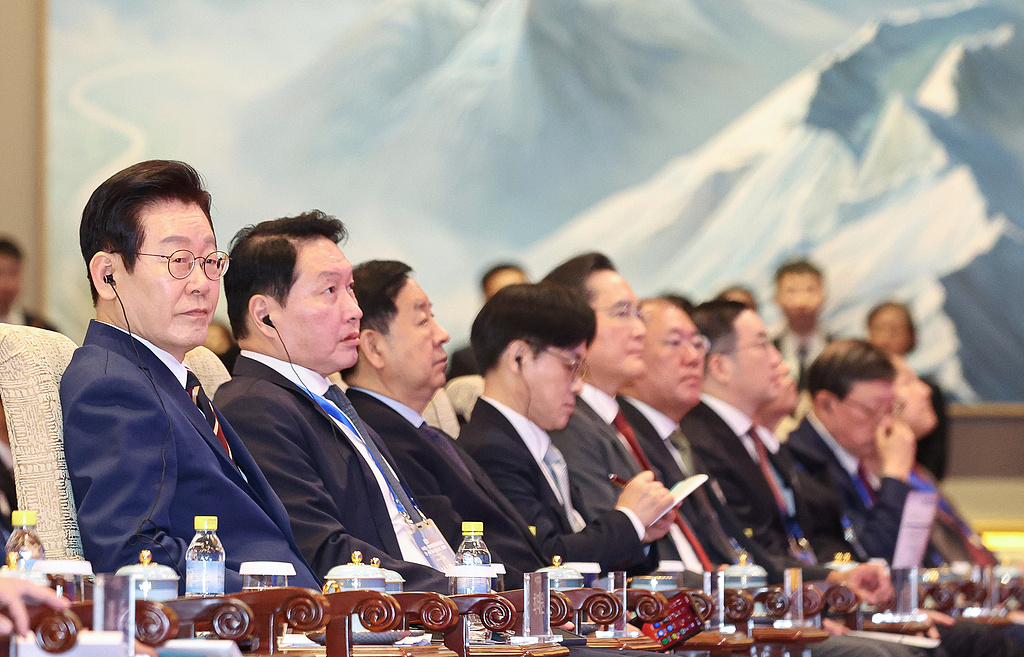
韩国总统访华经济代表团成员接受《环球时报》专访:“中国是我们的核心战略市场”
Huan Qiu Shi Bao· 2026-01-08 22:40
展望未来,李焕铁告诉记者,他们已制订在昆山扩大投资、扩建厂房的计划,"预计2027年起实现大规模销售,目标是在中国市场达成60亿元人民 币销售额,并推动中国法人独立上市。"除此之外,这位企业家说,爱恩斯还将在昆山开展韩中联合研发,根据中国患者的临床需求迭代产品,同 时构建韩中医生技术交流平台,让手术技术、治疗方法在深度交流中碰撞出更多火花。 【环球时报报道 记者 陈子帅】2026年伊始,中韩经贸交流热潮涌动。200余位韩国企业家组成的经济代表团随总统赴华,开启一场承载着深度合 作期许的经贸之旅。这是韩国时隔6年组织的最大规模对华经济访问团,在华期间,韩方企业家密集参与各类高端论坛,同中国企业围绕合作与技 术创新等议题深入交流、碰撞思路。接受《环球时报》记者采访的韩国企业家代表直言,代表团规模如此之大,释放一种明确信号——"韩国企业 将中国视为核心战略市场,希望通过与中国深度合作,共同发掘新的增长机遇。" " 这里是我创业路上不可或缺的土壤 " "我对中国的产业生态、市场活力有着直观的感受,这里早已是我创业路上不可或缺的土壤。"韩国熙恩斯公司创始人安重贤在接受《环球时报》 记者采访时,首先强调了他和中国密不可分 ...
高新区狮山商务创新区新添省级企业技术中心
Xin Hua Ri Bao· 2026-01-08 21:40
Core Insights - Three companies from Suzhou High-tech Zone Shishan Business Innovation District have been selected as provincial enterprise technology centers for 2025, which are crucial for building technological innovation systems and enhancing competitive market positions [1] Company Summaries - Suzhou Lianxun Instrument Co., Ltd. has achieved key technological breakthroughs in optical communication testing, power device testing, and semiconductor integrated circuit testing [1] - Suzhou Haipeng Technology Co., Ltd. focuses on distributed photovoltaic inverter products and smart energy management solutions, with products sold in over 70 countries across five continents [1] - Suzhou Gaiya Information Technology Co., Ltd. has developed core technologies for real-time parallel processing of massive data and dynamic scheduling algorithms for heterogeneous data, serving clients in 34 countries and regions with over 7 million employees using its services daily [1]
深耕高电压检测技术 助力新型电力系统建设
Xin Lang Cai Jing· 2026-01-08 20:04
在全球能源转型加速、电力系统呈现高电压与大容量发展趋势的背景下,高电压检测设备已成为保障电 力系统安全稳定运行的重要支撑。自山东希波成立以来,总经理彭英便专注于这一关键领域,以科学管 理、持续创新和国际化视野带领公司成长为国内高电压检测设备的重要力量。 创业初期,彭英便确立了以技术创新驱动企业发展的战略理念。在她的引领下,山东希波逐步构建了覆 盖研发、生产、销售的全产业链体系。同时,通过设立上海希波电气科技有限公司,打造了总部与生产 基地协同发展的双核模式。这一布局不仅优化了资源配置,也形成了技术研发到市场开拓的高效闭环, 使公司能够快速响应国内外市场需求。 彭英高度重视核心技术积累和科研成果转化。她带领团队持续推进500kV及以下高电压检测设备的迭代 研发。2014年以来,她参与发明并推动了包括"10kV悬挂式试验终端""110kV高压电缆局放试验水终端 装置""高压电缆局部放电干式试验终端及应力锥"在内的二十余项专利技术,这些成果构成了企业的核 心竞争力,为我国电力装备制造提供了可靠的技术保障,也推动了高电压试验设备整体技术水平的提 升。 展望未来,彭英表示将继续带领希波团队坚守技术创新与服务初心,推动高 ...
盛帮股份:公司未来将继续坚持目前行业定位
Zheng Quan Ri Bao Wang· 2026-01-08 14:13
Core Viewpoint - The company, Shengbang Co., Ltd. (301233), aims to maintain its current industry positioning focused on rubber polymer material products while exploring technological and product applications in other industries to enhance innovation and technical capabilities [1] Group 1 - The company will continue to focus on rubber polymer material products as its core business [1] - There is an emphasis on driving technological innovation and product applications into other industries [1] - The company plans to enhance its technological innovation and reserves to improve overall capabilities [1] Group 2 - The company intends to deepen penetration into existing product application areas [1] - There is a commitment to improving product technical capabilities across different industries [1] - The company aims to diversify its product portfolio in various sectors [1]
航发动力:公司持续在航空发动机领域深耕技术创新和产业升级
Zheng Quan Ri Bao Zhi Sheng· 2026-01-08 13:43
Core Viewpoint - The company aims to become a world-class aviation engine enterprise, focusing on technological innovation and industrial upgrades in the aviation engine sector [1] Group 1 - The company adheres to the mission of strengthening the military and serving the country through technology [1] - The company is committed to continuously enhancing its market competitiveness and influence according to its development strategy [1]

金力永磁发盈喜,预期年度归母净利润6.6亿元-7.6亿元 同比增长127%-161%
Zhi Tong Cai Jing· 2026-01-08 13:10
Core Viewpoint - The company, Jinli Permanent Magnet (金力永磁), expects to achieve a net profit attributable to shareholders of RMB 660 million to RMB 760 million for the fiscal year ending December 31, 2025, representing a year-on-year growth of 127% to 161% [1] Group 1: Financial Performance - The anticipated net profit for 2025 is between RMB 660 million and RMB 760 million, indicating significant growth compared to the previous year [1] - Non-recurring gains and losses are expected to impact net profit by approximately RMB 80 million [1] Group 2: Business Strategy and Operations - The company emphasizes that "technological innovation is the lifeblood of the enterprise" and plans to increase investment in R&D to drive development [1] - The company achieved record high production and sales volumes, reinforcing its leading position in the global rare earth permanent magnet industry [1] - In response to intensified industry competition, the management adheres to a prudent and compliant operational approach while actively expanding the market [1] Group 3: Product Applications and Partnerships - The company's products are widely used in various sectors, including new energy vehicles, energy-efficient variable frequency air conditioners, wind power generation, robotics, industrial servo motors, 3C, low-altitude aircraft, and energy-saving elevators [1] - The company has established long-term stable partnerships with leading enterprises in various fields [1] - Small batch deliveries of products related to robotic motor rotors and low-altitude aircraft have already been made during the reporting period [1] Group 4: Financial Costs - The company incurred approximately RMB 110 million in expenses related to A-share and H-share equity incentives and H-share convertible bond issuance, which includes share-based payment and financial costs [1]