AI泡沫

Search documents
拉响紧急警报后,奥特曼再遭暗讽:孤注一掷,或将死无全尸!
Sou Hu Cai Jing· 2025-12-04 20:13
Group 1 - The core theme of the summit was the impact of artificial intelligence (AI), with industry leaders expressing both optimism and concern about its future implications [2][8]. - Larry Fink, CEO of BlackRock, highlighted that the AI race will produce both significant winners and losers, with potential job losses in the workforce [4][10]. - Dario Amodei, CEO of Anthropic, warned that up to 50% of entry-level jobs could be permanently replaced by AI, predicting a rise in unemployment rates to 10%-20% within five years [4][7]. Group 2 - Amodei proposed a three-tier response model involving businesses, government, and society to address the challenges posed by AI, emphasizing the need for collaboration and proactive government intervention [5][7]. - He criticized the notion that retraining programs alone could solve the employment crisis, suggesting a fundamental shift in societal values regarding work [7][10]. - The AI industry is experiencing rapid growth, with major tech companies investing hundreds of billions in AI infrastructure, and 49 U.S. AI startups raising at least $100 million this year [8][10]. Group 3 - Amodei expressed skepticism about the sustainability of the current AI investment frenzy, warning that misjudgments in timing could lead to severe consequences for industry players [12][14]. - Anthropic's strategy focuses on collaborating with large enterprise clients and managing risk conservatively, contrasting with competitors who may be taking excessive risks [14][28]. - The company recently launched its strongest AI model, Claude Opus 4.5, which excels in generating code and processing documents, indicating its competitive edge in the enterprise sector [26][28]. Group 4 - Amodei believes that the path to achieving Artificial General Intelligence (AGI) lies in scaling AI models, which have shown consistent improvement through minor adjustments [29][30]. - He noted that current AI models are capable of performing complex tasks, such as writing code and excelling in mathematical competitions, suggesting ongoing advancements in AI capabilities [30][32]. - Anthropic is preparing for a potential IPO in 2026, which could be one of the largest in history, reflecting its growth and market potential [32].

地缘经济与双循环|2025年中金公司年度投资策略会
中金· 2025-12-04 15:36
Investment Rating - The report does not explicitly provide an investment rating for the industry Core Insights - The Chinese economy is facing dual challenges of debt tightening and declining real estate prices, leading to reduced consumption and investment, which puts pressure on economic growth [1][3] - The geopolitical economic competition between China and the US shows that China leads in manufacturing while the US excels in monetary finance [1][5] - AI technology advancements are driving the chip industry, but the efficiency of performance improvements is decreasing according to Moore's Law, raising concerns about potential AI bubble risks [1][6] - The US and Europe are implementing policies to reduce reliance on Chinese manufacturing, which has already led to a significant decrease in China's exports to the US [1][7] - China's exports are showing strong growth, particularly to Africa, ASEAN, and Europe, as companies increasingly rely on export markets due to weak domestic demand [1][8] Summary by Sections Economic Challenges - The main challenges facing the Chinese economy include debt tightening and declining real estate prices, which have led to reduced consumption and investment, creating downward pressure on economic growth [3][4] - The increase in debt repayments by businesses and households has led to higher savings, but weak demand has resulted in decreased loan demand [3][4] Geopolitical Competition - China and the US have distinct competitive advantages, with China excelling in manufacturing and the US in monetary finance [5] - Both countries are advancing in the digital economy and AI, but the US is attempting to restrict China's AI technology development through semiconductor export limitations [5] AI and Chip Industry - AI advancements are significantly impacting the chip industry, allowing for performance improvements through algorithm optimization, but the diminishing returns on investment in chip performance need to be monitored [6] Trade Dynamics - The US and Europe are taking measures to reduce dependence on Chinese manufacturing, with new tariffs leading to a notable decline in Chinese exports to the US [7] - China's export growth is robust, driven by weak domestic demand and a shift in trade partners towards countries along the Belt and Road Initiative [8][9] Domestic Demand Issues - The imbalance between production and consumption in China is contributing to insufficient domestic demand, necessitating coordinated development of internal and external cycles to enhance consumption [10][11] - Improving income distribution and strengthening the social security system are essential for boosting total demand and sustainable economic growth [10][14]

贝莱德:AI 仍将主导 2026 年市场 但投机性交易及杠杆恐加剧波动
Sou Hu Cai Jing· 2025-12-04 14:36
全球最大资产管理公司贝莱德预计人工智能将在 2026 年继续主导市场,但同时预测投机性交易和杠杆 操作将加剧市场风险、可能导致投资者经历类似上月大幅抛售的动荡行情。 贝莱德欧洲、中东和非洲地区基础股票首席投资官海伦・朱厄尔 (Helen Jewell) 表示,AI 相关投资的回 报将保持上升趋势,但期间可能出现对行业估值或前景的疑虑,导致股价波动。她表示:"我是否预期 AI 增长回报呈上升趋势?是的,这些是由拥有巨额现金的企业推动的惊人资本支出。" 但她同时表 示:"我是否认为这一过程会颠簸起伏?同样是的。" 她指出,市场拥挤和杠杆是导致市场波动的关键 原因。 就在过去的 11 月,市场对企业为争建新数据中心而过度支出的担忧,引发了美国股市数月来最大幅度 的回调。与此同时,对冲基金也正以接近纪录水平的杠杆进行交易,这增加了市场风险 —— 如果资产 价格下跌迫使他们为满足贷款方要求而清算头寸以换取现金,可能导致快速而猛烈的短期抛售。 朱厄尔表示,她正在增持欧洲能源和电力基础设施类股的仓位,例如西门子能源公司,因为 AI 热潮和 争建新数据中心的浪潮提升了对涡轮机、电网技术和清洁能源的需求。 尽管对 AI 是否存 ...
贝莱德:AI仍将主导2026年市场 但投机性交易及杠杆恐加剧波动
智通财经网· 2025-12-04 13:47
智通财经APP获悉,全球最大资产管理公司贝莱德预计人工智能(AI)将在2026年继续主导市场,但同时 预测投机性交易和杠杆操作将加剧市场风险、可能导致投资者经历类似上月大幅抛售的动荡行情。 贝莱德欧洲、中东和非洲地区(EMEA)基础股票首席投资官海伦·朱厄尔(Helen Jewell)表示,AI相关投资 的回报将保持上升趋势,但期间可能出现对行业估值或前景的疑虑,导致股价波动。她表示:"我是否 预期AI增长回报呈上升趋势?是的,这些是由拥有巨额现金的企业推动的惊人资本支出。"但她同时表 示:"我是否认为这一过程会颠簸起伏?同样是的。"她指出,市场拥挤和杠杆是导致市场波动的关键原 因。 就在过去的11月,市场对企业为争建新数据中心而过度支出的担忧,引发了美国股市数月来最大幅度的 回调。与此同时,对冲基金也正以接近纪录水平的杠杆进行交易,这增加了市场风险——如果资产价格 下跌迫使他们为满足贷款方要求而清算头寸以换取现金,可能导致快速而猛烈的短期抛售。 朱厄尔表示,她正在增持欧洲能源和电力基础设施类股的仓位,例如西门子能源公司,因为AI热潮和 争建新数据中心的浪潮提升了对涡轮机、电网技术和清洁能源的需求。 尽管对A ...
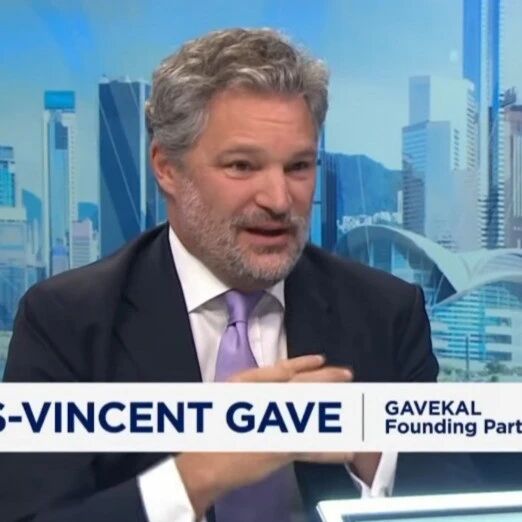
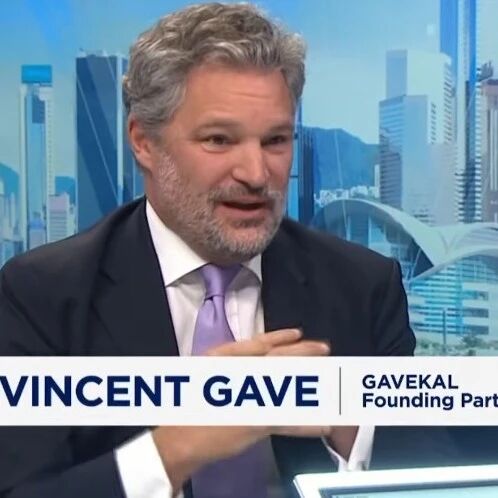
大佬Gave警告:美联储财政部合流大局已定,明年美债或先崩,亚洲货币升值将终结黄金牛市
美股IPO· 2025-12-04 13:36
Core Viewpoint - The convergence of the Federal Reserve and the Treasury is expected to lead to a collapse of the U.S. bond market, with implications for asset allocation and investment strategies [1][5][6]. Group 1: U.S. Bond Market and Economic Implications - The current situation in the U.S. bond market mirrors Japan's, where low interest rates have led to bond sell-offs, indicating a potential crisis for U.S. bonds [5][6]. - The "Turkish scenario" is referenced, where the value of bonds and currency is sacrificed for nominal GDP growth, prompting investors to seek tangible assets like stocks and precious metals [7][8]. - The long-term impact of the Federal Reserve's policies is anticipated to manifest in the bond market first, potentially affecting the stock market and the dollar [5][6]. Group 2: Gold and Asian Currencies - The outlook for gold is closely tied to the performance of Asian currencies, particularly the undervalued Japanese yen, with a potential appreciation expected by 2026 [1][10]. - Recent trends show that gold and silver have been effective hedges against zero interest rates, with significant price increases of 55% for gold and 100% for silver this year [8][10]. - If Asian currencies appreciate, it may lead to a decrease in demand for gold as capital flows back to local assets, altering the current trading logic for gold [10][11]. Group 3: AI Market and IPO Concerns - The preparation for an IPO by AI company Anthropic raises concerns about a potential turning point in the capital-intensive bull market, suggesting a shift from rewarding spending to rewarding asset divestment [2][11][12]. - Historical patterns indicate that markets may transition from rewarding companies for high spending to penalizing them for excessive capital expenditures, which could impact the feasibility of upcoming IPOs [12][13]. - The financial metrics surrounding AI investments are daunting, with the need for AI to generate revenues significantly exceeding those of the global advertising industry to justify current valuations [15][16].
前瞻拿下地平线、率先出手宇树科技!祥峰投资VC版图曝光
Zheng Quan Shi Bao Wang· 2025-12-04 12:33
Core Insights - Yushu Technology has gained global attention in 2025 for its advanced humanoid robots, marking a significant event in the tech industry. The company was initially questioned for its potential but received early investment from Xiangfeng Investment during its Pre-A round [1] - Xiangfeng Investment, a member of Singapore's Temasek Group, has strategically invested in various hard-tech sectors in China, including artificial intelligence, biotechnology, and smart hardware, focusing on long-term value in hard technology [1][2] Investment Strategy - Xiangfeng Investment has been active in China since 2009, initially focusing on semiconductor investments, which have resulted in the cultivation of 10 unicorn-level companies in the sector [2][3] - The firm has recently increased its focus on robotics, with Yushu Technology being its first investment in this area. The decision was based on the belief that China would develop similar high-tech companies as seen with Boston Dynamics [3] Market Trends - The investment logic of Xiangfeng Investment emphasizes long-term technological innovation over short-term trends, believing that true value lies in core technology rather than merely following market fads [9] - The current environment for exits in the Chinese capital market is improving, with more active IPOs and mergers, which is crucial for attracting foreign investment [7][8] Future Outlook - The firm believes that the potential of AI and robotics is still underestimated, and the market is entering a new phase where AI will create significant value beyond current applications [10][12] - Xiangfeng Investment aims to continue supporting innovative companies that possess technological barriers and real application value, focusing on the long-term vision of technological advancement [12]
拉响紧急警报后,奥特曼再遭暗讽:孤注一掷,或将死无全尸
3 6 Ke· 2025-12-04 10:57
Core Insights - The central theme of the articles revolves around the impact of artificial intelligence (AI) on the job market and the competitive landscape within the AI industry, highlighting both opportunities and risks associated with AI advancements [1][4][10]. Group 1: AI's Impact on Employment - Dario Amodei, CEO of Anthropic, predicts that AI could permanently replace 50% of entry-level jobs, leading to a potential unemployment rate increase to 10%-20% within five years [4][6][10]. - Amodei emphasizes the need for a collaborative approach among businesses, governments, and society to address the challenges posed by AI, suggesting that retraining programs are essential but not a complete solution [6][10]. Group 2: Industry Dynamics and Competition - Larry Fink, CEO of BlackRock, notes that the AI race will produce both "super winners" and "super losers," indicating a highly competitive environment where not all players will succeed [3][10]. - The AI sector is experiencing significant investment, with major tech companies like Meta, Alphabet, and Microsoft spending hundreds of billions on AI infrastructure, and 49 U.S. AI startups raising at least $100 million this year [8][10]. Group 3: Strategic Approaches in AI Development - Anthropic's strategy focuses on collaborating with large enterprise clients and maintaining a conservative approach to computational investments, contrasting with competitors who may take riskier bets [15][21]. - Amodei believes that the path to achieving Artificial General Intelligence (AGI) lies in scaling existing models, which have shown consistent improvement with minor adjustments [22][24]. Group 4: Future Outlook and Valuation - Anthropic is preparing for an IPO in 2026, potentially becoming one of the largest IPOs in history, with a valuation target between $300 billion and $350 billion [25][27].

谁将为这场史上最昂贵的AI军备竞赛买单?
Di Yi Cai Jing· 2025-12-04 10:42
Core Viewpoint - Nvidia's stock has experienced a significant decline of 15.4% from its recent peak, reflecting broader market concerns about the sustainability of the AI-driven bull market, despite strong quarterly earnings that initially boosted investor confidence [2][3][4]. Group 1: Nvidia's Performance and Market Reaction - Nvidia reported record revenue of $57 billion for Q3 2026, a 62% year-over-year increase, and a net profit of $31.91 billion, up 65%, exceeding Wall Street expectations [4]. - Despite the strong earnings report, Nvidia's stock price fell the following day, indicating persistent market concerns about a potential AI bubble [4]. - CEO Jensen Huang emphasized the strong demand for AI computing, asserting that Nvidia is in a "virtuous cycle" of growth, countering claims of an AI bubble [7]. Group 2: Investment Trends and Market Sentiment - Several investment firms, including SoftBank and Peter Thiel's hedge fund, have exited their positions in Nvidia, with Bridgewater reducing its stake by 65.3% [3]. - The market is increasingly worried about the high valuations and capital investments in tech companies, questioning whether the AI-driven growth is based on solid fundamentals or inflated valuations [3]. - The "Magnificent Seven" tech companies have seen a collective increase of 283% since the launch of ChatGPT, significantly outperforming the S&P 500 [2]. Group 3: Customer Concentration and Revenue Sources - Nvidia's customer concentration is rising, with its top three clients accounting for 39% of total revenue in Q2 2026, up from 34% the previous year [10]. - Major clients include Microsoft, Google, and Amazon, which are heavily investing in AI infrastructure, indicating strong demand for Nvidia's products [11]. - Despite the high demand for AI computing, concerns remain about the sustainability of revenue growth, as AI's impact on core business metrics has yet to be fully realized [28][37]. Group 4: Capital Expenditure and Debt Trends - Major tech companies are significantly increasing their capital expenditures for AI infrastructure, with Amazon, Google, and Meta planning substantial investments in data centers [17][41]. - The trend of issuing public debt among tech giants is rising, with companies like Google and Meta raising billions to fund their AI initiatives, reflecting concerns about the sustainability of their stock valuations [41]. - Nvidia's investment in OpenAI, which has been criticized for its potential to create a "circular trading" dynamic, raises questions about the long-term viability of such financial arrangements [42].
泡沫来了吗?机构详解AI“泡沫”之争,这些产业空间更大
券商中国· 2025-12-04 10:12
近期,全球AI板块的市场情绪出现了微妙转折。 不久前,"大空头"原型人物、著名投资人迈克尔·伯里(Michael Burry)在社交平台发帖,指控美国主要科技公 司通过会计操作"虚增AI繁荣期利润",并披露自己已针对部分AI热门股布局空头头寸。桥水基金大幅减持英伟 达等AI产业股票也让市场加剧了担忧,市场关于"AI泡沫"的讨论也随之甚嚣尘上。在整个11月,英伟达市值跌 去了6000亿美元。 一面是科技巨头们规划中高达万亿美元的资本"军备竞赛",另一面却是多数企业难以凭借AI实现立竿见影的利 润增长。这种巨大落差,让投资者不得不追问:这场技术革命的商业回报究竟何时才能兑现? 券商中国记者采访了多位券商首席分析师。券商普遍认为,当前AI产业远未达到全面泡沫的阶段,巨头的投 资大多源于自身强劲的造血能力,大模型的商业化进程正以前所未有的速度推进,真实矛盾仍是算力短缺而非 过剩。 对于投资者而言,上游硬件的稀缺、中游模型的生态化与差异化、下游应用的商业闭环,都在不断强化整个 AI 经济的可持续性。对于投资者而言,保持乐观预期并在细分赛道中进行结构化配置,将有机会在这一技术 红利周期中获取显著的长期回报。 AI产业泛起 ...

大佬Gave警告:明年美债或先崩,亚洲货币升值将终结黄金牛市
华尔街见闻· 2025-12-04 09:30
Core Viewpoint - The convergence of the Federal Reserve and the U.S. Treasury is expected to lead to a collapse of the U.S. bond market, with implications for other asset classes [2][4][5]. Group 1: Bond Market and Economic Indicators - The bond market is likely to be the first to collapse, as evidenced by the deteriorating situation in the Japanese bond market, which has been declining throughout the year [4][5]. - The "Turkish scenario" is referenced, where the value of bonds and local currency is sacrificed for nominal GDP growth, leading to a shift towards tangible assets like stocks and precious metals [6][9]. - The current zero-interest-rate environment is driving investors to seek riskier assets, as capital value is eroded [7][8]. Group 2: Gold and Currency Dynamics - Gold and silver are viewed as hedges against zero interest rates rather than inflation, with significant price increases noted (gold up 55%, silver up 100%) [7][8]. - The future of gold is tied to the performance of Asian currencies, particularly the undervalued Japanese yen, which could impact demand for gold if these currencies appreciate [9][10]. - If Asian currencies strengthen, capital may flow back to local assets, potentially reducing the attractiveness of gold investments [9][10]. Group 3: AI Market and IPO Concerns - The preparation for IPOs by AI companies like Anthropic raises concerns about a potential bubble, as the market may be shifting from rewarding spending to rewarding asset divestiture [10][11]. - Historical patterns suggest that capital-intensive bull markets eventually face scrutiny, leading to a reassessment of valuations and investment strategies [10][12]. - The financial metrics surrounding AI investments are daunting, with the need for rapid revenue growth to justify current capital expenditures [12][13].