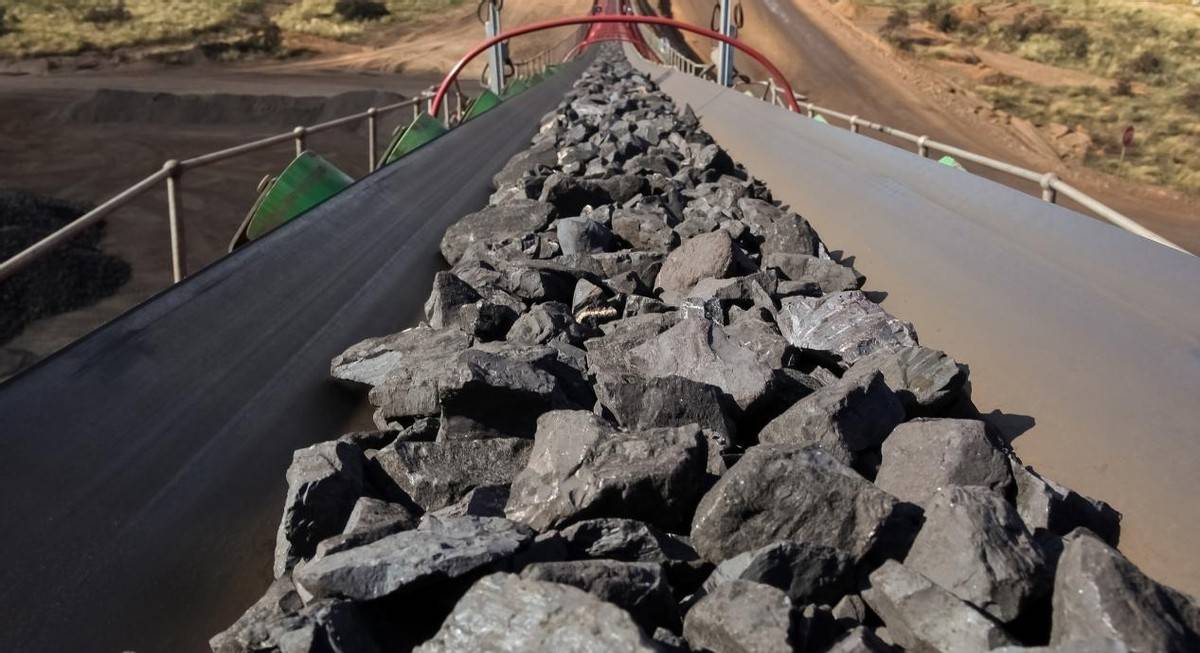
稀土出口管制

Search documents
正海磁材:已取得稀土出口许可证 出口申报工作稳步推进
news flash· 2025-07-01 08:03
Core Viewpoint - Zhenghai Magnetic Materials has obtained a rare earth export license and is steadily advancing its export declaration work following the implementation of export control measures for medium and heavy rare earths [1] Group 1 - The company responded quickly to the new export control measures and is actively promoting export declaration work in accordance with national regulations [1] - Zhenghai Magnetic Materials is one of the early companies to obtain the export license, indicating its proactive approach in compliance with new regulations [1] - The company's production and operations are normal, and the export declaration work is progressing steadily, with new export licenses being approved [1] Group 2 - The company will maintain close communication with relevant authorities to dynamically follow policy changes, ensuring compliance in its export business [1] - The focus is on safeguarding stable operations while adapting to the evolving regulatory environment [1]

稀土还是不够用,在塞尔维亚设厂的欧洲车企求助武契奇:请求与中方展开协调
Guan Cha Zhe Wang· 2025-06-30 07:49
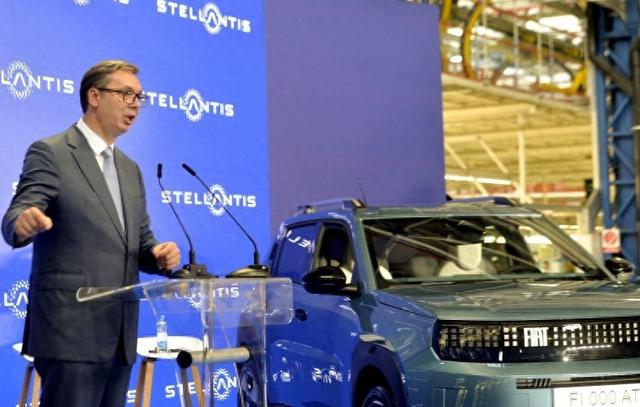
Group 1 - China has implemented rare earth export controls based on international practices, causing complaints from Western countries, while Serbia, maintaining good relations with China, has become a point of assistance for European car manufacturers [1][4] - Serbian President Vucic announced that China has promised to expedite the export of key minerals for electric vehicle production, benefiting companies like Stellantis that have factories in Serbia [1][4] - Stellantis has faced increasing difficulties in obtaining essential materials at normal prices, prompting the Serbian government to intervene and coordinate with China for support [1][5] Group 2 - Vucic highlighted that any export restrictions from China are not aimed at friendly countries like Serbia, indicating a supportive relationship [1][4] - The European Automobile Suppliers Association (CLEPA) expressed concerns about the slow approval of license applications, with only about 25% approved since April, leading to potential production line shutdowns [5] - Recent reports indicate that the approval rate for licenses has improved from 25% to 60%, alleviating some immediate production concerns for European suppliers [5]


美国想乙烷换稀土,中国换不换?欧盟盼中方高抬贵手:我们很恐惧
Sou Hu Cai Jing· 2025-06-30 03:06
Group 1 - The core point of the article highlights China's recent request for rare earth companies to submit lists of personnel with technical expertise to prevent the leakage of commercial secrets to foreign entities [1] - The companies involved include upstream and downstream rare earth enterprises, such as processing companies and those manufacturing rare earth magnets [1] - The U.S. has shown heightened concern regarding China's actions in the rare earth sector, indicating that the reported news may not be unfounded [1] Group 2 - Following the U.S. government's announcement of tariffs on China, China retaliated with export controls on seven categories of heavy rare earth elements [1] - The U.S. is reportedly attempting to ease its anxiety over rare earth issues by potentially allowing ethane exports to China in exchange for rare earth materials [6][7] - The situation is complicated by the fact that the U.S. has a significant surplus of ethane, which may not be as critical for China, thus making the trade-off less favorable for the U.S. [11] Group 3 - The article suggests that the U.S. should learn from the EU's approach, which involves a more conciliatory attitude towards China regarding rare earth exports [14] - The EU has expressed concerns about the shortage of magnets affecting European companies and is seeking a resolution with China [14] - The article concludes that if the U.S. continues its current approach without adapting, it will likely remain anxious about the rare earth situation [17]
稀土!稀土!中国严管稀土动了真格,辞职可以,出境绝对不行!
Sou Hu Cai Jing· 2025-06-29 07:05
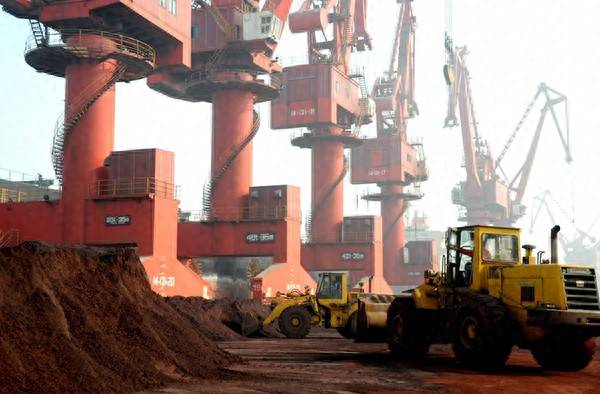
Group 1 - China will implement export controls on seven rare earth elements starting April 2025, which are critical for high-end manufacturing in defense and technology sectors [3][12] - The U.S. military heavily relies on imported rare earth elements, with 92% of its needs met through imports, over 70% of which come from China [5][10] - The price of rare earth elements has surged from $425 per kilogram to $850 per kilogram, indicating a significant supply-demand imbalance [14] Group 2 - The U.S. lacks the capability to independently refine all heavy rare earth elements, which are essential for advanced military equipment like the F-35 fighter jet [10][20] - China controls 85% to 95% of global rare earth processing capacity, while the U.S. has almost no commercial heavy rare earth separation facilities [21] - The U.S. faces high costs and strict environmental regulations that hinder its rare earth mining and processing capabilities, making it difficult to compete with China's low-cost production [21][22] Group 3 - A wave of executive departures in China's rare earth industry has raised concerns about potential technology leaks, prompting the government to strengthen its technology sovereignty measures [24][26] - China has established a tracking system for rare earth exports to prevent military misuse and has intensified efforts to combat illegal exports [26][28] - The strategic value of China's rare earth resources has become a significant leverage point in geopolitical tensions, particularly as Western nations attempt to decouple from Chinese technology [28][30]


特朗普没想到中方说话这么直接,撕碎美国遮羞布,还评论了六个字
Sou Hu Cai Jing· 2025-06-29 05:58
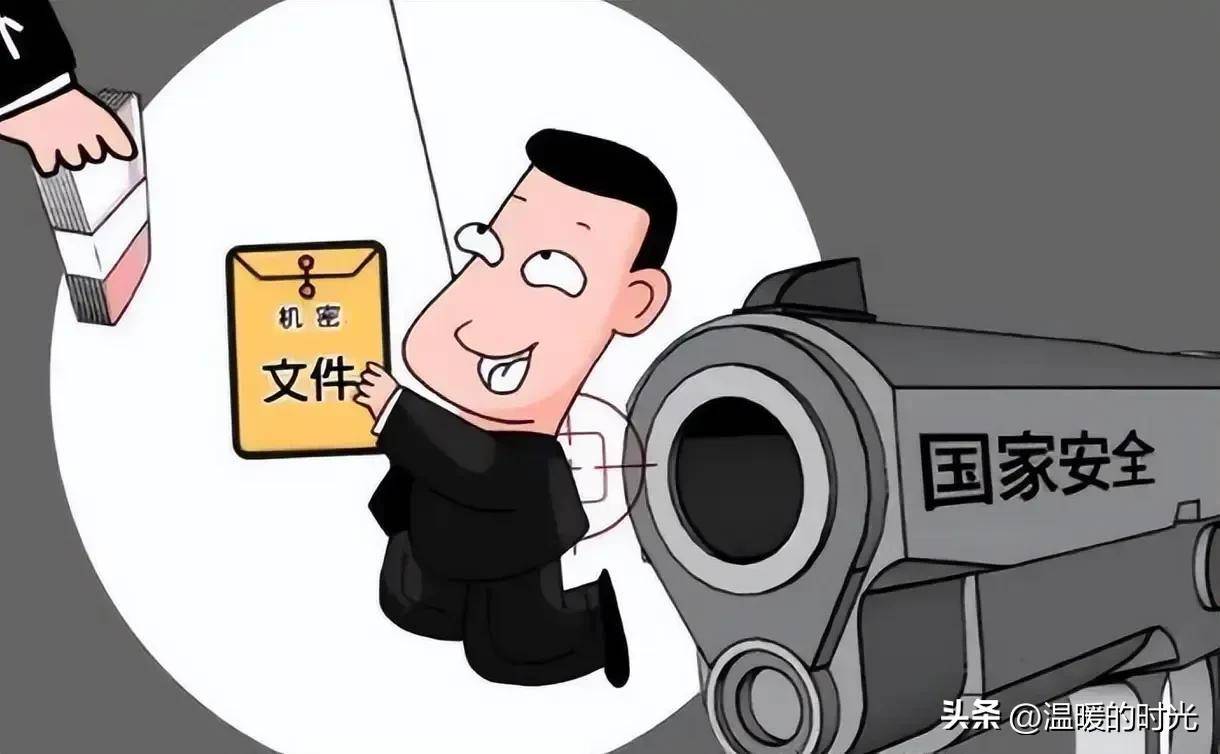
Group 1 - The U.S. imposed tariffs of up to 104% on Chinese goods, followed by a "forgiveness list" that included rare earths and semiconductors, maintaining a lower tax rate of 20% on these items, indicating a contradictory stance [4] - The U.S. Department of Commerce quietly issued rare earth import licenses to 28 American companies after announcing the tariffs, reflecting a contradictory approach [5] - The U.S. military is facing challenges due to a shortage of critical materials like samarium-cobalt magnets, which are predominantly sourced from China, impacting the production of F-35 fighter jets and B-21 bombers [7][11] Group 2 - China's rare earth export restrictions are a strategic move that significantly impacts U.S. military capabilities, as 87% of U.S. weapon systems rely on Chinese rare earth materials [11][12] - The F-47 sixth-generation fighter jet project in the U.S. is experiencing delays due to insufficient rare earth supplies, raising concerns within the U.S. Air Force [12] - The global supply chain is affected, with countries like Vietnam and Brazil benefiting from U.S. tariffs on Chinese shipping, as businesses reroute to avoid high fees [21] Group 3 - The U.S. automotive industry is suffering from production halts due to rare earth shortages, with General Motors halting electric pickup production and the automotive manufacturers' association issuing ultimatums [21] - The global economy is in turmoil as China controls 93% of rare earth processing capacity, threatening industries like electric vehicles and wind power with potential supply disruptions [23] - The U.S. attempts to diversify its rare earth supply through allies have proven ineffective, as many countries still rely on China for processing [25][27]
中国严管稀土动了真格,稀土企业接到通知,不给美国钻空子的机会
Sou Hu Cai Jing· 2025-06-29 01:17
Core Insights - China is tightening its control over rare earth elements, which are critical for high-tech industries and military applications, through a series of regulatory measures [1][2][4] Regulatory Measures - Chinese authorities have mandated rare earth companies to submit lists of technical experts, including their educational backgrounds and research experiences, to monitor and prevent the outflow of key technologies [2][4] - The Ministry of Commerce and the Ministry of Science and Technology have included "rare earth extraction and processing technologies" in the prohibited export list, further sealing off channels for technology leakage [4][9] Market Dynamics - China controls over 60% of global rare earth exports and monopolizes 80% of key rare earth materials, making it difficult for the U.S. to establish an independent supply chain in the short term [5][9] - The U.S. faces significant challenges in rebuilding its rare earth supply chain, including a lack of existing mining equipment and skilled labor, which could take at least five years to address [7][9] Long-term Strategy - China's regulatory actions are not only focused on immediate concerns but also aim to secure its long-term strategic advantage in the rare earth sector [9] - The rise of China's rare earth industry has been a result of systematic efforts since 1957, leading to a tenfold increase in export volume over 15 years post-1990 [9]
欧盟只给30天时间,要求放开稀土管控,中方用一道命令给出回应
Sou Hu Cai Jing· 2025-06-28 12:09
那么这张牌究竟是什么? 稀土,这一被誉为 "工业维生素" 的关键资源,在现代工业体系中占据着举足轻重的地位。 它广泛应用于电子、新能源、航空航天等众多高端制造领域,是推动科技创新和产业升级的核心要素。 对于欧盟而言,稀土更是其工业发展的命脉所系。 近期,欧盟突然对中国发出呼吁:希望中国在30天之内恢复对欧盟的稀土供应。 这一带有 "威胁" 意味的举动,迅速打破了原本就不平静的局面。 而就在第二天,中国果断亮出了一张"更狠"的底牌,让欧盟一时间"鸦雀无声"。 近年来,随着全球新能源产业的蓬勃兴起,欧盟大力推动电动车、风电以及新能源电池等产业的发展,对稀土的需求呈现出爆发式增长。 然而,欧盟自身稀土储量有限,在稀土精炼和加工领域更是严重依赖外部供应,大部分都是依赖中国。 中国不仅稀土量多,并且稀土加工技术也是世界独一档。 而特朗普自打发动关税战后,中方对稀土进行了管控,并不像以前那样,随便进行出口。 这可给欧盟发愁了,像德国车企就在等着"稀土"救命,没了稀土,汽车就和废铁一样。 所以在这种背景下,欧盟各国现在都需要稀土,否则会引起一阵"骚乱",所以欧盟为何这么着急喊话中国。 再看看欧盟驻华大使托莱多25 日喊话中 ...
“中方稀土审批提速:欧洲稳了,但在美国的还得等等”
Guan Cha Zhe Wang· 2025-06-28 01:52
Core Viewpoint - The threat of large-scale production shutdowns in the automotive supply chain is diminishing as China's rare earth magnet exports begin to flow, with European suppliers obtaining sufficient licenses to avoid disruptions [1][2]. Group 1: License Approval and Production Stability - European suppliers have received enough licenses to prevent the widespread production interruptions that were previously anticipated [1]. - The approval rate for licenses has increased from approximately 25% to 60%, with hundreds of applications still pending [1][5]. - The automotive industry is expected to maintain production in July, with only minor impacts anticipated on individual production lines [2]. Group 2: Impact on Major Automotive Companies - Volkswagen confirmed stable supply of rare earth components, while Stellantis reported resolution of recent production concerns [2]. - Ford's CEO expressed frustration over factory closures due to rare earth magnet shortages, highlighting the need for a domestic supply chain for critical automotive components [2][5]. Group 3: Geopolitical Implications and Export Control - China's export control measures on rare earth magnets have significant geopolitical implications, as these materials are crucial for various industries, including automotive and defense [5][6]. - The Chinese government is establishing a permanent export licensing system, which may limit the ability of U.S. customers to stockpile rare earth materials [6]. - China is also compiling a list of rare earth professionals to monitor and prevent the leakage of sensitive information [6].
欧盟只给中国30天,必须解决稀土供应,否则冯德莱恩取消访华?
Sou Hu Cai Jing· 2025-06-27 15:06
Group 1 - The EU is seeking to resolve rare earth supply issues before the upcoming visit of EU leaders to China, highlighting the urgency of the situation [2] - China's Foreign Minister Wang Yi proposed three suggestions for the development of China-EU relations, emphasizing mutual respect, partnership, and multilateralism [2] - The EU's concerns about rare earth supply shortages stem from China's dominance in the market, controlling over 90% of global rare earth refining capacity, which is critical for various European industries [4][9] Group 2 - The EU's demands regarding rare earth supplies reveal a logical inconsistency, as China's export controls are primarily a response to U.S. tariffs and not aimed at specific countries [6] - The EU's dual standards in economic governance are evident, as it calls for stable global supply chains while simultaneously imposing barriers on Chinese enterprises [9] - China's strategy includes a systematic approach to enhance its rare earth capabilities, including establishing research institutions and combating smuggling, which contrasts with the EU's reactive measures [12][14] Group 3 - The EU's strategic behavior reflects its difficulties in navigating the global supply chain restructuring, as China employs a combination of technology and resource control to reshape the rules of the game [15] - The potential visit of EU Commission President Ursula von der Leyen to China is contingent on the EU's ability to address its own issues and avoid politicizing economic discussions [14][15] - The long-term dependency of Europe on Chinese rare earths is underscored by the challenges in developing local resources, which could take at least a decade to become viable [14]
欧盟磁铁危机自食恶果,中方稀土管控有理有据,合作姿态才是关键
Sou Hu Cai Jing· 2025-06-27 14:08
Core Viewpoint - The shortage of magnets is having a "very, very serious" impact on European companies, as stated by the EU Ambassador to China, Toledo [1] Group 1: Impact of Export Controls - Following the high tariffs imposed by the U.S. on China, China retaliated with export controls on key minerals and rare earth magnets, leading to a significant decline in exports and disruptions in global supply chains, particularly affecting Europe [3] - Despite China's promise to expedite approval processes for exports, the shortage of rare earth materials continues to persist in Europe [3] - Toledo highlighted that since 2017, China's economy has grown by 40%, while EU exports to China have decreased by 30%, indicating a troubling trade relationship [3] Group 2: EU's Response and Concerns - The EU is seeking a "fair competitive environment" and is concerned about the implications of China's export controls on its industries [3] - The European Commission President and the European Council President plan to visit China next month to address the rare earth magnet export issues [3] - The EU's trade and economic relationship with China is described as "unclear," reflecting the ongoing tensions and challenges [3] Group 3: China's Position and Measures - China's Ministry of Foreign Affairs has stated that the export control measures are in line with international practices and are non-discriminatory [5] - Recent reports indicate that China is requiring rare earth companies to provide detailed information about their technical experts to prevent the leakage of commercial secrets [7] - The establishment of an export approval system and a personnel record system for rare earths is aimed at safeguarding national security and controlling strategic resources [7]