产能过剩

Search documents
外资交易台:若美国关税阻力加剧,中国出口将何去何从?
2025-07-24 05:04
Summary of Conference Call on Chinese Exports and US Tariffs Industry Overview - The discussion centers around the impact of rising US tariffs on Chinese exports and the potential rerouting of trade to other markets, particularly in the context of ongoing trade frictions between the US and China [1][2][3]. Key Points 1. **Resilience of Chinese Exports**: Despite an increase in the US effective tariff rate from approximately 10% to around 40%, Chinese exports have shown resilience, with overall exports up 6% year-on-year as of May and June 2025. This resilience is attributed to trade rerouting to other countries, particularly ASEAN markets [1][6][7]. 2. **Trade Rerouting Dynamics**: The pattern of Chinese exports indicates a 'see-saw' effect, where a decline in US-bound exports corresponds with a significant rise in exports to other markets. This suggests that while exports to the US have returned to 2019 nominal levels, overall export volumes remain robust [2][10][11]. 3. **Overcapacity Issues**: China's overcapacity remains a critical concern, with estimates indicating that Chinese production capacity exceeds global demand in several sectors: 149% for solar modules, 126% for lithium batteries, 113% for construction machinery, 108% for air conditioners, and 105% for electric vehicles as of 2024. This overcapacity is deeply rooted in China's fiscal and political systems, making it challenging to address quickly [15][16][18]. 4. **Impact on Global Economies**: The rerouting of Chinese exports is expected to create headwinds for manufacturing activities in other economies, particularly in Europe, and may lead to lower goods inflation outside the US. Each 1 percentage point increase in imports from China as a share of goods consumption is estimated to lower goods inflation by approximately 80 basis points [3][6][21]. 5. **Vulnerability of Other Economies**: Vietnam is identified as the most vulnerable to potential US tariffs on transshipment of goods from China, with about one-third of its total imports coming from China. Other countries like the Philippines, Korea, and Taiwan also face significant exposure to transshipment risks [4][19]. 6. **Concerns Over Anti-Dumping Actions**: Chinese companies are increasingly worried about the acceleration of anti-dumping actions in Europe, particularly in the UK. The emphasis on service and aftermarket support in Europe poses challenges for Chinese firms, especially in sectors like batteries and electrical equipment [5][34]. Additional Insights - **Current Account Surplus**: The ongoing trade rerouting is likely to contribute to a continued upside surprise in China's current account surplus, which is a key factor supporting a constructive outlook on the RMB in the medium term [3][18]. - **Sector-Specific Growth**: Certain sectors, particularly capital goods, have outpaced overall export growth, indicating a shift in competitive dynamics and market opportunities for Chinese manufacturers [32][34]. - **Long-Term Outlook**: While immediate trade rerouting may provide temporary relief, the long-term sustainability of this strategy remains uncertain, with potential payback effects anticipated in the coming months [10][11]. This summary encapsulates the critical insights from the conference call regarding the state of Chinese exports amid rising US tariffs and the broader implications for global trade dynamics.
纯碱行业供需及市场展望
2025-07-23 14:35
Summary of Key Points from the Conference Call Industry Overview - The conference call discusses the **soda ash industry** and its supply-demand dynamics for the first half of 2025, highlighting significant cost reductions and production capacity changes [1][2]. Core Insights and Arguments - **Cost Reduction**: The marginal cost of soda ash decreased significantly from **1,500-1,600 RMB/ton** to **1,000-1,200 RMB/ton** due to falling prices of coal and raw salt, with raw salt prices dropping from **300 RMB/ton** to **210 RMB/ton** or lower, resulting in a cost reduction of over **100 RMB/ton** [1][9]. - **Production Capacity**: Approximately **2 million tons** of new production capacity was added in the first half of 2025, bringing the total national capacity to **41.1 million tons**. The production ramp-up is in line with expectations, but actual output has not met projections due to maintenance [1][2]. - **Market Dynamics**: Despite increased capacity, the market is characterized by a strong supply and weak demand. Exports reached nearly **1 million tons** in the first half of 2025, alleviating domestic oversupply pressures [2][8]. - **Key Production Metrics**: Daily production peaked at **10.8-10.9 thousand tons** but fell to **9.2-9.3 thousand tons** during low periods. A critical threshold is identified at **9.5 thousand tons/day**, below which a temporary supply gap may occur [3][5]. - **Glass Market Impact**: The float glass market is experiencing stable daily melting rates around **15.6 thousand tons**, with a slight overcapacity. The photovoltaic glass market is currently in a state of oversupply, which could significantly impact soda ash demand if daily melting rates drop to **77 thousand tons** [6][7]. Additional Important Insights - **Inventory Levels**: The visible inventory remains high, with factory stocks around **1.8-2 million tons** and total social inventory approximately **2.1 million tons**. This high inventory level poses potential pressure on the market [2][8]. - **Production Methods**: The production methods for soda ash include ammonia-soda process (36% share), joint-soda process (43% share), and natural soda process (17% share). Despite price declines, the overall operating rates have remained stable [4]. - **Future Capacity Projections**: In 2026, new capacity additions are expected from Yuanqing and Jinshan, totaling about **4.8 million tons**, which will exacerbate the existing overcapacity situation [2][15]. - **Cost Structure**: The cost structure varies by production method, with ammonia-soda process costs around **1,130 RMB/ton** and joint-soda process costs approximately **1,000 RMB/ton**. If raw salt prices rise, costs could increase significantly [10][11]. - **Environmental Policies**: Environmental regulations may lead to the elimination of outdated production capacities in the glass industry, which is a significant downstream consumer of soda ash [14]. - **Challenges in Capacity Reduction**: The industry faces challenges in reducing capacity due to the dominance of large firms with resource advantages, making it difficult to implement effective capacity cuts [12][13]. Market Outlook - The soda ash market is expected to face continued pressure from high inventory levels and potential overcapacity, necessitating price adjustments to achieve a new supply-demand balance [15][17].
【期货热点追踪】氧化铝期货继续下跌,过剩预期仍存,机构分析表示,目前运行产能处于历史高位偏过剩状态,政策预期驱动大幅冲高后需警惕回调风险。
news flash· 2025-07-23 13:11
Core Viewpoint - The aluminum oxide futures continue to decline due to persistent oversupply expectations, with current operating capacity at historically high levels indicating a state of excess [1] Group 1 - The market is experiencing a significant oversupply situation, which is reflected in the ongoing decrease in aluminum oxide futures [1] - Institutional analysis suggests that after a substantial price increase driven by policy expectations, there is a need to be cautious of potential price corrections [1]
甲醇聚烯烃早报-20250723
Yong An Qi Huo· 2025-07-23 01:41
Report Summary 1. Report Industry Investment Rating - Not provided in the given content 2. Core Viewpoints - **Methanol**: High imports are materializing, inventory accumulation has begun, and the futures price is undervalued. It's in a phase of bearish factor realization. Given the low valuation, a long - position strategy at low prices is preferred, but the unilateral direction is hard to determine due to macro instability and weak methanol prices in Europe and the US [2] - **Plastic (PE)**: The overall inventory of polyethylene is neutral. The 09 basis is around 0 in North China and +120 in East China. Import profit is around -400 with no further increase for now. Attention should be paid to the LL - HD conversion and new plant commissioning [11] - **Polypropylene (PP)**: Upstream and mid - stream inventories of polypropylene are decreasing. The basis is +100, non - standard price spreads are neutral, and import profit is around -500. Exports are performing well. In the context of over - capacity, the 09 contract is expected to face moderate to excessive supply pressure, which could be alleviated by strong exports or more PDH plant maintenance [11] - **PVC**: The basis remains at 09 - 150, and the factory - pickup basis is -450. Downstream开工 is seasonally weakening, but the willingness to hold goods at low prices is strong. Mid - and upstream inventory de - stocking is slowing down. Attention should be paid to new plant commissioning, export sustainability, coal prices, etc. [13] 3. Summary by Product Methanol - **Price Data**: From July 16 to July 22, the daily change in动力煤期货 price was 0, while the江苏现货 price increased by 12, and the华南现货 price rose by 25. The盘面MTO profit decreased by 61 [2] - **Market Situation**: High imports are being realized, inventory is accumulating, and it's in a bearish factor realization phase. Iran has reduced its开工 rate, but there is an increase from non - Iranian sources and domestic supply [2] Plastic (PE) - **Price Data**: From July 16 to July 22, the东北亚乙烯 price remained unchanged, the华北LL price increased by 60, and the主力期货 price rose by 78 [11] - **Market Situation**: The overall inventory is neutral, import profit is around -400, and 6 - month maintenance has decreased with an increase in domestic linear production [11] Polypropylene (PP) - **Price Data**: From July 16 to July 22, the山东丙烯 price remained stable, the华东PP price increased by 10, and the主力期货 price rose by 77. The仓单 increased by 2169 [11] - **Market Situation**: Upstream and mid - stream inventories are decreasing, the basis is +100, non - standard price spreads are neutral, and exports are good. Supply is expected to increase slightly in June [11] PVC - **Price Data**: From July 16 to July 22, the西北电石 and山东烧碱 prices remained unchanged, the电石法 - 华东 price increased by 20, and the基差 (高端交割品) decreased by 10 [12][13] - **Market Situation**: The basis remains stable, downstream开工 is seasonally weak, mid - and upstream inventory de - stocking is slowing down, and attention should be paid to new plant commissioning and export sustainability [13]
中比两国贸易关系如何?未来有哪些可能性?中国驻比利时大使回应
news flash· 2025-07-23 00:05
Group 1 - The trade relationship between China and Belgium has significantly improved over the past decade, with trade volume increasing from approximately $20 million at the time of diplomatic establishment to $27 billion in 2014, and projected to reach $39.2 billion by 2024, marking nearly a 2000-fold increase since the beginning [1] - Belgium is one of the first Western developed countries to actively welcome China's reform and opening-up policies, leading to mutual benefits for both countries through investments and collaborations in various sectors [2] - Despite challenges in international trade, the economic cooperation between China and Belgium demonstrates strong resilience, with ongoing collaborations in agriculture, pharmaceuticals, green development, and comprehensive logistics [2] Group 2 - China, as the world's second-largest economy with a population of 1.4 billion, offers a vast consumer market and is committed to further opening its market, providing opportunities for Belgian goods and companies [3] - The commitment to open, free, and fair trade within the framework of the World Trade Organization remains strong between China and Belgium, promoting multilateralism in international relations [3] - The ongoing economic cooperation is expected to thrive despite global economic uncertainties, as both countries understand the importance of business development and maintaining an open trade environment [3]
“零公里二手车”或被全面禁止,车企虚假繁荣的泡沫会被戳破吗?
3 6 Ke· 2025-07-22 07:22
Core Viewpoint - The phenomenon of "zero-kilometer used cars" has gained significant attention following criticism from Great Wall Motors' chairman, highlighting its prevalence in the industry and its implications for sales reporting and market integrity [1][4][9]. Group 1: Industry Impact - Many domestic car manufacturers have reportedly used zero-kilometer used cars to inflate sales figures, aiming to meet monthly and quarterly targets [1][4]. - The Ministry of Industry and Information Technology (MIIT) is considering a policy to prohibit the sale of used cars within six months of new car registration to combat this practice [1][10]. - The prevalence of zero-kilometer used cars has led to a distorted market, where new car sales are negatively impacted, creating a vicious cycle that pressures manufacturers to resort to such tactics [6][9]. Group 2: Market Dynamics - Data from the China Automobile Circulation Association indicates that vehicles registered within three months and with mileage under 50 kilometers accounted for 12.7% of the used car market in 2024, underscoring the scale of zero-kilometer used cars [6][9]. - The practice has also affected the profitability of dealerships, with over 40% of dealers reporting losses and a significant number of used car trading platforms going bankrupt [9][12]. - The zero-kilometer used car issue has implications beyond China, as it allows for the circumvention of high tariffs on new cars when exported as used cars, prompting international scrutiny and policy responses [8][9]. Group 3: Regulatory Responses - The proposed regulations by MIIT aim to reduce the market share of zero-kilometer used cars, although it is acknowledged that such measures may not completely eliminate the practice [10][12]. - The industry is urged to focus on healthy market practices, including better regulation of sales processes and reducing the pressure on dealerships to meet unrealistic sales targets [22][10]. - The ongoing discussions and regulatory efforts reflect a broader recognition of the need for a sustainable automotive market, moving away from reliance on artificial sales boosts [17][22].



碳酸锂期货日报-20250722
Jian Xin Qi Huo· 2025-07-22 02:09
Group 1: Report Overview - Report Name: Carbonate Lithium Futures Daily Report [1] - Date: July 22, 2025 [2] - Researcher: Zhang Ping, Yu Feifei, Peng Jinglin [3] Group 2: Market Review and Operational Suggestions - Market Performance: Carbonate lithium futures rose, driven by expectations of a new round of supply-side reform. Total positions increased by 17,000 to 678,000, while total trading volume decreased, indicating reduced trading enthusiasm. Spot prices followed the upward trend, with electric carbon rising by 1,350 to 68,000. Although downstream material manufacturers' acceptance of current price levels remains low, their purchasing willingness has marginally improved due to the continuous upward market trend and inventory digestion. Some enterprises' rigid purchasing needs are supporting the market price, pushing up the central price of carbonate lithium spot transactions [11]. - Import Data: In June 2025, China imported 576,000 tons of spodumene, a 4.8% decrease from the previous month. The import volume of ore remains at a relatively high level, and the fundamentals are still weak. The entire carbonate lithium industry chain faces serious problems of overcapacity and price competition [11]. - Market Outlook: The expected inflection point of carbonate lithium futures has preceded the fundamentals. It is expected that the futures price will rise, but the upward trend may be tortuous due to the drag of spot prices [11]. Group 3: Industry News - Spodumene Import: In June 2025, the total import volume of spodumene was approximately 576,000 tons, a 4.8% decrease from the previous month, equivalent to 46,000 tons of LCE. Lithium ore from Australia, Zimbabwe, and South Africa accounted for 79%. The import volume from Australia was about 256,000 tons, a 31% decrease from the previous month; from Zimbabwe, it was about 101,000 tons, a 3% increase; from South Africa, it was 98,000 tons, an 87% increase. Additionally, the import volume from Nigeria was about 79,000 tons, a 21% increase [14]. - Lithium Hydroxide Trade: In June 2025, China exported 6,260 tons of lithium hydroxide, a 12% increase from the previous month but a 56% decrease from the same period last year. Exports to South Korea and Japan accounted for 96% of the total export volume. The export volume to South Korea was 5,130 tons, a 51% increase from May but a 51% decrease from the same period last year; to Japan, it was 876 tons, a 50% decrease from May and a 74% decrease from the same period last year. In June, China imported 1,482 tons of lithium hydroxide, a significant 76% increase from the previous month [14].
建信期货镍日报-20250722
Jian Xin Qi Huo· 2025-07-22 02:06
行业 镍日报 日期 2025 年 7 月 22 日 有色金属研究团队 研究员:余菲菲 021-60635729 yufeifei@ccb.ccbfutures.com 期货从业资格号:F3025190 研究员:张平 021-60635734 zhangpin@ccb.ccbfutures.com 期货从业资格号:F3015713 研究员:彭婧霖 021-60635740 pengjinglin@ccb.ccbfutures.com 期货从业资格号:F3075681 请阅读正文后的声明 #summary# 每日报告 一、行情回顾与操作建议 数据来源:Wind,建信期货研究发展部 镍观点: 宏观氛围高涨推动大宗商品普涨,21 日沪镍跟随走强,主力 2509 收盘上涨 1.91%报 122550 元/吨,指数总持仓增加 7499 至 164521 手。市场主要受到上周五 盘后工信部消息刺激,钢铁、有色、石化等十大重点行业稳增长工作方案即将出 台,并将推动重点行业着力调结构、优供给、淘汰落后产能,相关产能过剩品种 受到提振大幅上涨。不过对镍产业链而言,过剩格局并未扭转,价格压力依然存 在。随着印尼 RKAB 补充配额 ...
小县城大产业!平原县复合肥产业集群“聚”出百亿规模
Qi Lu Wan Bao Wang· 2025-07-21 15:02
Core Viewpoint - The composite fertilizer industry cluster in Pingyuan County, Shandong Province, has been recognized as a key industry cluster for 2025, showcasing significant growth and development driven by leading enterprises and innovative practices [1][21]. Group 1: Industry Development - The composite fertilizer industry in Pingyuan County has evolved from a few small enterprises in 2007 to a large-scale industry cluster with over 100 billion yuan in size, making it one of the highest concentrations of fertilizer production in China [1][2][21]. - The establishment of major companies such as Stanley and Enbao has injected new vitality into the industry, bringing advanced technology, management experience, and extensive market channels [4][21]. - The industry has developed a complete supply chain from nitrogen fertilizer production to controlled-release fertilizers, enhancing the overall scale and efficiency of the sector [5][21]. Group 2: Competitive Landscape - The industry faces challenges such as overcapacity and intense competition, prompting companies to innovate and develop specialized products to differentiate themselves [8][16]. - Enbao has emerged as a leader in the seaweed acid fertilizer sector, demonstrating significant yield improvements in crops such as wheat and grapes through innovative product development [10][20]. - The shift towards controlled-release fertilizers by companies like Maoshi has positioned them as pioneers in a previously untapped market, contributing to their growth and market leadership [13][15]. Group 3: Technological Innovation - Companies are investing heavily in research and development, with Enbao allocating hundreds of thousands of yuan annually to ensure their products meet market demands and technological advancements [13][21]. - The introduction of smart and automated production lines is transforming traditional manufacturing processes, enhancing efficiency and reducing costs [15][16]. - The use of biodegradable materials in production processes reflects a commitment to sustainable practices, aligning with broader environmental goals [19][20]. Group 4: Green Development - The industry is increasingly focused on green development, with companies like Stanley utilizing solar energy and Enbao implementing waste-free production processes [17][19]. - Innovations in organic and inorganic fertilizers are being pursued to improve soil health and reduce dependency on chemical fertilizers, contributing to sustainable agricultural practices [19][20]. - The overall strategy emphasizes a commitment to high-end, green, and intelligent production methods, aiming to strengthen the composite fertilizer industry further [21].
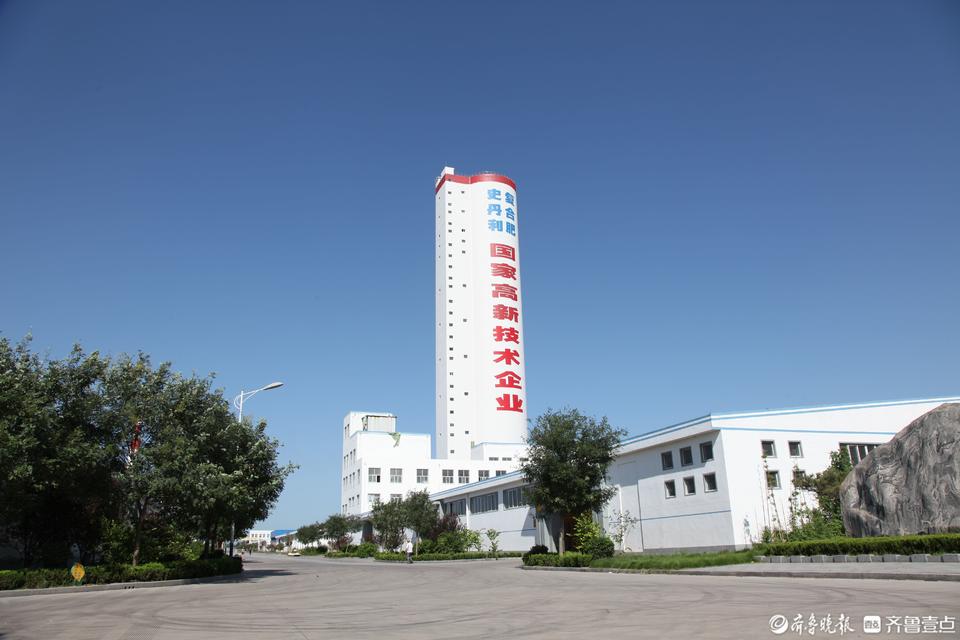
【金十期货热图】今日氧化铝期货盘中一度触及涨停!什么原因?后市能否继续看多?一图了解。
news flash· 2025-07-21 12:21
Group 1 - The market anticipates a new round of supply-side reform in the alumina industry, leading to a significant rise in futures prices, although the actual impact is more emotional than substantial due to limited old production capacity [4] - The definition of "old facilities" includes those in operation for over 20 years, with potential elimination of some high-cost capacity, but the direct impact is limited, affecting only 4 to 5 million tons of capacity, which is a small proportion [5] - Some companies are expected to begin maintenance in late July, which may tighten the current spot supply of alumina, although overall supply remains excessive with national inventories continuing to rise [6][7] Group 2 - Despite expectations of long-term supply surplus, some alumina companies are entering maintenance periods, leading to a projected decrease in production, while spot market supply is tightening and traders are maintaining a strong price support stance [7] - The low inventory levels at the Shanghai Futures Exchange have led to a significant reduction in warehouse receipts, creating a market squeeze sentiment, although the opening of the selling delivery window suggests an expectation of increased inventory in the future [8]