
风险管理

Search documents
江西空管分局筑牢安全防线 精准保障航班换季
Zhong Guo Min Hang Wang· 2025-10-30 07:12
Core Points - The winter-spring flight schedule adjustment has been implemented, with Nanchang Changbei International Airport planning an average of 320 flights per day, representing a 5.6% increase compared to the 2024 winter-spring season [1] Flight Schedule Adjustments - The flight schedule change involves adjustments to flight routes and timings, with 22 domestic and international airlines operating 74 routes, covering 66 destinations [2] - New destinations include Wenzhou, Yangzhou, Ningbo, Beihai, Osaka, and Macau, while 28 routes have been increased from Nanchang to major cities such as Beijing Daxing and Chengdu Tianfu [2] Operational Preparedness - The Jiangxi Air Traffic Control Bureau has conducted targeted simulation training for air traffic controllers, focusing on high traffic volumes, complex weather conditions, and English-language flights [2] - A special training program has been implemented to enhance the identification of similar flight numbers to mitigate command risks [2] Personnel Management - Effective personnel allocation and scheduling are crucial for maintaining operational order, with a detailed scheduling plan developed based on new flight timings and traffic patterns [3] - An elastic personnel reserve mechanism has been established to quickly respond to sudden increases in traffic or adverse weather conditions [3] Weather and Equipment Management - The winter-spring season brings increased risks from adverse weather such as low visibility and ice, prompting specialized training for controllers on handling these scenarios [4] - The meteorological department is actively conducting training and risk management discussions to enhance weather trend analysis for aviation services [4] - Technical departments are performing maintenance on air traffic control equipment to ensure optimal operational status during the winter-spring season [4] Overall Safety Measures - The Jiangxi Air Traffic Control Bureau is implementing comprehensive and detailed measures to ensure flight safety during the seasonal transition, focusing on real-time management and continuous optimization of support measures [4]


宁波银行前三季度净利润224.45亿元 同比增8.39%
Hua Xia Shi Bao· 2025-10-30 06:06
Core Viewpoint - Ningbo Bank reported strong financial performance for the first three quarters of 2025, with total assets exceeding 3.5 trillion yuan, reflecting a 14.50% increase from the beginning of the year, and a net profit of 22.445 billion yuan, up 8.39% year-on-year [1][2]. Group 1: Financial Performance - As of September 30, 2025, Ningbo Bank's total assets reached 357.8396 billion yuan, marking a significant milestone by surpassing 3.5 trillion yuan, with a year-to-date growth of 14.50% [2]. - The total loans and advances amounted to 171.6823 billion yuan, representing a 16.31% increase from the start of the year, while total deposits reached 204.7804 billion yuan, up 11.52% [2]. - The bank achieved a net profit attributable to shareholders of 22.445 billion yuan for the first three quarters, reflecting an 8.39% year-on-year growth, and reported an operating income of 54.976 billion yuan, which is an 8.32% increase [3]. Group 2: Asset Quality and Risk Management - Ningbo Bank maintained a non-performing loan (NPL) ratio of 0.76%, consistent with the beginning of the year, indicating strong asset quality [4]. - The bank's provision coverage ratio stood at 375.92%, with a provision for loan losses ratio of 2.85%, demonstrating robust risk management capabilities [4]. - Since its listing in 2007, Ningbo Bank has maintained an NPL ratio below 1% for 18 consecutive years, ensuring a solid foundation for sustainable growth [4]. Group 3: Strategic Focus and Business Development - The bank continues to implement a differentiated business strategy, focusing on serving the real economy and enhancing service quality [1][2]. - Ningbo Bank has developed a diversified profit structure with nine profit centers, including corporate banking, retail banking, wealth management, and investment banking, which are all contributing to stable earnings [3]. - The bank emphasizes a commitment to customer service and aims to strengthen its core competitiveness by addressing differentiated customer needs [4].

监管铁拳砸向徽商银行合规短板,过往五任董事长已有三人被查
Sou Hu Cai Jing· 2025-10-30 05:59
Core Viewpoint - Huishang Bank has been penalized for compliance violations, revealing significant internal management issues as it prepares for its A-share listing, which has faced delays due to ongoing governance and legal challenges [1][20]. Regulatory Penalties - Huishang Bank was fined 2.4 million yuan for imprudent loan product management and inadequate due diligence, with key personnel facing bans from the banking industry [4][2]. - The bank's Hefei Baohe Industrial Park branch was fined 300,000 yuan for insufficient pre-loan investigations, and a senior manager received a lifetime ban from the banking sector [4][2]. - In 2024, Huishang Bank faced a total of 41 penalties amounting to nearly 25 million yuan, making it the city commercial bank with the highest regulatory fines [7]. Internal Management Issues - The bank has a history of compliance failures, with multiple senior executives facing legal issues, including former chairman Li Hongming, who was sentenced to 14 years in prison for corruption [7][8]. - Three out of five past chairmen have been investigated for serious violations, indicating systemic governance problems within the bank [8]. Financial Performance - Huishang Bank's revenue growth has significantly slowed, with 2021-2023 revenues of 35.514 billion, 36.230 billion, and 36.365 billion yuan, reflecting a decline in growth rates [10]. - The bank's net profit for 2024 was 15.917 billion yuan, with a growth rate of only 6.18%, further indicating a downward trend in profitability [12]. - For the first half of 2025, the bank reported a revenue of 21.157 billion yuan, a year-on-year increase of 2.25%, but its net interest income fell by 1.06% [14]. Asset Quality Concerns - As of June 2025, Huishang Bank's non-performing loans totaled 10.765 billion yuan, with a non-performing loan ratio of 0.98%, indicating ongoing challenges in asset quality management [16]. - The bank's overdue loans increased by 5.43% to 13.346 billion yuan, raising concerns about future asset quality deterioration [18]. A-share Listing Challenges - Huishang Bank's A-share listing has been stalled for over six years due to governance issues, including overdue board member terms and unresolved shareholder disputes [20][22]. - The ongoing legal disputes between major shareholders have further complicated the bank's ability to proceed with its A-share listing plans [22][23].

部分进口酒商热衷的“拼柜”,有了一些新变化
Sou Hu Cai Jing· 2025-10-30 03:50
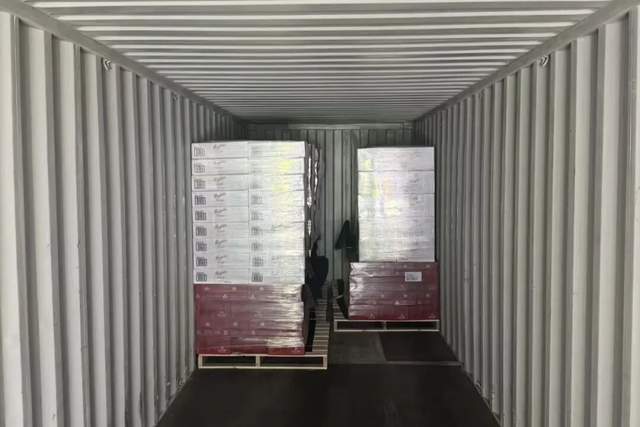
Core Insights - The wine industry is experiencing a shift towards cost control and resource sharing due to weakened demand and financial pressures, leading to a resurgence of the "拼柜" (group container) practice among importers [1][2][4] Group 1: Market Trends - Importers are increasingly cautious, opting for smaller shipments and sharing containers to reduce logistics costs, reflecting a trend towards "light asset" operations in the industry [2][4] - The average price of wines being grouped in containers has risen, with many now priced above 2 euros, indicating a focus on mid to high-end products [2][5] - The strategy of "拼柜" allows smaller wine merchants to regain market space and maintain flexibility, avoiding the burden of excess inventory [2][5] Group 2: Operational Changes - The traditional practice of importing full containers has shifted to smaller batches, with many importers now sharing just a few pallets instead of full containers [2][4] - Importers are forming "拼柜" groups, even across different industries, to optimize resources and reduce costs [2][5] - The approach of "small batch, multiple shipments" is becoming a risk management strategy, allowing importers to remain agile in an uncertain market [2][5] Group 3: Challenges and Risks - While "拼柜" reduces logistics costs, it increases complexity in coordination and communication among different parties, which can lead to potential delays and disputes [6][8] - The need for precise alignment in documentation and timing is critical, as any discrepancies can halt the entire shipment process [6][8] - Importers face challenges in cost-sharing arrangements, as variations in product weight and value can complicate expense distribution [6][8]
“银行+期货+订单”模式助力生猪产业风险管理
Qi Huo Ri Bao Wang· 2025-10-30 00:49
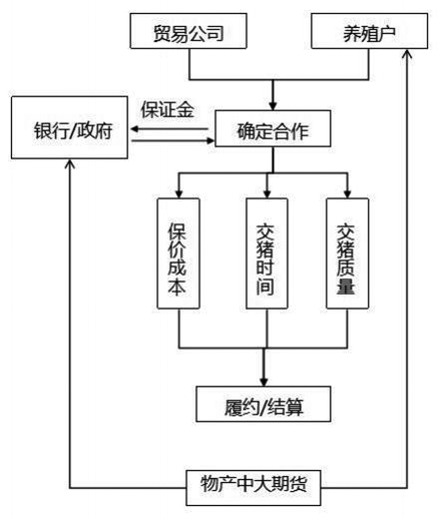
Group 1: Project Background - Wuchan Zhongda Futures Co., Ltd. was established in September 1993 in Hangzhou and is a core member of the Fortune Global 500 Wuchan Zhongda Group, with a registered capital of 600 million yuan [1] - Jiayue Wuchan Group Co., Ltd. was founded in 2017 with a registered capital of 10.5 million yuan, focusing on creating value in the bulk commodity industry, including energy chemicals and agricultural products [1] - Guangfa Bank, established in 1988 with a registered capital of approximately 21.79 billion yuan, is one of the first national joint-stock commercial banks in China and ranked 59th in the Banker’s Global 1000 Banks in 2023 [1] Group 2: Market Context and Challenges - The volatility of prices for bulk commodities, such as agricultural products, poses significant risks to producers and related enterprises [2] - The pig farming industry is a crucial part of China's agriculture, facing severe price fluctuations that impact farmers' income stability and production motivation [2][3] Group 3: Service Model and Implementation - The "Bank + Futures + Orders" service model integrates bank credit, futures risk hedging, and bulk commodity trading to provide comprehensive risk management for pig farmers [4] - This model includes direct contracts with farmers to stabilize pricing and mitigate risks associated with market price fluctuations [4] - Guangfa Bank provides credit support to help farmers address funding issues, while futures companies offer market analysis and tailored hedging strategies [4] Group 4: Project Outcomes - The "Bank + Futures + Orders" model has successfully stabilized income for participating farmers, ensuring a minimum income of 100,000 yuan, which has restored their confidence in farming [8] - Jiayue Wuchan has gained significant profits through structured income and basis trading, enhancing its control over the supply chain [8] - Guangfa Bank has successfully launched agricultural loans, optimizing its credit structure and enhancing its brand image and social influence [9] Group 5: Innovation and Replicability - The model represents an innovative approach in agricultural finance, creating a closed-loop operation that integrates bank financing, futures hedging, and order stabilization [9] - It has strong replicability potential for other agricultural products and bulk commodity industries, allowing for localized adaptations based on regional characteristics and financial ecosystems [9][10] Group 6: Industry Insights - The project emphasizes the need for deep integration among financial institutions, futures companies, and enterprises to build a risk-sharing and benefit-sharing ecosystem [10] - It highlights the importance of leveraging the core functions of the futures market for price discovery and risk management, supported by financial technology [10]
凌晨2:35,美联储击碎了世界的幻想
Xin Lang Cai Jing· 2025-10-29 23:09
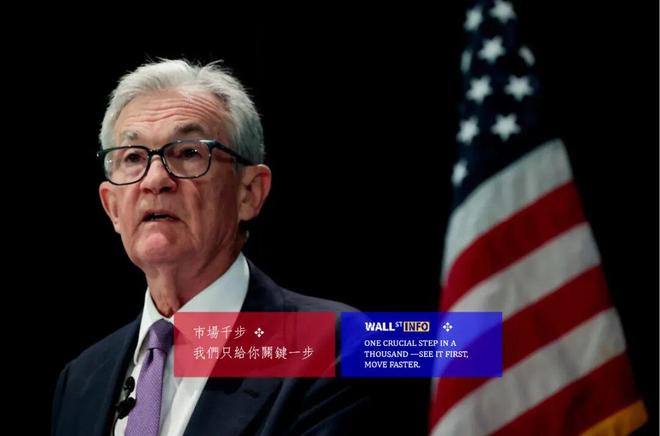
就这一句话,把市场彻底炸醒,打断了世界的幻想。标普500 几分钟内暴跌近100点,金价两个小时内 大跌80美元——市场由涨转跌。 来源:华尔街情报圈 美联储一如市场预期,宣布降息25基点。看上去是一次平淡的会议,美股收盘仅仅是涨跌互见,但这一 次却惊到了市场。 惊吓一:鲍威尔一句"12月降息不确定" 鲍威尔新闻发布会5分钟后(北京时间凌晨2:35)。他读着稿子,突然抬头说了一句—— "9月和10月的降息是出于风险管理考虑,但12月的降息可不确定,远远没有定下来。" "我们会收集一切能找到的数据,认真评估,这是我们的职责。如果你问我这是否会影响到12月的会 议,我不是说一定会,但你可以想象一下。如果你在雾中开车,你会怎么做?你会减速。" 这场会议的真正意义在于——鲍威尔打断了市场的连锁幻想。这是一次"心理降息",不是"政策降息"。 今天我们发布了《黄金策略:下一幕,开场!》,黄金暴跌何时结束?哪里可以抄底?暴跌之后,我们 提供两项黄金交易计划。 惊吓二:今年或是最后一次 鲍威尔还表示: "目前有一种感觉,部分官员倾向于暂时观望。现在越来越多的声音认为,也许我们应该至少暂停一 下,类似这样的想法。" 惊吓三:出现 ...
鲍威尔发布会实录:12月再降息并非板上钉钉,委员会分歧大,就业市场仍在降温,通胀短期有上行压力(附全文)
美股IPO· 2025-10-29 22:58
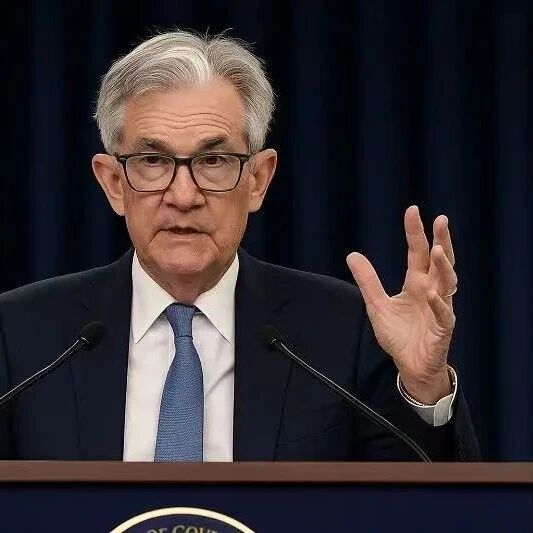
Core Viewpoint - The Federal Reserve has lowered the federal funds rate by 25 basis points and announced the end of balance sheet reduction starting December 1. There is significant disagreement among committee members regarding future rate cuts, indicating that further cuts are not guaranteed [1][4][12]. Monetary Policy Outlook - The prospect of another rate cut in December is uncertain, with some members suggesting a pause in rate changes [3][13]. - The composition of the balance sheet remains a long-term process, with adjustments expected to be gradual [3]. - The labor market is showing signs of cooling, but there is no significant increase in job market weakness, with job vacancies remaining stable [3][7]. Inflation Insights - Inflation pressures are still present, with the September CPI showing a more moderate increase than expected. Core PCE inflation, excluding tariffs, is estimated to be around 2.3% to 2.4% [3][9][27]. - Tariffs are contributing to rising prices in certain goods, leading to overall inflation increases [9][10]. - The overall PCE price index increased by 2.8% over the past 12 months, with core PCE also rising by 2.8% [9][27]. Economic Activity - Economic activity is expanding at a moderate pace, with GDP growth for the first half of the year at 1.6%, down from 2.4% the previous year [5][46]. - Consumer spending has shown strength, which may lead to better-than-expected economic growth [6][44]. - Investment in equipment and intangible assets continues to grow, while housing market activity remains weak [7]. Labor Market Dynamics - The labor market is experiencing a gradual cooling, with a notable decline in labor supply impacting employment [7][8]. - The unemployment rate remains relatively low, but job growth has slowed significantly since the beginning of the year [7][36]. - There are concerns about rising risks to employment, particularly in light of recent layoffs announced by major companies [8][32]. Balance Sheet Management - The Federal Reserve will stop balance sheet reduction as it has reached a level deemed sufficient for "ample reserves" [14][18]. - The balance sheet has shrunk by approximately $2.2 trillion over the past three and a half years, with its size relative to nominal GDP decreasing from 35% to about 21% [14][19]. - The Fed plans to reinvest proceeds from maturing agency securities into short-term Treasury bills to adjust the balance sheet structure [15][24]. Market Reactions and Future Considerations - The market has priced in expectations for further rate cuts, but the Fed emphasizes that such actions are not predetermined [15][22]. - The committee's discussions reflect a range of opinions on the economic outlook, with some members advocating for a pause to assess the situation further [16][35]. - The potential impact of government shutdowns on economic data and decision-making processes is acknowledged, with a cautious approach suggested in the absence of reliable data [21][31].
郑商所在成都举办期货及衍生品业务培训
Qi Huo Ri Bao Wang· 2025-10-29 19:52
Core Insights - The training session held in Chengdu aimed to enhance the understanding of modern financial markets among government officials in Sichuan, focusing on the role of futures markets in managing operational risks and supporting high-quality economic development [1][4]. Group 1: Futures Market Integration with Local Industries - Sichuan is a significant agricultural, industrial, and energy province in China, with a strong demand for risk management in its key industries, including 15 agricultural products that rank among the top in national production [2][6]. - The local government is actively supporting the stable operation and high-quality development of the futures market, with initiatives such as establishing delivery warehouses to improve resource allocation efficiency [2][4]. - The province has implemented an "insurance + futures" model to support rural revitalization, providing over 11.38 billion yuan in value protection for 240,000 tons of agricultural products, benefiting more than 8,000 households [2][6]. Group 2: Recommendations for Futures Market Development - Officials suggested enhancing policy guidance and conducting extensive training to improve government officials' understanding of the futures market, ensuring strict regulation and risk prevention [3]. - It was recommended to incorporate more futures elements into industrial development plans to help enterprises stabilize operations through futures tools [3]. - Local governments were encouraged to leverage delivery warehouses to promote high-quality development of regional特色产业 (characteristic industries) and enhance product quality [3]. Group 3: Regulatory and Policy Support - The national government has increasingly focused on the development of the futures market and the use of financial derivatives, with recent laws and policies encouraging enterprises to engage in hedging activities [5][6]. - The futures market has become a crucial tool for stabilizing business operations and facilitating commodity circulation, as highlighted by various government documents [5]. - Currently, the domestic futures market offers 137 futures and options products across major economic sectors, with significant participation from key industries in risk management [6][7].
摩根大通全球固定收益主管米歇尔:美联储认为这(降息)是一项风险管理的举措。
Sou Hu Cai Jing· 2025-10-29 17:48
Core Viewpoint - The Federal Reserve views interest rate cuts as a risk management measure according to Michelle, the global fixed income head at JPMorgan [1] Group 1 - The statement emphasizes the Federal Reserve's approach to managing economic risks through monetary policy adjustments [1]

利率下行、行业“内卷”显著影响险企经营管理
Guo Ji Jin Rong Bao· 2025-10-29 14:11
Core Insights - The insurance industry is undergoing a significant transformation as it transitions from the "14th Five-Year Plan" to the "15th Five-Year Plan," facing multiple challenges due to global economic changes, geopolitical shifts, declining interest rates, and capital market volatility [1][5] - A report by Tianzhi International highlights the current state of risk management in the insurance sector, indicating a shift from passive to proactive management strategies [5] Industry Challenges - The most significant challenges for insurance companies are the decline in market interest rates and intense competition, with over 65% of surveyed institutions identifying these as primary concerns [2] - Approximately 80% of institutions believe that regulatory scrutiny will continue to tighten, while 60% perceive an increase in external environmental risks, both of which have decreased by over 10 percentage points compared to 2024, indicating reduced anxiety and increased confidence in the industry [1] Risk Management Improvements - Over 98% of surveyed institutions report having established risk management systems that are either aligned with or ahead of their business development needs, continuing a trend of improvement since 2015 [2] - The report indicates that while overall risk management capabilities have improved, challenges remain in areas such as quantitative tools, data quality, personnel allocation, and inter-departmental collaboration [2][3] Technological and Data Challenges - There is a significant demand for optimization in risk management tools, with a rising focus on risk appetite frameworks, independent assessments, and stress testing [3] - The insurance industry is still in the early stages of digitalization and AI applications for risk control and compliance, with over 56% of institutions adopting a wait-and-see approach [4] Future Outlook - The industry is encouraged to enhance its quantitative analysis capabilities and data foundations while building a three-dimensional collaborative system of risk, capital, and business [4] - The future competition in the insurance sector will hinge on risk insight and decision-making efficiency, with a focus on identifying and seizing structural opportunities in uncertain environments [4]