关税战

Search documents
印度还在死战,巴西却先妥协?卢拉提出谈判,特朗普等的就是此刻
Sou Hu Cai Jing· 2025-08-11 04:02
Core Points - The Trump administration has announced new tariffs targeting India and Brazil, aiming to send a strong message to other nations [1][3] - India has been subjected to a 25% punitive tariff due to its continued procurement of Russian oil and military supplies, but the Indian government remains defiant [1][3] - Brazil's President Lula has expressed willingness to negotiate fairly with the Trump administration, contrasting India's hard stance [3][5] Summary by Sections Tariff Announcement - The U.S. has implemented a 25% punitive tariff on Indian goods, citing India's ongoing purchases of Russian oil and military equipment as the primary reason [1][3] - The Trump administration's aggressive tariff strategy is seen as an attempt to deter other countries from similar actions [1] India's Response - India has firmly rejected the U.S. tariffs, emphasizing the stability and long-term nature of its contracts with Russia [3][5] - The Indian government is aware that the tariffs could severely impact its key industries such as pharmaceuticals, textiles, jewelry, and software [3][5] - India is leveraging its strategic importance in the Indo-Pacific region, believing that the U.S. needs India to counterbalance China [5] Brazil's Position - In contrast to India's defiance, Brazil's President Lula has indicated a willingness to engage in equal trade negotiations with the U.S. [5][6] - Lula's administration is focused on protecting Brazilian agriculture and manufacturing from becoming a dumping ground for U.S. products [5][6] - The U.S. previously threatened a 50% tariff on Brazilian goods but ultimately settled for a 10% tariff, indicating a potential concession to Brazil [5][6] Broader Implications - The ongoing tariff disputes highlight the complexities of U.S. trade relations with emerging economies like India and Brazil [6] - The potential for retaliatory measures and the impact on global oil prices could have significant repercussions for the U.S. economy [5][6]

必须拉中国和印度入伙,给美国一点颜色瞧瞧,78岁的总统振臂高呼
Sou Hu Cai Jing· 2025-08-11 03:43
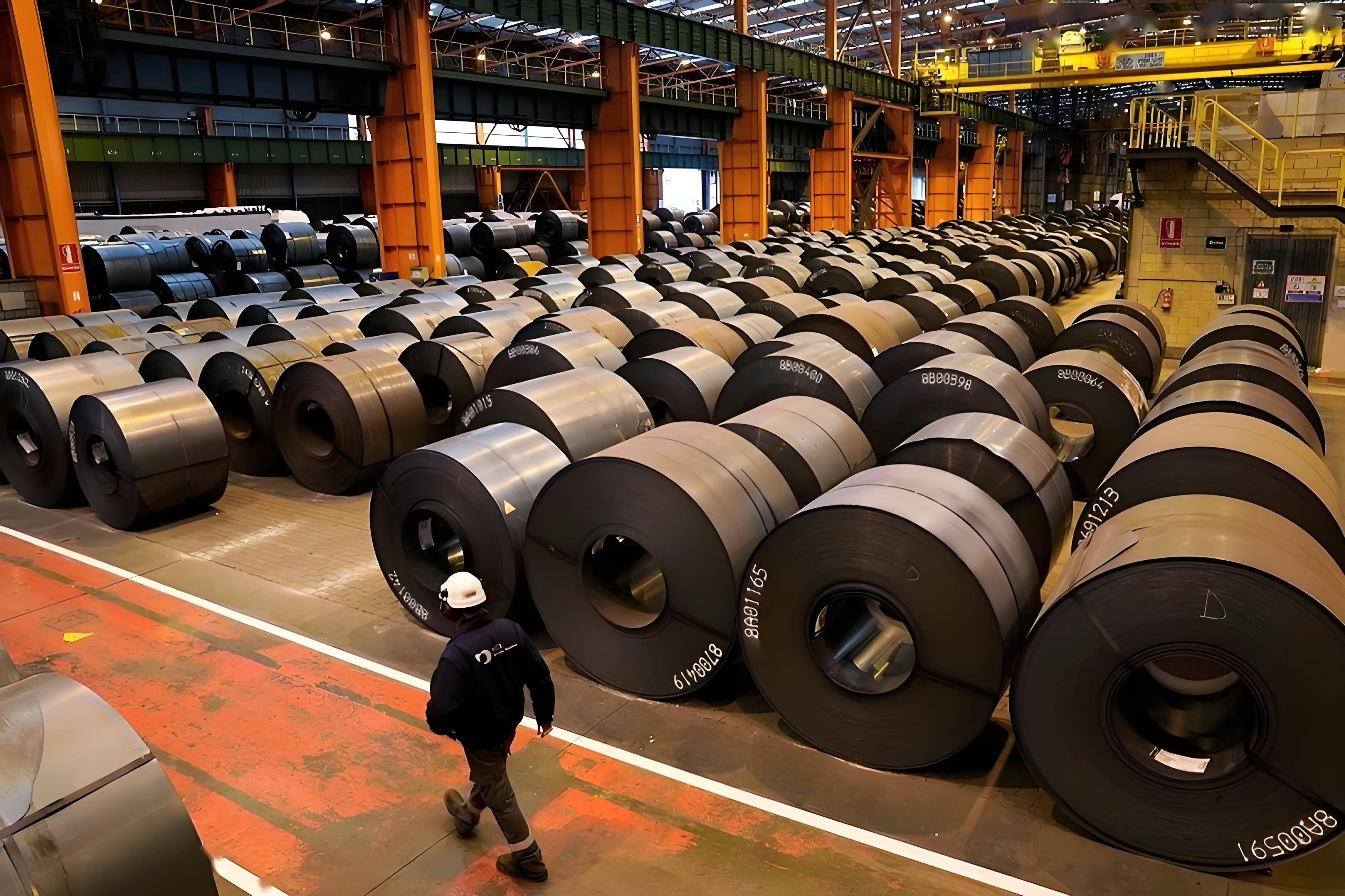
Group 1 - Brazilian President Lula's urgent communication with leaders of China and India highlights the importance of BRICS cooperation in response to U.S. tariff pressures [1][19] - Lula's past experiences with U.S. tariffs during Trump's administration have shaped his current stance, emphasizing the need for Brazil to strengthen ties with BRICS nations [3][4] - The imposition of tariffs by the Trump administration has severely impacted Brazil's steel and agricultural sectors, leading to significant economic challenges [4][17] Group 2 - The BRICS nations, now expanded to 11 members, control a significant portion of global resources, making them a crucial platform for Brazil's international development [19][24] - India's collaboration with Brazil in agriculture and automotive sectors has provided opportunities for Brazil to reduce dependency on U.S. products [19][21] - China's investment in Brazil, particularly in logistics and automotive industries, has helped Brazil navigate trade difficulties caused by U.S. tariffs [21][24]
78岁的总统振臂高呼,必须拉中国和印度入伙,给美国一点颜色瞧瞧
Sou Hu Cai Jing· 2025-08-11 02:22
Group 1 - Brazilian President Lula plans to discuss with China and India how BRICS countries can collectively respond to tariffs imposed by the Trump administration [3][5] - Lula expresses concern over the impact of tariffs, which currently reach as high as 50% on Brazilian products, and aims to lead Brazil out of this predicament [6][8] - The strategy includes seeking new partnerships and expanding trade with China, which has increased imports from Brazil recently [9] Group 2 - Lula's approach also aims to stabilize the Brazilian political landscape amid domestic protests supporting former President Bolsonaro, which have been fueled by Trump's criticisms of Lula's government [11][13] - The call for BRICS unity against U.S. tariffs serves as a potential solution to alleviate pressure on Brazil, addressing both external trade challenges and internal political dissent [14] - Successfully uniting BRICS against the U.S. could elevate the international standing of the group and benefit Brazil in the long term, although the feasibility of such a coalition remains uncertain [16]

美国关税战终结疫情后反弹,全球贸易增速放缓
Sou Hu Cai Jing· 2025-08-11 01:16
Core Viewpoint - The World Trade Organization (WTO) highlights that recent tariff measures are significantly impacting global trade, with tariff uncertainty putting pressure on business confidence, investment, and supply chains, making it one of the most destructive forces in the global trade environment [6]. Group 1: Current Trade Environment - Global trade is currently stagnant, and recent data suggests that this slowdown may deepen due to weak consumer demand, high interest rates, and tighter fiscal policies, which are suppressing cross-border goods flow [4][6]. - The U.S. trade deficit narrowed by 16.0% in June to $60.2 billion, with the goods trade deficit dropping by 10.8% to its lowest level since September 2023 [6]. Group 2: U.S. Tariff Policies - The "reciprocal tariff" policy initiated during President Trump's second term has been fully implemented, creating a differentiated tariff system covering strategic industries like steel, aluminum, and copper, affecting 69 trade partners with tariffs ranging from 10% to 50% [5]. - The average tariff rate in the U.S. has surged from 2%-3% before Trump's potential return to 18.3%, marking the highest level since 1934 [6]. Group 3: Future Trade Projections - The WTO has downgraded the global goods trade growth forecast for 2026 from 2.5% to 1.8%, warning that recent tariff adjustments will negatively impact global trade prospects [9]. - Analysts from Capital Economics indicate that the post-pandemic trade rebound has ended, with trade volumes now stagnating, and structural and cyclical factors are dragging down trade [9]. Group 4: Challenges for Developing Countries - A recent UN report highlights that landlocked developing countries face significant structural inequalities in the global economic system, with transportation costs being 40% higher than coastal countries due to geographical disadvantages [10]. - Exports from landlocked developing countries to China have doubled since 2015, but imports have grown even faster, reaching approximately $78.3 billion in 2024, indicating a trade imbalance [10].
多头“大撤退” 分析人士表示原油市场利空较多
Zhong Guo Jin Rong Xin Xi Wang· 2025-08-11 01:12
转自:期货日报 具体来看,据恒泰期货总经理助理顾劲涛介绍,OPEC+自今年4月起已连续4个月宣布增产,累计增产 超过120万桶/日。8月3日,OPEC+决定在9月进一步增产54.7万桶/日,提前1年完成220万桶/日的供 应恢复计划。这一系列增产举措表明,OPEC+的战略重心已从"价格维稳"转向"市场份额",全球原油供 应预期上升,油价明显承压。目前,OPEC+有两个减产计划仍在执行,后续仍有增产预期。 自8月以来,国际油价震荡下行。上周六,美国商品期货交易委员会发布的数据显示,截至8月5日当 周,WTI原油投机性净多头持仓减少10242手,至23127手。 对于原油期货价格持续走弱的原因,宝城期货能化高级研究员陈栋表示,主要是OPEC+产油国9月继续 增产,叠加特朗普升级"关税战",在供应预期回升及宏观情绪转弱的背景下,国内外原油期货市场空头 力量占据主导地位。 展望后市,陈栋认为,需要重点关注三个方面。一是美国作为全球"关税战"的始作俑者,特朗普"美国 优先"的策略仍将延续,宏观不确定性依然较高。同时,特朗普持续对美联储施压,美联储降息预期将 持续增强,利多大宗商品价格。二是OPEC+产油国持续增产,未来 ...
美国发动关税战,成为新外交杠杆?美媒:要求韩国提高国防预算
Sou Hu Cai Jing· 2025-08-11 01:02
Group 1 - The United States is leveraging tariffs as a new diplomatic tool, pressuring South Korea to make concessions in various areas, including defense spending [1] - The U.S. has demanded South Korea increase its defense budget from 2.6% of GDP to 3.8%, effectively forcing South Korea to allocate more funds for defense [1] - The U.S. is also pushing for an increase in the cost-sharing for U.S. troops stationed in South Korea, with a demand of $1 billion for 2024 [3] Group 2 - The U.S. is adopting an isolationist approach, prioritizing its own interests, which includes demanding higher defense spending from South Korea and Japan [5] - South Korea's increased defense budget will benefit the U.S. as it purchases more military equipment, such as the F-35A fighter jets [5] - Japan is also under pressure to increase military spending and has committed to purchasing more U.S. weapons, indicating a deep military partnership [7] Group 3 - Despite the potential for increased tariff revenue, the U.S. is facing a significant national debt exceeding $37 trillion, highlighting a fiscal crisis [8] - The U.S. is trapped in a cycle of fiscal deficits, leading to the necessity of issuing more debt, which could have severe implications for the economy [8]
多头“大撤退”!分析人士:原油市场利空较多
Qi Huo Ri Bao· 2025-08-11 00:08
自8月以来,国际油价震荡下行。上周六,美国商品期货交易委员会发布的数据显示,截至8月5日当 周,WTI原油投机性净多头持仓减少10242手,至23127手。 对于原油期货价格持续走弱的原因,宝城期货能化高级研究员陈栋表示,主要是OPEC+产油国9月继续 增产,叠加特朗普升级"关税战",在供应预期回升及宏观情绪转弱的背景下,国内外原油期货市场空头 力量占据主导地位。 具体来看,据恒泰期货总经理助理顾劲涛介绍,OPEC+自今年4月起已连续4个月宣布增产,累计增产 超过120万桶/日。8月3日,OPEC+决定在9月进一步增产54.7万桶/日,提前1年完成220万桶/日的供应恢 复计划。这一系列增产举措表明,OPEC+的战略重心已从"价格维稳"转向"市场份额",全球原油供应预 期上升,油价明显承压。目前,OPEC+有两个减产计划仍在执行,后续仍有增产预期。 宏观层面,顾劲涛表示,近期公布的美国非农就业数据大幅低于市场预期,5月和6月的数据也被大幅下 调。极差的就业数据引发市场对美国经济衰退的担忧,削弱了原油需求预期。此外,地缘政治风险也在 上升。为促使俄罗斯与乌克兰达成停火协议,美国政府威胁对俄罗斯实施二级关税制裁, ...

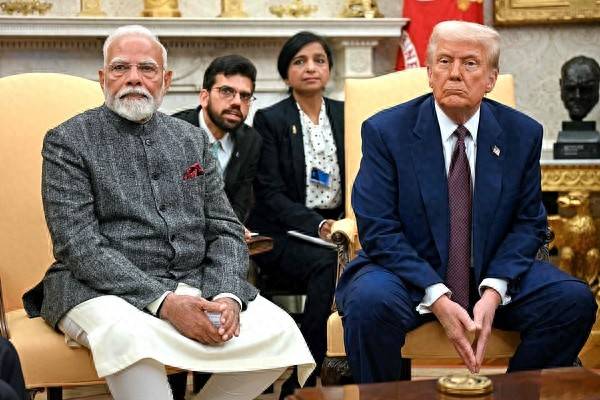
特朗普加税印度,金砖联手回击,美国恐自食其果
Sou Hu Cai Jing· 2025-08-10 23:10
他这次挥下的关税大棒直直地砸向了印度。 这一举动还不简单,直接给印度加征了50%的额外关税! 特朗普,果然是关税大王! 说白了,这就像在说:印度,你敢跟俄罗斯搞石油生意,老子就给你点颜色看看! 不过,印度可不是个软柿子。 几小时内,印度外交部发布了强硬声明,言辞激烈地表示:这种做法不公平、不公正、不合理。 直接表示,印度不会坐视不管,必定捍卫本国利益。 真是把特朗普这颗关税大棒甩得有点尴尬你以为这招能让大家低头吗? 接下来,事情变得有点剧透了。 金砖国家登场了。 中国、印度、巴西这三大经济体,不仅没有倒下,反而集体站了出来,大家一口气喊出:特朗普,想玩 关税战?OK,来吧,金砖不怕你! 这一幕,简直像给特朗普当头泼了一盆冷水。 你对我加税,我就联手反击。 要知道,金砖国家的GDP总量已经超过G7。 你说美国想通过关税施压,能做到多少? 那群曾被认为过于依赖美国的国家,现在可真的是齐心协力,搞得特朗普一个头两个大。 特别是巴西总统卢拉,居然主动要求和印度、中国通话,研究如何反制美国的关税威胁。 看到这幕,我的心里就想:哟,真是一波操作猛如虎! 说真的,特朗普现在已经把关税当成了他的终极武器。 什么事都可以加税不 ...
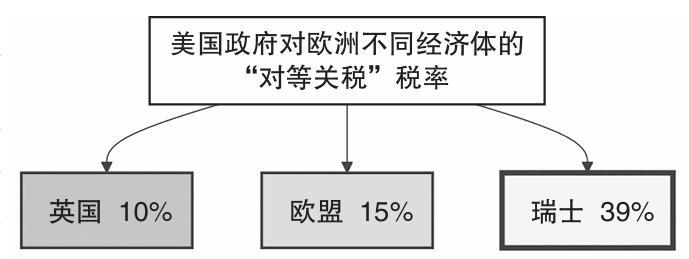
财经观察:瑞士如何招架“发达国家最高关税”?
Huan Qiu Shi Bao· 2025-08-10 22:56
Group 1: Tariff Impact on Switzerland - The U.S. has imposed a 39% tariff on Swiss goods, the highest among developed countries, leading to significant shock and confusion in Switzerland [1][3] - The trade deficit between the U.S. and Switzerland exceeded $38 billion last year and approached $48 billion in the first half of this year, prompting U.S. dissatisfaction with Switzerland's trade balance [3] - Swiss exports to the U.S. are heavily reliant on gold, which accounted for two-thirds of exports recently, alongside strong performances in pharmaceuticals, precision machinery, watches, chocolate, and cheese [3] Group 2: Economic Consequences - Economists estimate that the U.S. tariffs could result in the loss of 7,500 to 15,000 jobs in Switzerland and potentially decrease the country's GDP by up to 1% [6] - The high tariffs, combined with the strong Swiss franc, are expected to severely impact Swiss exporters, particularly in the machinery and electrical engineering sectors [7] Group 3: Industry Responses - Swiss companies are preparing for the tariff impact by increasing exports to the U.S. before the tariffs take full effect, but the long-term effects will become apparent as inventories deplete [9] - The luxury watch industry may see prices rise by 65% in the U.S. due to tariffs, while chocolate prices could increase by nearly 55%, risking market share loss [9] Group 4: Negotiation Challenges - Swiss authorities are in ongoing discussions with the U.S. to lower tariffs, but the negotiation leverage appears limited due to Switzerland's already high level of trade liberalization with the U.S. [10] - The potential for Swiss companies to relocate production to Germany is being considered, but this process is complex and time-consuming [10] Group 5: Broader Trade Dynamics - The current trade negotiations between Switzerland and the U.S. are characterized by pressure and threats rather than traditional cooperative discussions, complicating the resolution process [11]


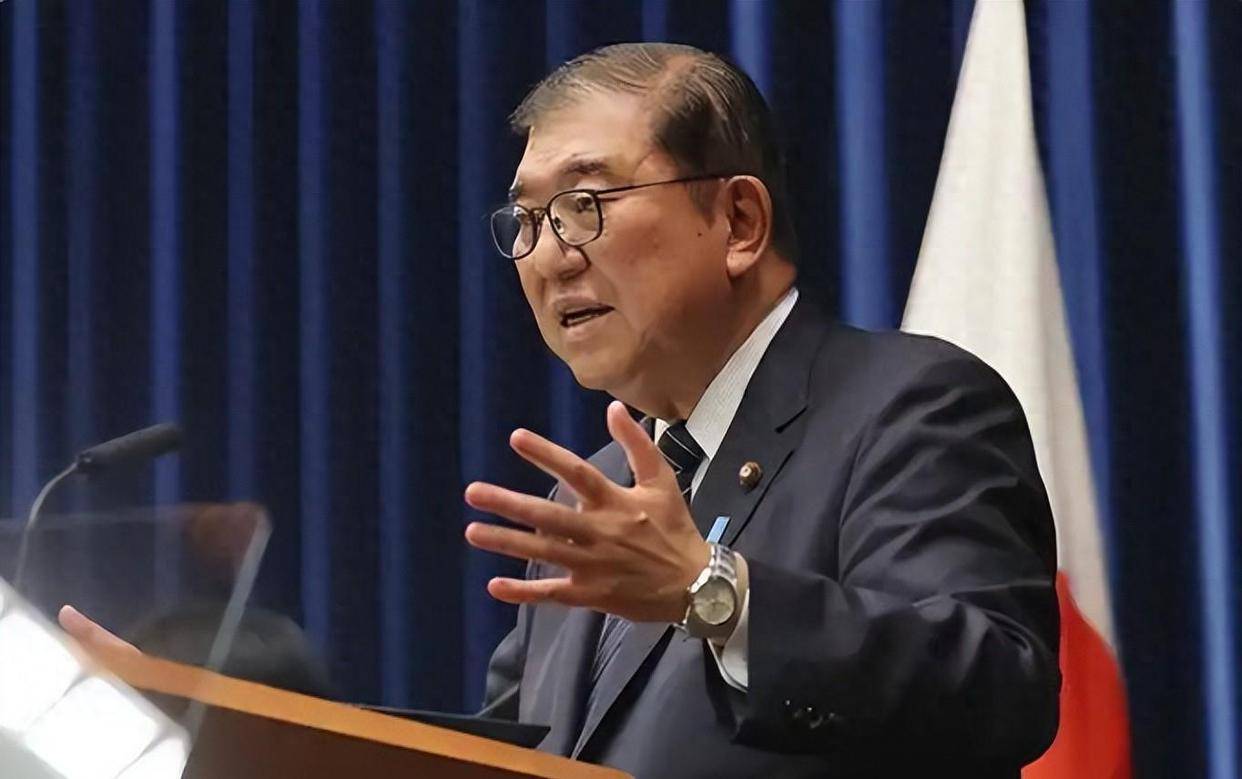
“立即修改!”石破茂向美国下通牒,措辞非常罕见强硬
Sou Hu Cai Jing· 2025-08-10 21:14
Group 1 - The core issue revolves around the impact of Trump's tariffs on global trade, particularly affecting Japan, which feels betrayed by the U.S. government's failure to honor previous agreements regarding tax reductions on imports [1][5][7] - The new tariffs have led to significant cost increases for U.S. companies, which are now passing these costs onto consumers, resulting in price hikes across various sectors, including automotive and retail [4][5] - The tariffs are part of a broader trend, marking the highest tariff rates in nearly a century, with specific countries facing varying levels of tax pressure, such as Japan, South Korea, and the EU receiving a 15% rate, while others like Canada and India face much higher rates [2][4] Group 2 - The financial implications of the tariffs are stark, with U.S. tariff revenue soaring to $27 billion in June, primarily sourced from American importers rather than foreign entities, indicating a direct financial burden on U.S. businesses [4] - The situation has led to a significant shift in Japan's perception of its trade relationship with the U.S., as initial optimism over a $550 billion investment framework has turned into disappointment due to the realization that the actual investment is minimal and heavily skewed in favor of the U.S. [5][7] - The ongoing trade tensions and tariff impositions are expected to trigger a wave of inflation in the U.S., with predictions of steep price increases in supermarkets by the end of the year [4][5]