
数字技术

Search documents
夏季达沃斯论坛丨中国坚持对外开放有助于世界经济复苏——访中日韩合作秘书处秘书长李熙燮
Xin Hua She· 2025-06-25 07:27
Group 1 - The current focus of China on economic innovation and openness is beneficial for achieving its growth targets and contributes to the economic recovery of the Asia-Pacific region and the world [1] - The World Economic Forum's Summer Davos Forum provides a platform for discussing economic issues and prospects, especially important in the context of increasing uncertainty in the global trade environment [1] - China's emphasis on technological innovation in digital technology, artificial intelligence, and green industries is seen as a way to enhance global economic recovery and contribute to sustainable growth [1] Group 2 - The close interconnection of supply chains among China, Japan, and South Korea highlights the importance of these countries taking a leading role in advancing the China-Japan-Korea Free Trade Agreement negotiations and upgrading the Regional Comprehensive Economic Partnership (RCEP) [2] - The RCEP has shown significant results in promoting supply chain recovery since its implementation, being the largest free trade agreement in terms of trade scale [2] - The upcoming APEC informal leaders' meetings in Korea and China present valuable opportunities to enhance the resilience of free trade and multilateral systems in the Asia-Pacific region [2]


“这里是梦想之地” 德国汽车业“大咖”齐乔拉谈中国
Zhong Guo Qing Nian Bao· 2025-06-25 03:25
Core Viewpoint - The interview with Klaus Zichora, Vice President of Changan Automobile, highlights the cultural differences between China and Germany, the competitive advantages of Chinese automotive companies, and Changan's strategic approach to entering the European market. Group 1: Cultural Differences - Chinese consumers have high expectations for quality, technology, and design, which necessitates a strong adaptation to local culture and work practices for automotive manufacturing [1] - Communication in Chinese companies is heavily app-based, making processes quicker and more direct compared to traditional methods in Germany [2] - Chinese board meetings are data-driven and structured, contrasting with the more intuitive decision-making style often seen in German companies [3] Group 2: Perception of Chinese Automotive Success - The notion that Chinese automotive success is primarily due to government subsidies is deemed unreasonable; instead, the efficiency and enthusiasm in Chinese enterprises are highlighted as key advantages [4] - The German automotive industry is perceived to be slow in reform and burdened by bureaucracy, which affects competitiveness [4] Group 3: Changan's European Market Strategy - Changan plans a gradual and pragmatic approach to entering the European market, focusing on understanding consumer acceptance rather than overwhelming the market with products [7] - Building trust with German consumers is essential, as they prioritize high-quality service and assurance regarding vehicle maintenance and resale value [7] Group 4: Industry Outlook - The automotive industry is characterized by competition and technological advancements, with Chinese companies increasingly developing attractive high-tech products [9] - There is a suggestion that professionals in the German automotive sector should consider exploring opportunities in China to gain insights and inspiration [10]

AI顶级拼图:兵马俑碎片实现高效智能拼接
Zhong Guo Jing Ying Bao· 2025-06-24 16:02
Group 1 - The core viewpoint is that artificial intelligence (AI) technology has been successfully applied in the restoration of the Terracotta Warriors, enhancing efficiency and reducing disturbance to the artifacts [1] - The National Cultural Heritage Administration has prioritized digital technology, issuing several plans to promote the digitalization of cultural heritage and the construction of smart museums [1] - AI technology has significantly improved the accuracy and efficiency of cultural heritage restoration, with teams like that from Northwest University achieving mature application stages [1] Group 2 - Recent achievements in digital technology in the cultural and archaeological fields include the development of a cultural relic safety supervision platform by the Dunhuang Research Institute, integrating various advanced technologies [2] - The "Jinxiu" Silk World interactive map has gathered data from 99 countries, facilitating global data sharing in silk-related research [2] - The Palace Museum has developed a digital twin management platform that incorporates IoT, big data, AI, and virtual reality for smart monitoring and management [2] - Institutions are building high-quality knowledge bases for significant cultural artifacts and enhancing public cultural digital resources, with over 13,000 online exhibitions and 47,000 online educational activities launched by 7,046 museums nationwide [2]
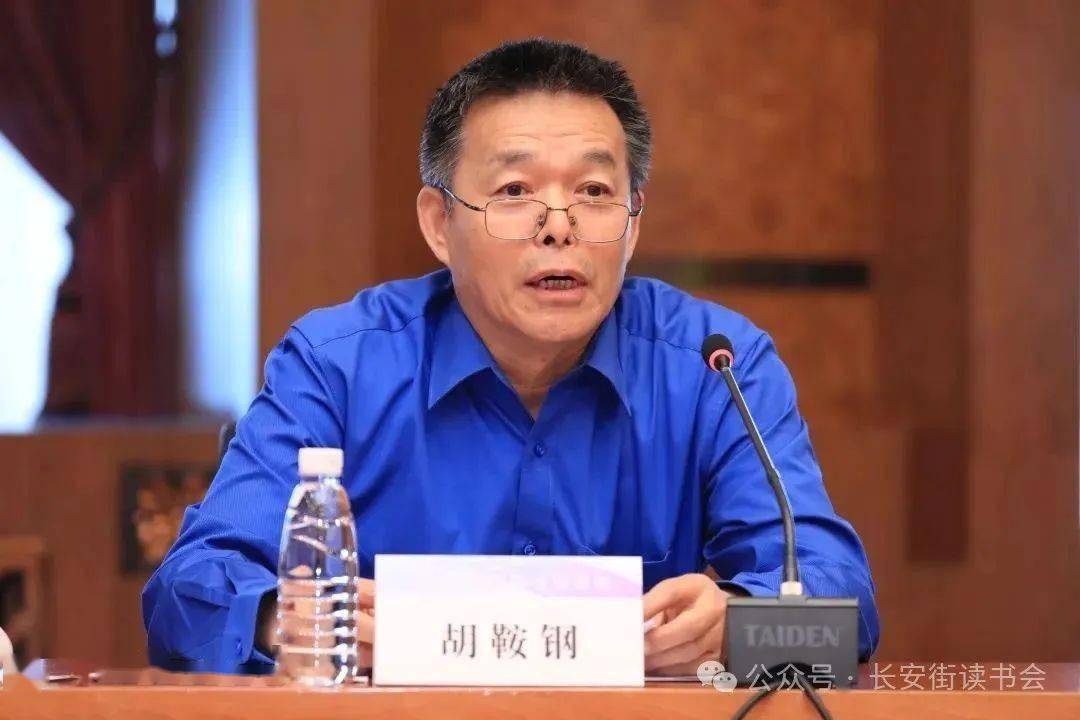
「经济发展」胡鞍钢等:新型举国体制与世界数字经济强国的构建
Sou Hu Cai Jing· 2025-06-24 14:31
Core Viewpoint - The article emphasizes the necessity of strengthening China's digital economy as a national priority, highlighting the importance of a new type of national system to achieve this goal [3][10][12]. Group 1: Digital Economy Development - The digital economy is rapidly evolving, with significant advancements in technologies such as big data, cloud computing, and artificial intelligence, making it a key variable in global competition [3][10]. - China's digital economy has grown from 22.6 trillion yuan to 45.5 trillion yuan (approximately 7.1 trillion USD) from 2016 to 2021, with an average nominal growth rate of 16.2% [23][26]. - As of 2021, the global digital economy scale reached 38.1 trillion USD, accounting for 45% of GDP, with a nominal growth rate of 15.6%, surpassing the growth rate of nominal GDP by 2.5 percentage points [10][11]. Group 2: National System and Its Importance - The "national system" refers to the mobilization of state power to achieve national goals, characterized by its unique ability to integrate vast resources [4][5]. - The high costs and potential risks associated with the national system necessitate careful consideration of its benefits versus costs, particularly in the context of digital technology development [5][6]. - Historical examples, such as the construction of the Great Wall and the Grand Canal, illustrate the effectiveness of the national system in addressing significant challenges [6][7]. Group 3: Digital Technology and Economic Structure - Digital technology is identified as the cornerstone of the digital economy, with its development being crucial for overcoming existing bottlenecks [15][18]. - China's advantages in data and internet infrastructure are contrasted with its disadvantages in critical digital technologies, particularly in semiconductor manufacturing [14][15]. - The article stresses that the competition in the digital economy ultimately hinges on advancements in digital technology [15][18]. Group 4: New Type of National System - The new type of national system must evolve to be more market-oriented and inclusive, adapting to the demands of the digital economy [12][19]. - The integration of government mechanisms with market mechanisms is essential for fostering innovation in digital technology [22]. - The article advocates for a focus on key core digital technologies, such as quantum information and integrated circuits, to drive overall advancements in the digital economy [18][19]. Group 5: Future Prospects - The article concludes that the next phase is critical for establishing China as a global leader in the digital economy, leveraging its unique advantages and addressing technological gaps [25][26]. - China's digital market demand and infrastructure are positioned to support rapid growth, with significant potential in emerging sectors like industrial internet and smart cities [26][27]. - The establishment of a robust governance structure for digital economy development is highlighted as a key factor for success [26].
为制造业数字化转型补短板
Jing Ji Ri Bao· 2025-06-23 22:07
强化关键数字技术。突破互联网、大数据、人工智能、区块链、大模型等数字技术,加快实现核心数字 技术自主可控,夯实制造业数字化转型技术底座。加速数字技术与制造技术交叉融合,深入推进数字技 术在制造业的大规模普及与应用,充分发挥数字技术应用效能。利用数字技术实现设计、制造、供应链 等多个场景的业务创新,全方位升级与优化制造企业生产、管理、运营等各个环节,催生工业互联网、 电子商务、共享经济、平台经济等新模式和新业态。 探索中小制造企业数字化转型长效机制。针对不同类型中小制造企业,设计专业化、特色化、规模化的 数字化转型方案,分行业指导中小企业数字化转型的路径、方法和关键要点。营造开放共享的产业转型 生态体系,强化大企业资源优势和带动作用,鼓励与产业链上下游中小制造企业协同开展数字化改造, 推动中小企业数字化广泛转型。中小制造企业要结合业务特色,针对企业规模、业务痛点和数字化基础 等实际情况,以核心场景为突破口,充分利用关键数字技术,在研发管理协同、生产设备监控、智能排 单调度等环节实施轻量化改造升级。 推进制造业数字化转型,可以显著提升企业运营效率、削减成本、提升产品品质,进而增强企业在市场 中的竞争力,对促进经济 ...
科技赋能 西安城墙保护取得新成果
Zhong Guo Fa Zhan Wang· 2025-06-23 15:20
Group 1 - The core viewpoint of the articles highlights the successful integration of digital technology in the preservation of cultural heritage, specifically the Xi'an City Wall, which has been recognized for its innovative approach in safeguarding historical sites [1][2][3] - The Xi'an City Wall Management Committee's project, "Digital Empowerment Revitalizes the City Wall," was selected as a high-quality development case for cultural heritage in 2024, showcasing its effective use of digital tools to protect cultural assets [1] - The project has established a systematic and scientific preventive protection system, leveraging advanced technologies such as geological radar and AI algorithms to monitor and assess the health of the city wall [2][3] Group 2 - The digital monitoring system includes over 3,000 deformation monitoring points and 1,300 intelligent sensing devices, achieving a prediction accuracy of over 92% for structural damage trends [2] - Collaboration with local universities has led to the establishment of a joint laboratory focused on key technologies for cultural heritage protection, enhancing the overall digital protection network in the region [3] - The initiative has transformed cultural heritage protection into a public service that is perceivable, participatory, and beneficial to the community [3]
2025北京数字经济体验周即将启幕 落成北京坊数字综合体
Nan Fang Du Shi Bao· 2025-06-20 16:05
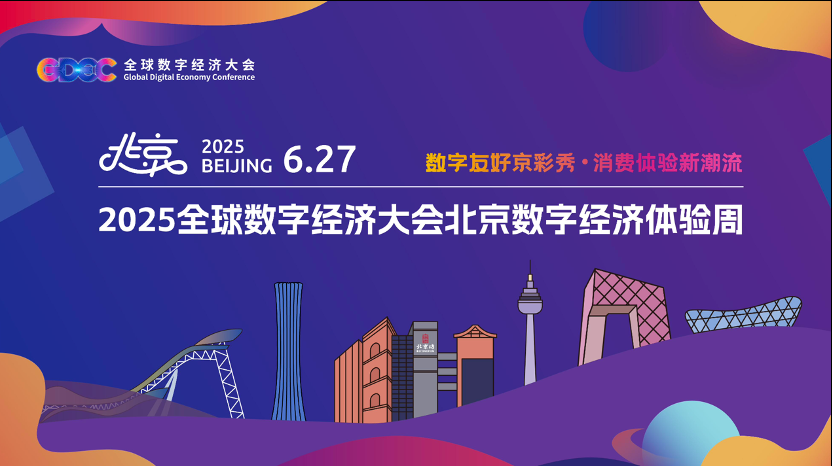
Core Viewpoint - The 2025 Beijing Digital Economy Experience Week will take place from June 27 to July 5, showcasing the achievements of Beijing's digital economy and promoting the integration of digital technology with consumer experiences [1][3]. Group 1: Event Overview - The theme of this year's experience week is "Digital Friendly Beijing Color Show: New Trends in Consumer Experience," focusing on "Digital Consumption + Digital Friendliness" [3]. - The event aims to attract companies and consumers from the digital economy industry chain, enhancing the impact of digital economy on consumer life [3]. Group 2: Key Features - The Beijing Fang Digital Complex will be inaugurated during the event, serving as a comprehensive platform for digital display, interactive experiences, and cultural exchange, becoming a new landmark for Beijing as a digital-friendly city [3]. - The "Digital Trend" AI Spark Market will be a highlight, showcasing the latest AI consumer products and services, allowing citizens to enjoy the convenience and excitement of digital consumption [3]. Group 3: Industry Impact - The experience week will achieve three major breakthroughs in industrial ecosystem construction: - Technologically, the large-scale application of domestically produced solutions like the 3D digital asset platform will demonstrate China's innovation capabilities in digital technology [4]. - In terms of models, a complete closed-loop of "innovation-experience-consumption" will be established, facilitating the ecological cycle from technology display to consumption conversion [4]. - Culturally, a digital art district will be launched, focusing on the research, creation, and promotion of digital art, contributing to the establishment of Chinese digital cultural standards [4].
第六届西部数字经济博览会开幕
Xi An Ri Bao· 2025-06-20 03:19
Core Points - The Sixth Western Digital Economy Expo opened in Xi'an, highlighting the importance of digital technology as a key driver of development and its deep integration into various sectors of the economy and society [1] - Xi'an's government is committed to exploring models and pathways for digital economic development, emphasizing systematic planning and infrastructure construction [1][2] - The expo attracted 309 domestic and international enterprises, showcasing digital technology and smart hardware products across an exhibition area of 10,000 square meters [2] Group 1 - The mayor of Xi'an, Ye Niuping, emphasized that digital technology is transforming lifestyles, business operations, and government services [1] - Xi'an is focusing on building a new infrastructure system that includes networks, cloud computing, computing power, data, and security to lead digital economic development [1] - The city is implementing new technology applications in urban management, transportation, and emergency services to drive the productization and scaling of digital technologies [1] Group 2 - The expo featured the launch of the "i Xi'an" app and various digital economy solutions, including XR films and smart transportation [2] - A cooperation memorandum was signed between Xi'an and Wenzhou's data management departments, and agreements were made with industry partners to promote digital economy initiatives [2] - The event also included the unveiling of the "Silk Road Data Port" and awards for outstanding districts, enterprises, and innovation competition winners [2]
培育新型农业人才 赋能农业新质生产力
Xin Hua Ri Bao· 2025-06-19 22:22
Group 1 - The modernization of agriculture and rural areas in China is heavily reliant on technological advancements and talent development, particularly new agricultural talents with innovative thinking and digital literacy [1][2] - New agricultural talents are essential for accelerating the formation of new productive forces in agriculture, which is crucial for the rural revitalization strategy emphasized by the 19th National Congress of the Communist Party of China [2][3] - The integration of digital technologies such as artificial intelligence and the Internet of Things is transforming traditional agricultural practices, necessitating the cultivation of talents who can effectively utilize these technologies [2][3] Group 2 - The development of new productive forces in agriculture is an inherent requirement for agricultural modernization, and educational institutions must adapt to meet these needs [3][4] - The cultivation of new agricultural talents should focus on interdisciplinary approaches, integrating various fields to address key technological challenges in agriculture [4][5] - A collaborative education model involving universities, local governments, and industries is essential for enhancing the quality of new agricultural talent training [5]
新技术打开文旅融合新思路
Jing Ji Ri Bao· 2025-06-19 22:12
Group 1 - The integration of technology is becoming a crucial engine for the high-quality development of cultural tourism, with 100% digital transformation completion rate for 5A scenic spots and 92.3% for 4A scenic spots nationwide [1] - New technologies such as VR, XR, and AI are creating new cultural tourism experiences for visitors, transforming cultural heritage from static displays in museums to shared resources in digital spaces [1] - The application of digital technology is lowering the barriers to understanding historical culture and expanding the potential consumer base for cultural products, making cultural heritage accessible to millions of internet users [1] Group 2 - The higher realm of cultural tourism integration involves transforming tourists from "observers" to "participants" and "co-creators of value," exemplified by the Hunan Museum's use of AI to recreate "Lady Xin Chui" [2] - A dual-channel model of "online virtual experiences + offline physical consumption" is reshaping the development logic of cultural tourism integration, with traditional scenic spots becoming "super cultural entry points" [2] - The future requires a strong awareness that technology is the primary productive force, with a focus on developing and applying new technologies and cultivating talents who understand both culture and digital technology to meet diverse consumer needs [2]