
体验式消费

Search documents
得力开出中国最大文具综合体 推动体验式消费
Jing Ji Guan Cha Wang· 2025-11-30 03:33
Core Insights - Deli World, a flagship store of Deli, opened in Jing'an Joy City, Shanghai, covering 1,500 square meters and offering a wide range of products including student stationery, premium stationery, IP stationery, and lifestyle goods, making it the largest stationery complex in China [1] - The store targets the growing demand for IP consumption among younger consumers, particularly Generation Z, by featuring popular IP collaborations such as Nezha and Water Pig stationery, emphasizing personalized expression and emotional connection [1] - Deli's Executive President, Chen Xueqiang, stated that the opening of this large-scale store is part of a strategic upgrade for the Deli brand, focusing on immersive experiences and becoming a trendy gathering place [1] Business Structure - Beyond its core stationery business, Deli has expanded into emerging business segments such as digital printing, premium tools, B2B, and IP cultural products, which have become significant growth drivers for the company [2]
年轻人缘何愿为“体验感”买单?
Zhong Guo Xin Wen Wang· 2025-11-26 01:35
Core Insights - Experience-based consumption is becoming a significant trend among young consumers in Beijing, characterized by immersive, participatory, and emotionally resonant experiences [1][5][11] - Emotional consumption, defined as spending driven by emotional needs and psychological comfort, is increasingly accepted and recognized, particularly among younger demographics [2][4][11] Consumption Trends - There is a notable shift in consumer demand from material utility to spiritual satisfaction, with consumers focusing more on the emotional experiences gained during consumption [4][11] - Emotional consumption encompasses a wide range of products and experiences, including seemingly "useless" items that provide emotional comfort [2][4] Experience-based Consumption - Experience-based consumption is a prominent mode of emotional consumption, where consumers are willing to invest more time and money [5][11] - Activities such as attending live performances, participating in DIY workshops, and collecting unique items are examples of how young consumers engage in experience-based consumption [6][8] Social and Emotional Dynamics - Emotional consumption serves as a means for young people to achieve self-pleasure, capture small moments of happiness, and maintain social connections [8][11] - The rise of social media platforms has amplified the sharing of emotional experiences, creating a new form of social currency among young consumers [8][9] Market Impact - The growing trend of emotional consumption is reshaping the commercial landscape, prompting businesses to focus on the emotional and cultural value of their offerings [11][14] - The integration of emotional value into consumer experiences is driving innovation in service delivery and creating new employment opportunities [14][15] Future Outlook - As the Z generation becomes the main consumer force, spending on emotional experiences is expected to continue growing, reflecting a broader societal shift towards valuing emotional fulfillment [11][12] - The expansion of experience-based consumption is likely to enhance the vibrancy of urban commercial spaces, transforming them into venues that cater to emotional needs [14][15]
会员费高达15万的高端俱乐部,“败走”上海?
Guan Cha Zhe Wang· 2025-11-24 12:04
(文/霍东阳 编辑/张广凯) 近日,英国高端百货哈罗德发布声明称,自明年1月起将关闭其位于上海的私人会员俱乐部The Residence以及哈罗德茶室。 哈罗德百货称此次退出主要"因上海项目租约期满,同时受到中国奢侈品消费环境变化,以及项目业主招商策略调整的影响"。 自2020年正式进入上海市场,最初以邀请制的奢华私人导购服务切入,2021年开设哈罗德茶室,并于2023年在茶室基础上升级推出了私人会员俱乐部The Residence,这家百年高端百货的重资产实体扩张迅速"破产"。 哈罗德百货创立于1834年,最初只是伦敦东区的一家小型杂货店,1849年,为抓住万国工业博览会机遇,迁至如今伦敦骑士桥的位置。 经过近两个世纪的发展,哈罗德百货已经成为全球奢侈品零售的传奇,拥有超过330个销售部门,服务过包括奥斯卡·王尔德、西格蒙德·弗洛伊德等众多名 流。 中国消费者是哈罗德百货坚实的客户,小红书上,哈罗德百货的圣诞礼盒开箱也是年度热门话题。2020年前,哈罗德百货销售额的近2成由中国消费者贡 献,每消费5英镑就有1英镑来自中国游客。 查公馆的外观看不出哈罗德百货的影子,十分低调。建筑的一楼是哈罗德茶室,在预约制的 ...


福州“胖永辉”+1 永辉闽侯第二家“胖改店”来了
Sou Hu Cai Jing· 2025-11-20 13:22
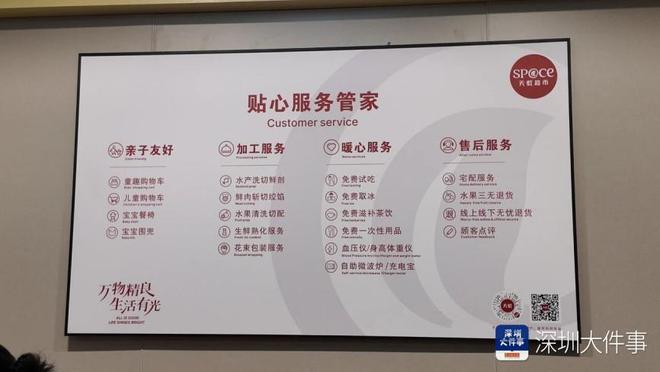
Core Insights - Yonghui Supermarket's Fuzhou Minhou University Town store is set to reopen on November 22 after a comprehensive renovation, aligning with local policies aimed at commercial upgrades and consumer potential release [1][20] - The store's transformation reflects a strategic focus on quality enhancement and consumer experience, particularly in the context of the "Fat Yonghui" model [20] Store Renovation Details - The renovated store covers nearly 3,700 square meters and is the second "Fat Yonghui" store in Minhou, featuring 9,574 SKUs with a product replacement rate of 40.7% [3] - The store's product structure has reached 80% of that of the popular brand "Fat Donglai," with 10.7% of products being imported and nearly 4,500 items from first and second-tier brands [3] Sales Performance and Consumer Engagement - The success of the renovation model is evidenced by the Yonghui Tanshishan store, which saw overall sales increase by nearly 470%, driven by popular ready-to-eat items [5] - The fresh food section underwent significant changes, with a product planning of around 900 items and a replacement rate of 56%, emphasizing the "quality at a reasonable price" strategy [5] Product Offerings and Local Integration - The vegetable section incorporates local culinary culture, introducing unique ingredients for soup, showcasing regional care [7] - The bakery and ready-to-eat food offerings increased from 5% to 25%, enhancing the shopping experience with a variety of freshly prepared items [7] Service Enhancements - The store has introduced various customer services, including free cooking for certain products and a range of convenience facilities [12] - A focus on freshness management is evident, with strict policies on product turnover and traceability [14] Employee Welfare and Training - Post-renovation, the store's staff increased from 122 to 162, with significant salary improvements and enhanced employee facilities [16] - Yonghui has been recognized as a training base for retail industry talent, reflecting its commitment to employee development [18] Future Outlook - The reopening of the Minhou University Town store represents a significant quality transformation, setting a new benchmark for retail market upgrades in the region [20] - Yonghui aims to continue its focus on high-quality retail, superior service, and differentiated product development to better meet consumer needs [20]


首日破百万,外籍顾客翻倍:华强北新天虹成国际消费新热点
Nan Fang Du Shi Bao· 2025-11-14 08:23
Group 1 - The core idea of the article highlights the transformation of the Huaqiangbei area into a high-quality consumption hub, exemplified by the opening of the sp@ce Tianhong Supermarket 3.0, which aims to attract global consumer traffic through innovative shopping experiences [1][2][8] - The sp@ce Tianhong Supermarket 3.0 emphasizes a shift from traditional shopping to immersive experiences, featuring nine themed areas and a health-focused product strategy with nearly 2,000 health products, achieving sales of over 3.3 million within three days of opening and a 20% increase in customer traffic year-on-year [2][3] - Huaqiangbei is enhancing its consumer appeal by integrating diverse business formats and targeting global consumer trends, with a 30% increase in Hong Kong customer visits due to the supermarket's one-stop dining service [3][5] Group 2 - The supermarket is positioned as an international benchmark for "borderless" shopping, offering a wide range of global products and services, including multilingual support and cross-border payment options, to cater to international consumers [6][8] - Huaqiangbei's innovative retail environment is attracting attention globally, with significant social media engagement and international influencers showcasing its products, indicating a strong appeal to younger consumers worldwide [5][6] - The area is leveraging opportunities from APEC to enhance its international service capabilities, creating a seamless shopping experience that connects Chinese markets with global consumers [6][8]

10月我国消费市场稳定向好,线下消费热度明显提升
Sou Hu Cai Jing· 2025-11-13 07:43
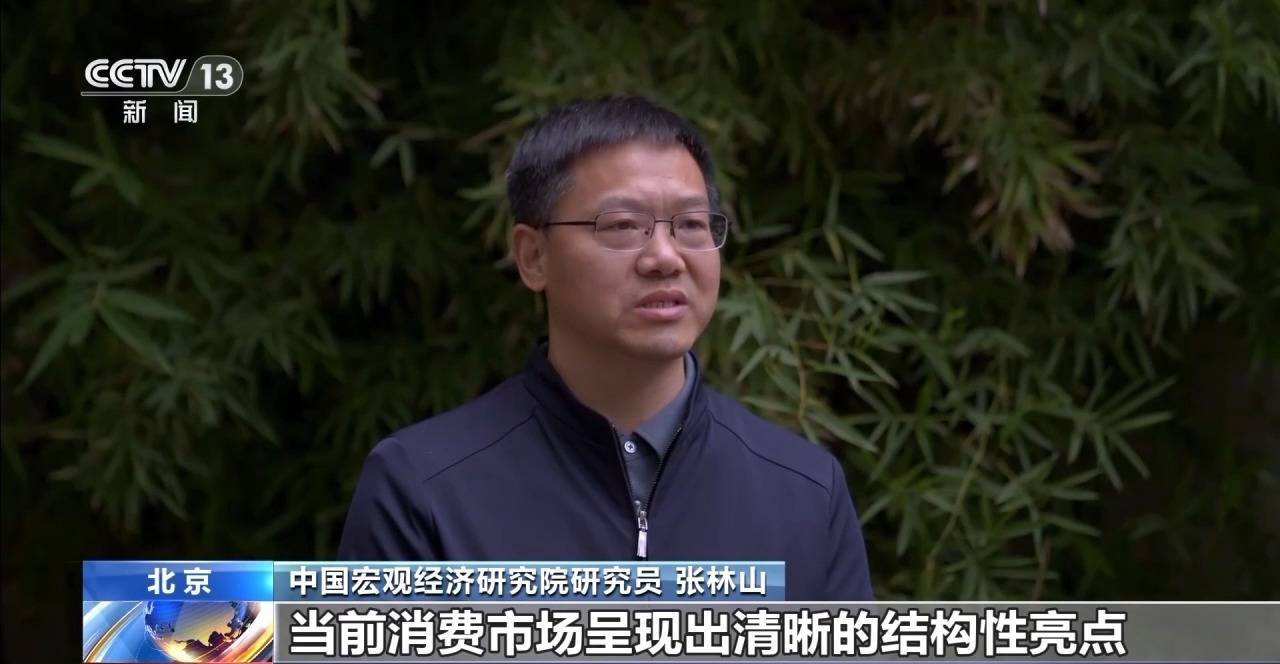
Economic Performance Overview - The latest economic data for October indicates a stable and improving trend in China's economy, supported by leading indicators in consumption, industry, and foreign trade [1][17] - The consumer market shows a stable upward momentum, characterized by a dual-driven new pattern of expanding lower-tier markets and leading cultural and tourism consumption [1][7] Consumer Market Insights - Offline consumption has seen significant growth, particularly in lower-tier cities, with a year-on-year increase of 31.2% in consumption index for third-tier and below cities, compared to 18.9% and 14.5% for first and second-tier cities respectively [1] - The "Double Festival" period (National Day and Mid-Autumn Festival) saw domestic travel reach 888 million trips, with total spending of 809 billion, marking substantial growth from the previous year [5] Infrastructure Development - In October, infrastructure construction rates and workload increased month-on-month, with the central region showing the highest growth, reinforcing its role as a "backbone" in national development [8][12] - The average operating rate of construction machinery rose by 1.4% month-on-month, with a workload increase of 5.25% [8] Industrial Production and Employment - Industrial production vitality continues to enhance, with a 0.5 percentage point year-on-year increase in the operating rate of major industrial products and a 19.8% increase in industrial park production heat index [13] - The employment demand remains strong, reflected by an 8.1% year-on-year increase in the labor price index [15] Foreign Trade Dynamics - The foreign trade vitality index, as indicated by the bonded area flow heat index, increased by 17.7% year-on-year, with 23 provinces showing improved growth rates compared to September [15] - The easing of Sino-U.S. trade relations is expected to contribute to sustained resilience in foreign trade [15]
“手作体验”成消费新热点,售后“掉链子”致投诉增多,扬州市消保委发布消费提醒
Sou Hu Cai Jing· 2025-11-10 07:41
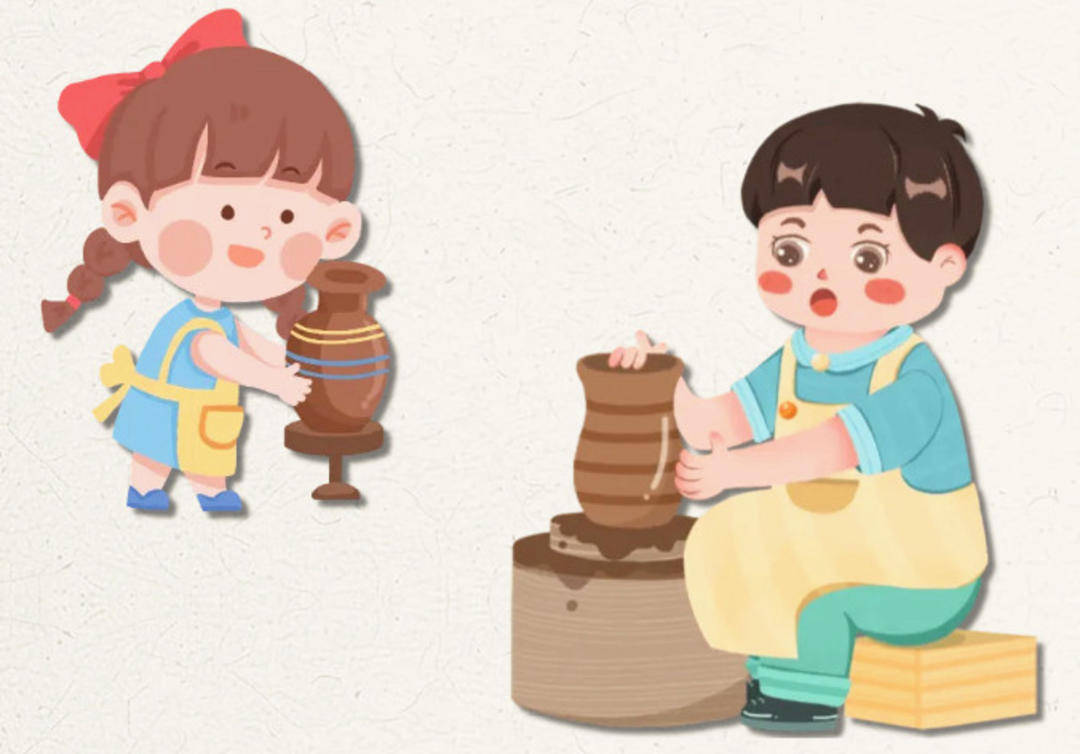
Core Insights - The article highlights consumer complaints regarding "experiential consumption" in handmade pottery workshops, emphasizing issues with product quality and lack of after-sales service [1][3][4] Group 1: Consumer Complaints - A consumer, Ms. Wu, reported receiving a damaged ceramic bowl after a pottery-making experience, with the merchant refusing to provide compensation, citing that handmade products do not come with warranties [1][3] - Another consumer, Ms. Liu, experienced a similar issue where a workshop closed after she prepaid for services, and upon reopening, she was told she needed to recharge her account to access her remaining balance [3][4] Group 2: Business Practices - Many handmade workshops advertise low base prices for experiences but often charge additional fees during the process, leading to unexpected costs for consumers [4] - Workshops frequently do not disclose their after-sales policies, leaving consumers without recourse when products are damaged during shipping, as merchants often blame the courier service without providing proper packaging standards [4] Group 3: Consumer Protection Recommendations - The Yangzhou Consumer Protection Committee advises consumers to choose reputable workshops and to request written agreements detailing the experience, including costs and after-sales policies [5] - Consumers are encouraged to be cautious of low-priced promotions and to clarify whether all costs are included, as well as to ensure that any prepaid balances are refundable in case of business closure [5]
逛市集的年轻人在“好好生活”
Zhong Guo Qing Nian Bao· 2025-11-07 00:20
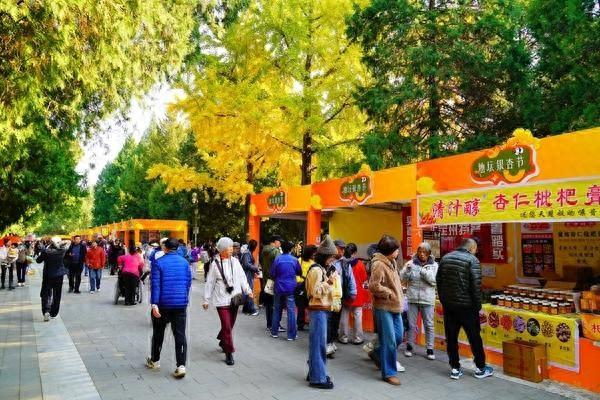
Core Insights - The article highlights the increasing popularity of offline markets, particularly the 11th Temple Ginkgo Cultural Festival in Beijing, which combines traditional culture with modern aesthetics, offering a multi-dimensional experience for visitors [2][4] Economic Context - The rise in consumer spending is noted as a key driver of economic growth, with retail sales in the first three quarters of the year showing a 3.5% year-on-year increase [2] - Emerging business formats, such as markets, are particularly appealing to younger consumers seeking unique experiences [2][4] Consumer Behavior - Young consumers are increasingly drawn to offline markets not just for purchasing goods but for the emotional and social experiences they provide, termed "meaningful consumption" [5][6] - The desire for real-world interactions and experiences is rising as digital life saturates, leading to a compensatory need for physical engagement [4][6] Pricing Dynamics - Price sensitivity is a significant concern for young consumers, with many prioritizing value for money when shopping at markets [7] - High prices in markets are attributed to factors such as stall fees and the handmade nature of many products, which complicates the perception of value [7][8] Market Challenges - The market faces challenges such as high stall fees, which can range from 200 to 1000 yuan per day, and a lack of product diversity leading to consumer fatigue [8][9] - The proliferation of similar products across different markets contributes to a sense of sameness, diminishing the unique appeal of individual stalls [8][9] Future Directions - To thrive, offline markets must focus on content creation, interactive experiences, and community building to enhance consumer engagement [9][10] - Utilizing data analytics and AI for refined operations can help optimize market offerings and improve the overall consumer journey [10]
江苏南京:需求释放结构升级,消费市场涌动“焕新”潮
Nan Jing Ri Bao· 2025-11-04 09:35
Core Insights - The consumer market in Nanjing is experiencing robust growth, with a total retail sales of social consumer goods reaching 614.06 billion yuan in the first three quarters, marking a year-on-year increase of 4.4% [1] - The "trade-in" policy has significantly boosted sales in various categories, particularly in home appliances, communication devices, cultural office supplies, and automobiles, with notable growth in smart, green, and high-quality products [1][3] Group 1: Consumer Market Performance - In the first three quarters, retail sales of household appliances and audio-visual equipment, cultural office supplies, communication devices, and automobiles increased by 17.4%, 21.7%, 26.9%, and 11.8% respectively [3] - Nanjing's Suning stores reported nearly 80% year-on-year growth in sales of home appliances and mobile phones, with sales of smartphones priced below 6,000 yuan increasing by over 100% due to government subsidies [5] Group 2: Consumption Trends - The trend of "experience-based consumption" is emerging in Nanjing, with retailers enhancing physical spaces to create immersive and interactive shopping environments [8] - Upgraded stores at Suning have seen a 70% increase in sales of smart home appliances, while sales of smart robots and wearables have surged by 120% [8] Group 3: Promotional Activities - The "Double Eleven" shopping festival is expected to further energize the consumer market, with many retailers offering promotions that can be combined with government subsidies [9] - During the "Double Eleven" period, various themed promotional events are being held, focusing on enhancing overall quality of life solutions rather than just individual products [11]


前三季度全市社零总额6140.62亿元,同比增长4.4%
Nan Jing Ri Bao· 2025-11-04 02:50
Core Insights - The consumer market in Nanjing is experiencing robust growth, with a total retail sales of social consumer goods reaching 614.06 billion yuan in the first three quarters, marking a year-on-year increase of 4.4% [1] - The "old-for-new" policy has significantly boosted sales in various categories, particularly in home appliances, communication devices, cultural office supplies, and automobiles, with notable growth rates [2][3] Retail Performance - The retail sales of household appliances and audio-visual equipment, cultural office supplies, communication devices, and automobiles increased by 17.4%, 21.7%, 26.9%, and 11.8% respectively in the first three quarters [2] - Nanjing's Suning stores reported nearly 80% year-on-year growth in sales of home appliances and mobile phones, with sales of smartphones priced below 6,000 yuan more than doubling due to government subsidies [3] Consumer Trends - The trend of upgrading consumption is evident, with smart and green home appliances seeing nearly 50% overall growth [3] - Specific categories such as smart toilets, Bluetooth earphones, and learning machines experienced year-on-year sales growth of over 450%, 230%, and 600% respectively [3] Experiential Consumption - The rise of experiential consumption is transforming the retail landscape, with retailers creating immersive and interactive shopping environments to enhance customer engagement [4][5] - Upgraded stores like Suning Max are incorporating features such as free coffee and clothing care services to attract consumers [4] Promotional Activities - The "Double Eleven" shopping festival is expected to further energize the consumer market, with many retailers offering promotions that combine discounts with government subsidies [6] - Nanjing's new round of automobile consumption subsidies allows consumers to receive up to 8,000 yuan off when purchasing new cars, stimulating the automotive market [6]