
本土化创新

Search documents
进博面对面|宜家阮林娟:以本土化创新回应中国消费者需求
Sou Hu Cai Jing· 2025-11-08 17:41
Core Insights - The eighth China International Import Expo (CIIE) opened on November 5, showcasing IKEA's commitment to co-creating in China through new products and solutions [1] - IKEA's role has evolved from a participant to a co-creator at the CIIE, emphasizing the importance of dialogue and market insights gained from the event [2][3] Group 1: Value of CIIE - The CIIE serves as a platform for valuable dialogues and exchanges that extend beyond product displays, impacting IKEA's business strategies [2] - Last year, IKEA's booth attracted approximately 45,000 visitors, facilitating discussions on topics like the silver economy and circular economy [2] Group 2: Brand Positioning - IKEA China introduced a new brand positioning, "Home, Enriching Life," to resonate with the emotional needs of consumers, particularly the younger demographic [4][6] - The new positioning aims to address the changing consumer behaviors and the need for meaningful living experiences [4] Group 3: Localization and Innovation - IKEA emphasizes the importance of localized innovation in the Chinese market, exemplified by the collaboration with cultural experts for the "Festa" Chinese New Year series [7] - A successful case from the CIIE includes the launch of an electric sofa that became a best-seller, showcasing IKEA's responsiveness to local consumer needs [7] Group 4: Omnichannel Strategy - IKEA is accelerating its omnichannel integration, opening design order centers and smaller stores in cities like Shenzhen and Beijing to meet community needs [7] - The company has expanded its online presence by launching a flagship store on JD.com, aiming for deeper connections with consumers [7] Group 5: Future Outlook - The Chinese market is viewed as a "future laboratory" for IKEA, with strong consumer vitality and innovation ecosystems driving global solutions in product development and retail automation [8] - IKEA aims to continue leveraging the CIIE to reflect Chinese consumer trends and foster sustainable practices [8]

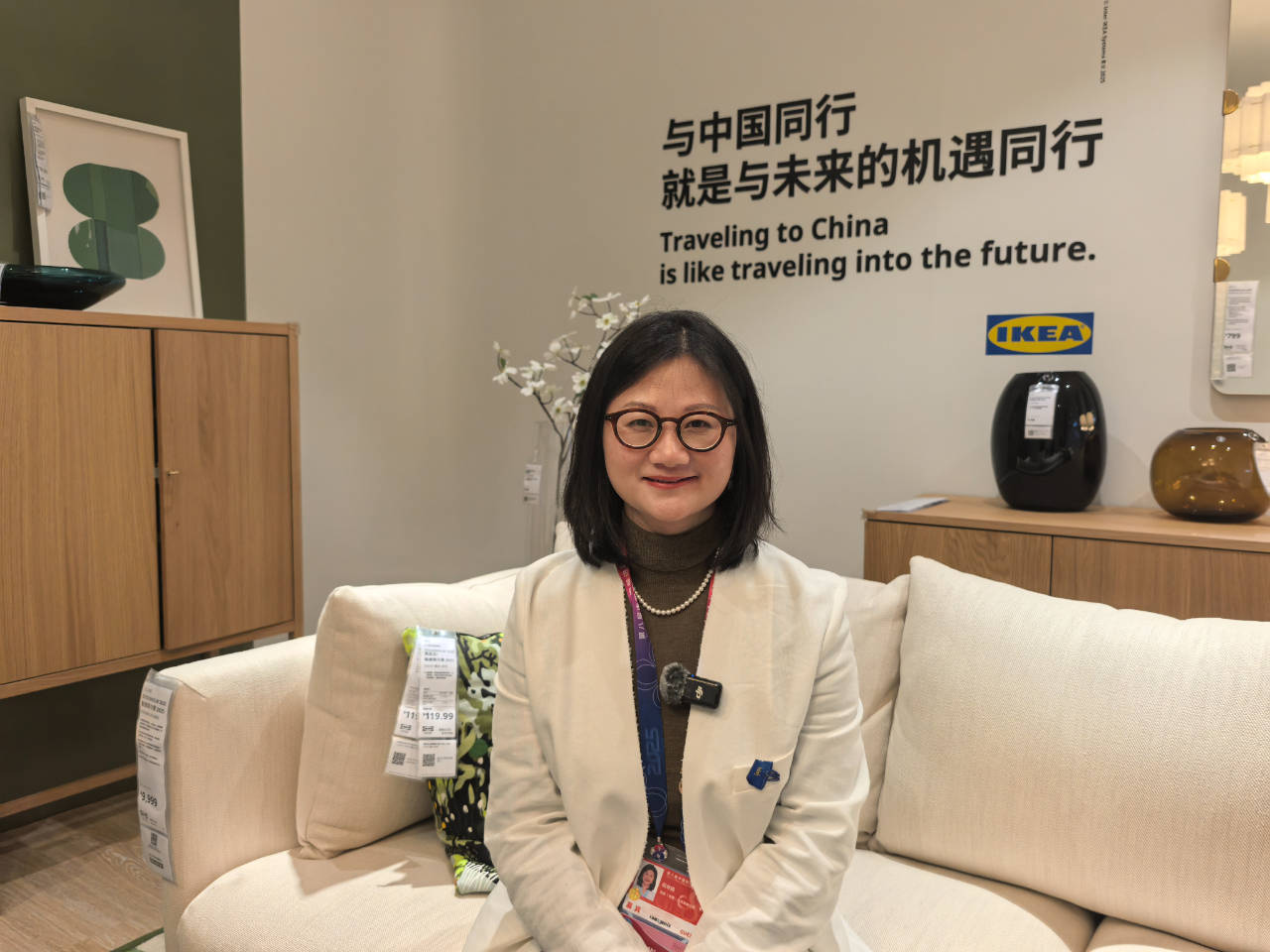
对话Coach母公司首席增长官:中国消费者正重新定义奢侈品
Guan Cha Zhe Wang· 2025-11-08 07:03
Core Insights - Tapestry's approach to the Chinese market emphasizes understanding local consumers rather than relying solely on luxury brand prestige [1][2] - The company is implementing localized strategies, such as collaborating with national IPs and focusing on sustainability to meet the expectations of Chinese consumers, particularly the Z generation [1][2] - Tapestry views China not just as a market but as a critical source of growth and innovation, influencing its global strategy [3][6] Market Positioning - Tapestry's participation in the China International Import Expo reflects its commitment to the Chinese market, which is seen as a significant growth opportunity [3][6] - The company recognizes the importance of China in its global operations, with the Chinese market being a key driver for brands like Coach, Kate Spade, and Stuart Weitzman [6] Strategic Adaptation - Tapestry's strategy includes a shift from merely selling products to learning from Chinese consumers, which informs their design and innovation processes [6] - The company is focused on creating a two-way empowerment model, where insights from Chinese consumers enhance global offerings [6] Investment Confidence - Tapestry expresses confidence in the Chinese investment environment, citing favorable trade policies and a stable regulatory framework as key factors for continued investment [7]


进博会农食产品展区上演“从全球农场到中国餐桌”
Zheng Quan Ri Bao· 2025-11-07 16:13
Core Insights - The eighth China International Import Expo (CIIE) showcased a diverse range of agricultural products, emphasizing the theme "From Global Farms to Chinese Tables" with over 2000 exhibitors, marking the largest scale in history [1][2] - Two significant trends emerged: a shift from "global product debuts" to "localized deep innovation," and the transformation of the agricultural value chain through digitalization and precision nutrition [1][6] Group 1: Product Launches and Innovations - The meat section at CIIE featured strong participation from major meat-producing countries like Brazil, Argentina, and Australia, highlighting the competitive landscape [2] - Companies like Ausnutria Dairy Corporation showcased innovative products such as probiotics for nasal sensitivity and sleep, catering to health-conscious consumers [2] - The cheese industry saw the debut of China's first domestically produced mozzarella cheese by Miaokelando, indicating advancements in local dairy production [2][3] - Arla, the world's largest organic dairy producer, introduced several globally launched products, aligning with the health and taste demands of the Chinese market [3] Group 2: Localization and Market Adaptation - The trend of localization is evident as foreign companies adapt their products to meet Chinese consumer preferences, with examples like Lindt's panda chocolate tailored for the Chinese market [6][7] - The integration of advanced agricultural technologies, such as AI for crop monitoring, reflects the global agricultural innovation driven by Chinese market demands [6] - Companies like Danone are focusing on local production and innovation to align with the health and nutrition needs of Chinese consumers [6] Group 3: Collaborative Efforts and Market Impact - The collaboration between Dingdong Maicai and New Zealand Silver Fern Farms resulted in a significant procurement order exceeding 100 million yuan for New Zealand beef, showcasing the import market's growth potential [9][10] - The CIIE serves as a platform for companies to establish partnerships and enhance their market presence in China, with a focus on integrating online and offline services [8][10] - The event highlights the connection between global food offerings and Chinese consumer preferences, fostering a sustainable and health-oriented future [10]
我在进博会
Zheng Quan Ri Bao Zhi Sheng· 2025-11-07 16:12
Core Insights - The eighth China International Import Expo (CIIE) showcases a significant increase in exhibitors and product diversity, particularly in the agricultural and food products sector, emphasizing the theme "From Global Farms to Chinese Tables" [2][3][4] - The event highlights a shift from global product launches to localized innovations, with companies focusing on establishing R&D centers and smart supply chains to cater to Chinese consumer preferences [2][6] - The expo serves as a platform for global brands to debut new products tailored for the Chinese market, reflecting the growing trend of localization in response to consumer demands [3][4][6] Group 1: Agricultural and Food Products - The agricultural and food products exhibition features over 2,000 companies, marking the largest participation in the event's history [2] - Notable product launches include Brazilian, Argentine, and Australian meat products, as well as innovative dairy products from Chinese brands [3][4] - Companies like Danone and Arla are showcasing new health-focused products, aligning with the increasing demand for nutritious options in the Chinese market [4][6] Group 2: Localization and Innovation - The trend of localization is evident as foreign companies adapt their offerings to meet the specific needs of Chinese consumers, moving from mere product display to localized production [6][8] - The integration of digital technology and precision nutrition is reshaping the agricultural value chain, enhancing product offerings and consumer engagement [2][6] Group 3: Sustainability and Green Development - The expo emphasizes sustainable development, with discussions on ESG (Environmental, Social, and Governance) principles and the promotion of green technologies [11][12] - Companies are showcasing innovations in energy efficiency, circular economy practices, and low-carbon technologies, reflecting a commitment to sustainability [11][12][14] Group 4: AI and Technological Innovations - The technology equipment section highlights advancements in AI and computing power, with companies like Dell and AMD presenting solutions that enhance industrial applications [16][17] - The focus is shifting towards energy-efficient solutions in data centers, with liquid cooling technologies gaining traction due to their effectiveness in managing heat [18][19]
当采暖成为消费热点,德国威能加速深耕中国市场
Di Yi Cai Jing Zi Xun· 2025-11-07 00:45
Core Insights - Global brands are reassessing the deep value of localization in light of China's manufacturing rise and consumer awareness upgrade [1] - The transition from "producing in China" to "innovating for the world" is a key focus for companies [1] Industry Overview - The modern industrial base in Wuxi, covering over 64,000 square meters, symbolizes the shift in global narratives [1] - The German brand Vaillant operates this facility, with an annual production capacity of 1.5 million units, while the wall-mounted boiler sales in China are projected to reach 2 million units in 2024 [3] - Approximately 40% of the factory's electricity comes from photovoltaic power, and it has achieved international LEED Gold certification, reflecting the growing importance of heating solutions among Chinese consumers [3] Consumer Behavior Changes - Consumer perception has evolved from "brand worship" to "quality recognition," with China's manufacturing value expected to account for nearly 30% of the global total by 2025 [4] - The overall scale of China's manufacturing has maintained the top position globally for 15 consecutive years [4] - The shift in consumer mindset indicates a more rational judgment, where consumers are clearer about their product needs and lifestyle preferences [4] Market Demand Diversification - The demand in the Chinese market has become increasingly diverse, reflecting the changing consumer mindset [6] Product Development Insights - Specific product requirements, such as higher adjustment ratios for wall-mounted boilers to accommodate varying water temperatures, are critical for usability [9] - Noise control is emphasized, with dedicated soundproofing labs focusing on psychological acoustics to ensure products operate quietly [10] - Smart features, such as remote operation and temperature settings via an app, are driven by Chinese customer demands, influencing global product upgrades [10] Global Innovation Impact - Innovations developed for the Chinese market are now influencing global products, with Vaillant exporting approximately 300,000 water heaters annually to over ten European countries [12] - The collaboration with Southeast University since 2019 has led to algorithm optimizations that cater to both local and international markets [12] Challenges for Multinational Companies - Multinational companies face the challenge of adapting to local market needs rather than merely replicating existing production systems [14] - China's market is evolving from being a traditional manufacturing hub to becoming a center for global innovation [14] Global Consumer Consensus - Successful products can achieve global recognition, as evidenced by the popularity of brands like Labubu among young consumers worldwide [16] - The operational strategies of foreign brands in China are shifting towards deep adaptation to local needs while maintaining core standards, leading to local innovations influencing global standards [16]

全球药械“尖货”闪耀进博会 中国创新力量加速崛起
Zheng Quan Ri Bao Zhi Sheng· 2025-11-05 15:45
Core Insights - The 8th China International Import Expo (CIIE) showcases innovative medical devices and pharmaceuticals from global giants like Novartis, Roche, Pfizer, Siemens Healthineers, and Philips, highlighting the latest advancements in medical technology [1] - Chinese domestic innovation is also significant, with companies like Fosun Pharma and Weisheng Pharma presenting leading-edge products and collaborations, indicating a robust local industry [1][2] - By the first half of 2025, the total amount of overseas licensing for Chinese innovative drugs is projected to reach $60 billion, accounting for 99% of global related transactions [1] Group 1: Innovative Products - Siemens Healthineers showcased a 1,000 square meter exhibit featuring a rapid spectral angiography system capable of detecting small tumors in 2.5 seconds [2] - Novartis presented 11 Galien Award-winning products, emphasizing its strong innovation track record with nearly 80 awards since 1970 [2] - Fosun Pharma displayed advanced products such as the Da Vinci surgical robot and CAR-T cell therapy, demonstrating its commitment to cutting-edge medical technology [2] Group 2: Local Innovation and Market Adaptation - Companies like Zhuhai Respira and Shenzhen Weide are developing innovative solutions tailored to the Chinese market, with rapid development cycles and efficient clinical research [3] - The trend of "localized innovation" is prevalent, with many foreign companies adapting their products to meet local needs, as seen with Carl Zeiss and Varian Medical Systems [4][6] - Philips has established five innovation centers and five manufacturing bases in China, with over 95% of its products developed and manufactured locally [6] Group 3: Foreign Investment and Market Engagement - Foreign companies are increasing investments in China, with plans for new facilities and projects, such as Novartis's radioactive drug production base expected to be operational by the end of 2026 [7] - Medtronic has set up a regional venture capital fund in China, investing in over 10 local medical technology startups to enhance innovation [7] - Companies are also targeting county and grassroots markets in China, with tailored products like fully automated biochemical analyzers designed for local healthcare environments [8]

聚焦进博|舌尖藏“外交”!一场全球美食和中国的双向奔赴
Guo Ji Jin Rong Bao· 2025-11-05 15:13
Core Insights - The eighth China International Import Expo (CIIE) is set to take place from November 5 to 10, 2025, showcasing a diverse range of global food products and innovations [1] - The food exhibition area serves as a "reception hall" for global cuisine, featuring rare ingredients cultivated in smart farms and health products empowered by technology [1] Company Highlights - Charoen Pokphand Group (CP Group) is showcasing 231 products across 20 business sectors, including Thai shrimp and pre-packaged meals, emphasizing a full supply chain from farm to table [4] - Metro AG is presenting 130 products from 21 countries, with a focus on sustainability and traceability, including MSC-certified seafood [6] - Crown Danish Cookies is celebrating the 75th anniversary of China-Denmark relations by launching new products that incorporate local cultural elements [8] - ADM is marking its 30th anniversary in China, presenting innovations in nutrition and sustainable solutions [9][12] - Ausnutria is introducing new probiotics and high-calcium products tailored for different consumer needs, highlighting its commitment to innovation [14][16] - Danone is showcasing over 130 research-driven products aimed at various life stages, from infant nutrition to adult medical nutrition [20] - Tsingtao Brewery is leveraging the CIIE platform to enhance its brand influence and expand its investment in China [22] Product Innovations - New product launches include Thai-style shrimp and energy drinks that symbolize the friendship between China and Thailand [14][20] - Ausnutria is debuting a new line of probiotics and high-calcium goat milk powder, addressing consumer demands for dual nutrition [16] - New cheese products from Miao Ke Lan Duo are set to highlight advancements in China's cheese production capabilities [18] - Dole is introducing a premium banana variety cultivated in Southeast Asia, aiming to reach more consumers through the CIIE [29] Market Trends - The CIIE is seen as a vital platform for global trade cooperation and industry exchange, with companies expressing long-term confidence in the Chinese market [9] - The event is facilitating the transformation of products from exhibition to regular consumer goods, enhancing brand trust and visibility [31]
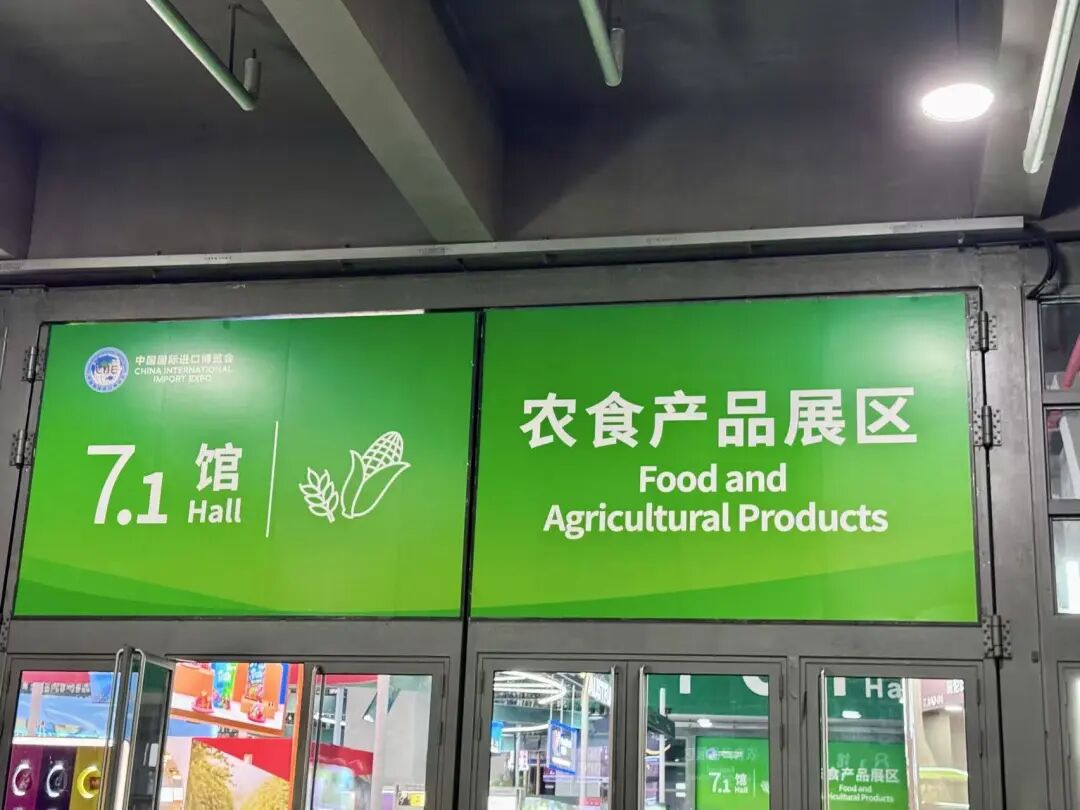
八年“变”与“不变”,聆听一家外企与进博会的共同成长
Xin Hua Cai Jing· 2025-11-04 09:01
Core Insights - The eighth China International Import Expo (CIIE) marks a significant milestone for Volkswagen Group, showcasing its long-term commitment to the Chinese market and its evolution alongside China's opening-up policies [1][7] Group 1: Evolution of Products and Strategies - Volkswagen Group has transitioned from showcasing imported fuel vehicles to presenting advanced electric vehicles and innovative technologies, reflecting the automotive industry's transformation [2] - At this year's expo, Volkswagen will display eight models, including the ID. EVO, ID. AURA, ID. ERA concept cars, and the new Audi E5 Sportback, highlighting its focus on the Chinese market [2] - The establishment of CARIAD China and the launch of Volkswagen Technology (VCTC) as a major R&D center in China demonstrate the company's commitment to local innovation and adaptation [4] Group 2: Enhanced Engagement and Corporate Responsibility - The CIIE serves as a platform for Volkswagen to enhance its corporate image and showcase its commitment to social responsibility, as seen in the "Green Belt Action" project [3] - The expo has evolved into a bridge for interaction between foreign enterprises, the government, and the public, emphasizing the importance of international exchange in the current global environment [3] Group 3: Internal Growth and Professional Development - Employees at Volkswagen have experienced significant personal and professional growth through their participation in the CIIE, transitioning from initial curiosity to mature involvement [6] - The company's approach to the expo has shifted from independent brand showcases to a collaborative multi-brand strategy, reflecting increased importance placed on the event by headquarters [5] Group 4: Future Commitments and Goals - Volkswagen aims to introduce approximately 30 new energy models in China by 2027 and around 50 by 2030, including 30 fully electric vehicles, aligning with the market's electrification trends [4]
星巴克中国易主 博裕投资拿下60%股权
Xi Niu Cai Jing· 2025-11-04 06:52
Core Insights - Starbucks has entered a strategic partnership with Chinese alternative asset management firm Boyu Capital, marking the first time in 26 years that Starbucks has relinquished control of its business in China [1][3] - The joint venture will operate Starbucks' retail business in China, with Boyu Capital holding up to 60% equity and Starbucks retaining 40% while continuing to license its brand and intellectual property [1][3] Financial Overview - The transaction is based on an enterprise value of approximately $4 billion, excluding cash and debt, with Starbucks estimating the total value of its retail business in China to exceed $13 billion [3] - This valuation includes proceeds from the equity sale, the value of the remaining 40% stake, and expected licensing revenues over the next decade [3] Market Expansion Plans - The new joint venture will be headquartered in Shanghai and will manage the existing 8,000 stores, with plans to expand the store count to 20,000 [3] - The partnership aims to leverage local expertise to accelerate expansion into smaller cities and emerging regions in China [3] Competitive Landscape - Starbucks' performance in China is showing signs of recovery, with projected revenue of $3.105 billion for fiscal year 2025, reflecting a year-on-year increase of 5% [3] - However, the company faces significant competition from Luckin Coffee, which operates over 24,000 stores [3]


进博会扩大开放新图景:让中国大市场成为世界大机遇
Di Yi Cai Jing· 2025-11-03 13:43
Core Insights - The eighth China International Import Expo (CIIE) will take place from November 5 to 10 in Shanghai, aiming to expand China's market opportunities for global businesses [2][3] - The exhibition area has reached a record high of over 367,000 square meters, with participation from over 4,000 companies from 138 countries and regions, including 290 Fortune 500 companies [3][12] - The event serves as a platform for innovation and collaboration, with companies like Honeywell and Medtronic showcasing numerous new products and technologies [4][11] Group 1: Event Overview - The CIIE is designed to enhance China's openness and create opportunities for global businesses, with a focus on innovative display areas and new consumer themes [2][3] - The event has seen a continuous increase in participation, with a notable presence from U.S. companies for seven consecutive years [3][12] - The expo is viewed as a significant signal of China's commitment to global trade and economic stability amid geopolitical uncertainties [5][9] Group 2: Company Participation and Innovations - Honeywell has showcased approximately 170 innovative technologies and solutions at the CIIE, emphasizing its commitment to local innovation in China [4][9] - AstraZeneca plans to unveil two innovative cancer treatment drugs at this year's expo, continuing its trend of rapid product development and market introduction [8][9] - Zeiss is focusing on local manufacturing and innovation, having launched high-end microscopes in China and establishing a comprehensive operational hub [10][11] Group 3: Market Dynamics and Trends - The CIIE is increasingly recognized as a launchpad for global products and technologies, with over 3,000 new products and services showcased in previous editions [7][8] - The event has attracted a growing number of companies from developing countries, with participation from 123 Belt and Road Initiative countries and an 80% increase in African enterprises [12] - The ongoing trend of foreign companies investing in local innovation and production in China highlights the country's role as a key market for global business growth [9][11]


