生态出海

Search documents
一家百年老店,如何为中国企业出海牵线搭桥?
Jing Ji Guan Cha Wang· 2025-11-06 11:35
Core Insights - The article discusses how Feng's Group, a century-old company, is evolving its core business to provide systematic services for Chinese enterprises going global, amidst the trend of "decentralization" [1][3][4] - Feng's Group has shifted its focus from merely bringing foreign brands into China to assisting Chinese companies in their international expansion, addressing the complexities and challenges they face [2][3][4] Business Strategy - Feng's Group introduced a new strategic vision at the China International Import Expo (CIIE): "Create a Century, Smart Chain Global, Expand Together for Prosperity," indicating a shift towards "cooperative overseas expansion" as a strategic focus [3][5] - The company aims to help Chinese enterprises navigate global compliance, cultural differences, and local market practices, which are critical for successful international operations [4][7] Challenges Faced by Chinese Enterprises - Chinese companies face three structural challenges in their globalization efforts: compliance and localization barriers, supply chain resilience issues, and insufficient ecosystem development [7][8] - The article emphasizes that the rules of international business have changed, moving from a focus on cost advantages to a need for brand establishment and ecosystem collaboration [8][9] Historical Context and Capabilities - Feng's Group's long history in global trade positions it uniquely to assist Chinese brands in overcoming the challenges of internationalization, leveraging its extensive network and expertise in supply chain management [9][10] - The company has a comprehensive capability that spans design, procurement, manufacturing, logistics, and distribution across over 40 economies, particularly in consumer goods sectors [9][10] Development of LiFeng Plaza - LiFeng Plaza in Shanghai serves as a strategic hub for Feng's Group, evolving through three key phases: establishing a headquarters, becoming a fashion technology center, and upgrading to an overseas ecosystem platform [10][12][13] - The plaza aims to provide comprehensive solutions for companies looking to expand internationally, facilitating collaboration and resource sharing [13][14] Two Paths for International Expansion - Feng's Group offers two distinct paths for Chinese companies aiming to go global: one focused on manufacturing capabilities and the other on brand establishment [15][19] - The manufacturing path involves partnerships with firms like Shengke to provide modular manufacturing solutions, while the brand path leverages idsMED to support high-tech medical equipment companies in Southeast Asia [16][20][21] Future Outlook - Feng's Group envisions its "cooperative overseas expansion" solutions becoming a key driver for Chinese brands' global presence, emphasizing the transition from "opportunity-driven" to "system-driven" and "ecosystem-driven" globalization [26]
起个大早,赶上大集”:奇瑞新能源跻身行业前五的“赶集之路
Zheng Quan Ri Bao Wang· 2025-11-05 07:49
Core Insights - Chery Group has achieved significant growth in the new energy vehicle sector, with October 2025 sales surpassing 110,000 units, marking a 54.7% year-on-year increase, and a cumulative sales figure nearing 700,000 units for the first ten months of the year, reflecting a 73.1% increase [1][2] Group 1: Transformation and Design - Chery's transformation began with a deep reflection on its identity, evolving from a "tech-focused" brand to one that emphasizes user experience and aesthetic appeal [2] - The company has established ten design centers globally, employing over a thousand international designers, which has led to significant improvements in design quality, evidenced by awards such as the two Red Dot Design Awards for the new QQ concept car [2][3] - Chery's commitment to quality is demonstrated by its establishment of over 100 enterprise standards that exceed national benchmarks, leading to recognition as the only domestic brand to win five awards in J.D. Power's 2025 China Vehicle Series Research [3] Group 2: Product Matrix and Market Positioning - Chery's product matrix in the new energy sector is thriving, with multiple successful models such as the Fengyun A9L and Jietu Zongheng G700, which have garnered significant sales and set new market benchmarks [4][6] - The Fengyun T11, described as a redefinition of luxury, received nearly 30,000 pre-orders and over 38,000 orders within 24 hours of its launch, indicating strong market acceptance [4][6] Group 3: Global Strategy and Smart Technology - Chery's global strategy has led to the export of 1.06 million vehicles in the first ten months of the year, with a remarkable 240% increase in sales in the European market [7][8] - The company has introduced advanced technologies such as AI smart vehicle architecture and L4 autonomous driving, showcasing its commitment to innovation in the smart vehicle sector [8] - Chery's approach to smart technology extends beyond vehicles, with successful commercialization of its墨甲 robots in various international markets, indicating a broader vision for growth in the "smart electric" era [8] Group 4: Long-term Vision and Industry Impact - Chery's recent achievements reflect a long-term commitment to quality, innovation, and strategic growth, positioning the company as a significant player in the global automotive industry [9] - The company's evolution from producing affordable vehicles to redefining luxury and smart electric vehicles illustrates a broader trend in the transformation of China's manufacturing sector [9]
中国新能源汽车的全球叙事|深度
24潮· 2025-11-02 23:05
Core Viewpoint - The article highlights the significant transformation of the Chinese automotive industry, particularly in the electric vehicle (EV) sector, showcasing its rise to become the world's largest automobile exporter, surpassing Japan for the first time in 2023 [2][8][12]. Group 1: Industry Transformation - The Chinese automotive industry has undergone a remarkable transformation over the past two decades, evolving from low-quality products to becoming a leader in electric vehicles [4]. - In 2023, China's automobile exports reached 491 million units, surpassing Japan's 442 million units, marking a historic achievement [8]. - The export of new energy vehicles (NEVs) has seen explosive growth, with a year-on-year increase of nearly 90% in the first nine months of 2023 [2][4]. Group 2: Export Dynamics - In the first nine months of 2023, NEV exports reached 175.8 million units, a staggering increase of 89.4% compared to the previous year [4]. - The export strategy has shifted from merely selling products to a more integrated approach involving the entire industrial chain and ecosystem [2][12]. - By 2024, China's NEV production is expected to exceed 10 million units, capturing 70% of the global electric vehicle market share [12]. Group 3: Key Players and Market Performance - BYD has emerged as a dominant player in the international market, with overseas sales reaching 47 million units in the first half of 2025, a 132% increase year-on-year [30]. - Chery remains the largest exporter among Chinese automakers, with an export volume of 114 million units in 2024, maintaining its position as the top exporter for 22 consecutive years [23][28]. - SAIC's MG brand has become a key asset in the European market, contributing significantly to the company's export volume [46]. Group 4: Strategic Approaches - Chinese automakers are increasingly adopting localized assembly strategies, such as the KD (Knocked Down) model, to enhance market responsiveness and reduce logistics costs [17][18]. - Companies like BYD are investing heavily in local production facilities, such as the $71 million investment in Brazil, to support their global expansion [38]. - The establishment of self-owned shipping fleets by companies like BYD is aimed at reducing logistics costs and improving supply chain stability [15]. Group 5: Challenges and Market Conditions - Despite the successes, Chinese automakers face challenges such as rising tariffs and trade tensions, particularly in markets like Russia and the EU [47][53]. - The EU's recent imposition of anti-subsidy tariffs on Chinese EVs poses a significant threat to the competitiveness of these vehicles in the European market [53]. - The overall profitability of the Chinese automotive industry is under pressure, with profit margins declining and increased competition leading to price wars [56].




白热化竞争下逆势突围!长城汽车2025年三季度营收超612亿元,高端化与全球化双线突围
Zheng Quan Shi Bao· 2025-10-27 00:12
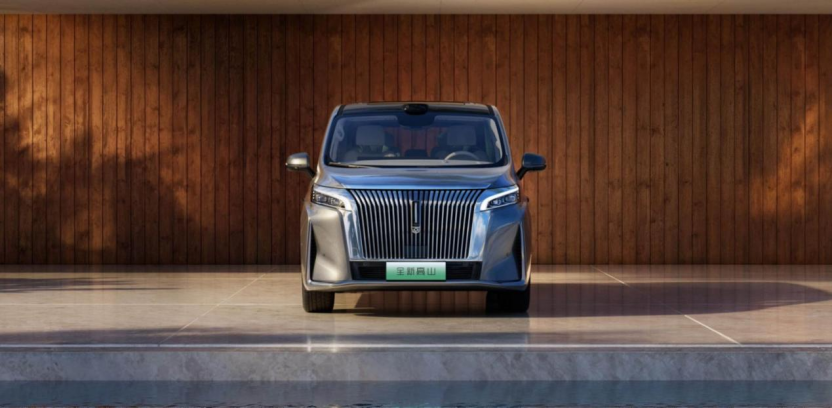
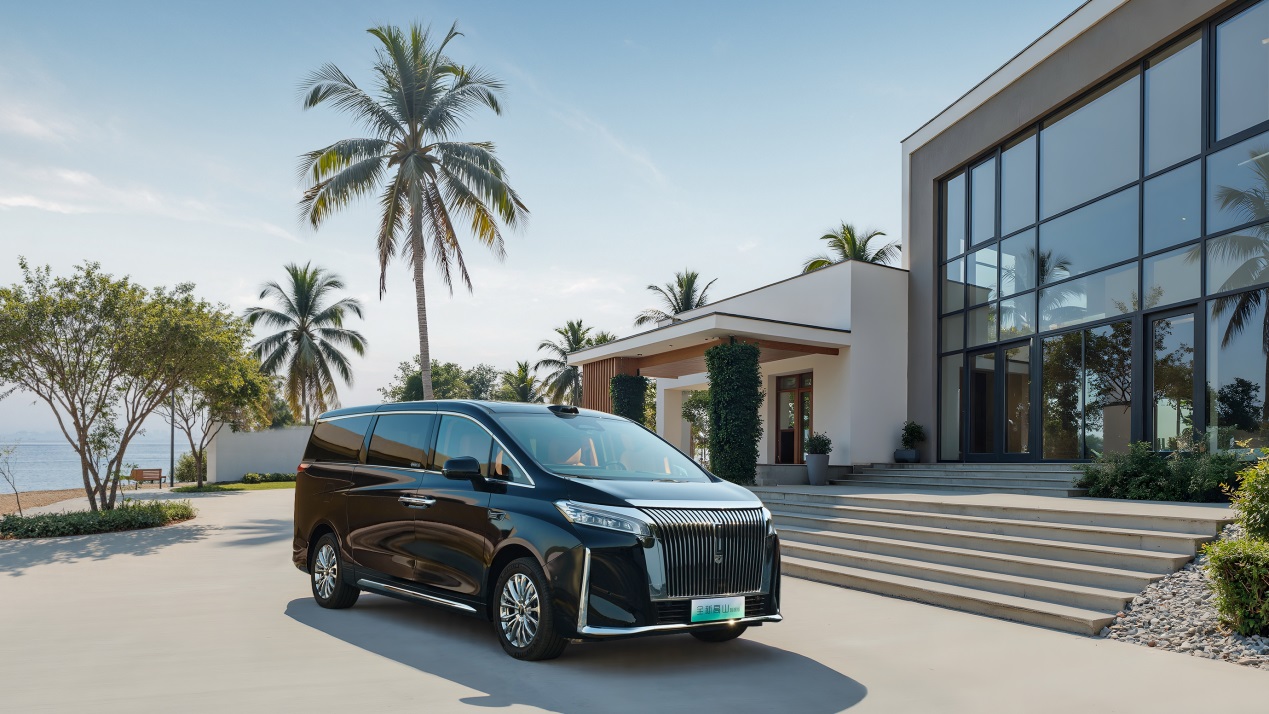
Core Viewpoint - The Chinese automotive market in 2025 is undergoing a significant reshuffle, characterized by intense competition and a price war among leading companies, which is pressuring overall profit margins. Traditional fuel vehicle market share is declining, while the new energy vehicle market is growing but showing signs of slowing growth. In this challenging environment, Great Wall Motors has reported strong performance in its Q3 2025 results, showcasing resilience and strategic strength amidst fierce competition [1]. Group 1: Financial Performance - In Q3 2025, Great Wall Motors achieved a revenue of 61.247 billion yuan, a year-on-year increase of 20.51% and a quarter-on-quarter increase of 17.07%. Vehicle sales reached 353,600 units, marking a year-on-year growth of 20.20% and a quarter-on-quarter growth of 12.97%, both setting historical records for the same period [2]. - For the first three quarters of 2025, the cumulative revenue reached 153.582 billion yuan, reflecting a year-on-year growth of 7.96%, establishing a record for the best performance in the first three quarters [3]. Group 2: Product and Market Strategy - The sales of vehicles priced above 200,000 yuan have become a core growth driver for Great Wall Motors, with Q3 2025 sales reaching 101,337 units, a significant year-on-year increase of 40.83%. The average guiding price per vehicle surpassed 180,000 yuan, with the Tank and Wey brands achieving sales levels comparable to leading new energy vehicle manufacturers [4]. - New product launches are expected to further enhance growth potential, with the Wey brand's Gao Shan MPV and the new Tank 400 SUV set to tap into emerging market segments [6]. Group 3: International Expansion - Great Wall Motors is adopting a differentiated "ecological overseas" strategy, moving beyond simple vehicle exports to a comprehensive model that includes research, production, supply, sales, and service. This approach has established a sustainable competitive advantage in global markets, with over 1,400 overseas sales channels and more than 2 million cumulative overseas sales [9][11]. - The completion of the Brazilian factory marks a strategic milestone, serving as a core hub for the Latin American market and facilitating local supply of high-value models like the Haval H6 [9].

白热化竞争下逆势突围!长城汽车2025年三季度营收超612亿元,高端化与全球化双线突围
证券时报· 2025-10-27 00:07
Core Viewpoint - The Chinese automotive market in 2025 is undergoing a significant reshuffle, characterized by intense competition and a price war among leading manufacturers, which is pressuring overall profit margins. The market is increasingly polarized, with traditional fuel vehicles losing market share while the penetration rate of new energy vehicles exceeds 45% but is experiencing a slowdown in growth [1]. Group 1: Financial Performance - In Q3 2025, the company achieved record-high revenue and sales, with revenue reaching 61.247 billion yuan, a year-on-year increase of 20.51% and a quarter-on-quarter increase of 17.07% [3]. - The company sold 353,600 new vehicles in Q3 2025, marking a year-on-year growth of 20.20% and a quarter-on-quarter growth of 12.97% [3]. - For the first three quarters of 2025, total revenue reached 153.582 billion yuan, a year-on-year increase of 7.96%, establishing a strong foundation for achieving annual targets [4]. Group 2: Product Strategy - The company's strategy to move upmarket is showing significant results, with sales of vehicles priced over 200,000 yuan reaching 101,337 units in Q3 2025, a substantial year-on-year increase of 40.83% [5]. - The average selling price of vehicles has surpassed 180,000 yuan, with the Tank and Wey brands competing effectively against leading new energy vehicle manufacturers [5]. - New product launches, such as the Wey brand's Gaoshan and the new Tank 400, are expected to further enhance growth prospects in Q4 2025 [8]. Group 3: International Expansion - The company is adopting a differentiated "ecological overseas" strategy, moving beyond simple vehicle exports to a comprehensive model that includes research, production, supply, sales, and service [10]. - The company has established over 1,400 overseas sales channels and has sold more than 2 million vehicles globally, with production bases in markets like Thailand and Brazil [11]. - The recent opening of a factory in Brazil is a strategic milestone, aimed at localizing supply for high-value models and enhancing the company's presence in the Latin American market [11].
营收销量双创新高 长城汽车三季度提速“品牌向上”
Zheng Quan Ri Bao Zhi Sheng· 2025-10-26 21:04
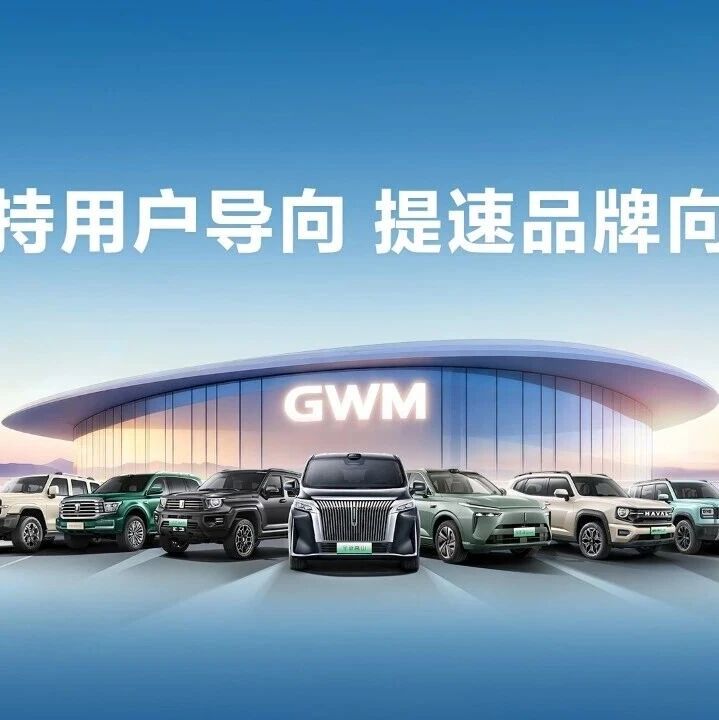
Core Viewpoint - Great Wall Motors achieved record high revenue and sales in Q3 2025, driven by a strong performance in its new energy vehicle segment, indicating successful strategic transformation and brand enhancement [1][3]. Financial Performance - In Q3 2025, Great Wall Motors reported revenue of 61.247 billion yuan, a year-on-year increase of 20.51% and a quarter-on-quarter increase of 17.07%, marking the best Q3 revenue performance in history [3]. - Cumulatively, for the first three quarters of 2025, the company achieved revenue of 153.582 billion yuan, a year-on-year growth of 7.96%, maintaining a growth trend for six consecutive years [3]. - Total sales for the first three quarters reached 923,400 units, up 8.15% year-on-year [3]. Product and Brand Development - The average selling price per vehicle exceeded 180,000 yuan for the first time in Q3 2025, reflecting an increase in brand value and product structure optimization [3]. - The launch of new models, such as the Tank 500 and the Wei brand's new high-end MPV, has significantly contributed to sales, with the Wei brand's new model achieving a monthly sales record of 8,560 units in September [3]. - The company is shifting its brand perception from "cost-effective" to "quality and uniqueness," enhancing user recognition and loyalty [3]. Future Growth Prospects - Upcoming models, including the Wei brand's Gao Shan 7 and the new Tank 400, are expected to drive further growth, with the Tank 400 offering a differentiated product positioning [3]. - Great Wall Motors has established a robust product launch strategy, ensuring a continuous cycle of new product introductions [3]. Global Expansion Strategy - The company's global strategy is evolving from "product export" to "ecosystem export," focusing on a comprehensive value chain approach [3]. - The completion of the Brazilian factory marks a significant milestone in its global strategy, with plans for localized production and sales [3]. - Great Wall Motors is committed to a multi-powertrain strategy, covering gasoline, diesel, hybrid, and electric vehicles, enhancing its competitive edge in international markets [3].

长城汽车录得史上最佳第三季度营收表现 新品热销集中发力 品牌向上成果显著
财联社· 2025-10-26 07:43
Core Viewpoint - Great Wall Motors achieved record-breaking revenue and vehicle sales in Q3 2025, demonstrating strong market competitiveness and a successful product strategy focused on high-end models and technological advancements [1][3][10]. Financial Performance - In Q3 2025, Great Wall Motors reported revenue of 61.247 billion yuan, a year-on-year increase of 20.51% and a quarter-on-quarter increase of 17.07%, marking the best Q3 performance in history [1]. - For the first three quarters of 2025, the company generated revenue of 153.582 billion yuan, reflecting a year-on-year growth of 7.96%, also the highest in the last six years [1]. Sales Performance - Great Wall Motors sold 353,600 vehicles in Q3 2025, representing a year-on-year increase of 20.20% and a quarter-on-quarter increase of 12.97%, achieving the best Q3 sales performance [3]. - In the first three quarters of 2025, the total vehicle sales reached 923,400 units, up 8.15% year-on-year [3]. Product Development - The product lineup has been enhanced with successful launches such as the new Wei brand Gao Shan and Tank 500, which have shown strong market competitiveness [3][8]. - The Wei brand Gao Shan achieved sales of 8,560 units in September, becoming the best-selling MPV in China for that month [3][5]. Technological Advancements - The new Gao Shan model features advanced driver assistance systems and a spacious interior design, addressing common pain points in larger vehicles [6][11]. - The Tank 500 integrates smart driving technology and has received over 10,000 orders in its first month, indicating strong consumer interest [8]. Market Strategy - Great Wall Motors is focusing on high-value market segments, with sales of vehicles priced above 200,000 yuan increasing by 40.83% year-on-year [10]. - The company is implementing a differentiated market strategy to avoid internal competition and enhance overall product market value [13]. Global Expansion - Great Wall Motors is actively pursuing global market opportunities, with over 1,400 overseas sales channels and more than 2 million cumulative overseas sales [13]. - The company aims to reshape public perception of Chinese automotive quality through its global branding efforts [13]. Strategic Vision - The company emphasizes a strategy of pursuing quality market share rather than merely focusing on sales volume, aiming for a balance between sales growth and profitability [15].

长城汽车三季报营收、销量均创历史最佳“生态出海”引领高质量全球化
Xin Lang Cai Jing· 2025-10-26 07:33
Core Insights - Great Wall Motors reported a revenue of 153.58 billion yuan for the first three quarters of 2025, marking a year-on-year increase of 7.96%, achieving the best performance in its history [1][2] - The company is focusing on long-term strategies, increasing R&D and channel investments, and optimizing its product structure to enhance brand positioning [2][3] Revenue Performance - In Q3 2025, Great Wall Motors achieved a revenue of 61.25 billion yuan, a year-on-year increase of 20.51% and a quarter-on-quarter increase of 17.07%, also the best Q3 revenue performance in history [2][3] - For the first nine months of 2025, the company sold 923,400 new vehicles, a year-on-year increase of 8.15%, with 278,500 of those being new energy vehicles, reflecting a growth of 31.67% [2][3] Sales Growth - In Q3 2025, Great Wall Motors sold 353,600 new vehicles, a year-on-year increase of 20.20% and a quarter-on-quarter increase of 12.97%, achieving the best Q3 sales performance [3] - The high-end brand "WEY" saw a significant sales increase of 96.35% year-on-year in the first three quarters, contributing to the brand's upward momentum [3] Product and Market Strategy - The launch of the WEY brand's new model "Gaoshan" in September 2025 achieved a monthly sales record of 8,560 units, becoming the best-selling MPV in China [4] - The "TANK" brand has successfully transitioned from a trendy boxy design to a luxury off-road vehicle, with the new TANK 500 model achieving 12,257 orders in just two hours after its launch [5] International Expansion - Great Wall Motors sold 334,200 vehicles overseas in the first three quarters of 2025, with September sales reaching 50,269 units, a year-on-year increase of 13.98% [6] - The company has established a strong presence in Australia, with sales of 39,343 units in the first nine months of 2025, a growth of 23.7%, making it the leading Chinese brand in that market [6][7] Technological Advancements - The Hi4 intelligent four-wheel drive technology has been a key driver for the company's international strategy, with 122 patents granted and participation in the formulation of nine national standards [6][7] - The modular design of Hi4 technology adapts to various global conditions, enhancing the competitiveness of Chinese automotive technology [7] Strategic Manufacturing - The completion of the Brazilian factory in August 2025 is a strategic move for Great Wall Motors to penetrate the Latin American market, aiming to shorten delivery times and enhance local service capabilities [8] - The Brazilian factory will produce high-value models like the Haval H6 and H9, contributing to a significant increase in overseas sales [8]
长城汽车三季报营收、销量均创历史最佳 “生态出海”引领高质量全球化
Xin Lang Zheng Quan· 2025-10-26 06:03
Core Insights - Great Wall Motors reported its best-ever revenue performance for the first three quarters of 2025, achieving 153.58 billion yuan, a year-on-year increase of 7.96% [3][4] - The third quarter revenue reached 61.25 billion yuan, marking a 20.51% year-on-year increase and a 17.07% quarter-on-quarter growth, also the highest third-quarter revenue in history [5][6] - The company is focusing on long-term strategies, increasing R&D and channel investments, and optimizing product structure to enhance brand positioning [1][2] Revenue and Sales Performance - In the first nine months of 2025, Great Wall Motors sold 923,400 new vehicles, a year-on-year increase of 8.15%, with 278,500 of those being new energy vehicles, up 31.67% [4][10] - The third quarter saw sales of 353,600 new vehicles, a 20.20% year-on-year increase, and 11,800 new energy vehicles sold, reflecting a 49.21% year-on-year growth [5][9] Product and Brand Development - The high-end brand "Wei" saw a significant sales increase of 96.35% in the first three quarters, contributing to the brand's upward trajectory [5][9] - The launch of the new "Tank" models, including the Tank 500 and Tank 400, has successfully transitioned the brand from a trendy image to a luxury off-road vehicle, with strong market acceptance [6][8] International Expansion and Localization - Great Wall Motors achieved overseas sales of 334,200 units in the first three quarters, with September sales alone reaching 50,269 units, a 13.98% year-on-year increase [10][11] - The company has established a strategic foothold in Brazil with the opening of a new factory, aimed at enhancing local production and service capabilities for the Latin American market [14][16] Technological Advancements - The Hi4 intelligent four-wheel drive technology has been a key driver for the company's international competitiveness, with 122 patents granted and significant sales revenue generated [11][13] - The technology's successful adaptation for various global markets has helped reshape perceptions of Chinese automotive capabilities [13][16]
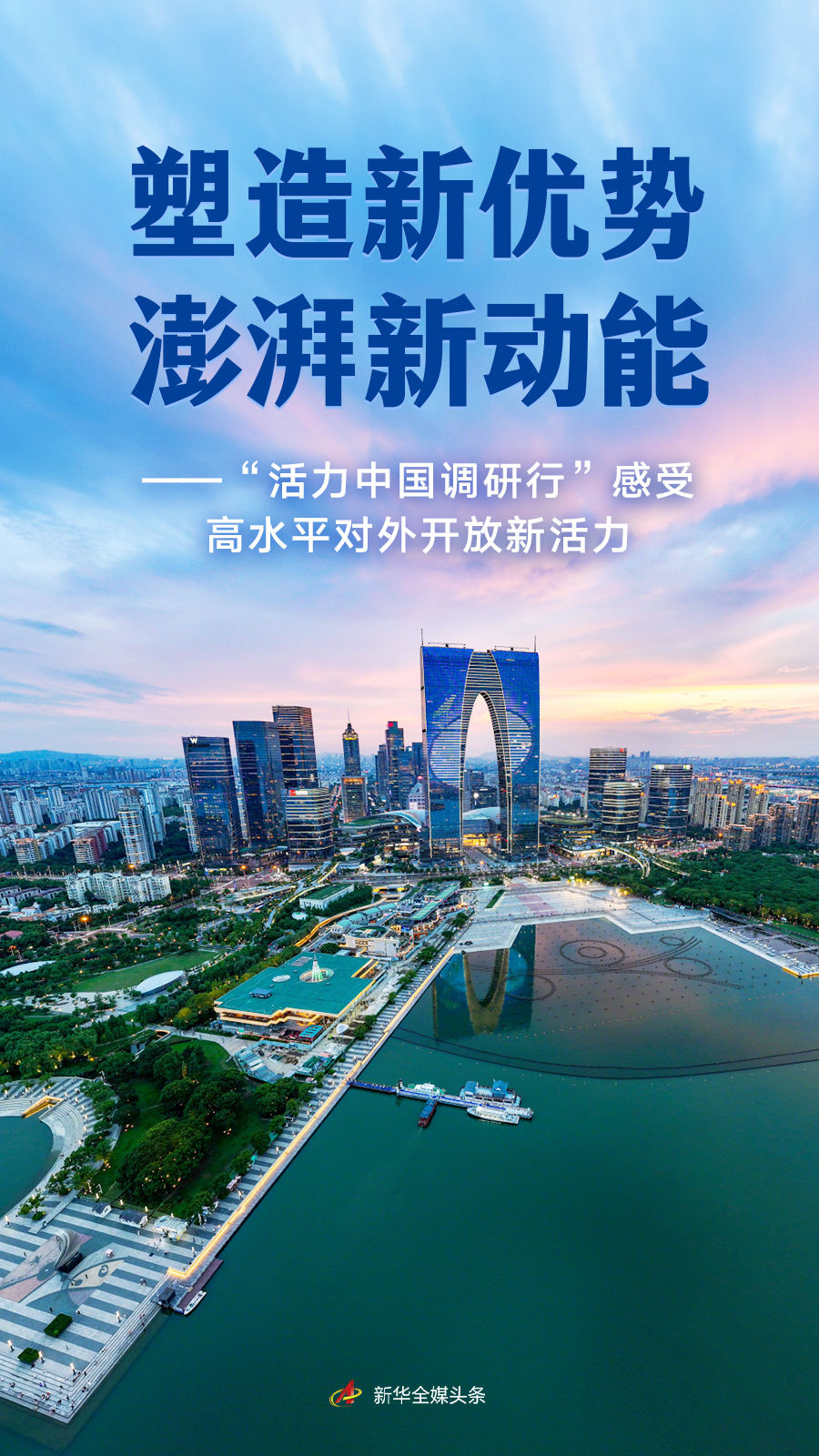
塑造新优势 澎湃新动能——“活力中国调研行”感受高水平对外开放新活力
Xin Hua Wang· 2025-10-18 10:41
Core Viewpoint - China's high-level opening up is creating new momentum for high-quality development, emphasizing the importance of expanding openness to promote reform and growth [3]. Group 1: Attracting Foreign Investment - Siemens' chairman is actively engaging with Chinese innovation companies, highlighting Shanghai's status as a preferred investment destination for foreign businesses [4][5]. - Shanghai has seen an average of over 5,700 new foreign enterprises established annually since the 14th Five-Year Plan, with a consistent import-export total exceeding 4 trillion yuan [8]. - The localization rate of the automotive supply chain for Schaeffler in China exceeds 95%, showcasing the deep trust in China's manufacturing and R&D capabilities [9]. Group 2: Exporting Chinese Products - Chinese companies are increasingly confident in their ability to "go global," with significant growth in exports of new energy vehicles and lithium batteries [14]. - Jiangsu's foreign trade volume reached 86.59 million tons in the first eight months of the year, with a year-on-year increase of 11.7% [14]. - High-tech product exports from China grew by 11.9% year-on-year, with industrial robots seeing a remarkable increase of 54.9% [19]. Group 3: Institutional Opening and Policy Support - Hainan is enhancing its role as a testing ground for high-level opening up, with new policies simplifying foreign investment registration processes [24]. - The province aims to become a hub for Chinese companies going international and foreign companies entering China, supported by a series of policy optimizations [27]. - Various regions, including Shanghai and Jiangsu, are implementing innovative measures to facilitate foreign investment and enhance service for outbound enterprises [29].