
平台经济

Search documents
张国清在广东调研时强调 推动产业创新提质增效 促进平台经济健康发展
news flash· 2025-06-17 12:11
张国清先后来到宝钢湛江钢铁有限公司、巴斯夫一体化基地(广东)有限公司和粤港澳大湾区国家纳米 科技创新研究院,详细了解研发创新、成果转化、产业发展等情况。他强调,现代制造业离不开科技赋 能,要以科技创新为引领,聚焦现代化产业体系建设的重点领域、薄弱环节和未来方向,持续用力推进 关键核心技术攻关,构建以科技突破驱动产业升级、以产业需求牵引技术攻关的良性循环。要加快建设 中试转化等公共服务平台,为企业提供中试验证、标准计量、检验检测、认证许可等一站式服务,支撑 创新成果工程化突破和产业化应用。要在产业创新中坚持软硬件协同和标准同行,在出产品的同时出软 件、出标准。要加力支持创新产品应用迭代,持续完善首台(套)重大技术装备、首批次材料、首版次 软件支持政策,以用促研、迭代升级,加快形成现实生产力。 在粤期间,张国清还到互联网货运平台企业调研。他强调,货运平台企业在降低物流成本、畅通经济循 环、稳定就业等方面发挥着重要作用,要落实平台主体责任,合理设定抽成比例,公开计价竞价规则, 优化订单分配算法,强化准入审核和安全管理,保障货运司机和消费者的合法权益。要加快完善平台规 则、算法、收费、直播电商等方面法律法规,健全平台 ...
京东外卖补贴商家或将承担70%,商家“不得不”跟着卷
Hu Xiu· 2025-06-17 12:09
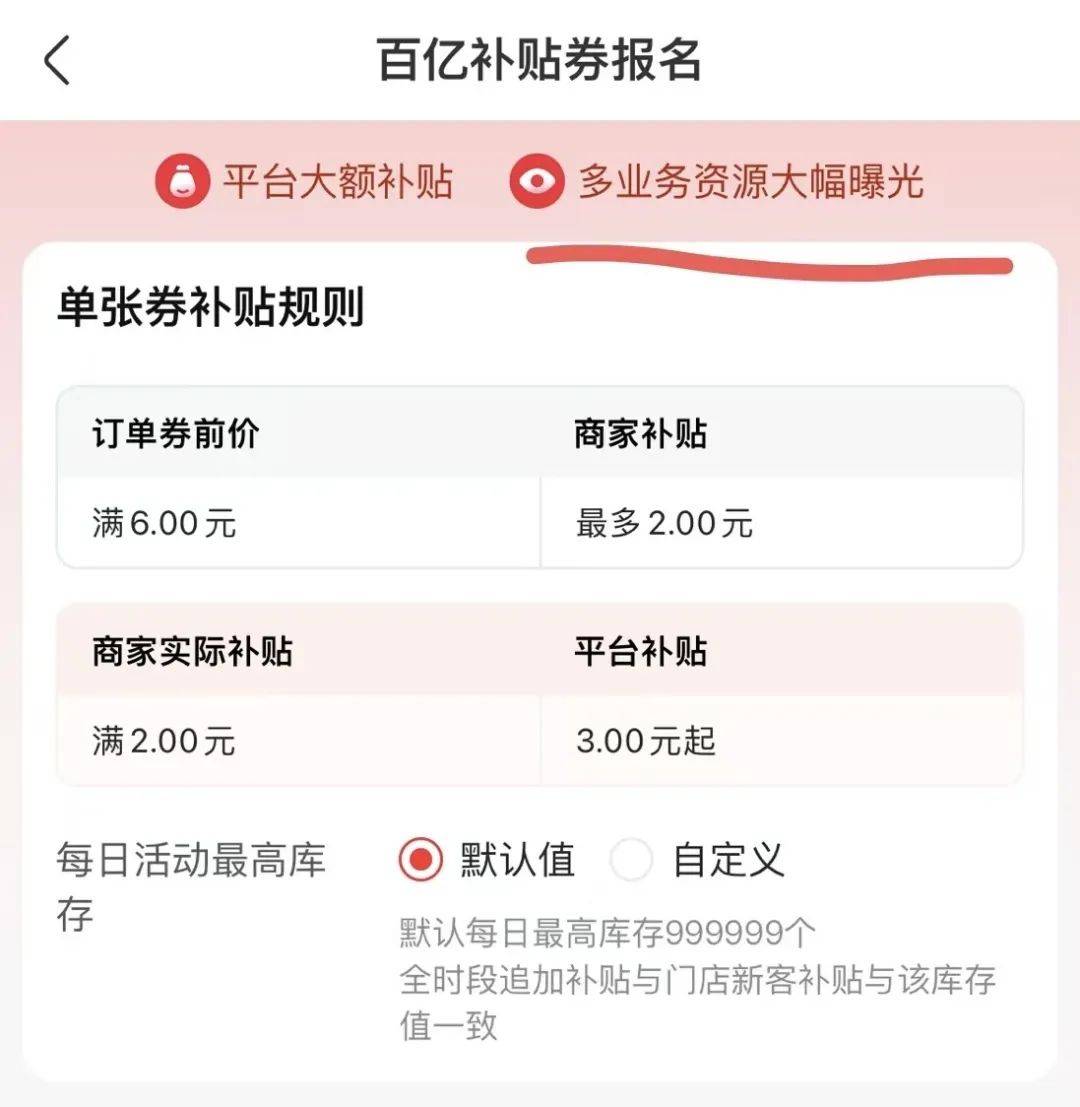
先从前段时间的百亿补贴商家承担比例说起。4 月底,有媒体报道称,京东外卖调整"百亿补贴"政策,所有补贴活动都需要商家分摊 50% 的成本。5 月 底,又有商家爆料称,京东外卖商家承担比例提高至 70%~80% 。 而在最初,百亿补贴刚上线的时候,商家是无需承担补贴的,由京东自己掏钱。 知危向多位商家求证,截至目前,商家承担比例达到 70%~80% 的还是少数,仅有一位无锡的商家对知危确认,他家店铺的情况是,参加满 11 减 10 的活 动,商家承担 7 元,京东承担 3 元。除此之外,这位商家还自主提供了免运费的服务,3元运费也由他自己付。 综合多位商家的情况来看,确定并落实商家承担比例调高的城市并不多,有广东的商家在后台看到,仍然是商家和京东 1:1 分配各自的补贴支出。 6 月 13 日,知危拨打京东外卖官方客服电话,对方向知危表示,现在百亿补贴活动中,商家和京东的支出分配不再是 1:1 了。 "满 6 减 5 的活动,商家出 4 元,平台出 1 元。满 8 减 7 的活动,商家出 5 元,平台出 2 元。满 11 减 10 的活动,商家出 7 元,平台出 3 元。满 25 减 20 的活动,商家出 15 ...


逃离数字利维坦
Sou Hu Cai Jing· 2025-06-16 08:26
Core Insights - The article discusses the transition of China's labor force from traditional industries to the platform economy, highlighting the challenges faced by couriers who often come from rural or underdeveloped areas and are at a disadvantage in urban labor markets [2][6] - The book "Chasing the System: The Labor Process and Social Network of Couriers" by Professor Zhuang Jiachi provides an in-depth analysis of couriers' experiences within the digital economy, emphasizing their struggles and resilience in the face of algorithm-driven work environments [5][6] - The need for a fair and sustainable labor order is emphasized, suggesting that the rights of workers should not be sacrificed for economic growth and technological advancement [6][11] Labor Dynamics - Couriers are often subjected to a data-driven work environment that reduces their labor to repetitive tasks, stripping them of autonomy and creativity [7][8] - The algorithmic management of courier work leads to high-pressure conditions, with many working over 12 hours a day, resulting in common occupational health issues [8][10] - Despite these challenges, couriers exhibit resilience through micro-resistance strategies, forming networks and alliances to navigate their work environment [9][10] Algorithmic Impact - The article highlights the dual nature of algorithms in the courier industry, where they enhance efficiency but simultaneously undermine workers' rights and well-being [8][11] - The responsibility for delivery issues is often unfairly placed on couriers, ignoring external factors like traffic and weather, which complicates accountability [8][10] Policy and Structural Changes - There is a call for restructuring labor relations within the platform economy, including the need for clearer definitions of employment status and better social security provisions for gig workers [10][11] - Recent initiatives by companies like JD and Meituan to provide social insurance for couriers are seen as significant steps towards improving labor conditions in the industry [10][11] Future Directions - The article suggests that a shift in algorithm design is necessary to incorporate worker rights and needs, advocating for a more human-centered approach to technology in the labor market [11][14] - The concept of "algorithmic human rights" is introduced, proposing that technology should be designed with empathy and consideration for workers' dignity [13][14]

央广财评|深挖“三新”产业富矿 打开就业广阔空间
Yang Guang Wang· 2025-06-15 13:34
Group 1 - The central government prioritizes employment stability, emphasizing the need to explore and expand employment opportunities through new industries and ecosystems [1] - The digital economy, represented by platform economies, has a significant impact on employment, with approximately 84 million new employment form workers, accounting for 21% of the total workforce [1] - The Tencent WeChat ecosystem has created over 50 million direct and indirect job opportunities, showcasing the positive role of platform enterprises in stabilizing and promoting employment [1] Group 2 - The application of artificial intelligence (AI) is creating new job opportunities, with a talent gap exceeding 5 million in China, indicating vast potential for new positions [2] - Traditional industries, such as manufacturing, are also experiencing employment growth, particularly in the electric vehicle sector, where job postings for automotive mechanical engineers increased by 40.2% year-on-year [2] - The collaboration between human resources services and manufacturing industries is expected to accelerate high-quality employment and support the development of a modern industrial system [2] Group 3 - The "three new" economy (new industries, new business formats, and new models) is projected to account for over 18% of GDP in 2024, indicating a shift towards innovative and intelligent development across various sectors [3] - There is a call for collaboration across sectors to enhance talent training and services, ensuring that economic growth aligns with employment stability and social welfare [3]
“今年‘618’ 我不投流了”
经济观察报· 2025-06-13 12:54
"7折其实是给线下经销商的价格,'618'期间,平台零售价完全低于经销商采购价,经销商也挺难 的。"杨子君称。 "平台和算法机制让你不得不持续花钱。"对平台,食品商家杨 子君爱恨交织。 作者:冯雨晨 封图:图虫创意 面对"618",食品商家杨子君开心不起来。 几年摸爬滚打下来,杨子君的经验是, 在这种大节点,产品不打折很难获得足够的流量,并且大 促节点 的 投流费用更多、更贵,还需要做站外引流。 他举例,在某平台的"618"活动中,产品在S级价格(大促价格)上打了9折后,叠加平台会员,再 加上满减券,实际打折力度为零售价格的7折,还要另外付费做直通车等营销,利润空间进一步压 缩。 幸运的是,他做起来了。 6年后,始终在一线的杨子君自认为,今天再走来时路,要做起来是很难的。 杨子君的公司今年在各电商平台的营销成本都在上涨,但在部分平台营销效益却已见顶。他回顾, 公司自2023年起在某平台的利润已接近于零,他预计2025年即使中台成本不摊销,在该平台还要 再亏十几个点。 "平台和算法机制让你不得不持续花钱。"对平台,杨子君爱恨交织。 权衡后,杨子君决定今年不参加该平台的"618"活动。 他也知道不参加活动,店铺在 ...

“今年‘618’ 我不投流了”
Jing Ji Guan Cha Bao· 2025-06-13 09:43
Core Insights - The article highlights the challenges faced by food merchants during major promotional events like "618," where discounting is essential for traffic but leads to reduced profit margins [1][3] - The increasing marketing costs on e-commerce platforms are squeezing profit margins for small and medium-sized businesses, prompting some to reconsider their participation in these promotional events [1][3][4] - The recent draft of the "Guidelines for Compliance with Charging Behavior of Online Trading Platforms" is seen as a potential relief for merchants, aiming to regulate platform fees and reduce the financial burden on businesses [4][10][11] Group 1: Marketing Costs and Strategies - Merchants are experiencing rising marketing costs on e-commerce platforms, with some reporting near-zero profits from their investments [3][5] - A specific case shows that the cost per thousand impressions (CPM) has surged by 57%, while the conversion rate has dropped by 17%, leading to a 38% decrease in return on investment [5][6] - Merchants are shifting their marketing strategies, with one company reducing its online-to-offline marketing ratio from 9:1 to 5:5, favoring offline channels due to lower costs and less dependency on platform algorithms [1][3] Group 2: Platform Fee Concerns - Merchants express frustration over opaque fee structures and repeated charges for the same promotional efforts, leading to questions about the fairness of platform practices [6][8] - The article discusses a specific case where a merchant faced unexpected costs due to a lack of transparency in the platform's advertising fee structure [6][8] - The draft guidelines aim to address these concerns by prohibiting unreasonable charges and ensuring that platforms provide adequate services for the fees collected [10][11] Group 3: Regulatory Developments - The article notes that regulatory bodies are increasingly focused on reducing the financial burdens on e-commerce merchants, with recent guidelines aimed at clarifying acceptable charging practices [10][12] - The guidelines outline specific unreasonable charging behaviors that platforms must avoid, such as double charging and lack of service provision [11][12] - Experts believe that these guidelines will enhance merchants' awareness of their rights and encourage platforms to adopt fairer practices [12]
京东、美团等5家头部电商齐聚郑州!签约河南省市场监督管理局
Sou Hu Cai Jing· 2025-06-11 15:41
Core Viewpoint - The signing of the memorandum between the Henan Provincial Market Supervision Administration and five major e-commerce platforms aims to enhance cooperation in promoting platform economy development, establishing a new regulatory model, and creating a safe consumption environment [1][2]. Group 1: Government and Enterprise Cooperation - The memorandum focuses on "government-enterprise linkage, law enforcement collaboration, rights protection cooperation, and information exchange" to strengthen cooperation and promote new developments in the platform economy [1]. - The collaboration is seen as essential for breaking down market barriers, facilitating the flow of factors, and stimulating economic vitality, contributing to the construction of a new ecosystem for platform economy development [1]. Group 2: Economic Context and Objectives - Henan Province has 11.39 million business entities and nearly 100 million consumers, making it a significant economic and population center in China, which faces complex regulatory challenges [1]. - The initiative aims to support the digital transformation of local businesses, enhance the online operational capabilities of small and micro enterprises, and promote the "Meiyu Mingpin" brand to expand high-quality products to the national market [2].



先建立职业伤害保险,再渐进完善社会保险,更符合平台经济的弹性特征
Di Yi Cai Jing· 2025-06-11 14:44
Core Viewpoint - The prioritization of occupational injury protection for delivery riders can mitigate immediate risks while accumulating experience for comprehensive social security reform. The gradual reform of the social security system should focus on national coordination and flexible contributions to avoid conflicts between rigid systems and flexible employment [1][17]. Group 1: Occupational Injury Risks - Delivery riders face significant occupational injury risks, including traffic accidents, overwork-related health issues, and extreme weather threats. Statistics indicate that riders average over 50 kilometers of cycling daily, leading to a high-pressure work environment that increases the likelihood of accidents [2][3]. - The occupational injuries of riders not only affect them but also impose external costs on society, such as increased public healthcare burdens and traffic congestion due to accidents [2][3]. Group 2: Policy Development and Implementation - In December 2021, the Ministry of Human Resources and Social Security and ten other departments introduced the "Occupational Injury Protection Measures for New Employment Forms (Trial)" to support and regulate the rights of new employment form workers [4]. - The core of the Measures is to recognize the unique employment status of platform workers and establish an occupational injury protection system that provides medical expenses and compensation for disability or death [5][6]. Group 3: Challenges and Risks in Policy - Despite the Measures, there are potential risks of companies evading their responsibilities through outsourcing or changing order mechanisms, which could undermine the effectiveness of the occupational injury protection [9][10][11]. - The flexibility of platform operations and the evolving nature of employment relationships pose challenges to the implementation of the Measures, as companies may exploit loopholes to minimize their obligations [8][12]. Group 4: Balancing Rights and Industry Sustainability - The debate on whether to prioritize social insurance or occupational injury insurance reflects the need to balance immediate risk coverage with long-term institutional development. Prioritizing occupational injury insurance could provide immediate relief while allowing for gradual improvements in social insurance [14][16][17]. - The proposed pathways for policy implementation suggest that establishing occupational injury insurance first could stabilize the industry and facilitate a smoother transition to comprehensive social security reforms [15][16][17].
炸裂式扫货!四度称牛
Ge Long Hui· 2025-06-10 11:23
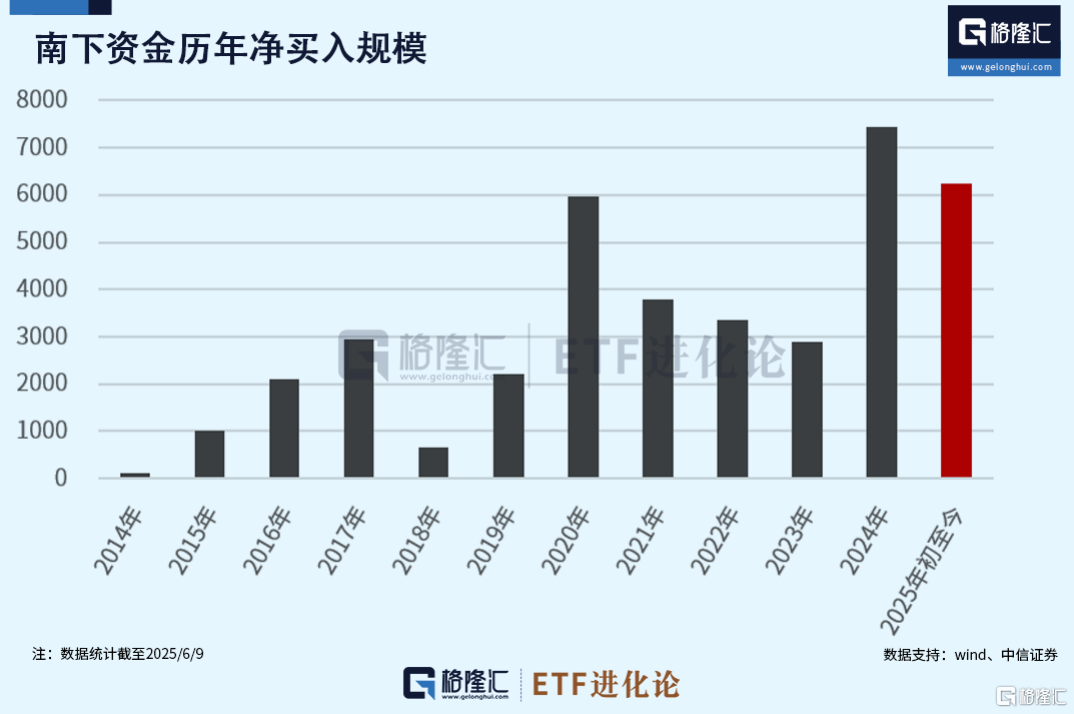
Group 1 - The Hong Kong stock market has entered a bull market after 40 trading days, with significant indices such as the Hong Kong Internet Index, Hang Seng Tech Index, and Hang Seng China Enterprises Index rising over 20% since their April lows [2][3] - The Hong Kong Internet Index surged by 23.63% in the first quarter, leading global major indices, and has seen a net inflow of 688 million HKD into the Hong Kong Internet ETF (513770) since the second quarter, surpassing 5 billion HKD in total size [3][25] - Southbound capital has recorded unprecedented inflows into Hong Kong stocks, with a cumulative net purchase of over 620 billion HKD this year, the highest for the same period in history [12][19] Group 2 - The influx of southbound capital has been more rational this time, focusing on technology giants, high dividends, and new consumption strategies, with Alibaba, Meituan, and Tencent being the most popular choices [21][23] - The Hong Kong Internet ETF (513770) has become a key investment tool, with its size reaching 50.84 billion HKD, benefiting from the strong performance of the underlying index, which has risen over 27% this year [25][26] - The current price-to-earnings ratio of the Hong Kong Internet Index stands at 22.73, which is lower than most major global markets, indicating potential for further growth [28][29] Group 3 - The market is experiencing a liquidity boom due to the rapid weakening of the US dollar, with the Hong Kong Monetary Authority injecting nearly 130 billion HKD into the market, leading to a significant drop in the one-month HIBOR rate [17][19] - The return of foreign capital to Chinese assets is expected to increase, driven by the changing global narrative around Chinese technology and the ongoing IPO boom in Hong Kong, which has raised over 77.6 billion HKD this year [30][31] - The current market dynamics suggest a historical shift, with the potential for Hong Kong stocks to attract more investment as they offer a variety of high-quality assets [31][32]
消费不愁 生活无忧
Jin Rong Shi Bao· 2025-06-10 03:23
Group 1 - Consumption plays a crucial role in stabilizing the macro economy and promoting internal economic circulation, with CITIC Bank Fuzhou Branch actively supporting the recovery of the consumption market through credit resource allocation and financial support [1] - The "Xinsdai" loan product from CITIC Bank Fuzhou Branch has provided 1.3 million interest discounts, achieving an annual business scale of approximately 6.9 billion yuan in 2024, facilitating consumer financing [2] - The bank has launched various financial solutions like "Wuyoudai" in the automotive sector, collaborating with major car manufacturers to create a consumer finance ecosystem and optimize loan services [2] Group 2 - The rapid development of platform economy has significantly boosted consumption, with CITIC Bank Fuzhou Branch partnering with Meituan to offer products like "Shengyidai" and "Shenghuofei" to support small and micro enterprises [3] - "Shengyidai" is a no-collateral credit loan with a maximum limit of 500,000 yuan, designed to provide strong financial support for small businesses [3] - The bank has implemented personalized services for foreign nationals, optimizing account opening processes and promoting mobile payment tools to enhance their financial service experience in China [4] Group 3 - CITIC Bank Fuzhou Branch has improved the convenience of payment services, allowing foreign nationals to easily integrate into the diverse payment environment in China [4] - The bank promotes the "Lingqianbao" service through both online and offline channels, enhancing the flexibility and convenience of cash usage for consumers and merchants [4]
