
智能化

Search documents
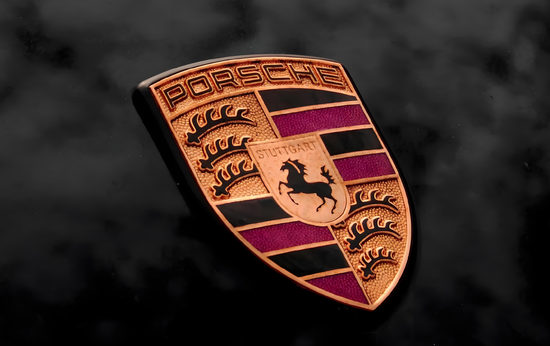
老钱新贵的梦中情车,卖不动了
投中网· 2026-01-20 02:52
Core Viewpoint - Porsche is facing unprecedented operational challenges in China, with significant declines in sales, profits, and market presence, marking a critical period for the brand in 2025 [4][5][15]. Sales Performance - In 2025, Porsche's global sales are projected to be approximately 279,449 units, a 10% decrease year-on-year, marking the largest drop since the 2009 financial crisis [7]. - Sales in China are expected to be around 41,938 units, down 26% compared to the previous year, and nearly 60% lower than the peak in 2021 [7][8]. - The company has experienced a continuous decline in sales in China for four consecutive years, with the market once being its largest [7]. Financial Results - For the first three quarters of 2025, Porsche reported sales revenue of €26.86 billion, a 6% decline from €28.56 billion in the same period of 2024 [9]. - Operating profit plummeted to €40 million, a staggering 99% drop from €4.035 billion in the previous year [9][11]. Market Challenges - The brand is experiencing a crisis with multiple dealership closures and significant inventory clearance efforts, leading to drastic price reductions [12]. - The shift in consumer preferences towards electric vehicles and domestic brands has severely impacted Porsche's market position, with local competitors rapidly gaining market share [15][16]. - The rise of smart driving technologies has left Porsche lagging behind, as its offerings do not meet the evolving expectations of Chinese consumers [16][18]. Brand Perception - The decline in product value is evident, with consumers increasingly unwilling to pay a premium for foreign brands, as highlighted by a McKinsey report indicating nearly half of consumers are no longer inclined to do so [18]. - The brand's image is suffering as former sales champions transition to competing brands, reflecting a broader trend of discontent among luxury car dealers [18]. Strategic Outlook - Porsche's leadership acknowledges the challenges ahead, likening the situation to a long endurance race that requires strategic adjustments to navigate the changing landscape [18].


研判2026!中国噪音治理行业概述、发展历程、产业链、市场现状及趋势分析:治理标准从"达标排放"升级为"源头防控",行业规模稳步扩张[图]
Chan Ye Xin Xi Wang· 2026-01-20 01:11
Core Viewpoint - The new Noise Pollution Prevention Law in China, effective from June 5, 2022, establishes legal standards for noise pollution, emphasizing proactive control measures rather than just compliance with decibel limits. This shift is expected to drive the noise control industry towards more efficient and sustainable practices, with a projected market size of approximately 24.734 billion yuan in 2024, reflecting a year-on-year growth of 7.79% [1][4]. Industry Overview - Noise control, also known as noise pollution management, aims to reduce noise levels to meet national standards and protect individuals' quality of life. The law defines noise pollution as sounds that disrupt normal activities, covering industrial, construction, transportation, and social life sectors [2][3]. Industry Development History - The Chinese noise control industry has evolved over 70 years, transitioning from basic regulations to advanced smart management. Key milestones include the introduction of the first industrial noise prevention guidelines in 1956 and the establishment of a comprehensive legal framework by 1996. The current phase emphasizes intelligent monitoring and proactive measures [3][4]. Market Size - The noise control industry in China is projected to reach approximately 24.734 billion yuan in 2024, with a growth rate of 7.79%. The shift in regulatory focus from compliance to proactive prevention is expected to enhance market dynamics [1][8]. Key Enterprises - The market is characterized by low concentration, with companies leveraging technological advantages to dominate specific segments. For instance, Beijing Jiuzhou Yigui leads in rail transit noise reduction with patented technologies, while Guangzhou Sound Doctor has established a brand in building sound insulation [8][9]. Industry Development Trends 1. **Shift from Passive to Active Control**: The industry is moving towards proactive noise management, particularly in industrial sectors, driven by legal requirements for noise pollution control [12][13]. 2. **Technological Advancements**: Future competition will focus on precision and intelligence in noise control, utilizing IoT and AI for real-time monitoring and assessment of noise impact beyond just decibel levels [13][14]. 3. **Comprehensive Management Systems**: The industry is evolving towards a holistic management approach that includes planning, regulation, and community involvement in noise control efforts [14][15].



如何看待被中国车企针对? 保时捷中国总裁独家回应!
Xin Lang Cai Jing· 2026-01-20 00:58
Core Insights - The luxury car market is undergoing unprecedented changes, with traditional luxury brands adjusting while new Chinese brands are entering the luxury segment, some even targeting Porsche directly [2][22] - Porsche's CEO in China, Pan Lich, emphasizes that true competition is not about comparing specifications but about providing a complete, profound, and irreplaceable value system [2][30] - Porsche is optimizing its dealer network as a strategic decision to create a healthier, more efficient, and sustainable retail network, which is not a sign of contraction but a process of quality enhancement [2][27] Sales and Market Strategy - Porsche's global sales for 2025 are projected to be approximately 279,000 units, with around 42,000 units expected from the Chinese market, indicating a year-on-year decline [23] - The strategy to "win back China" is not merely about returning to previous sales volumes but aims to establish a sustainable and profitable business model, with success metrics extending beyond market share or sales figures [23][38] - Key performance indicators will focus on brand desirability, customer loyalty, dealer network health, and sustainable profitability [38] Brand Positioning and Customer Experience - Porsche's development in China is characterized by a dual understanding of speed: the rapid changes in the market and technology, and the need for long-term commitment to value [26] - The company is committed to ensuring seamless service continuity during dealer network adjustments, prioritizing customer experience and support [27][28] - Porsche's core strategy is "quality over quantity," aiming for sustainable, profitable growth rather than merely increasing sales numbers [28] Innovation and Technology - Porsche has established a research and development center in Shanghai to better meet local market demands, focusing on digital and intelligent solutions [28][30] - The new generation of infotainment systems, tailored for the Chinese market, is set to launch in mid-2026, integrating mainstream digital ecosystems and AI voice assistants [30][31] - The company aims to balance its heritage with future trends in electrification and intelligence, ensuring that every Porsche maintains its unique driving experience [32][33] Community and Brand Loyalty - Porsche has developed a global, passionate community of owners, with a network of clubs in China that fosters a sense of identity and belonging among owners [35] - The brand offers extensive customization options, allowing customers to express their individuality through their vehicles [35] - Porsche's commitment to creating dreams for customers remains unchanged, reinforcing the emotional connection with the brand [29][30]
数据解放生产力——琰究摩托车数据系列(2025年12月)【国联民生汽车 崔琰团队】
汽车琰究· 2026-01-20 00:31
Core Viewpoint - The article emphasizes the ongoing growth and trends in the motorcycle industry, particularly focusing on sales data and market share for various motorcycle segments and manufacturers [2][3][4]. Sales Data Summary - For motorcycles with engine displacement over 250cc, December 2025 sales reached 69,000 units, a year-on-year increase of 1.8% and a month-on-month increase of 12.9%. Cumulative sales from January to December totaled 952,000 units, reflecting a year-on-year growth of 25.9% [2]. - In the 250cc to 400cc segment, December sales were 45,000 units, up 16.3% year-on-year and 28.3% month-on-month, with a total of 525,000 units sold in 2025, marking a 24.7% increase year-on-year [3]. - The 400cc to 500cc segment saw December sales of 9,000 units, down 51.7% year-on-year and 20.9% month-on-month, with a total of 218,000 units sold in 2025, down 7.2% year-on-year [3]. - The 500cc to 800cc segment experienced December sales of 13,000 units, a significant year-on-year increase of 63.6%, while cumulative sales for the year reached 186,000 units, up 115.9% year-on-year [3]. - For motorcycles over 800cc, December sales were 2,000 units, down 3.1% year-on-year but up 42.4% month-on-month, with total sales for the year at 23,000 units, reflecting a year-on-year increase of 57.8% [3]. Manufacturer Performance - Longxin General's December sales for the 250cc+ segment were 10,000 units, a year-on-year increase of 6.8%, with a market share of 15.0%, though down 4.5 percentage points month-on-month. The cumulative market share for 2025 was 14.8%, up 0.6 percentage points from 2024 [4]. - Chunfeng Power reported December sales of 10,000 units in the 250cc+ segment, down 43.8% year-on-year, with a market share of 14.8%, decreasing by 5.5 percentage points month-on-month. The cumulative market share for 2025 remained unchanged at 19.8% compared to 2024 [4]. - Qianjiang Motorcycle's December sales in the 250cc+ segment were 4,000 units, down 38.2% year-on-year, with a market share of 5.6%, decreasing by 1.2 percentage points month-on-month. The cumulative market share for 2025 was 11.9%, down 4.9 percentage points from 2024 [4]. Industry Outlook - The motorcycle industry is expected to see stable growth in the large-displacement segment, with wholesale sales of motorcycles over 250cc projected at 191,000 units in Q4 2025, a year-on-year increase of 4.3% but a month-on-month decrease of 26.3%. Domestic sales are anticipated to be 69,000 units, down 5.2% year-on-year and down 38.5% month-on-month, while export sales are expected to reach 122,000 units, up 10.5% year-on-year [7]. - The article suggests focusing on key companies in the motorcycle sector, particularly Chunfeng Power and Longxin General, as potential investment opportunities [10].





加盟智界,赵长江“再战”MPV
2 1 Shi Ji Jing Ji Bao Dao· 2026-01-19 23:51
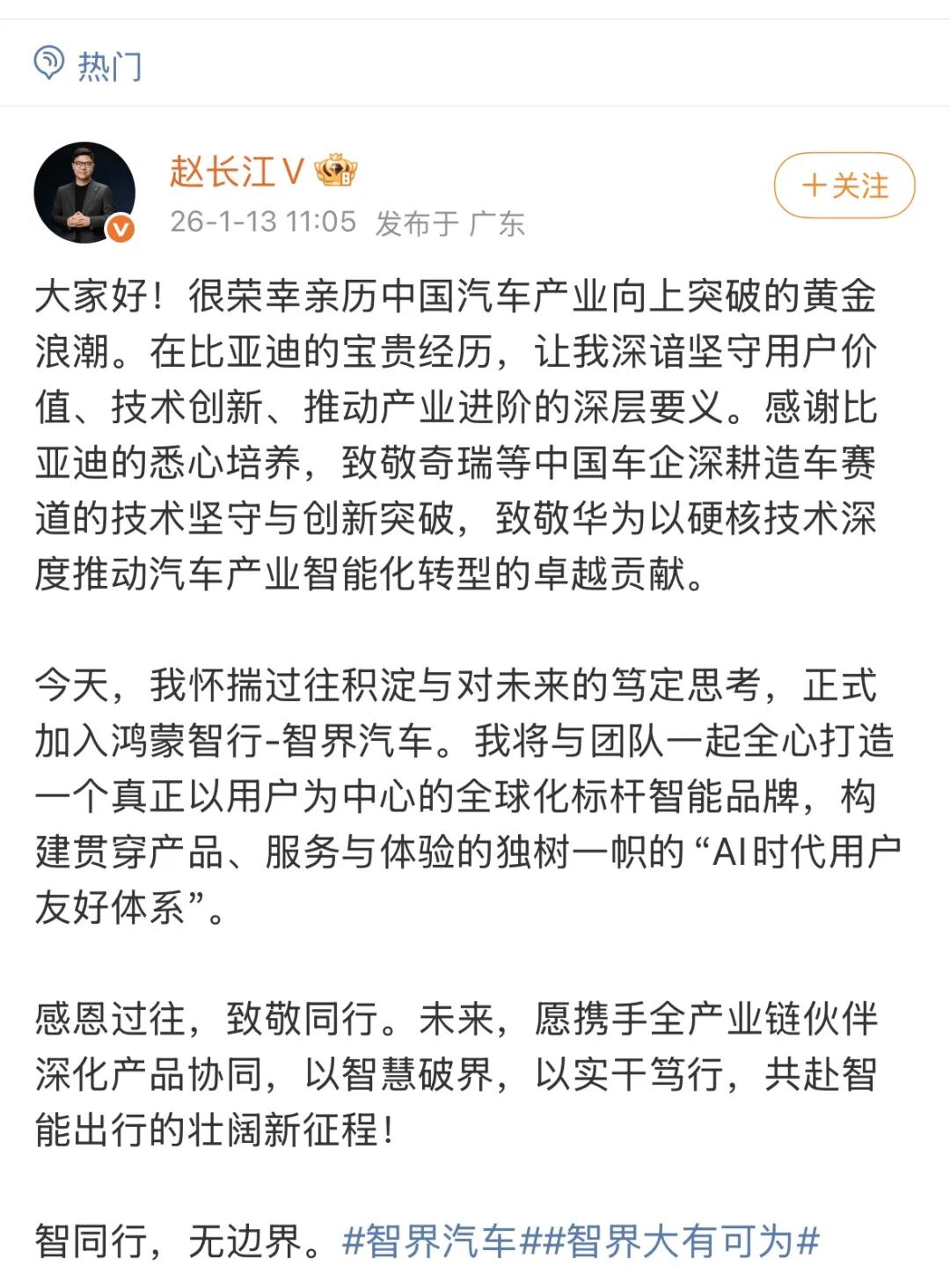
Core Viewpoint - Zhao Changjiang, former executive of BYD, has officially joined Zhijie Auto as Executive Director and Executive Vice President, marking a significant shift in leadership as the company aims to strengthen its position in the high-end MPV market with the launch of its first MPV model, the Zhijie V9 [1][2] Group 1: Leadership Transition - Zhao Changjiang's appointment at Zhijie Auto concludes months of speculation following his departure from BYD in October 2025 [1] - His first major product at Zhijie will be the V9 MPV, which parallels his previous success with the BYD Tengshi D9, a model that disrupted the high-end MPV market [1][2] Group 2: Market Context - The domestic MPV market has become increasingly competitive since the launch of the Tengshi D9, raising questions about Zhao's ability to replicate past successes [2] - Zhijie Auto's current sales are primarily driven by the R7 model, which has shown significant volatility in sales figures over the past year [1] Group 3: Historical Performance - Zhao's career at BYD began in 2009, where he quickly rose through the ranks, eventually becoming the youngest sales head in the company's history [3] - Under his leadership, BYD's Tengshi brand transformed from struggling with low sales to becoming a benchmark in the high-end MPV segment, achieving a total sales volume of 103,460 units in 2025 [5] Group 4: Challenges and Strategies - Zhijie Auto has faced challenges, including a delivery crisis for the S7 model, which saw a significant gap between orders and actual deliveries due to production delays [6][7] - The company has since restructured its operations, with a focus on independent management and a clear division of responsibilities between Huawei and Chery, aiming to enhance production capabilities [7] Group 5: Product Features and Market Positioning - The Zhijie V9 is designed to target the high-end MPV market, boasting features such as a spacious interior, advanced safety systems, and a long range of over 1250 km [8] - The vehicle's launch is critical for Zhijie to establish a strong brand identity and move beyond reliance on a single successful model [9] Group 6: Future Outlook - The upcoming months will be crucial for both Zhijie and Zhao Changjiang as they seek to prove their capabilities in a competitive landscape filled with established players [9][10] - Zhao envisions Zhijie as a user-centric global benchmark brand, aiming to create a unique user-friendly ecosystem in the AI era [10]
数智赋能新质生产力 促进产业高端化智能化绿色化
Xin Lang Cai Jing· 2026-01-19 14:04
Core Viewpoint - The article emphasizes the importance of establishing an autonomous knowledge system in China's political economy, highlighting the role of new quality productivity as a theoretical foundation for this system [3][4][5]. Group 1: Theoretical Foundation - The autonomous knowledge system is characterized by originality, independence, and self-sufficiency, reflecting the unique contributions and innovations of knowledge producers [2]. - The theoretical foundation of the autonomous knowledge system is likened to a building's foundation or a tree's roots, which determine its stability and growth potential [2][4]. - The construction of this knowledge system requires a deep understanding of the basic principles and essential factors that influence production relations, as emphasized by Marxist political economy [4][5]. Group 2: New Quality Productivity - New quality productivity is defined as a form of productivity that emphasizes innovation, high efficiency, and quality, aligning with the new development philosophy [9][14]. - It is driven by technological breakthroughs, innovative configurations of production factors, and deep industrial transformations, marking a shift from traditional economic growth models [14][15]. - The integration of digital technologies such as artificial intelligence, quantum computing, and big data is crucial for enhancing new quality productivity and promoting high-end, intelligent, and green industrial development [9][10][14]. Group 3: Role of Digital Empowerment - Digital empowerment is identified as a key enabler for the continuous development of new quality productivity, facilitating the transformation of industries towards higher efficiency and sustainability [11][19]. - The article discusses how digital technologies can optimize resource allocation and enhance the efficiency of production and consumption processes, leading to a more intelligent and precise production model [19]. - The emergence of new production relationships, driven by digital empowerment, is expected to reshape labor production methods and value creation forms, fostering a more innovative and flexible workforce [18][20]. Group 4: Green Development - New quality productivity is inherently linked to green production, emphasizing the importance of low-carbon technologies and sustainable practices in driving economic growth [17]. - The article highlights the need for a green, low-carbon supply chain and a circular economy to achieve higher quality, efficiency, and sustainability in development [17][21]. - The integration of green technologies and practices is seen as essential for meeting new consumption demands and enhancing overall production efficiency [17].
老钱新贵的梦中情车,卖不动了
凤凰网财经· 2026-01-19 13:41
Core Viewpoint - Porsche is experiencing a significant downturn in sales and profitability in China, marking a critical period for the brand as it faces unprecedented operational challenges and a decline in brand value [1][10]. Group 1: Sales Performance - In 2025, Porsche's global sales reached approximately 279,449 units, a decline of 10% year-on-year, marking the largest drop since the 2009 financial crisis [3][4]. - Sales in China fell to about 41,938 units, down 26% compared to the previous year, and nearly 60% from the peak in 2021 [3][4]. - Porsche has seen a continuous decline in sales in China for four consecutive years, with the market once being its largest single market [3][4]. Group 2: Financial Results - For the first three quarters of 2025, Porsche reported sales revenue of €26.86 billion, a decrease of 6% year-on-year, while operating profit plummeted to €40 million, down 99% from €4.035 billion in the same period of 2024 [6][7]. - The operating return on sales dropped to 0.2% from 14.1% in the previous year, indicating severe profitability issues [7]. Group 3: Dealer Network and Market Challenges - Reports indicate that several Porsche dealerships in China have closed or are set to close, with plans to reduce the number of dealerships from 150 to 80 by 2026, leading to significant inventory clearance and price reductions [9][10]. - The brand's luxury image is under threat as it faces competition from domestic electric vehicle manufacturers, which are rapidly gaining market share [11][12]. Group 4: Brand Value and Consumer Perception - The decline in Porsche's sales and profitability reflects a broader structural shift in the Chinese automotive market, with a significant increase in the penetration of new energy vehicles and a rise in domestic brand market share [11][12]. - Consumer willingness to pay a premium for foreign brands has decreased, with nearly half of consumers indicating they are no longer willing to pay extra for foreign luxury brands [14].

柠条塔矿业:高质量发展提速增效
Xin Lang Cai Jing· 2026-01-19 13:16
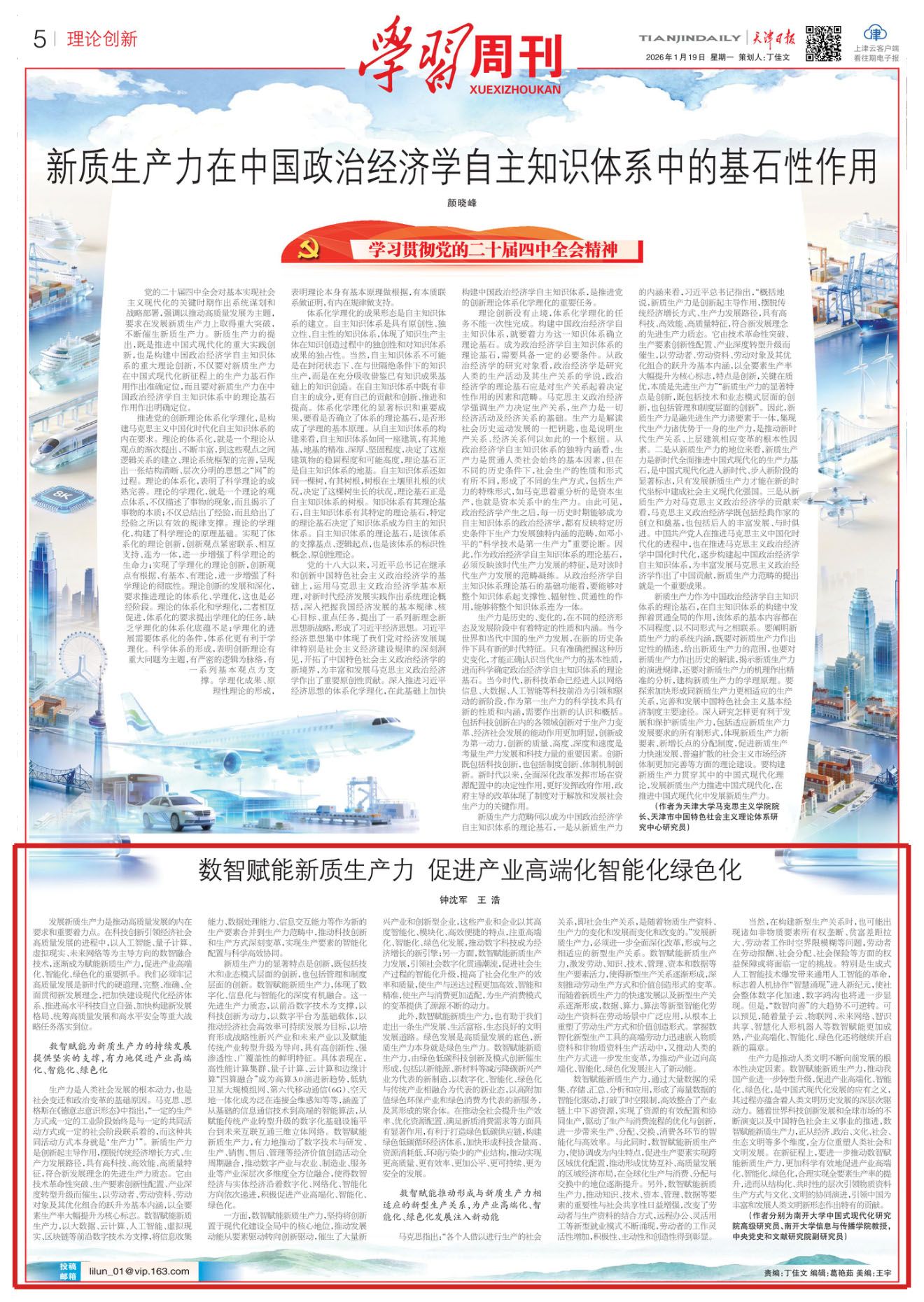
Core Viewpoint - In 2025, Ningtiaota Mining is committed to implementing four operational philosophies, advancing production organization, management, and innovation, achieving record-high growth in coal production and sales, with completion rates of 106.5% and 126.3% respectively, indicating strong momentum in high-quality development [1][5][10]. Group 1: Production and Capacity - Ningtiaota Mining has effectively released advanced production capacity, planning ahead for mining continuity, and successfully completed the "Five Safety and Four Withdrawals" in the comprehensive mining face [4][12]. - The application of a retractable self-moving device in three comprehensive mining faces has enabled continuous production advancement of 10 meters without downtime, with the annual output of the comprehensive mining area exceeding 11.59 million tons, maintaining a million-ton level for two consecutive years [4][12]. - The adoption of "soft mold concrete along the empty roadway + ultra-long working face" technology at the N1120 working face has recovered an additional 210,000 tons of coal, generating approximately 87.58 million yuan in revenue [4][12]. - The installation of seven intelligent fast excavation working faces has achieved full coverage of the intelligent fast excavation system, with monthly advancement in semi-coal rock tunnels stabilizing at over 800 meters, and a total advancement increase of 5,300 meters year-on-year, marking the highest record since the 14th Five-Year Plan [4][12]. Group 2: Operational Efficiency - Ningtiaota Mining continues to enhance the construction of compliance, risk, and internal control systems, conducting quarterly audits by external agencies on bidding and project construction, resulting in a total reduction of bidding and project settlement costs of 2.32 million yuan [5][14]. - The company has completed self-repair of equipment worth 114 million yuan and autonomous operation and maintenance of intelligent systems and washing systems amounting to 26.24 million yuan, saving costs of 104 million yuan [5][14]. - Efforts in disposing of idle assets and reducing inventory have revitalized accumulated materials valued at 277 million yuan, achieving a reduction in inventory of 22.89 million yuan [5][14]. - Strict coal quality control has led to the brand value of "Ninghua No. 1" exceeding 15.516 billion yuan, with annual sales of lump coal surpassing 5.6869 million tons, generating an additional revenue of 203 million yuan [5][14]. Group 3: Innovation and Technology - Leveraging platforms like the Craftsman Academy and Innovation Studio Alliance, Ningtiaota Mining has initiated key projects to tackle various technical challenges [9][16]. - The installation of 17 intelligent gas detection systems underground has enabled automatic monitoring at 416 gas inspection points, reducing manual inspection mileage by 81,000 meters [9][16]. - The operation of 82 robotic systems across eight categories has become routine, with research achievements in "key technologies for multi-scenario operation robots in intelligent coal mines" awarded the second prize in Shaanxi Province's scientific and technological progress [9][16]. - The upgrade of the integrated control platform at the coal washing plant has improved transportation efficiency by 20%, with daily and monthly sales of lump coal reaching 30,500 tons and 635,400 tons respectively, setting historical records [9][16]. - Over 1,000 innovation projects have been implemented by employees, achieving first, second, and third prizes in the "Three New, Three Small" innovation competition in Shaanxi Province [9][16].
赵长江加入智界的“第一仗”:能否讲好MPV故事,推爆智界V9?
3 6 Ke· 2026-01-19 10:45
Core Viewpoint - Zhao Changjiang, former general manager of BYD's Tengshi brand, has joined Zhijie Automotive as executive director and executive vice president, which is expected to enhance Zhijie's competitiveness in the high-end MPV market with the upcoming launch of the Zhijie V9 [1][2][4][24]. Group 1: Zhao Changjiang's Career and Transition - Zhao Changjiang left BYD in October 2022 after a successful tenure, particularly noted for driving the sales of the Tengshi D9 [1][2][10]. - He officially announced his move to Zhijie Automotive on January 13, 2023, after hinting at his new role through social media [2][12]. - Zhao's experience in the MPV sector is seen as a significant asset for Zhijie, which is preparing to launch its first high-end MPV, the Zhijie V9 [4][24]. Group 2: Zhijie Automotive's Strategic Positioning - Zhijie plans to launch the Zhijie V9, targeting the 500,000 RMB mid-to-large luxury market, competing directly with the Tengshi D9 [4][22]. - The brand is undergoing a strategic upgrade, having initiated a "Brand 2.0" strategy in August 2022, with a focus on enhancing brand recognition and sales capabilities [4][29]. - The upcoming Zhijie V9 is expected to play a crucial role in stabilizing the brand's market position and proving the effectiveness of its strategic upgrades [4][25]. Group 3: Market Context and Product Development - The MPV market is experiencing growth, with a significant increase in the penetration rate of new energy vehicles, projected to rise from 9% in 2022 to 49% by 2025 [21][22]. - The Zhijie V9 is set to feature advanced technology, including Huawei's intelligent range extender system and a comprehensive safety suite, which positions it competitively in the high-end segment [22][24]. - The internal expectations for the Zhijie V9 are high, with both Zhao and Huawei's Yu Chengdong expressing confidence in its potential to dominate the market [24].
从“新鲜入局”到“信任扎根”,看中国汽车产业的进阶之路
Xin Hua Ri Bao· 2026-01-19 08:29
Group 1 - The core viewpoint of the articles highlights that China's automotive industry is expected to maintain its global leadership, with total vehicle production and sales projected to exceed 34 million units by 2025, and new energy vehicles (NEVs) surpassing 16 million units, marking 11 consecutive years at the top globally [1][2] - In 2025, NEVs are anticipated to account for 50.8% of domestic new car sales, establishing themselves as the dominant force in the market [1] - The export of vehicles is expected to exceed 7 million units, with overseas markets becoming a new growth driver for the industry [1] Group 2 - The success of China's NEVs is attributed to a well-established supply chain, enabling rapid component development and enhancing consumer trust in product delivery and after-sales service [2] - China's automotive industry has developed a comprehensive and efficient industrial system, supplying 70% of global battery materials and 60% of power batteries, creating a comparative advantage [2] - Policy support, including long-term special bonds and targeted loans for technological innovation, has played a crucial role in driving the industry's growth and transformation towards green and intelligent manufacturing [2] Group 3 - The shift from low-cost competition to technological innovation and value enhancement has allowed Chinese automotive brands to improve their image and profitability [3] - The transition from being perceived as "new entrants" to gaining consumer trust reflects the industry's evolution from "Made in China" to "Intelligent Manufacturing in China" [3] - The focus on quality and innovation positions the industry for future growth in smart and connected vehicle markets, indicating a robust economic foundation driven by innovation [3]