耐心资本

Search documents
LP:耐心不是被动忍耐,容错不是推脱责任
母基金研究中心· 2025-09-18 09:21
Group 1 - The 2025 Sixth China Fund of Funds Summit was successfully held in Beijing, gathering over 300 representatives from government departments, industry associations, and leading investment institutions to discuss the development of the fund of funds industry in China [1] - The roundtable forum focused on how fund of funds can adhere to the concept of "patient capital" and establish a scientific error tolerance mechanism, discussing the balance between long-term investment and short-term returns [2][4] Group 2 - The past year has seen many state-owned assets clearly state that individual projects can allow for full losses, opening the door for error tolerance in the fund of funds industry [4] - Key suggestions for establishing a scientific error tolerance mechanism include setting reasonable thresholds, maintaining a diversified portfolio, and implementing strict assessment and early warning mechanisms [4][5] - The concept of "patient capital" has become a frequent term in the fund of funds industry, emphasizing the need for a scientific error tolerance mechanism to support long-term investments in hard technology and future industries [6] Group 3 - The role of fund of funds is to bridge the gap between long-term and short-term investments by establishing multi-stage funds that support early-stage investments while extending to later-stage funds [9] - The balance between long-term investment and stage-specific returns is crucial, with fund managers encouraged to explore diverse exit channels to achieve both patient capital and investor returns [9]


2025私募股权投资高质量发展推进会在苏州举行江苏呼唤更多耐心资本
Xin Hua Ri Bao· 2025-09-17 23:31
Core Insights - Jiangsu is actively promoting private equity investment, hosting the "Invest Jiangsu, Win the Future" conference to attract over 100 venture capital institutions and showcase 50 financing projects [1][2] - As of June 2025, Jiangsu has 1,203 registered private fund managers managing 6,565 private equity/venture capital funds with a total net asset value of 1.67 trillion yuan [2] - Nearly 70% of the capital is directed towards small and medium-sized enterprises, with over 50% invested in high-tech companies, indicating a strong focus on early-stage and hard technology investments [2] Investment Landscape - The number of projects funded by private equity in Jiangsu exceeds 22,000, accounting for 14.77% of the national total, with significant investments in information technology, advanced manufacturing, new energy, and biomedicine [2] - The conference highlighted the establishment of a comprehensive service platform "Su Investment Service" to facilitate project discovery for venture capital institutions [3][5] Policy and Support - Jiangsu's government has introduced 17 measures to enhance the quality of private equity investment, focusing on the entire investment chain from fundraising to exit [5] - The province aims to create a favorable environment for innovation and investment, emphasizing the importance of "patient capital" to nurture unicorns and gazelle companies [6] Industry Collaboration - The partnership between venture capital firms and technology companies is exemplified by the collaboration between Yuanhe Holdings and Suzhou Xuchuang Technology, which has led to the establishment of an industrial fund [3] - The conference also introduced the first batch of 50 provincial innovation projects seeking financing, primarily in semiconductor and biomedicine sectors [4]
2025年PE/VC机构推荐
Tou Bao Yan Jiu Yuan· 2025-09-17 13:04
Report Industry Investment Rating - Not mentioned in the provided content Core Viewpoints of the Report - The Chinese PE/VC industry is undergoing a transformation towards long - term value investment, with the accelerated introduction of "patient capital" driven by policies and market changes. The industry is moving from short - term arbitrage to "investing in early - stage, small - scale, and hard - tech" enterprises, and is transitioning to a model of "state - owned capital dominance + industrial synergy" [5][27]. Summary According to the Table of Contents Market Background - **Background**: Policy guidance and market transformation drive the accelerated introduction of "patient capital" in the Chinese PE/VC industry. State - owned long - term funds focus on hard - tech and strategic emerging industries, and institutions like banks, social security funds, and insurance funds increase their equity investment ratios [5]. - **PE/VC and "Patient Capital" Definitions**: PE invests in non - listed enterprises through non - public fundraising and considers exit mechanisms for profit. VC invests in startups and high - growth enterprises. "Patient capital" has a long - term return outlook, high risk tolerance, and focuses on long - term value growth, supporting long - term projects [6]. - **Market Evolution**: The practice of patient capital by Chinese PE/VC institutions started in the 1990s with dollar funds. After 2000, local RMB funds emerged. After 2020, RMB funds became the main force, and after 2023, policies promoted the development of patient capital, emphasizing full - life - cycle support and industrial ecosystem construction [7][9]. Market Status - **Market Scale**: From 2017 to 2024, the total number of PE/VC funds in China increased from 26,199 to 55,416, with a slowdown in growth rate. The proportion of VC funds increased to 45.4% in 2024. The total stock scale increased from 689.88 billion yuan to 1.43469 trillion yuan, and PE funds still accounted for over 75% in 2024 [10]. - **Market Supply and Demand**: - **Supply**: The investors in the Chinese PE/VC market are dominated by state - owned capital, with long - term funds expanding. Government - guided funds, social security funds, insurance funds, and industrial capital play important roles, presenting a diversified support pattern [11]. - **Demand**: The core demanders are hard - tech and specialized, refined, distinctive, and innovative enterprises, with a "early - stage and small - scale investment" trend. Although the overall financing scale decreased by 15.7% year - on - year in 2025, hard - tech sectors are still attractive [12]. Market Competition - **Market Evaluation Dimensions**: The selection of the top ten "patient capital" PE/VC institutions follows a multi - dimensional quantitative evaluation model, with core indicators including the scale of managed funds and the number of IPO exits of invested enterprises in the past two years [14]. - **Market Competition Pattern**: From 2017 to 2024, the number of PE/VC fund managers in China decreased from 13,200 to 12,083. Since 2018, tightened regulatory policies have led to a continuous decline in the number of new PE/VC fund managers [15]. - **Introduction of the Top Ten Institutions**: The top ten institutions include CICC Capital, Hillhouse Capital, Shenzhen Capital Group, Sequoia China, Legend Capital, Tencent Investment, Orient Fortune Capital, Matrix Partners China, IDG Capital, and Fosun Capital. Each has its own investment focus, strategy, and typical investment cases [16][17][18][19][20][21][22][23][24][26]. Development Trends - **Industry Synergy Driven by State - Owned Capital and Policies**: The Chinese PE/VC industry is accelerating the transformation to a "state - owned capital dominance + industrial synergy" model. Government - guided funds strengthen the layout of strategic emerging industries, and industrial capital promotes the transformation from "financial investment" to "strategic investment" [27]. - **Accelerated Introduction of Patient Capital and Long - Term Value Investment Orientation**: With the entry of long - term funds such as banks and insurance into the market, the Chinese PE/VC industry is deepening the "patient capital" era. These funds focus on the long - term value of technology companies, especially in hard - tech fields, and promote the industry to shift from "arbitrage thinking" to "value deep - cultivation" [28].
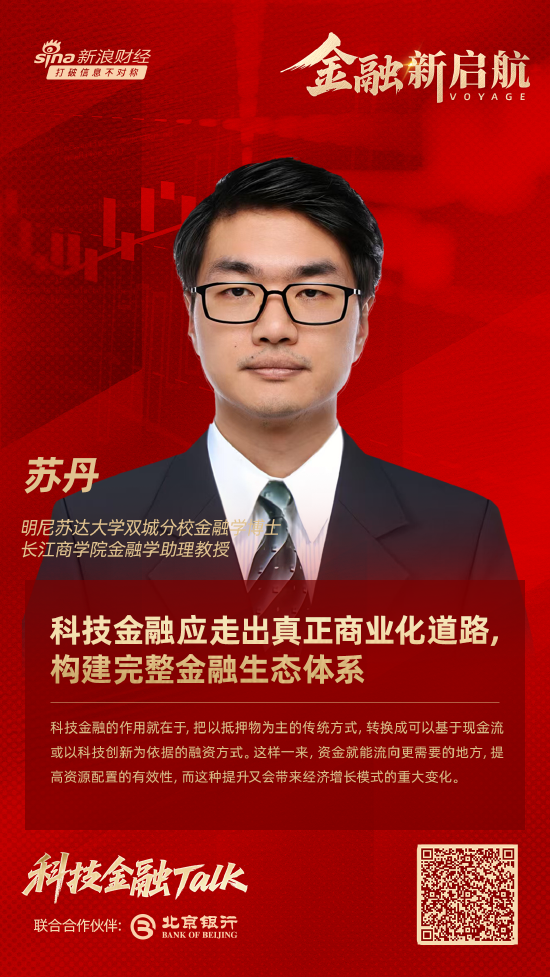
长江商学院苏丹:科技金融应走出真正商业化道路,构建完整金融生态体系
Xin Lang Cai Jing· 2025-09-17 04:07
技术的兴起正深刻重塑金融的形态与边界,科技与金融的融合,不仅推动了金融领域的技术 更新,金融也为科技创新提供着有力的服务,为实体经济中的前沿探索源源不断地输送"活 水"。二者的双向互动正在拓展"科技金融"的边界,催生出一系列新趋势、新模式与新生 态。 在此背景下,新浪财经推出《科技金融Talk》系列访谈,深度对话金融机构高管、行业专家 与一线从业者,探寻科技金融的真实落地路径与未来可能性。本期《科技金融Talk》对话明 尼苏达大学双城分校金融学博士、长江商学院金融学助理教授苏丹。 苏丹指出,要想同时通过市场化解决"融资难"和"融资贵"是有较大难度的,因为二者存在一 定相悖性。 从市场化的角度来说,科创企业在初创期,风险和不确定性很高。企业要想拿到贷款,就必 须满足市场化的要求,即银行拿到相对程度的风险补偿。补偿的方式有两种:要么利率高一 点,要么融资方式改变,这就不可避免带来"融资贵"的问题。 苏丹还认为,科技金融的作用就在于,把以抵押物为主的传统方式,转换成可以基于现金流 或以科技创新为依据的融资方式。这样一来,资金就能流向更需要的地方,提高资源配置的 有效性,而这种提升又会带来经济增长模式的重大变化。 " ...
2025,创投募资大变局
母基金研究中心· 2025-09-16 09:09
Core Viewpoint - The 2025 Sixth China Fund of Funds Summit highlighted the need for diversified funding sources in the venture capital industry, emphasizing the role of new financing tools like Sci-Tech Bonds and the importance of long-term capital from banks, insurance, and corporate venture capital (CVC) [1][9][10]. Group 1: Discussion on Sci-Tech Bonds - The introduction of Sci-Tech Bonds is seen as a significant opportunity for market-oriented General Partners (GPs) to raise funds, although challenges remain regarding debt repayment pressures due to the long investment cycles of equity investments [4][5]. - The current structure of Sci-Tech Bonds shows a low participation rate from private enterprises, with most issuances dominated by state-owned enterprises and financial institutions, leading to a mismatch between funding flows and the needs of market-oriented investment institutions [5][6]. - There is a need to align the repayment terms of Sci-Tech Bonds with the long-term nature of equity investments, as the typical repayment period of 3 to 5 years creates a significant time mismatch for private investment firms [5][6]. Group 2: Expanding Funding Sources - The venture capital industry is currently facing a reduction in the number and scale of newly established funds, highlighting the urgency to diversify funding sources beyond government and state-owned funds [9][10]. - Potential new funding sources include banks, insurance companies, and CVCs, particularly in second and third-tier cities where local government financial pressures limit the establishment of new venture capital funds [9][10]. - Government special bonds have emerged as a crucial funding source, with recent initiatives in cities like Beijing and Guangzhou injecting funds into government-guided funds to support the venture capital market [9][10]. Group 3: Future Prospects - The future of venture capital funding is expected to improve due to increasing policy support, with government reports emphasizing the need for differentiated regulatory systems and enhanced financial support [10][11]. - The large scale of bank and insurance funds aligns well with the long-term needs of venture capital, and innovations in the use of insurance funds are expected to facilitate greater participation in the venture capital space [11]. - As market cycles evolve, there is potential for a return of Limited Partner (LP) funds, particularly those that have seen substantial returns in emerging sectors, to reinvest in the next wave of industry development [11].

顶层设计下的创新资本逻辑:政府投资基金的航向校准与再平衡
2 1 Shi Ji Jing Ji Bao Dao· 2025-09-12 11:18
Core Insights - The government investment funds in China are transitioning from a "scale-driven" model to a "quality-driven" approach after over a decade of rapid expansion [1][2] - The recent policy documents, including the "Guiding Opinions on Promoting the High-Quality Development of Government Investment Funds," signal a shift towards enhancing operational efficiency and addressing structural issues within the funds [1][5] Group 1: Current State of Government Investment Funds - As of the end of 2024, there are 1,627 government investment funds in China, with a total scale of 3.35 trillion yuan, predominantly concentrated in the East China region [4] - In the first half of 2025, there was a notable increase in the committed capital from institutional LPs, reversing a five-year decline, with government funds' share rising from 40.8% to 68.3% [4] - Government investment funds have played a significant role in industrial upgrading and capital aggregation, but issues such as homogeneous competition and inefficient expansion have emerged [4][9] Group 2: Policy Changes and Strategic Directions - The "Guiding Opinions" and "Management Measures" emphasize the need for government investment funds to align with national market construction goals and to reduce or eliminate return investment ratios [5][6] - The new evaluation system includes indicators that reward funds with longer durations and those investing in early-stage projects, reflecting a strategic shift towards "patient capital" [5][6] - The policies encourage collaboration between national and local funds, promoting a unified approach to investment strategies across regions [6][9] Group 3: Regional Innovations and Practices - The Yangtze River Delta region is actively exploring innovative management practices for government investment funds, focusing on supporting advantageous industries and creating a robust innovation ecosystem [8] - There is a consensus among local governments to extend fund durations to support sectors requiring patient capital, while also exploring merger funds to enhance liquidity in equity investments [8] - The integration of various resources, such as project databases and expert networks, is being promoted to enhance the effectiveness of government investment funds [8] Group 4: Industry Challenges and Future Outlook - The emphasis on high-quality development is expected to phase out low-level competition, moving away from reliance on fiscal subsidies and return investment requirements [9][10] - The pressure on fund managers to adapt their strategies and optimize talent structures is becoming a significant driver for the industry to achieve high-quality development [10]
新京报贝壳财经资本市场研究院联合机构发布《长钱长投十条共识》
Bei Ke Cai Jing· 2025-09-12 10:17
Core Viewpoint - The recent salon hosted by the Beijing News Beike Finance Capital Market Research Institute focused on how patient capital can stabilize the market, aiming to build a robust ecosystem through consensus and collaboration among various financial institutions [1][4]. Group 1: Key Insights from the Salon - Long-term capital entering the market is a result of a positive capital market environment rather than the primary cause [5]. - To promote long-term capital inflow, it is crucial to optimize assessment cycles, maintain a long-term upward trend in the capital market, enforce anti-fraud measures, and reduce market volatility [6]. - A "slow bull" market is essential to attract more long-term "patient" funds into the capital market [7]. Group 2: Market Trends and Strategies - The stock market has transitioned from a "stagnation" phase to a long-term upward trend [8]. - The market needs to shift from a "liquidity-driven bull" to a "fundamentals-driven bull" for the major indices to continue breaking upward [8]. - Under a "slow bull" market, the stock market is expected to become a new reservoir for residents' assets, replacing real estate [9]. Group 3: Financial Institutions' Role - Banks are actively positioning themselves in the equity market, with the scale of "fixed income +" products expected to continue increasing [10]. - Fund companies should incentivize certain fund managers to pursue long-term stable returns to better meet the demand for long-term capital inflow [11]. - Enhancing investor education will contribute to the high-quality development of the asset management industry [12]. Group 4: Future Aspirations - The Beijing News Beike Finance Capital Market Research Institute aims to become a discoverer and shaper of capital market value, as well as a service provider and connector within the capital market ecosystem, supporting high-quality development of the Chinese economy [14].

今年,长期资本LP如何投GP
母基金研究中心· 2025-09-12 09:42
Group 1 - The 2025 Sixth China Fund of Funds Summit was successfully held in Beijing, gathering over 300 representatives from government departments, industry associations, mainstream funds, insurance asset management, and top investment institutions [1] - The summit featured a roundtable forum titled "Decoding Long-term Capital LP's Investment Strategies," where industry leaders discussed core considerations for long-term capital LPs when selecting funds and balancing risk and return strategies [2][4] Group 2 - Long-term capital is a key force supporting hard technology and the real economy, with LPs focusing on the professional capabilities and past performance of fund management teams, decision-making processes, risk control systems, and post-investment management capabilities [4] - The Zhejiang Provincial Industrial Fund has established sub-funds exceeding 170 billion to expand cooperation with leading GPs, emphasizing the importance of selecting GPs with significant professional characteristics and stable core teams [4][5] - LPs need to adopt multiple measures to balance long-term investment and returns, including extending investment cycles, refining assessment and due diligence rules, and incentivizing management teams through LP yield concessions [5] Group 3 - The role of long-term capital LPs is evolving, as they increasingly participate in fund governance and strategic guidance, highlighted by recent central government meetings emphasizing the importance of long-term and strategic capital [7] - The concept of patient capital has shifted from traditional financial investment to industrial investment, focusing on promoting the integration and competitiveness of industrial chains through equity investment [8] - Organizations like Zhongguancun Capital are actively engaging with insurance capital and financial institutions to promote the establishment of funds focused on strategic emerging industries, supporting growth projects through additional investments [9] Group 4 - The investment philosophy of companies like Times Bole aligns with the spirit of recent government policies, emphasizing long-term, continuous investment to support industrial upgrades and capital appreciation [9][10] - The thriving development of the fund of funds industry is expected to contribute significantly to the revitalization of China's primary market, technological innovation, and high-quality development [10]

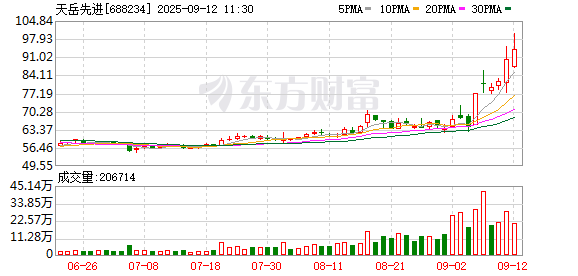
宗艳民:天岳先进的突破不仅是技术的超越 更意味产业链主导权的重塑
Zhong Guo Jing Ying Bao· 2025-09-12 04:47
Core Insights - The performance of silicon carbide (SiC) power semiconductors is superior, especially for high voltage applications above 800 volts, with a significant supply issue resolved post-2022 due to advancements by Tianyue Advanced [2] - The establishment of the Sci-Tech Innovation Board (STAR Market) has been crucial for Tianyue Advanced's growth and competitive advantage, emphasizing the importance of long-term R&D for building a technological moat [2][7] - Tianyue Advanced has made significant strides in overcoming three major industry bottlenecks: quality, price, and yield, leading to a cost reduction in SiC MOSFETs below that of silicon-based IGBTs, which is expected to accelerate the adoption of SiC technology [4] Industry Developments - Wolfspeed is recognized as a pioneer in the SiC field, with its technology being complex and challenging, particularly in single crystal growth at high temperatures [3] - Tianyue Advanced has rapidly advanced from 6-inch to 12-inch substrates, significantly enhancing China's self-sufficiency in SiC materials [4] - The introduction of 12-inch substrates by Tianyue Advanced is set to revolutionize the optical applications of SiC, making it feasible for mass production of optical components, thus opening new markets [5] Future Opportunities - The potential market for SiC optical waveguide glasses is projected to reach hundreds of millions of units, with Tianyue Advanced actively collaborating with leading global optical companies [5] - The use of SiC substrates is becoming critical for advanced packaging and thermal management in high-performance computing, particularly for NVIDIA's upcoming GPU [5] - Tianyue Advanced's recent listing on the H-share market is expected to enhance its international market presence and resource integration [6]

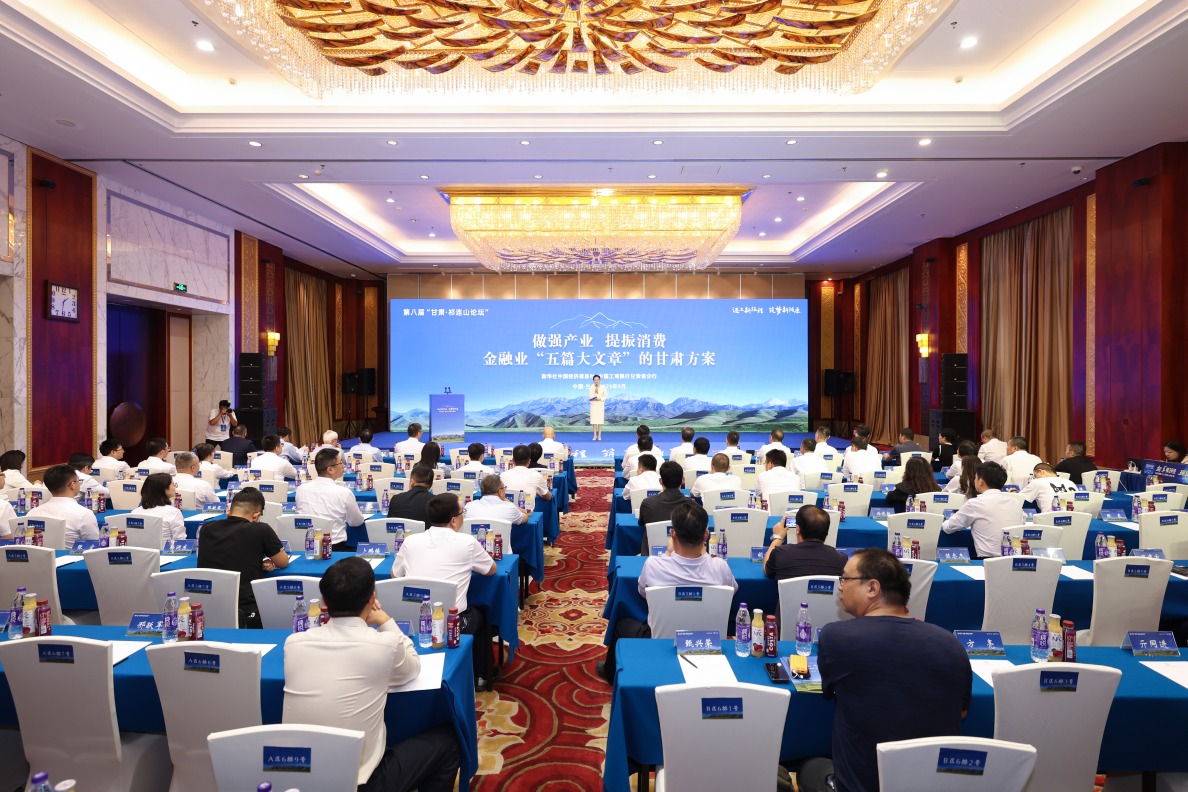
因地制宜深挖资源禀赋 写好金融“五篇大文章”的甘肃答卷
Xin Hua Cai Jing· 2025-09-10 15:40
Core Viewpoint - The "Gansu Qilian Mountain Forum" emphasizes the importance of strengthening industries and boosting consumption through financial strategies, focusing on the "five major articles" of finance in Gansu [1][2]. Group 1: Financial Strategies and Innovations - Patience capital is highlighted as a key supporter of technological innovation, optimizing capital structures through diversified investments and providing value-added services [1]. - The forum discusses the need for market-oriented private equity and venture capital to support innovative enterprises, particularly in artificial intelligence [2]. - Gansu has introduced innovative financial products like "water rights loans" and "forestry carbon sink expected income rights + forest rights pledge loans" to enhance resource allocation [3]. Group 2: Support for Small and Medium Enterprises (SMEs) - Financial institutions are encouraged to leverage big data and AI to reduce information asymmetry and reliance on collateral for SMEs [2]. - The establishment of a credit information sharing platform has helped over 2,000 enterprises in Gansu secure financing of 5.378 billion yuan by August 2025 [3][4]. Group 3: Green Finance and Sustainable Development - Green finance is seen as a means to not only provide funding for green industries but also to enhance the structural transformation of Gansu's economy [4]. - Recommendations include developing a risk-sharing mechanism and innovative financial products tailored to the renewable energy sector [5]. - The integration of renewable energy and cultural tourism is proposed to enhance investment efficiency and create a sustainable ecosystem [5].