食品安全

Search documents
镇原县扎实推进调味品质量安全提升行动 筑牢舌尖上的安全防线
Zhong Guo Shi Pin Wang· 2025-10-27 09:30
Group 1 - The core viewpoint of the news is that the Zhenyuan County Market Supervision Bureau is implementing a comprehensive quality safety enhancement initiative for the seasoning industry, focusing on risk identification and resolution to ensure food safety for the public [1][2][3] Group 2 - The initiative emphasizes the establishment of a robust regulatory framework, incorporating a "three-in-one" supervision system that includes local responsibility, problem identification, and corrective actions, achieving 100% coverage in these areas [1] - A total of 31 batches of key products such as soy sauce and vinegar were subjected to supervision sampling, with a compliance rate of 96.8%, and all non-compliant products were dealt with according to the law, achieving a 100% disposal rate [2] - The regulatory body is enhancing industry self-discipline by ensuring that 100% of seasoning production enterprises have food safety personnel and are following a structured management system for daily control, weekly inspections, and monthly assessments [2] - Future actions will include ongoing closed-loop management, follow-up inspections, and the promotion of exemplary corrective cases through dynamic management strategies like "red and black lists" to enhance industry self-regulation [3]
贵州省黔南州市场监督管理局2025年食品安全监督抽检结果信息公示(2025年总第10期)
Zhong Guo Zhi Liang Xin Wen Wang· 2025-10-27 07:04
Summary of Key Points Core Viewpoint The Guizhou Qiannan Prefecture Market Supervision Administration has released the results of food safety supervision and sampling inspections for 2025, indicating that out of 240 batches tested, 229 passed while 11 were found to be non-compliant with national food safety standards. Group 1: Inspection Results - A total of 240 food and agricultural product samples were collected for inspection [2][3] - Out of these, 229 batches were deemed compliant, while 11 batches failed the safety standards [2][3] - The non-compliant items included nitrite (as NO2-), Pseudomonas aeruginosa, coliform bacteria, cadmium (as Cd), and pesticide residues such as bifenthrin, thiamethoxam, and imidacloprid [2][3] Group 2: Specific Non-Compliant Products - Specific non-compliant products included drinking water and various food items from local producers, with detailed records of the violations [4][5] - For instance, one batch of drinking water was found to have nitrite levels of 0.061 mg/mL, exceeding the acceptable limit of 0.005 mg/mL [4] - Another product, a type of vegetable, was found to contain cadmium at 0.114 mg/kg, surpassing the standard limit of 0.05 mg/kg [4][5] Group 3: Regulatory Actions - The results are part of ongoing efforts by the Qiannan Prefecture to ensure food safety and compliance with national standards [2][3] - The public disclosure of these results aims to enhance transparency and accountability among food producers [2][3] - The administration will continue to monitor and enforce food safety regulations to protect consumer health [2][3]


四川省遂宁市市场监督管理局河东新区分局关于食品安全监督抽检信息的通告(2025年第02号)
Zhong Guo Zhi Liang Xin Wen Wang· 2025-10-24 07:38
Core Points - The announcement from Suining Market Supervision Administration indicates that 10 out of 187 food samples tested were found to be non-compliant, primarily due to excessive use of food additives and pesticide residue exceeding limits [2][3]. Group 1: Food Safety Supervision - A total of 187 food samples were collected from various categories including grain products, edible agricultural products, condiments, and beverages [2]. - The main issues identified in the non-compliant samples were related to the overuse of food additives and pesticide residues exceeding permissible levels [2][3]. Group 2: Non-compliant Products - Specific non-compliant products included items such as bean curd skin with a lemon yellow additive exceeding the limit of 0.0444g/kg, and green onions with pesticide residues of 2.36mg/kg, which is above the allowed 0.3mg/kg [2][3]. - Other non-compliant products included various food items from local supermarkets and restaurants, indicating a widespread issue in food safety compliance within the region [2][3].

三大外卖平台同日被调查
Jing Ji Guan Cha Wang· 2025-10-24 05:22
Core Viewpoint - The National Market Supervision Administration has initiated investigations into major food delivery platforms including JD.com, Meituan, and Ele.me, focusing on food safety and the verification of merchant qualifications [1] Group 1: Investigation Details - The investigation involved on-site visits by officials from the National Market Supervision Administration, which differed from previous practices of merely interviewing business leaders [1] - The investigation was recorded using enforcement recording devices, and some companies were questioned for several days, while others showed passive cooperation [1] Group 2: Companies Involved - In addition to the three major food delivery platforms, Douyin Group is also included in the investigation list, having entered the instant retail sector since 2022 [1] - Douyin's instant retail offerings currently cover categories such as flowers, cakes, and fresh produce [1]


独家|三大外卖平台被市场监管总局上门调查
经济观察报· 2025-10-24 03:24
Core Viewpoint - The National Market Supervision Administration has initiated investigations into major food delivery platforms such as JD.com, Meituan, and Ele.me, focusing on food safety and the verification of merchant qualifications [2][3]. Group 1: Investigation Details - The investigation involved on-site visits by regulatory officials who recorded the proceedings with body cameras, requiring business leaders to return to their companies for questioning [2]. - Some companies faced prolonged on-site inquiries, while others showed reluctance to cooperate with the enforcement actions [2]. - Douyin Group was also included in the investigation, which is expanding its reach into instant retail through its "hourly delivery" service since 2022 [2]. Group 2: Reasons for Investigation - The investigation was triggered by consumer complaints regarding discrepancies in food orders, specifically a case where a customer received a cake that did not match the ordered brand, raising concerns about the merchant's qualifications on the platform [2]. - Regulatory findings indicated that problematic merchants were operating across multiple platforms, not limited to just one [2]. Group 3: Regulatory Framework - On October 16, the National Market Supervision Administration released a draft regulation focusing on the responsibilities of third-party platforms and food service providers in ensuring food safety [3]. - The new regulations aim to clarify platform responsibilities, enforce stricter management of food service providers, and establish penalties for non-compliance [3].

独家|三大外卖平台被市场监管总局上门调查
Jing Ji Guan Cha Wang· 2025-10-24 03:22
Core Insights - The National Market Supervision Administration has initiated investigations into major food delivery platforms including JD.com, Meituan, and Ele.me, focusing on food safety and the verification of merchant qualifications [2][3] - The investigation process differs from previous approaches, involving on-site inspections and recorded inquiries with business leaders from the platforms [2] - Douyin Group is also included in the investigation, having entered the instant retail market since 2022 [2] Investigation Details - The investigation was triggered by consumer complaints regarding discrepancies in food orders, specifically a case involving a cake where the ordered and received brands did not match [2] - Regulatory authorities discovered that problematic merchants were operating across multiple platforms, indicating a broader issue within the industry [2] - As of October 23, the investigation is ongoing, with platforms preparing materials and reporting to regulatory bodies [2] Regulatory Context - The National Market Supervision Administration has previously engaged with these platforms regarding issues of food safety and competition, indicating a pattern of regulatory scrutiny [3] - A new draft regulation has been released, focusing on the responsibilities of third-party platforms and the management of food safety within online dining services [3] - Companies have not provided effective responses to inquiries regarding the ongoing investigations [3]

浙江省嘉兴市市场监督管理局食品安全监督抽检信息通告(2025年第26期)
Zhong Guo Zhi Liang Xin Wen Wang· 2025-10-23 08:19
Summary of Key Points Core Viewpoint - The Jiaxing Market Supervision Administration conducted a food safety inspection, revealing that out of 163 samples tested, 161 were compliant while 2 were found to be non-compliant with national food safety standards [4]. Group 1: Inspection Results - A total of 163 samples from 25 categories of food products were tested [4]. - 161 samples passed the inspection, while 2 samples failed [4]. - The non-compliant products included pears sold at a fruit store, which contained 0.094 mg/kg of etoxazole, exceeding the standard limit of 0.07 mg/kg [5]. - The second non-compliant product was ginger sold at a supermarket, which contained 0.46 mg/kg of thiamethoxam, exceeding the standard limit of 0.2 mg/kg [5]. Group 2: Regulatory Actions - The Jiaxing Market Supervision Administration has mandated local market supervision departments to take legal action against the sellers of the non-compliant products [4]. - The administration has instructed relevant food businesses to immediately take down the non-compliant products to mitigate risks [4].


天津市河东区市场监督管理局2025年第3期食品安全监督抽检信息
Zhong Guo Zhi Liang Xin Wen Wang· 2025-10-23 06:34
Core Points - The Tianjin Hedong District Market Supervision Administration conducted a food safety inspection, sampling 1,220 batches of food products, with 1,209 passing and 11 failing the tests [1][2] Group 1: Inspection Results - A total of 1,220 food samples were tested, with 11 batches identified as non-compliant [1][2] - The non-compliant products included agricultural products, catering foods, and pre-packaged foods [2] Group 2: Actions Taken - The administration took immediate legal action against the non-compliant food products and their suppliers, enforcing measures such as product recalls and removal from shelves [1] - Consumers are encouraged to report any non-compliant products by calling 12315 [1]

上海市青浦区市场监督管理局发布2025年第25期食品安全监督抽检信息
Zhong Guo Zhi Liang Xin Wen Wang· 2025-10-23 06:31
Summary of Key Points Core Viewpoint - The recent food safety inspection in Qingpu District, Shanghai, revealed that out of 127 batches tested, 124 were compliant while 3 were found to be non-compliant, leading to legal actions against the producers of the non-compliant products [1]. Group 1: Inspection Results - A total of 127 batches were inspected, with 124 passing and 3 failing the safety standards [1]. - The inspection was conducted in accordance with the Food Safety Law of the People's Republic of China and the Shanghai Food Safety Regulations [1]. Group 2: Non-Compliant Products - The non-compliant products included items from various producers, with specific failures related to the presence of prohibited substances such as anionic synthetic detergents [5]. - Legal actions have been initiated against the companies responsible for the non-compliant products [1]. Group 3: Compliance Details - The inspection results are detailed in an attachment that lists the compliant products along with their production dates, batch numbers, and testing items [1]. - The compliant products include various food items such as rice, flour, and condiments from different manufacturers located in Shanghai and surrounding areas [2][3].

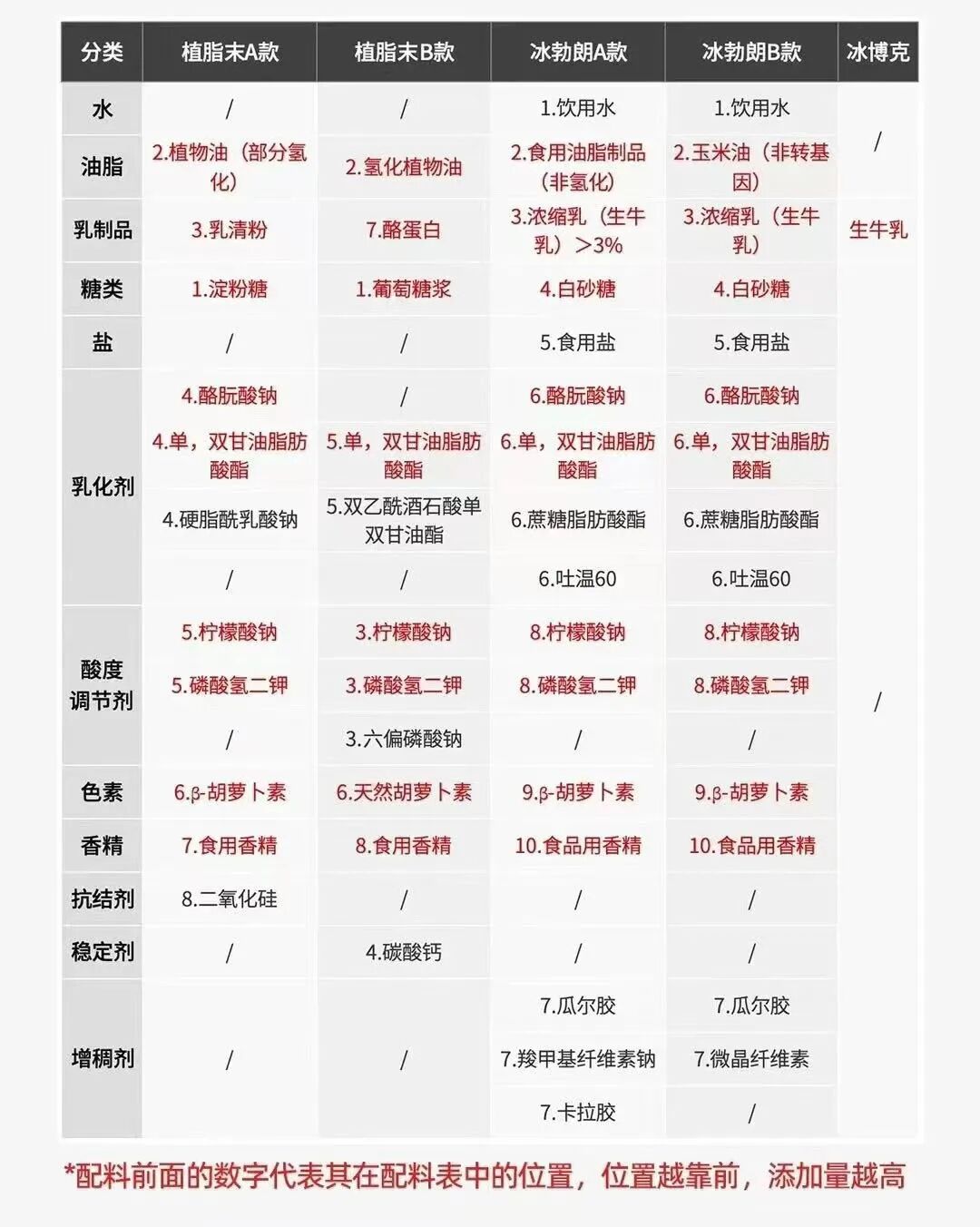
西贝危机后,茶饮仍未走出信任生死局
3 6 Ke· 2025-10-23 04:13
Group 1: Core Insights - The incident involving Xibei highlights the challenges faced by the Chinese restaurant industry, particularly regarding consumer trust in pre-packaged food products [1] - Following the backlash, Xibei experienced a significant drop in daily revenue exceeding 1 million yuan, with a nearly 70% decrease in foot traffic at its largest Beijing location [1] - The public discourse surrounding the incident reflects a broader issue of unclear definitions and lack of standards within the Chinese dining sector, revealing a gap between industry standards and public knowledge [1] Group 2: Tea Beverage Industry Challenges - The tea beverage industry is facing a trust crisis, exacerbated by the "Ice Bolang incident," where a blogger's findings on ingredient transparency ignited consumer skepticism about health claims made by brands [2] - Consumers are increasingly questioning the authenticity of ingredients used in tea beverages, particularly regarding the use of non-hydrogenated base milk and the presence of additives [4] - The discussion around tea beverage ingredients has surged, with related keywords seeing over 200% annual growth in discussions across social media platforms from 2021 to 2025 [4] Group 3: Industry Response and Trends - Major tea brands are beginning to adopt transparency in ingredient sourcing, with over 90% of surveyed consumers expressing concern over the use of non-natural ingredients like plant-based creamers [8] - The tea beverage market is witnessing a shift towards quality and health, with brands like Heytea focusing on unique ingredients and health attributes in their new product lines [14] - Competitors from other sectors, such as dairy and coffee, are encroaching on the tea beverage market, prompting existing brands to rethink their strategies and product offerings [11][12]