稳增长

Search documents
投资策略周报:下半年央行降准降息仍有空间,A股稳中向上趋势不变-20250706
HUAXI Securities· 2025-07-06 12:58
证券研究报告|投资策略周报 [Table_Date] 2025 年 07 月 06 日 [Table_Title] 下半年央行降准降息仍有空间,A 股稳中向上趋势不变 [Table_Title2] 投资策略周报 [Table_Summary] ·市场回顾:本周美股、A 股领涨全球股指,其中纳指、标普 500 指数再创新高,沪指一度逼近 3500 点。行业板 块方面,煤炭、有色、建材(光伏)等周期板块在"反内卷"政策预期下表现突出,银行指数在上周五大跌后再 度回升,创历史新高。此外,美越贸易协议和中美贸易关系缓和交易下,部分消费电子、纺织服饰等板块也有表 现。外汇方面,美元指数持续走低,弱美元下全球商品价格普遍走强,国内螺纹钢、双焦价格也从底部反弹。 ·市场展望:下半年央行降准降息仍有空间,A 股稳中向上趋势不变。短期来看,全球市场定价核心在于 7 月 9 日 美国与各国贸易协定进展,此前美国总统特朗普表示不考虑延长关税豁免最后期限,但此种表态也可能是一种谈 判策略,美国对部分国家关税也有延期可能。上半年我国经济增长动能强劲,全年经济增速目标达成的压力减 轻。然而对于下半年而言,无论关税最终结果如何,出口对增长 ...
“反内卷”政策拉动钢价上涨,继续看好钢铁板块价值修复
Xinda Securities· 2025-07-06 07:12
Investment Rating - The report maintains a "Positive" investment rating for the steel industry, consistent with the previous rating [2]. Core Viewpoints - The "anti-involution" policy has driven an increase in steel prices, leading to a positive outlook for value recovery in the steel sector [3][4]. - The steel sector outperformed the broader market, with a weekly increase of 5.27%, compared to a 1.54% rise in the CSI 300 index [11]. - The report highlights that while the steel industry faces supply-demand imbalances, the implementation of "stability growth" policies is expected to support steel demand, particularly in real estate and infrastructure [4]. Summary by Sections Market Performance - The steel sector saw a weekly increase of 5.27%, outperforming the market, with specific segments like long products rising by 8.32% and flat products by 6.95% [3][11]. - The average daily pig iron production was 2.4085 million tons, showing a week-on-week decrease of 1.44 tons but a year-on-year increase of 1.41 tons [3][26]. Supply Data - As of July 4, the capacity utilization rate for blast furnaces was 90.3%, down 0.54 percentage points week-on-week, while electric furnace utilization was at 51.1%, down 3.45 percentage points [3][26]. - The total production of five major steel products reached 7.734 million tons, a week-on-week increase of 3.06 thousand tons [3][26]. Demand Data - The consumption of five major steel products increased to 8.853 million tons, a week-on-week rise of 5.41 thousand tons [3][35]. - The transaction volume of construction steel by mainstream traders was 107 thousand tons, up 0.81 thousand tons week-on-week, reflecting an increase of 8.23% [3][35]. Inventory Levels - Social inventory of five major steel products rose to 9.161 million tons, an increase of 9.62 thousand tons week-on-week, but down 29.01% year-on-year [3][42]. - Factory inventory decreased to 4.238 million tons, down 9.72 thousand tons week-on-week, and down 13.43% year-on-year [3][42]. Price Trends - The comprehensive index for ordinary steel increased to 3,390.0 CNY/ton, a week-on-week rise of 45.42 CNY/ton [3][49]. - The comprehensive index for special steel decreased to 6,576.5 CNY/ton, down 14.61 CNY/ton week-on-week [3][49]. Profitability - The profit per ton for rebar was 187 CNY, an increase of 42.0 CNY/ton week-on-week [3][58]. - The average iron water cost was 2,148 CNY/ton, with a week-on-week increase of 10.0 CNY/ton [3][58]. Investment Recommendations - The report suggests focusing on regional leaders with advanced equipment and environmental standards, as well as companies benefiting from the new energy cycle and high-margin special steel producers [4].


钢铁ETF(515210)涨超1.4%,政策推动与利润修复预期获关注
Mei Ri Jing Ji Xin Wen· 2025-07-04 01:53
Group 1 - The China Iron and Steel Association will hold its 11th council meeting soon, with specific agenda details not disclosed [1] - As of mid-June, the inventory of steel products among key steel enterprises increased by 420,000 tons to 16.21 million tons, but decreased by 140,000 tons compared to the same period last month [1] - The operating rate of 22 H-beam production enterprises rose by 3.23 percentage points to 70.97%, with capacity utilization increasing by 0.9 percentage points to 56.83% [1] Group 2 - The steel industry is experiencing a "not-so-slow" off-peak season, with daily molten iron output reaching 2.4229 million tons, an increase of 23,500 tons year-on-year [1] - The comprehensive price index for ordinary steel decreased by 0.49% week-on-week to 3,344.6 yuan per ton, while the profit per ton of rebar remains at a substantial level of 145 yuan [1] - Social inventory of five major steel products decreased by 0.72% week-on-week to 9.065 million tons, while inventory at factories increased by 1.82% to 4.335 million tons [1] Group 3 - The funding availability rate for construction sites slightly improved to 59.11%, and with the promotion of "stabilizing growth" policies, demand for steel in real estate and infrastructure sectors is expected to marginally improve [1] - Current molten iron production remains high, indicating significant improvement potential for ordinary steel companies' performance, and the industry is likely to see value recovery [1]
“化债”切换至“稳增长”:三季度新增专项债发行将提速
2 1 Shi Ji Jing Ji Bao Dao· 2025-07-03 12:40
Group 1 - The core focus of the article is on the significant issuance of local government bonds in China, amounting to 5.49 trillion yuan in the first half of 2025, primarily aimed at "debt replacement" and supporting infrastructure investment [1][2] - The issuance of refinancing special bonds for replacing hidden debts reached nearly 1.8 trillion yuan, with an issuance progress of about 90%, while new special bonds issued amounted to 2.16 trillion yuan, accounting for nearly 50% of the annual quota [1][2] - The urgency of "debt replacement" is highlighted as the primary task for local governments, with 42% of new special bonds in June allocated for this purpose, reflecting the pressing need to address existing debt issues [3][4] Group 2 - The issuance of local government bonds is expected to accelerate in the second half of the year, with plans for approximately 1.69 trillion yuan in new bonds, including 1.47 trillion yuan in new special bonds [6] - The focus on "debt replacement" has somewhat constrained the issuance of new local government bonds, impacting project initiation [6][7] - The government is also exploring innovative uses of special bonds, such as funding investment guidance funds to support strategic emerging industries [7]
“反内卷奏乐”,周期“起舞” | 投研报告
Zhong Guo Neng Yuan Wang· 2025-07-03 08:57
Group 1 - The core viewpoint of the article emphasizes the need for the cement industry to address overproduction and promote "anti-involution" and "steady growth" through regulatory measures [1][2] - The Central Financial Committee's meeting on July 1 highlighted the importance of legally regulating low-price competition among enterprises and guiding them to enhance product quality [2] - The China Cement Association issued the "Work Opinion" to further promote high-quality development in the cement industry, focusing on aligning registered production capacity with actual production capacity [2][3] Group 2 - The article discusses the limitations of peak-shifting production, which has been used since the 13th Five-Year Plan to balance supply and demand but faces challenges during rapid demand declines [3] - The implementation of policies to address overproduction is expected to accelerate the exit of excess capacity, with actual clinker production capacity projected to decrease from over 2.1 billion tons to 1.7 billion tons if strictly enforced [3] - The industry's profitability is expected to improve due to a better supply-demand balance, with current coal prices providing additional room for profit recovery [3][4] Group 3 - The industry is experiencing a strong awareness of "anti-involution," with leading companies collaborating to maintain prices, and the decline in coal prices could enhance profitability once cement prices recover [4] - The industry is rated as "positive," with recommendations to focus on companies such as Conch Cement, Huaxin Cement, and Shangfeng Cement [4]


宏观和大类资产配置周报:关注下半年稳增长的过程中金融发挥更大作用-20250629
Bank of China Securities· 2025-06-29 11:51
Macro Economy - The report emphasizes the importance of financial support in stabilizing growth in the second half of the year, with a focus on consumption, real estate, and monetary policy adjustments [5][19][20] - The industrial profits of major enterprises decreased by 9.1% year-on-year in May, indicating challenges in effective demand and industrial product prices [4][18] Asset Allocation - The recommended order of asset allocation is stocks > commodities > bonds > currency, reflecting a bullish outlook on stocks due to anticipated policy implementations [5][12] - The report suggests an overweight position in stocks, a underweight position in bonds, and a neutral stance on commodities and currencies [3][12] Stock Market Performance - A-shares showed a positive trend, with the CSI 300 index rising by 1.95% and the CSI 300 futures increasing by 2.83% [11][12] - The report highlights the performance of various sectors, with technology and defense industries leading the gains [35][36] Bond Market Insights - The yield on ten-year government bonds rose by 1 basis point to 1.65%, indicating a slight upward trend in bond yields [11][41] - The report notes a divergence in the bond market, with credit spreads and term spreads showing slight increases [41][43] Commodity Market Analysis - Commodity prices experienced fluctuations, with coking coal futures rising by 4.64% and iron ore contracts increasing by 1.64% [11][12] - The report emphasizes the need to monitor fiscal policies related to commodity markets [5][12] Currency and Forex Trends - The report indicates that the yield on money market funds is expected to fluctuate around 2%, reflecting a cautious outlook on currency investments [3][12] - The Chinese yuan's exchange rate is supported by the economic fundamentals, allowing for wide fluctuations [3][12]
铁水淡季不淡,钢铁板块再迎配置良机
Xinda Securities· 2025-06-29 03:23
Investment Rating - The investment rating for the steel industry is "Positive" [2] Core Viewpoints - The steel sector has shown resilience during the off-peak season, with a notable increase in iron and steel production, indicating a potential investment opportunity [3][4] - The report highlights that despite challenges such as supply-demand imbalances and declining overall industry profits, the implementation of "stability growth" policies is expected to support steel demand, particularly in real estate and infrastructure sectors [4][6] - The report suggests that certain steel companies are undervalued and presents structural investment opportunities, especially for high-margin special steel enterprises and leading companies with strong cost control [4][6] Weekly Market Performance - The steel sector rose by 2.16%, outperforming the broader market, with specific segments like special steel and long products seeing increases of 2.64% and 3.70% respectively [3][11] - The average daily pig iron production reached 2.4229 million tons, reflecting a week-on-week increase [25][40] Supply Data - As of June 27, the capacity utilization rate for blast furnaces was 90.8%, with a slight increase of 0.04 percentage points week-on-week [25] - The total production of five major steel products was 7.703 million tons, marking a week-on-week increase of 1.59% [25][24] Demand Data - The consumption of five major steel products decreased to 8.799 million tons, a decline of 0.49% week-on-week [33][29] - The transaction volume of construction steel by mainstream traders increased slightly, indicating stable demand in that segment [33] Inventory Data - Social inventory of five major steel products decreased to 9.065 million tons, down 0.72% week-on-week [40][37] - Factory inventory increased to 4.335 million tons, reflecting a week-on-week rise of 1.82% [40][38] Price Trends - The comprehensive index for ordinary steel decreased to 3344.6 yuan/ton, a drop of 0.49% week-on-week [46] - The comprehensive index for special steel fell to 6591.1 yuan/ton, down 0.29% week-on-week [46] Profitability - The profit per ton for rebar produced in blast furnaces was 145 yuan, a decrease of 6.45% week-on-week [54] - The average cost of pig iron was reported at 2138 yuan/ton, reflecting a week-on-week decline [54] Investment Recommendations - The report recommends focusing on regional leaders with advanced equipment and environmental standards, as well as companies benefiting from the new energy cycle [4][70]
吴桂英主持召开市委财经委员会会议
Chang Sha Wan Bao· 2025-06-28 02:16
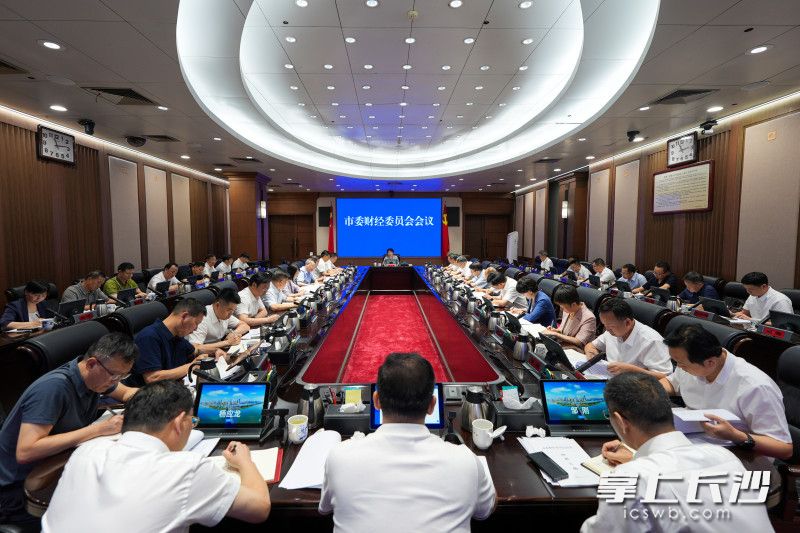
6月27日,市委财经委员会会议召开。 6月27日,省委常委、市委书记、市委财经委员会主任吴桂英主持召开市委财经委员会会议,深学细悟笃行习 近平经济思想,聚焦经济建设这一中心工作和高质量发展这一首要任务,分析当前经济运行情况,研究部署下阶 段工作。 会议强调,要统筹推进全年各项工作,突出"三个高地"标志性工程建设,在做大做强先进制造业、全力建设 全球研发中心城市、发挥对外开放平台作用等方面取得更大突破;突出项目招引建设,提升投资量、实物量、工 作量,结合"十五五"规划编制,谋划储备一批打基础利长远的项目;突出消费活力激发,精心组织暑期促消费活 动,巩固住房消费回暖态势,培育服务消费新增长点;突出外资外贸发展,鼓励支持企业"走出去",促进外资"引 进来";突出涉企服务优化,推动政策赋能,健全公平竞争、权益保障等机制,严厉打击破坏市场秩序、侵犯知识 产权等行为;突出大局安全稳定,统筹抓好重点隐患排查整治,密切监视雨情水情,严防旱涝急转,确保安全度 汛。 市级领导谭勇、何朝晖、李铁华、彭华松、邹特、肖正波、周志凯、康镇麟、周春晖、郑平出席。 会议指出,要准确把握全市经济发展整体平稳、质效向好、预期增强的态势,坚定信心 ...

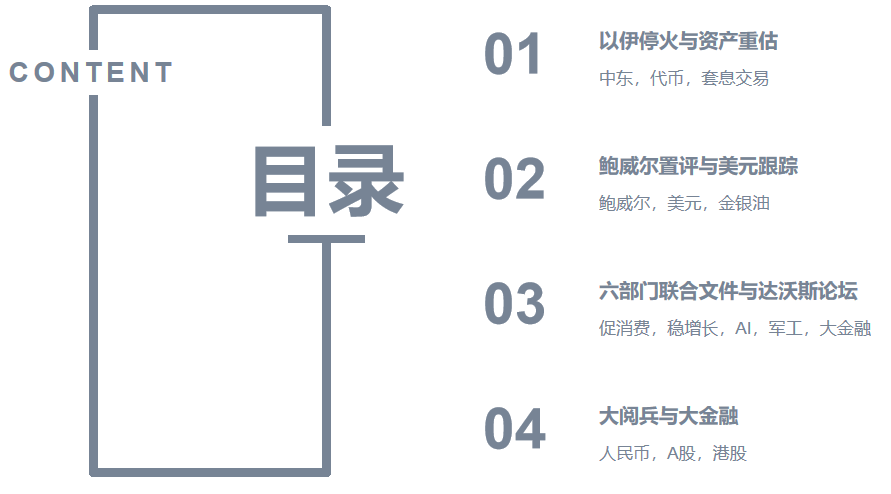
0625:午后大金融爆发,三个大阳线意味着什么?
Sou Hu Cai Jing· 2025-06-25 15:41
Group 1 - The article discusses the recent developments in the A-share market, highlighting a significant upward trend over the past three days, suggesting that recent gains may outweigh efforts made over the previous two months [3][7] - The potential for a third wave rally in the A-share market is identified, with the current phase being a part of a larger upward trend that is expected to exceed the previous wave in both time and space [6] - The article emphasizes the importance of both internal fiscal policies and external monetary policies, with expectations for a potential interest rate cut by the Federal Reserve in September [6][7] Group 2 - Recent comments from several Federal Reserve officials indicate a consensus towards considering interest rate cuts, with some suggesting that action should be taken as early as July [8][9] - The article notes that the market's recent performance may not solely be attributed to geopolitical events but rather to underlying financial dynamics and policy expectations [7] - The Federal Reserve's current interest rate outlook suggests a gradual reduction in rates over the next year, which could diminish the dollar's interest rate advantage [11]
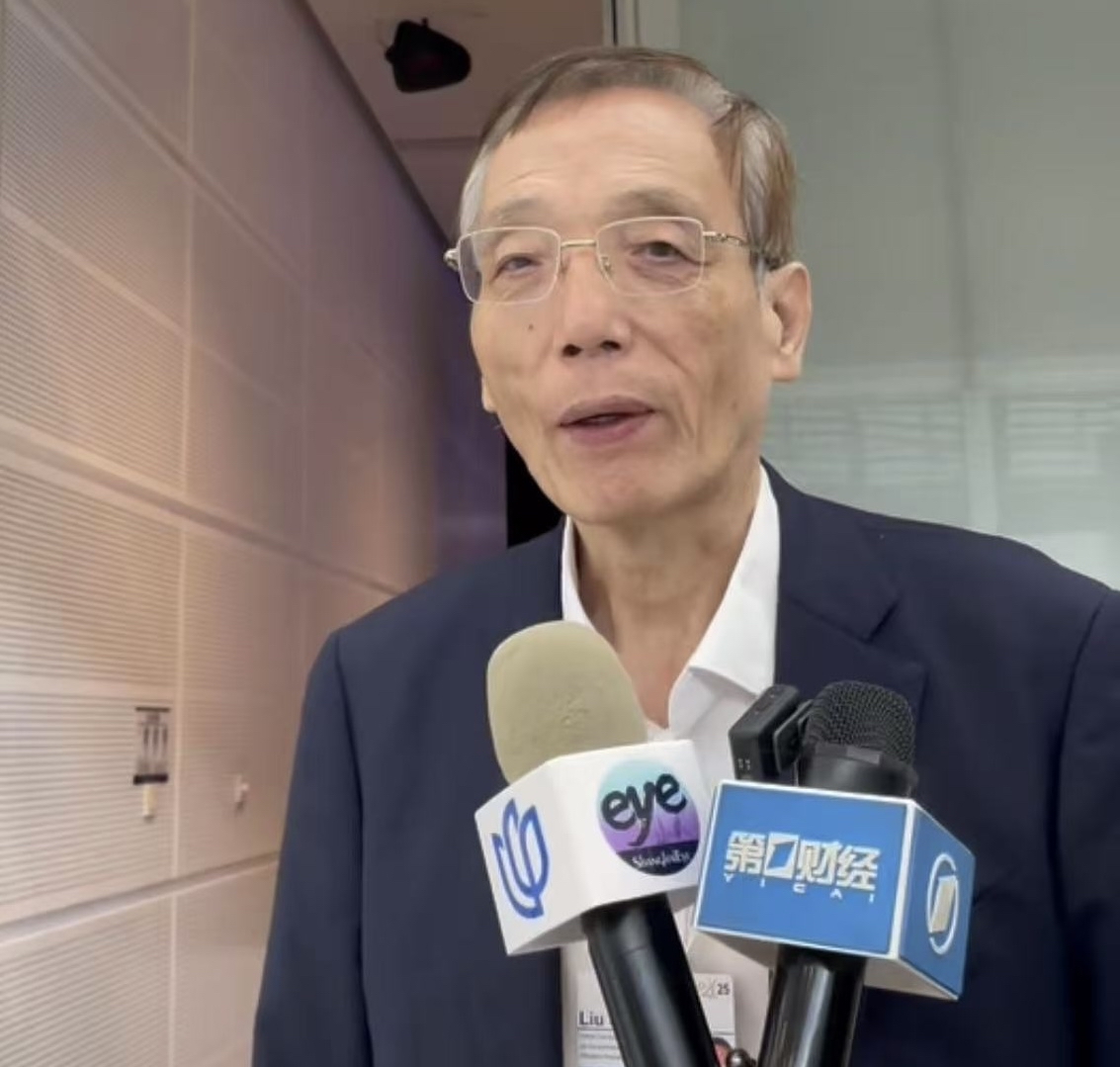
刘世锦:中国弥补消费短板的重点是服务消费尤其发展型消费
Di Yi Cai Jing· 2025-06-24 07:52
Group 1 - The core focus of China's consumption development is on service consumption, particularly development-oriented consumption aimed at improving the spending capacity of low-income groups [3] - There is a significant gap of approximately 20 percentage points between China's consumption as a share of GDP and the international average, which has been obscured by high growth in real estate and infrastructure sectors [3] - The government emphasizes the need to enhance domestic demand, particularly consumption, as a key driver for economic growth, as outlined in the recent government work report [4] Group 2 - In May, China's total retail sales of consumer goods increased by 6.4% year-on-year, with a notable acceleration of 1.3 percentage points compared to the previous month, driven by policies like "trade-in" and promotional events [5] - Service retail sales grew by 5.2% in the first five months of the year, slightly outpacing the growth of goods retail sales, indicating a shift towards service-oriented consumption [5]