避险资产

Search documents
地缘政治冲突频繁,金价上涨动能强劲
Mei Ri Jing Ji Xin Wen· 2026-01-12 07:32
1月12日,地缘政治和经济不确定性增加,避险情绪蔓延,金价盘中一度突破4610美元,此后冲高后小 幅回落,截至A股收盘,COMEX黄金期货交投于4585美元/盎司附近,黄金ETF华夏(518850)涨1.94%, 黄金股ETF(159562)涨1.64%,有色金属ETF基金(516650)涨1.36%。 光大证券国际环球市场及外汇策略师汤丽鸿表示,在全球经济不确定性的背景下,黄金作为传统避险资 产的地位愈发明显。随着地缘政治风险加剧及通胀压力上升,投资者纷纷转向买入黄金作避险用途。金 价的稳定增长使其成为2026年资产配置中不可或缺的一部分,她预测现货金价2026年的目标价为每盎司 4950美元。 ...
从经济利率到制度信用 黄金迎“完美风暴”
Jin Tou Wang· 2026-01-12 06:08
摘要今日周五(1月9日)亚市时段,黄金价格一度冲高至约4600美元/盎司,刷新历史纪录。在全球不确定 性加剧的背景下,避险资金持续涌入黄金市场,同时市场对美联储年内降息的预期也为金价提供了重要 支撑。地缘政治风险是本轮金价上行的重要驱动因素。美国总统特朗普正在权衡针对伊朗的多种潜在军 事选项,此前伊朗国内发生致命抗议事件。相关不确定性显著推升市场风险厌恶情绪,强化了黄金作为 传统避险资产的吸引力。 今日周五(1月9日)亚市时段,黄金价格一度冲高至约4600美元/盎司,刷新历史纪录。在全球不确定性加 剧的背景下,避险资金持续涌入黄金市场,同时市场对美联储年内降息的预期也为金价提供了重要支 撑。地缘政治风险是本轮金价上行的重要驱动因素。美国总统特朗普正在权衡针对伊朗的多种潜在军事 选项,此前伊朗国内发生致命抗议事件。相关不确定性显著推升市场风险厌恶情绪,强化了黄金作为传 统避险资产的吸引力。 【基本面解析】 分析认为,鲍威尔或因政治压力选择留任理事至2028年,以限制特朗普对理事会的控制。特朗普与鲍威 尔的矛盾由来已久,第二任期批评更甚,甚至试图以欺诈指控驱逐其他理事,相关案件将由最高法院审 理。 【最新现货黄金 ...
历史首次突破4600美元关口 现货黄金再度刷新历史纪录
2 1 Shi Ji Jing Ji Bao Dao· 2026-01-12 05:20
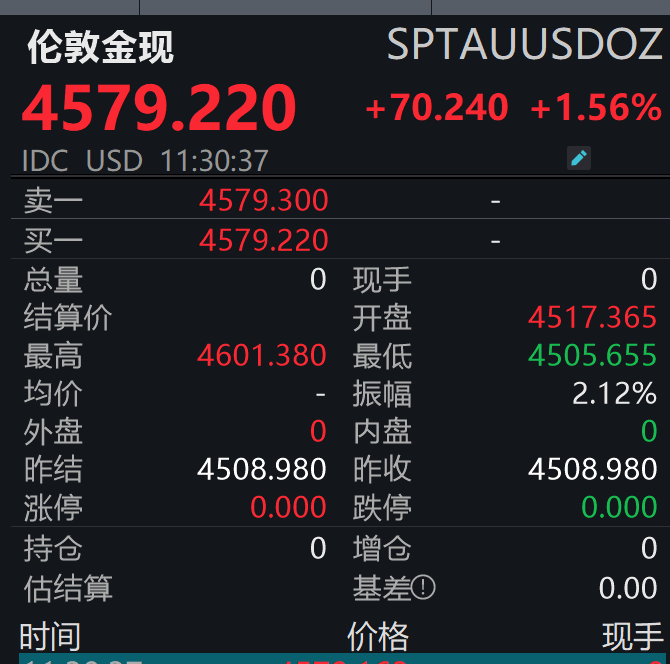
消息面方面,1月7日,央行公布最新官方储备资产数据。数据显示,截至2025年12月,央行持有黄金7415万盎司,较上月增加3万盎司。自2024年11月以 来,央行已连续14个月增持黄金。 未来金价如何演变,市场众说纷纭。世界黄金协会指出,当前金价已基本反映全球经济平稳增长、主要央行开启降息周期的主流预期,预计短期内将在 ±5% 的区间内高位震荡。 2026年伊始,黄金再创新高,现货黄金价格首破 4600 美元/盎司! Wind数据显示,截至2026年1月12日11:30,伦敦现货黄金价格最高触及4601.38美元/盎司,为历史上首次站上4600美元/盎司大关,日内一度涨超2%。纵向 来看,2025年国际黄金价格累计涨幅超过60%,创下近46年来最大单年涨幅。 | 伦敦金现 | | | SPTAUUSDOZ | | --- | --- | --- | --- | | 4579.220 | | +70.240 +1.56% | | | IDC USD 11:30:37 | | | | | 文 | 4579.300 | | | | 买- | 4579.220 | | | | 总量 | O | 现手 | 0 | | ...

【UNFX财经事件】市场重估政策空间 黄金突破4600关口
Sou Hu Cai Jing· 2026-01-12 03:48
在金价快速抬升并创下新高后,短线层面出现一定的多空博弈。市场焦点逐步转向即将公布的美国通胀 数据以及美联储官员的最新表态,这些信息将为利率预期提供新的线索。在就业动能放缓、政策取向偏 宽松、外部风险仍在累积的背景下,黄金价格整体维持在高位区间运行。 综合来看,本轮黄金走强并非单一事件驱动,而是就业数据降温、宽松预期保持稳定、地缘与政策不确 定性叠加共振的结果。4600 美元关口的突破,显示市场正在对中长期宏观环境进行重新定价。在关键 宏观数据与政策信号进一步明朗之前,避险资产仍处于相对有利的配置位置,美元与利率变化,依然是 影响跨资产波动的核心变量。 除经济数据因素外,地缘政治变量同样为黄金价格提供额外支撑。近期中东局势再度趋紧,伊朗国内不 稳定因素上升,并伴随对美强硬表态,市场对地区冲突外溢风险保持高度警惕。与此同时,美国与委内 瑞拉之间的摩擦在上周集中发酵后仍未完全平息,相关制裁与能源运输问题持续牵动市场神经。在多重 风险因素叠加的环境下,市场情绪趋于防御,部分资金回流传统避险资产。黄金在亚洲时段快速拉升, 日内涨幅一度接近 2%,并成功刷新历史高位。 政策层面的变化同样受到市场密切关注。近期围绕美联储内 ...
贵金属集体狂欢!黄金白银携手刷新历史纪录
Jin Tou Wang· 2026-01-12 03:25
与此同时,欧洲地缘安全议题同样引发市场关注。英国和德国正讨论在格陵兰地区加强军事存在,以显 示其对北极安全问题的重视。 摘要周一(1月12日)亚市早盘,贵金属价格飙升,黄金与白银携手刷新历史纪录,现货黄金首次站上 4600美元大关,新年首月累涨280美元,现货白银超越前两周高点创下历史新高,日内涨幅一度接近 5%,距离84美元关口仅一步之遥。 周一(1月12日)亚市早盘,贵金属价格飙升,黄金与白银携手刷新历史纪录,非农疲软、伊朗局势升 温、美联储主席遭司法威胁、美元走软等多重因素共振,推动避险资产疯狂上涨。 现货黄金高开高走,现货黄金首次站上4600美元大关,新年首月累涨280美元,现货白银超越前两周高 点创下历史新高,日内涨幅一度接近5%,距离84美元关口仅一步之遥。现货铂金涨超3.00%,触及2382 美元高位,现货钯金日内涨超4.00%,现报1891.70美元/盎司。 近期美伊紧张关系骤然升级,对全球市场构成冲击。一方面,伊朗国内因经济危机爆发大规模抗议,局 势动荡;另一方面,美国总统特朗普公开威胁可能采取军事等方式进行干预,以支持抗议者。 1月11日据知情官员透露,美国哥伦比亚特区联邦检察官办公室已对 ...
金晟富:1.12黄金避险高开再创历史新高!日内黄金分析参考
Sou Hu Cai Jing· 2026-01-12 02:16
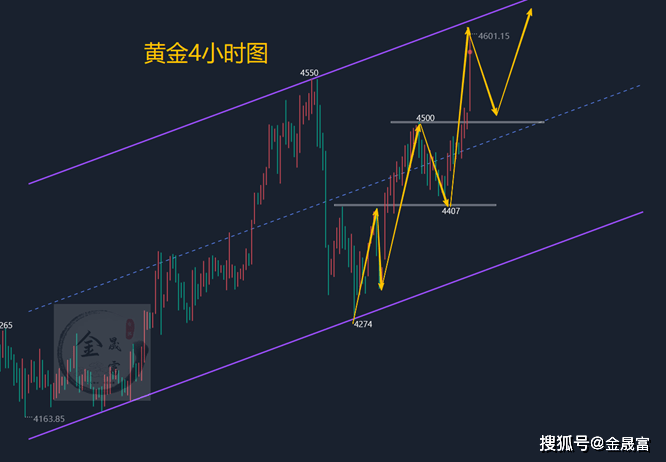
前言: 2025年的黄金市场,既有数字增长的收获,更领悟了"顺势而为、坚守本心"的智慧。市场不缺机会,缺 的是看透本质的认知与抗波动的定力,这份收获是对理性判断与长期主义的最好印证。2026,新的一 年,带着沉淀继续稳步前行即可。 近期美伊紧张关系骤然升级,对全球市场构成冲击。一方面,伊朗国内因经济危机爆发大规模抗议,局 势动荡;另一方面,美国总统特朗普公开威胁可能采取军事等方式进行干预,以支持抗议者。地缘政治 风险的急剧上升,直接刺激了避险资产需求,推动现货黄金价格强势上涨。黄金刚刚走出一个创纪录的 年份:几乎所有支撑金价的利好因素在这一年里叠加共振——从利率下行、地缘政治紧张加剧,到市场 对美元信任度下降。十多位基金经理表示,他们选择不大幅获利了结,仍然坚信黄金的长期吸引力。特 朗普政府威胁军事干预伊朗内乱,直接点燃了地缘政治风险,刺激避险资金涌入黄金。而伊朗国内严重 动荡及美国内部激烈政策争论,共同延长了不确定性周期,为金价持续注入波动溢价。虽然局势可能因 美国行动克制而缓和,但短期内对抗升级风险已成主导金价走向的核心驱动力。2026年的黄金行情,早 已超越了传统宏观交易的范畴。它本质上是一场对"旧世界 ...
黄金白银双双新高,地缘风暴叠加降息押注 贵金属又将迎来“疯涨年”?
Feng Huang Wang· 2026-01-12 02:05
1月12日,本周一早间,贵金属价格开盘便直线飙升:现货黄金价格上涨逾2%,首次站上4600美元大 关,新年首月已累涨280美元;现货白银价格飙升超5%,向上突破83美元,创下历史新高。 这一涨势得益于地缘政治风险上升导致避险需求增加,同时,上周五糟糕的非农就业数据也增强了市场 对美联储降息的预期。 此外,以英国和德国为首的一些欧洲国家正在讨论加强在格陵兰岛军事存在的计划,以向美国总统特朗 普表明欧洲国家对北极安全的重视。知情人士称,德国将提议设立一个北约联合特派团来保护北极地 区。 此前,美国在对委内瑞拉的行动中抓获委总统马杜罗及其夫人,并将他们带离委内瑞拉。 在全球范围内的重重不确定性和地缘政治风险,推高了黄金等传统避险资产的价格。 地缘政治风险上升 据央视新闻,美国官员称,美国总统特朗普正在考虑干涉伊朗的多种方案。包括宣布向中东派遣航母战 斗群、发动网络攻击和信息战等。 据悉,近期美国政府内部已召开初步会议,"讨论支持(伊朗)抗议活动的方式",其中包括美军对伊朗 政府目标进行军事打击,不过"特朗普政府内部许多人认为,现阶段采取重大军事行动将破坏抗议活 动"。 消息称,特朗普正在考虑所有选项,但尚未做出决定 ...
货币的轮回-百年黄金史复盘
2026-01-12 01:41
Summary of Key Points from the Conference Call Industry Overview - The discussion revolves around the **gold market** and its historical context, particularly focusing on the dynamics of gold as a safe-haven asset during periods of economic uncertainty and inflation concerns [1][2]. Core Insights and Arguments - **Demand for Gold**: The demand for gold as a safe-haven asset significantly increases during times of global economic and political uncertainty, outperforming risk assets like stocks [1][2]. - **Historical Context**: Historical bull markets in gold have been driven by global political, economic, and technological cycles. The gold standard provided monetary stability, while the collapse of the Bretton Woods system shifted gold's role to an inflation hedge [1][2]. - **End Signals for Gold Price Uptrends**: Indicators that a gold price uptrend may be ending include effective control of high inflation, reduced risk aversion, emergence of new economic growth drivers, and changes in macroeconomic indicators and policies [1][5][6]. - **Gold ETF Impact**: The introduction of gold ETFs has enhanced the flexibility and accessibility of gold in asset allocation, lowering investment barriers and significantly increasing liquidity and investment functionality [1][8][9]. - **Market Reactions to Crises**: During the subprime mortgage crisis and the European debt crisis, heightened risk aversion and low-interest environments led to rapid increases in gold prices, with central banks becoming net buyers [1][10]. Important but Overlooked Content - **Historical Bull Markets**: Key periods that propelled gold bull markets include the 19th-century gold standard, the Bretton Woods system (1944-1971), and the high inflation environment of the 1970s, where gold prices surged significantly [1][4]. - **Third Bull Market Characteristics**: The current bull market, which began in 2018, has seen a twofold increase in gold prices, driven by factors such as U.S.-China trade tensions, global health crises, and a trend towards de-dollarization, with central banks increasing gold purchases [1][12]. - **Gold Price Trends (2012-2022)**: From 2012 to 2022, gold prices experienced a bear market due to rising real interest rates, contrasting with previous bull markets where gold prices were inversely related to real rates [1][11]. This summary encapsulates the key points discussed in the conference call regarding the gold market, its historical significance, and the factors influencing its price dynamics.
能源成本下行-看好商品周期与科技主线需求共振-能源及有色行业2026年度投资策略
2026-01-12 01:41
Summary of Key Points from Conference Call Records Industry Overview - The conference call discusses the energy and non-ferrous metal industries, focusing on commodity cycles and market dynamics in 2026 [1][2]. Core Insights and Arguments - **Commodity Cycle Dynamics**: The acceleration of commodity cycle rotation is influenced by global economic recovery and pandemic impacts, similar to the commodity volatility seen after the collapse of the Bretton Woods system in the 1970s. It is challenging to determine the current cycle position, necessitating a comprehensive analysis of various commodities to identify patterns [1][2]. - **Oil Prices and Commodity Volatility**: Oil prices are highly correlated with overall commodity volatility, serving as a benchmark for energy costs. Gold has started to rise as a leading indicator, but other commodities have not followed suit significantly, likely due to the lack of a clear upward trend in oil prices [1][4]. - **Gold Price Influences**: The price of gold is affected by the transition between the old and new world orders. Currently, gold is viewed as a safe-haven asset amid the remnants of the old world wealth. Historical trends show that after the decoupling of the dollar from gold in 1971, significant price increases in gold and other commodities occurred due to excessive dollar issuance [5]. - **U.S. Treasury Credit and Precious Metals**: The loosening of U.S. Treasury credit post-2009 financial crisis has led to increased market preference for precious metals as a hedge. Despite multiple interest rate cuts by the Federal Reserve, Treasury yields have not significantly decreased, indicating a weakening preference for Treasury securities [6]. - **Future Gold Price Trends**: A long-term downward expectation for the U.S. dollar index, driven by an expanding trade deficit and potential appreciation of the Renminbi, suggests that gold prices may have room to rise [7]. - **Oil Supply and Demand**: Short-term oil supply and demand are heavily influenced by political factors, while long-term demand changes will have a more significant impact on price volatility. Current U.S. inventory increases and stable Chinese supply contribute to short-term price stability, but long-term demand fluctuations could lead to potential volatility [8]. - **U.S. Oil Production and Price Forecast**: U.S. oil production has seen a year-on-year increase of approximately 300,000 barrels, but the number of drilling rigs is declining. The forecast for oil prices in 2026 is expected to fluctuate between $40 and $70 per barrel, with a more stable range of $50 to $70 per barrel if political factors are excluded [9][10]. Additional Important Insights - **Energy Costs in China**: Domestic energy costs are stable, with sufficient supply in coal and natural gas, leading to no significant price increases. Electricity prices are expected to have limited rebound potential due to overall cost constraints [11]. - **Non-Ferrous Metals Market**: The aluminum market is expected to remain in a supply-demand imbalance due to limited domestic production capacity and stable demand growth. Copper prices are projected to range between $11,000 and $15,000 per ton in 2026, driven by increasing demand in power construction and unstable production in major copper mining regions [12][13]. - **Domestic Economic Impact on Metal Demand**: The demand for non-ferrous metals is closely tied to domestic economic development, particularly in sectors like real estate and automotive. A positive GDP outlook suggests continued growth in aluminum demand [14]. - **Global Copper Inventory and Consumption**: As of September 2025, global electrolytic copper inventory was 1.451 million tons, with a consumption increase of 3% year-on-year, indicating a stable demand environment [15]. - **Challenges in the Copper Market**: The domestic copper market faces challenges such as resource scarcity and price increases affecting downstream procurement. Additionally, cyclical patterns in the manufacturing sector impact demand [16][17]. - **Cable Demand in China**: There is strong demand for cables driven by investments in power generation and infrastructure, with a rebound in terminal electrical equipment demand noted [18]. - **Silver Market Dynamics**: The silver market is influenced by financial attributes, with increased speculative demand as gold prices rise. Industrial demand, particularly from photovoltaic and electronics sectors, is expected to support silver prices [19]. - **Rare Earth Industry Development**: The rare earth industry in China is positioned as a competitive sector, benefiting from trends in high-end manufacturing and energy equipment [20]. - **Commodity Market Trends**: The commodity market is experiencing structural demand resonance rather than short-term volatility, with significant implications from U.S. monetary policy and inflation on commodity prices [21]. - **Investment Recommendations**: Suggested investments include resource companies like PetroChina and CNOOC, integrated firms such as Hengli and Rongsheng, and non-ferrous metal companies like Yun Aluminum and Huadong Cable. Additionally, companies in the rare earth sector are noted for their potential [22].
黄金又跌了!国内足金、金条最新价格出炉,现在该抄底还是观望?
Sou Hu Cai Jing· 2026-01-11 23:46
"前阵子抢都抢不到的黄金,现在居然降价了!"2026开年,持续火热的黄金市场迎来降温,国际现货黄金在4490美元/盎司附近震荡,国内金价跟着回调, 上海黄金交易所、各大金店和银行的价格都出现松动。对想入手黄金的人来说,这波回调是抄底机会还是陷阱?国内最新金价到底多少?央行购金放缓、美 联储政策摇摆背后,普通人该怎么操作?用大白话一次性说透。 先看最核心的国内最新金价,不同渠道价格差异不小,一张表就能看明白: ? 上海黄金交易所:Au99.99报价约1005元/克,Au(T D)跌破1005元,沪金期货主力合约1007元左右,比上周高点回落了2?%; ? 品牌金店(足金999):全国平均价1386元/克,比上个月降了50多块。深圳水贝作为黄金集散地,价格低至1245元/克,北京、上海、广州等一线城市在 1283-1290元之间,海南因税费和消费环境,价格仍坚挺在1302元; ? 银行金条:工商银行、建设银行维持在1021元/克左右,中国银行1024元/克,中国黄金工艺金条1020元/克,整体波动不大; 如果是长期投资者(打算持有3年以上),这波回调确实是个机会。世界黄金协会预测,2026年金价可能再涨15?0% ...