
关税调整

Search documents
短期矿端供应仍然偏紧 沪锡小幅走高【5月14日SHFE市场收盘评论】
Wen Hua Cai Jing· 2025-05-14 10:35
Group 1 - The core viewpoint indicates that tin prices are maintaining a range-bound operation due to a tight supply in the short term and a lack of significant demand boost from downstream industries [1] - The main contract for tin closed at 265,770 yuan/ton, reflecting a slight increase of 0.92% [1] - The Congo (DRC) has become China's largest source of imported tin concentrate, surpassing Myanmar, with the Bisie tin mine resuming operations after a temporary halt due to armed conflict [1] Group 2 - The recovery of the Bisie tin mine is progressing well, with the first batch of tin concentrate expected to enter the smelting phase by June 2025 [2] - The operating rates of tin smelting enterprises in Yunnan and Jiangxi remain low due to raw material supply shortages, with the import volume from Myanmar falling below the warning line for several months [1] - The overall order situation from downstream customers is limited, as the willingness to restock in the electronics and home appliance sectors is low despite relatively high tin prices [1]
《中美联合声明》落地48小时:“抢运潮”会出现吗?
Jing Ji Guan Cha Wang· 2025-05-14 09:58
Core Viewpoint - The recent U.S.-China trade negotiations have led to a significant reduction in tariffs, with the U.S. canceling 91% of additional tariffs and China reciprocating, which has revitalized the foreign trade sector and created a "window period" for businesses to resume operations and shipments [2][3][4]. Group 1: Market Reactions - Following the announcement of the joint statement, there has been a surge in inquiries and orders from U.S. clients who previously postponed orders due to tariffs, indicating a quick recovery in the foreign trade market [2][4]. - The electronics market in Shenzhen has seen a rapid return to activity, with prices for certain components, such as CPUs, dropping significantly, reflecting a shift in market dynamics [3][4]. - Companies are eager to capitalize on the 90-day window to resume shipments, with many reporting an increase in demand for shipping services [4][5]. Group 2: Shipping and Logistics - There is an expectation of a "rush" in shipping activities as companies aim to maximize their exports during the temporary tariff relief period, although some logistics providers have not yet observed a significant increase in shipping volumes [5]. - Freightos analysis indicates that while shipping rates may rise due to increased demand, they are unlikely to reach the high levels seen in the previous year [5]. - Air freight demand is also anticipated to rebound as tariffs decrease, following a period of low demand due to previous high tariffs [5]. Group 3: Industry-Specific Responses - Different industries are responding variably to the tariff changes, with some companies, like those in the consumer electronics sector, expressing caution due to longer production and shipping cycles [7]. - Companies with established overseas warehouses have a buffer against immediate tariff impacts, allowing them to adjust strategies without immediate pressure [7]. - The impact of the tariff changes varies by industry, with some sectors, such as the solar energy industry, viewing the changes as stabilizing rather than transformative [8][9]. Group 4: U.S. Market Reactions - U.S. companies are also reacting quickly, with executives from various sectors indicating plans to expedite shipments of goods previously held up by tariffs [6]. - Industry associations in the U.S. have welcomed the tariff reductions but emphasize the need for long-term, stable trade policies to avoid future disruptions [9][10].


供应端压力有限,盘面震荡反弹
Yin He Qi Huo· 2025-05-14 09:52
Report Summary 1. Investment Rating No investment rating for the industry is provided in the report. 2. Core View The report indicates that the supply - side pressure on the粕类 market is limited, and the futures market shows a volatile rebound. The international soybean market has near - term support, while the domestic粕类 market has a complex situation with some improvement in spot conditions but also uncertainties in supply and demand [4][5]. 3. Summary by Section 3.1 Market Review - The US soybean futures are strong due to macro - level positives, monthly supply - demand reports, and changes in biodiesel policies. The domestic futures are relatively weak, with the soybean meal market stronger than the rapeseed meal market. The monthly spreads of both soybean meal and rapeseed meal are volatile [4]. 3.2 Fundamental Analysis - **International Market**: The near - term pressure on the international soybean market is limited. US soybean exports are good, and the April soybean crush volume has a significant year - on - year increase. Brazil's selling pressure is reduced, and the harvest progress is high. The new US soybean crop has good demand but export uncertainty [5]. - **Domestic Market**: The domestic spot market has improved. The oil mill crush volume has increased, and the inventory has slightly risen. The开机率 is relatively high, and the supply is reasonable. The demand for rapeseed meal is strong in the near - term, but the supply is abundant, and there are uncertainties in the long - term [5][6]. 3.3 Macro - level Analysis The reduction of tariffs between China and the US has led to a market recovery, but the粕类 market reaction is limited. The domestic soybean supply is less affected by policies, but there are still uncertainties, and the soybean meal is supported by policies in the long - term [7]. 3.4 Logic Analysis - **Soybean Meal**: The soybean meal futures have strengthened slightly. The supply pressure in Brazil may be reduced, but there are still uncertainties. The domestic soybean meal spot has little change, and the inventory pressure may increase with more soybean arrivals and higher开机率, affecting the monthly spreads [8]. - **Rapeseed Meal**: The rapeseed meal market has little change. The recent decline reflects supply uncertainties. The supply is sufficient, and both supply and demand may decrease in the future, with the spread between soybean meal and rapeseed meal oscillating [8]. 3.5 Trading Strategy - **Single - side Trading**: The market is expected to move in a volatile manner. - **Arbitrage**: It is recommended to wait and see. - **Options**: A strategy of selling wide straddles is suggested [9].
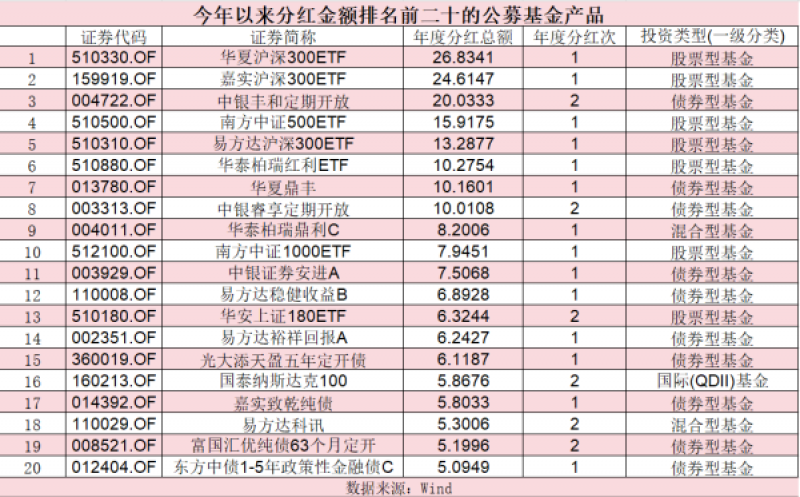
公募基金加速派发“红包”!近1800只产品参与,累计分红约870亿元
Hua Xia Shi Bao· 2025-05-14 09:51
Core Viewpoint - Public funds have significantly increased their dividend payouts in 2025, with a total of approximately 87 billion yuan distributed across nearly 1,800 products, marking a substantial growth compared to the previous year's 60 billion yuan from around 1,400 products [3][4]. Group 1: Dividend Distribution - Bond funds are the main contributors to the dividend surge, accounting for over 70% of the total, with notable funds like Zhongyin Fenghe and Huaxia Dingfeng leading in payouts [4][5]. - The top five equity funds in terms of dividend payouts include Huaxia CSI 300 ETF (2.683 billion yuan), Jiashi CSI 300 ETF (2.461 billion yuan), and others, collectively distributing around 17 billion yuan [5][6]. Group 2: Frequency of Dividends - Over 400 funds have issued multiple dividends this year, with some funds like He Xu Zhi Yuan Jia Yue and Xiangcai Xin Rui Bond achieving up to 9 and 6 distributions respectively [7]. - Funds are adapting their dividend schedules based on performance, with some distributing quarterly while others do so flexibly, reflecting strong management of fund operations [7]. Group 3: Market Outlook - Fund companies are optimistic about future investment strategies, particularly in sectors like TMT, AI, and military industries, which are expected to maintain high demand [9]. - Recent tariff negotiations between the US and China are anticipated to boost export-driven economic growth, potentially leading to a recovery in market sentiment [10].
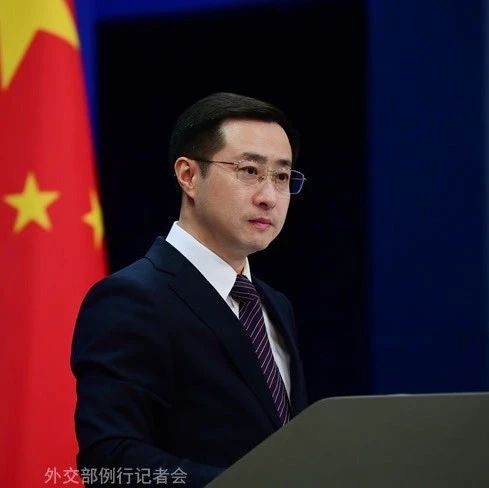
外交部确认:中方对美芬太尼反制仍然有效
券商中国· 2025-05-14 08:15
Core Viewpoint - The article highlights the positive outcomes of the recent economic talks between China and the United States, emphasizing the agreement to significantly reduce bilateral tariff levels [1]. Summary by Relevant Sections - The U.S. has committed to canceling 91% of its tariffs and suspending the implementation of 24% reciprocal tariffs, while China will also cancel 91% of its counter-tariffs and suspend 24% of its countermeasures, retaining 10% tariffs on both sides [1]. - The article mentions that the U.S. imposed additional tariffs on China under the pretext of fentanyl issues, to which China responded promptly with both tariff and non-tariff measures to protect its legitimate rights and interests, and these countermeasures remain effective [1].
《黑色》日报-20250514
Guang Fa Qi Huo· 2025-05-14 05:55
1. Report Industry Investment Ratings - No industry investment ratings are provided in the reports. 2. Core Views of the Reports Steel - The steel industry shows strong supply - demand on the industrial side with continuous inventory reduction. Low inventory supports the market, and improved macro - sentiment is expected to repair the valuation. Attention should be paid to the impact of terminal restocking on spot prices. For the October contract, the pressure range for rebar is 3200 - 3250, and for hot - rolled coils, it is 3300 - 3400 [1]. Iron Ore - In the short - term, the valuation of iron ore is expected to be repaired, but in the medium - to - long - term, a bearish view is maintained. The high - level of molten iron production is approaching its peak, and the supply - demand pressure of iron ore will increase in the future [4]. Coke - The coke market is in a weak pattern. The spot market is slightly declining, and the futures market has a large hedging pressure. It is recommended to hold the strategy of going long on hot - rolled coils and short on coke, and pay attention to the implementation of crude steel reduction and tariff negotiations [6]. Coking Coal - The coking coal market is in a situation of loose supply - demand. It is recommended to hold the strategy of going long on hot - rolled coils and short on coking coal, and pay attention to the implementation of crude steel reduction and tariff negotiations [6]. Ferrosilicon - The supply - demand contradiction of ferrosilicon has been alleviated. The cost is relatively stable, and with positive macro - level news, the price is expected to rebound based on valuation repair [8]. Silicomanganese - The silicomanganese market is in a situation where production is decreasing, and the supply - demand gap is narrowing. With positive macro - level news, the price is expected to stabilize and rebound based on valuation repair [8]. 3. Summary by Relevant Catalogs Steel Prices and Spreads - Rebar and hot - rolled coil spot prices in different regions have different changes, with some rising and some falling. Futures contract prices also show fluctuations [1]. Cost and Profit - Steel billet prices decreased by 20 yuan/ton, while some steel production costs increased. Profits in different regions and varieties also changed, with some increasing and some decreasing [1]. Production - The daily average molten iron production increased by 0.2 to 245.6 tons, with a 0.1% increase. The production of five major steel products decreased by 9.5 tons to 874.2 tons, a 1.1% decrease. Rebar production decreased significantly by 4.2% [1]. Inventory - The inventory of five major steel products increased by 29.0 tons to 1476.1 tons, a 2.0% increase. Rebar and hot - rolled coil inventories also increased [1]. Transaction and Demand - Building material trading volume decreased by 27.8%, and the apparent demand for five major steel products decreased by 12.9%. The apparent demand for rebar and hot - rolled coils also decreased significantly [1]. Iron Ore Prices and Spreads - The warehouse - receipt costs of various iron ore varieties decreased slightly, and the basis of the 09 - contract for different varieties increased significantly. The 5 - 9 spread increased by 49.4%, while the 9 - 1 and 1 - 5 spreads changed [4]. Supply - The 45 - port arrival volume decreased by 2.5%, the global shipment volume decreased by 4.3%, and the national monthly import volume decreased by 0.2% [4]. Demand - The daily average molten iron production of 247 steel mills increased by 0.1%, the 45 - port daily average ore - discharging volume decreased by 5.0%, and the national monthly pig iron and crude steel production increased significantly [4]. Inventory - The 45 - port inventory decreased by 0.4%, the imported ore inventory of 247 steel mills decreased by 4.0%, and the inventory - available days of 64 steel mills remained unchanged [4]. Coke Prices and Spreads - Coke spot prices in different regions and futures contract prices showed fluctuations. The 9 - 1 spread remained unchanged. The coking profit increased significantly [6]. Supply - The daily average production of full - sample coking plants and 247 steel mills decreased slightly [6]. Demand - The molten iron production of 247 steel mills increased slightly [6]. Inventory - The total coke inventory decreased by 1.8%, and the inventories of full - sample coking plants, 247 steel mills, and ports all decreased [6]. Coking Coal Prices and Spreads - Coking coal spot prices in different regions remained stable, and futures contract prices decreased. The basis increased, and the 9 - 1 spread remained unchanged. The sample coal mine profit decreased slightly [6]. Supply - The raw coal and clean coal production of Fenwei sample coal mines increased slightly [6]. Demand - The demand for coking coal, represented by coke production, decreased slightly [6]. Inventory - The coking coal inventory of Fenwei coal mines increased, while the inventories of full - sample coking plants and ports decreased [6]. Ferrosilicon Prices and Spreads - The closing price of the ferrosilicon main contract decreased by 0.4%. Spot prices in different regions remained mostly stable [8]. Cost and Profit - The production cost in Inner Mongolia increased slightly, and the production profit increased slightly. The prices of manganese ore in Tianjin Port increased [8]. Supply - Ferrosilicon production increased by 3.9%, and the operating rate increased by 5.8% [8]. Demand - The ferrosilicon demand decreased by 1.1%, and the iron and steel - related demand indicators showed different changes [8]. Inventory - The inventory of 60 sample enterprises decreased by 11.8% [8]. Silicomanganese Prices and Spreads - The closing price of the silicomanganese main contract decreased by 1.0%. Spot prices in different regions increased slightly [8]. Cost and Profit - The production cost in Inner Mongolia remained stable, and the production profit situation was not significantly changed [8]. Supply - Silicomanganese production decreased by 1.1%, and the operating rate decreased by 7.9% [8]. Demand - The silicomanganese demand decreased by 1.8%, and the iron and steel - related demand indicators showed different changes [8]. Inventory - The inventory of 63 sample enterprises increased by 13.9% [8].
新能源及有色金属日报:氧化铝价格上涨与成本下跌难持续-20250514
Hua Tai Qi Huo· 2025-05-14 05:18
Report Investment Rating - Aluminum: Cautiously bullish; Alumina: Neutral [4] Core Viewpoints - The meeting between China and the US led to a reduction in tariffs, but the actual consumption in the spot market has not been affected, and inventory continues to decline. However, due to factors such as pre - emptive exports and front - loaded domestic consumption, the de - stocking rate is expected to slow down, and it may be difficult for aluminum prices to break through upwards without positive stimuli. The alumina market is strongly bullish in the spot market, but with cost collapse and increasing supply expectations, the oversupply situation remains unchanged [3] Summary by Related Catalogs Aluminum Data - **Spot Prices**: On May 13, 2025, the Yangtze River A00 aluminum price was 20,010 yuan/ton, up 200 yuan/ton from the previous trading day; the Central Plains A00 aluminum price was 20,000 yuan/ton; the Foshan A00 aluminum price was 19,930 yuan/ton [1] - **Futures Prices**: On May 13, 2025, the Shanghai Aluminum main contract opened at 20,050 yuan/ton, closed at 20,005 yuan/ton, up 250 yuan/ton (1.27%) from the previous trading day's closing price, with a trading volume of 140,816 lots and a position of 160,449 lots [1] - **Inventory**: As of May 12, 2025, the domestic electrolytic aluminum ingot social inventory was 601,000 tons; as of May 13, 2025, the LME aluminum inventory was 399,300 tons, down 2,225 tons from the previous day [1] Alumina Data - **Spot Prices**: On May 13, 2025, the SMM alumina price in Shanxi was 2,920 yuan/ton, in Shandong was 2,875 yuan/ton, in Guangxi was 2,885 yuan/ton, and the Australian alumina FOB price was 359 US dollars/ton [2] - **Futures Prices**: On May 13, 2025, the alumina main contract opened at 2,856 yuan/ton, closed at 2,840 yuan/ton, up 25 yuan/ton (0.89%) from the previous trading day's closing price, with a trading volume of 522,186 lots and a position of 283,672 lots [2] Market Analysis - **Electrolytic Aluminum**: The tariff adjustment has not affected the actual consumption in the spot market, and inventory is declining. In May, the sustainability of consumption is controversial. With the possible decline in photovoltaic consumption, the output of aluminum rods is increasing, while the output of aluminum sheets, strips, and foils is slightly decreasing [3] - **Alumina**: The spot market is strong, but the cost side is showing signs of collapse. The supply in May is likely to increase month - on - month, and the oversupply expectation remains unchanged [3] Strategy - **Unilateral**: Cautiously bullish on aluminum, neutral on alumina [4] - **Arbitrage**: Long the near - term and short the far - term in Shanghai Aluminum [5]
财联社5月14日午间新闻精选
news flash· 2025-05-14 04:11
Group 1 - The implementation of adjusted tariffs between China and the U.S. officially began on May 14, 12:01 PM (Eastern Time) [1] - The State Council released the 2025 legislative work plan, which includes drafts for the National Development Planning Law, Financial Law, and revisions to the Bidding Law [1] - Guangzhou issued measures to promote high-quality development in pension finance, supporting eligible pension industry companies to expand direct financing channels through methods such as listing, public offerings, and bond issuance [1] Group 2 - As of the midday close, the Shanghai Composite Index rose by 0.19%, while the Shenzhen Component Index fell by 0.26%, and the ChiNext Index decreased by 0.22% [1] - The Hang Seng Index increased by 1.43%, and the Hang Seng Tech Index rose by 1.37% [1]
125%→10%、24%税率暂停90天 对美关税开始调整
news flash· 2025-05-14 04:03
125%→10%、24%税率暂停90天 对美关税开始调整 今日(5月14日)12时01分起,我国对原产于美国的进口商品加征关税调整措施开始实施。有关事项如 下: 一、调整《国务院关税税则委员会关于对原产于美国的进口商品加征关税的公告》(税委会公告2025年 第4号)规定的加征关税税率,由34%调整为10%,在90天内暂停实施24%的对美加征关税税率。 二、停止实施《国务院关税税则委员会关于调整对原产于美国的进口商品加征关税措施的公告》(税委 会公告2025年第5号)和《国务院关税税则委员会关于调整对原产于美国的进口商品加征关税措施的公 告》(税委会公告2025年第6号)规定的加征关税措施。 ...
关注关税战后上游原材料价格变动
Hua Tai Qi Huo· 2025-05-14 03:35
Report Industry Investment Rating No relevant information provided. Core Viewpoints - Starting from 12:01 on May 14, 2025, the additional tariff rate on US imports will be adjusted from 34% to 10%, and the 24% additional tariff rate on the US will be suspended for 90 days [1] - Since April, over 50 small and medium-sized banks have continued to follow up on deposit rate cuts. The 1-year deposit rate of Xinjiang Korla Fumin Village Bank is higher than the 5-year rate, showing an extreme interest rate inversion [1] - The international oil price has risen significantly compared to last Friday, the soda ash price fluctuates, and the prices of cement and building materials continue to decline [2] - The PTA operating rate has rebounded, while the PX operating rate has recently declined; the asphalt operating rate in infrastructure has been rising [2] - The sales of commercial housing in second and third-tier cities are the same as the same period last year, at a near three-year low, and the number of domestic flights has decreased compared to the same period [2] - The credit spread across the industry has recently declined slightly [3] Summaries by Related Catalogs Production Industry - The additional tariff rate on US imports will be adjusted from 34% to 10% starting from 12:01 on May 14, 2025, with a 90-day suspension of the 24% additional tariff rate [1] Service Industry - Since April, over 50 small and medium-sized banks have cut deposit rates. Xinjiang Korla Fumin Village Bank has an extreme interest rate inversion with a 1-year rate higher than the 5-year rate [1] Upstream - Energy: The international oil price has risen significantly compared to last Friday [2] - Chemical: The soda ash price fluctuates [2] - Building Materials: The prices of cement and building materials continue to decline [2] Midstream - Chemical: The PTA operating rate has rebounded, and the PX operating rate has recently declined [2] - Infrastructure: The asphalt operating rate has been rising [2] Downstream - Real Estate: The sales of commercial housing in second and third-tier cities are the same as the same period last year, at a near three-year low [2] - Service: The number of domestic flights has decreased compared to the same period [2] Market Pricing - The credit spread across the industry has recently declined slightly [3] Industry Credit Spread Tracking - The credit spreads of various industries have different trends, with some rising and some falling [47] Key Industry Price Index Tracking - The prices of various industries have different trends, with some rising and some falling. For example, the spot price of WTI crude oil has increased by 8.44%, while the spot price of soda ash has decreased by 2.66% [48]