跨境支付

Search documents
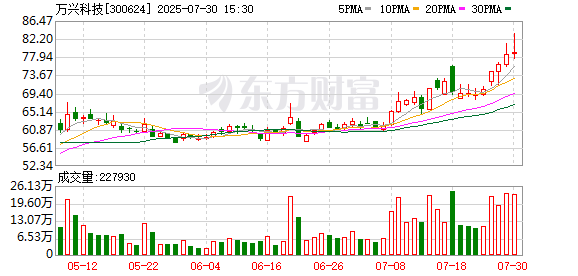
万兴科技:公司不涉及互联网金融业务
Mei Ri Jing Ji Xin Wen· 2025-07-30 08:54
Group 1 - The company, Wanxing Technology, primarily focuses on the sales and services of digital creative software products [2] - The company does not engage in internet finance business [2]


香港金管局发布稳定币发行相关监管文件的点评:监管细则落地,稳定币申牌在即
GUOTAI HAITONG SECURITIES· 2025-07-30 07:28
Regulatory Framework - The Hong Kong Monetary Authority (HKMA) has released regulatory documents for stablecoin issuance, detailing applicant qualifications, application processes, reserve asset requirements, anti-money laundering measures, and a transition period for existing issuers[2][7]. - The regulatory documents supplement the "Stablecoin Ordinance" effective from August 1, 2025, aiming to refine the licensing process and subsequent supervision of stablecoin issuers[7]. Application Requirements - Applicants must be registered corporations in Hong Kong with a minimum paid-up capital of HKD 25 million (approximately USD 3.2 million) or equivalent in freely convertible currency[7][8]. - The application process includes consultations with the HKMA and relevant regulatory bodies, submission of applications, and processing of applications[7]. Reserve Asset Guidelines - Licensed issuers must ensure that reserve assets fully back the stablecoins, which can include cash, bank deposits with a maturity of no more than 3 months, and high-liquidity bonds with a maturity of no more than 1 year[4][7]. - If using currencies other than the reference currency for stablecoins, prior written approval from the HKMA is required[4]. Anti-Money Laundering Measures - Issuers are required to continuously monitor transactions involving customer wallets, including both custodial and non-custodial wallets, to prevent money laundering and terrorist financing risks[4][7]. Transition Period for Existing Issuers - Existing issuers wishing to apply for a license must do so by October 31, 2025, at the latest[4][7]. Market Implications - The issuance of stablecoin licenses is expected to benefit companies with relevant applications, particularly in cross-border payments[8]. - The HKMA anticipates that only a limited number of licenses will be granted initially, prioritizing companies with applicable use cases[8]. Investment Recommendations - Companies with a strong presence in payment solutions, such as LianLian Digital, Lakala, and Yika, are recommended for investment due to their potential benefits from stablecoin licensing[8][9]. - The report highlights the importance of companies accelerating their engagement in real-world asset (RWA) scenarios, such as Linklogis and Jiufang Zhitu Holdings[8]. Risks - Potential risks include slower-than-expected regulatory progress and increased competition within the stablecoin industry[8].

“南京汇款到香港秒到账!”
Nan Jing Ri Bao· 2025-07-29 23:59
南报网讯(记者 曹丽珍) "有了跨境支付通,南京汇款到香港秒到账,太方便了!"市民施女士日前与 闺蜜分享这一好消息。记者29日从中国人民银行江苏省分行获悉,自6月22日上线以来,截至7月21日, 江苏省共办理跨境支付通业务3.3万笔,金额2.1亿元。 今年6月22日正式上线的跨境支付通,是中央政府支持香港发展和便利民生、推动内地与香港合作的又 一项重要举措,实现内地网上支付跨行清算系统与香港快速支付系统"转数快"互联互通,在遵守两地法 律法规的前提下,支持参与机构为两地居民提供高效、便捷、安全的跨境支付服务。该业务首批参与的 银行机构,包括中银香港、东亚银行等6家香港机构,以及6家内地机构,分别为工商银行、农业银行、 中国银行、建设银行、交通银行和招商银行。 随着跨境支付通的上线,用户可以通过手机银行、网上银行等渠道线上发起内地与香港间人民币和港元 的跨境汇款,能够有效提高支付效率,降低交易成本。南京的施女士,正是这项业务的受益者之一。 "南京汇款到香港秒到账!" 上线"满月",江苏共办理跨境支付通业务总额2.1亿元 记者了解到,施女士的公婆现居住在香港。以前,她给公婆转账时,需要通过银行电汇方式办理,耗时 ...
天风证券首次覆盖伟仕佳杰(00856.HK):稀缺的东南亚出海领军,有望显著受益于AI与跨境支付两大产业优势
Ge Long Hui· 2025-07-29 06:23
Core Viewpoint - Tianfeng Securities has initiated coverage on Weishi Jiajie (856.HK) with a "Buy" rating and a target price of HKD 11.52 [1] Group 1: Company Overview - Weishi Jiajie is a leading technology product channel developer and integrated service provider in the Asia-Pacific region, focusing on ICT industry solutions, particularly in enterprise systems, consumer electronics, and cloud computing [2] - The company has experienced high growth in recent years, with revenue projected to increase from 63.7 billion to 81.1 billion by 2024, representing a year-on-year growth of 20.6% [2] - The net profit attributable to the parent company is expected to grow from 830 million in 2023 to 958 million in 2024, a year-on-year increase of 14.09% [2] - The operating cash flow is projected to significantly improve to 1.659 billion in 2024, reflecting a year-on-year growth of 185% [2] Group 2: Market Trends - The demand for computing power and AI is driving growth in the Chinese ICT market, with global ICT spending expected to reach approximately USD 5.3 trillion in 2024 and grow to USD 6.9 trillion by 2028, representing a five-year CAGR of 7% [3] - The Chinese ICT market is anticipated to grow from approximately USD 626 billion in 2024 to USD 751.76 billion by 2028, with a CAGR of 6.5% [3] - The enterprise-level ICT market in China is projected to reach approximately USD 269.36 billion in 2024, with a year-on-year growth of 11.7% [3] Group 3: Regional Developments - The data center market is highly concentrated in North America, Asia, and Europe, with Southeast Asia experiencing a digital infrastructure construction boom [4] - By the end of 2024, Asia's data center installed capacity is expected to reach 22,780 MW, accounting for 44% of the global total [4] - Major global tech companies are investing heavily in Southeast Asia's data centers and computing infrastructure, positioning the region as the third-largest new computing power market globally [4] Group 4: Business Strategy - Weishi Jiajie is leveraging its strong ICT channels and financial management to rapidly expand in Southeast Asia, focusing on AI and cloud service upgrades [5] - The company's Southeast Asia business is projected to see a significant revenue increase of 74% in 2024, with net profit contributing approximately 51% [5] - Collaborations with top cloud service providers are enhancing the company's cloud business, covering over 30 intelligent computing centers in China [5] - The company is also advancing its initiatives in electric vehicle solutions and cross-border payment scenarios, which are expected to synergize with its core ICT distribution business [5] Group 5: Financial Projections - Revenue forecasts for Weishi Jiajie from 2025 to 2027 are projected at 103.7 billion, 129.63 billion, and 155.55 billion, with growth rates of approximately 28%, 25%, and 20% respectively [6] - The net profit attributable to the parent company is expected to be 1.251 billion, 1.532 billion, and 1.883 billion from 2025 to 2027, with growth rates of 30%, 22.4%, and 22.9% respectively [6] - Given the ongoing high demand for computing power and the acceleration of digital infrastructure in Southeast Asia, the current valuation is seen to have significant upside potential, with a target price of HKD 11.52 based on a PE of 12x for 2025 [6]

黑龙江省跨境支付通业务提量扩面
Zhong Guo Chan Ye Jing Ji Xin Xi Wang· 2025-07-28 05:43
Core Insights - The People's Bank of China (PBOC) Heilongjiang Branch has successfully implemented the cross-border payment system since June 22, significantly enhancing financial support for the province's "new high ground for northward opening" [1][2] - A total of 4,632 transactions have been processed under the cross-border payment system, amounting to 30.1992 million yuan, with a weekly growth rate of 8.43% [1] Summary by Sections Cross-Border Payment System Implementation - The cross-border payment system connects mainland China with Hong Kong, facilitating interbank clearing between mainland online payment systems and Hong Kong's "Faster Payment System" [1] - The Heilongjiang Branch has organized promotional activities to raise awareness and encourage participation among local banks and the public [1][2] Transaction Data - As of now, there have been 572 northbound remittance transactions totaling 2.4076 million yuan, and 4,060 southbound remittance transactions totaling 27.7916 million yuan [1] - The average weekly growth rate of transaction amounts is reported at 8.43% [1] Promotional Strategies - The PBOC Heilongjiang Branch has established a promotional working group to guide six pilot banks in promoting the cross-border payment system's advantages in convenience, security, and cost-effectiveness [1][2] - Promotion efforts include online channels like mobile banking and WeChat, as well as offline activities at bank branches to assist customers [2] Future Plans - The PBOC Heilongjiang Branch plans to develop a comprehensive business management system to support pilot banks in balancing risk and service, while exploring small-scale convenient business scenarios [2] - The goal is to enhance financial services for economic cooperation and exchanges between Heilongjiang and Hong Kong [2]
连连数字(2598.HK):2B数字支付服务商 看好份额提升前景
Ge Long Hui· 2025-07-26 03:05
Core Viewpoint - The company is optimistic about its potential in the cross-border payment sector, highlighting its merchant accumulation, brand recognition, and market share growth potential, with a target price of HKD 17.3, indicating a potential upside of 40% from the latest closing price [1] Group 1: Business Overview - The company's digital payment business is divided into global payments, primarily serving cross-border e-commerce sellers, and domestic payments, catering to enterprise clients [1] - For 2024, the company's total payment volume (TPV) is projected to reach CNY 3.3 trillion, with global and domestic payment TPV expected to be CNY 281.5 billion and CNY 3.0 trillion, respectively, reflecting year-on-year growth of 63% and 65% [1] - Total revenue for 2024 is forecasted at CNY 1.31 billion, a 28% increase year-on-year, with global payments contributing 70% to digital payment revenue [1] Group 2: Market Position and Competition - The cross-border payment service market is relatively fragmented, with key competitors including Payoneer, PingPong, and others [1] - The company's global payment TPV is expected to account for 13.1% of China's cross-border e-commerce export value in 2024, up from 9.4% in 2023 [1] Group 3: Future Opportunities - The company has obtained a Virtual Asset Trading Platform (VATP) license, positioning it for future opportunities in virtual asset trading and stablecoin issuance [2] - Stablecoins are anticipated to be utilized in cross-border trade for small currency payments and settlements, addressing issues such as long settlement cycles and high fees [2] Group 4: Financial Projections - For 2025, the overall TPV is expected to grow by 27%, with global payments and domestic payments projected to increase by 45% and 25%, respectively [2] - Total revenue for 2025 is estimated to reach CNY 1.63 billion, a 24% year-on-year increase, with a stable gross margin of 52% [2] Group 5: Valuation - The company employs a Sum-of-the-Parts (SOTP) valuation method, assigning a target price of HKD 17.3, which includes a valuation of HKD 16.0 from its core business and HKD 1.3 from its equity stake in a connected company [3] - The company is viewed positively due to its growth in TPV, revenue, and profit improvement prospects, alongside innovations in cross-border payment technology [3]
【计算机】稳定币驱动人民币全球支付活跃度攀升,第三方支付公司或将持续受益——稳定币专题报告之二(施鑫展/白玥)
光大证券研究· 2025-07-25 08:56
Core Viewpoint - Stablecoins are expected to drive the internationalization of the Renminbi (RMB) through a dual-track strategy that combines traditional and digital currencies, addressing existing liquidity bottlenecks and enhancing the global usage of the RMB [2]. Group 1: RMB Internationalization - From 2015 to 2024, the RMB's global payment share is projected to increase from approximately 2% to about 4%, with cross-border payment scale rising from 12 trillion yuan to 64 trillion yuan [2]. - Structural constraints such as capital account controls, limited offshore application scenarios, and geopolitical barriers are causing a slowdown in growth momentum for RMB internationalization [2]. Group 2: Global Cross-Border Payment Market - The global cross-border payment market is expected to reach approximately 200 trillion USD in 2024, with a compound annual growth rate (CAGR) of about 6% from 2024 to 2032 [3]. - The RMB is currently the fourth most active currency globally, trailing behind the USD, EUR, and GBP, indicating significant potential for growth in its payment share [3]. Group 3: Opportunities for Third-Party Payment Institutions - The global retail cross-border payment market is projected to reach 39.9 trillion USD in 2024, with a CAGR of 6.2% from 2024 to 2032 [4]. - B2B payments dominate the payment structure, contributing 79% of the market share, while third-party payment institutions are deeply integrated into the payment service ecosystem, enhancing their growth prospects [4].

稳定币专题报告之二:稳定币有望助推人民币国际化,看好第三方支付公司
EBSCN· 2025-07-25 07:54
Investment Rating - The report maintains a "Buy" rating for the industry, indicating an expected investment return exceeding 15% over the next 6-12 months compared to market benchmarks [5]. Core Insights - Stablecoins are anticipated to drive the internationalization of the Renminbi (RMB), with significant growth in its global payment share from approximately 2% in December 2015 to an estimated 4% by December 2024, alongside a rise in cross-border payment volume from 12 trillion yuan to 64 trillion yuan [1][2]. - The global cross-border payment market is projected to reach approximately 200 trillion USD by 2024, with a compound annual growth rate (CAGR) exceeding 6% from 2024 to 2032, indicating substantial potential for RMB payment growth [2][10]. - Third-party payment institutions are expected to benefit from the increasing RMB cross-border payment scale, with the retail cross-border payment market projected to grow from 39.9 trillion USD in 2024 to 64.5 trillion USD by 2032, reflecting a CAGR of 6.2% [3][17]. Summary by Sections Section 1: Stablecoins and RMB Internationalization - Stablecoins are positioned as a key driver for RMB internationalization, leveraging decentralized architecture and offshore circulation capabilities to enhance the RMB's global usage [1][8]. - The RMB's global payment share is expected to rise significantly, supported by upgrades in cross-border clearing systems and the expansion of offshore markets [2][16]. Section 2: Global Cross-Border Payment Market - The global cross-border payment market is on a stable growth trajectory, with transaction volumes projected to reach 194.6 trillion USD by 2024, growing at a CAGR of approximately 9% from 2019 to 2024 [2][10]. - By 2032, the market is expected to expand to 320 trillion USD, with a sustained CAGR of 6.4% [2][10]. Section 3: Opportunities for Third-Party Payment Institutions - The report highlights the significant role of third-party payment institutions in the retail cross-border payment market, where B2B payments dominate with a 79% share [3][17]. - The integration of stablecoins is expected to enhance the global expansion of RMB cross-border payment infrastructure and diversify application scenarios, leading to increased revenue potential for third-party payment companies [3][23]. Section 4: Investment Recommendations - The report recommends focusing on specific companies within the A-share market, including Xinguodu, Lakala, and Newland, as well as Hong Kong-listed companies like Lianlian Digital and Yika [3][27].


管涛:稳定币在货币体系中将扮演何种角色仍待观察
Sou Hu Cai Jing· 2025-07-24 12:57
Core Viewpoint - The U.S. has officially regulated stablecoins through the "Genius Act," while China continues to promote its central bank digital currency (CBDC) initiative, highlighting differing approaches to digital currency regulation and innovation [1][2]. Group 1: Stablecoins and Regulation - The "Genius Act" signed by President Trump incorporates stablecoins into regulatory frameworks, reflecting a growing focus on stablecoins in the market [1]. - Stablecoins are defined as cryptocurrencies pegged to fiat currencies or assets, which aim to enhance cross-border payment efficiency and user experience [1]. - According to the Bank for International Settlements, stablecoins have not met the key requirements for a robust international monetary system, suggesting their future role may be limited to a supportive function [1]. Group 2: China's Digital Currency Initiatives - As of July 2024, the digital yuan has been implemented in 26 pilot areas across 17 provinces, with 180 million personal wallets opened and a total transaction volume of 7.3 trillion yuan [2]. - China is a founding member of the "Multi-Central Bank Digital Currency Bridge" project, which aims to enhance cross-border payment scenarios using blockchain technology [2]. - The project has transitioned from sandbox testing to formal operations, involving multiple central banks and commercial banks across various jurisdictions [2]. Group 3: Cross-Border Payment Innovations - Third-party payment institutions in China have made significant advancements in cross-border payments since the pilot program began in September 2013, enabling 24/7 rapid transactions [2]. - The "Cross-Border Payment Link" launched in June 2023 connects mainland China's online payment systems with Hong Kong's rapid payment system, improving transaction efficiency and reducing costs [4]. - There is an openness to exploring stablecoin payment tools, with a focus on leveraging their advantages while ensuring compliance and fostering competition in the cross-border payment sector [4].
王健林,再割肉
盐财经· 2025-07-24 10:21
Core Viewpoint - Wang Jianlin is selling assets again, this time in the internet finance sector with the sale of Kuaiqian Financial [2] Group 1: Transaction Details - On July 22, China Ruyi announced that its indirect wholly-owned subsidiary Shanghai Ruyi Xingchen Enterprise Management Co., Ltd. signed a share transfer agreement to acquire 30% of Kuaiqian Financial for 240 million yuan, payable in three installments, valuing Kuaiqian Financial at approximately 800 million yuan [3][4] - After the transaction, China Ruyi will become the largest single shareholder of Kuaiqian Financial, but Kuaiqian will not become a subsidiary of China Ruyi [4] - Kuaiqian Financial is primarily owned by Shanghai Wanda Network Financial Services Co., Ltd., which is part of Dalian Wanda Group [5][7] Group 2: Historical Context - In late 2014, Wanda acquired a controlling stake in Kuaiqian for 315 million USD (approximately 2.257 billion yuan), marking Wanda's first acquisition in the internet finance sector [10] - Kuaiqian had a transaction volume exceeding 2 trillion yuan in 2014, ranking fourth after UnionPay Business, Alipay, and Tenpay [10] - Wanda had previously expressed ambitions to integrate Kuaiqian's extensive partner network to become the largest O2O enterprise in China [11] Group 3: Value and Risks of Kuaiqian - According to industry analysts, Kuaiqian's core value lies in its full licensing qualifications and the scarcity of such licenses in the current regulatory environment, allowing China Ruyi to acquire national payment qualifications at a low cost [15] - However, Kuaiqian has faced over 10 million yuan in penalties in the past three years, indicating weaknesses in its risk control system, which China Ruyi will need to address [15] - The payment industry is heavily reliant on scenarios, and while China Ruyi may provide resource synergies, Kuaiqian's revenue is primarily from offline transactions, which are currently in decline [15]