美元霸权

Search documents
不只经济衰退,崩溃还将改变一代人
海豚投研· 2025-07-12 08:20
Core Viewpoint - The article discusses a significant generational economic shift characterized by debt accumulation, social division, geopolitical tensions, and the potential collapse of the monetary system, suggesting that this is not just another economic recession but a transformative crisis that could reshape society [3]. Debt Cycle and Unsustainable Growth - Low debt costs, often due to low interest rates, lead borrowers to become complacent, resulting in increased leverage that becomes unsustainable as interest rates rise [5]. - The feedback loop created by debt-driven spending and growth can lead to asset price inflation, creating a false sense of security that ultimately results in a painful deleveraging process when debt repayment becomes burdensome [5][6]. - Central banks typically lower interest rates to stimulate borrowing and consumption, but this tool loses effectiveness when rates approach zero, leading to reliance on quantitative easing, which can distort price discovery and exacerbate inequality [6][7]. Internal Fractures: Social and Political Divisions - Historical patterns show that social disintegration often follows a buildup of tensions among various societal groups, leading to political dysfunction and economic inequality [9]. - Trust in institutions and leaders is crucial for societal cohesion; when this trust erodes, it can lead to a breakdown of the social contract and increased polarization [10][11]. - The rise of populism and extreme political rhetoric can hinder effective governance, making it difficult to address pressing issues like debt and education [10][11]. Geopolitical Deconstruction and Cold War 2.0 - The article highlights a strategic decoupling in global relations, particularly between the West and China, leading to a fragmented world order where nations prioritize security over efficiency in supply chains [13][14]. - Competition for technological supremacy and control over critical resources is intensifying, with countries increasingly seeking to reduce dependence on adversaries [14][15]. - The erosion of trust in the global financial system, particularly regarding the U.S. dollar, is prompting nations to explore alternative currencies and payment systems [17][18]. Currency Order Cracks - The current monetary system, heavily reliant on the U.S. dollar, is facing challenges due to persistent fiscal deficits and rising debt levels, leading to a loss of confidence in its stability [18][19]. - Countries are increasingly seeking to diversify away from dollar dependence, engaging in bilateral trade agreements and exploring digital currencies [20][21]. - The transition away from a dollar-centric system may not lead to immediate collapse but indicates a shift towards increased volatility and uncertainty in global finance [21]. Next Phase: Pain or Restructuring - The article emphasizes the importance of recognizing risks and opportunities in a volatile environment, advocating for a balanced approach to resource allocation [22][24]. - Diversification across asset classes, countries, and economic conditions is crucial for managing risk and seizing opportunities during periods of upheaval [24][25]. - Successful navigation of these challenges requires a thoughtful, adaptable strategy that prepares for multiple outcomes rather than relying on a single perspective [25][26].


从《广场协议》到“海湖庄园协议”:美式重构再次启动
Xin Jing Bao· 2025-07-12 07:36
Core Viewpoint - The "Mar-a-Lago Agreement," proposed by the U.S. White House Council of Economic Advisers, aims to reshape global economic governance through high tariffs, dollar depreciation, debt restructuring, and multilateral currency negotiations, reminiscent of the 1985 Plaza Accord [1][2][4] Group 1: Historical Context and Comparisons - The original Plaza Accord aimed to address the overvaluation of the dollar and the growing U.S. trade deficit, resulting in significant dollar depreciation and the accumulation of asset bubbles in Japan [1] - The new "Mar-a-Lago Agreement" is seen as a "Plaza Accord 2.0," attempting to leverage financial measures alongside trade tools to balance U.S. trade relations with other countries [2][4] Group 2: Institutional Implications - The "Mar-a-Lago Agreement" is viewed as a new framework for a Bretton Woods 3.0 system, integrating finance, trade, and security, characterized by U.S. unilateralism and coercive arrangements [4][5] - The agreement may solidify U.S. institutional advantages, potentially leading to a precedent where the U.S. advances its interests under the guise of bilateral negotiations [5][7] Group 3: Dollar Hegemony and Financial Control - The agreement could create a new pathway for dollar hegemony, combining financial alliances, digital currencies, and asset anchoring systems to regain control over capital markets [8][10] - The U.S. is attempting to establish a dominant position in digital assets and rule-setting before the trend of de-dollarization takes hold [10][13] Group 4: Strategic Responses from China - China is urged to develop a systematic alternative to the current rules, particularly in green finance and digital assets, to enhance its credibility and position in the global financial order [15][18] - The need for China to actively participate in shaping global financial agendas and to build alliances with BRICS, RCEP members, and Belt and Road partners is emphasized [18]

美元霸权崩塌前夜?三大致命利空,或终结美元时代
Sou Hu Cai Jing· 2025-07-10 01:39
Core Insights - The dollar is facing an unprecedented trust crisis, with an 11% drop in the ICE dollar index in the first half of 2025, marking the worst performance since the Nixon era [1] - The decline in the dollar is not merely a technical correction but a potential trend reversal, influenced by collective actions in the foreign exchange market and political intentions [8] Group 1: Market Dynamics - Foreign investors are increasingly hedging against dollar risk, indicating a collective anxiety towards U.S. assets, breaking the previous trend where capital would abandon hedging strategies during simultaneous gains in the dollar and U.S. stocks [3] - The expectation of a shift in the Federal Reserve's monetary policy is looming, with market confidence in a rate cut by September, despite ongoing moderate inflation [3] - The current situation reflects a self-reinforcing cycle where the more dollar positions are sold off, the more the dollar's decline is exacerbated [3] Group 2: Political Implications - The Trump administration's suspicion of currency manipulation adds a political dimension to the dollar crisis, with reports suggesting that the White House views exchange rates as a core tool of trade policy [5] - The collaboration between the government and major U.S. corporations, where a weak dollar policy is tacitly accepted, is pushing the dollar towards a dangerous path of competitive devaluation [5] Group 3: Historical Context - The current dollar situation is reminiscent of the 1973 decoupling of the dollar from gold, suggesting that the world may take years to adapt to a floating exchange rate system again [5] - The potential collapse of the dollar's dominance could lead to a chaotic currency landscape, unlike the past when there were clear alternatives following the Bretton Woods collapse [6] Group 4: Future Outlook - The perfect storm for dollar depreciation is characterized by the transition from individual hedging actions to collective behavior, combined with political and market forces [8] - The erosion of global faith in the dollar could have more significant implications than trade surpluses, as the U.S. risks losing its status as the world's primary reserve currency [8]
复旦大学朱杰进:稳定币可能削弱SWIFT体系和美元霸权
Sou Hu Cai Jing· 2025-07-10 00:49
Group 1 - The roundtable discussion at Fudan University focused on the relationship between stablecoins and the dominance of the US dollar, suggesting that the rise of stablecoins in cross-border payments could structurally impact the international monetary system and potentially weaken the dollar's hegemony [1][2] - The establishment of dollar hegemony dates back to the Bretton Woods system, where the US dollar became the primary reserve currency due to the US's post-World War II economic strength and its commitment to provide public goods to the international community [2] - The "Nixon Shock" in 1971 marked a turning point where the US detached the dollar from gold, relying on the SWIFT system's network effects and international governance to maintain its monetary dominance, despite a decline in its economic power [2] Group 2 - Following the passage of stablecoin legislation in the US Senate, there were criticisms that such measures could harm dollar hegemony, while US Treasury Secretary argued that stablecoins would enhance it [3] - The traditional monetary phase showcased the clear dominance of the dollar and the SWIFT system in cross-border payments, but the emergence of stablecoins and blockchain technology poses challenges to this established dominance [3][9] - The SWIFT system, with over 11,000 financial institutions connected, has significant network effects that make it difficult to replace, but the current phase of stablecoins may disrupt this advantage [3] Group 3 - Countries like Russia and Iran have sought alternatives to the SWIFT system, particularly in response to US sanctions, leading to the development of their own cross-border payment systems [4][5] - Russia's SPFS and Iran's SEPAM systems were created to mitigate the impact of financial sanctions and enhance financial security, with both countries actively working to connect their systems for improved trade and banking cooperation [6] - The CIPS system in China represents a different approach, focusing on developing infrastructure to support the internationalization of the renminbi and facilitating cross-border trade and investment [7] Group 4 - The stablecoin phase is characterized by a diverse development landscape, where the US does not hold a central position, and the SWIFT system is not the sole player, leading to potential challenges to its hegemonic status [8] - Projects like the mBridge initiative, involving multiple central banks, aim to create efficient and low-cost cross-border payment systems using central bank digital currencies, indicating a rapid evolution in this space [8] - Overall, while the dollar and SWIFT maintain their dominance in the traditional monetary phase, the stablecoin phase may weaken the US's digital currency hegemony due to diminishing network effects [9]
美国疯狂收割全球,为什么唯独割不动中国?
Sou Hu Cai Jing· 2025-07-09 05:07
Group 1: Dollar's Dominance - The US dollar has long been the world's primary reserve currency, often accounting for over 40% of global trade, making it a core pillar of the global economy [1][4] - The dollar's dominance has allowed the US to enjoy rapid economic growth, but it also leads to wealth extraction from other countries during economic bottlenecks [1][8] - The Bretton Woods system established in 1944 marked the formal beginning of the dollar's status as the world's leading currency, linking it to gold and creating a stable exchange rate mechanism [6][4] Group 2: Historical Context - The transition of dominant currencies throughout history is closely related to the rise and fall of great powers, with the dollar maintaining its position since the Bretton Woods agreement [4][6] - Post-World War II, the US emerged as a global economic power due to its minimal war impact and significant gold reserves, which fueled industrial and trade growth [3][6] Group 3: Economic Strategies - The US solidified the dollar's position by establishing oil trade agreements in the 1970s, making the dollar the sole currency for oil transactions, further enhancing its global economic influence [7][8] - The US has utilized a debt issuance strategy to bring dollars back into the domestic economy, promoting investment and consumption without immediate large costs [7][8] Group 4: Global Economic Impact - By 2022, US debt exceeded thirty trillion dollars, yet as long as interest payments can be met, the economy can continue to function, allowing the US to maintain its global economic advantage [8][10] - The cyclical nature of US monetary policy, including interest rate adjustments, has led to economic crises in emerging markets, allowing the US to acquire assets at lower prices during downturns [8][10] Group 5: Challenges and Future Outlook - Despite the wealth gained through dollar dominance, the US faces challenges from rising global manufacturing and the potential for economic instability due to its hollowing-out trend [15] - China's significant economic size, manufacturing capabilities, and strategic autonomy present a challenge to US economic hegemony, making it difficult for the US to exert the same level of influence as before [13][15]

8月1日起加税,特朗普对全球下通牒,却区别对待中国,已连退三步
Sou Hu Cai Jing· 2025-07-09 04:25
Group 1 - The core argument presented by U.S. Treasury Secretary Bessent is that the notion of the renminbi becoming a major global reserve currency is a "fallacy," and he believes it will not achieve internationalization in the future [1][3] - Bessent's reasoning is based on the traditional view that "capital freedom of movement is a prerequisite for reserve currency," asserting that China's financial market is not sufficiently open, although technological advancements have rendered this standard outdated [3][5] - The cross-border payment system for renminbi is projected to handle 175.49 trillion yuan in 2024, marking a 42.6% year-on-year increase, with participation from 1,683 financial institutions globally, creating a clearing network independent of the Western SWIFT system [3][9] Group 2 - Bessent's claim that 1.4 billion Chinese people wish to transfer assets abroad lacks data support; in 2024, the cross-border renminbi settlement volume is expected to reach 64.1 trillion yuan, with 74.5% of this being capital items primarily used for overseas investments by enterprises [5][7] - Nearly 50% of Chinese enterprises use renminbi for over 20% of their foreign investments, establishing a cycle of "using renminbi to procure Chinese manufacturing overseas" [5][7] - The inclusion of Chinese government bonds in major indices has led to a threefold increase in the scale of renminbi assets held by foreign central banks compared to five years ago, indicating a growing acceptance of the renminbi [5][7] Group 3 - The erosion of trust in the U.S. dollar is attributed to the U.S. itself, with a national debt of $36 trillion and a fiscal deficit of $1.7 trillion in 2023, leading to a decline in global confidence [7][9] - The weaponization of the dollar, exemplified by the freezing of Russian foreign reserves, has prompted many countries to reduce their dollar assets, with Saudi Arabia's dollar reserves dropping from 70% to 55% [7][9] - The rise of the renminbi is not merely a replacement for the dollar but represents a new paradigm, with cross-border supply chain finance addressing overseas receivables risks and enhancing the renminbi's role in the industrial chain [7][9] Group 4 - The digital renminbi pilot has expanded to 129 countries, with daily transaction peaks exceeding 1 trillion yuan, and new models are being explored to bind resources to currency [9] - The integration of onshore and offshore currency accounts in the Guangdong-Hong Kong-Macao Greater Bay Area and real-time cross-border payments through CIPS in ASEAN countries further facilitate renminbi internationalization [9] - The renminbi's internationalization is seen as an inevitable choice for mutual benefit, providing diverse asset allocation channels while mitigating exchange rate risks for other countries [9]
中欧对美元地位提出质疑,美财长急眼:人民币不能交易,别想上位
Sou Hu Cai Jing· 2025-07-09 03:02
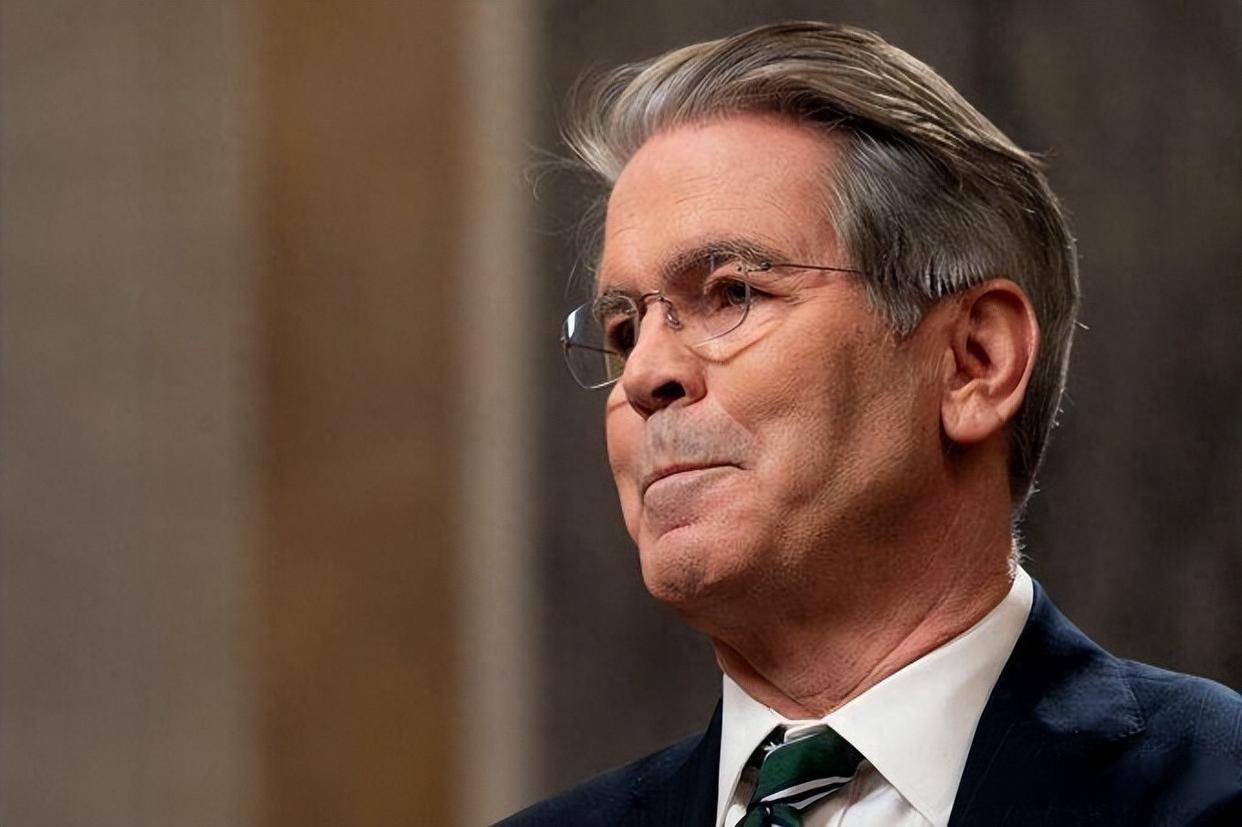
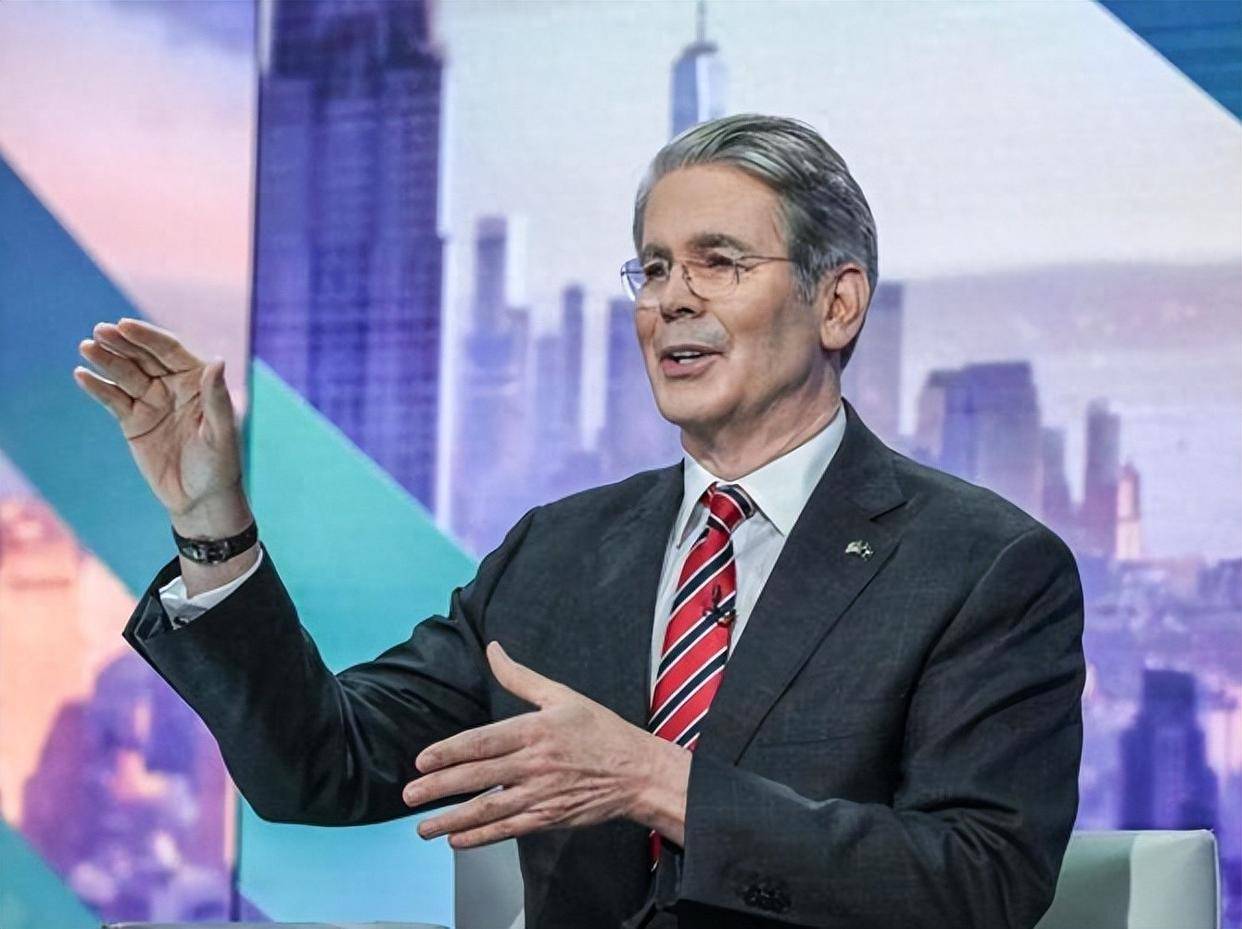
7月3日,面对中欧政策制定者今年对美元地位提出质疑,认为全球金融体系要经历变革,摆脱长期依赖美元的情况。美国财政部长贝森特接受彭博社采访时 明显是急眼了,他说:"想让人民币上位,成为全球主要储备货币实为谬误。它们是不可自由兑换的货币,要如何成为储备货币?"贝森特说出这番话的背景 是,美元指数今年上半年11%的跌幅如同一道刺眼的伤口——这是自1973年布雷顿森林体系崩溃以来最惨烈的半年表现。 人民币国际化选择了一条与美元截然不同的道路。在岸与离岸市场人民币价差若走阔,可能引发套利冲击,2023年中央金融工作会议明确"守住不发生系统 性风险底线",资本账户开放必须与经济需求匹配;同时,在与俄罗斯、中东的能源贸易中推进人民币结算,沙特石油人民币定价机制已覆盖15%的原油交 易,直击石油美元命门。 另外,数字人民币为跨境支付提供新解决方案,其可编程性与跨境试点,正绕开传统资本管制障碍。美元霸权根基的三大支柱已现裂痕。经济上,美国贸易 逆差持续50年,2023年仍达7730亿美元,迫使美国不断向外国借债;制度优越性上,技术移民收紧、法治不确定性上升,削弱了全球资本对美国的信心;地 缘政治方面,特朗普对北约的消极态度,使 ...
特朗普做两个决定,14国收到战书,中国稳坐钓鱼台,美国老底全露
Sou Hu Cai Jing· 2025-07-08 14:04
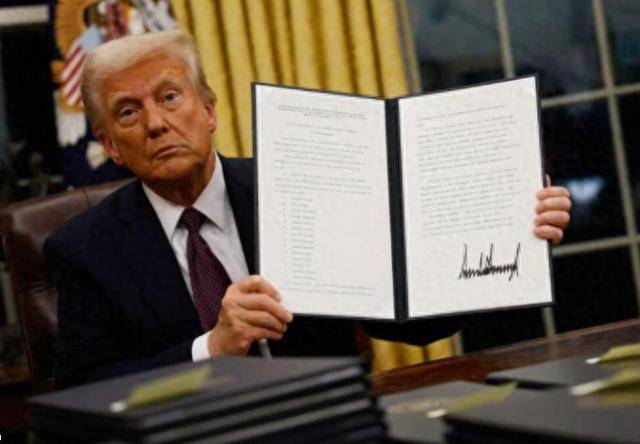
Group 1 - The core message of the article highlights the aggressive tariff measures imposed by the Trump administration on 14 countries, including Japan and South Korea, with rates as high as 40% for some nations [1][3][5] - The article indicates that the U.S. is leveraging its tariff threats to negotiate better terms, particularly targeting countries perceived as weaker or more vulnerable [3][5][7] - Japan and South Korea, despite being developed nations, are under significant pressure in trade negotiations, reflecting Trump's strategy of exploiting their reluctance to confront the U.S. directly [5][7] Group 2 - The article notes that major trade powers like China, the EU, and India have not received similar tariff threats, suggesting that their negotiations with the U.S. are proceeding more favorably [5][7] - The U.S. Treasury Secretary's comments about the progress in U.S.-China negotiations reveal a sense of urgency in stabilizing trade relations, particularly concerning critical supplies like rare earth elements [9][11] - The article emphasizes that the ongoing tariff threats may be a precursor to larger economic tensions, with the potential for significant repercussions in the global trade landscape [7][9]
聊聊内外冰火两重天的稳定币
Hu Xiu· 2025-07-08 11:55
Group 1 - The article discusses the implications of stablecoins and their relationship with monetary sovereignty, particularly focusing on Hong Kong's approach to stablecoins and the control of currency issuance [2][3][4] - It highlights the competitive dynamics between traditional financial systems, such as SWIFT, and emerging stablecoin frameworks, suggesting that Hong Kong's move could disrupt the existing global settlement systems [7][18] - The article emphasizes the challenges faced by the RMB in achieving internationalization due to entrenched interests in the dollar system, indicating that the path to RMB's global acceptance is fraught with obstacles [13][14] Group 2 - The article critiques the SWIFT system, describing it as outdated and inefficient, yet still dominant due to its established reputation and the backing of powerful interest groups [10][12] - It points out that major corporations like Walmart and Amazon are exploring stablecoins for their transactions, which could undermine the traditional dollar settlement system [16][17] - The potential for stablecoins to create an alternative international settlement system is discussed, with the possibility of multiple forces coexisting in the market rather than a complete replacement of SWIFT [19][22]
美国人很郁闷,美元收割全球却唯独拿中国没办法,打又打不过
Sou Hu Cai Jing· 2025-07-08 07:57
Group 1: Dollar's Dominance - The dollar's strength is attributed to its role in global trade settlements, with 41% of cross-border payments made in dollars, compared to 32% in euros and only 3% in yuan [1] - The dollar is the absolute leader in global financial markets, with U.S. investment banks and funds primarily operating in dollar assets, leading to capital flows towards the U.S. during interest rate hikes [4] - The dollar's status as the world's primary reserve currency is evident, with 58% of global foreign exchange reserves held in dollars, compared to 19% in euros and 5% in both yen and yuan [6] Group 2: U.S. Economic Strategies - The U.S. employs monetary policy as a weapon, with interest rate adjustments causing global economic tremors, as seen in the 1980s and the 1997 Asian financial crisis [7] - The U.S. financial market's maturity allows it to attract global capital, even during crises, as demonstrated during the 2008 financial crisis when the U.S. absorbed global funds to stabilize its economy [10] - Trade rules enforced through international institutions like WTO and IMF compel countries to use the dollar for transactions, with sanctions imposed on non-compliant nations [11] Group 3: Challenges from China - China's rise has complicated U.S. dollar-centric strategies, with China maintaining control over its currency and foreign exchange policies, limiting U.S. influence [11][12] - China has diversified its trade partnerships, with trade volumes reaching $690 billion with the U.S. and over $900 billion with ASEAN in 2023, while increasing the yuan's share in cross-border payments to 4.5% [13] - China's military advancements and strategic positioning in the South China Sea challenge U.S. military dominance, with significant naval capabilities developed in recent years [14][18] Group 4: U.S.-China Relations - The U.S. has recognized its economic dependence on China, particularly highlighted during the global supply chain crisis, leading to a shift towards cooperation rather than confrontation [18] - The U.S. inflation rate surged to 8% during the trade war, prompting a reconsideration of its approach towards China, as indicated by Treasury Secretary Yellen's visit to China in 2023 [18]