
人民币国际化

Search documents
黄金跌价了,金条降价,25年12月25日国内黄金、足金、金条最新价
Sou Hu Cai Jing· 2025-12-26 11:45
Group 1 - The price of gold in RMB has surged over 60% this year, driven by market expectations of potential early interest rate cuts by the Federal Reserve and unexpected interest rate hikes by the Bank of Japan, leading to renewed investor interest in gold as a stable asset [1] - Financial institutions are optimistic about the future of gold prices, with Morgan Stanley predicting prices could reach $4,800 per ounce by the end of 2026, while JPMorgan forecasts $5,055 per ounce [1] - Goldman Sachs anticipates gold prices could rise to $4,900 per ounce in five years, citing that central banks may continue to increase their gold holdings, with an expected average monthly purchase of 70 tons next year [1] Group 2 - Notable economists like Hong Hao and Li Bei have recently reduced their gold holdings, emphasizing that central bank buying and selling behaviors are key factors influencing long-term gold price trends [1] - The current gold prices from various retailers range from 1,196.00 RMB per gram at Qilu Gold Store to 1,411.00 RMB per gram at Chow Sang Sang, with significant variations across different brands and products [2][4] - Investors are feeling conflicted as investment banks predict continued increases in gold prices, while top investors are withdrawing, indicating that the true direction of gold prices will depend on how central banks adjust their gold and RMB reserve ratios [4]


突发!人民币升破7.0!全球经济信心显著回升
Sou Hu Cai Jing· 2025-12-26 11:39
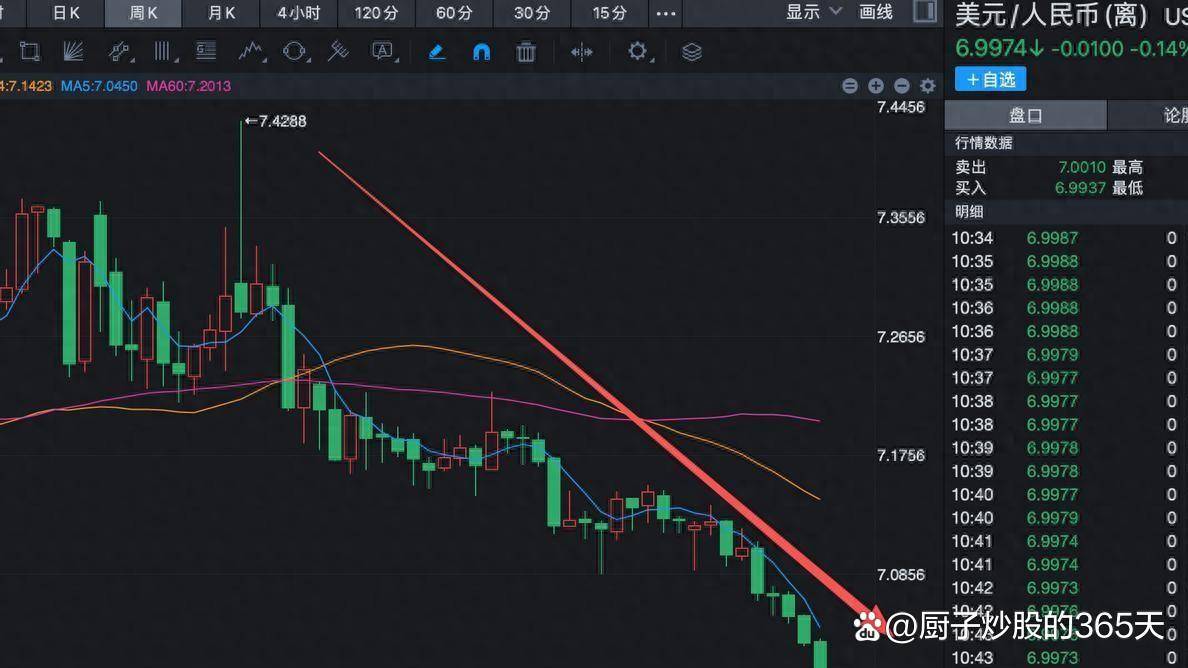
2025年12月25日圣诞节当天,人民币兑美元汇率强势反弹,离岸人民币兑美元自2024年9月以来首次升破7.0大关,最低触及6.99737 需要强调的是,自2023年5月以来的两年多时间里,人民币真正站上"6字头"的次数屈指可数。上一次,还是在2024年9月25日,离岸人民币盘中最高触及 6.9952。也正因如此,本次破"7"在市场情绪与政策解读层面,都具备一定象征意义。 这一变化反映了中国经济的持续复苏和全球市场对人民币资产的信心提升,也为全球经济复苏注入了新动力。 回看2025年,人民币兑美元的走势并非单边行情,而是呈现出清晰的阶段分化,可概括为"前弱—中强—后稳"。 第一阶段:年初至4月初,震荡走弱。 受美联储维持高利率立场、美元指数高位运行影响,离岸人民币以7.27开局,并在4月8日触及全年低点7.42879,阶段性贬值超过2%。 第二阶段:4月初至7月初,快速修复。 随着美联储降息路径逐步明朗,美元指数回落;叠加中美经贸谈判出现边际改善,人民币汇率出现明显反弹,两个月内从7.35附近回升至7.16左右,升值幅 度超过2.5%。 第三阶段:7月至年末,温和升值。 下半年,国内经济数据多次超预期,企业结 ...
用美元发债,却为人民币铺路?中国的这招“借壳生蛋”,绝了!
Sou Hu Cai Jing· 2025-12-26 11:22
Group 1 - The core idea of the article revolves around China's recent issuance of dollar-denominated sovereign bonds, which has attracted significant global interest, indicating a strategic move towards the internationalization of the Renminbi [1][4][10] - The issuance of these bonds is not merely a financial transaction but serves as a "temperature gauge" to assess global capital's willingness to invest in Chinese sovereign debt, ultimately aiming to establish a transparent yield curve for China's sovereign bonds [6][8] - The strategy includes leveraging foreign currency bonds to create a dynamic and transparent yield curve, which will facilitate future bond issuances in offshore Renminbi, thereby enhancing the currency's status as a financial asset [8][10] Group 2 - The initiative is supported by global capital, indicating a shift in the international monetary order, with China positioning itself as a viable alternative to the dollar [10][14] - The establishment of the "Golden Corridor" project in Hong Kong allows global funds to exchange physical gold for Renminbi, further solidifying the currency's credibility and stability [10][12] - The integration of gold with the Renminbi aims to provide a hedge against risks associated with the dollar, potentially attracting capital looking to diversify away from the dollar [12][14] Group 3 - China's approach to internationalization involves a systematic strategy that includes offshore sovereign bonds, the Golden Corridor, and the construction of an offshore Renminbi system to enhance payment and clearing capabilities [19][21] - The focus is on creating a self-sustaining financial ecosystem that allows China to dictate its own yield curve and stabilize its currency without relying on external factors [25] - The overarching goal is to establish the Renminbi as a central player in global resource allocation, moving away from a reliance on exports to a more integrated financial and manufacturing strategy [21][23]
特朗普下达全面封锁令,没收中国香港油轮,威胁到了我国能源命脉
Sou Hu Cai Jing· 2025-12-26 07:33
特朗普下达全面封锁令,没收中国香港油轮,威胁到了我国能源命脉 美国这波对委内瑞拉的石油封锁,真是够狠,完全不留情面。 特朗普政府直接把"选择性制裁"升级成了准战时的海上封锁,等于公开宣告:只要你跟委内瑞拉石油沾边,不管你是哪国的船,都 有可能被美国人拦下来,查你、扣你、甚至直接把你的油拉走。 这操作,简直明抢,披着"制裁"的外衣,实际上就是资产掠夺。 要说美国是为了所谓的"民主自由",这理由谁信?明眼人都看得出来,最根本的还是想掐断马杜罗政权的经济命脉,逼着对方撑不 下去,然后顺手把委内瑞拉全球最大那摊石油储量收进自己口袋,顺带还能打击一下和委内瑞拉合作最深的中国,真是一箭三 雕。 这次美国的行动比以往狠多了。 特朗普签的行政命令,直接授权海岸警卫队和海军在公海上拦截船只,连第三方国家的船也不放过。 你说你是香港的船,或者挂别的旗?没用,只要你运的是委内瑞拉的石油,美国就敢上来扣。 比如"世纪号"这种中国香港的大型油轮,明明是正常商业运输,结果还是被美方以各种理由直接带走,油也被转运到美国炼油厂, 或者干脆充当战略储备。 说白了,这就是系统性洗白劫掠,谁还信什么"自由贸易"?现在美国把马杜罗政权直接定性为"外 ...

人民币上涨4300点破7!四大行业直接受益,明年A股主线全揭秘
Sou Hu Cai Jing· 2025-12-26 07:24
Core Viewpoint - The Chinese yuan has experienced a significant appreciation against the US dollar, rising from 7.43 to 6.99 in just over six months, breaking the key psychological barrier of 7.0, contrary to previous pessimistic market sentiments [1][3]. Group 1: Currency Appreciation Dynamics - The yuan began its appreciation in April 2023, with the onshore yuan recently surpassing the 7.07 mark, reaching a midpoint of 7.0759 in early December, marking a new high in over a year [3][4]. - The US dollar index has fallen from a high of 109 to below 100, with an annual decline exceeding 8%, influenced by the Federal Reserve's interest rate cuts [4]. - China's economic resilience is a fundamental support for the yuan's strength, with a bank settlement surplus of $80.9 billion in the first ten months and a GDP growth of 5.3% in Q3, surpassing market expectations [4]. Group 2: Impact on Industries - The aviation sector benefits significantly from the yuan's appreciation, with a 1% increase in the yuan potentially boosting the net profit of leading airlines by 5% [6]. - The paper industry also stands to gain, as over 70% of its raw materials are imported, leading to a 2-3 percentage point increase in gross margins due to lower procurement costs [7]. - The financial sector is seeing increased foreign investment, with foreign holdings of Chinese government bonds exceeding 3.2 trillion yuan, creating a favorable environment for core financial assets [6][7]. Group 3: Market Sentiment and Investment Strategies - Analysts suggest that a classic "cross-year-spring" market trend is developing, with a focus on cyclical sectors such as industrial metals, non-bank financials, and the hotel and aviation industries [9]. - Investment strategies are being adjusted, with a focus on consumer services, food and beverage sectors, and traditional industries like basic chemicals and machinery [9][12]. - The ongoing appreciation of the yuan is expected to influence market dynamics, with a potential shift towards value-driven investments as investor sentiment stabilizes [12][13].
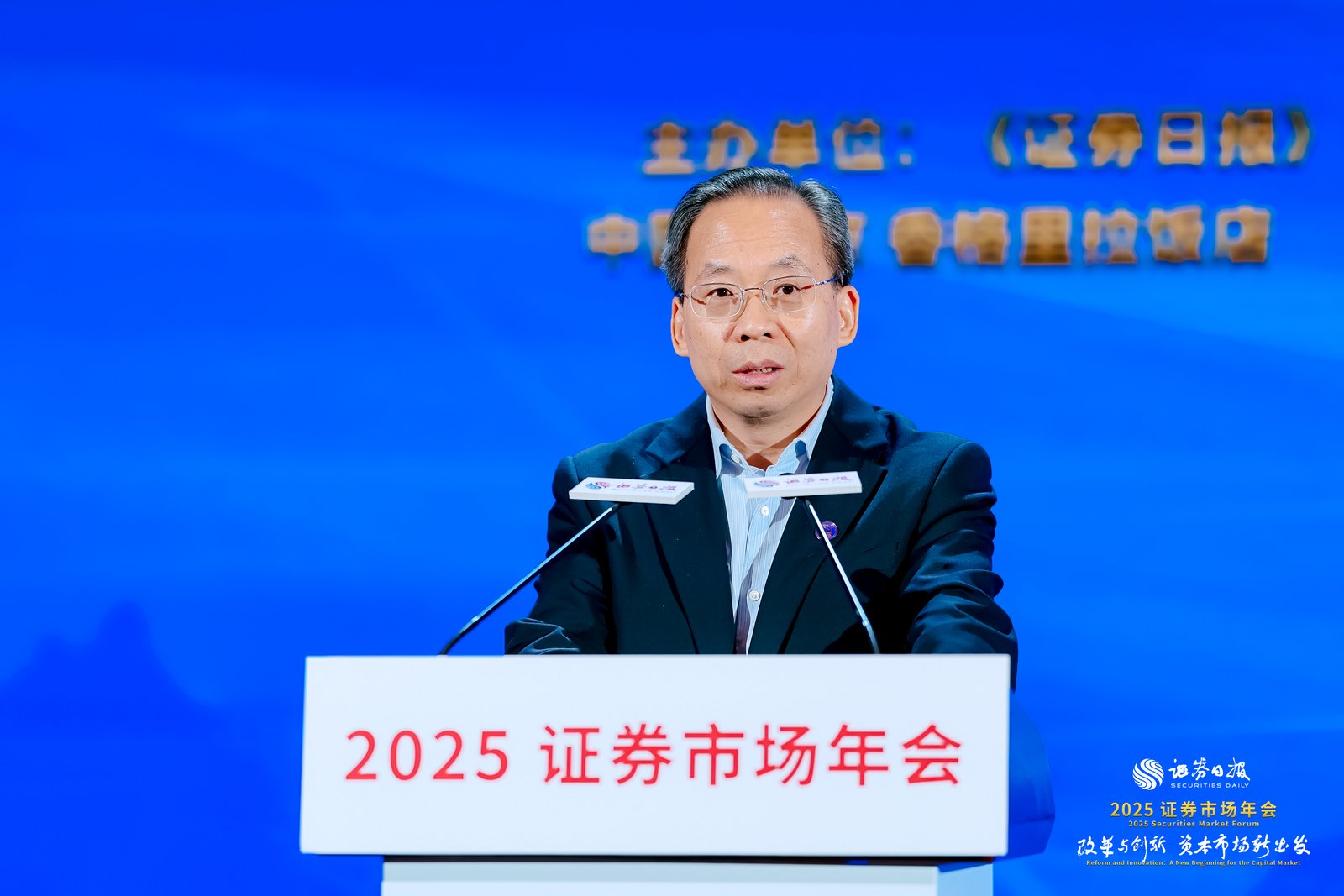
刘尚希:人民币国际化与财政的金融属性
Zheng Quan Ri Bao· 2025-12-26 06:46
Core Viewpoint - The relationship between fiscal policy and financial markets is crucial for the internationalization of the Renminbi, with government bonds playing a key role in providing risk-free assets and pricing benchmarks in the capital market [2][10][12]. Group 1: Fiscal and Financial Relationship - The current Chinese securities market faces significant issues, particularly the weak liquidity of government bonds, which are primarily held by banks and not actively traded [2]. - The perception that government bonds are merely a tool for fiscal deficit financing is a misunderstanding; they are essential for the internationalization of the Renminbi [2][10]. - Fiscal policy and financial markets are interconnected, and viewing them as separate entities leads to misconceptions about their relationship [3][8]. Group 2: Role of Government Bonds - Government bonds serve multiple functions, including providing a basis for monetary supply and acting as a tool for central bank operations [10][11]. - The issuance of government bonds is not only for financing needs but also to meet the demand for new monetary supply and to provide risk-free assets for the financial market [10][12]. - Expanding the issuance of government bonds is necessary for enhancing the internationalization of the Renminbi, as it increases global demand for Renminbi assets [12][14]. Group 3: Economic and Financialization - The financial attributes of fiscal policy are becoming increasingly prominent, reflecting its impact on financial markets and the economy [8][9]. - As national wealth accumulates, the importance of financialization grows, necessitating a new understanding of how fiscal policy interacts with financial markets [9][10]. - The ability to effectively utilize and allocate accumulated wealth is critical for economic growth, highlighting the need for improved financial resource allocation [9][10].
离岸人民币一度升破7.0!年底升值节奏突然加速
Sou Hu Cai Jing· 2025-12-26 06:25
Core Viewpoint - The offshore RMB has surpassed the 7.0 mark against the USD, reaching a high of 6.9912, marking a significant shift in the currency's valuation and indicating a new phase of volatility in the RMB exchange rate [3]. Group 1: Drivers Behind the RMB Surge - The decline of the USD index has been dramatic, with the Federal Reserve initiating a rate cut cycle, resulting in a total reduction of 150 basis points in 2025 and a 9.8% annual drop in the USD index, the largest since 2017 [4]. - There has been a concentrated release of corporate foreign exchange settlement demand, with an expected monthly settlement volume of over $200 billion in December, driven by export companies converting USD revenues into RMB [5]. - Economic fundamentals have strengthened, with a record trade surplus of over $1.08 trillion in the first 11 months of 2025, providing a solid foundation for the exchange rate [6]. Group 2: Market Impacts - There is a new pattern in cross-border capital flows, with over 600 billion yuan net inflow from foreign capital in 2025, and daily trading volume of RMB bonds exceeding 50 billion HKD [6]. - Export companies are facing pressure due to a 6% appreciation of the RMB against the USD, which has compressed profit margins by 2-3 percentage points in sectors like home appliances and textiles [7]. - The valuation of A-shares has increased, with the MSCI China Index rising 18% year-to-date, benefiting significantly from the RMB appreciation [7]. Group 3: Future Pathways - In the short term, the RMB may continue its strong performance, with the next target being 6.95, and potential testing of the 6.90 psychological level before the Lunar New Year [8]. - In the medium term, the central bank may intervene if the RMB appreciates rapidly beyond 6.8, and there is a risk of a USD rebound if the Fed's rate cut cycle ends mid-2026 [10]. - Long-term reforms may deepen the marketization of the exchange rate, with potential adjustments to the central parity formation mechanism and an acceleration of RMB internationalization [11]. Group 4: Corporate Responses - Export companies are encouraged to adopt dynamic hedging strategies, such as using forward contracts combined with options to lock in exchange rates while retaining upside potential [12]. - Companies are advised to regionalize their supply chains to reduce reliance on USD settlements and utilize local currencies for risk hedging [12]. - Financial innovation is suggested, including the trial of "currency insurance" products to incorporate exchange rate fluctuations into supply chain financing models [12].

研究所日报-20251226
Yintai Securities· 2025-12-26 03:22
Currency and Economic Outlook - The offshore RMB against the USD broke the "7" mark for the first time in 15 months, reaching a high of 6.996 on December 25[2] - The onshore RMB also approached the "7" mark, peaking at 7.0053, marking a 15-month high[2] - The central economic work conference emphasized expanding domestic demand and increasing national income, which are closely tied to exchange rates[2] Market Performance - The A-share market showed mixed results, with the Shanghai Composite Index rising by 0.47% and the Shenzhen Component Index increasing by 0.33%[3] - Total trading volume in the two markets reached 19,245.23 billion CNY, an increase of 442.55 billion CNY from the previous trading day[3] - The 10-year government bond yield was reported at 1.8413%, with a change of +0.38 basis points[3] Sector Performance - Leading sectors included defense and military, light industry manufacturing, and machinery equipment, with gains of 2.91%, 1.59%, and 1.51% respectively[3] - The sectors that lagged included comprehensive, non-ferrous metals, and commercial retail, with declines of 1.12%, 0.77%, and 0.47% respectively[3] International Market Context - The US Dollar Index closed at 97.9079, down by 0.05%, while the USD to offshore RMB exchange rate was 7.001, reflecting an appreciation of 66 basis points for the RMB[4]
陆磊:金融高水平双向开放应抓住陆海新通道建设契机
Sou Hu Cai Jing· 2025-12-26 02:38
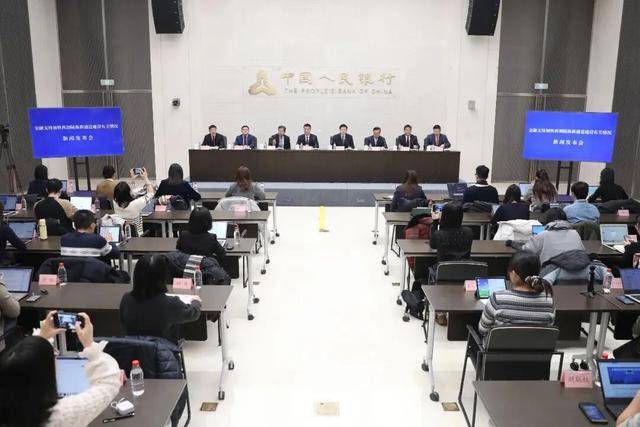
Core Viewpoint - The Chinese government is focusing on enhancing financial support for the construction of the Western Land-Sea New Corridor, which is a key component of the Belt and Road Initiative, by expanding financial cooperation and creating a structured financial network with relevant countries [2][3]. Financial Support for the Western Land-Sea New Corridor - The People's Bank of China (PBOC) and several government departments have issued guidelines to accelerate the development of the Western Land-Sea New Corridor, which connects 12 provinces in western China and reaches over 580 ports in 127 countries [2]. - The corridor serves as a crucial node in the Belt and Road Initiative, linking southern China to Southeast Asia and the Indian Ocean, and connecting western China to Central Asia and Europe [3]. Key Measures in the Guidelines - The guidelines propose 21 key measures across six areas, including improving financial organization collaboration, building a high-quality financial system, and enhancing cross-border financial supervision [5]. - Specific measures include expanding the use of the Renminbi (RMB) in cross-border transactions and exploring international cooperation in digital finance, particularly through the use of digital RMB [5][6]. Digital Currency Initiatives - The PBOC has made progress in establishing new pathways for cross-border payments using digital RMB, aiming for faster settlement times for businesses [6]. - The guidelines emphasize the importance of expanding the geographical scope of digital RMB applications and supporting cross-border payment projects with countries like Thailand and Singapore [5][6]. Highlights of the Guidelines - The guidelines focus on regional collaborative development, addressing the common needs of various provinces while allowing for tailored financial services [8]. - They also emphasize institutional innovation to provide efficient financing and settlement services for enterprises [8]. - The integration of data flows and financial services is highlighted, aiming to enhance the effectiveness of financial services through digitalization [8]. - The guidelines reflect China's commitment to increasing openness in the financial sector, particularly in the context of international cooperation in digital and green finance [8].
解析股市叙事“国家队” 管涛挂帅、戴彦“破例” 少壮派筑理论引擎
2 1 Shi Ji Jing Ji Bao Dao· 2025-12-25 23:11
Group 1 - The core viewpoint of the news is the establishment of a newly adjusted Chief Economist Committee by the China Securities Association, which aims to contribute professional insights for the "14th Five-Year Plan" of the capital market [1][2][3] - The committee consists of over 40 top experts from the securities and fund industry, indicating a significant integration of industry intellectual resources and a commitment to enhancing the professionalism and diversity of the committee [1][3][4] - The new structure includes a Secretary-General and advisory roles, with notable appointments such as Guan Tao as the Chief Economist and Dai Yan as the Deputy Chief Economist, highlighting the committee's upgraded framework [1][4][5] Group 2 - The committee's two main missions focus on providing recommendations for the "14th Five-Year Plan" and enhancing the narrative around the Chinese stock market, emphasizing the importance of rational market communication [2][8][9] - The committee aims to serve as both a policy think tank and a voice for market rationality, contributing to the stability of expectations and supporting high-quality development in the capital market [2][10] - The first meeting of the new committee discussed key macroeconomic concerns and the long-term development of the capital market, with a consensus on the importance of the upcoming "15th Five-Year Plan" for improving market functions [8][10] Group 3 - The restructuring of the Chief Economist Committee reflects a trend where chief economists are increasingly taking on administrative roles, with nearly one-third of the members also holding leadership positions in their respective organizations [6][7] - The committee's focus on "telling the story of the Chinese stock market" elevates its role from traditional economic forecasting to shaping public perception and guiding market narratives [9][10] - The new committee is positioned to provide robust intellectual support and effective public discourse for the high-quality development of China's capital market [10]