外汇干预

Search documents
新加坡元横盘整理 市场关注央行干预风险
Xin Lang Cai Jing· 2026-01-07 07:02
Core Viewpoint - The Singapore dollar is experiencing a consolidation trend against the US dollar, with market attention on the potential for intervention by the Monetary Authority of Singapore (MAS) [1] Exchange Rate Analysis - Analysts from Malayan Banking Berhad noted that the nominal effective exchange rate (NEER) of the Singapore dollar has risen to 1.8% above the midpoint of its NEER fluctuation range, indicating a risk of potential intervention [1] - The current exchange rate for USD/SGD is reported at 1.2804, showing little change [1] Monetary Policy Framework - The MAS's monetary policy framework focuses on managing the Singapore dollar against a basket of trade-weighted currencies (SGD NEER), ensuring that the SGD NEER remains within the predetermined range [1]
市场对外汇干预的警惕减弱,年初日元或缓慢贬值
日经中文网· 2025-12-30 03:30
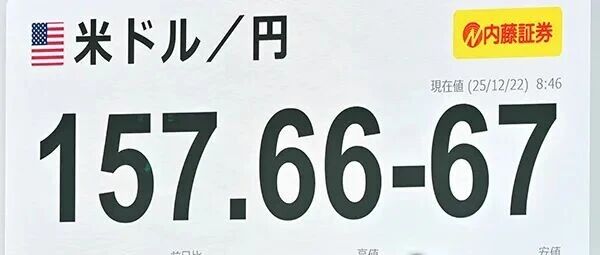
Core Viewpoint - The article discusses the current state of the Japanese yen against the US dollar, highlighting the market's expectations regarding potential foreign exchange interventions by the Japanese government and central bank, particularly in response to the yen's depreciation [2][5][9]. Group 1: Current Exchange Rate Situation - As of December 29, the exchange rate for the yen was between 156.0 and 156.4 yen per dollar, indicating a lack of direction in the market [2]. - The market's vigilance regarding foreign exchange interventions has decreased, with participants believing that the government and central bank may not be ready to intervene decisively [2][5]. - The yen's depreciation accelerated after the Bank of Japan raised interest rates, with the yen briefly falling to between 157.5 and 157.9 yen per dollar on December 22 [4]. Group 2: Market Sentiment and Intervention Expectations - There is a prevailing belief that the government may wait until the exchange rate exceeds 165 yen per dollar before taking intervention actions to avoid wasting foreign reserves [5][8]. - The market sentiment shifted to a more relaxed state as the rapid depreciation of the yen halted, with officials indicating that they have discretion regarding intervention measures [5]. - The current short positions in the yen have reached a high level, suggesting that market participants are positioning themselves for further yen weakness [6]. Group 3: Future Projections and Risks - Starting from January 2026, there may be renewed pressure on the yen due to increased investments in overseas assets through the new NISA program, potentially leading to a selling wave [9]. - Concerns are raised that if the government is forced to intervene due to gradual yen depreciation, it may not effectively support the yen, leading to increased selling pressure [9]. - The effectiveness of future interventions may diminish, with estimates suggesting that 5 trillion yen could only raise the yen's value by 3 to 4 yen, compared to previous interventions where 1 trillion yen raised it by 1 yen [8].

突然,宣布“救市”!刚刚,直线猛拉!这国紧急出手!
券商中国· 2025-12-24 11:49
"货币保卫战"突然打响! 面对持续贬值的韩元汇率,韩国当局12月24日表示,将采取多项新税收措施以稳定外汇市场。另据韩媒报道, 韩国政府近两周来召开系列会议,并向各部门和机构下达了响应措施。受此刺激,韩元兑美元汇率直线猛拉, 日内一度大涨2.5%。 与此同时,日本政府也对汇率市场发出了最强硬的警告。据最新消息,日本财务大臣片山皋月(Katayama) 表示,针对脱离基本面的汇率波动,日本拥有采取"大胆行动"的"自由裁量权"。 韩国"救市" 构持有的法定外汇存款准备金支付利息。 当地时间12月24日,韩国当局表示,韩元过度疲软并非好事,外汇市场将很快就会看到政府的"坚定决心"。 韩国央行、韩国财政部表示,过去两周已多次召开会议讨论韩元近期走弱问题。同时,韩国财政部宣布,将采 取多项新税收措施以稳定外汇市场。 受上述消息刺激,韩元汇率直线爆拉,日内一度暴涨2.5%,最高升至1美元兑1443.79韩元。在此之前,韩元一 度贬值至1美元兑1485韩元,逼近2009年全球金融危机以来的最低水平。 据韩联社报道,韩国政府近两周来召开系列会议,并向各部门和机构下达了响应措施。这些措施能体现韩国政 府稳定汇市的坚定意志和政策 ...

每日投资策略-20251224
Zhao Yin Guo Ji· 2025-12-24 03:33
Market Performance - Hang Seng Index closed at 25,774, down 0.11% for the day but up 28.49% year-to-date[1] - Shanghai Composite Index closed at 3,920, up 0.07% for the day and 16.95% year-to-date[1] - US Dow Jones closed at 48,442, up 0.16% for the day and 13.86% year-to-date[1] Sector Performance - Hang Seng Financial Index at 49,069, up 0.58% for the day and 39.65% year-to-date[2] - Hang Seng Industrial Index at 13,970, down 0.55% for the day and up 24.18% year-to-date[2] - Hang Seng Real Estate Index at 17,858, up 0.56% for the day and 19.75% year-to-date[2] Capital Flows and Market Trends - Southbound capital net inflow of HKD 611 million, with Alibaba, Meituan, and Zijin Mining as top net buys[3] - A-shares in social services, beauty care, and retail saw the largest declines, while power equipment, building materials, and electronics led gains[3] - Anticipation of a spring market in early 2024, with technology and consumer sectors expected to outperform[3] Economic Indicators - US GDP growth at an annualized rate of 4.3% in Q3, the highest in two years[3] - Core PCE inflation at 2.9%, indicating persistent inflationary pressures[3] - Consumer confidence index declined for the fifth consecutive month, while the job market shows improvement[3]
交易员指南:读懂日本决策者各种日元“口头警告”背后的信号
Xin Lang Cai Jing· 2025-12-23 06:44
Core Viewpoint - The Japanese yen continues to weaken against the US dollar despite the Bank of Japan raising its benchmark interest rate to a 30-year high, prompting market speculation on potential government interventions if the yen depreciates further [1][2]. Group 1: Government Response and Strategy - Finance Minister Shunichi Suzuki indicated that the government has the "autonomous decision-making power" to take bold actions if the exchange rate deviates from fundamentals, marking her strongest warning to date [1][2]. - Since taking office in October, Finance Minister Suzuki has largely followed the foreign exchange communication strategy established by her predecessor [7]. - The Japanese government has previously intervened in the foreign exchange market when the yen approached 160 against the dollar, providing a reference for intervention thresholds [1][2]. Group 2: Intervention Protocols - Japanese officials typically deny having a red line for intervening in the foreign exchange market, stating that action is only warranted in cases of sudden, disorderly, or speculative market fluctuations [1][6]. - Before taking direct intervention measures, officials usually issue a series of carefully considered warnings to signal how far they are from taking action [6]. - The recent invocation of the US-Japan foreign exchange agreement from September allows for appropriate intervention during excessive market volatility [1]. Group 3: Key Warning Phrases - Officials adhere to G-20 principles, emphasizing that exchange rates should reflect economic fundamentals and that excessive volatility is harmful to the economy [3][9]. - As concerns escalate, officials may express that the negative impacts of a weakening yen are becoming increasingly evident, indicating a shift in their communication strategy [4][10]. - When intervention becomes a real possibility, officials may state that they are prepared to take appropriate actions to curb excessive market fluctuations [5][10].
日本,救市了
Zhong Guo Ji Jin Bao· 2025-12-22 14:25
"这些走势显然并不符合基本面,而更像是投机行为。"片山在接受采访时表示,指的是上周五日元的快 速贬值。"针对这类走势,我们已经明确表态将果断行动,这一点也写在日美财长联合声明里。" 片山在暗示可能进行直接汇市干预的同时,也谈到:随着高市早苗政府推动更强劲的经济增长,日本短 期内的财政压力可能会加大——这同样是投资者关注的重点。 片山的表态,发生在外界再度猜测财务省可能出手干预之际。此前日本央行在高度"预告"的情况下,将 借贷成本上调至30年来最高水平,但日元在加息后反而走弱。日本央行行长植田和男在会后记者会上的 发言,被部分市场人士解读为对再次加息的信号不够强硬,结果触发日元进一步下滑。 日本政府,刚刚向外汇市场发出"救市"信号。 日本财务大臣片山皋月表示,日本在面对与基本面不符的汇率波动时"有充分回旋余地"采取果断行动。 这是她迄今对投机资金最强硬的警告之一。此前,日本央行加息后日元仍走弱,引发市场对当局可能干 预的猜测。 片山拒绝评论当前汇率水平,并称并不存在一个明确的"基准线"来界定何为过度或无序波动。 "每次情况都不同,所以如果期待每次都出现同样的模式,那是不对的。"她说,并解释称财务省在干预 问题上 ...
干预前奏?日本财相发出强烈警告!日元真能止跌吗?
Jin Shi Shu Ju· 2025-12-22 13:54
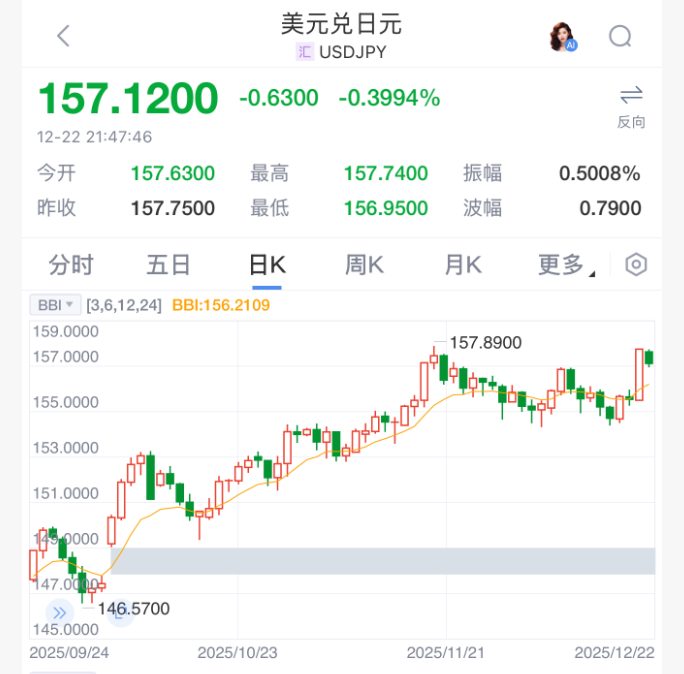
周一美盘前,日本财务大臣片山皋月(Satsuki Katayama)表示,对于偏离经济基本面的汇率波动,日本拥有"自主行动权",可采取果断措施应对。这是她 在日元近期持续走弱后,向市场投机者发出的迄今最强烈警告。 她的前任加藤胜信(Katsunobu Kato)与美国财政部长斯科特・贝森特(Scott Bessent)于9月签署了这份汇率联合声明。声明明确两国坚持由市场决定汇率 的基本立场,同时确认在汇率出现过度波动等特定情况下,仍保留干预空间。 片山皋月称:"这意味着我们拥有自主行动权。" 去年,日本财务省为支撑日元汇率,在外汇市场投入约1000亿美元,当时日元兑美元汇率一度跌至160附近。 片山皋月于周一接受彭博社采访时称:"上周五日元大幅贬值,这种走势显然与经济基本面不符,纯属投机行为。"她还表示:"针对此类波动,正如日美财 长联合声明中所述,我们已明确将采取果断行动。" 美元兑日元闻讯短线下挫50点,最低跌至156.87。 在暗示可能直接出手干预汇市的同时,片山皋月还提到,由于首相高市早苗(Sanae Takaichi)领导的政府正全力推动经济实现更强劲增长,日本短期财政 状况或将进一步恶化,这也是投 ...

每日投行/机构观点梳理(2025-12-22)
Jin Shi Shu Ju· 2025-12-22 11:25
Group 1 - UBS analysts predict that the US stock market will remain tense in 2024 due to investor concerns about missing out on AI gains and fears of a potential bubble, with volatility expected to continue until 2026 [1] - Goldman Sachs forecasts a 14% growth in Chinese corporate earnings in 2024, which could boost stock market performance, with a potential 10% valuation re-rating and a projected 38% increase in the Chinese stock market by 2027 [1] - JPMorgan expects the Bank of Japan to continue raising interest rates to address concerns over the weak yen, predicting two rate hikes in 2024, reaching a policy rate of 1.25% by the end of 2026 [1] Group 2 - Nomura's report indicates uncertainty regarding the specific level that would trigger intervention by Japanese authorities, but bold actions may be imminent as the yen strengthens [2] - Danske Bank analysts suggest that the euro may strengthen against the dollar in the medium term due to anticipated Fed rate cuts and stable ECB rates, with a narrowing gap in real interest rates benefiting the euro [2] Group 3 - CICC emphasizes the importance of policy measures to boost consumption, noting that the macroeconomic backdrop has weakened consumer recovery, but signals of support for domestic demand could lead to a turnaround [3] - China Merchants Bank reports that Japan's interest rate hike may exert pressure on global financial conditions, with a potential long-term impact on liquidity and bond markets [4] - CITIC Securities highlights the need to focus on changes in consumer structure for long-term investment, with an emphasis on new products, technologies, channels, and markets [5][6] Group 4 - CITIC Securities anticipates a mild reduction in policy rates in 2026, with a potential decrease of 10 basis points in one to two instances, which could stabilize bank net interest margins [7] - CITIC Securities continues to favor the AI computing sector, noting strong demand for computing power as AI models evolve [8] - CITIC Securities reports that the US CPI has unexpectedly cooled, which may lead to an upward revision of Fed rate cut expectations, positively impacting precious and industrial metal prices [9] Group 5 - China Securities expects listed insurance companies to achieve double-digit growth in core premium income and value in 2026, driven by asset reallocation and a favorable equity market [10] - Huatai Securities suggests continuing to position for a spring market rally, focusing on sectors like AI, batteries, and consumer goods that are expected to improve [11]
日元急跌引担忧!日本高官急发警告,空头却在“准备度假”
Jin Shi Shu Ju· 2025-12-22 04:13
Group 1 - The Japanese government is concerned about the recent one-sided and sudden fluctuations in the foreign exchange market, particularly after the Bank of Japan's monetary policy meeting, indicating a potential need for intervention if the yen continues to weaken towards the 160 level [1] - Following the Bank of Japan's decision to maintain interest rates, the yield on the benchmark 10-year Japanese government bond rose by 7.5 basis points to 2.095%, the highest level since February 1999, while the 2-year bond yield increased by 3 basis points to 1.12%, the highest since 1997 [1] - Nomura Securities reports that Prime Minister Fumio Kishida is becoming aware that the continuous depreciation of the yen could impact his political stability, suggesting that Japanese authorities may be close to taking strong action [4] Group 2 - Market participants acknowledge the possibility of further interest rate hikes but do not fully accept a rapid or aggressive rate increase path, indicating a cautious approach to trading the yen [5] - Speculative positions in the dollar-yen pair have been affected by the U.S. government shutdown, with data showing a significant decline in long positions on the yen, approaching neutral levels [5] - Analysts believe that while the Japanese Ministry of Finance can temporarily halt the yen's decline by selling dollars, this strategy may not be sustainable, especially without a shift towards a more hawkish tone from the Bank of Japan [5]
加息难挡贬值压力,日元将跌至160?
日经中文网· 2025-12-22 03:23
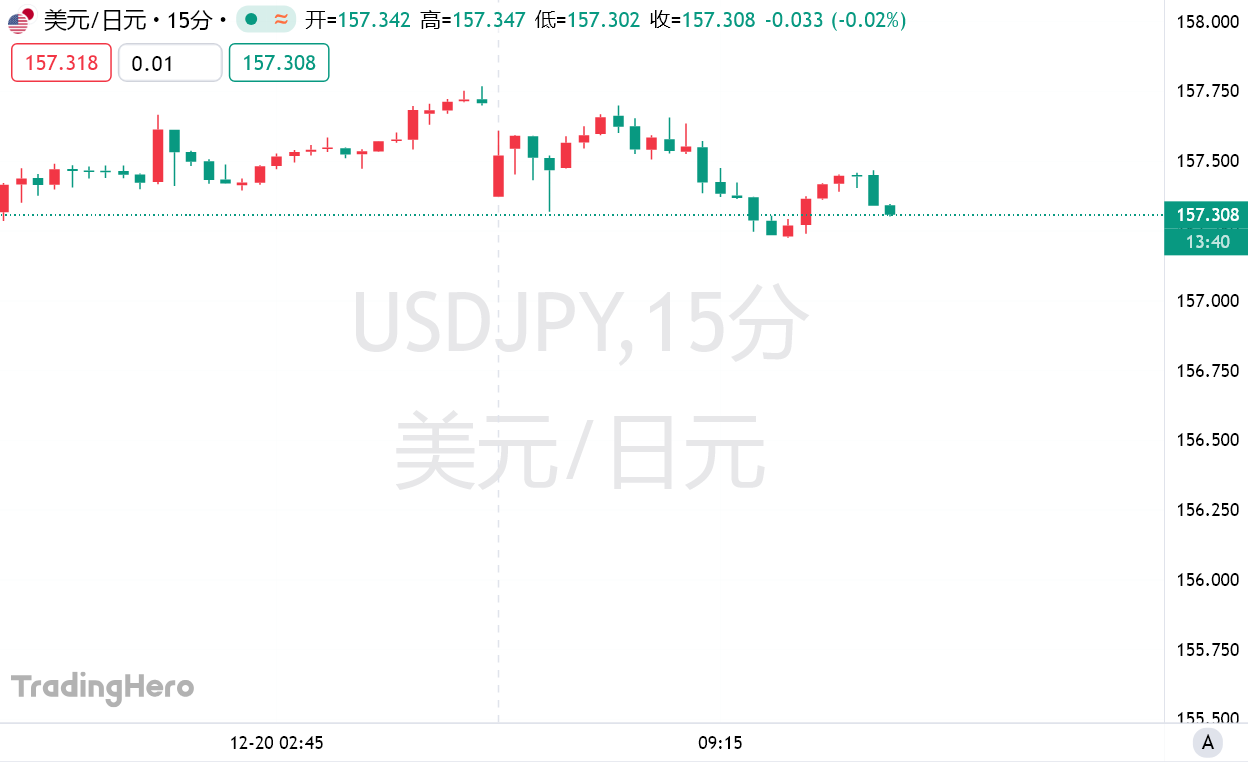
Core Viewpoint - The Bank of Japan raised interest rates to 0.75% on December 19, but the lack of a clear hawkish stance from the governor led to unexpected depreciation of the yen, with potential for further decline towards 160 yen per dollar [2][4][6]. Group 1: Interest Rate and Currency Impact - The long-term interest rates in Japan rose to 2% for the first time in 19 years following the interest rate hike, but the yen's exchange rate remained relatively stable around 155.80 yen before the announcement [4]. - After the press conference, the yen quickly depreciated, reaching a low of 157.70 yen per dollar, marking a one-month low due to the unexpected lack of aggressive monetary tightening signals from the Bank of Japan [6][8]. - Market participants expect the yen to depreciate further, with many anticipating a rate of around 160 yen by the end of March 2026 [6][8]. Group 2: Market Reactions and Predictions - Analysts predict that the next interest rate hike by the Bank of Japan may not occur until October 2026, leading to a potential depreciation of the yen to 162 yen in the first quarter of 2024 [8]. - Concerns about currency intervention have arisen, especially as the yen approaches the 160 yen mark, with officials indicating readiness to respond to excessive movements [8]. - Some analysts believe that the yen's depreciation may be limited, with expectations of a potential appreciation back to 155 yen by March 2024, influenced by anticipated actions from the U.S. Federal Reserve [9]. Group 3: Stock Market Implications - The depreciation of the yen is expected to benefit export-oriented companies, potentially driving up stock prices, with forecasts suggesting the Nikkei average could rise to between 50,000 and 55,000 points [10]. - Concerns about fiscal expansion and political developments, such as potential early elections, could pose risks to stock prices, with some analysts suggesting a possible adjustment to around 45,000 points [10].