扩大内需

Search documents
青岛|新春促消费 青岛出实招
Da Zhong Ri Bao· 2026-02-18 01:21
Core Viewpoint - Qingdao is actively promoting its "Le Gou Qingdao" urban consumption brand to stimulate consumer spending during the Spring Festival, aiming to create a vibrant holiday atmosphere and enhance the city's status as an international consumption center [2][3][4] Group 1: Event Highlights - Qingdao is hosting various Spring Festival market activities in key commercial areas, featuring cultural performances, traditional crafts, and interactive experiences that blend modern and traditional elements [2] - The city is leveraging its natural resources and cultural heritage in Laoshan District to create unique tourism experiences, including immersive activities and traditional cultural showcases [2] - A total of 37 Spring Festival cultural tourism projects are being launched in scenic areas, encouraging visitors to engage with local traditions while enjoying the natural beauty [2] Group 2: Consumption Initiatives - The city is focusing on six major consumption sectors: food, accommodation, transportation, tourism, shopping, and entertainment, with innovative campaigns designed to enhance the overall consumer experience [3] - A series of ten themed events will take place from New Year's Eve to the Lantern Festival, each with unique focuses to attract consumers and stimulate spending [3] Group 3: Support Policies - Qingdao is increasing subsidies for trade-in programs during the Spring Festival, promoting sales in automotive, home appliances, and digital products [4] - The city is allocating 30 million yuan in automotive consumption subsidies and an additional 16 million yuan in consumption vouchers across various sectors to benefit residents and tourists [4] - A digital platform is being utilized to streamline access to various consumer experiences, ensuring a seamless experience for users [4]
鹏扬基金总经理杨爱斌:2026年经济和市场展望,春启新章,骏行致远
Sou Hu Cai Jing· 2026-02-17 14:16
Core Viewpoint - The article emphasizes the opportunities and challenges in the economic landscape for 2026, highlighting the importance of policy adjustments and innovation for sustainable growth [3][4]. Economic Outlook - The external environment is increasingly complex, with differentiated growth dynamics, rising trade barriers, and uncertainties in inflation and monetary policy among major economies [3]. - China is expected to showcase robust potential and stability in the global economic landscape, leveraging both existing and new policies to enhance macroeconomic governance and promote high-quality development [3]. Domestic Demand Expansion - The "14th Five-Year Plan" is anticipated to unleash economic potential, with proactive fiscal policies and moderately loose monetary policies maintaining liquidity [4]. - Real estate sales are nearing long-term equilibrium, and a new development model is expected to emerge in 2026, reducing the marginal impact of real estate investment on the economy [4]. - Service consumption is identified as a key driver for demand expansion, with plans to increase urban and rural residents' income and develop service trade [4]. - Economic growth is projected to achieve a nominal GDP growth rate of around 4.5%, supported by stable production, improved structure, resilient external demand, and expanded internal demand [4]. Modern Industrial System - Technological innovation is crucial for China's modernization, with new technologies and products emerging, enhancing market space [5]. - The government is implementing a new round of high-quality development actions for key industrial chains, emphasizing the role of enterprises in innovation [5]. - The integration of the service sector with manufacturing is expected to inject new momentum into economic growth and employment [5]. Investment Strategies - In the context of declining bond yields and rising stock indices, the difficulty of achieving stable wealth growth through single assets and strategies is increasing [6]. - The company aims to enhance its investment capabilities across various business lines, including active fixed income, equity research, and multi-asset strategies [6]. - The focus is on discovering high-quality companies and capitalizing on the themes of technological growth and expanding domestic demand [6].

眼红中国1.2万亿美元贸易顺差?WTO提意见:中国必须让利减少摩擦
Sou Hu Cai Jing· 2026-02-17 13:42
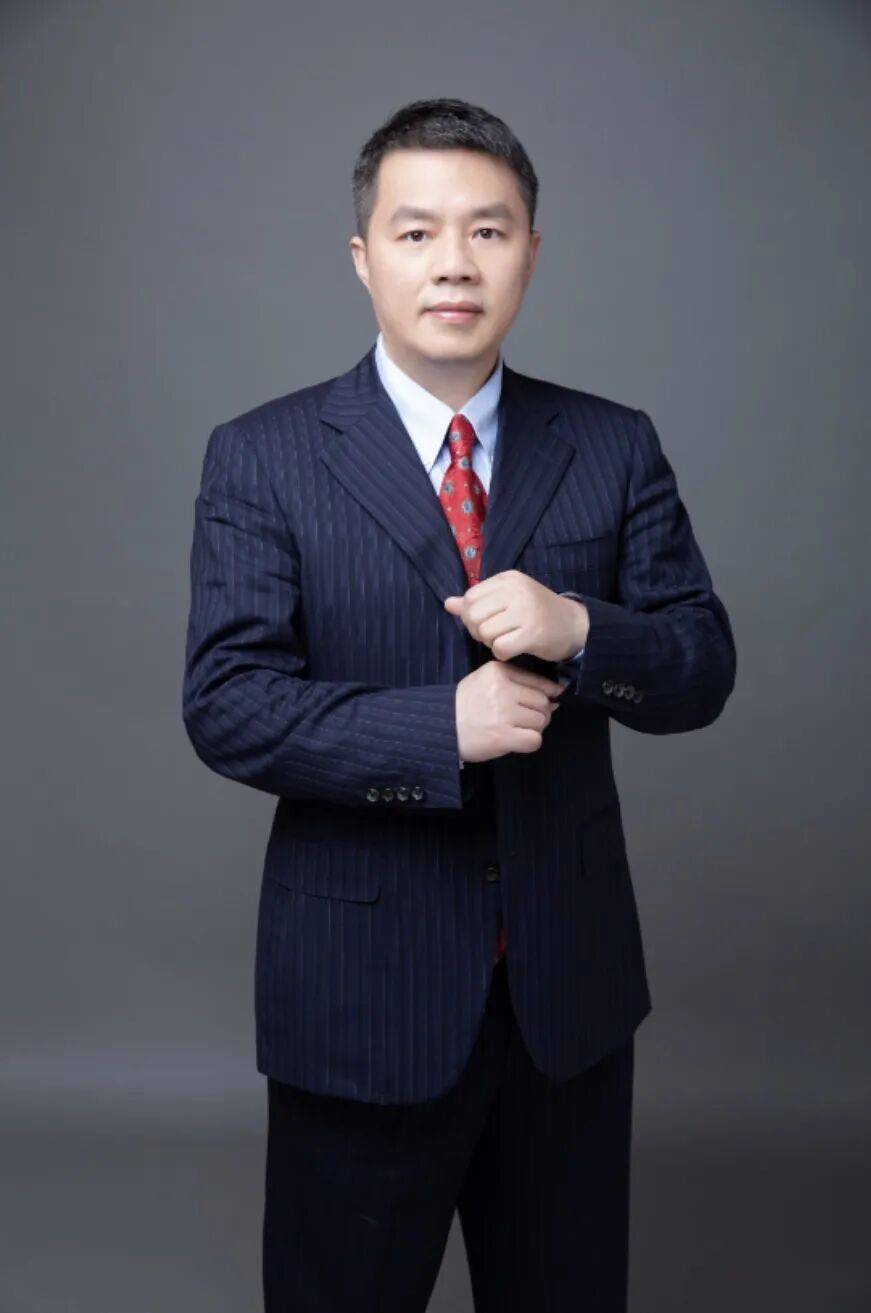
Core Viewpoint - China's trade surplus is projected to reach $1.2 trillion by 2025, raising concerns about its impact on global trade dynamics and increasing dissatisfaction among other countries [1][3]. Trade Surplus Concerns - WTO Director-General Iweala expressed worries about China's record trade surplus, which accounts for 40.8% of the total trade surplus among 135 countries, marking a historical high since World War II [3]. - Iweala urged China to reduce exports and increase imports to alleviate trade tensions, a statement that has garnered significant attention [3]. Export and Import Dynamics - In the first 11 months, China's total import and export value reached 41.21 trillion yuan, with private enterprises becoming the mainstay of foreign trade [5]. - While exports have shown strong performance, imports grew only by 0.2%, further exacerbating the trade surplus [6]. - Exports to emerging markets like ASEAN, Africa, and Latin America increased by over 15%, while growth to traditional markets in Europe and the U.S. was only 3.1%, indicating a shift in China's export market structure [6]. Criticism of Trade Practices - Iweala's comments suggest a double standard, as they overlook the U.S. tariffs on Chinese goods and the EU's carbon border tax, which contradict WTO rules [8]. - Experts argue that China's trade surplus is not due to unfair competition but rather a result of a complete industrial chain and fair trade practices [8]. Economic Structure and Domestic Demand - China's economy has shifted from being heavily reliant on exports, with the foreign trade to GDP ratio dropping from 67% in 2008 to around 28% in 2025, while domestic consumption now contributes over 60% to GDP [12][14]. - Investments in sectors like new energy and semiconductors account for over 30% of fixed asset investments, showcasing a balanced growth model [14]. Policy Directions for Trade Balance - The Chinese government aims to promote domestic demand to achieve trade balance, with plans to enhance residents' income and improve public services to boost consumption [17][19]. - China is implementing broader self-opening policies, focusing on rule alignment and expanding market access, which will contribute to trade balance [19][21]. International Trade Relations - China has been proactive in providing market opportunities for other countries through platforms like the Import Expo and Canton Fair, indicating a willingness to import more high-end products if export restrictions are lifted [23]. - The Chinese Ministry of Commerce has stated its commitment to multilateral trade systems and willingness to expand imports, emphasizing that concessions must be based on fairness and mutual benefit [23].
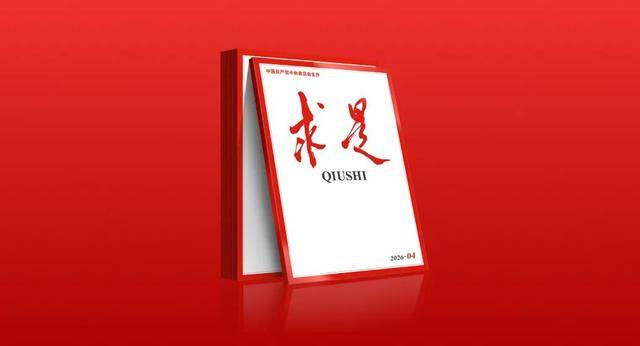
《求是》发表习近平总书记重要文章《当前经济工作的重点任务》;商务部等拨出首批625亿元国补资金|每周金融评论(2026.2.9-2026.2.16)
清华金融评论· 2026-02-17 13:19
Group 1: Core Insights - The article emphasizes the importance of domestic demand as a key strategy for driving China's modernization and high-quality development, particularly in the context of external risks and challenges [6][7] - It highlights the need for a robust domestic market to counteract external demand fluctuations and enhance economic resilience, with a focus on improving living standards through income growth plans for urban and rural residents [6][7] - The article outlines the government's commitment to increasing central budget investments and optimizing local government bond usage to stimulate private investment and support urban renewal projects [6] Group 2: Major Policies - The People's Bank of China, along with other regulatory bodies, has issued guidelines to establish a normalized financial support mechanism aimed at preventing poverty and promoting rural revitalization [9][10] - The guidelines encourage financial institutions to issue special bonds for small and micro enterprises and agriculture, and to innovate insurance products and services to support rural development [9][10] Group 3: Significant Events - The Ministry of Commerce, in collaboration with the National Development and Reform Commission and the Ministry of Finance, has allocated the first batch of 62.5 billion yuan in national subsidies to boost consumer spending during the Spring Festival [11] - The government plans to implement a prize invoice pilot program in 50 cities, with a total of 10 billion yuan in rewards during the six-month implementation period [11] Group 4: Key Data - As of the end of January 2026, the broad money supply (M2) stood at 347.19 trillion yuan, reflecting a year-on-year growth of 9% [12][13] - The total social financing scale was reported at 449.11 trillion yuan, with an 8.2% year-on-year increase, and a net cash injection of 519.1 billion yuan in January [12][13]
当前扩大内需须在供需两侧协同发力
Xin Lang Cai Jing· 2026-02-16 08:47
Core Viewpoint - Expanding domestic demand is essential for maintaining the sustainable and healthy development of China's economy, as highlighted by the 20th Central Committee's emphasis on addressing "insufficient effective demand" as a risk challenge [1] Group 1: Economic Dynamics - The dynamic balance between total supply and total demand is a prerequisite for the smooth operation of the socialist market economy, influencing overall output and price levels [2] - Historically, China's economic policies have shifted between supply-side and demand-side adjustments, reflecting changes in the supply-demand relationship [3] Group 2: Consumption and Investment - Consumption plays a foundational role in the national economy and is a key focus for expanding domestic demand, with current issues including low consumer spending and insufficient service consumption [5][6] - Investment dynamics show a weakening of investment momentum and a decline in the marginal return on capital, with private investment confidence notably low [5] Group 3: Structural Imbalances - The supply-demand imbalance is not only a matter of quantity but also reflects structural mismatches, with certain sectors experiencing oversupply while others face shortages [6] - The aging population and technological advancements are significant factors affecting supply-demand adjustments, with implications for long-term economic balance [12] Group 4: Policy Recommendations - To address the supply-demand imbalance, it is crucial to implement coordinated efforts between supply-side and demand-side policies, enhancing the adaptability and balance of supply and demand [14][15] - Promoting a virtuous interaction between consumption and investment is essential, with a focus on optimizing government investment structures and fostering private investment [15] Group 5: Domestic and International Circulation - Expanding domestic demand should not come at the expense of external demand; rather, it should enhance the connection between domestic and international markets [17] - A proactive open strategy is necessary to adapt to international changes, ensuring that China can effectively participate in global industrial cooperation and supply chain management [17]

春晚分会场,为何花落这四城
Xin Lang Cai Jing· 2026-02-16 06:46
Core Viewpoint - The 2026 Spring Festival Gala will feature four sub-venues in Harbin, Yiwu, Hefei, and Yibin, showcasing the unique characteristics of each city and enhancing the event's appeal as a cultural showcase for diverse urban landscapes in China [1][10]. Group 1: Harbin - Harbin is referred to as an "old friend" of the Spring Festival Gala, having participated in the event multiple times since 1988, making it one of the cities with the most appearances [2]. - The Harbin sub-venue will be set in the world's largest ice and snow theme park, featuring a blend of performances including singing, symphonic music, and ballet, aimed at immersing the audience in the city's unique charm [3]. Group 2: Yiwu - Yiwu, known as the "world's small commodity capital," is the only county-level city among the four sub-venues, marking a significant breakthrough [3]. - The Yiwu sub-venue will highlight local cultural elements and showcase the city's international trade connections, with over 230 countries and regions involved in trade with Yiwu in 2025, achieving an import-export total value of 836.5 billion yuan [3][4]. Group 3: Hefei - Hefei is emerging as a technology hub, with strategic new industries accounting for 60.3% of its industrial output by 2025, particularly in the electric vehicle sector [4]. - The Hefei sub-venue will feature a stage at Luogang Park, combining traditional cultural performances with modern technological displays, reflecting the city's rich cultural heritage and innovative spirit [4]. Group 4: Yibin - Yibin is gaining recognition as the "Chinese capital of power batteries," with a focus on its cultural and ecological characteristics [5]. - The Yibin sub-venue will incorporate local customs and traditions, such as the "Spring Wine" event, to create a festive atmosphere that resonates with the audience [6]. Group 5: Economic Impact and Marketing Strategies - The Spring Festival Gala sub-venues serve as important platforms for showcasing city images and cultural characteristics, with significant potential for boosting local tourism and consumption [7]. - Cities are implementing marketing strategies to convert the exposure from the gala into lasting economic benefits, with Hefei and Harbin launching substantial promotional campaigns and consumer incentives [7][8]. - The emphasis on transforming the gala's viewership into "city retention" and "consumption increment" reflects a broader strategy to stimulate local economies [9].
中央财办分管日常工作的副主任、中央农办主任韩文秀,发表署名文章
Zhong Guo Ji Jin Bao· 2026-02-16 05:31
Core Viewpoint - The article emphasizes the importance of maintaining stability while seeking progress and improving quality in economic work, aiming for a good start to the "15th Five-Year Plan" [3][4]. Group 1: International and Domestic Situations - In 2025, the economic work will be reviewed, highlighting achievements during the "14th Five-Year Plan" and analyzing both international and domestic challenges [3][4]. - Internationally, geopolitical tensions and economic instability are increasing, with predictions of a decline in global trade growth from 2.4% in 2025 to 0.5% in 2026 [5]. - Domestically, there are significant challenges such as weak consumer demand and investment growth, with per capita consumer spending growth lagging behind disposable income growth [6]. Group 2: Economic Support and Reform - The article outlines five essential principles for economic work, including fully tapping economic potential and combining policy support with reform innovation [8][9]. - It stresses the need for a balanced approach between market freedom and government regulation to foster a healthy economic environment [10]. Group 3: Investment and Human Capital - There is a call for a dual focus on investing in physical assets and human capital, emphasizing the importance of improving living standards and developing human resources [11][12]. - The need for investment in education, healthcare, and skills training is highlighted to enhance overall productivity and economic resilience [12]. Group 4: Key Economic Tasks for 2026 - The article outlines key tasks for 2026, including expanding domestic demand, promoting technological and industrial innovation, and deepening reforms to stimulate high-quality development [13][14][15]. - It emphasizes the importance of improving the business environment and enhancing cooperation in international trade [16]. Group 5: Social Welfare and Risk Management - There is a strong focus on improving people's livelihoods, with policies aimed at stabilizing employment and enhancing social services [17]. - The article also addresses the need for effective risk management in key sectors, particularly in real estate and local government debt [18].
涂圣伟:当前扩大内需须在供需两侧协同发力
Sou Hu Cai Jing· 2026-02-16 04:25
Core Viewpoint - Expanding domestic demand is essential for maintaining the sustainable and healthy development of China's economy, with a focus on coordinating supply and demand sides to stimulate new demand and create new supply [2][14]. Group 1: Economic Dynamics - The dynamic balance between total supply and total demand is a prerequisite for smooth national economic circulation, influencing overall output and price levels [2]. - Historically, China's economy transitioned from a supply shortage to a demand shortage, with recent shifts indicating a structural mismatch between supply and demand [3]. Group 2: Consumption and Investment - Consumption plays a foundational role in the national economy, with current issues reflecting a persistent gap between effective demand and potential output, particularly in service consumption [5][6]. - Investment dynamics show a weakening of investment momentum and a decline in the marginal return on capital, with private investment confidence notably low [5]. Group 3: Structural Imbalances - The supply-demand imbalance is not merely a quantitative issue but also a structural mismatch, with traditional supply redundancy coexisting with a shortage of quality supply [6]. - Specific sectors, such as elderly care and childcare, exhibit significant gaps between supply and demand, highlighting the need for better alignment [6][10]. Group 4: Causes of Supply-Demand Imbalance - The supply-demand imbalance is linked to historical public resource allocation patterns that favored production capacity over consumer needs, leading to a persistent gap [10]. - The transition of China's economic development stage impacts the balance of supply and demand, with diminishing returns on traditional growth factors affecting consumer income and spending [11]. Group 5: Policy Recommendations - To address the supply-demand imbalance, it is crucial to implement coordinated efforts between supply-side and demand-side policies, enhancing the adaptability and balance of supply and demand [15][17]. - Promoting a virtuous interaction between consumption and investment is essential, with a focus on optimizing government investment structures and enhancing consumer spending [16]. Group 6: Domestic and International Circulation - Strengthening domestic demand does not imply neglecting external demand; rather, it aims to better connect domestic and international markets, leveraging China's large market size and production capacity [18].
春节消费添利好 哈密以旧换新补贴加码惠民
Sou Hu Cai Jing· 2026-02-16 02:28
Core Insights - The Xinjiang Uygur Autonomous Region is enhancing consumer subsidies for the "old-for-new" policy during the Spring Festival to stimulate consumption and support the retail sector [1][2] - The initiative includes increased subsidies for various consumer goods, particularly in the automotive and home appliance sectors, to make new purchases more affordable for residents [1][2] Group 1: Policy Implementation - The local government is increasing the number of subsidies available for the "old-for-new" program, focusing on essential consumer goods [1][2] - Consumers can access subsidies through the Yunshanfu APP, where they can obtain qualification vouchers for automotive, home appliance, digital, and smart products [1][2] - The policy aims to lower the cost of upgrading household items and vehicles, thereby stimulating the local economy during the festive season [1] Group 2: Business Support - The government encourages automotive and home appliance companies to offer additional discounts and promotions alongside the subsidies [1][2] - The dual benefit of government subsidies and retailer discounts is expected to effectively activate the consumer market during the Spring Festival [1] - The local business bureau is committed to ensuring that the subsidies are delivered efficiently and that consumers are well-informed about the available benefits [2]
《求是》杂志发表习近平总书记重要文章《当前经济工作的重点任务》
清华金融评论· 2026-02-15 12:13
Group 1: Economic Focus and Domestic Market - The core focus of the economic work is to prioritize domestic demand and build a strong domestic market, leveraging China's vast market advantages [5][6] - There will be a comprehensive approach to boost consumption and expand investment, including implementing special actions to stimulate consumption and increasing basic pensions for urban and rural residents [5][6] - The government aims to optimize the implementation of policies to enhance local autonomy and remove unreasonable restrictions in consumption sectors, thereby unlocking potential in tourism, events, dining, and health services [6] Group 2: Innovation and New Growth Drivers - Emphasis on innovation-driven development to foster new growth engines, with a focus on technological innovation leading industrial upgrades [7] - Plans to enhance support for basic research and strengthen the protection of intellectual property rights in emerging fields [7] - Development of international technology innovation centers in key regions such as Beijing, Shanghai, and the Guangdong-Hong Kong-Macau Greater Bay Area to create world-class innovation hubs [7] Group 3: Reform and High-Quality Development - The government will push for reforms to enhance the vitality of high-quality development, including establishing a unified national market and promoting fair competition [9] - There will be a focus on revitalizing idle resources and implementing further reforms in state-owned enterprises and private sectors to support small and medium enterprises [9] - Measures will be taken to improve the financial ecosystem, including enhancing the role of capital markets and increasing the proportion of direct financing [9] Group 4: Opening Up and International Cooperation - The strategy includes promoting multi-field cooperation and enhancing international trade and investment integration [10] - There will be a focus on expanding service sector openness and optimizing the layout of free trade zones to boost innovation [10] - The government aims to seize opportunities in the modernization processes of developing countries and enhance the quality of the Belt and Road Initiative [10] Group 5: Coordinated Development and Urban-Rural Integration - The approach will involve promoting urbanization centered around county towns and revitalizing rural areas, ensuring balanced resource allocation [11] - Efforts will be made to maintain agricultural productivity and stabilize farmers' income while ensuring food security [11] - The government will continue to consolidate poverty alleviation achievements and integrate them into rural revitalization strategies [11] Group 6: Green Transformation and Carbon Neutrality - The focus will be on achieving a comprehensive green transition, including reducing carbon emissions and enhancing green development momentum [13] - Plans to establish a new energy system and promote the use of renewable energy sources in electricity generation [13] - The government will implement solid waste management actions and strengthen the recycling of resources [13] Group 7: Social Welfare and Employment - The government will prioritize employment policies, focusing on stabilizing job opportunities for key groups such as college graduates and migrant workers [15] - There will be initiatives to enhance vocational training and support flexible employment [15] - Policies will be implemented to improve healthcare access and support for vulnerable populations, including the elderly and disabled [15] Group 8: Risk Management and Financial Stability - The government will work to stabilize the real estate market through targeted measures and support for affordable housing [16] - Efforts will be made to manage local government debt risks and enhance financial support for debt restructuring [16] - A unified long-term mechanism for government debt management will be established to ensure financial stability [16]