
生态产品价值实现

Search documents
水土流失治理面积5年新增超34万平方公里
Xin Lang Cai Jing· 2025-12-22 20:23
在水土保持改革方面,积极实施应对气候变化国家战略,联合生态环境部发布《温室气体自愿减排 项目方法学 淤地坝碳汇》,在国际上首次提出其核证自愿减排量的计算方法,为全球气候治理贡献了 中国方案。落实加强耕地保护提升耕地质量完善占补平衡的意见,辽宁、内蒙古、江西、四川、安徽、 陕西等地因地制宜探索侵蚀沟、崩岗、小流域综合治理、淤地坝等水土保持工程形成可以长期稳定利用 耕地,按规定用于耕地占补平衡。牢固树立和践行绿水青山就是金山银山理念,拓展水土保持生态产品 价值实现路径,指导地方开展水土保持生态产品转化交易,收益主要用于水土保持、村民增收和乡村振 兴等方面。 在重点地区水土流失治理方面,以大江大河上中游、东北黑土区、西南岩溶区、南水北调水源区、 三峡库区等为重点,中央投资支持全面开展小流域综合治理,治理水土流失面积6.7万平方公里,项目 实施区域土壤侵蚀强度降低15到20个百分点,生态系统质量和稳定性明显增强。"比如,深入贯彻落实 黄河流域生态保护和高质量发展战略,在黄土高原地区新建及改造淤地坝近7000座,有效提高蓄水保土 能力,减少泥沙入黄,黄河水更清了。聚焦粮食安全,综合整治坡耕地400万亩,治理东北黑土区侵 ...
金融如何赋能“两山”转化?看看江西怎么做
Zhong Guo Huan Jing Bao· 2025-12-22 00:32
Core Viewpoint - Jiangxi Province is actively exploring the realization of ecological product value, particularly in financial empowerment for the "Two Mountains" transformation, establishing replicable experiences and models for broader application [1] Group 1: Natural Resource Asset Financing - Jiangxi is investigating a new model for financing through the pledge of natural resource asset combinations, creating a database to assess the overall situation of state-owned natural resources [2] - The province aims to enhance market competitiveness by packaging high-quality natural resource assets, achieving a synergistic effect of "1+1>2" [2] - A pricing standard for natural resource assets has been established, with third-party evaluations determining asset values, ensuring that the "net asset" transfer conditions are met [2] Group 2: Ecological Product Value Loans - Jiangxi is developing a green loan model for specific regional ecological product values (VEP), addressing measurement difficulties through standardized accounting and evaluation policies [3] - The province has created a digital management platform for ecological product total value (GEP) and established a VEP accounting indicator system reflecting local characteristics [3] - VEP revenue rights are being issued as collateral for financing, with guidelines for VEP revenue right pledge loans to facilitate acceptance by financial institutions [3] Group 3: Forestry Revenue Rights Financing - Jiangxi is promoting policies to convert forestry operating revenue rights into capital, encouraging local governments to develop financial support plans for forestry revenue right pledge loans [4] - A value assessment parameter table for forestry revenue rights has been created to clarify evaluation factors such as product types and expected returns [4] - The province is enhancing risk-sharing mechanisms through government incentives and innovative insurance products, reducing guarantee rates to 0.44% [4]
绿色资源变“绿色财富” 多元“借绿生金”路径助力百姓“点绿成金”“点海成金”
Yang Shi Wang· 2025-12-17 07:36
Group 1 - The central economic work conference emphasizes the need to adhere to "dual carbon" goals, promote comprehensive green transformation, strengthen the national carbon emission trading market, and implement the integration and optimization of natural protected areas [1] - Fujian Province is actively exploring pathways for realizing the value of ecological products and continuously promoting forestry carbon sink development through collective forest rights system reform and participation in carbon trading market construction [1][3] - The collective forest rights system reform in Wuping County has led to increased enthusiasm among farmers for managing their own forests, transforming resources into assets and assets into capital [3][8] Group 2 - The forest coverage rate in Wuping County has increased by 2.9 percentage points to 79.7% compared to before the reform, with 388 demonstration bases for under-forest economy established, covering over 1.6 million acres [8] - The new equity-type forest ticket system has become popular, with three batches sold out within 100 days, allowing farmers to use forest tickets for collateral and receive guaranteed returns [8][10] - The total output value of the forestry industry in Fujian Province is projected to reach 812.1 billion yuan in 2024, with a year-on-year growth of 6.1%, ranking among the top in the country [14][34] Group 3 - The integration of offshore photovoltaic power generation and ecological aquaculture in Dongshan County has led to a 14.1% increase in the proportion of clean energy generation, alleviating local power supply pressure [24] - The offshore photovoltaic project is expected to reduce carbon emissions equivalent to that of a small traditional thermal power unit annually, and has secured a biodiversity-friendly loan of 10 million yuan [26] - Fujian Province's green loan balance reached 1.3 trillion yuan by the end of the third quarter, growing by 15.7% compared to the beginning of the year, significantly higher than the average growth rate of all loans [26][34]

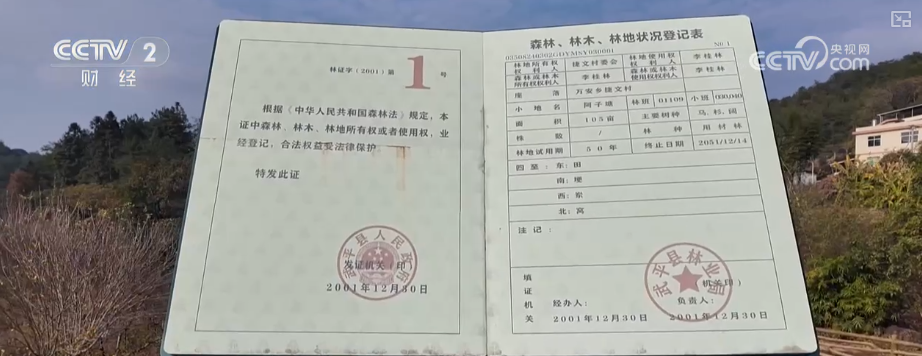
点绿成金!福建武平连绵青山变为幸福“靠山”
Sou Hu Cai Jing· 2025-12-16 15:32
Core Viewpoint - The central economic work conference emphasizes the importance of "dual carbon" goals, promoting a comprehensive green transformation and enhancing the national carbon emission trading market [1] Group 1: Green Transformation and Carbon Market - The conference calls for strengthening the construction of the national carbon emission trading market and optimizing natural protected areas [1] - Fujian province is actively exploring ways to realize the value of ecological products and continuously promoting forestry carbon sink development [1] Group 2: Collective Forest Rights Reform - In Wuping County, Fujian, the collective forest rights reform initiated in the early 2000s has clarified land use and ownership rights, transforming resources into assets and funds [3][5] - The reform has led to increased enthusiasm among farmers for managing their own forests, with a focus on clear property rights and operational freedoms [5] Group 3: Economic Impact and Development - Compared to before the reform, Wuping's forest coverage has increased by 2.9 percentage points to 79.7%, and the county has established 388 demonstration bases for under-forest economy, covering over 1.6 million acres [9] - The under-forest economy is projected to achieve a total industrial output value of 4.825 billion yuan in 2024, with an average annual income increase of over 56,000 yuan per person [9] Group 4: Innovative Financial Instruments - The introduction of a new type of forest ticket in Wuping has gained popularity, with significant demand leading to rapid sales [11] - The forest ticket system allows for flexible financial operations, including collateralization and transfer, enabling farmers to access loans for further investment [13] Group 5: Overall Economic Growth - As of now, the issuance amount of forest tickets in Fujian has reached nearly 1.1 billion yuan, with the total output value of the forestry industry projected to be 812.1 billion yuan in 2024, reflecting a year-on-year growth of 6.1% [15] - The experiences from Wuping are being promoted across the province to transform "green resources" into "green wealth" [17]
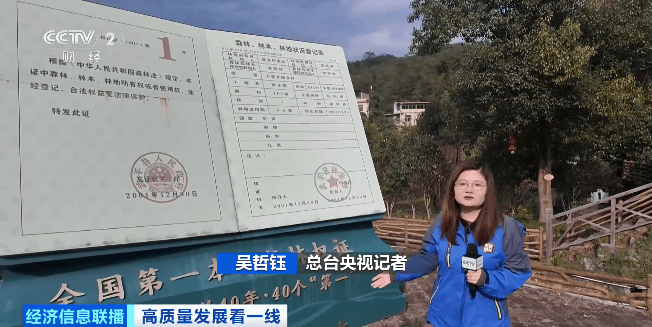
除了旅游和特产,生态还能怎么赚钱?答案在这里
Zhong Guo Huan Jing Bao· 2025-12-12 05:53
Core Viewpoint - The article emphasizes the importance of expanding the channels for realizing the value of ecological products, which can transform ecological value into economic and social value, thus promoting the conversion of "green mountains and clear waters" into "golden mountains and silver mountains" [1] Group 1: Resource Planning and Layout - It is essential for local areas to understand their ecological resources and optimize resource allocation based on their unique ecological endowments, as demonstrated by the ecological product value (GEP) accounting in Kaihua County, Zhejiang Province [2] - Local governments should conduct dynamic monitoring and comprehensive inventory of natural resources to create an ecological directory and ledger, which will facilitate the identification and tracking of ecological products' characteristics and values [2] Group 2: Supply Structure Optimization - The realization of ecological product value should be guided by public demand, with a focus on health, safety, and environmental protection, which are increasingly valued by consumers [3] - Market research should be intensified to accurately assess the urgent ecological product needs of the public, leading to a tailored supply model that addresses diverse consumer demographics [3] Group 3: Brand Development - Brand building is crucial for enhancing the added value of ecological products and gaining market share, as many regions face challenges of having products without brands and quality without premium pricing [4] - Regions should develop recognized public brands based on local characteristics to promote ecological product value recognition and achieve market breakthroughs, as exemplified by the Lishui Mountain Farming brand [4] Group 4: Institutional Framework - The establishment of effective institutional frameworks is necessary to support the realization of ecological product value, with Zhejiang Province exploring innovative models such as the "three rights separation" and "two mountains cooperatives" [5][6] - These institutional developments help reduce uncertainties in market transactions and promote sustainable transformation and development of ecological product value [6] Group 5: Digital Empowerment - The integration of advanced information technologies like AI and cloud computing can significantly enhance the channels for realizing ecological product value, as seen in the practices of Anji County and Kaihua County [7] - A smart management platform for ecological products should be established to facilitate decision-making and enable cloud-based transactions, supported by a robust digital monitoring and early warning system [7]
绘就点绿成金“导航图”
Zhong Guo Zi Ran Zi Yuan Bao· 2025-12-10 10:57
Core Viewpoint - The transformation of ecological advantages into economic benefits in Yueyang, Hunan Province, is guided by a comprehensive national land spatial planning framework aimed at achieving high-quality development and carbon neutrality goals [3][4]. Group 1: System Construction - The realization of ecological product value is a systematic project, with Yueyang's Natural Resources and Planning Bureau establishing a "three-level, three-type" land spatial planning system that integrates overall, detailed, and special planning [5]. - The top-level design emphasizes the integration of ecological protection and economic development, ensuring that the planning goals and strategies reflect the value of ecological products [5]. - The planning framework includes collaborative special plans for ecological restoration, transportation, cultural tourism, and forestry development, providing comprehensive spatial support for the entire chain of ecological product production, assessment, transaction, and transformation [5]. Group 2: Strategic Direction - The overall planning serves as a strategic engine for urban development, guiding the realization of ecological product value by defining direction and development pathways [7]. - Yueyang's planning focuses on becoming a "cultural city at the confluence of rivers and lakes," prioritizing ecological protection and setting strict environmental quality standards as fundamental constraints [8]. - The planning outlines a "three-life space" development baseline, ensuring that by 2035, the total area of ecological protection red lines will not be less than 3,250.86 square kilometers, safeguarding critical ecological spaces [8]. Group 3: Differentiated Development - To avoid uniformity in development, Yueyang implements differentiated development strategies based on resource endowments and location conditions, with specific plans for ecological protection areas, ecological control areas, and urban development zones [9][10]. - In ecological protection areas, strict protection measures are prioritized, enhancing ecosystem service functions through various ecological restoration methods [10]. - In urban development zones, the planning promotes the integration of ecological elements into urban life, enhancing city quality and attractiveness while generating indirect economic benefits [11]. Group 4: Cultural Empowerment - The highest value of ecological products lies in their unique cultural connotations, with Yueyang integrating local cultural elements into ecological spatial planning to enhance brand value [12]. - The planning includes a "cultural + ecological" approach, creating cultural ecological tourism demonstration zones that connect cultural resources with tourism experiences, significantly increasing the added value of tourism products [12]. - The development of regional brands incorporates cultural symbols into ecological products, transforming ordinary agricultural and tourism products into culturally rich offerings that enhance market recognition [12].

盘活“沉睡”的水资源
Zhong Guo Zi Ran Zi Yuan Bao· 2025-12-10 10:57
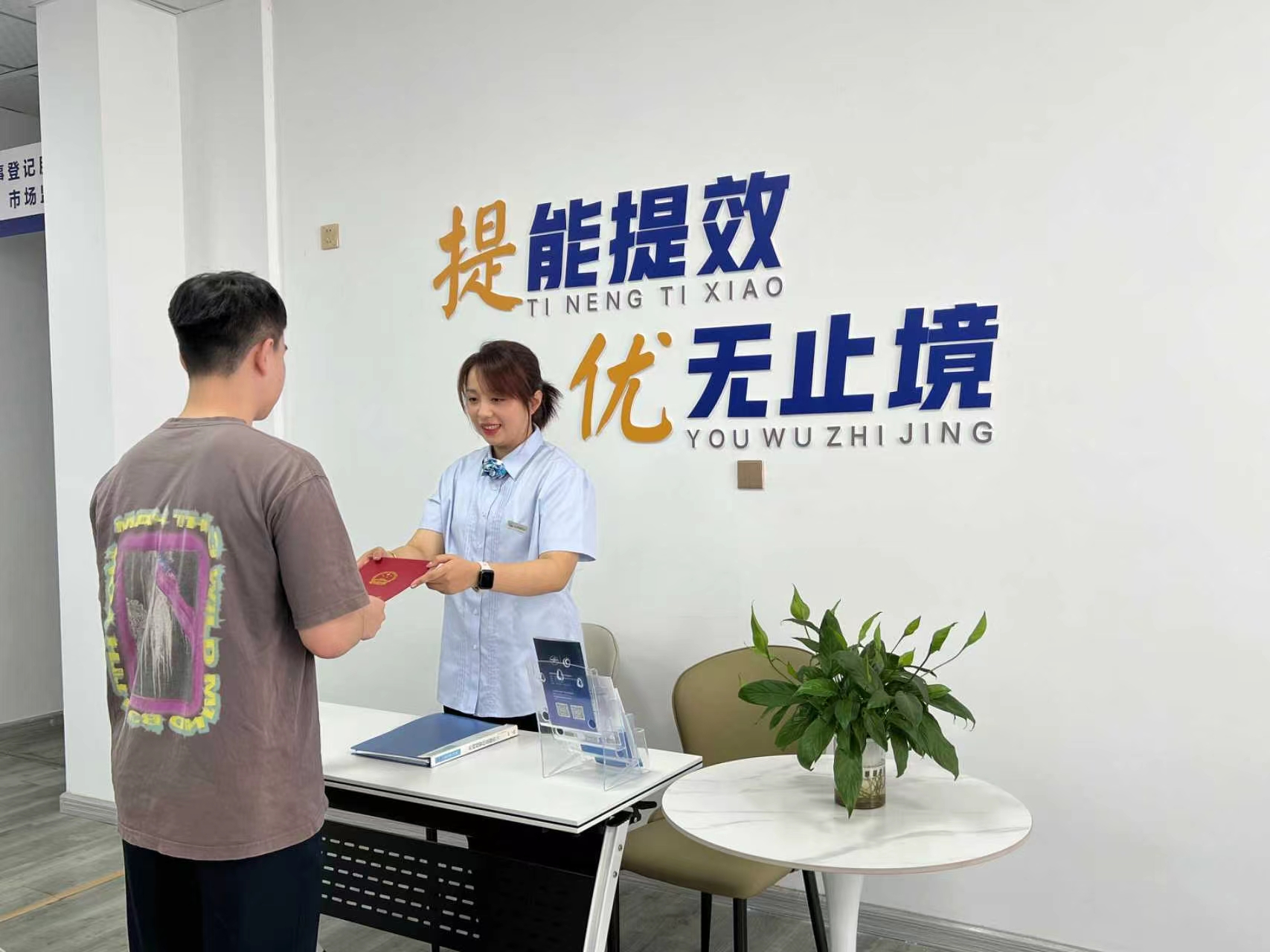
"这本证,是我们核发的第200本水利工程不动产权证!"近日,浙江省临海市不动产登记服务中心一名工作人员手持崭新的证书说。自2024年1月获批全 国仅有的9个水库不动产登记试点以来,这座滨海城市以"破局者"姿态攻坚水利工程产权管理难题,截至目前,已累计颁发水利工程不动产权证200本,为全 国水利资产规范化管理和生态产品价值实现探索出一条可复制和推广的"临海路径"。 精准破题 从"权属模糊"到"有规可依" 从"跑腿折腾"到"一站通办" "以前办水利工程确权,要跑水利、自规、政务服务等多个部门,提交十几份材料,光来回跑就得半个月。现在线上一键申报,材料精简到5项,还能实 时查询进度,20多天就拿到证了!"日前,刚刚办理完山塘产权证的临海市永丰镇新四村党支部书记方言平点赞道。 临海市自然资源和规划局主导"一站式通办"服务体系:在政务服务大厅设立水利工程不动产登记专属窗口,整合自规、水利等部门业务环节,推行"一 窗受理、并联审批";线上打通数据壁垒,实现材料递交、审核公示、证书查询全流程数字化,让数据多跑路、群众少跑腿。针对部分老旧水利工程资料缺 失的情况,该局牵头组建权属调查专班,联合水利、档案部门上门开展实地勘测、 ...
冬日暖阳里 听一首乡村振兴交响曲
Xin Hua Wang· 2025-12-09 07:10
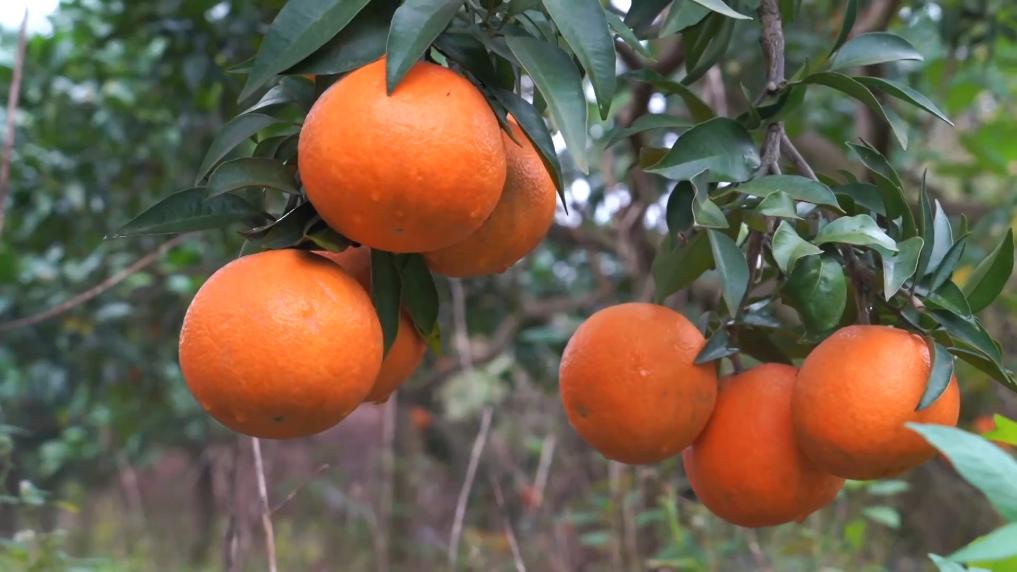
Group 1: Technological Advancements in Agriculture - The modern agricultural park in Jiang'an, Sichuan, utilizes advanced technologies such as tracked orchard transport vehicles, water-based fermentation devices, and smart cloud platform management systems to enhance efficiency and sustainability in agricultural processes [1][3] - The park employs a "grass management" strategy to improve soil organic matter content, effectively using beneficial weeds to control harmful ones [3] Group 2: Economic Impact and Community Development - In Xinshan Village, Guangyuan, various models including large households, cooperatives, and family farms have been implemented to develop specialty industries, benefiting over 200 households and reinforcing poverty alleviation efforts [9] - The citrus planting area in Luzhou County exceeds 110,000 acres, generating an annual output value of approximately 280 million yuan [11] Group 3: Integration of Agriculture and Tourism - In Mianzhu, Sichuan, the local industry promotes experiential projects such as fruit picking and cooking events to attract tourists, thereby expanding market access [14] Group 4: Aquaculture Development - In Hebei's Shexian, the sturgeon industry is being developed with a complete industrial chain that includes research, processing, and sales, capitalizing on the region's suitable water conditions [16][17] - Shaanxi's Shanzhong City is advancing aquaculture with modern indoor facilities that utilize AI and big data for temperature control, oxygen management, and disease prediction, contributing to the region's agricultural modernization [20]
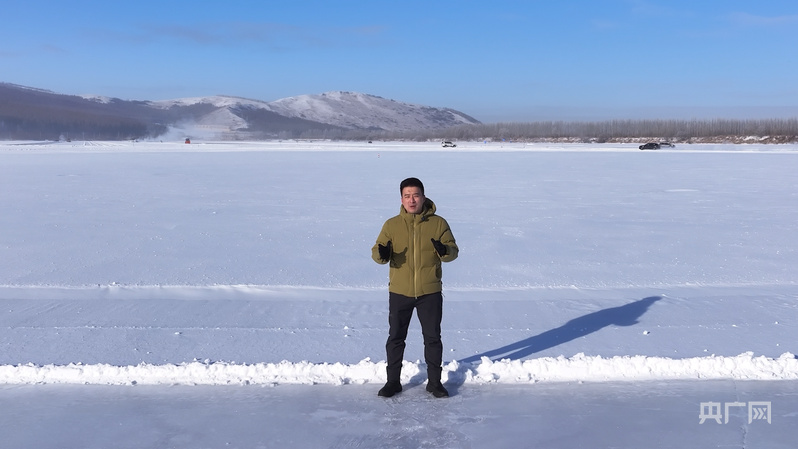
中国改革现场|借冰生金的北纬49度极寒汽车测试场
Yang Guang Wang· 2025-12-08 05:41
Core Viewpoint - The article highlights the innovative use of the frozen lake surface in Yakeshi, Inner Mongolia, as a winter automotive testing base, transforming local cold resources into a thriving industry while promoting ecological protection and tourism development [1][4]. Group 1: Automotive Testing and Innovation - Yakeshi has established the largest winter automotive testing base in China by utilizing the frozen lake surface and wetland resources, which enhances the local automotive industry and boosts ice and snow tourism [1][4]. - The automotive testing includes various performance evaluations such as braking, handling, and range capabilities under extreme cold conditions, with temperatures nearing -30°C [2][3]. - The testing center aims to focus on five key performance dimensions for mainstream new energy vehicles, conducting ten testing subjects in the unique winter environment of Yakeshi [3]. Group 2: Economic Impact and Growth - The winter automotive testing season is expected to generate an operating income of 1.79 billion yuan in 2024, creating over 2,000 jobs and stimulating related industries such as fuel supply, maintenance, and snow tire production [5][8]. - Yakeshi's automotive testing industry has seen a growth rate of 20% annually, with the city serving as a strategic partner for 85% of China's new energy vehicle companies and holding over 40% market share [5][8]. - The region has recorded a significant increase in tourism, with visitor numbers growing over 65% in the past decade and total tourism revenue increasing by over 46% [14]. Group 3: Ecological Protection and Management - The management of the wetland park incorporates advanced monitoring systems to ensure ecological protection while allowing for the sustainable use of natural resources for automotive testing [10][11]. - The area designated for automotive testing occupies only 5.28% of the wetland park, minimizing the impact on wildlife and maintaining biodiversity [10][11]. - The local government has implemented a comprehensive management strategy to monitor and protect the wetland ecosystem, ensuring that economic activities do not compromise environmental integrity [11][12]. Group 4: Seasonal Resource Utilization - Yakeshi has developed a seasonal resource utilization model, combining land use rights for summer ecological tourism and winter automotive testing, thereby maximizing the value of natural resources [5][13]. - The region is exploring further diversification of its offerings, including agricultural machinery and heavy truck testing, to expand its automotive testing capabilities [5][13]. - The integration of tourism and automotive testing has created new consumer experiences, such as ice karting and snowmobile rides, enhancing the local economy [12][13].
从“烂山头”到“金饭碗”:“十四五”宁夏奏响生态与经济共赢协奏曲
Zhong Guo Xin Wen Wang· 2025-12-06 14:28
Core Viewpoint - Ningxia is leveraging ecological protection and high-quality development opportunities during the "14th Five-Year Plan" to transform its economy, focusing on sustainable practices and new industries that enhance both ecological and economic benefits [1][2][3] Group 1: Ecological Restoration and Economic Development - The ecological restoration efforts in Ningxia have led to the emergence of new industries such as forest economy, eco-tourism, and carbon trading, significantly enhancing local economic conditions [1] - In Jingyuan County, systematic ecological restoration has transformed previously barren land into productive areas, creating 15,000 job opportunities and increasing average annual income for farmers by 25,000 yuan [1] - The introduction of a market-oriented approach, where those who restore the land benefit from it, has been pivotal in driving local economic growth [1] Group 2: Land Rehabilitation and Agricultural Innovation - In Shizuishan's Xinghai Town, comprehensive land rehabilitation has converted abandoned industrial sites into a modern agricultural and eco-tourism hub, increasing arable land and generating significant economic returns [2] - The land rehabilitation project has added 3,000 acres of arable land and established 800 agricultural greenhouses, leading to a projected collective income of over 5 million yuan for local communities in 2024 [2] - The integration of social capital into land management has created a sustainable cycle of ecological and economic benefits [2] Group 3: Innovative Practices in Desert Areas - In Yuyuan Lake, the introduction of lavender cultivation on previously barren land has created a thriving industry, attracting over 500,000 tourists and generating more than 120 million yuan in tourism revenue [3] - The transformation of local villagers into industrial workers has resulted in an average annual income exceeding 30,000 yuan, showcasing the effectiveness of the "desert governance + aromatic economy" model [3] - Ningxia's approach during the "14th Five-Year Plan" emphasizes embedding green organic practices into the development of distinctive industries, achieving a balance between ecological protection, economic growth, and improved livelihoods [3]