
财税体制改革

Search documents
财政可持续增长减弱怎么办?安徽财政给出对策
Di Yi Cai Jing· 2025-10-11 02:44
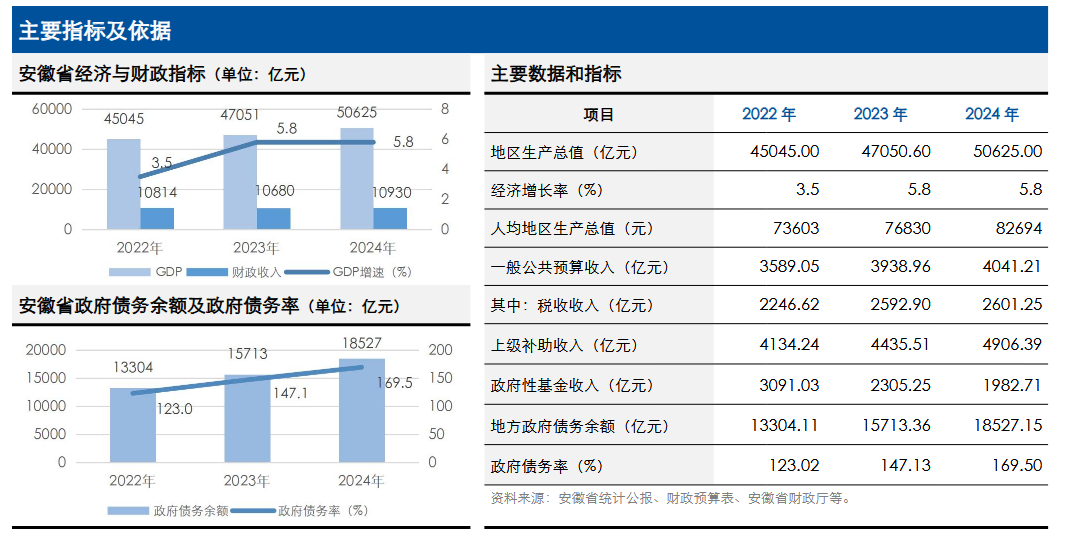
Core Viewpoint - The article emphasizes the need for short-term measures to enhance tax collection and activate asset resources to compensate for revenue shortfalls, while advocating for long-term reforms to ensure sustainable fiscal growth [1][12]. Summary by Sections Current Fiscal Challenges - Local fiscal revenues are under pressure due to sluggish tax revenue growth and a significant decline in land transfer income, with national tax revenue expected to decrease by 3.4% in 2024 and show only a slight increase of 0.02% in the first eight months of 2025 [3][4]. - In Anhui Province, tax revenue growth has also been strained, attributed to macroeconomic slowdowns and declining industrial prices, which have reduced corporate profit margins and tax elasticity [4][9]. Revenue Composition and Trends - In 2023, Anhui's general public budget revenue reached 285.6 billion yuan, a 2.7% increase year-on-year [5]. - Non-tax revenue accounted for 35.6% of Anhui's general public budget revenue in 2024, up 5.1 percentage points from 2019, indicating a reliance on non-tax sources to offset tax revenue shortfalls [6]. - Land transfer income, which previously contributed over 40% to the combined budget revenue, has seen a nearly 50% decline from its peak in 2021, creating a significant revenue gap [9][10]. Debt and Financing Issues - The decline in land transfer income has reduced local governments' borrowing capacity and weakened their ability to finance through land sales, leading to a decrease in the allocation of new debt limits [10]. - The structure of local government debt is shifting, with general debt decreasing and challenges in financing public projects becoming more pronounced [10][11]. Recommendations for Improvement - Short-term strategies include enhancing tax collection through strict enforcement and optimizing asset resource utilization to fill revenue gaps [12][13]. - Long-term reforms should focus on improving the fiscal and tax system, developing new quality revenue sources, and exploring customized land resource supply to meet housing demands [12][14]. - The article suggests transitioning local government financing from reliance on government support to generating self-sustaining revenue through emerging industries and tax sources [14].

和中财办原副主任尹艳林聊了两小时:房价、股市、“十五五”和改革
经济观察报· 2025-10-10 11:56
Group 1 - The current economic situation in China is characterized by insufficient demand, necessitating new incremental policies to stimulate growth [3][20][32] - The real estate market is identified as a crucial area for implementing incremental policies due to its strong impact on the economy [5][18][28] - The need for deep reforms in three key areas: income distribution reform, fiscal and tax system reform, and investment system reform to encourage private sector investment [7][43][45] Group 2 - The "anti-involution" policy is aimed at addressing excessive competition in certain industries, particularly in emerging sectors like renewable energy and technology [3][10][12] - The importance of preventing the misinterpretation of "anti-involution" as a move against platform economies or private enterprises [3][12][16] - The necessity for a balanced approach to market competition, emphasizing legal frameworks to guide behavior rather than administrative controls [11][12][14] Group 3 - The need for macroeconomic policies to focus on stimulating demand, with suggestions for lowering interest rates and potentially implementing a form of quantitative easing [8][45] - The role of local governments in maintaining redundant capacities and the challenges they pose to market dynamics [16][17] - The potential for urbanization to drive economic growth, with a focus on improving public services and reducing administrative barriers [29][30]
宋雪涛:还有增量政策吗?
雪涛宏观笔记· 2025-10-10 07:05
Core Viewpoint - The optimization of existing policies will be a key focus in the near future, supporting economic growth through adjustments in the form, rhythm, and use of these policies [2][17]. Policy Outlook - The newly developed policy financial tools were launched at the end of September, raising market interest in whether additional incremental policies will be introduced, potentially triggering a shift in market style [4]. - Key observations from recent government meetings indicate that there is no immediate demand for aggressive policy adjustments, with a focus on long-term goals rather than short-term economic stimulation [4][7]. - The People's Daily published a series of articles emphasizing the importance of viewing the economic situation holistically, acknowledging the uneven pace of industrial transformation and the need to avoid overreacting to negative sentiments from specific sectors [5][6]. Economic Growth Targets - Achieving the annual GDP growth target of 5% in the fourth quarter is deemed feasible, reducing the necessity for new incremental policies [8]. - The current economic environment allows for a buffer, as the GDP growth rate in the first half of the year was 5.3%, meaning only a 4.6% growth rate is needed in the fourth quarter to meet the target [8][9]. Local Government Financial Pressure - Local government financial pressures have eased compared to last year, with a shift in focus towards debt resolution rather than aggressive infrastructure investment, which diminishes the demand for central government funding [9]. Consumer and Export Dynamics - Despite high base pressures on consumption and exports, internal economic resilience remains strong, suggesting that the need for new incremental policies is low [11]. - Recent data indicates that consumer spending during the National Day holiday showed a year-on-year increase, with service consumption driving growth [11]. - Export resilience is noted, with China's share in global exports increasing, despite challenges from high base effects in the previous year [13]. Policy Adjustments - Future policy focus will be on optimizing existing measures rather than introducing new ones, with changes in monetary policy expected to be more gradual [14][18]. - Fiscal policy will see adjustments in the timing of local government debt issuance and the acceleration of new policy financial tools to support project capital [19]. - Consumer support policies are shifting from product subsidies to service and livelihood support, reflecting a long-term strategy to boost domestic demand [20][21]. Reform Focus - Current policy emphasis is on deepening reforms, including the establishment of a unified market and market-oriented reforms for factors of production, which are expected to enhance overall economic growth potential [22].

《中国地方政府债券蓝皮书(2025)》发布
Zheng Quan Ri Bao Wang· 2025-09-23 13:27
Core Insights - The "Blue Book on Local Government Bonds (2025)" was released, providing a comprehensive review of the local bond market in 2024 and analyzing current development characteristics and challenges [1][2] - The report highlights three main characteristics of local government bonds in 2025: significant increase in new issuance limits, accelerated replacement rhythm, and broader investment areas [1] Group 1 - The local bond market is expected to continue expanding steadily, optimizing its structure and improving efficiency while enhancing market infrastructure [2] - The fiscal and tax system reform will deepen, aiming to clarify the relationship between central and local governments and promote changes in local incentive systems [2] - Local government bonds are positioned as a crucial tool for macroeconomic regulation amidst external pressures, particularly in the context of tariff disputes [1]
《中国地方政府债券蓝皮书》发布
Zheng Quan Ri Bao Wang· 2025-09-23 13:25
Core Insights - The "China Local Government Bond Blue Book (2025)" was released, providing a comprehensive review of the local bond market in 2024 and analyzing current development characteristics and challenges [1][2] - The blue book highlights three main characteristics of local government bonds in 2025: significant increase in new issuance limits, accelerated replacement rhythm, and broader investment areas [1] Group 1 - The local bond market is expected to continue expanding steadily, optimizing its structure, and enhancing efficiency while supporting high-quality development [2] - The fiscal and tax system reform will deepen, aiming to clarify the relationship between central and local governments and promote changes in local incentive systems and behavior [2] - Local government bonds are positioned as a key tool for macroeconomic regulation amidst external pressures, particularly in the context of tariff disputes [1]
财政部:稳妥推进财税体制改革,提高财政科学管理水平
Di Yi Cai Jing· 2025-09-22 11:13
Core Viewpoint - The report emphasizes the importance of prioritizing the "three guarantees" (basic living needs, education, and healthcare) at the grassroots level while advancing fiscal reforms and improving financial management [1] Group 1: Fiscal Reforms - The report calls for a steady advancement of fiscal and tax system reforms to enhance the scientific management of finances [1] - It highlights the need for progress in areas such as budget integration, zero-based budgeting reform, tax system reform, local tax system development, non-tax revenue management, and improving the transfer payment system [1] - There is a focus on guiding local governments to deepen fiscal management pilot programs to elevate systematic, refined, standardized, and rule-of-law levels [1] Group 2: Financial Risk Management - The report stresses the importance of better coordinating development and security while effectively preventing and mitigating fiscal risks [1] - It instructs local authorities to implement a series of incremental debt support policies and manage hidden debt replacement, financing platform reform, and accountability for illegal borrowing [1] - There is a call for strengthening the full-process management of special bonds [1] Group 3: Prioritization of "Three Guarantees" - Local governments are urged to consistently prioritize the "three guarantees" to ensure a solid foundation for grassroots financial stability [1] - The report emphasizes the need for thorough assessment and appropriate responses to various factors affecting fiscal revenue and expenditure to ensure budget balance and stable financial operations [1]
财政部党组通报中央巡视整改进展情况
Bei Jing Ri Bao Ke Hu Duan· 2025-09-22 11:11
Group 1 - The core viewpoint of the article is the progress report on the rectification of issues identified during the third round of inspections of the Ministry of Finance by the Central Inspection Team, emphasizing the commitment to political responsibility and the implementation of corrective measures [1][2][3][4]. Group 2 - The Ministry of Finance's Party Group has established a leadership team for rectification, with the Party Secretary taking direct responsibility for leading and promoting the rectification efforts [3][4]. - A comprehensive management system has been implemented to ensure the quality and effectiveness of the rectification process, including a detailed plan with specific responsibilities and deadlines [3][4]. - The Ministry has focused on key issues, such as local government debt management and fiscal risk prevention, by increasing the debt limit by 6 trillion yuan to alleviate repayment pressures [6][22]. Group 3 - The Ministry is enhancing its fiscal management responsibilities by improving budget coordination and supervision, ensuring compliance with national policies, and addressing issues related to the misuse of funds [7][9]. - The Ministry is advancing tax system reforms, including the implementation of a new VAT law starting January 1, 2026, and promoting zero-based budgeting reforms [8][22]. Group 4 - The Ministry is committed to strengthening party discipline and governance, with a focus on anti-corruption measures and adherence to the Central Eight Regulations [15][17]. - The Ministry is enhancing the quality of its leadership and cadre training, ensuring that political integrity and performance are prioritized in personnel management [18][21]. Group 5 - The Ministry plans to maintain a long-term focus on rectification efforts, integrating them into daily operations and ensuring that effective practices are institutionalized for sustainable development [24].
中共财政部党组关于二十届中央第三轮巡视整改进展情况的通报
Zhong Yang Ji Wei Guo Jia Jian Wei Wang Zhan· 2025-09-22 10:37
Group 1 - The central government conducted a routine inspection of the Ministry of Finance from April 15 to July 20, 2024, and provided feedback on October 18, 2024 [1] - The Ministry of Finance's Party Group emphasized the importance of political responsibility and self-reform in addressing the issues raised during the inspection [2][3] - The Ministry established a leadership group for inspection rectification, with the Party Secretary taking direct responsibility for leading and promoting the rectification efforts [3] Group 2 - The Ministry of Finance is focusing on preventing and mitigating financial risks by increasing local government debt limits by 6 trillion yuan to alleviate repayment pressures [6] - The Ministry is enhancing its fiscal management responsibilities, including improving budget coordination and monitoring the execution of budgets [7] - The Ministry is advancing tax system reforms, including the implementation of a new value-added tax law starting January 1, 2026 [8] Group 3 - The Ministry is committed to strict party governance and has established a comprehensive responsibility system for party discipline and supervision [10][15] - The Ministry is actively addressing issues related to corruption and misconduct, reinforcing the implementation of the central eight regulations [17][23] - The Ministry is enhancing the quality of grassroots party building and leadership team construction to ensure effective governance [18][24] Group 4 - The Ministry plans to continue its efforts in rectification and improvement, integrating these processes into daily operations and responsibilities [21][24] - The Ministry aims to strengthen the management of fiscal risks and ensure budget balance and stability in fiscal operations [22] - The Ministry is focused on building a high-quality cadre team that is loyal, clean, and responsible, enhancing overall functionality and work synergy [23][24]
大国财政的担当:“十四五”时期我国财政治理成效回顾
Yuekai Securities· 2025-09-18 10:03
Economic Performance - During the "14th Five-Year Plan" period, China's fiscal governance achieved significant results, including stable growth through active fiscal policies, with a cumulative tax reduction of approximately 10.5 trillion yuan, averaging over 2 trillion yuan annually[5] - The general public budget revenue as a percentage of GDP fell to 16.3% in 2024, down 1.4 percentage points from 2020 and 5.4 percentage points from the peak in 2015[5] - The general public budget expenditure reached 28.5 trillion yuan in 2024, a 15.8% increase from 2020[5] Fiscal Policy Adjustments - The average budget deficit rate from 2021 to 2025 was 3.3%, which is 0.4 percentage points higher than the average during the "13th Five-Year Plan" period[6] - The broad deficit rate during the "14th Five-Year Plan" averaged 6.5%, exceeding the previous period's average by 1.7 percentage points[6] Structural Changes - Fiscal policies shifted focus from supply-side to demand-side, enhancing consumer spending and supporting a transition from an investment-driven to a consumption-driven economy[7] - The average growth rate of public budget expenditures related to people's livelihoods was 4.3% from 2021 to 2024, surpassing the overall public budget expenditure growth of 3.7%[8] Risk Management - By the end of 2024, the national government debt balance reached 82.1 trillion yuan, with an average annual growth of 15.2% since 2020[9] - The local government debt-to-GDP ratio was approximately 35.2% at the end of 2024, with an estimated total debt ratio of about 43.0% when including hidden debts[9] Policy Execution - The central government's deficit accounted for 85.9% of the total budget deficit in 2025, an increase of 11.9 percentage points from 2020[16] - Central government transfers to local governments increased by 18.0% in 2022 compared to 2021, ensuring effective policy implementation[16]
光大证券晨会速递-20250916
EBSCN· 2025-09-16 01:10
Group 1: Macroeconomic Insights - The core viewpoint emphasizes that the fiscal and tax system reform during the "14th Five-Year Plan" period is essential for addressing current fiscal constraints and advancing national governance modernization. This includes budget system innovation, tax system optimization, restructuring central-local relations, and comprehensive debt management to enhance fiscal efficiency, thereby injecting strong momentum into Chinese modernization [1] - Economic uncertainty has increased, with production, investment, and consumption growth rates declining in August. Factors such as extreme heat and falling prices have contributed to this downturn, while cautious investment decisions by market participants indicate challenges in transitioning from old to new economic drivers [2] - Fixed asset investment growth continues to decline, with significant drops in infrastructure investment in August. Despite a relatively loose funding environment, improvements in the fundamentals are necessary, and the bond market is becoming more attractive, with a projected 10Y government bond yield center at 1.7% [3] Group 2: Real Estate Sector Analysis - In the real estate sector, as of September 14, 2025, new home transactions in 20 cities totaled 545,000 units, a decrease of 5.9%. Notably, Beijing saw a 14% drop, while second-hand home transactions increased by 9.9% across 10 cities, indicating a mixed market performance [4] - China Resources Land (1109.HK) is focusing on core cities for real estate development, with a strong brand reputation and stable cash flow from asset operations. The projected net profit for 2025-2027 is 24.74 billion, 25.27 billion, and 25.53 billion yuan, respectively, with a corresponding PE ratio of 8.5, 8.3, and 8.3 times, maintaining a "buy" rating [5] Group 3: Company-Specific Developments - Aolaide (688378.SH) has signed a strategic cooperation framework agreement with BOE Technology Group, indicating a comprehensive partnership in OLED materials and equipment, which is expected to significantly benefit the company's future performance. The projected net profit for 2025-2027 is 127 million, 244 million, and 354 million yuan, maintaining a "buy" rating [7] - Kangnait Optical (2276.HK), a leading resin lens manufacturer, is expected to see net profits of 570 million, 710 million, and 880 million yuan from 2025 to 2027. The growth is supported by a stable market for lens products and potential in AI glasses, leading to a "buy" rating [8]