全球化

Search documents
境外业务同比增长390%,携程商旅发布全球差旅解决方案
Bei Jing Shang Bao· 2025-11-11 17:45
Core Insights - Ctrip's business travel division aims to shift the industry focus from "price competition" to "value services" through its global travel solutions and the "Little Blue Heart" protection plan [1][2] Group 1: Global Business Growth - Ctrip's international business has seen significant growth, with a 290% year-on-year increase in Singapore clients and a doubling of the Japanese market [1] - Since 2025, Ctrip's business travel division has served 25,000 Chinese enterprises going abroad, with overseas client numbers increasing by 390% [1] - The "Global Influence Plan" launched in 2023 has expanded the number of destination cities served by 88%, covering 203 countries and regions [1] Group 2: Investment in Technology - Ctrip has increased its international technology investment by 130% this year, focusing on system stability, data security, and global resource integration [1] Group 3: "Little Blue Heart" Protection Plan - The "Little Blue Heart" protection plan features a "5+1" guarantee system covering five key areas: itinerary, emergency, experience, compliance, and systems [2] - A fund of over ten million has been established for emergency itinerary handling, refund guarantees, and experience compensation [2]

汽车2026年投资策略:品牌化、全球化、智能化,迎接AI浪潮下的产业升级机遇【国信汽车】
车中旭霞· 2025-11-11 16:02
Core Viewpoint - The Chinese automotive industry is transitioning from a growth phase to a mature phase, with a significant slowdown in sales growth and a shift in focus towards brand building and globalization to maintain profitability and market share [1][11]. Group 1: Industry Characteristics and Changes - The automotive industry is experiencing three main characteristics: diminishing total volume dividends, low growth normalization in sales, and a shift in production capacity from traditional fuel vehicles to new energy vehicles [11][19]. - The industry has undergone significant changes, including the transition from a focus on meeting transportation needs to a broader application in various life scenarios, and the evolution of vehicles from mere transportation tools to intelligent entities [42][45]. Group 2: Sales and Market Trends - The sales volume of the automotive industry is expected to reach 34.89 million units in 2025, with a growth rate of approximately 11%, driven by tax incentives and subsidies [1][11]. - The penetration rate of new energy vehicles is projected to increase significantly, with sales expected to rise from 1.21 million in 2019 to 14 million by 2024, reflecting a compound annual growth rate of 63% [19][24]. Group 3: Brand and Globalization Strategies - Brand building and globalization are essential strategies for automotive companies to counteract intense competition and maintain market share, with a focus on creating brand premiums and establishing barriers through advanced technologies [2][4]. - Domestic automotive brands are increasingly expanding overseas, supported by the establishment of production capacities, distribution channels, and service systems in international markets [2][4]. Group 4: Technological Advancements - The automotive industry is on the brink of a technological revolution, with advancements in intelligent driving expected to transition from co-pilot (L3) to agent (L4) capabilities, creating new investment opportunities in various components [2][3]. - The expected mass production of robots in 2026 will mark a significant milestone for the robotics industry, with a high overlap in components between automotive and robotics sectors, presenting investment opportunities in related supply chains [3][4]. Group 5: Policy and Economic Influences - The automotive industry is influenced by macroeconomic cycles, industry cycles, and policy cycles, with the latter playing a crucial role in shaping market dynamics through incentives and regulations [1][50]. - The upcoming reduction in new energy vehicle purchase tax incentives in 2026 is anticipated to stabilize overall automotive sales, with a slowdown in the growth rate of new energy vehicle sales [1][50].






股神退休了
表舅是养基大户· 2025-11-11 13:29
Group 1 - The article discusses the significant announcement from Warren Buffett regarding his retirement as CEO and withdrawal from daily management by the end of the year, marking his exit from the investment scene [1] - Buffett reflects on his life, attributing his success to a combination of luck and favorable circumstances, including being born in 1930 during the Great Depression, which allowed him to witness the subsequent economic recovery and growth in the U.S. [2][3] - The article highlights the advantages of being a white male in the context of economic globalization, suggesting that Buffett's investments in companies like Coca-Cola and Apple benefited from the global market dynamics [3][4] Group 2 - The article notes a decline in trading concentration among popular stocks in the A-share market, with the median drop in stock prices around 4-5% for the largest stocks, indicating a potential downward trend in the market [7][10] - It mentions a resurgence of small-cap stocks as larger stocks face declining trading concentration, with small-cap indices outperforming major indices like the ChiNext and the STAR Market [12][13] - The performance of Hong Kong stocks has recently improved compared to A-shares, with specific stocks like XPeng gaining attention due to their robotics business, which has drawn comparisons to Tesla [15][18] Group 3 - The article discusses the growing importance of Hong Kong stocks in global asset allocation, particularly with the introduction of new ETFs that include U.S. stock assets, allowing investors to bypass certain limitations associated with QDII products [21][25][28] - Two new ETFs are highlighted: the Southern Eastern FTSE East-West Stock Selection ETF and the Southern Eastern Hang Seng Hong Kong-U.S. Technology ETF, which provide exposure to both Hong Kong and U.S. markets [26][34] - The article emphasizes that these new ETFs differ from existing QDII ETFs in their holdings, offering a more actively managed approach to investing in both Hong Kong and U.S. technology sectors [29][36]

跌光1873亿,网红汽车炸雷了
商业洞察· 2025-11-11 09:35
Core Viewpoint - The article discusses the severe challenges faced by Polestar, a once-promising electric vehicle company, highlighting its financial struggles, declining market presence, and the risk of delisting from NASDAQ due to stock price issues [4][20]. Financial Performance - Polestar reported over 30,000 vehicle sales in the first half of 2025, generating revenue of $1.423 billion, but incurred a net loss of $1.193 billion, marking a 119.4% increase in losses [4][19]. - As of June 2025, Polestar's total liabilities reached $7.909 billion, with total assets of $3.643 billion, resulting in a staggering debt-to-asset ratio of 217% [5][19]. - The company's market capitalization plummeted from a peak of $28 billion to approximately $1.689 billion, a loss of over $26.3 billion [4][20]. Market Strategy and Operations - Polestar initially aimed to compete globally with Tesla, leveraging its partnerships with Volvo and Geely to establish a strong market presence [6][7]. - The company has shifted its sales strategy in China from physical stores to online sales, closing its last direct store in Shanghai [4][19]. - Despite its efforts, Polestar's sales in China have dwindled, with only 69 vehicles sold in the first half of 2025, placing it at the bottom of various sales rankings [19]. Challenges and Future Outlook - Polestar faces a delisting warning from NASDAQ due to its stock price remaining below $1 for an extended period, with a potential 180-day compliance period to rectify the situation [20]. - The company has plans to expand into seven new global markets by 2025, but its ability to execute this strategy remains uncertain given its current financial instability [16][19]. - Geely's recent capital injection of approximately $200 million aims to stabilize Polestar, but the effectiveness of this support in reversing the company's fortunes is yet to be seen [5][17].

中国IP海外受追捧 豫园股份走出独特的全球化模式
Zheng Quan Ri Bao Wang· 2025-11-11 08:44
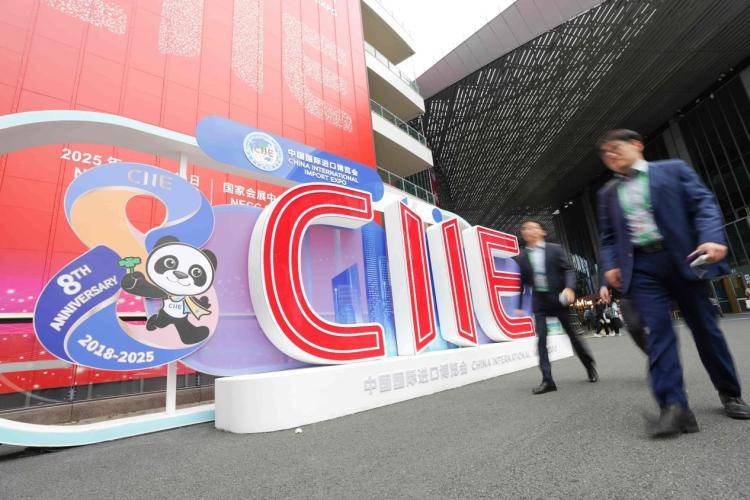
Core Viewpoint - The eighth China International Import Expo highlighted "globalization" as a key topic, with Shanghai Yuyuan Tourist Mart (Group) Co., Ltd. showcasing its brands and projects, aiming to find more opportunities for global development [1] Group 1: Globalization Strategy - Yuyuan Holdings has developed a unique model for international expansion, focusing on a "zero cultural discount" approach that emphasizes authentic Chinese culture without altering it for foreign markets [1] - The concept of "zero cultural discount" counters the idea of "cultural discount," where cultural differences can diminish the appeal and value of products in cross-cultural contexts [1] Group 2: Successful International Ventures - The opening of the core jewelry brand Laomiao's store in Kuala Lumpur marks a significant step in the brand's overseas expansion, aligning well with local consumer preferences for auspicious meanings [2] - The Yuyuan Lantern Festival has gained international recognition, attracting over 4 million visitors in Bangkok and generating nearly 1.2 billion global impressions, while also resonating emotionally with the global Chinese community [2] Group 3: Recognition and Strategic Importance - The international success of the Yuyuan Lantern Festival has led to its selection for Shanghai's "Chinese Culture Going Global" funding and awards, indicating its impact on cultural dissemination [3] - Yuyuan Holdings has established globalization as a core development strategy, with multiple business optimizations and a strong position in the cultural export sector, expected to drive significant overseas revenue growth [3]

新能源、全球化驱动,中国商用车出海增幅领跑汽车产业链
Di Yi Cai Jing· 2025-11-11 06:56
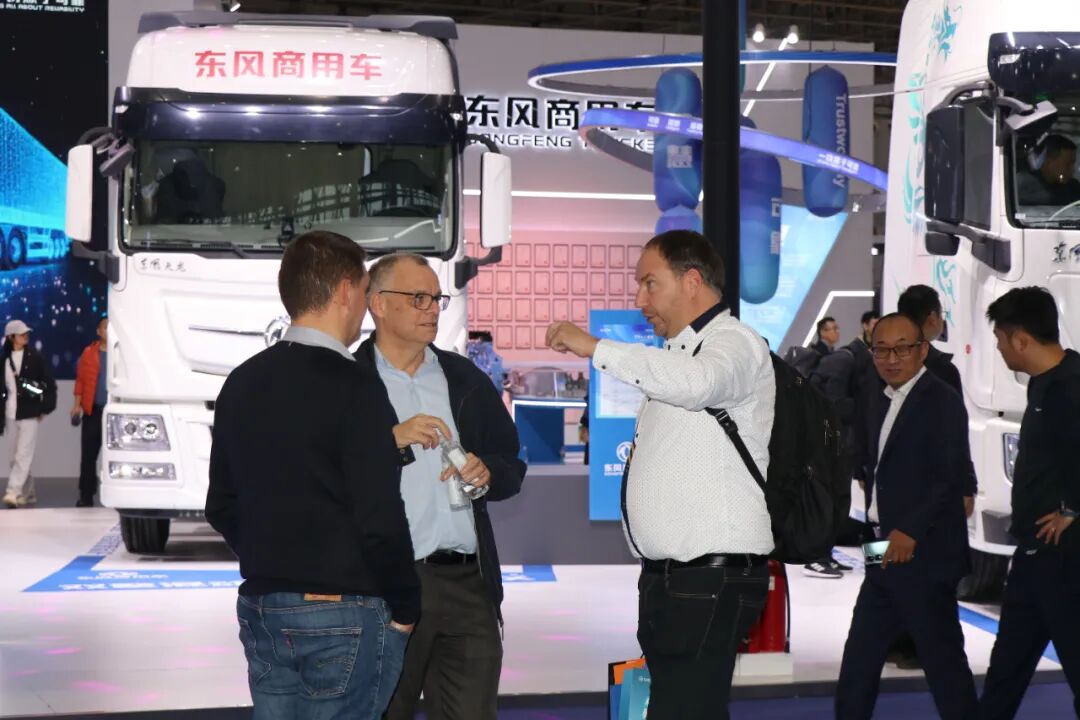
Core Insights - The 2025 China International Commercial Vehicle Show (CCVS) in Wuhan highlights the significant shift towards new energy and globalization in China's commercial vehicle industry [2][8] - The number of overseas attendees at the exhibition has significantly increased, indicating a growing international interest in China's commercial vehicle sector [8] Industry Performance - From January to September 2023, China's commercial vehicle sales reached 3.117 million units, a year-on-year increase of 7.8% [2] - New energy commercial vehicle sales during the same period reached 566,000 units, marking a 61.4% year-on-year growth, with a market penetration rate of 23.9% [2] - In September alone, sales of new energy commercial vehicles hit 95,000 units, achieving a market penetration rate of 33% [2] New Energy Trends - The exhibition showcased a new ecosystem for commercial vehicles, with a ratio of 2:1 between new energy and fuel vehicles among the displayed models [3] - Notable new energy products were presented by major manufacturers, including five pure electric models from FAW Jiefang and advanced technologies from Dongfeng Commercial Vehicles [4][5] - The cost of battery systems for new energy vehicles has decreased from 800 yuan per kilowatt to 500 yuan per kilowatt over the past five years, alleviating concerns about range anxiety [6] Globalization and Export Growth - China's commercial vehicle exports reached 748,000 units from January to September 2023, reflecting a year-on-year increase of 10.2%, with new energy vehicle exports growing by 150% to 64,000 units [8][9] - The expansion into overseas markets is expected to provide growth opportunities for Chinese commercial vehicle companies, helping to mitigate domestic market challenges [9]
我们这个时代的转折、机遇与风险
3 6 Ke· 2025-11-11 01:17
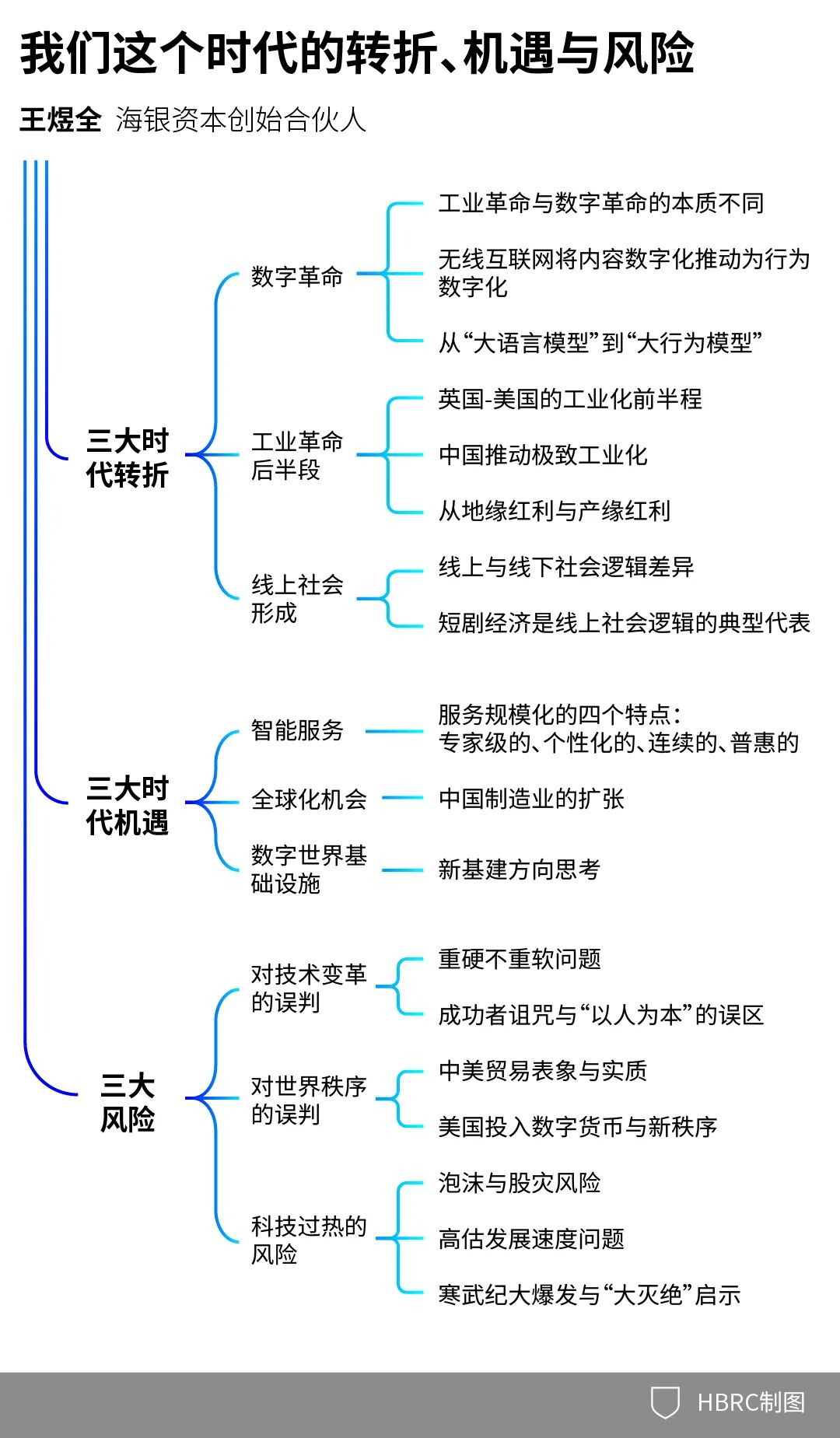
Core Insights - The current era is characterized as a significant time of opportunity rather than a bubble, with advancements in technology and societal transformation being at the forefront [1][5][6] - Three major opportunities are identified: the digital revolution, the continuation of the industrial revolution, and the formation of an online society [5][7][8] Digital Revolution - The digital revolution is divided into two phases: the material production-focused industrial revolution and the software-driven digital revolution, which are fundamentally different [5] - The wireless internet has played a crucial role in this revolution by aggregating human behavioral data, leading to the emergence of large language models and the anticipated development of "large behavior models" [6] Industrial Revolution - The industrial revolution is not over; China is currently undertaking its latter half, achieving scale in production and sales that previous nations did not fully realize [7] - The next 30 years may see overseas business revenues potentially matching China's GDP, driven by globalization and strategic choices rather than mere geographical advantages [7] Online Society - The transition from offline to online society introduces a new logic based on data, measurement, and prediction, contrasting with the cultural understanding required in offline society [8] - This shift is expected to create new opportunities and lead to the emergence of new mega-companies with trillion-dollar valuations within the next 10-15 years [8] Key Opportunities - Intelligent services that leverage AI for scalable output of human experience are highlighted as a key area for growth [9] - Globalization presents unique opportunities for China, particularly through manufacturing expansion [10] - The development of digital infrastructure is essential for the ongoing digital revolution, requiring innovative approaches beyond traditional methods [10] Risks - Misjudgment of technological changes could hinder progress, as companies may struggle to adapt to the revolutionary nature of AI [11] - The evolving global order, particularly in relation to digital trade, poses risks as traditional product-based trade structures may collapse [11] - The potential for a technology bubble, reminiscent of historical market crashes, necessitates caution in expectations for rapid advancements [12]
站在人民币资产长牛的起点
雪球· 2025-11-10 13:00
Core Viewpoint - The article discusses the end of the low inflation era in the West, highlighting that the inflation rate is unlikely to return to the previously accepted target of 2%, with a new normal around 3% becoming more probable [4][12]. Inflation Dynamics - The average hotel prices in the U.S. have increased by approximately 20% from 2019 to 2024, with significant price hikes in major cities and high-end hotels [3]. - Food prices have also risen, with typical fast food meals increasing from $15-$18 to over $20, and dinner costs rising from around $60 to $80-$100 [3]. - The inflation rate surged from 2% to between 7% and 9% due to supply chain disruptions, soaring energy prices, and expansive fiscal and monetary policies during the pandemic [4]. Structural Changes in Inflation - The previous low inflation era was largely driven by globalization, which allowed for cost reductions through outsourcing and just-in-time production [4]. - Current trends emphasize supply chain resilience and localization, leading to increased costs as companies build redundancy into their operations [5]. - The transition to green energy and carbon neutrality is creating a long-term capital expenditure cycle, further raising cost structures [5][6]. Labor Market and Cost Pressures - Population aging and labor market constraints are limiting the potential for increased labor participation, leading to upward pressure on wages [6]. - The service sector is experiencing slow recovery, making it difficult to revert to pre-pandemic pricing levels [6]. - Wage stickiness means that even with tightened monetary policy, achieving a 2% inflation rate will be challenging [6]. Fiscal Policy and Inflation Targets - Post-pandemic, public debt and fiscal deficits in the West have increased, complicating the management of inflation and interest rates [7]. - The political landscape may lead to a tolerance for slightly higher inflation rates, with a practical target shifting towards 3% rather than the nominal 2% [8]. China's Role in Global Manufacturing - China is identified as a critical player in the global cost structure, contributing nearly 30% of global manufacturing value added [9]. - The country leads in advanced industries such as electric vehicles and renewable energy, maintaining a comprehensive manufacturing capability across various sectors [9][10]. - Despite some companies diversifying their supply chains, key components and intermediate goods still predominantly come from China, indicating its irreplaceable role in global manufacturing [11]. Investment Implications - In a higher inflation environment, global capital will increasingly favor assets linked to real industrial capabilities and efficient supply chains [12]. - Companies involved in new energy, advanced manufacturing, and critical materials are likely to attract more investment as they possess stable demand and pricing power [12].

专访上海美国商会会长郑艺:中国引领全球化和多边贸易体系
2 1 Shi Ji Jing Ji Bao Dao· 2025-11-10 11:04
Core Insights - The China International Import Expo (CIIE) serves as a significant platform for foreign enterprises, particularly American companies, to showcase their products and services in China, reflecting the country's commitment to multilateralism and openness [2][3]. Group 1: Participation and Impact - American companies have consistently been the largest group of exhibitors at CIIE, with over 50,000 square meters of exhibition space this year, marking the seventh consecutive year of leading participation [2]. - The U.S. Food and Agriculture Pavilion occupies an area of 350 square meters, emphasizing the importance of agricultural products in U.S.-China trade relations [2]. Group 2: Business Environment - The Shanghai American Chamber of Commerce reports significant improvements in China's business environment, particularly in regulatory transparency, intellectual property protection, cross-border data management, and government procurement [2]. - Despite challenges posed by trade protectionism, there is a strong belief in the potential for mutually beneficial cooperation between the U.S. and China, especially in the agricultural sector [3]. Group 3: Global Leadership and Trade Relations - The recent APEC meeting resulted in a consensus that includes the suspension of certain tariffs and trade measures, indicating a positive shift in U.S.-China trade relations [4]. - China is positioned to play a leading role in globalization and the multilateral trade system, with the upcoming APEC meeting in Shenzhen seen as a crucial opportunity to showcase this leadership [5].
进博会“窗口”效应:电商全球化深度融合的新篇章
Sou Hu Cai Jing· 2025-11-10 10:15
Core Insights - The 8th China International Import Expo (CIIE) emphasizes the development of cross-border e-commerce, introducing new platforms and service areas to facilitate foreign products entering the Chinese market [1][2] Group 1: Cross-Border E-Commerce Opportunities - CIIE serves as an excellent platform for cross-border e-commerce, allowing overseas brands to showcase their products and connect with Chinese consumers [2] - The introduction of cross-border e-commerce retail import methods post-expo allows brands to bypass traditional trade complexities, offering tax exemptions and simplified registration processes [2][5] - Major platforms like Tmall International, Vipshop, and Douyin E-commerce provide tailored support for international brands, facilitating quick market entry and promotional activities [3][5] Group 2: Consumer Trends and Product Insights - The expo highlights four major consumer trends: health-oriented products, niche market growth, technological integration, and experiential consumption [6][7] - Specific product categories such as medical nutrition, smart devices, and sustainable goods are gaining traction, reflecting a shift in consumer preferences towards quality and innovation [6][7] Group 3: Future of CIIE and Cross-Border E-Commerce - The integration of CIIE with cross-border e-commerce is evolving towards a digital, ecological, and globalized model, enhancing trade efficiency and consumer access [9][10] - The model aims to streamline supply chains, reduce costs, and improve responsiveness to market demands, allowing for a more direct connection between overseas brands and Chinese consumers [12]