
智能驾驶

Search documents
英伟达开源模型助力智能驾驶产业发展,智能驾驶ETF(516520)2026年以来累计吸金5.42亿元!
Xin Lang Cai Jing· 2026-01-14 05:31
Group 1 - The smart driving sector has been active since 2026, driven by favorable policies, technology advancements, and cost reductions, despite a recent pullback on January 13, 2026 [1][6] - The smart driving ETF (516520) has seen a net inflow of 542 million yuan over the past seven trading days, reaching a total fund size of 1.24 billion yuan and 898 million shares [1][6] - The L3-level autonomous driving regulations are gradually being implemented, hardware costs are decreasing, and the commercialization of Robotaxi is progressing, contributing to the growth of the sector [1][6] Group 2 - NVIDIA's release of the open-source AI model Alpamayo at CES 2026 aims to enhance decision-making capabilities in complex scenarios for autonomous driving systems, potentially lowering R&D costs for L4-level technologies [1][2][7] - The Alpamayo model reflects NVIDIA's "soft and hard integration" strategy, which enhances the value of solutions and promotes hardware iteration [2][7] - The smart driving ETF closely tracks the CSI Smart Car Theme Index, which includes companies involved in terminal perception and platform applications, with significant representation from automotive parts (24.0%), semiconductors (19.6%), and passenger vehicles (14.4%) [3][8] Group 3 - The fund manager of the smart driving ETF, Huatai-PB Fund, is one of the first ETF managers in China, having launched the largest ETF in the A-share market, the Huatai-PB CSI 300 ETF, which has a current size of 434.2 billion yuan [3][8] - The Huatai-PB CSI 300 ETF will implement a cash dividend of 1.23 yuan per 10 fund shares, with a total dividend amount expected to approach 11 billion yuan, potentially setting a record for single dividends in domestic ETFs [4][9]

把中国智能驾驶带向世界!轻舟智航助力极石汽车海外市场落地
Zhong Guo Qi Che Bao Wang· 2026-01-14 04:21
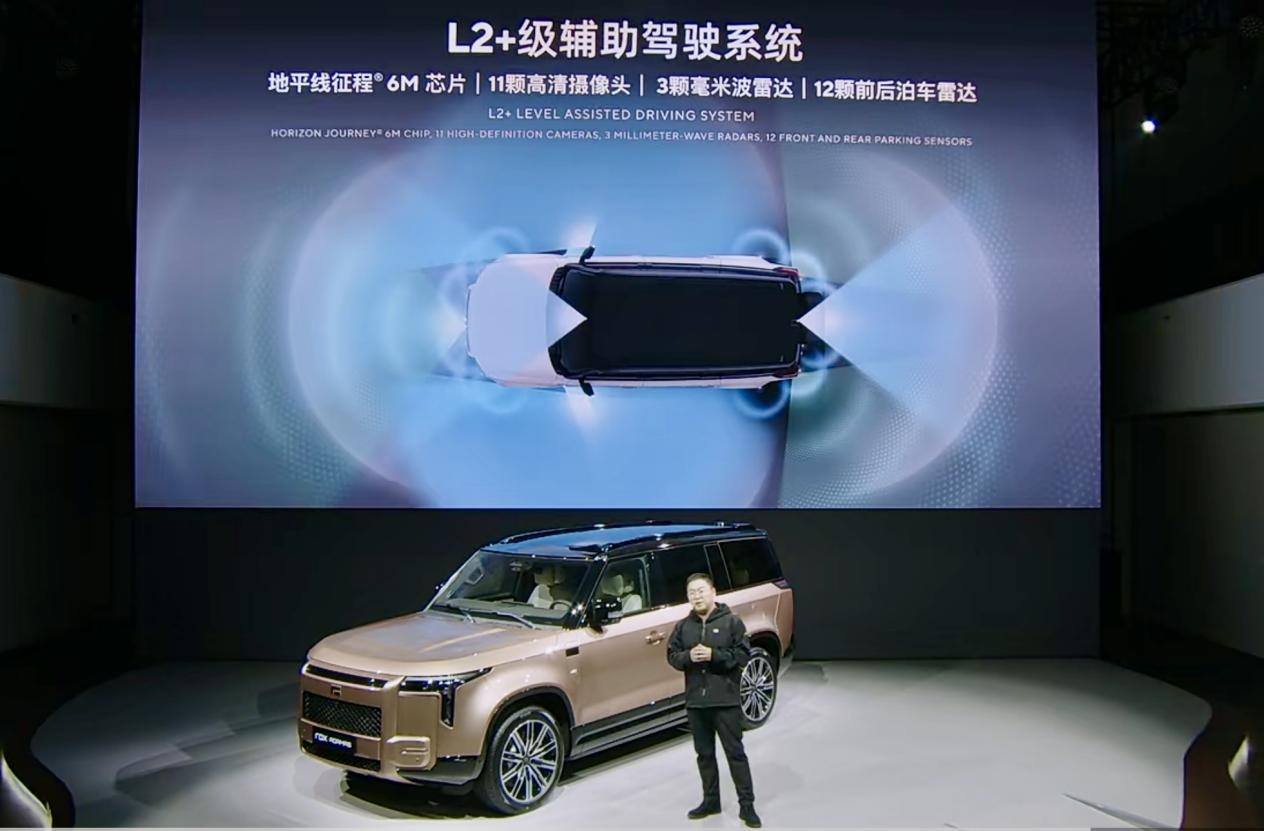
Group 1 - The core product of Jishi Automotive, the rugged SUV model Jishi ADAMAS, was officially launched in China on December 28, 2025, after its initial release in five Middle Eastern countries, with a monthly order exceeding 2,000 units and an overseas price of over $80,000 [1] - Jishi ADAMAS features L2+ level intelligent driving capabilities, marking a shift in the competitive landscape of high-end off-road vehicles from purely mechanical performance to comprehensive intelligent experiences [1] - The partnership with Qingzhou Zhihang, a leading Chinese provider of assisted driving solutions, allows Jishi Automotive to leverage proven technology and reduce R&D costs for overseas models [6] Group 2 - Jishi Automotive has adopted an overseas-first strategy over the past two years, successfully entering over 40 countries and achieving steady sales growth for 12 consecutive months, with December sales reaching 2,528 units and annual deliveries surpassing 15,000, nearly tripling from the previous year [3] - Qingzhou Zhihang's assisted driving products have been installed in nearly one million vehicles, maintaining a leading market share in China's passenger car NOA market, showcasing the reliability and adaptability of its technology [3] - The collaboration between Jishi Automotive and Qingzhou Zhihang is a win-win strategy, enhancing Jishi's product competitiveness while allowing Qingzhou to expand its technology solutions globally, potentially becoming a model for the Chinese smart automotive industry's collaborative expansion [7]

读懂吉利WAM模型,便懂中国智驾的突围逻辑
Xin Lang Cai Jing· 2026-01-14 04:09
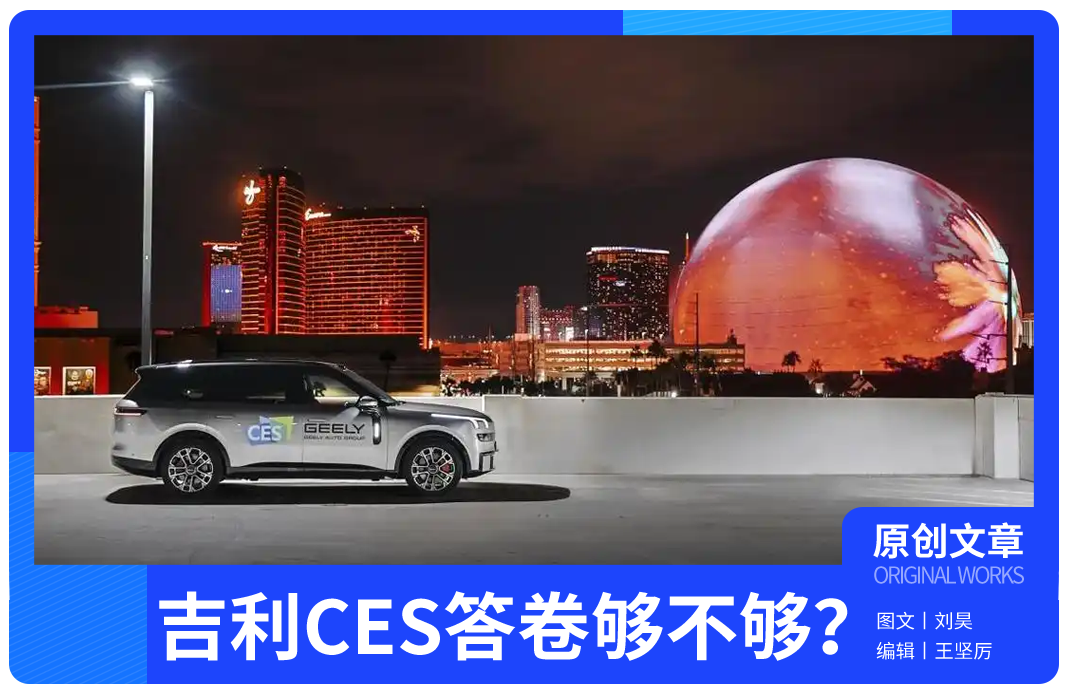
Core Insights - The WAM (World Action Model) by Geely is seen as a significant step for China's smart driving industry, potentially reshaping the competitive landscape for the next five years [2][33]. - WAM aims to unify various automotive systems under a single cognitive framework, addressing the industry's long-standing issue of "information silos" [6][39]. Group 1: WAM Model Overview - WAM serves as a "super brain" for vehicles, allowing disparate systems to operate under a unified logic, enhancing overall vehicle intelligence [9][38]. - The model enables a complete feedback loop for vehicles, allowing them to understand needs, plan tasks, predict scenarios, and dynamically adjust actions [9][39]. - Geely's WAM model is built on the foundation of its previously established AI framework, showcasing a year-long development that sets it apart from competitors still in the conceptual phase [10][39]. Group 2: Technological Innovations - WAM introduces two key innovations: "intelligent embodiment" and "engine-ization," which significantly enhance the user experience in smart vehicles [13][42]. - The "intelligent embodiment" allows vehicles to proactively respond to user needs without explicit commands, transforming them into intelligent partners [13][42]. - "Engine-ization" standardizes core AI capabilities across systems, improving resource efficiency and ensuring consistent decision-making [14][43]. Group 3: User Experience Enhancements - The WAM model has led to substantial improvements in safety, with the G-ASD (Geely Advanced Safety Driving) system achieving a 60% reduction in accident rates under complex conditions [18][49]. - The model enhances user interaction by enabling natural dialogue and emotional recognition, allowing for a more intuitive experience [21][50]. - WAM's "full memory engine" personalizes user experiences by remembering preferences and adjusting settings automatically, making the vehicle feel like a personal assistant [17][52]. Group 4: Industry Impact - The introduction of WAM shifts the competitive focus from hardware specifications to software intelligence, allowing Geely to command a price premium of 15-20% for vehicles equipped with the model [26][56]. - WAM also improves production efficiency, reducing development costs by 300-500 million yuan and shortening development cycles by over 40% [27][56]. - The model positions Chinese automakers as leaders in defining the next generation of smart mobility standards, moving from being followers to innovators in the global market [27][58]. Group 5: Future Outlook - The ongoing evolution of the WAM model is expected to contribute to a significant leap in the smart driving sector, with predictions of a 50% increase in vehicle intelligence within three years [55][60]. - Geely's advancements in smart driving technology are anticipated to enhance the global automotive industry's transition towards intelligent mobility solutions [60].

我国智能机器人海外“大显身手”,两类机器人出口增速超6成
Xin Jing Bao· 2026-01-14 03:55
新京报讯(记者姜慧梓)在1月14日举行的国新办新闻发布会上,海关总署公布数据,2025年,我国智能 机器人在海外大显身手,搬运机器人、焊接机器人出口增速均达到6成以上。 海关总署副署长王军表示,世界贸易组织有关报告认为,去年上半年全球人工智能相关产品贸易增长约 2成,以六分之一的贸易比重贡献了超过4成的全球贸易增量。按照报告的产品口径初步测算,2025年我 国人工智能相关产品贸易趋势与全球基本同步,呈现出蓬勃发展的态势。 "我国的智能机器人不仅会跳舞、跑马拉松、打太极拳,同时也是高效生产的'代名词'。"王军表示,搬 运机器人搭载了视觉系统和算法,可以智能避开障碍物;焊接机器人能够自动扫描建模,计算最优的焊 接方案。这两种机器人在海外基建、交通等大型项目建设中大显身手,去年出口增速都在6成以上。智 能手表、智能玩具等智能穿戴设备去年畅销170多个国家和地区,受到欢迎。 此外,随着我国智能驾驶技术发展迅速,激光雷达进口增长超过2成,人工智能算力需求旺盛,电脑零 部件进口增长20%。同时,我国出口应用于高端显卡领域的光收发模块增长近6成,大型变压器、储能 电池等电工器材出口增长18.8%。 ...

涨价超万元,新一代SU7还能创造神话吗?
3 6 Ke· 2026-01-14 03:45
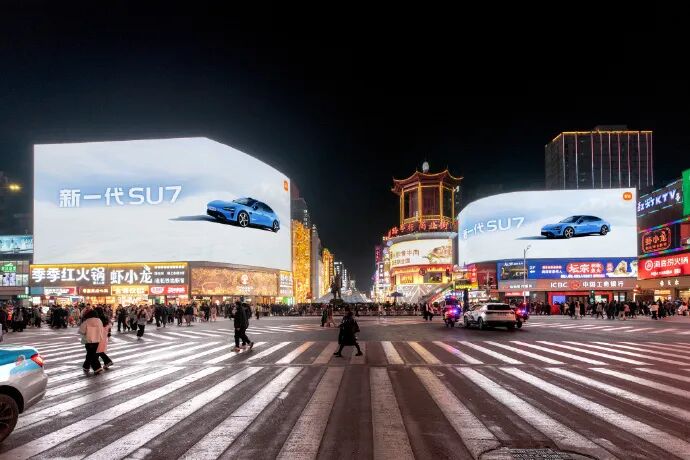
Core Insights - The new generation of Xiaomi SU7 has officially started pre-orders, with three versions priced at 229,900 yuan, 259,900 yuan, and 309,900 yuan, reflecting an increase of 10,000 to 14,000 yuan compared to the previous model, and is expected to launch in April this year [1] - Xiaomi's approach to this update is characterized by a restrained strategy, avoiding a separate launch event and extensive pre-marketing, which is understandable given the established market position of the SU7 [1][4] - The new SU7 aims to address how Xiaomi can continue to advance without disrupting the existing success of a well-validated model in the market [1] Pricing and Cost Factors - The price adjustment is influenced by significant fluctuations in raw material costs, including lithium carbonate and automotive-grade memory, which have increased costs by several thousand to tens of thousands of yuan [2] - The new SU7 represents a typical "increase in quantity while increasing price" model, with systematic upgrades in configuration and structure, leading to increased production costs [1][2] Product Strategy and Design - The new SU7 is viewed as a mid-cycle update rather than a complete overhaul, focusing on stability and addressing shortcomings while maintaining continuity [4][6] - The exterior changes are minimal, primarily focusing on the front grille and introducing a new color option, while the interior features a redesigned layout that enhances usability and balances digital and physical interactions [6][9] - Safety features have been significantly upgraded, including enhanced structural integrity and an increase in the number of airbags from 7 to 9 [6][9] Market Position and Performance - The SU7 has established itself as a benchmark in the 200,000 yuan and above electric sedan market, with cumulative deliveries exceeding 360,000 units before the new model's pre-order [10][12] - The sales structure of the SU7 is healthy, with a significant proportion of sales coming from mid to high-end versions, contrasting with competitors that often rely on lower-priced models [12][14] - The SU7's success is attributed to a comprehensive product system rather than a singular pricing strategy, indicating strong market validation [12][14] Future Challenges and Goals - As the SU7 transitions from a new player to a market benchmark, Xiaomi faces increased scrutiny and competition in the 200,000 yuan and above electric vehicle segment, with established competitors like Tesla and emerging models from other brands intensifying the market landscape [15][17] - Xiaomi aims for a sales target of 550,000 units by 2026, indicating a shift from reliance on a single model to a multi-product growth strategy, with plans to launch four new models, including range-extended vehicles [20][21] - The SU7's role is evolving from merely being the first car to providing a stable sales foundation for the brand, necessitating a careful balance of product performance and market expectations [21][22]

非手机模组销量倍增,丘钛科技2025年溢利同比预增400%-450%
Ju Chao Zi Xun· 2026-01-14 03:25
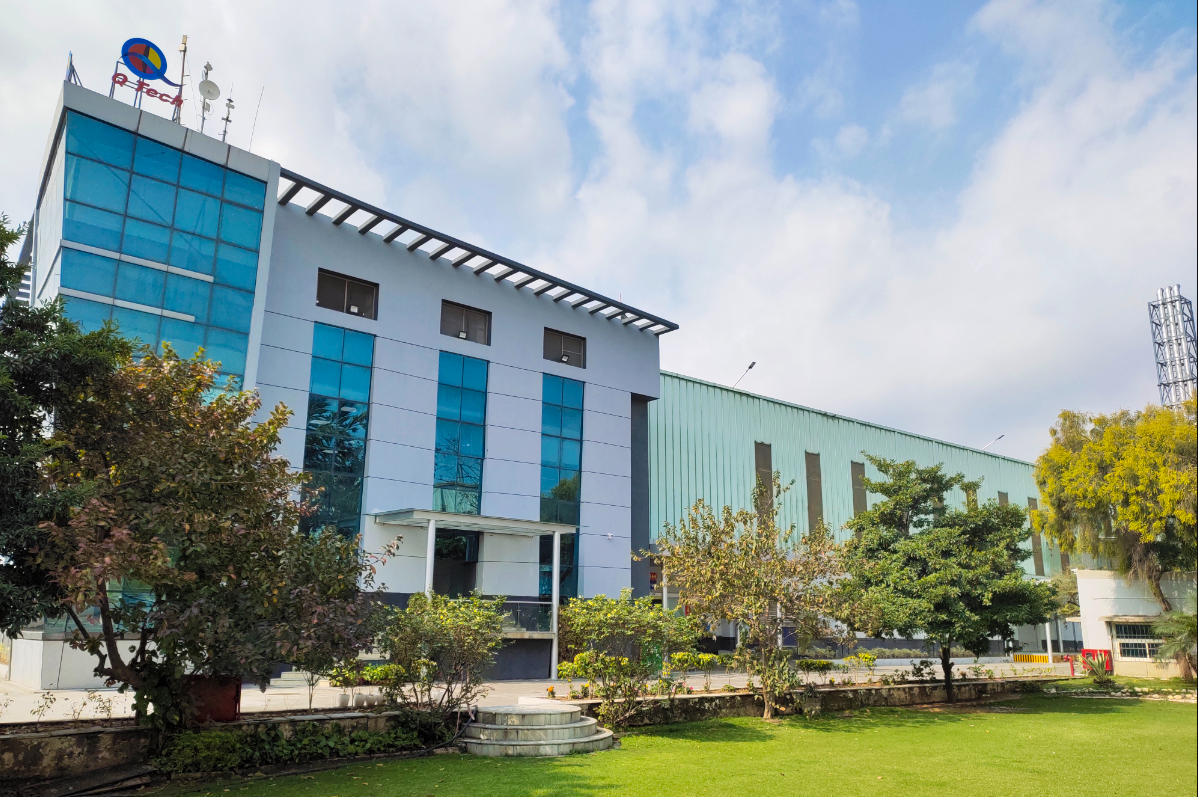
Core Viewpoint - Company expects a significant increase in comprehensive profit for the fiscal year ending December 31, 2025, projecting a growth of 400% to 450% compared to approximately RMB 279 million in the same period of 2024 [2] Group 1: Factors Driving Profit Growth - The substantial profit growth is attributed to three core factors [2][3] - The company is advancing its five-year strategic development plan (2021-2025) to accelerate the expansion of its smart vision product business in non-mobile sectors, benefiting from the rapid growth in global smart driving and IoT smart terminal industries, which has significantly increased the demand for camera modules [2] - The company is focusing on mid-to-high-end camera modules and fingerprint recognition modules, with substantial year-on-year growth in sales of periscope camera modules, optical image stabilization camera modules, and ultrasonic fingerprint recognition modules, leading to improved product value and operational efficiency [2] Group 2: Additional Revenue Sources - The company completed the sale of approximately 51.08% of its subsidiary Kunshan Q Tech Microelectronic (India) Private Limited, recording gains from this transaction [3] - An improvement in the operating performance of an associated company has resulted in recognized profits, contrasting with losses in the same period of 2024, further enhancing the company's profitability [3]
丘钛科技盈喜后高开近7% 预期2025年度综合溢利同比增长约400%至450%
Zhi Tong Cai Jing· 2026-01-14 01:32
Core Viewpoint - Company anticipates a significant increase in comprehensive profit for the fiscal year ending December 31, 2025, projecting a growth of approximately 400% to 450% compared to the fiscal year ending December 31, 2024 [1] Group 1: Financial Performance - Company expects comprehensive profit to rise from approximately RMB 279 million to a range of RMB 1.39 billion to RMB 1.54 billion by the end of 2025 [1] - The stock opened nearly 7% higher following the earnings announcement, currently trading at HKD 9.57, reflecting a 6.81% increase with a trading volume of HKD 6.44 million [1] Group 2: Strategic Development - The board attributes the anticipated profit growth to the ongoing implementation of the company's five-year strategic development plan (2021-2025), focusing on accelerating business development in non-mobile intelligent visual products [1] - The rapid growth in the global smart driving and IoT smart terminal industries has significantly increased the demand for camera modules, leading to a substantial rise in both quantity and specifications of products [1] Group 3: Market Position and Product Strategy - The company maintains strong partnerships with leading smart driving solution providers, handheld imaging device brands, and other prominent IoT smart terminal brands, resulting in a year-on-year doubling of sales volume for camera modules in other sectors [1] - The company continues to focus on mid-to-high-end camera modules and fingerprint recognition modules, with significant year-on-year growth in sales of periscope camera modules, optical image stabilization camera modules, and ultrasonic fingerprint recognition modules, enhancing the product's added value [1]
港股异动 | 丘钛科技(01478)盈喜后高开近7% 预期2025年度综合溢利同比增长约400%至450%
智通财经网· 2026-01-14 01:28
Core Viewpoint - Company expects a significant increase in consolidated profit for the fiscal year ending December 31, 2025, projecting a growth of approximately 400% to 450% compared to the fiscal year ending December 31, 2024 [1] Group 1: Financial Performance - Company anticipates a consolidated profit of approximately RMB 279 million for the fiscal year ending December 31, 2025, marking a substantial increase from the previous year [1] - The stock price opened nearly 7% higher following the earnings announcement, currently trading at HKD 9.57, reflecting a 6.81% increase with a trading volume of HKD 6.44 million [1] Group 2: Business Strategy and Market Trends - Company is committed to advancing its five-year strategic development plan (2021-2025), focusing on the growth of smart visual products outside the mobile phone sector [1] - The rapid development of the global smart driving and IoT smart terminal industries has significantly increased the demand for camera modules, leading to a substantial rise in sales volume and product specifications [1] - Company maintains strong partnerships with leading smart driving solution providers, handheld imaging device brands, and other prominent IoT smart terminal brands, resulting in a year-on-year doubling of sales volume for camera modules in other sectors [1] Group 3: Product Development - Company continues to focus on mid-to-high-end camera modules and fingerprint recognition modules, with significant year-on-year growth in sales of periscope camera modules, optical image stabilization camera modules, and ultrasonic fingerprint recognition modules [2] - The growth in high-end products has effectively improved the company's product added value [2]
车市2025|反“内卷”、闯关L3,十大热词看行业进化轨迹
Bei Ke Cai Jing· 2026-01-14 00:07
Core Insights - In 2025, the focus of competition in China's automotive industry shifts from domestic market share battles to global competition centered on technology, systems, and regulations [1] - The industry is moving towards sustainable value creation, with a significant emphasis on technological innovation and user experience [4] - Key developments include advancements in solid-state batteries and megawatt fast charging technology, aimed at addressing electric vehicle range and charging anxiety [1][16][20] - The trend of "going global" deepens into full value chain localization, while listings attract international capital to reshape the global industry landscape [1][22][24] Group 1: Order Restoration - A "revolution of order" is underway in the automotive industry, countering the detrimental effects of endless price wars that have driven profits to historical lows [2][3] - The government has initiated corrective actions against "involution" competition, with measures including price monitoring and cost investigations [3][4] Group 2: Anti-Involution Measures - The average profit margin in the industry fell to around 4% due to aggressive price wars, prompting a government response to restore healthy competition [3] - A collective commitment from 17 automakers to enforce a 60-day payment term for suppliers was established to stabilize the supply chain and improve cash flow for smaller enterprises [5][6] Group 3: Second-Hand Vehicle Regulations - The "zero-kilometer used car" issue has been addressed, with regulations requiring that exported vehicles labeled as "used" must provide after-sales service commitments and parts supply guarantees [7][8] Group 4: Intelligent Driving Advancements - The automotive industry in China is transitioning from the demonstration phase of intelligent driving to large-scale application and regulatory commercialization [9] - The penetration rate of L2-level assisted driving features in new vehicles reached approximately 64% by Q3 2025, with major automakers standardizing high-level assisted driving in key models [11][12] - The first L3-level automated driving models received conditional approval for road testing, marking a significant legal milestone in the industry [13][14] Group 5: Technological Innovations - The path to solid-state battery commercialization has become clearer, with major automakers announcing production timelines and breakthroughs in technology [17][18] - Megawatt-level ultra-fast charging technology has advanced significantly, with BYD achieving a charging power of 1 megawatt, enabling rapid charging capabilities [20] Group 6: Global Market Dynamics - Chinese automakers are entering a new phase of globalization, focusing on local production and high-end branding to navigate trade barriers [22][23] - A wave of listings in international capital markets is providing substantial funding for Chinese automakers, enhancing their global competitiveness [24][25]

江苏省推进“人工智能+”行动方案 力争2030年产业规模超万亿元
Zheng Quan Shi Bao· 2026-01-13 18:13
Group 1 - Jiangsu has a solid industrial foundation, rich data resources, a concentration of scientific and educational talent, broad application scenarios, and strong innovation potential in the development of the artificial intelligence industry [1] - The "Artificial Intelligence+" Action Plan sets three development goals for 2027, 2030, and 2035, aiming to transition Jiangsu from a major province in AI applications to an innovation-driven province [1][2] - The plan emphasizes the integration of AI into six key areas: scientific research, industrial development, quality improvement in consumption, public services, social governance, and international cooperation, while also focusing on emerging industries such as humanoid robots, low-altitude economy, intelligent driving, biomedicine, and new energy [1] Group 2 - By 2027, Jiangsu aims for over 70% application penetration of new-generation intelligent terminals and intelligent agents, with rapid growth in the industry scale [2] - By 2030, the application penetration is expected to exceed 90%, with the formation of a number of domestically leading large models and large-scale commercial application scenarios, targeting an AI industry scale exceeding 1 trillion yuan [2] - By 2035, Jiangsu plans to establish itself as a leading innovation source and industrial high ground in the "Artificial Intelligence+" sector, entering a new stage of intelligent economy and society development [2]