人民币国际化

Search documents
金融大家评 | 人民币为何走强?明年能否破“7”?
清华金融评论· 2025-12-20 09:14
Core Viewpoint - The article discusses the recent appreciation of the RMB against the USD, highlighting the factors driving this trend and the outlook for the currency in 2026, emphasizing the importance of external and internal economic conditions [2][3][7]. Group 1: Reasons for RMB Appreciation - The appreciation of the RMB is primarily driven by two forces: the weakening of USD credit and the Federal Reserve's easing policies [3]. - A significant factor supporting the RMB's appreciation is the shift in foreign trade enterprises' willingness to convert their earnings, reversing a three-year trend of reluctance to do so [3]. - The recent capital inflow, particularly after the Fed announced a new easing cycle, has been largely attributed to foreign trade enterprises' increased currency conversion activities [3]. Group 2: Central Bank's Management of Cross-Border Liquidity - The central bank has effectively managed cross-border liquidity by lowering swap market premiums to control the pace of foreign capital inflow and guiding domestic expectations through the midpoint rate [4]. - The goal is to align domestic and foreign pricing with the central bank's expectations, achieving a "three-price unification" [4]. Group 3: Changes in RMB Exchange Rate Dynamics - Since April, the negative spread between the RMB midpoint and spot exchange rates has been notable, indicating that the midpoint has been guiding the appreciation of the spot rate [5]. - Seasonal factors, such as increased currency conversion by foreign trade enterprises and overseas workers sending money home before the Lunar New Year, are expected to support the RMB's strength [5]. - The recent shift from a negative to a positive spread between the midpoint and spot rates may reflect adjustments in the central bank's stance [6]. Group 4: Outlook for RMB Exchange Rate in 2026 - The RMB is expected to appreciate gradually in 2026, influenced by the restructuring of the international monetary system and the U.S. government's preference for a weaker dollar [8]. - The narrowing of interest rate differentials between China and the U.S. is likely to support the RMB, as the Fed continues its easing cycle [8]. - Increased internationalization of the RMB, supported by China's competitive manufacturing sector, is anticipated to enhance the currency's attractiveness and stability [8]. Group 5: External Factors and Uncertainties - The impact of U.S.-China tariffs on the RMB is expected to diminish as both economies show resilience under trade pressures [9]. - However, uncertainties remain, including domestic economic stability and external trade relations, which could affect the RMB's performance [12]. - The potential for further depreciation of the USD, driven by the Fed's policies and economic conditions, may also influence the RMB's trajectory [11].


山东海底发现大金矿,幸亏中方海军全球第二,日本想抢根本没戏!
Sou Hu Cai Jing· 2025-12-20 05:26
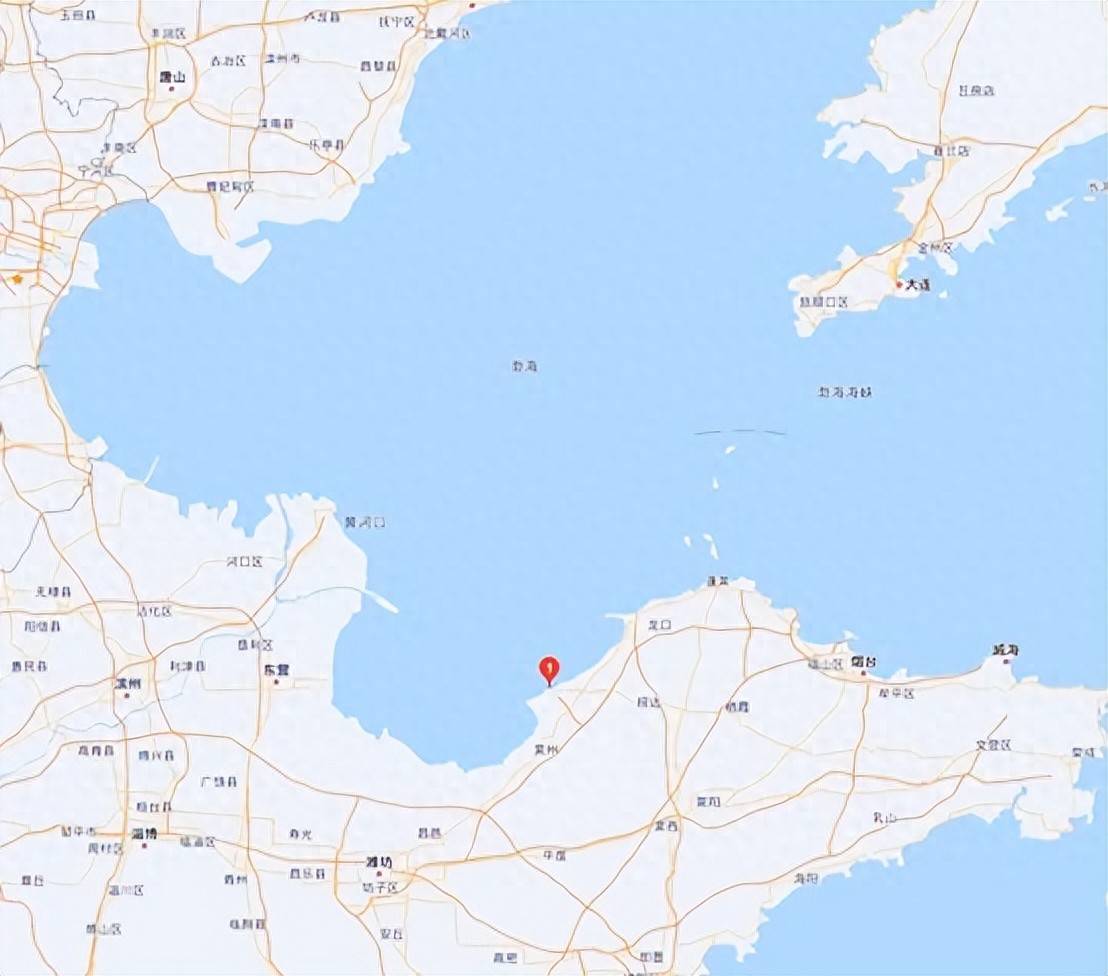
我国通常会在重大自然资源的发现和勘探进展中与国际市场价格紧密联系。最近,我国在山东莱州北部的渤海海域宣布发现了亚洲最大的海底金矿,这一消 息引起了广泛关注,尤其是因为全球金融市场的不确定性不断增加,黄金作为避险资产的需求急剧上升,价格也随之大幅飙升。这一发现的时机无疑让人关 注。 目前,我国对这个金矿的公开信息,可能与2026年全球金融体系的不确定性增加有关系。当前,美国国债已经突破了38万亿美元,而美国每年支付的国债利 息已超过1万亿美元,长期下去这种情况很难持续;与此同时,美国股市中的AI泡沫已接近顶点,AI相关股票吸引了超过20万亿美元的资金,而2026年这一 泡沫是否会破裂,谁也无法预测。日本央行决定加息,而日本经济面临高通胀、低增长的困境,2025年可能会出现负增长,且其政府负债率已经超过 230%。这些因素都可能引发国际金融市场的动荡。作为美国的铁杆盟友,欧盟同样面临经济停滞、能源价格上涨和工业企业外迁等问题。全球不确定性的 增加,导致黄金价格在过去一年半时间里已经翻了一番。 此外,这个金矿位于中国胶东半岛近海,距离美日韩军机和军舰频繁巡航的敏感海域并不远。历史上,日本对东海及黄海大陆架的资源高度 ...
人民币信贷出海“疾进” 外企也来“分杯羹”
经济观察报· 2025-12-20 05:21
随着美元融资利率(4.75%)持续高于人民币融资利率(约 2%),企业基于降低融资成本的自然选择,正加速使人民币 从国际贸易结算货币与储备货币,向全球信贷融资货币进阶。 但与此同时,这条进阶之路上,充满挑战。 作者:陈植 封图:图虫创意 刚从江苏分行回到上海,胡国强又马不停蹄地赶赴浙江分行。 作为一家股份制银行跨境金融部的负责人,10月份他接到一项新工作——从多个分行里尽快挑选 一批具有潜力的员工担任环球客户经理,围绕出海企业的跨境贸易融资、海外建厂信贷等需求,提 供一站式专人负责的本外币一体化、境内外一体化和商投行一体化综合金融服务。 精通跨境人民币业务的员工,成为他的首选。 在一家城商行上海分行担任跨境业务部主管的沈涛向记者透露,其所在的银行也在扩充贸易融资团 队,以响应境外人民币信贷需求。 他们忙碌的背后,是一个正在发生的变化:央行发布的一项金融数据显示,截至2025年10月底, 金融机构境外人民币贷款约为2.5万亿元,同比增长37.5%,较境内人民币贷款增速高出约31个百 分点。 在胡国强看来,境外人民币贷款迎来新的增长点,由三重力量推动:人民币跨境贸易融资业务火热 与企业海外投资建厂使得人民币贷款需 ...
上海经济学会邓志超:中美利差倒挂对中国离岸金融呈推动作用
Xin Lang Cai Jing· 2025-12-20 04:54
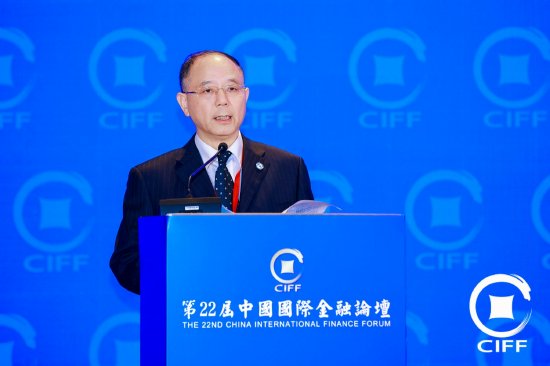
Core Viewpoint - The 22nd China International Financial Forum highlighted the development of offshore finance in China, emphasizing the impact of geopolitical factors, interest rate differentials, and the internationalization of the RMB on the future of offshore finance [1][5]. Group 1: Geopolitical Influence - Geopolitical factors are influencing the demand for China's offshore finance, with China's global economic and political status being a key driver [3][7]. - The current geopolitical climate may reduce the willingness of the US and its allies to invest in China, which is a negative aspect, while it could also encourage the use of RMB over USD by countries closely engaged with China, presenting a historical opportunity for offshore RMB [3][7]. Group 2: Interest Rate Differentials - The current interest rate differential between China and the US stands at 2.2%, which is expected to persist for 2-3 years even if the Federal Reserve lowers rates [4][8]. - The ongoing interest rate differential is likely to accelerate China's outbound investment as capital shifts from the USD system to the RMB system [4][8]. Group 3: RMB Internationalization - The internationalization of the RMB is transitioning from a trade settlement currency to an investment currency, with offshore markets playing a significant role in areas like the Belt and Road Initiative and commodity trade [4][8]. - There is an expectation that the proportion of cross-border RMB transactions will increase, providing new development opportunities for Shanghai's free trade offshore bonds [4][8]. Group 4: Policy Recommendations - The Chinese government is focused on enhancing the Shanghai International Financial Center and reinforcing Hong Kong's status as a global financial hub, which will provide a foundational framework for offshore finance development [9]. - Key policy suggestions include promoting institutional innovation, deepening RMB internationalization, enhancing international cooperation, leveraging technology for efficiency and security, establishing a multi-layered risk prevention system, and fostering collaboration between offshore and onshore markets for optimal resource allocation [9].

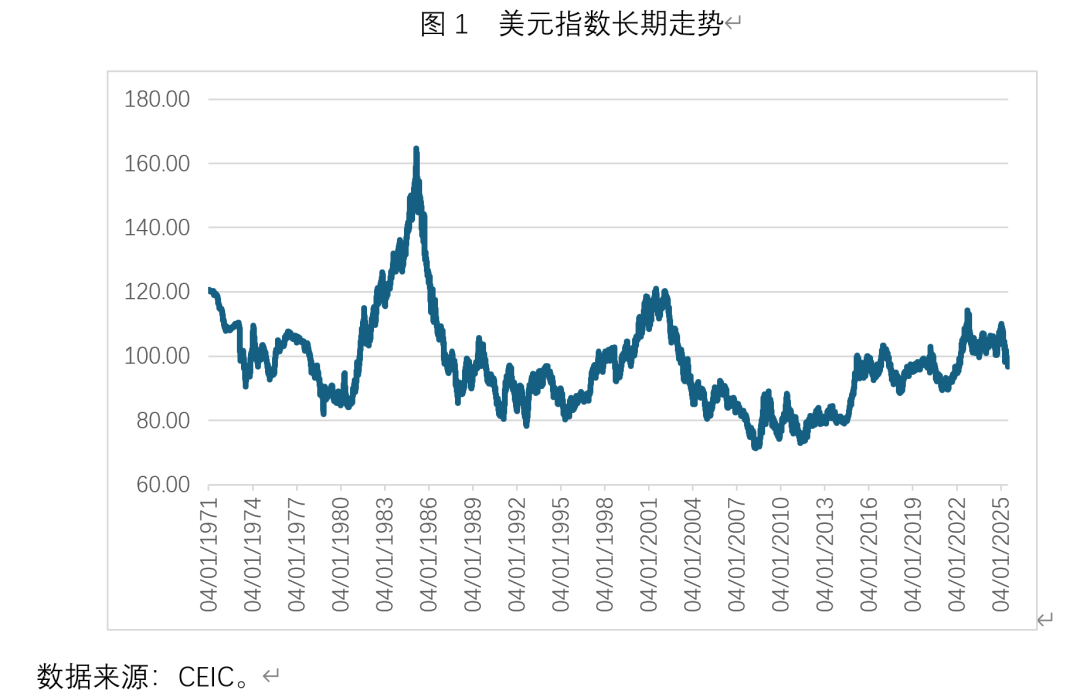
美元指数的中长期走势与2026年展望
Sou Hu Cai Jing· 2025-12-20 04:26
Group 1 - The core viewpoint of the article suggests that the US dollar index is likely entering a prolonged downtrend phase, with significant declines expected in the future [3][10] - Historical analysis indicates that the highest and lowest points of the dollar index have shown a gradual downward trend over three long cycles since 1971, suggesting a weakening of the US economic fundamentals relative to other developed countries [4][10] - The duration of the downtrends in the dollar index has been relatively consistent, averaging around 7-8 years, while the uptrends have been extending, indicating a "short bear, long bull" phenomenon in the dollar index cycles [4][10] Group 2 - The relationship between the dollar index and US interest rates has shown a decreasing correlation in the most recent cycle, with instances of the dollar index declining despite stable or fluctuating interest rates [5][10] - The dollar index has already decreased by 15.1% from September 2022 to June 2025, and the current downtrend may last for another 6-7 years, potentially reaching a low below 71.3 [3][10] - The outlook for the dollar index in 2026 suggests a continued downward trend, with limited declines due to the weak economic fundamentals in the Eurozone and uncertainties surrounding the Japanese yen [12][16][17] Group 3 - The Federal Reserve is expected to continue lowering interest rates in 2026, influenced by a deteriorating labor market and manageable inflation, which may further impact the dollar index [13][10] - Global investor sentiment towards US dollar assets has shifted, contributing to simultaneous declines in US stocks, bonds, and the dollar index, indicating a potential ongoing reduction in confidence in US Treasury securities [15][10] - The economic performance of the Eurozone and Japan is projected to remain weak, which may limit the extent of the dollar index's decline, as the Eurozone's GDP growth is forecasted to be significantly lower than that of the US [16][17]
再创新高!人民币,大消息!
Sou Hu Cai Jing· 2025-12-20 03:37
Core Insights - The People's Bank of China is focusing on advancing financial openness and maintaining national financial security while promoting the internationalization of the Renminbi and developing a comprehensive cross-border payment system [1] - The Renminbi exchange rate against the US dollar has recently strengthened, reaching a high of 7.0417, indicating potential short-term fluctuations [1] Group 1: Financial Policy and Developments - The meeting led by the Governor of the People's Bank of China emphasized the importance of participating in global financial governance reforms and enhancing financial diplomacy [1] - There is a commitment to steadily develop the digital Renminbi and improve the cross-border payment system for the Renminbi [1] Group 2: Currency and Economic Impact - The article highlights the significance of understanding currency history to grasp economic and financial developments, suggesting that the book "Comic History of Money" provides an engaging overview of this evolution [4] - The book illustrates the origins and evolution of money, showcasing how various forms of currency have influenced trade, economy, and politics throughout history [4] Group 3: Historical Context of Currency - The text references notable historical currencies and their associated inventions, as well as significant economic theories and historical events that have been influenced by currency [6]

人民币信贷出海
Sou Hu Cai Jing· 2025-12-20 03:14
te Be the 8 记者 陈植 刚从江苏分行回到上海,胡国强又马不停蹄地赶赴浙江分行。 作为一家股份制银行跨境金融部的负责人,10月份他接到一项新工作——从多个分行里尽快挑选一批具有潜力的员工担任环球客户经理,围绕出海企业的跨 境贸易融资、海外建厂信贷等需求,提供一站式专人负责的本外币一体化、境内外一体化和商投行一体化综合金融服务。 精通跨境人民币业务的员工,成为他的首选。 在一家城商行上海分行担任跨境业务部主管的沈涛向记者透露,其所在的银行也在扩充贸易融资团队,以响应境外人民币信贷需求。 他们忙碌的背后,是一个正在发生的变化:央行发布的一项金融数据显示,截至2025年10月底,金融机构境外人民币贷款约为2.5万亿元,同比增长37.5%, 较境内人民币贷款增速高出约31个百分点。 在胡国强看来,境外人民币贷款迎来新的增长点,由三重力量推动:人民币跨境贸易融资业务火热与企业海外投资建厂使得人民币贷款需求旺盛,以及不少 东盟、非洲地区的当地企业开始引入中长期人民币贷款作为流动性管理工具。 沈涛发现,人民币跨境贸易融资对境外人民币贷款高增长的贡献度尤其巨大。今年以来,他所在分行的人民币跨境贸易融资规模同比增速超 ...

景建国展望“十五五”:将以指数为“锚”,构建与我国经济地位相称的现代化离岸金融生态体系
Xin Lang Cai Jing· 2025-12-20 02:09
Core Viewpoint - The 22nd China International Financial Forum highlighted the development of a smart financial ecosystem in the digital economy era, with a focus on the release of the China Offshore Financial Index Report (2024-2025) [1][7]. Group 1: Offshore Financial Index Insights - The China Offshore Financial Index is described as a comprehensive measure of the depth of financial openness and global competitiveness, serving as a "barometer" and "compass" for national strategy and the Hainan free trade zone [3][9]. - The index increased to 106.50 points in 2024, reflecting a 0.31% growth from 2023, indicating the resilience of China's offshore financial market and providing a solid foundation for building a financial powerhouse [3][5][11]. - The index reveals structural weaknesses such as the decline of traditional businesses and insufficient integration of onshore and offshore finance, offering quantitative data to address these issues with targeted policy measures [3][9]. Group 2: Global Financial Center Development - Shanghai's cross-border RMB payment volume accounts for 47% of the national total, indicating the emergence of a dual-engine model alongside Hong Kong, which supports Shanghai's goal of becoming a global RMB asset allocation center [4][10]. - The gap between the integration of onshore and offshore finance and the IMF's 30% standard highlights a critical area for Shanghai to enhance its global resource allocation capabilities [4][10]. Group 3: RMB Internationalization - The issuance of offshore RMB bonds surpassed 689.9 billion yuan, and the global foreign exchange trading volume of RMB increased to 8.5%, illustrating a positive cycle of "onshore pricing, offshore trading, and global allocation" [4][10]. - These developments are pushing RMB from a settlement function towards roles in trading, reserve, and pricing [4][10]. Group 4: Hainan Free Trade Zone - The full closure of Hainan Island is a significant project for expanding high-level openness, with the offshore financial index monitoring key indicators such as fund flow efficiency and foreign investment participation [4][10]. - The index serves as both a "health check" for the effectiveness of financial openness post-Hainan's closure and a "navigation tool" for making Hainan a global hub for offshore financial innovation [4][10]. Group 5: Future Outlook - The index's increase to 106.50 points marks the beginning of a new phase of stabilization and recovery, shifting the focus from scale expansion to structural optimization [5][11]. - A "106.5+" action plan is proposed to leverage the current index as a starting point, focusing on three collaborative paths to enhance offshore finance qualitatively and quantitatively [6][11]. - The vision for the 14th Five-Year Plan includes a dual-driven approach of "central authorization + local innovation" and "business-first + legislative support" to address structural shortcomings and promote Hainan as an innovative financial testing ground [6][11].
铁矿贸易大反转,中国双线破局,澳洲只能认怂
Sou Hu Cai Jing· 2025-12-19 18:13
Core Viewpoint - The recent developments in the global iron ore market indicate a significant shift in power dynamics, with China moving from a position of dependency to one of influence and negotiation strength in both supply and currency settlement [1][4][16]. Group 1: Market Developments - The first shipment of iron ore from the Simandou mine in Guinea, heavily invested in by Chinese companies, has set sail, with expectations to reach Chinese ports by mid-January [1]. - The Simandou mine is projected to reach an annual production capacity of 120 million tons, with 60 million tons expected by 2026, challenging the dominance of Brazilian and Australian suppliers [1][13]. Group 2: Currency Settlement Changes - BHP, an Australian mining giant, announced that starting from Q4 2025, 30% of its iron ore trade with China will be settled in Renminbi, marking a significant shift in currency dynamics [4][15]. - This change in currency settlement is expected to save Chinese steel mills approximately $8 per ton in exchange costs, leading to an annual savings of around $9 billion [15]. Group 3: Historical Context and Strategic Shifts - Historically, China has been the largest importer of iron ore since 2003, with imports expected to reach 1.237 billion tons in 2024, spending $130 billion, while being heavily reliant on Australian suppliers [7][9]. - The establishment of the China Mineral Resources Group in 2022 has allowed for the consolidation of procurement, enhancing China's negotiating power as the largest buyer [11][18]. Group 4: Future Implications - The launch of the Simandou mine and the adoption of Renminbi for settlements signify a potential reshaping of the global iron ore market, with China gaining alternative supply sources and some control over pricing mechanisms [13][16]. - As the Simandou mine's capacity is fully realized, it is expected to significantly reduce Australia's leverage over China, altering the competitive landscape of iron ore trade [13][18].

美债迎来坏消息,中国出售万亿美债,持有规模降至17年以来最低
Sou Hu Cai Jing· 2025-12-19 16:10
Core Viewpoint - China's holdings of US Treasury bonds have dropped to $688.7 billion as of October, marking a significant decline and the lowest level since October 2008, reflecting a broader trend of global divergence among major bondholders [1][3][5] Group 1: China's Treasury Bond Holdings - In October 2025, China reduced its US Treasury bond holdings by $11.8 billion, falling below the psychological threshold of $700 billion [3] - Since April 2022, China's Treasury bond holdings have been on a downward trajectory, with a cumulative reduction of over $280 billion from 2022 to 2024 [3][5] - The reduction in holdings is contrasted by Japan's increase to $1.2 trillion, indicating a divergence in strategies among major bondholders [3][5] Group 2: Global Bondholder Trends - Overall foreign holdings of US Treasury bonds have decreased to $9.243 trillion, marking a second consecutive month of decline, influenced by the US government shutdown [5] - Japan has been the largest buyer of US Treasury bonds, increasing its holdings for ten consecutive months, while Canada has significantly reduced its holdings [3][5] - The collective reduction among various countries highlights a growing trust crisis in the US dollar's dominance [1][5] Group 3: China's Gold Reserves and Strategy - China's gold reserves reached 74.12 million ounces by the end of October 2025, reflecting a continuous increase over 13 months, indicating a strategic shift towards diversifying foreign exchange reserves [5][7] - The increase in gold holdings is seen as a hedge against the risks associated with US dollar assets, especially following the freezing of Russian foreign reserves [5][7] - The current gold holdings represent only 7.3% of China's official reserves, suggesting room for further increases in gold investments [7] Group 4: US Debt and Economic Context - The total US federal debt has surpassed $38 trillion, with a debt-to-GDP ratio of 123%, raising concerns about long-term fiscal sustainability [9][15] - The US government is projected to face a budget deficit exceeding $2 trillion in 2025, necessitating reliance on foreign buyers for debt issuance [11][15] - The inefficiency of the US debt-driven economic model is highlighted, with each additional dollar of debt only generating $0.70 in economic growth [15] Group 5: Implications for Currency and International Relations - The decline in confidence in the US dollar is prompting a shift towards the internationalization of the renminbi, with increased cross-border transactions and currency swap agreements [11][13] - The global central banks' increasing gold purchases signal a potential shift away from dollar reliance, with 95% of surveyed central banks indicating plans to continue increasing gold reserves [13] - The ongoing trends suggest a potential weakening of the dollar's dominance in global finance, creating opportunities for alternative currencies [13]