ESG

Search documents
呷哺呷哺集团荣获“金骏马ESG可持续发展先锋企业奖”
Zheng Quan Ri Bao Wang· 2025-12-29 07:44
Core Viewpoint - The article highlights that Xiabuxiabu Catering Management (China) Holdings Ltd. has been awarded the "Golden Horse ESG Sustainable Development Pioneer Enterprise Award," recognizing its role as a benchmark for high-quality ESG development in the restaurant industry [1]. Group 1: ESG Reporting and Recognition - Xiabuxiabu Group has publicly disclosed its sustainable development progress for nine consecutive years since releasing its first ESG report in 2016 [1]. - In April 2025, the company published the "2024 Environmental, Social, and Governance Report," detailing its initiatives in green operations, food waste reduction, and low-carbon supply chain transformation [1]. Group 2: Environmental Initiatives - The company aims to create environmentally friendly restaurants by using eco-friendly materials and energy-saving equipment in restaurant design, decoration, and operations, continuously reducing energy and resource consumption [1]. Group 3: Food Waste Reduction Efforts - Xiabuxiabu Group actively participates in industry food waste reduction initiatives and has contributed to the development of the "Guidelines for Enterprises to Reduce Food Waste" by the China Chain Store & Franchise Association (CCFA), providing practical case studies and data support [1].
荣获“年度ESG先锋奖”,天伦燃气(01600.HK)多维铸就可持续发展硬内核
Ge Long Hui· 2025-12-29 05:16
截至2024年末,公司已拥有70个城市燃气项目,覆盖2000万人口,累计铺设中高压输气管道9507公里, 51座加气站与1个LNG工厂形成稳定供应网络,ESG实践与业务规模实现同步增长。 在具体实践中,低碳转型成效显著:2024年公司能源消耗密度降至8.84兆瓦时/百万元收入,较上一年 9.46兆瓦时/百万元收入同比下降6.55%;温室气体排放总量为32342.1吨二氧化碳当量,较2023年的 34680.49吨持续回落;市政供水总量82317.07吨,较2023年减少9.98%,生产环节通过中水回用等措施 节约水资源。 在废弃物管理上,公司将13.41吨有害废弃物委托具备资质的第三方专业处置,433.01吨无害废弃物通过 环卫部门规范分类处理,施工过程中则通过自动喷雾、防尘网覆盖等措施控制扬尘,采用低噪设备与隔 音设施降低噪声污染,全年未出现噪声超标情况。 社会价值践行上,天伦燃气实现了对员工、客户、供应链及社会的全方位责任覆盖。 12月22日,格隆汇"科技赋能·资本破局"线上分享会圆满落幕,备受资本市场关注的"金格奖"年度卓越 公司评选结果同步揭晓。 天伦燃气,凭借在ESG领域的系统性实践与亮眼成效,成功 ...
波司登样本:一个中国消费品牌的韧性增长路径
Guan Cha Zhe Wang· 2025-12-29 03:21
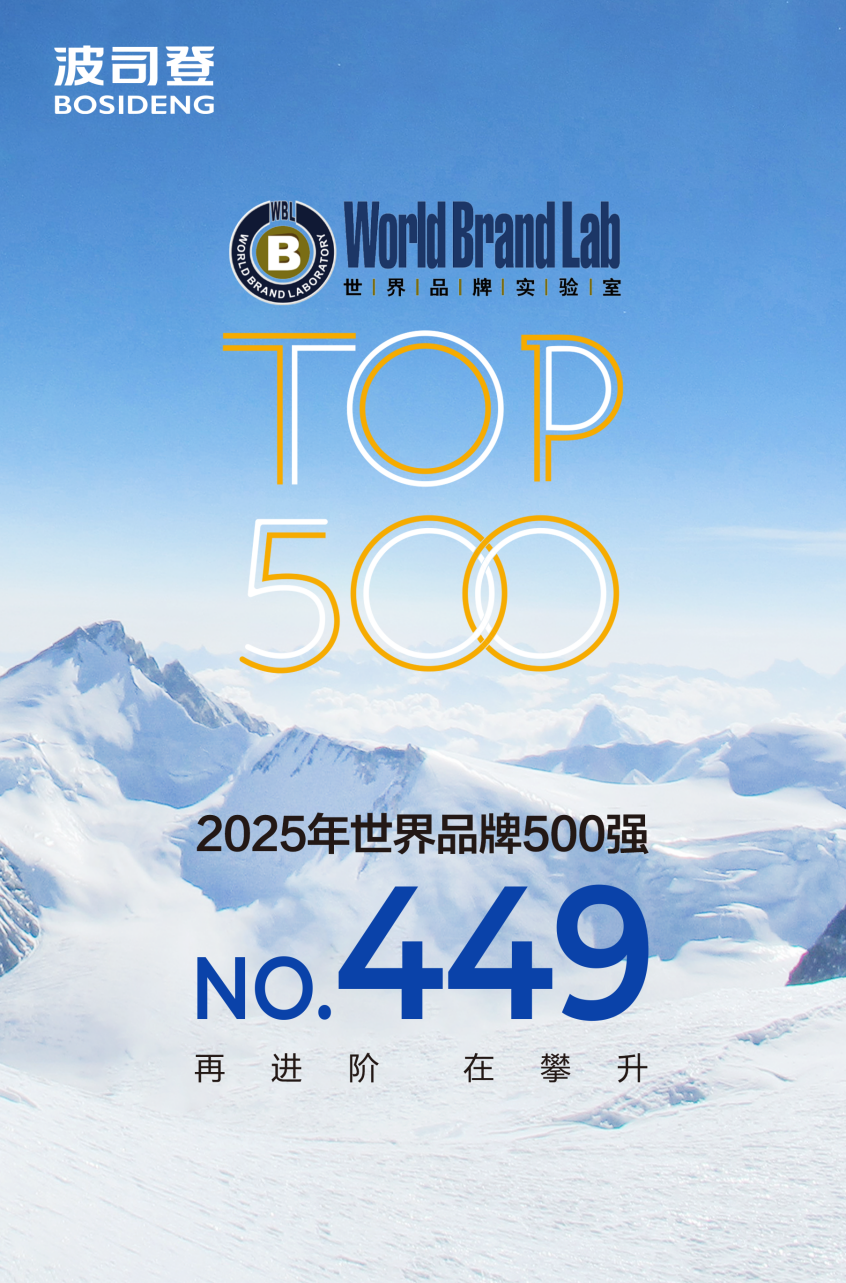
Core Insights - Bosideng has been ranked 449th in the World Brand Lab's "World's 500 Most Valuable Brands," rising 8 places from the previous year, making it the only brand in the Chinese apparel sector to be included [1] - The company has maintained its position as the sales champion in the Chinese market for 30 consecutive years, supported by its core strategy of focusing on the down jacket segment [3][4] - For the first half of the 2025/26 fiscal year, Bosideng achieved a record revenue of 8.928 billion yuan and a net profit of 1.189 billion yuan, with a gross margin of 50% and improved operational efficiency [3][4] Strategic Focus - The strategic focus on "one centimeter in width, one kilometer in depth" has reinforced the core position of the down jacket business, which now accounts for approximately 84.1% of total revenue in the 2023/24 fiscal year [4][5] - This focus has allowed Bosideng to enhance its "value density," contributing significantly to its inclusion in the World Brand 500 [4][5] Product Innovation and Market Positioning - Bosideng's down jacket business contributes about 65%-70% of the group's revenue, maintaining industry-leading gross margins [5] - Collaborations with renowned international designers, such as Kim Jones, have injected high fashion elements into products, breaking traditional stereotypes and appealing to younger consumers [5][10] - The company has also invested in high-end markets through acquisitions, such as holding over 30% of the Canadian brand Moose Knuckles and forming a joint venture with the German brand Bogner [5] Technological Advancements - Bosideng's smart manufacturing facilities have achieved over 90% automation in key processes, utilizing the GiMS industrial internet platform for data integration from order to delivery [8] - The company has made significant technological breakthroughs in down jacket features, including insulation, lightweight materials, and adaptability to extreme conditions [8][10] Sustainability and ESG Initiatives - Bosideng has established a clear "1+3+X" ESG strategy framework, committing to achieve net-zero emissions by 2038 [15][16] - The company has implemented various sustainable practices, including 100% responsible down certification and significant use of recycled materials [15][16] - Bosideng's "near-zero carbon" smart factory has become a national benchmark for green manufacturing, significantly reducing carbon footprints [16] Social Responsibility and Governance - The company has invested in employee training and development, with over 178,100 hours of training and a female management ratio exceeding 50% [17] - Bosideng has contributed over 265 million yuan in donations through its charity foundation, benefiting numerous communities across China [17] Future Outlook - Bosideng aims to continue its dual focus on the down jacket segment and fashionable functional apparel, integrating global resources and increasing R&D investments [20] - The founder emphasizes the company's commitment to innovation and responsibility, positioning Bosideng as a leading global brand in the fashion industry [20][21]

非遗守正,责任致远——全聚德荣获2025金融界“金智奖”ESG践行卓越案例奖
Jin Rong Jie· 2025-12-29 03:01
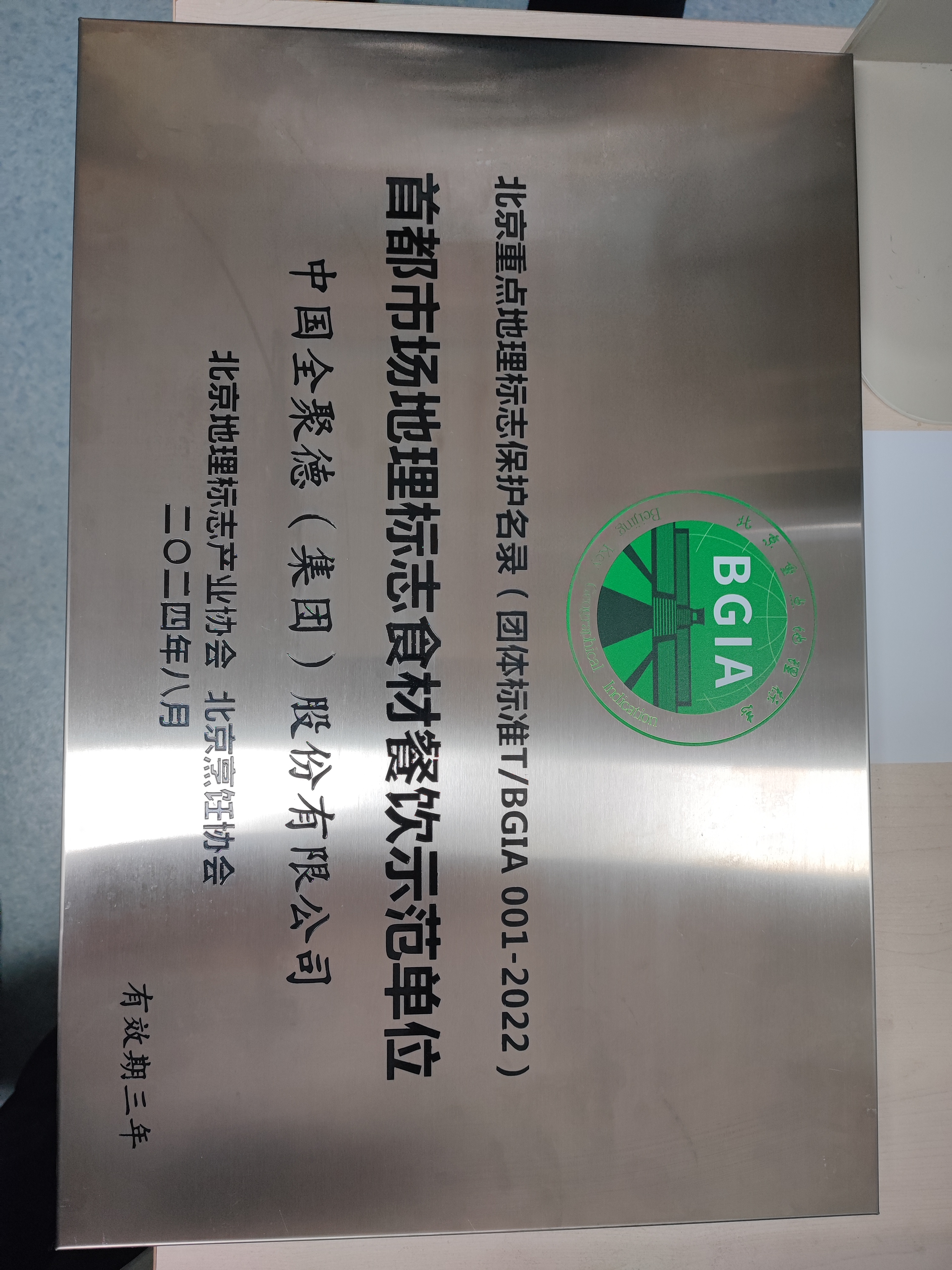
12月26日,由金融界主办的"启航・2025金融年会"在北京盛大启幕。会上,第十四届金融界"金智奖"年度评选结果重磅揭晓。中华老字号代表企业——全聚 德集团,凭借其在环境、社会与公司治理(ESG)领域的扎实实践与创新成果,荣获"ESG践行卓越案例奖"。这份殊荣不仅是对全聚德将可持续发展理念深 度融入企业战略的高度认可,更标志着传统餐饮企业在新时代高质量发展道路上的转型突破。 "金智奖"作为国内极具公信力与影响力的金融奖项之一,始终秉持"公平、公正、专业"的评审原则,从经营表现、社会责任、绿色发展和公司治理等多角度 进行全面评估。全聚德能在本次评选中脱颖而出,充分彰显了其在ESG道路上的先锋角色与标杆价值。 绿色运营:从"烟火气"到"低碳范" 作为拥有超过160年历史的中华美食文化符号,全聚德近年来在保留传统烤鸭技艺精髓的同时,也积极响应国家"双碳"战略号召,着力推动绿色转型。公司 率先在核心门店引入智能能源管理系统,通过余热回收、高效灶具替换、光伏发电等技术手段,实现单店年均能耗降低18%。其中,北京前门店作为"零碳 餐厅"改造试点,2024年全年减少碳排放超过300吨,并获得北京市绿色餐饮示范单位称号。 在 ...

国联股份荣获第十四届金融界“金智奖”ESG践行卓越案例,打造“数字”国联、“绿色”国联、“幸福”国联
Jin Rong Jie· 2025-12-29 03:01
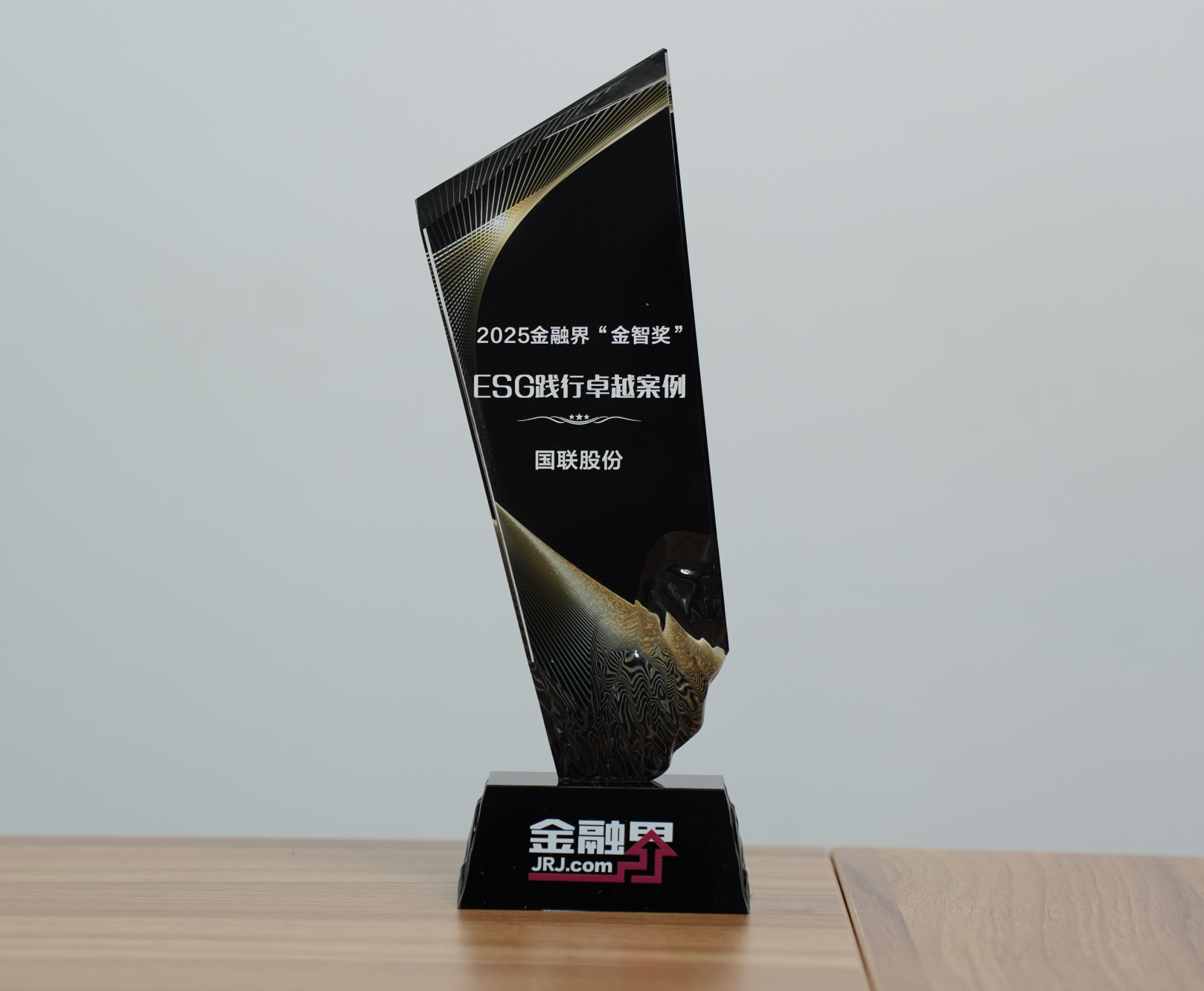
Core Insights - The "Qihang·2025 Financial Summit" held on December 26 in Beijing focused on the theme "New Starting Point, New Momentum, New Journey," gathering hundreds of leaders and guests from regulatory bodies, industry associations, financial institutions, listed companies, and media [1] - The 14th Financial界 "Golden Wisdom Award" results were announced, with Guolian Co., Ltd. recognized for its exemplary practices in ESG across three dimensions [1][4] ESG Practices and Recognition - Guolian Co., Ltd. was awarded the "ESG Exemplary Case" for its significant achievements in environmental sustainability, social value creation, and corporate governance optimization [4] - The award aims to set a benchmark for high-quality development and encourage listed companies to focus on their core business, innovate, and fulfill social responsibilities, aligning with the national strategy of the "14th Five-Year Plan" [3][4] Strategic Directions and Achievements - Guolian Co., Ltd. integrates ESG principles into its development strategy, establishing a comprehensive ESG management framework and identifying nine long-term strategic directions based on the E, S, and G dimensions [4][5] - The company leverages digital technology to enable low-carbon transformation in the industrial chain, optimizing logistics through smart warehousing and multi-modal transport, and assisting over 30,000 industrial enterprises in energy consumption optimization and cost reduction [4][5] Social Responsibility Initiatives - Guolian Co., Ltd. promotes social responsibility through its "Duoduo System" platform, which supports rural revitalization by facilitating agricultural product sales, and engages in various charitable actions such as donations for education, tree planting, and pandemic support [5] - The company emphasizes employee development by creating a "Guolian Academy" metaverse training platform and diverse career pathways, while ensuring compliance through comprehensive anti-corruption training [5] Governance and Future Directions - Guolian Co., Ltd. has established a robust ESG management structure, incorporating ESG metrics into executive assessments to ensure strategic implementation [5] - The company adheres to international standards for sustainability reporting and is committed to enhancing digitalization and ESG integration, focusing on green technology research and development, industry chain responsibility collaboration, and governance system optimization [5]

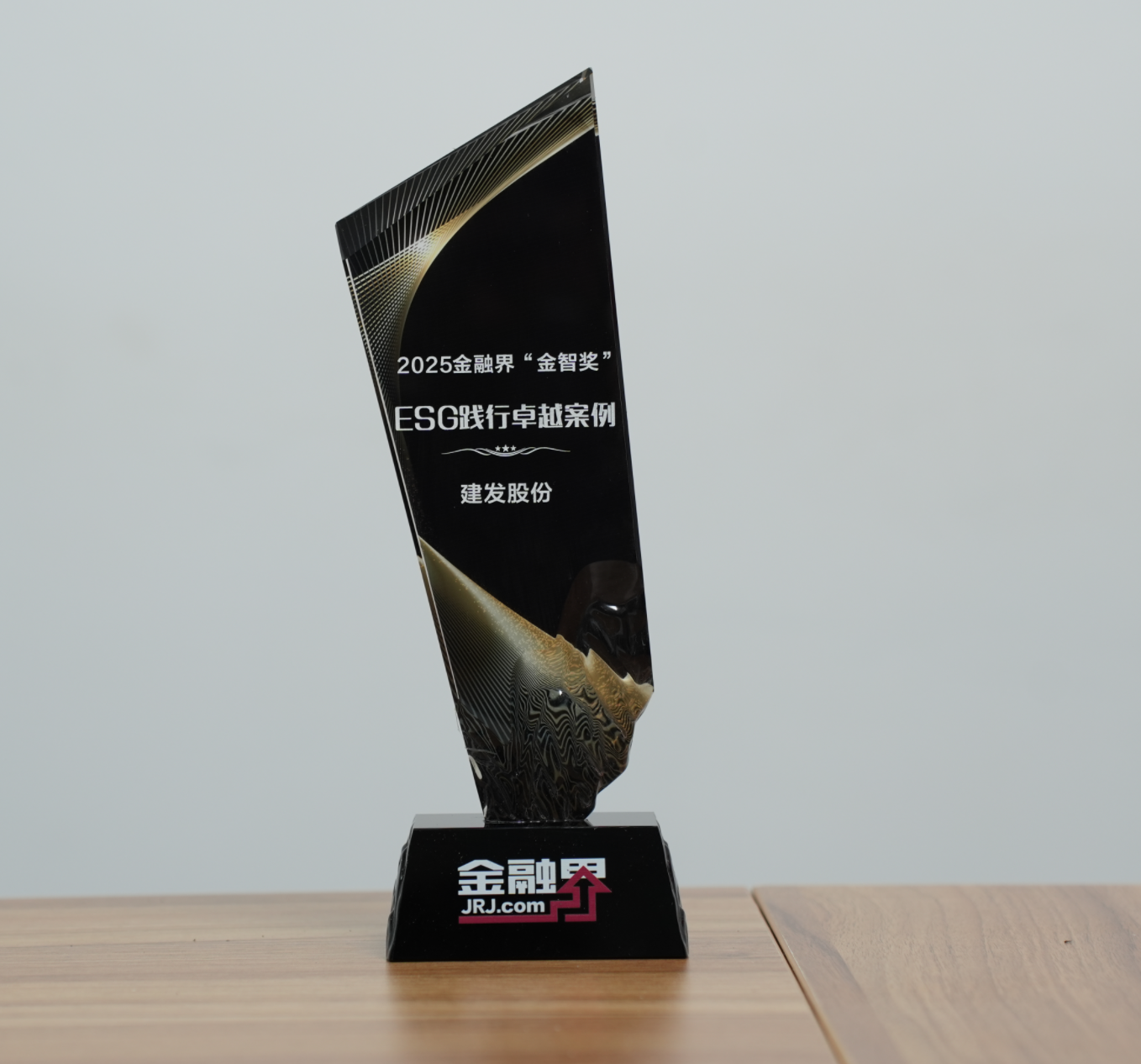
建发股份荣获第十四届金融界“金智奖”ESG践行卓越案例,可持续发展理念深植业务基因
Jin Rong Jie· 2025-12-29 03:01
Core Viewpoint - The "2025 Financial Summit" held on December 26 in Beijing highlighted the importance of green development and corporate social responsibility, with Jianfa Co. winning the "ESG Exemplary Case" award for its outstanding practices in these areas [1][3]. Group 1: Event Overview - The summit gathered hundreds of leaders and guests from regulatory bodies, industry associations, financial institutions, listed companies, and media [1]. - The "Golden Intelligence Award" results were announced, focusing on high-quality development and aligning with the strategic direction of the 14th Five-Year Plan [3]. Group 2: Jianfa Co.'s Achievements - Jianfa Co. was recognized for its systematic efforts in green development, social responsibility, and corporate governance, marking a significant acknowledgment of its long-term commitment to ESG practices [3][4]. - The company has been disclosing its social responsibility reports for 12 consecutive years since 2010 and upgraded its ESG report to a sustainable development report in 2023 [3][4]. Group 3: ESG Practices and Commitments - Jianfa Co. has committed to achieving "carbon peak" by 2030 and "carbon neutrality" by 2060, with the release of its first "Carbon Neutrality White Paper" [4]. - The company adheres to national green building standards and has completed 12 new green building projects in 2024, contributing to its green development initiatives [4]. - Jianfa Co. integrates the United Nations Sustainable Development Goals (SDGs) into its operations and has established a community policy to enhance collaboration with local communities [4]. Group 4: Industry Recognition and Ratings - Jianfa Co. maintains a leading position in ESG ratings, scoring 45 in the S&P Global Corporate Sustainability Assessment, placing it in the top 12% globally [5]. - The company received an A rating from Huazheng Index and an A- rating in the Hang Seng Sustainable Development Index, ranking in the top 10% of the market [5].

2025 ESG的价值觉醒时刻
Zhong Guo Zheng Quan Bao· 2025-12-28 22:12
TCL中环陆续克服了"ESG与业务两张皮""数据碎片化难追溯""供应链协同成本高"等难题。如今,公司 的ESG实践进入深水区。"2025年,我们持续去伪存真,彻底摆脱为合规而做ESG的惯性,将其深度嵌 入技术创新、全球经营与产业链协同,让ESG成为价值创造的引擎。"杨永焘说。 TCL中环实现的ESG价值体现在降低成本与风险控制两个方面。该公司2024年度可持续发展报告显示, TCL中环通过技术创新持续推动减碳,降低了生产制造成本,同时将环境目标转化为产品竞争力。通过 工艺升级,光伏产品年度用电强度下降15%,取水强度下降19%。在供应链管理方面,通过建立供应商 全生命周期ESG评估体系,联动上下游共建绿色供应链,同步降低供应链合规风险与协同成本。 ESG实践带来的另一项价值是增强经营韧性。"公司已形成将ESG投入转化为价值的正向循环,即便身 处行业周期底部,仍凭借可持续实践增强了经营韧性。"杨永焘表示,公司持续投入技术改造与绿色产 能建设,范围一、二温室气体排放持续下降,生产端资源利用效率提升带动单位产品成本下降。同时, ESG成为企业全球化布局的"通行证",2025年TCL中环对标国际ESG要求,完善生产制 ...
积极履行社会责任 更好展现担当作为——二〇二五企业社会责任论坛发言摘编
Ren Min Ri Bao· 2025-12-28 22:01
Group 1 - China Power Construction Group Co., Ltd. emphasizes its commitment to national development and has undertaken nearly 4,000 projects in 139 countries, contributing to local economic growth and improving livelihoods [1] - The company has over 50 million kilowatts of installed capacity in renewable energy projects and has participated in global energy governance by establishing 13 international standards and translating over 1,100 advanced standards [1] - China Power Construction has integrated innovation with responsibility, overcoming key technical challenges in major projects and developing advanced technologies such as laser 3D scanning and underwater robots [1] Group 2 - Kweichow Moutai Brewery focuses on high-quality development through industrial transformation, leveraging its unique brewing ecosystem and exploring high-value utilization of by-products [2] - The company has invested over 400 million yuan in watershed protection and has achieved a vegetation coverage rate of 49.7% in the Chishui River basin, promoting a positive cycle of ecological protection and industrial development [2] - Moutai has contributed over 500 million yuan in support of local development and has implemented more than 70 public welfare projects benefiting over 5 million people [2] Group 3 - Lenovo Holdings integrates social responsibility into its overall strategy, viewing it as a key driver of high-quality development [3] - The company has invested in 215 national-level specialized enterprises and provides free training for tech entrepreneurs, supporting rural revitalization and women's entrepreneurship [3] - Lenovo emphasizes ecological priority and green development, with its subsidiary Lenovo Group establishing a green carbon reduction system [3] Group 4 - 3D printing technology is recognized as a key driver of innovation in modern manufacturing, significantly shortening product development cycles and enabling complex structures at lower costs [4] - The technology is widely applied in various sectors, including aerospace, military, and automotive, enhancing manufacturing precision and performance [4] - Companies are encouraged to focus on integrating technology development with industrial innovation to lead in the global additive manufacturing field [4] Group 5 - Shaanxi Xifeng Liquor Group emphasizes cultural heritage and technological innovation in its high-quality development strategy [5] - The company has established a digital and intelligent factory and a comprehensive quality control system to ensure product safety [5] - Xifeng Group has expanded its market presence internationally, transitioning from product output to standard output [5] Group 6 - Yanchang Petroleum has maintained stable production levels for 19 years, with crude oil output reaching over 10 million tons and natural gas production exceeding 12 billion cubic meters [6] - The company aims to achieve an oil and gas equivalent of over 20 million tons in 2024, with profits increasing sixfold during the 14th Five-Year Plan period [6] - Yanchang Petroleum has launched over 50 high-quality projects, contributing to local infrastructure and employment [7] Group 7 - Shaanxi Construction Holding Group integrates social responsibility into its development strategy, focusing on national strategic initiatives and regional development [9] - The company has established over 30 innovation platforms and invested in more than 200 projects related to smart cities and green energy [9] - During the 14th Five-Year Plan period, the group has invested over 41 million yuan in skill training and has completed numerous projects benefiting over 2.3 million people [9] Group 8 - China Copper Corporation emphasizes high standards in social responsibility and has established a comprehensive work system to promote collaborative development [10] - The company has built 12 national-level and 13 provincial-level green factories, focusing on sustainable resource supply and low-carbon upgrades [10] - China Copper is involved in rural revitalization projects, supporting collective economy and infrastructure development [10] Group 9 - The ESG (Environmental, Social, and Governance) framework in China is transitioning from awareness to practical implementation, with a focus on systematic management and high-quality reporting [11][12] - Companies are encouraged to enhance their brand through responsible practices and engage with small and medium enterprises in their supply chains [12] Group 10 - Samsung has been committed to social responsibility in China for 33 years, focusing on rural development, technology education, and environmental protection [13] - The company has initiated projects to support rural revitalization and has provided platforms for technology education to over 700,000 young people [13] - Samsung integrates low-carbon principles into its product lifecycle and collaborates with nearly 3,000 supply chain partners to promote green development [13] Group 11 - JD.com prioritizes employee welfare and has invested significantly in housing and support for its workforce, including over 90,000 employees [15] - The company emphasizes customer trust and community growth, implementing profit-sharing models that benefit employees and partners [15] - JD.com has initiated green logistics and supply chain projects to promote environmental sustainability [15] Group 12 - Gu Yu Biotechnology Group leverages "technology + culture" to drive high-quality development, focusing on innovation and cultural heritage [17] - The company has established a research and development center and is expanding its raw material library to enhance its product offerings [17] - Gu Yu is committed to sustainable practices, including eco-friendly production methods and community engagement through environmental initiatives [17]
2025,ESG的价值觉醒时刻
Zhong Guo Zheng Quan Bao· 2025-12-28 21:08
2025年临近尾声,在监管与政策的双轮驱动下,企业ESG实践由表及里、由虚向实,无论是通过技术创 新实现生产环节的减碳降本,还是推动供应链协同,抑或是构筑品牌长期竞争力,企业都在不断发掘 ESG的"价值密码"。 业内人士认为,2025年,ESG的影响力不只体现在资本市场,还进一步延伸至实体经济,正在与产业转 型和高质量发展相结合,预计2026年ESG实践将从合规驱动步入价值创造的新阶段。 ● 本报记者 郑萃颖 发掘多面价值 光伏设备生产商TCL中环的ESG经理杨永焘回忆道,企业最初开展ESG实践的动力,一方面来自"双 碳"政策与信息披露的监管要求,另一方面是为适配全球化战略,突破海外市场的ESG准入门槛。更深 层的驱动力则来自光伏行业白热化的竞争态势本身。"我们希望借助ESG,构建起公司差异化的竞争优 势。"他坦言。 TCL中环陆续克服了"ESG与业务两张皮""数据碎片化难追溯""供应链协同成本高"等难题。如今,公司 的ESG实践进入深水区。"2025年,我们持续去伪存真,彻底摆脱为合规而做ESG的惯性,将其深度嵌 入技术创新、全球经营与产业链协同,让ESG成为价值创造的引擎。"杨永焘说。 TCL中环实现的E ...
Nickel Is Hated Enough To Be Loved - BHP Group (NYSE:BHP), First Quantum Minerals (OTC:FQVLF)
Benzinga· 2025-12-28 20:41
Core Viewpoint - Nickel is experiencing a bullish trend after a bearish year, with a 5.5% rally in a month, but its sustainability remains uncertain [1] Market Dynamics - Nickel prices fell significantly, reaching as low as $14,600 per ton last month, leading to major Western producers shutting down operations due to oversupply and battery substitution concerns [1][4] - The demand for stainless steel and electric vehicles (EVs) initially drove nickel production from 800,000 metric tons in 2019 to 2.2 million in 2024, resulting in a structural surplus [3][4] - The International Nickel Study Group projected a surplus of 179,000 tons in 2024, increasing to 198,000 tons in 2025, with LME warehouse inventories exceeding 254,000 tons [4] Demand Trends - Demand for nickel-rich battery chemistries is growing slowly, with nickel-free LFP batteries increasing by 7% year-on-year compared to just 1% for nickel-bearing batteries by late 2024 [5] - Policy changes, such as the repeal of the US$7,500 EV tax credit, have negatively impacted EV sales and sentiment [5] Supply Chain Risks - Indonesia dominates nickel production, accounting for over half of global output in 2025, but this concentration poses systemic risks due to environmental concerns and reliance on coal power [6][7] - Australia's nickel production has significantly declined from over 150,000 tons to about 60,000 tons due to high operational costs compared to Indonesia [8] Future Outlook - Nickel's demand outlook remains in the mid-single digits, with expectations of doubling battery demand by 2030 despite the LFP trend [10] - A potential shift from surplus to deficit in the late 2020s is anticipated, driven by the continued reliance on nickel-rich chemistries for high-performance EVs [11] - The market faces risks from Indonesia's continued output growth and the rapid adoption of alternative battery technologies [12] Investment Perspective - Nickel is viewed as a deep-value contrarian commodity, with potential for rebalancing despite current oversupply and dependence on a politically complex supplier [13]