美元霸权

Search documents
反转的裁决与频现的“三杀”:特朗普关税乱象正重新定义权力与财富?
Sou Hu Cai Jing· 2025-05-30 04:36
Core Points - The U.S. International Trade Court ruled against several tariff executive orders from the Trump administration, marking a significant judicial setback for the former president [2][5] - Following the ruling, the Trump administration quickly appealed, and the Federal Circuit Court temporarily stayed the Trade Court's decision, allowing the tariffs to remain in effect during the appeal process [2][5] - The rapid reversal of the court's decision briefly boosted financial markets, but the dollar remained weak, indicating increased market volatility and a potential shift in the financial landscape [3][6] Tariff Policy Impact - Trump's significant tariff increases on various goods, including steel, aluminum, electronics, and agricultural products, aimed to protect U.S. industries and reduce trade deficits, but led to global market turmoil and criticism from major economies [4][5] - The tariffs have polarized domestic reactions, with some U.S. manufacturing and agricultural groups supporting them, while sectors like technology and retail warn of rising costs and diminished consumer confidence [4][5] - Economists predict that an escalation of the tariff conflict could slow global economic growth and potentially trigger a new recession [4] Market Reactions - The financial markets have experienced rare simultaneous declines in stocks, bonds, and the dollar, a phenomenon referred to as the "triple whammy," indicating structural vulnerabilities in the U.S. financial system [7][8] - The simultaneous downturn reflects a significant shock to investor confidence, with historical data showing that such occurrences are typically rare and indicative of severe underlying issues [7][8] Investor Sentiment - The uncertainty surrounding tariff policies and market volatility has eroded investor confidence, prompting a reassessment of the U.S. market's safe-haven status and accelerating a trend towards diversification in investment strategies [6][12] - Investors are increasingly shifting their focus to non-dollar assets, such as Japanese bonds, gold, and Chinese assets, as the appeal of traditional U.S. assets diminishes [12][13] Future Outlook - The long-term outlook for the U.S. financial markets will depend on several factors, including the continuation of Trump's policies, the Federal Reserve's monetary policy decisions, and investors' asset allocation choices [14] - The potential for a trade agreement with China could restore confidence in the dollar and U.S. assets, while aggressive monetary easing by the Fed could further undermine the dollar's global standing [14][15] - The ongoing challenges to the institutional framework supporting the dollar, including attacks on the Federal Reserve's independence, may lead to a reevaluation of the dollar's dominance in global finance [13][15]


美元与军火,美国霸权的双重杠杆
Sou Hu Cai Jing· 2025-05-29 11:52
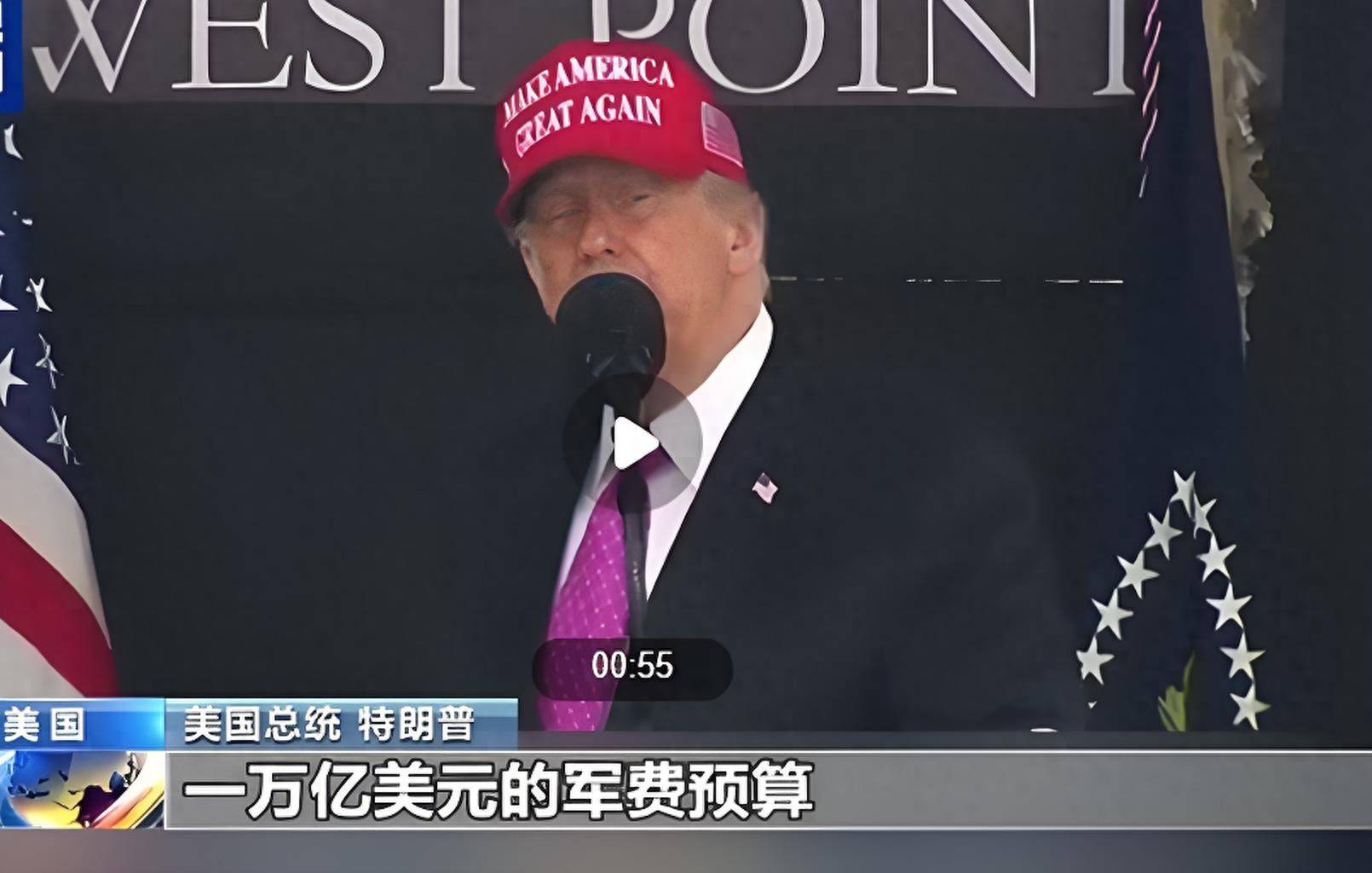
Core Viewpoint - The intertwining of U.S. military and financial hegemony is creating a vicious cycle of military spending and currency devaluation, leading to a global arms race dominated by the U.S. [1] Military Spending - The U.S. military budget for 2024 is projected to reach $997 billion, accounting for 37% of global military expenditures, with expectations to exceed $1 trillion by fiscal year 2026 [3] - A significant portion of this budget, 44%, is allocated to personnel salaries and pensions, raising concerns about the actual investment in weapon modernization compared to China [3] - The funding is primarily aimed at maintaining 140 military bases and 800 overseas military facilities [3] Financial Strategy - The U.S. is leveraging military deterrence and financial extraction by compelling allies to purchase American weapons and binding them to the dollar-based financial system [4] - In 2023, U.S. military aid to Ukraine amounted to $6 billion, with over 40% returning to the U.S. defense industry through arms orders, illustrating the closed-loop of military aid, arms trade, and dollar repatriation [4] Currency Devaluation - The U.S. dollar index has fallen by 8% since 2024, while the U.S. is transferring the costs of its hegemony through "fiscal deficit monetization," exporting inflation globally [5] - The national debt has surpassed $35 trillion, with the Federal Reserve's quantitative easing policies shifting debt costs to countries holding dollar assets [5] Political Implications - The military-financial model is increasingly constraining U.S. domestic spending, with military expenditure reaching 3.2% of GDP in 2024, significantly above NATO's 2% standard [7] - The military-industrial complex is influencing U.S. politics, as seen in Trump's 2025 legislation linking military spending increases to tax cuts for the wealthy [7] Global Response - The credibility of the dollar is being undermined, with oil-producing nations like Saudi Arabia exploring non-dollar settlement systems and BRICS countries promoting local currency swap agreements [9] - To maintain its hegemony, the U.S. is compelled to increase military spending, with the 2026 budget focusing on next-generation aircraft and nuclear modernization for global military interventions [9] Conclusion - The U.S. has demonstrated over 70 years that hegemony cannot be sustained indefinitely, as military spending erodes future prospects and currency devaluation undermines global trust [11] - A new global governance order based on multilateralism is needed, moving away from the zero-sum game of military intervention [11]
美债失控中国这回不救了:黄金在涨,人民币在跑,美国靠谁续命?
Sou Hu Cai Jing· 2025-05-29 10:05
Group 1 - The article highlights China's strategic shift away from US debt, emphasizing a significant reduction in US Treasury holdings from $1.3 trillion to $784.3 billion, marking a clear separation from US financial policies [4] - China's gold reserves have increased to 2,292 tons, with a rise in the gold reserve ratio from 3% to 5%, indicating a move towards building a financial firewall against US economic instability [4] - The internationalization of the Renminbi is accelerating, with 90% of oil transactions in Pakistan now settled in Renminbi and significant transactions occurring in Saudi Arabia, showcasing a shift in global trade dynamics [5][7] Group 2 - The US faces a daunting debt situation, with a total debt of $36.4 trillion and interest payments of $2.7 billion daily, raising concerns about the sustainability of its fiscal policies [2] - The article discusses the implications of the US's debt ceiling agreement, suggesting it merely postpones a larger financial crisis rather than addressing underlying issues [2] - The global financial landscape is shifting, with countries like Brazil and Argentina engaging in currency swaps, and the Shanghai Gold Exchange experiencing a surge in trading volume, indicating a move towards alternative financial systems [7][9] Group 3 - The article posits that the US dollar's dominance is being challenged, as evidenced by the IMF increasing the Renminbi's weight to 12.28% and the growing number of countries adopting local currency settlement agreements [5][9] - The US's reliance on debt issuance and Federal Reserve policies is likened to a Ponzi scheme, with even traditional allies like Japan reducing their holdings of US debt [2][6] - The narrative suggests that the US's financial practices are outdated, while China is establishing a new financial order based on gold and the Renminbi, positioning itself as a rule-maker in the global economy [7][9]
太阳为何亲自下场发币?
Sou Hu Cai Jing· 2025-05-28 17:30
一天,法外狂徒张三,发行了1个亿的张三币,声称1个张三币可以兑换1美元,可以绕过银行系统进行 各种黑白灰交易以及跨境支付而不被监管,然后让你去买。你大概会觉得他是骗子,也不会去买。心里 想的是,我要是买了张三币,以后要是换不回美元不就瞎了? 可是,如果发行稳定币的人是马斯克,你信吗?如果发行稳定币的是巴菲特?你可能犹豫。如果发行稳 定币的是美国财政部和特朗普家族呢?你大概就会相信了。现在在美国,发行各种稳定币的,就是马斯 克、央行、总统家族这个级别的机构,是不是就更可信了? 美国财长贝森特在一次访谈中表示,特朗普政府正全力押注加密货币领域,并正在努力为数字资产企业 提供明确的监管框架。贝森特重申了他的预测,美元稳定币将在短期内为美国国债和票据创造2 万亿美 元需求,远超目前的3000亿美元规模。 通过发行美元稳定币,让其他国家的民众可以借助虚拟币绕开本国的监管,侧面给普通民众开了一条投 资美债的通道,有利于资产的美元化。说的通俗点,你现在手上有20万元人民币,以前你先想买美债, 但国内没有渠道,现在给你提供了一个稳定币的购买渠道。 最近稳定币很火,美国参议院刚刚推进了其有史以来第一份稳定币法案《GENIUS ...

谈判结束,美3路人马离京,特朗普或将被迫继续向中国认怂?
Sou Hu Cai Jing· 2025-05-27 10:56
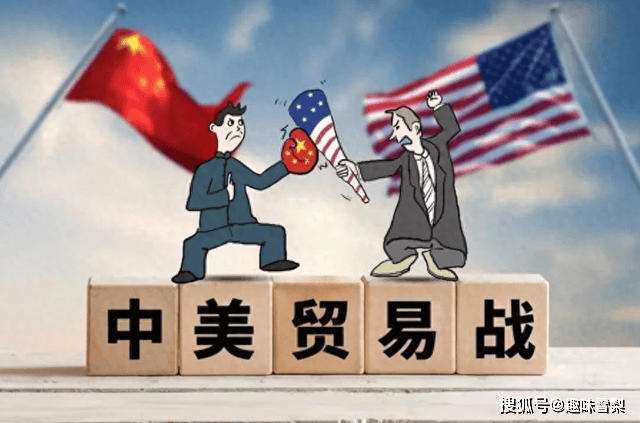
Core Viewpoint - China's selling of US Treasury bonds is putting significant pressure on the US government, forcing President Trump to reconsider his stance towards China amid the ongoing trade negotiations [1][10][17] Group 1: Financial Impact - The US Treasury is facing a daily interest expense of $3 billion, while China's holdings of $765.4 billion in US debt are depreciating by 1% daily [2][5] - The short positions on 10-year US Treasuries have surged to levels not seen since 2008, with $3.8 trillion in capital fleeing from dollar assets [2][10] - If China continues to reduce its US debt holdings by 5%, the Pentagon may need to cut its budget for two aircraft carrier battle groups next year [7][10] Group 2: Currency Dynamics - The recent 13% appreciation of the euro against the dollar threatens the foundation of the petrodollar system [4][10] - China's share of global oil trade settled in yuan has increased to 2.3%, a 15-fold increase from three years ago [5][10] - The Chinese government is allowing companies to use iron ore and copper concentrate as collateral for loans in yuan, facilitating bypassing the dollar in commodity transactions [9][10] Group 3: Strategic Moves - The negotiations in Geneva include a clause where China demands recognition of the yuan's special drawing rights, which would effectively grant the yuan an "international passport" [7][10] - China's reduction of US debt holdings is part of a broader strategy to internationalize the yuan and challenge the dollar's dominance [14][15] - The ongoing trade war has transformed into a financial battle, with the key to victory being the internationalization of local currencies [14][15]
澳大利亚硬刚美国:黄金直运中国,澳拒绝联美排华:中方强美十倍
Sou Hu Cai Jing· 2025-05-27 04:22
2025年全球金融圈最炸裂的一幕出现了:澳大利亚工党政府公开拒绝配合美国"联美排华",直言"中国重要性强美国十倍"! 一边是中国连续15个月抛售美债,成批黄金直运上海金库;另一边,美国财长连夜致电北京,特朗普威胁盟友加税却遭反呛。 澳大利亚对华出口额是美国的10倍,当中国手握7000亿美债成美国"命门",这场经济博弈的本质早已不是贸易战,而是霸权逻辑与生存理性的终极对决。 一、美债抛售潮:中国如何用"金融武器"反制美国霸权? 中国单月减持美债119亿美元,全年累计抛售573亿美元,持仓量跌至7590亿美元,这是自2008年金融危机以来最低水平。 中国抛售的不仅是美债,更是对美元霸权的釜底抽薪。 2025年3月,成批黄金通过专机从纽约联储金库直飞上海,中国黄金储备突破2279吨,连续18个月增持。 人民币跨境支付系统(CIPS)覆盖180国,处理量同比激增42%,中东石油人民币结算占比突破12%。 二、澳大利亚反水:10倍贸易差下的"经济理性觉醒" 当特朗普计划对澳大利亚钢铝加税时,澳贸易部长法雷尔的反击震惊世界:"中国是'钞能力'十倍的客户,我们绝不联美排华! " 数据揭示现实:2023-2024财年,澳大利 ...
美元霸权要终结了吗?人民币升值背后,新一轮货币战争正在打响!
Sou Hu Cai Jing· 2025-05-25 22:37
Group 1 - The article highlights the rapid depreciation of the US dollar's dominance in global currency reserves, with its share dropping from 71% to 58%, the lowest since 2001 [3] - The trend of de-dollarization is gaining momentum, with countries like Saudi Arabia and India moving towards using local currencies for trade, indicating a shift away from the US dollar [3][5] - The rise of the digital yuan and China's gold reserves is seen as a challenge to the existing dollar hegemony, with significant implications for global trade and finance [1][7] Group 2 - The offshore yuan exchange rate has surged to 7.24, impacting Chinese exporters and highlighting the shift in pricing power within the supply chain [5] - China's targeted monetary policy, including low-interest loans for foreign trade enterprises, is more effective than the US Federal Reserve's interest rate adjustments [5] - The global demand for gold among central banks has reached a 55-year high, with 1136 tons purchased in 2023, indicating a strategic move away from dollar reliance [7][10] Group 3 - The digital yuan is becoming a preferred currency in various sectors, including gambling, showcasing its growing acceptance and efficiency in cross-border transactions [7] - The article suggests that the US's aggressive monetary policies and sanctions have inadvertently accelerated the decline of the dollar's supremacy [10] - The increasing volume of gold transactions in yuan at the Shanghai oil futures exchange signifies a potential shift in global trading practices [10]
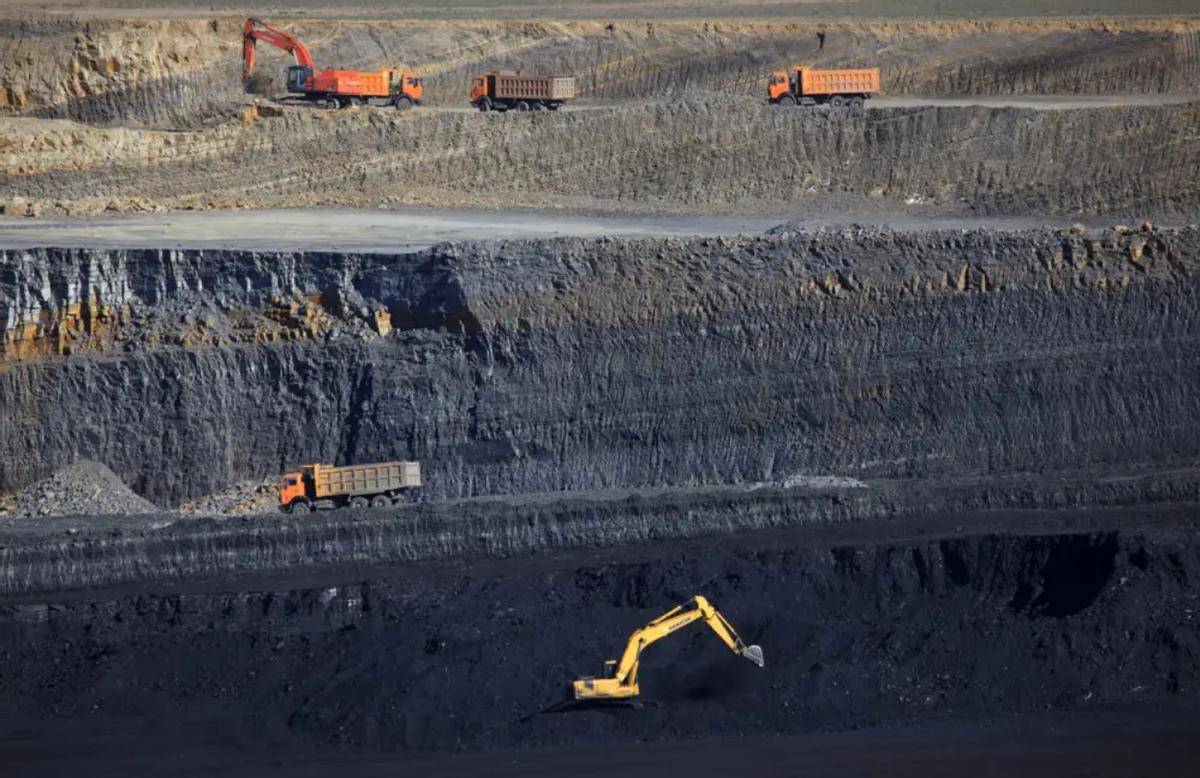
2008年陕西发现巨大资源,预测达到6690亿吨,美国:资源应共享
Sou Hu Cai Jing· 2025-05-25 05:39
Core Insights - China's energy consumption is heavily reliant on imports, particularly oil, while the discovery of a massive coal reserve in Shaanxi Yulin in 2008 has significantly altered the energy landscape [1][3][11] Group 1: Energy Resources - The Yulin coal reserve has a staggering total of 669 billion tons, enough to meet China's energy needs for at least 200 years, making it one of the largest energy reserves globally [3][11] - In 2008, China's coal production was 2.523 billion tons, but it faced a coal energy shortfall of nearly 400 million tons, necessitating imports [9] - The global coal reserves are limited, with proven reserves of 9,842.11 billion tons, while coal consumption in 2018 exceeded 800 million tons, indicating a growing energy gap [9] Group 2: Geopolitical Implications - The discovery of the Yulin coal reserve enhances China's bargaining power in the global energy market, reducing its dependency on foreign energy sources [11][12] - The U.S. has historically controlled global coal prices and proposed "resource sharing" to counter China's rising influence in energy pricing [12][14] - China's strategic silence in response to the U.S. proposal reflects its diplomatic acumen and ability to navigate international pressures [14] Group 3: Economic Context - In 2008, China's total energy consumption was 2.91 billion tons of standard coal, amidst a backdrop of global economic turmoil and fluctuating energy prices [7] - The financial crisis led to a depreciation of the dollar, which in turn increased oil prices, impacting China's energy costs and necessitating substantial subsidies for refining companies [7][9] - Despite the push for clean energy, coal remains a critical energy source, especially as alternative energies have not yet fully proliferated [9]
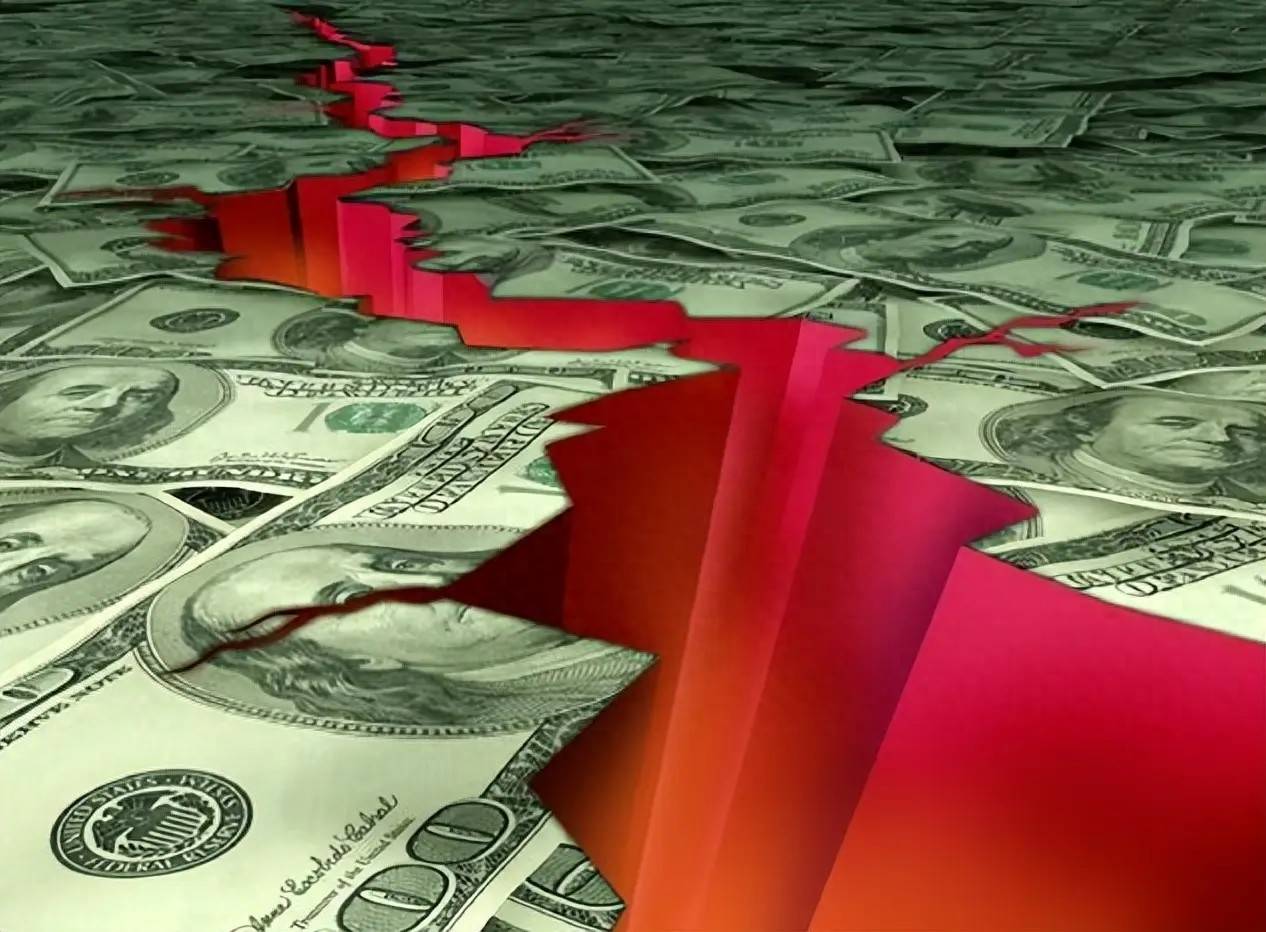
美国贸易逆差的魔幻现实主义:当全世界都在为美元打工
Sou Hu Cai Jing· 2025-05-25 04:59
Group 1 - The article discusses the transformation of the U.S. dollar from a gold-backed currency to a fiat currency, emphasizing its dual role as both the national currency and a global reserve currency [1][3] - The U.S. trade deficit has dramatically increased from $6 billion in 1975 to nearly $1 trillion in 2022, challenging traditional economic theories that view trade deficits as a sign of economic decline [1][5] - The article highlights the irony of the U.S. imposing tariffs on Chinese goods, which ultimately burdened American consumers and businesses, leading to an increase in the trade deficit during Trump's administration [1][5] Group 2 - The U.S. has a low personal savings rate of 3.8% as of Q3 2023, compared to China's 45%, reflecting a different economic structure that encourages consumption over saving [5] - The U.S. net international investment position reached -$18.3 trillion, indicating that each American citizen owes approximately $55,000 to the rest of the world, yet creditors continue to lend due to the U.S.'s significant consumer market [5][7] - The article points out that U.S. multinational companies contribute significantly to the trade surplus with China, with 40% of the surplus attributed to American firms operating in China [7] Group 3 - The article discusses the "super privilege" of the U.S. dollar, allowing the U.S. to purchase global goods through money printing, which effectively imposes an "inflation tax" on other countries holding dollar reserves [7][9] - The rise of digital currencies is seen as a potential threat to the dollar's dominance, with China's cross-border RMB payments reaching 48% in 2023, indicating a shift in global trade dynamics [9] - The U.S. trade deficit is portrayed as a byproduct of the current international monetary system, reflecting both U.S. economic power and the inherent contradictions of globalization [9]

美元霸权崩塌倒计时!黄金新一轮牛市卷土重来?
对冲研投· 2025-05-23 11:42
黄金又一次成为市场焦点。4月8日之后伦敦金先以几乎100美元/天的速度迈向3500美元关口,但之后的一个月陷入了快速波动期。 回首过去三年黄金里程碑式的牛市,每盎司金价从2000美元到2500美元耗时1466天,从2500美元到3000美元耗时207天,从3000美 元到3500美元仅耗时35天。 屡创新高后又出现大幅回调,黄金还能买么? 01 黄金的传统投资者有哪些? 据世界黄金协会统计,过去10年间全球黄金需求在4500吨-5000吨左右,其中投资需求(包括实物黄金、黄金ETF、OTC)占近一半。 投资需求主要来自四类主体——央行及主权基金、配置型机构、交易型机构、散户,过去三年这四类主体各不相同的购买节奏对应了黄金 驱动因素的变化。 今年一季度推高黄金价格的主要需求来自于黄金ETF所代表的交易型资金(机构+散户),在2022Q2-2024Q2连续九个季度净抛售后, 于2024年下半年方才重返市场,但在2025年一季度大买552吨(同比+170%)。 其次是实物黄金需求,一季度达到了325吨,高于近五年季度均值15%,来自中国地区的实物黄金需求是重要支撑。 央行购金规模的中枢在2022年三季度后明显上了一 ...