下沉市场

Search documents
张永伟:2026年车市预计增长2% 下沉市场将是重要增长引擎
Xin Lang Cai Jing· 2026-01-09 20:47
Core Insights - The automotive industry in China is entering a critical period of transformation and opportunity, with policies such as "trade-in for new" and tax exemptions for new energy vehicles (NEVs) expected to drive sales and shift the focus from short-term price competition to long-term value competition [2][3] - The domestic passenger car market is projected to exceed 27.6 million units in 2025, with a slight growth to 28.2 million units in 2026, indicating a stable growth expectation for the industry [2][3] Policy Support and Market Dynamics - The industry is expected to maintain stable growth, avoiding extreme fluctuations, which is crucial for healthy development during the "14th Five-Year Plan" and the upcoming "15th Five-Year Plan" [3] - Key growth drivers identified include policy support, expansion into overseas markets, and the potential of lower-tier markets [3][4] Lower-Tier Market Potential - The demand in lower-tier markets, particularly in rural areas, is accelerating due to policy incentives and rising fuel prices, with sales growth in lower-tier cities significantly outpacing that of first-tier cities [4][5] - The penetration rate of NEVs in third and fourth-tier cities remains below 30%, indicating substantial growth potential in these markets [4] Export Growth and International Strategy - China's automotive market has seen significant growth, with sales surpassing 30 million units in 2023 and expected to reach approximately 31.9 million units in 2024, driven by both NEVs and exports [6] - The export volume of Chinese automobiles has rapidly increased, positioning China as the world's leading automotive exporter in 2023 and 2024 [6][7] - Companies are encouraged to shift from a simple "trade export" model to a comprehensive "ecological export" model that includes R&D, production, and service systems in overseas markets [6][7] Technological Advancements and Autonomous Driving - The approval of L3-level autonomous driving models marks a significant step towards maturity in the autonomous driving industry, necessitating the synchronization of technological innovation with regulatory frameworks [10][11] - The development of intelligent driving is seen as a core indicator of automotive intelligence, with China currently leading in market share and innovation in intelligent assistance driving [10][11]


鸣鸣很忙聆讯过关:叩开港股大门,又入巨头猎场
3 6 Ke· 2026-01-09 12:27
Core Insights - The company "Mingming Hen Mang" is on the verge of becoming the first snack retail stock in Hong Kong, with a GMV exceeding 66.1 billion yuan and a year-on-year growth of over 74% as of September last year [1][4] - The founders, Yan Zhou and Zhao Ding, aim to provide affordable snacks and have built a vast retail network with nearly 20,000 stores across lower-tier markets [1][4] - However, the company faces significant challenges, including rising complaints about product quality and increasing store closure rates, which have risen from approximately 0.7% in 2022 to 1.9% in 2024 [5][6] Company Performance - As of 2025, the company has received over 2,000 complaints regarding its products, with issues such as mold and foreign objects being reported [5] - Franchisees are experiencing financial losses, with some reporting losses of over 1 million yuan and a significant increase in store closures from 14 in 2022 to 128 in the first three quarters of 2025 [10][12] - The company's gross profit margin has been constrained between 7.5% and 9.3%, with a net profit margin of only about 2%, indicating weak profitability [10][12] Business Model and Strategy - The company's business model relies heavily on rapid store expansion and low-cost franchise policies, which have created a vast network but also increased operational risks [10][11] - The average payback period for franchisees has extended to 29 months, far longer than the initial promise of 1.5 years [10] - The company is transitioning from a discount snack retailer to a broader "savings supermarket" model, introducing new product categories and self-branded items [13][14] Market Challenges - The snack retail market is highly fragmented, with the top five players holding only 6% of the market share, leading to intense competition [13] - The company faces pressure from established competitors like Meituan, JD, and Alibaba, which have significant advantages in global sourcing and brand development [18] - The shift to self-branded products may strain relationships with traditional suppliers and complicate inventory management, posing risks to profitability [17][18] Future Outlook - The company must prove its ability to adapt and innovate in a competitive landscape while maintaining its low-price strategy [16][19] - The success of the new business model will depend on its ability to manage operational complexities and maintain product quality amidst aggressive cost-cutting measures [17][18] - The path ahead is uncertain, with potential for both growth and significant challenges as the company navigates its transformation [19]
县域市场成消费“新蓝海” 企业竞逐增长新空间
Xin Hua Cai Jing· 2026-01-07 12:40
Group 1 - The core viewpoint is that the county-level market in China is showing strong consumer vitality and growth potential, becoming a new "blue ocean" for businesses to expand and seek incremental growth [1][2] - The sales performance of Hema stores in county-level cities has exceeded expectations, indicating a significant shift in consumer demand towards quality and experiential consumption in these areas [1] - Data from the National Bureau of Statistics shows that rural market sales growth is steady, with rural retail sales accounting for 38.7% of total social retail sales by November 2025 [1] Group 2 - Well-known brands in the hotel, restaurant, and retail sectors are accelerating their entry into the county-level market, reflecting optimism about the consumption prospects in these areas [2] - The rapid development of county-level hotels is highlighted, with major hotel groups expanding their presence and introducing culturally integrated products to penetrate the high-end market [2] - The consumer purchasing power in county and rural areas has significantly increased, driven by economic development and rising incomes, leading to a stronger demand for quality living [2] Group 3 - The strategy of chain brands to expand into lower-tier markets is seen as a wise move in response to market trends, as competition in first and second-tier cities intensifies [3] - The diverse and personalized consumer demands in lower-tier markets provide ample space for innovation, positioning these markets as new growth engines for consumption in China [3] - Lower-tier markets are expected to play a crucial role in promoting domestic demand and facilitating high-quality economic development [3]

松果出行“集中催收”用户欠款,原来它已经盈利都准备IPO了
Sou Hu Cai Jing· 2026-01-06 10:53
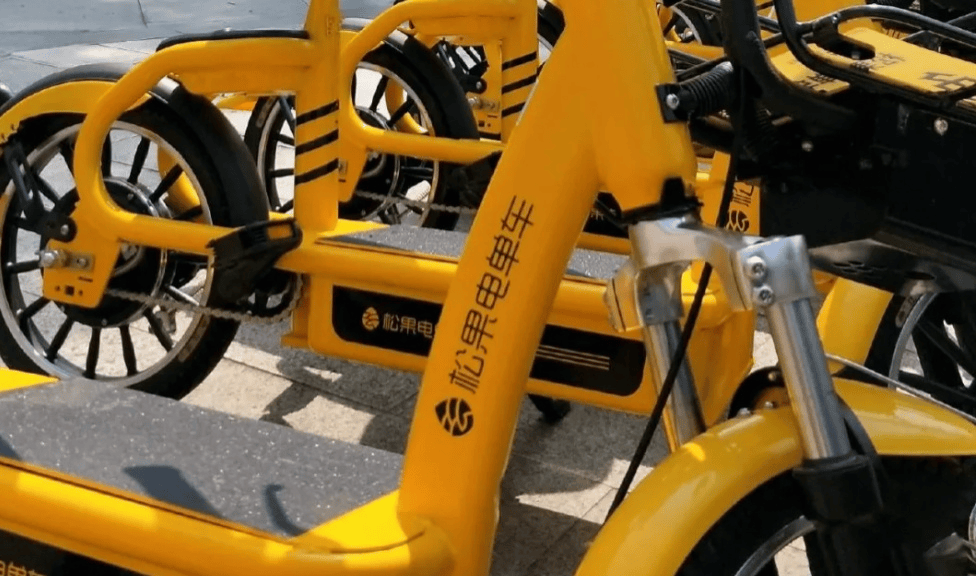
Core Insights - The article discusses the contrasting fortunes of shared bicycles and shared electric bicycles, highlighting the profitability of the latter compared to the former's ongoing struggles [1][6][25] Group 1: Company Performance - Songguo Travel, a shared electric bicycle company, reported a revenue of 746 million yuan for the first nine months of 2025, with a gross margin increase from 19.9% to 24.3% year-on-year [3][6] - The adjusted net profit for Songguo was 26.4 million yuan, indicating that the company has reached the breakeven point [3][6] - In contrast, Hello Bike, a veteran in the shared bicycle market, has accumulated losses of nearly 5 billion yuan from 2018 to 2020, and its profitability remains elusive despite recent price hikes [3][6][15] Group 2: Business Models - Shared bicycles have a low customer price point, with a gross margin hovering in the single digits, leading to inevitable losses due to high operational costs [6][7] - Shared electric bicycles, while having higher manufacturing costs (2,000-2,500 yuan), can achieve profitability more quickly due to higher pricing (2-3 yuan per ride) and better demand models [8][10] - The average ride distance for electric bicycles is 2.91 kilometers, which aligns well with user needs, leading to higher usage frequency compared to shared bicycles [10][13] Group 3: Market Dynamics - Shared electric bicycles have found a favorable market in lower-tier cities, where public transport is less developed, and the average commuting distance fits well within the electric bicycle's capabilities [16][18] - The regulatory environment in first-tier cities has limited the growth of shared electric bicycles, inadvertently allowing companies like Songguo to thrive in less competitive markets [16][17] - The entry of major players like Hello Bike into the electric bicycle rental market indicates a shift in strategy and increased competition in the sector [4][19][22] Group 4: Future Outlook - Songguo's IPO aims to raise funds for expanding its fleet and enhancing technology, preparing for intensified competition from larger companies [23][24] - Hello Bike faces a dual challenge of maintaining its shared bicycle business while expanding into electric bicycles and rentals, which requires strategic resource allocation [24][25]
2026,四大消费赛道丨尼尔森IQ年度报告同步首发
吴晓波频道· 2026-01-06 00:29
Core Insights - The article discusses the evolving consumer landscape in China, particularly focusing on the dual strategy of "first-time purchases + upgrade activation" in the context of county-level economies and the growing significance of lower-tier markets [3][14][16]. Group 1: Consumer Trends - During the New Year holiday, domestic tourism revenue reached 847.89 billion yuan, recovering to 112.3% of 2019 levels, with 1.35 billion domestic tourists, reflecting a strong rebound in consumer activity [3]. - In Hainan, post-"closure," tourism revenue surged to 32.8 billion yuan, a 28.9% year-on-year increase, with duty-free shopping reaching 7.12 billion yuan, up 128.9% [4]. - The consumer base is increasingly divided into "carefree" and "cautious spending" types, with 24% and 39% of the population respectively identified in 2024, and the "carefree" segment expected to grow to 31% by 2025 [7][9]. Group 2: Market Dynamics - The lower-tier cities are experiencing significant growth in tourism, with cities like Jingzhou and Huaihua seeing over 30% year-on-year increases in visitor numbers, outpacing first-tier cities [5]. - The report highlights that 68% of companies in lower-tier markets have seen stagnant or negative growth in market share over the past two years, indicating challenges in maintaining momentum [16]. - The demand for durable goods in lower-tier markets is growing, with a 12% year-on-year increase in sales, and the importance of these markets is rising by 38% [16]. Group 3: Product and Brand Strategies - The report emphasizes the importance of "first-time purchases" and "upgrade activation," suggesting that brands should focus on attracting consumers making their first significant purchases, such as smart appliances and electric vehicles [17]. - 57% of consumers in lower-tier markets have not upgraded their appliances in over three years, indicating a need for strategies to stimulate replacement purchases through trade-in programs and experiential upgrades [17]. - Key consumer preferences include price sensitivity, product performance, and the desire for smart technology, with a notable increase in sales of energy-efficient appliances by 38% on platforms like JD.com [4][21]. Group 4: Sales Channels - Emerging sales channels are gaining traction, with content e-commerce and membership warehouse stores showing significant growth, while traditional channels like hypermarkets are declining [24][25]. - The top five sales channels with year-on-year growth include content e-commerce (27%), membership warehouse stores (25%), and snack stores (20%) [24]. - The shift in consumer behavior is towards valuing unique products and experiences, with 69% of consumers believing private label brands offer better value [27]. Group 5: Future Outlook - The article suggests that the next growth wave in consumer goods will be driven by AI and smart technology, with a focus on health and convenience [43][44]. - The new round of national subsidies will target high-efficiency products, particularly in the tech and appliance sectors, which are expected to stimulate further growth [34]. - The report concludes that brands that can adapt to consumer preferences and provide meaningful experiences will define the future of the market [56].

松果出行递表港交所 2025年前三季度扭亏为盈
Zheng Quan Ri Bao Wang· 2026-01-04 13:48
Core Viewpoint - Pinecone Wisdom Inc. (松果出行) has submitted an IPO application to the Hong Kong Stock Exchange, aiming to raise funds for regional expansion, R&D, commercialization of electric bike sales, overseas exploration, and general operational funding [1] Company Overview - Established in 2017, Pinecone Wisdom Inc. is a leading shared electric bike service provider in China, having received investments from notable institutions such as Innovation Works, Qiming Venture Partners, SoftBank, Nokia Investment Fund, and Sequoia China [1] - The company operates a complete value chain from electric bike design and production to operational management, making it the largest shared electric bike operator in China's peripheral development areas and the fourth largest in the overall market [1] Market Position and Growth - As of September 30, 2025, Pinecone Wisdom has deployed 454,627 shared electric bikes across 422 cities and counties in China, with registered users increasing from 99 million at the end of 2023 to 128 million by September 30, 2025 [1] - The shared electric bike service market in China is projected to grow significantly, with the number of electric bikes increasing from 1.2 million in 2019 to 7.1 million in 2024, and the market transaction value rising from 2.2 billion yuan to 16.6 billion yuan during the same period, reflecting a compound annual growth rate of 49.7% [3] Financial Performance - In 2023 and 2024, Pinecone Wisdom's revenue was 953 million yuan and 963 million yuan, respectively, with gross margin improving from 15.8% to 18.9%. The net loss decreased from 192 million yuan to 151 million yuan, with adjusted net losses of 80 million yuan and 44 million yuan [2] - For the first three quarters of 2025, the company reported revenue of 746 million yuan, a gross margin of 24.3%, and a reduced net loss of 60 million yuan, achieving an adjusted net profit of approximately 26 million yuan [2] Industry Challenges - The company faces challenges such as asset turnover efficiency and operational cost pressures due to its heavy asset operation model. Its reliance on local government partnerships creates regional barriers but also heightens dependence on policy environments, which may restrict future expansion [2] - As an independent operator in a competitive market, Pinecone Wisdom's single business model lacks the ecosystem support that larger platforms like Meituan and Didi possess, posing significant challenges in terms of profitability as competition intensifies [3][4]
孩子王:2025年全年净利润同比预增51.72%—82.06%
2 1 Shi Ji Jing Ji Bao Dao· 2025-12-31 09:17
南财智讯12月31日电,孩子王发布年度业绩预告,预计2025年全年归属于上市公司股东的净利润为 27500万元—33000万元,同比预增51.72%—82.06%;预计2025年全年归属于上市公司股东的扣除非经 常性损益的净利润为20500万元—25000万元,同比预增71.12%—108.68%,2025年,公司紧扣"三扩"战 略(即扩品类、扩赛道、扩业态)核心方向,聚焦年度"复购、加盟、同城数字化"三大必赢之战,统筹 推进各项业务实现突破性进展:1、持续推进门店迭代升级与供应链优化,聚力打造首发经济,现已全 面构建起涵盖自营大店、全龄段儿童生活馆、Ultra店、加盟精选店、优选店在内的多层级、多场景门 店矩阵;同步加快"短链+自营"供应链体系建设,大力推行自有品牌战略,持续强化单客经营与精细化 运营,全面推进AI智能化升级,推进公司核心业务保持稳步增长。2、精准把握下沉市场结构性发展机 遇,充分发挥公司在品牌、大店场景、供应链、数字化、专业服务等方面的综合优势,以加盟模式为核 心抓手加快市场渗透,截至2025年9月30日,已有110家加盟精选店开业,在建及筹建数量近130家,实 现渠道版图持续扩容,推动下 ...
新华百货(600785):三季报点评与首次覆盖:估值较低的商超区域龙头,基本面有望进入加速期
ZHONGTAI SECURITIES· 2025-12-30 08:25
Investment Rating - The report assigns an "Accumulate" rating for the company, marking its first coverage [4][31]. Core Insights - Xinhua Department Store is recognized as a leading retail company in the Ningxia region, with a significant market presence. The company has initiated a transformation of its supermarket operations since September 2025, which is expected to accelerate its fundamental performance [4][7]. - The company has maintained stable revenue and profit in the first three quarters of 2025, achieving a revenue of 4.707 billion yuan, a year-on-year decrease of 1.1%, and a net profit attributable to shareholders of 108 million yuan, a year-on-year decrease of 1.3% [6][30]. - The supermarket business is the core revenue source for the company, and the ongoing transformation is anticipated to enhance future revenue and profit [6][25]. Summary by Sections Company Overview - As of Q3 2025, Xinhua Department Store operates 342 stores, including 14 department stores and 240 supermarkets, primarily located in Ningxia [7][10]. Financial Performance - The company forecasts revenues of 6.065 billion yuan for 2023, with a growth rate of 3%, and expects a net profit of 136 million yuan, reflecting a significant year-on-year increase of 46% [4][30]. - The report projects net profits of 142 million yuan, 165 million yuan, and 213 million yuan for 2025, 2026, and 2027, respectively, indicating growth rates of 5%, 16%, and 29% [30][31]. Business Transformation - The company has begun a significant transformation of its supermarket operations, which is expected to improve its competitive position in the underdeveloped market segments [17][21]. - The introduction of high-quality products and optimization of the supply chain are key components of this transformation, which aims to enhance customer experience and drive sales [17][27]. Expansion Plans - Xinhua Department Store is set to expand into Beijing with a new project named "Xinhua Department Store CCmall," which is strategically located in a prime area of the city [20][22]. - The project is expected to contribute to the company's growth and is seen as a significant milestone in its expansion strategy [22][31].

商业行业2026年度策略报告:把握多元需求,服务消费释放潜力-20251228
CMS· 2025-12-28 09:04
Group 1: Macro Retail and Service Consumption - Retail data shows that essential goods maintain resilience while optional goods exhibit differentiated performance, with social retail growth slightly slowing down due to high base effects from government subsidies [10][16] - Service retail continues to show strong growth, with a year-on-year increase of 5.4% from January to November 2025, outpacing overall social retail growth [10][18] - Travel demand is steadily releasing, with domestic tourism numbers reaching 4.85 trillion yuan, a year-on-year increase of 11.5% [18][20] Group 2: E-commerce Sector - E-commerce maintains a steady growth rate, with online retail sales of physical goods increasing by 5.7% year-on-year, surpassing the overall social retail growth [13][25] - The penetration rate of e-commerce continues to rise, reaching 25.9% of total social retail sales by November 2025, an increase of 3.6 percentage points since the beginning of the year [13][25] - The competitive landscape in e-commerce is easing, with platforms like Taobao and JD.com focusing on maintaining stable growth rather than aggressive price competition [28][36] Group 3: Retail Focus on Downstream Markets - The focus is on the resilience of consumption in lower-tier markets, with recommendations for bulk snack retailers and the "锅圈" brand, which excels in the home dining sector [5][31] - The bulk snack market is characterized by low prices and high turnover, effectively meeting consumer demand for snacks [5][31] - "锅圈" is positioned as a leader in the home dining market, leveraging its multi-channel advantages and strong supply chain [5][31] Group 4: Service Sector Recovery - The hotel industry is stabilizing with a recovery in demand, and recommendations include Huazhu Group and Atour Hotel [5][31] - The OTA sector is experiencing stronger leisure demand compared to business travel, with international business continuing to grow rapidly [5][31] - Policies aimed at boosting service consumption are expected to further stimulate demand in the travel and hospitality sectors [23][24] Group 5: Investment Recommendations - Recommended companies include Alibaba, Meituan, Pinduoduo, JD.com, and Didi Chuxing for their strong fundamentals and low valuations [2][3] - The report highlights the potential for growth in the e-commerce and service sectors, driven by favorable policies and market dynamics [5][23]

奈雪的茶败走平价市场
Ge Long Hui· 2025-12-26 17:52
Core Insights - The article highlights the significant presence of milk tea brands in lower-tier markets, with a notable absence of high-end tea brands like Nayuki and Heytea in these areas [2][3] - Nayuki has faced challenges in penetrating the lower-tier market and has decided to shut down its sub-brand Taigai due to lack of profitability [4][5] Group 1: Market Trends - The lower-tier market has seen a surge in milk tea brands such as Mixue, Gu Ming, and Cha Bai Dao, while high-end brands like Nayuki and Heytea are rarely mentioned [2][3] - Nayuki's attempts to enter the lower-tier market through sub-brands have not been successful, leading to a focus on its main brand [4][7] Group 2: Nayuki's Strategy - Nayuki announced the closure of its Taigai sub-brand, which had only 7 operational stores left, indicating a drastic decline from its peak of over 800 stores [5][19] - The company has previously closed another sub-brand, Pear Mountain, which targeted price-sensitive consumers, indicating a pattern of struggling with lower-tier market strategies [5][7] Group 3: Competitive Landscape - Nayuki's market presence is significantly lower than that of Heytea, which has 3,326 stores compared to Nayuki's 1,505 [9][11] - The differences in brand strategy and market approach between Nayuki and Heytea are evident, with Heytea focusing on product innovation and collaborations to maintain consumer interest [11][12] Group 4: Challenges in Lower-Tier Markets - High-end tea brands face challenges in lower-tier markets due to higher price points and complex supply chains, making it difficult to attract price-sensitive consumers [18][19] - Nayuki's high franchise fees and operational requirements create barriers for expansion into lower-tier markets, limiting its growth potential [19][20]