
二次元经济

Search documents
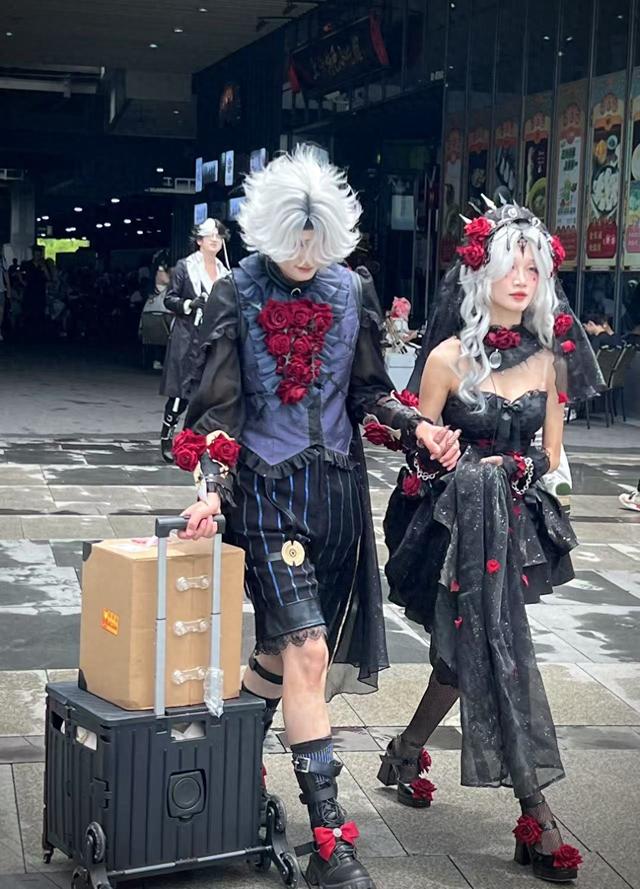
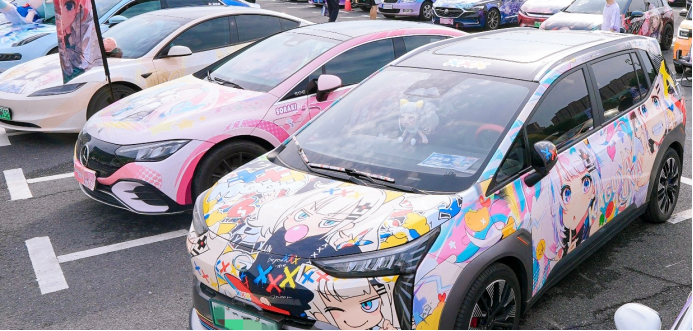
二次元经济破壁 上海变身“痛城”
Zhong Guo Jing Ying Bao· 2025-07-14 04:12
Core Insights - BilibiliWorld2025 (BW2025) is a major ACG cultural event in Shanghai, attracting a significant number of young attendees and showcasing the growing influence of the ACG culture in urban tourism and economy [3][4][10] Event Overview - BW2025 took place from July 11 to 13, 2025, at the Shanghai National Exhibition and Convention Center, with a 30% increase in venue size and ticket availability compared to 2024, expecting around 300,000 to 400,000 attendees [3][5] - The event has been held annually since 2017, featuring a variety of guests including voice actors and popular content creators [5] Economic Impact - The influx of attendees has significantly boosted Shanghai's tourism market, with a 35% increase in cultural tourism bookings and a 36% rise in train ticket searches during the event week [6] - Hotel bookings near the event venue saw a staggering 475% increase, with occupancy rates reaching nearly 95% just before the event [6] Cultural Influence - The event has transformed Shanghai into a "pain city," a term derived from Japanese ACG culture, indicating the integration of ACG elements into urban spaces and the local economy [4][5] - The local nightlife and dining sectors also benefited, with online dining transactions in the event area increasing by over 80% [7] Consumer Behavior - Young attendees are increasingly drawn to specific shopping routes known as "eating valley routes," focusing on ACG-related products rather than traditional tourist attractions [8] - The search volume for "二次元商场" (two-dimensional shopping malls) in Shanghai surged over tenfold, with a significant portion of searches coming from the 20-35 age group [9] Emerging Trends - The event has catalyzed a broader acceptance of ACG culture in Shanghai, leading to the emergence of themed cafes, gaming venues, and various ACG-related services [9][10] - The overall ACG consumer ecosystem is expanding, with notable increases in searches for ACG clothing and DIY workshops [9]


欧莱雅否认香港办事处关闭及裁员传闻;《罗小黑战记2》将于7月18日上映丨消费早参
Mei Ri Jing Ji Xin Wen· 2025-07-13 23:15
Group 1 - L'Oréal denies rumors of closing its Hong Kong office and layoffs, stating that the reports are inaccurate and emphasizing ongoing evaluations and optimizations of its organizational structure to adapt to market changes [1] - The company highlights the importance of balancing strategic integration and employee stability amid a changing global consumer market and increasing cost pressures [1] Group 2 - "BilibiliWorld 2025" is set to take place from July 11 to 13 in Shanghai, expected to attract 300,000 visitors over three days, with over 700 exhibitors and more than 1,000 global content creators participating [2] - The event showcases the strong appeal of the ACG (Anime, Comic, and Game) economy, as Bilibili effectively converts its community influence into offline traffic and commercial value [2] - The integration of elements like virtual idols and AI interactions indicates that the event serves as a significant platform for IP incubation, brand collaboration, and content ecosystem extension, reflecting the mainstream emergence of youth-driven subcultures [2] Group 3 - LeEco has been listed as a defendant in a court execution case with a claim exceeding 10.07 million yuan, indicating ongoing financial difficulties and unresolved debt issues [3] - The frequent addition of execution information and asset freezes highlights the company's challenges in governance and compliance, serving as a cautionary tale for aggressive expansion strategies [3] Group 4 - The animated film "Big Fish & Begonia 2" is set to premiere on July 18, with a promotional event that engaged fans through immersive experiences [4] - The film, which took six years to produce, faces significant expectations regarding its ability to replicate the success of its predecessor, testing the balance between commercialization and artistic integrity in Chinese animation [4]

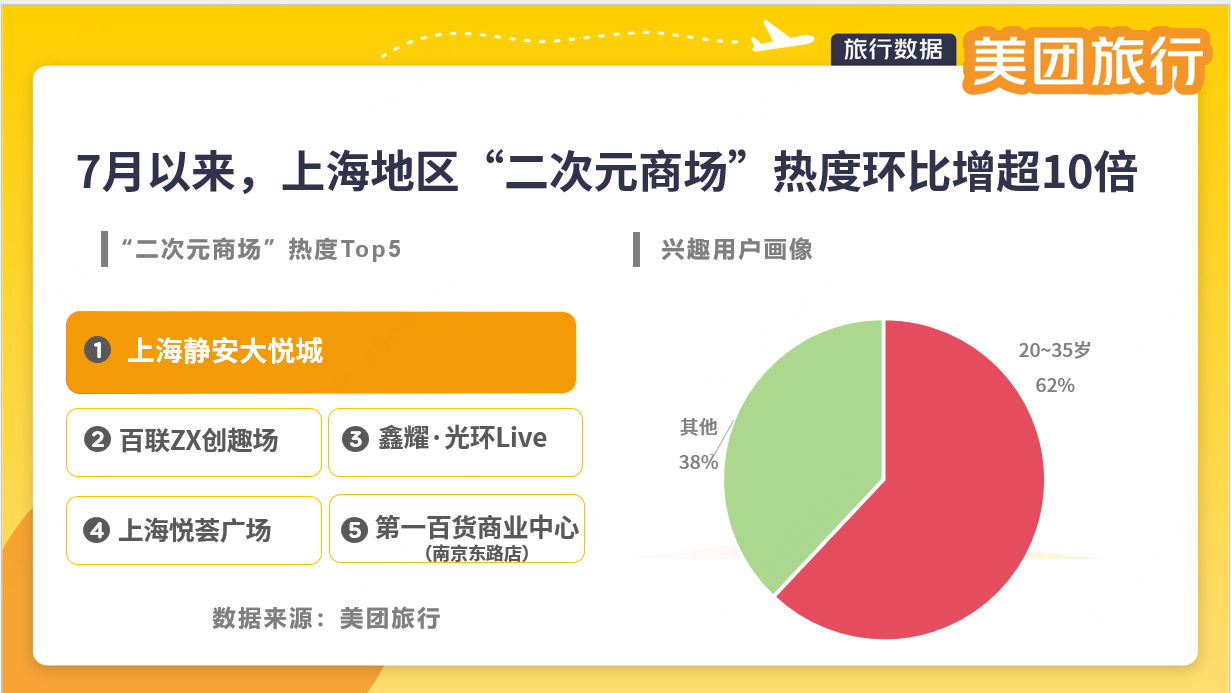
美团旅行发布上海二次元浓度实时数据 静安大悦城、百联ZX创趣场入选Top5热门商圈
Jing Ji Guan Cha Wang· 2025-07-11 13:46
Core Insights - The BilibiliWorld2025 event in Shanghai has attracted a large number of young attendees, significantly boosting local tourism and consumption [1][2] - The event has led to a surge in travel bookings, with hotel reservations increasing by 475% and train ticket searches rising by 36% [1][2] - The event has also stimulated local dining and entertainment, with night-time dining transactions in the vicinity increasing by over 80% [2][9] Tourism and Travel Impact - Shanghai's travel bookings saw a 35% increase in cultural tourism during the event week, with a nearly 50% year-on-year rise in flight bookings [1][2] - High-star hotel bookings by the post-00s demographic accounted for nearly 15% of total reservations in the first week of July [1] Consumption Trends - The event has activated local consumption, particularly in the food and entertainment sectors, with a notable increase in searches for "二次元商场" (two-dimensional shopping malls) [3][5] - The "二次元商场" search volume in Shanghai increased over tenfold compared to the previous month, with 62% of searchers aged 20-35 [3][5] Retail and Dining Ecosystem - Popular shopping destinations for attendees include Shanghai Jing'an Joy City and 百联ZX, which have become hotspots for "谷子" (merchandise related to two-dimensional culture) [2][3] - The surrounding areas of these shopping centers have seen a significant rise in searches for related products and services, such as themed cafes and DIY workshops [9] Economic Significance - The two-dimensional economy is evolving from a niche interest to a significant driver of urban consumption, with Shanghai emerging as a national trendsetter in this sector [9] - The integration of cultural and commercial activities during events like BW2025 highlights the dynamic interaction between vibrant city life and youth culture [9]

黄金变“谷子”,价格翻倍
Sou Hu Cai Jing· 2025-07-11 04:13
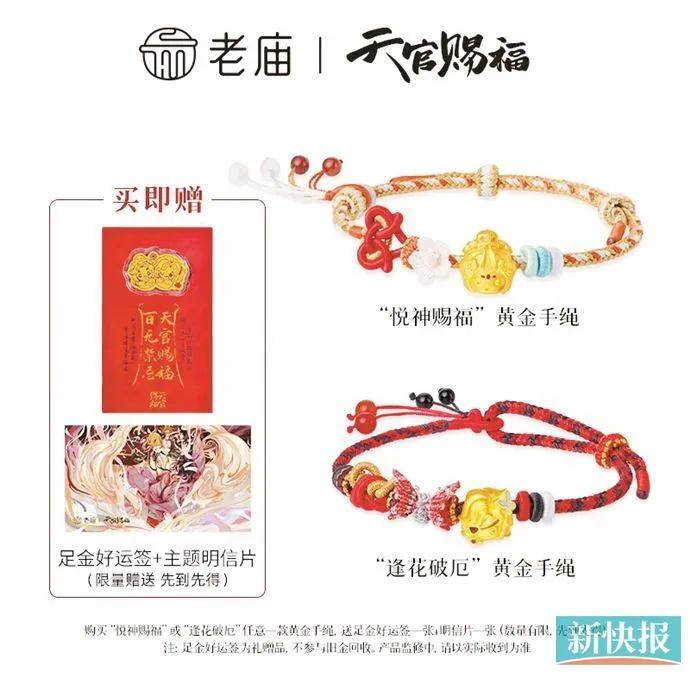
Core Viewpoint - The rise of "golden millet" products, which are gold jewelry linked to popular anime and cultural IPs, is attracting young consumers, but their investment value is questionable due to high premiums and reliance on their "millet" attributes rather than the gold itself [1][7]. Group 1: Market Trends - Multiple collaborations between gold brands and popular IPs have emerged, such as Lao Miao with "Tian Guan Ci Fu" and Chow Tai Fook with Chiikawa, indicating a trend towards targeting the younger, anime-loving demographic [2][4]. - The pre-sale period for these popular collaborative products can extend up to 45 days, reflecting strong consumer interest [2]. Group 2: Consumer Behavior - Young consumers are showing a willingness to pay high premiums for these collaborative products, viewing them as both collectibles and investments, despite concerns about the actual value retention [6][7]. - The perception of these "golden millet" products as investment items is prevalent, but only those with strong fan loyalty, limited availability, and official authorization have potential for appreciation [7]. Group 3: Pricing and Value - Collaborative products are significantly more expensive than regular items, leading to discussions among consumers about the value proposition and the business strategies behind these price increases [6][7]. - The resale value of non-officially authorized "golden millet" products is primarily based on the weight of the gold, with recovery prices around 770 RMB per gram, excluding any premium for the collaboration [7]. Group 4: Industry Insights - The Z generation is becoming the main force in gold consumption, valuing emotional connections and cultural recognition, which these IP collaborations fulfill [7]. - Traditional gold brands are leveraging popular IPs to rejuvenate their image and appeal to younger consumers, but they must carefully assess the value and premium of these collaborations to ensure sustainable growth [7].


《名侦探柯南:独眼的残像》冲4亿登顶,“二次元经济”撑起系列最佳票房?
3 6 Ke· 2025-07-11 00:30
Core Insights - The summer movie season continues to struggle, with the upcoming release of "Lychee in Chang'an" being highly anticipated despite a 14.59% year-on-year decline in box office revenue to 1.906 billion yuan in June 2025 [1] - Domestic films are underperforming, with titles like "Sauce Garden: Suspense" and "The Nameless: The End of the World" failing to meet expectations, while the box office is primarily supported by imported films [1] - The "Detective Conan" franchise, particularly its 28th film "The Case of the Single-Eyed Phantom," has achieved remarkable success, breaking records with a box office exceeding 3 billion yuan and projected to reach 4 billion yuan, making it the highest-grossing film in the franchise's history [3][4] Domestic Film Performance - The domestic film market is facing challenges, with several high-profile releases not performing as expected, leading to a lack of strong contenders in the box office rankings [1] - The box office performance of domestic films is contrasted with the resurgence of imported films, which have garnered positive reviews and box office returns [1] Success of "Detective Conan" - "Detective Conan: The Case of the Single-Eyed Phantom" has set a new record for the franchise, achieving over 3 billion yuan in box office revenue and becoming the highest-grossing film in the series [3][4] - The franchise benefits from a stable fan base, with its long-standing presence in China since 1999 contributing to its sustained popularity and high box office performance [4] Marketing and Audience Engagement - The film's marketing strategy has successfully attracted a broader audience beyond core fans, with significant engagement from female viewers and younger demographics [5][16] - The franchise has leveraged cross-industry collaborations and promotional events to enhance its visibility and appeal, resulting in increased merchandise sales and audience participation [16][23] Box Office Trends and Influencing Factors - The box office performance of "Detective Conan" films is influenced by various factors, including marketing efforts, release timing, and audience reception [5][16] - The latest installment has benefited from a favorable release period during the summer, strong promotional activities, and improved audience ratings, contributing to its box office success [5][16] IP Collaboration and Economic Impact - The franchise's collaborations with various brands have significantly boosted its popularity and sales, with numerous partnerships across different sectors [16][23] - The "Detective Conan" franchise has also positively impacted local economies, as seen in increased foot traffic and sales in areas hosting promotional events and exhibitions [23][24]

数十万00后奔赴BW2025漫展 美团旅行:上海文旅订单增35%
Jing Ji Guan Cha Wang· 2025-07-10 03:47
Core Insights - The upcoming Bilibili World 2025 (BW2025) event in Shanghai is expected to attract hundreds of thousands of young attendees, primarily from the post-00s and post-05s generations, significantly boosting local tourism and consumption [1][3][8] - Travel data indicates a substantial increase in travel bookings to Shanghai during the BW2025 event, with hotel reservations and flight searches showing remarkable growth [1][4][5] Travel Data - During the BW2025 event week, Shanghai's tourism bookings surged by 35% compared to the previous week, with a 36% increase in train ticket searches and nearly a 50% rise in flight bookings year-on-year [1][4] - The top ten sources of flight bookings for young travelers to Shanghai include Guangzhou, Shenzhen, Chengdu, and others, with Shenzhen and Wuhan showing nearly 100% growth in bookings [3][4] Hotel and Accommodation Trends - High-star hotels near the BW2025 venue are experiencing a significant increase in bookings, with one hotel reporting a 475% growth in advance reservations compared to the same period last year [5][8] - By the first week of July, nearly 15% of high-star hotel bookings in Shanghai were made by post-00s travelers, indicating a strong interest from this demographic [4][8] Cultural and Economic Impact - The BW2025 event is expected to stimulate local consumption across various sectors, including dining, entertainment, and retail, as young attendees engage in diverse experiences [8] - The rise of the "二次元" (ACG, Anime, Comic, and Games) culture is contributing to Shanghai's status as a leading hub for this demographic, with significant increases in searches for related venues and services [8]

上海杨浦聚焦“潮流消费” 打造“二次元品牌集聚区”
Xin Hua Cai Jing· 2025-07-09 11:38
Group 1 - The core viewpoint is that Yangpu District in Shanghai is focusing on "trendy consumption" by creating a "two-dimensional brand aggregation area" to leverage local resource advantages and stimulate new potential in the two-dimensional consumption industry [1][2] - The "Shanghai International Animation Month" is a key event under the "Shanghai Summer" international consumption season, themed "Manga City, High Summer," integrating various models such as "culture + technology," "local + international," and "classic + trendy" to attract anime enthusiasts from across the country and globally [1][2] - Yangpu is positioned as a significant area for Shanghai's two-dimensional economy, aiming to establish a comprehensive layout of "festivals, exhibitions, and conferences" and design multiple major activities to ignite market enthusiasm around the Wujiaochang business district and Fuxing Island [1][2] Group 2 - The two-dimensional (anime, games, etc.) consumption sector has become a trend among the younger generation, with Yangpu actively enhancing the two-dimensional industry in Shanghai through IP empowerment and upgrading traditional business districts [2] - Wujiaochang business district is developing a "themed business district + vertical shopping mall + characteristic street" layout to cater to the diverse consumption needs of young consumers, with over 70 brands in the Bailian ZX Creative Park and a first-store ratio exceeding 70% [2] - Major events like the Shanghai International Animation Month and the Shanghai Dimension Tour Festival are leading the way in creating a multi-layered local activity matrix that combines merchant self-marketing, IP enterprise promotion, and joint efforts from government, enterprises, and academia to enrich consumer offerings [2]
义乌“世界超市”:一件货品也能“批” 从生产爆款到制造爆款
Shang Hai Zheng Quan Bao· 2025-07-04 19:00
Core Insights - The export volume to the Dubai market has increased by over 50% compared to the same period last year, indicating strong customer demand in the Yiwu market [1] - The number of clients from countries involved in the Belt and Road Initiative has grown by over 30% year-on-year, reflecting the market's expansion [1] - Yiwu is transitioning from a "source of goods" to a "brand upgrade," driven by fashion, internationalization, and digitalization [1][5] Group 1: Market Dynamics - The integration of online and offline sales has created a robust ecosystem for small commodity trade in Yiwu [1] - The influx of tourists and increased foot traffic in Yiwu International Trade City has led to a surge in retail sales, particularly during the summer season [3] - The rise of IP-driven products has transformed ordinary goods into popular items, with significant sales growth in categories like anime-themed merchandise [3][4] Group 2: Sales Innovations - The "live streaming" sales model has gained traction, with thousands of "walking broadcast" hosts operating in Yiwu, enhancing product visibility and sales [4] - Data indicates that by April 2025, approximately 70% of businesses in the Yiwu accessories sector will engage in live e-commerce [4] - Yiwu's total import and export volume is projected to exceed 600 billion yuan in 2024, marking an 18.2% year-on-year increase [4] Group 3: Brand Development - Yiwu merchants are increasingly focusing on brand cultivation and expansion, with significant investments in brand identity and storytelling [5][7] - The establishment of the first "Chenming Accessories" store in South Korea marks a strategic move towards global brand presence [6] - The number of effective trademark registrations in Yiwu reached 218,000 by the first quarter of 2025, reflecting a growth of 8.77% [7]
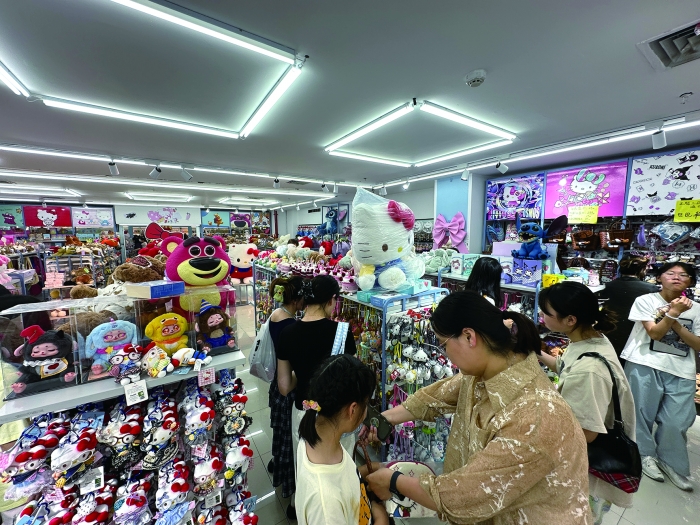
跨次元燃动“上海之夏” 实体商业加强业态创新
Shang Hai Zheng Quan Bao· 2025-07-03 18:56
Core Viewpoint - The article highlights the surge of cross-dimensional consumption in Shanghai, driven by various IP-themed events and activities, particularly during the summer season, indicating a significant shift towards integrating culture, commerce, tourism, and exhibitions [1][4]. Group 1: Events and Activities - The "Shanghai Summer International Consumption Season" was launched on July 4, 2025, introducing the first "Shanghai Summer International Anime Month" to attract young consumers [1][4]. - The "Shining! Dimension Festival 2.0" commenced on June 27, attracting a large number of young fans, with sales exceeding 10 million yuan within the first few days [2][3]. - Various shopping centers in Shanghai are hosting numerous IP-themed pop-up events, with a focus on creating engaging consumer ecosystems [1][3]. Group 2: Consumer Behavior - A significant portion of the consumer base, approximately 70%, comes from outside an 8-kilometer radius, indicating that shopping centers are becoming key gathering places for anime and gaming enthusiasts [3][5]. - Consumers are increasingly traveling long distances, often carrying luggage filled with merchandise, showcasing the popularity of IP-related products [3][5]. Group 3: Industry Trends - The IP consumption market is expected to enter a trillion-yuan industry phase by 2024, with a growing emphasis on creating unique consumer experiences in shopping malls [4][6]. - The integration of IP culture into commercial spaces is seen as a way to attract younger demographics and enhance overall foot traffic [5][7]. - The rise of "Guziko" stores, which sell derivative products from anime and games, is noted, but there are concerns about their sustainability without a strong cultural atmosphere [6][7]. Group 4: Future Outlook - The article suggests that while the current trend of IP and anime-related activities is beneficial for driving foot traffic, the challenge lies in maintaining long-term consumer engagement and operational efficiency [7][8]. - Companies are expected to continue innovating in their offerings and experiences to capitalize on the popularity of IP culture and ensure sustained commercial vitality [7][8].
上海商圈零售规模创新高,消费券撬动效应超五倍
Di Yi Cai Jing Zi Xun· 2025-06-27 11:31
Core Insights - Shanghai's retail sales growth turned positive in the first five months of 2025, with a year-on-year increase of 1.4% [1] - The development of commercial districts has significantly contributed to this growth, with monitored retail sales in 50 key commercial areas increasing by 2.1% year-on-year, surpassing the overall retail growth by 0.7 percentage points [1] Group 1: Policy and Activities - The retail sales growth in May 2023 was boosted by a 4.9 percentage point increase compared to April, driven by policies and promotional activities [2] - The "Five Five Shopping Festival" introduced a "Commercial District Premium Promotion Festival," featuring various marketing activities and discounts to enhance consumer engagement [3] - Since the launch of the shopping festival, offline consumption in Shanghai reached 378.5 billion yuan, with a daily average of 6.76 billion yuan, marking a 10% year-on-year increase [3] Group 2: Economic Drivers - The "first launch economy" and "ACG (Anime, Comic, and Games) economy" have played a crucial role in enriching consumer offerings and boosting retail in commercial districts [4] - Shanghai saw the opening of 1,269 new stores in 2024, with a significant portion located in high-energy commercial areas, particularly in Jing'an District [4] - The restaurant sector, despite facing challenges, experienced a 5.2% year-on-year increase in revenue in key commercial areas from January to May 2025 [4] Group 3: Tourism and Consumer Trends - Tourist-oriented commercial districts have gained traction due to relaxed visa policies, leading to a strong increase in foreign consumer spending [6] - In the first five months of 2025, retail sales in six monitored tourist commercial districts accounted for nearly 30% of the total retail sales in the 50 key districts [6] - Shanghai's commercial space planning aims to create a multi-tiered commercial system to enhance consumer experiences and attract diverse consumer groups [6] Group 4: Future Strategies - Shanghai's commerce authorities plan to focus on both "commercial district planning" and "commercial strategy," emphasizing hardware upgrades and software optimization [7] - The integration of tourism, culture, and sports into commercial activities is expected to enhance the city's appeal as an international consumer center [7]