差异化竞争

Search documents
董希淼:消费金融公司应加快迈向高质量发展丨金融百家
2 1 Shi Ji Jing Ji Bao Dao· 2025-11-04 12:40
Core Viewpoint - The revision of the "Management Measures for Consumer Finance Companies" in 2024 aims to promote high-quality development by ensuring consumer rights protection and supporting consumption recovery and expansion [1][3]. Regulatory Environment - The implementation of new regulatory policies, including the "Assisted Loan New Regulations," is expected to impact the business models and pricing strategies of consumer finance companies, leading to a more compliant and risk-controlled operational phase [1][2]. - The financial regulatory authority has emphasized the need for consumer finance companies to reduce reliance on external lending institutions and to lower high-risk business exposure [2][4]. Industry Development - Consumer finance companies are encouraged to enhance their technological investments and team building to improve core competencies in customer acquisition and risk control [2][3]. - The focus on "responsible consumer finance" is seen as a vision for companies to transform policy pressures into motivation for improvement, aiming to lower comprehensive financing costs for borrowers [3][4]. Strategic Positioning - Companies should seek differentiated competition by focusing on specific consumer scenarios or target groups, moving away from a "scale-first" approach to a more specialized service offering [3][4]. - Emphasizing the use of financial technology, such as AI and big data, is crucial for precise customer profiling and risk-based pricing [4][5]. Risk Management and Compliance - Companies must enhance their risk pricing and operational capabilities, moving away from high-interest models to ensure sustainability within regulated interest levels [4][5]. - A comprehensive compliance management system should be integrated into all business processes to protect consumer rights and minimize complaints [5][6]. Business Model Optimization - The shift from a reliance on guarantee and credit enhancement models to a self-controlled risk management approach is essential for sustainable growth [4][6]. - Companies should aim for a balanced business structure that combines strong self-operated services with selective external partnerships to enhance overall operational efficiency [6].
超市“调改”步入深水区
Bei Jing Shang Bao· 2025-11-03 16:24
Core Insights - The supermarket industry is experiencing revenue growth pressure and a divergence in profitability among listed companies, with a need for refined operations and differentiated competition to find breakthroughs [1][3] Revenue Performance - Supermarkets are entering a "stock competition" phase, facing stagnant or declining revenue growth, with significant divergence in net profit performance among companies [3] - Yonghui Supermarket reported a cumulative revenue of 42.434 billion yuan for the first three quarters, a year-on-year decline of 22.21%, with Q3 revenue at 12.486 billion yuan, down 25.55%, and a net loss of 469 million yuan [3] - Zhongbai Group also saw revenue decline, with 6.552 billion yuan for the first three quarters, down 19.41%, and a net loss of 580 million yuan [3] - Hongqi Lianchained reported revenue of 7.108 billion yuan, down 8.48%, but achieved a net profit of 383 million yuan, with a net profit margin increase of 7.21% [3] - Bubu Gao's revenue was 3.194 billion yuan, ranking fifth in the industry with a net profit of 238 million yuan [3] - Sanjiang Shopping reported revenue of 2.988 billion yuan and a net profit of 114 million yuan [3] Industry Transformation - The industry is undergoing a collective transformation with various new models emerging, such as "Fat Donglai model adjustment" and "24-hour cloud service" by Hongqi Lianchained, indicating a shift towards differentiated products and innovative business formats [4][5] - Yonghui Supermarket has completed adjustments in 222 stores, resulting in an average customer flow increase of 80% and over 60% of stores surpassing their highest profitability in the past five years [4] - Bubu Gao's store adjustments have led to increased sales and improved employee benefits, achieving a 90% alignment with the Fat Donglai model [4] E-commerce and Digitalization - Walmart China reported a significant 96% increase in e-commerce net sales in Q3, with Sam's Club membership exceeding 4 million [5] - The transformation in the supermarket industry is systemic, with major players like Wumart also advancing deep transformations [5] - The focus on self-owned brand development, fresh direct sourcing, and regional specialty products is emphasized as a strategy for profit growth [6] Market Demand Response - The core of the transformation lies in enhancing product strength and optimizing supply chains, with companies increasingly relying on operational efficiency and innovative business models [6] - The emergence of membership stores, hard discount stores, and community stores reflects a response to market demand for segmentation [6] - Digital channels such as e-commerce, live streaming, and instant delivery are becoming standard configurations for supermarket operations, with examples from Walmart China and Hongqi Lianchained [6]



基金发行头部效应愈加明显 多家中小公募“颗粒无收”
Zheng Quan Shi Bao· 2025-11-02 18:05
Core Insights - The public fund market has shown signs of recovery in 2023, with over 1,000 new funds established, but a significant disparity exists between leading and smaller fund companies, highlighting a "Matthew Effect" where the strong continue to strengthen [1][2] Fund Issuance Trends - Leading fund companies like Huaxia Fund have established 86 new funds with a total issuance scale of approximately 42.879 billion yuan, followed by Fuguo Fund and Penghua Fund with 66 and 63 new funds respectively [1] - Nearly 50% of the new funds established since 2025 are index funds, with 16% being equity mixed funds and 12% index-enhanced funds, indicating a strong focus on index-related products [1] Fundraising Performance - Southern Fund, despite having 53 new funds, raised over 50.848 billion yuan, showcasing its strong capital absorption capability, while Fuguo Fund and Huitianfu Fund raised 39.339 billion yuan and 30.749 billion yuan respectively [2] - More than 50 fund companies have launched fewer than 10 new funds this year, with 35 companies issuing only 1 to 4 products, and some companies like Schroder Fund and China Resources Fund launching only 1 product [2] Market Dynamics - The current market is characterized by a competition of comprehensive strength rather than just product offerings, with leading companies leveraging strong marketing and product line strategies to dominate [3] - Investors prefer well-known fund companies due to their perceived management capabilities and risk control, further exacerbating market differentiation [3] Industry Outlook - The differentiation in the new fund issuance market may lead to further industry consolidation, potentially squeezing the survival space for smaller fund companies [4] - Some smaller fund companies are finding niche opportunities by focusing on specialized themes, such as Yongying Fund's focus on satellite communication and healthcare, which have yielded positive results [4]
爱玛科技20251024
2025-10-27 00:31
Summary of Aima Technology's Conference Call Company Overview - **Company**: Aima Technology - **Industry**: Electric Two-Wheelers and Three-Wheelers Key Financial Metrics - **Q3 Revenue**: 8.062 billion CNY, up 17.3% YoY [2][3] - **Net Profit**: 650 million CNY, up 17.64% YoY [2][3] - **Sales Volume**: 3.82 million units, up 11% YoY [2][3] - **Average Selling Price**: 2,110 CNY per unit, up 6.24% YoY [2][3] - **Net Profit per Unit**: 181.9 CNY, up 4% YoY [2][3] - **Year-to-Date Revenue**: 21.093 billion CNY, up 20.78% YoY [3] - **Year-to-Date Net Profit**: 1.907 billion CNY, up 22.78% YoY [3] - **Sales Volume Year-to-Date**: 10.08 million units, up 15.5% YoY [3] Business Segments Electric Two-Wheelers - Focus on compliant products and a layered product matrix [2][6] - Emphasis on lightweight design, aesthetics, and smart features to differentiate from competitors [6] - Sales volume of electric two-wheelers: 3.62 million units, up 11% YoY [3] Electric Three-Wheelers - Strategy includes enhancing capacity, product design, and retail service capabilities [7] - Sales volume of electric three-wheelers: 204,000 units, up 6.47% YoY [3] Market Trends and Strategies Domestic Market - New national standards (New National Standard) have shifted focus to compliant products [4][6] - Anticipated industry growth of 5-10% next year due to compliance and market demand [4][12] High-End Brand Development - Launch of high-end sub-brand "Zero Season" focusing on performance, quality, and user experience [8] - Upcoming product launch event on October 28 to reveal brand positioning and core product specifications [8] Overseas Market - Differentiated competition strategy in key markets like Vietnam and Indonesia, leveraging local channels for rapid expansion [9] - Focus on potential markets like Brazil and Africa, and high-end markets like Europe and North America [9] Challenges and Responses Regulatory Changes - Transition to new standards has created short-term sales pressure due to inventory clearance [10][12] - Compliance with new standards is expected to enhance product quality and user experience [12][13] Competitive Landscape - Increased industry concentration with smaller brands exiting the market due to regulatory pressures [14] - Aima Technology aims to capture market share from exiting brands by enhancing service and product offerings [14] Future Outlook - Plans to expand into commercial vehicle markets with tailored products for specific use cases [15][18] - Anticipated growth in electric three-wheeler demand, with production capacity expansion underway [21] - Continued focus on digital support and compliance to enhance operational efficiency and reduce costs [17] Conclusion - Aima Technology is well-positioned to leverage regulatory changes and market dynamics to enhance its competitive edge in the electric vehicle sector, with a strong focus on compliance, product differentiation, and market expansion strategies.

做品牌,中小卖家如何“以巧取胜”?
商业洞察· 2025-10-24 09:31
Core Insights - The article emphasizes the shift in cross-border e-commerce from a price-driven model to one focused on branding and consumer experience, particularly for small and medium-sized sellers [2][16]. Group 1: Market Dynamics - The current landscape of international trade is characterized by uncertainty, leading to a demand for higher quality and better consumer experiences, making low-price competition unsustainable [2][16]. - Small and medium-sized sellers face resource limitations, which necessitate a more strategic approach to branding and market positioning [2][16]. Group 2: Seller Case Studies - Iris, a former banker, learned the importance of branding through her experiences in e-commerce, ultimately focusing on niche markets with less competition [5][6]. - After initial failures, Iris pivoted to creating a product that captures emotional value, such as a "memory box," which allows for differentiation and avoids price wars [6][7]. - Dai Rui identified a gap in the home improvement tools market, focusing on aesthetics and user experience to create visually appealing and functional products [9][10]. - Lin Xuan, with experience in e-commerce, recognized the power of branding through logos to differentiate products in a saturated market, leading to increased customer trust and repeat purchases [13][14][15]. Group 3: Branding Strategies - The article highlights the significance of small actions in building a brand, such as product design, quality improvements, and effective packaging, which contribute to a stronger brand identity [6][10][12]. - The concept of "trust replication" is introduced, where a recognizable logo fosters customer loyalty across different product categories, enhancing repeat purchase rates [14][15]. Group 4: Conclusion - The narrative concludes that small, thoughtful actions in branding and product development can lead to significant changes in business trajectories, allowing small sellers to carve out their own market niches [16][17].

死磕影像十一年:vivo探索另一种可能
远川研究所· 2025-10-16 00:07
Core Viewpoint - Apple's recent product launch indicates a shift in strategy, aligning more closely with Android competitors in terms of specifications and features, reflecting market pressures [2][4][12] Group 1: Market Dynamics - The domestic smartphone market is projected to grow only 1.5% year-on-year in 2024, indicating stagnation and increased competition among brands [4][12] - The competitive landscape is evolving, with signs of a "second consolidation" in the market, shifting from "Apple + Big 5" to "Apple + Big 3" [15][18] - Huawei leads the market with a 36% year-on-year growth, while Xiaomi and Vivo also show positive growth, contrasting with declines in other major brands [12][15] Group 2: Vivo's Strategic Focus - Vivo has established four long-term strategic areas: design, imaging, system, and performance, with a strong emphasis on imaging technology [6][20] - The company's focus on imaging is driven by consumer demand for better quality and experience, positioning it as a key differentiator in a saturated market [7][10] - Vivo's X300 series showcases advanced imaging technology, including a unique collaboration with Sony for a high-performance camera sensor [10][25] Group 3: Competitive Positioning - Vivo's strategy emphasizes a clear brand identity and product differentiation, which is crucial in a market characterized by high consumer expectations and loyalty [7][20] - The company has opted not to enter the SoC chip development space, focusing instead on its strengths in imaging technology, which aligns with user needs [20][22] - Vivo's partnerships with industry leaders like Zeiss and MediaTek enhance its technological capabilities, allowing for innovative features in its products [22][25] Group 4: Future Outlook - The smartphone market is expected to continue evolving, with a focus on high-end models and long-cycle technology investments as brands seek differentiation [16][18] - Vivo's commitment to understanding user needs and translating them into technological advancements positions it well for future growth in a competitive landscape [27][28]

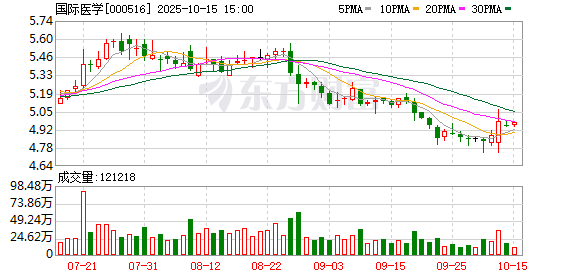
国际医学:增开老年护理院、惠宾科、质子治疗等特色科室,满足市场需求
Zheng Quan Ri Bao· 2025-10-15 14:12
Core Insights - The company aims to develop a differentiated strategy to build competitive advantages and enhance service value [2] Business Strategy - The company plans to adjust its business structure by actively laying out in various sectors including medical aesthetics, rehabilitation, women's and children's health, health management, traditional Chinese medicine, assisted reproduction, mental health, and special services [2] - The company intends to expand its services by opening elderly care facilities and specialized departments such as proton therapy to meet market demand [2] Operational Efficiency - The company will focus on resource integration and departmental optimization, strengthening cost control and management of pharmaceutical supplies, while optimizing financial costs [2]

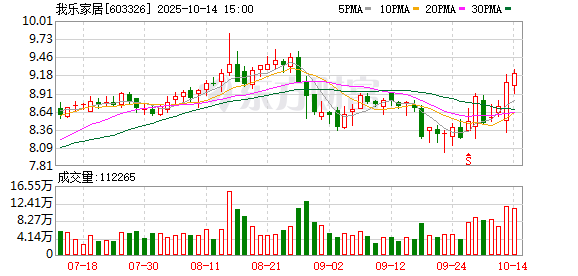
构建差异化竞争优势 我乐家居前三季度净利润大增
Zheng Quan Ri Bao· 2025-10-14 15:40
Core Insights - Nanjing Wo Le Home Furnishing Co., Ltd. reported a revenue of 1.055 billion yuan for the first three quarters of 2025, marking a year-on-year increase of 2.18%, while net profit attributable to shareholders reached 138 million yuan, up 70.92% [2] - In Q3 2025, the company achieved a revenue of 386 million yuan and a net profit of 45.37 million yuan, reflecting year-on-year growth of 2.84% and 29.20% respectively [2] - The company focuses on the design, research and development, production, sales, and related services of custom kitchen cabinets and whole-house custom furniture, emphasizing innovation through "originality + high-frequency iteration" [2] Industry Trends - The custom home furnishing industry is transitioning from scale expansion to deep integration, with increasing market differentiation; leading brands are consolidating their market share while companies lacking core competitiveness face elimination pressure [2] - Wo Le Home is concentrating on differentiated competition in the mid-to-high-end market [2] Strategic Initiatives - To maintain growth momentum, Wo Le Home is enhancing product premiumization by improving original design and craftsmanship, thereby increasing the sales proportion of high-value-added products [3] - The company is optimizing its channel layout by expanding into third- and fourth-tier cities and continuing flagship store development in core urban areas to enhance terminal coverage [3] - Wo Le Home is deepening cost management through centralized procurement and lean production to improve operational efficiency and ensure stable overall profitability [3] Market Positioning - The company’s unique positioning lies in its focus on mid-to-high-end brand differentiation, optimizing channel structure, and enhancing retail capabilities to strengthen direct consumer connections and market competitiveness [3] - The core of retail in the custom home furnishing industry is to impress customers through professionalism and experience rather than just price competition; Wo Le Home has established a recognizable system around "Italian design" in store presentation, product aesthetics, and supporting soft furnishings, which is a key aspect of its differentiated competition [3]

2025年半年报观察:厨电价格战愈演愈烈,华帝毛利率为何攀至新高?
Xin Lang Zheng Quan· 2025-10-11 02:47
Core Insights - The core viewpoint of the articles is that Vatti's high-end strategy is successfully enhancing its profitability and market position despite a challenging environment in the kitchen appliance industry, characterized by price wars and declining average prices [1][2][9]. Financial Performance - Vatti reported a revenue of 2.8 billion yuan and a net profit of 272 million yuan for the first half of 2025, with a gross margin of 43.54%, an increase of 2.86% year-on-year [1]. - The overall kitchen appliance market saw a decline in average prices, with a 5.8% drop during the 618 shopping festival [1]. High-End Strategy - Vatti's product strategy focuses on high-end offerings, launching products like the GW6i gas water heater and FA50P steam oven, which align with consumer trends towards premium products [2][3]. - The company emphasizes the importance of differentiation in the high-end market, competing against both international and domestic brands [2]. Product Innovation - The "Beauty Bath Water Heater" exemplifies Vatti's innovation, achieving a 63.69% increase in sales volume and a 74.69% increase in sales revenue in the first half of 2025 [3]. - Core categories such as range hoods and gas stoves also saw significant growth in gross margins, with increases of 3.36% and 3.60% respectively [6]. Channel Strategy - Vatti's channel strategy includes empowering offline channels and enhancing retail capabilities, resulting in a 45.89% gross margin for offline channels, up 6.83% year-on-year [7]. - The company has expanded its new retail channels, achieving a gross margin of 41.51% in this segment [7]. Brand Positioning - Vatti is focused on building a high-end brand image, integrating the concept of "New Chinese Fashion Health Life" into its marketing and product development [8][9]. - The company is actively engaging younger consumers through digital marketing initiatives and collaborations with popular media [10]. Overall Strategy - Vatti's approach can be visualized as a three-dimensional framework where product, channel, and brand work synergistically to drive high-quality growth [12].


对话星迈创新创始人:我们走到现在,95%是靠运气|36氪专访
36氪· 2025-10-04 13:22
Core Viewpoint - The article discusses the competitive landscape of the high-end pool robot market, highlighting the strategic approach of the company Starry Innovation in navigating this space and its cautious expansion into lawn mowing robots. Group 1: Company Overview - Starry Innovation has raised a total of 1.5 billion RMB in funding over three years, with significant investments from leading domestic funds [6]. - The company has achieved rapid market penetration, capturing 85% of the high-end segment (priced at $1400 and above) shortly after launching two products in 2024, resulting in sales of several hundred million RMB within six months [8]. Group 2: Market Strategy - The founder emphasizes the need for a revenue scale of 10 billion RMB to establish a foothold in the smart robotics industry, arguing that 100 billion RMB is necessary for long-term sustainability [7][40]. - Starry Innovation's strategy focuses on differentiated competition by targeting specific user needs and scenarios rather than engaging in direct market battles with competitors [9][26]. Group 3: Competitive Landscape - The pool robot market has seen intense competition, with various players like Stone Technology and Ecovacs entering the lawn mowing segment, indicating a resource-intensive environment [7][9]. - The founder expresses a cautious approach to entering the lawn mowing robot market, preferring to wait until the company can ensure a significant resource advantage over competitors [26]. Group 4: Innovation and User Insight - The company prioritizes innovation over cost leadership, believing that true differentiation comes from understanding user needs and providing superior product experiences [21][40]. - Starry Innovation conducts extensive user research, including in-home visits and interviews, to gain insights into customer needs and improve product design [35][40]. Group 5: Future Outlook - The founder predicts ongoing technological innovations in the industry over the next five to seven years, asserting that even if competitors replicate their innovations, the unique company culture and values will drive continued success [23][24]. - The company aims to carve out a niche in the lawn mowing robot market by focusing on specific user pain points rather than competing in the mainstream market [29].