
技术赋能

Search documents
海7+高线光瓶,洋河上半年深耕品质重构增长新势能
Zhong Jin Zai Xian· 2025-07-02 04:29
Core Viewpoint - The Chinese liquor industry is undergoing significant adjustments while presenting new development opportunities, with Yanghe Co., Ltd. leveraging "product renewal, brand elevation, and technological empowerment" to navigate the competitive landscape and achieve high-quality growth [1] Product Renewal - Yanghe has established a multi-dimensional product matrix centered around "soft quality" and "aged liquor," focusing on both high-end and mass-market segments [2] - The seventh generation of Hai Zhi Lan has been relaunched, achieving annual sales of 100 million bottles and reaching 300 million consumers, with significant improvements in quality standards [2] - The new Yanghe High-Line Light Bottle Wine, priced at 59 yuan, has become the first light bottle wine with genuine vintage certification, achieving remarkable sales figures upon launch [4] - Yanghe is constructing a diversified product matrix with a pyramid structure, covering all price ranges from premium to mass-market offerings [6] Brand Elevation - Yanghe has engaged in cross-industry collaborations, such as sponsoring the Jiangsu City Football League, enhancing brand visibility and consumer engagement [7] - The "Seventh Generation Hai Zhi Lan Lobster Carnival" attracted nearly 150,000 visitors and generated significant consumer spending, integrating food, wine, and culture [9] - Yanghe has partnered with CCTV to promote Chinese liquor culture through various cultural programs, enhancing brand penetration in key cultural locations [11] Development Momentum - Yanghe's strong foundation is supported by a substantial reserve of quality base liquor, with over 70,000 fermentation pits and an annual production capacity exceeding 160,000 tons [12] - The company has invested in technical talent, achieving top rankings in national tasting competitions, which reflects its industry-leading technical capabilities and commitment to quality [12] - Yanghe's strategic initiatives in product differentiation, brand activation, and technological investment are positioning the company for sustained growth in the high-quality development of the liquor industry [13]



余承东“炮轰”小米,不只是大佬掐架这么简单
混沌学园· 2025-06-12 07:33
Core Viewpoint - The article discusses the competitive dynamics between Huawei and Xiaomi in the automotive sector, highlighting their differing philosophies and strategies in product development and market positioning [1][4][9]. Group 1: Competitive Dynamics - Huawei's Yu Chengdong criticized Xiaomi's success with a single model, suggesting that despite Huawei's superior technology, it struggles to match Xiaomi's sales figures [2][4]. - Xiaomi's SU7 model achieved significant sales, with 28,000 units delivered in the previous month, showcasing its strong market performance [2][7]. - Both companies have a history of public disputes, often using marketing strategies to generate buzz and engage consumers [3][4]. Group 2: Investment and Technology - Huawei invests heavily in automotive technology, with over 10 billion yuan annually in smart driving and cockpit technology, and a total R&D expenditure of 180 billion yuan [4]. - The company emphasizes its technological capabilities, with products like the ADS 3.0 priced at 80,000 yuan, representing 13% of the vehicle's total cost [4]. - In contrast, Xiaomi focuses on delivering strong product value, with its SU7 offering high specifications at a competitive price, effectively leveraging its internet marketing strategies [5][6]. Group 3: Market Strategies - Xiaomi's approach is characterized by a strong internet product focus, with its vehicles designed to integrate into its broader ecosystem, enhancing customer experience [6][12]. - The SU7 model set a record with over 80,000 pre-orders within 72 hours of launch, indicating strong consumer interest and effective marketing [7]. - Both companies maintain distinct philosophies: Huawei aims to empower traditional automakers with technology, while Xiaomi directly engages in vehicle manufacturing [9][10]. Group 4: Industry Context - The automotive market is increasingly competitive, with a significant number of new energy vehicles entering the market and price wars intensifying among manufacturers [16]. - The shift towards intelligent driving technology is accelerating, with many companies moving towards L3 level capabilities, reflecting the industry's rapid evolution [16]. - The competitive landscape is marked by high stakes, with both traditional and new entrants vying for market share, indicating a challenging environment for all players involved [16].


长城钻探深化中阿能源合作
Zhong Guo Hua Gong Bao· 2025-06-11 03:14
Group 1 - The event at the Oman Petroleum and Energy Show (OPES) involved the Great Wall Drilling Company’s Oman project team engaging with over 100 students and faculty at two local universities, focusing on "technology empowerment + talent co-cultivation" to enhance cultural exchange in the energy sector [1][2] - The technical team emphasized a "global vision + local practice" approach, showcasing core technological strengths through technical presentations and engineering case studies, which received high recognition from the universities [2] - The Oman project team plans to establish long-term cooperation with the universities to provide internship opportunities for students, promoting a closed-loop training model that integrates theoretical learning, practical operation, and career development [2] Group 2 - The company aims to fulfill its social responsibility by sharing knowledge to benefit local education, reflecting the development philosophy of "joint consultation, construction, and sharing" [2] - Future initiatives will focus on expanding training cooperation with universities and exploring new models for local resource integration and talent development, thereby advancing localization strategies and enhancing overall contributions to Sino-Arab cooperation [2]
保险中介公司融资成功的关键因素探讨
Sou Hu Cai Jing· 2025-06-10 06:43
Core Insights - The success of insurance intermediary financing hinges on the ability to clearly communicate business value, growth potential, and risk control to investors [1] Group 1: Differentiated Market Positioning - Focus on high-growth areas such as health insurance technology services, new energy vehicle insurance, and digital platforms for corporate group insurance [2] - Develop tailored services for specific customer segments, such as creating exclusive overseas employer liability insurance for cross-border e-commerce sellers [2] Group 2: Sustainable Profitability - Optimize revenue structure by reducing reliance on commission income and increasing the share of value-added services [2] - Demonstrate cost control capabilities through technology investments that lower marginal costs, such as using AI to replace 50% of customer service positions, reducing service costs by 40% [2] Group 3: Compliance as a Foundation - Maintain a complete national insurance intermediary license and avoid significant penalties [2] - Establish a customer fund account to strictly separate client funds from proprietary funds [2] Group 4: Technology Empowerment - Showcase the self-control rate of core systems, such as policy management systems and actuarial models [2] - Disclose the volume of data assets and their application scenarios, like developing an industry risk index based on data from over 100,000 corporate clients [2] Group 5: Capital Path Planning - Design valuation logic combining price-to-earnings (P/E) and price-to-sales (P/S) ratios, with early-stage projects using P/S ratios of 3-5 times and mature projects using P/E ratios of 15-20 times [2] - Carefully set performance commitments to avoid aggressive clauses, such as net profit compound growth rates exceeding 50% [2] Group 6: Team DNA - Founders should possess a dual background in insurance and technology to enhance investor confidence [2] - Implement a management stock ownership plan with a 3-year vesting period to align the interests of the core team [2] Group 7: Market Dynamics - The low approval rate for new insurance intermediary licenses from 2019 to 2025, with only 2 approved out of 210 applicants, highlights the importance of acquiring existing licenses [6] - The price range for regional insurance agency licenses is typically between 1.83 million to 3.5 million yuan, while national licenses can reach around 20 million yuan [6]
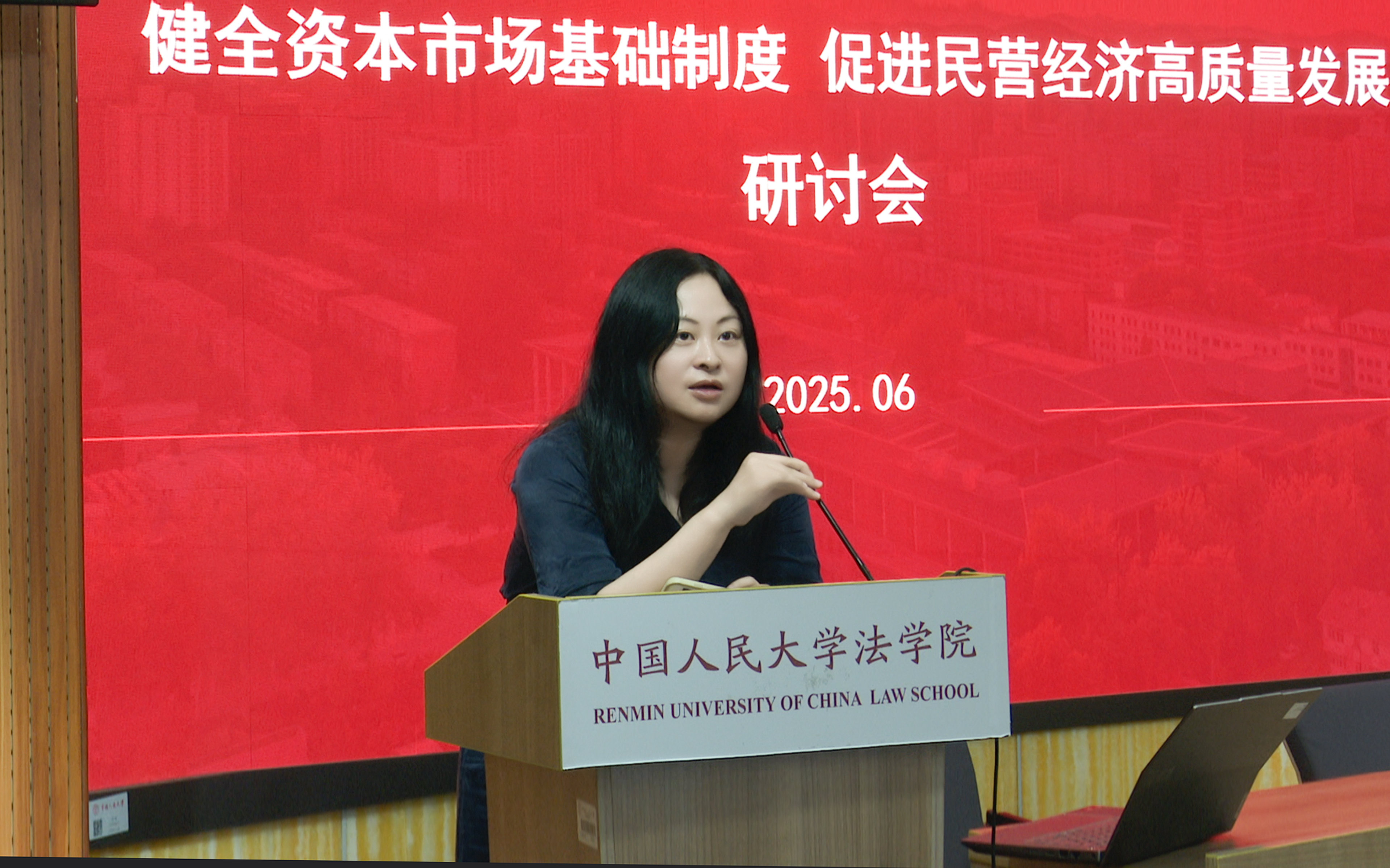
中国证券法学会研究会副会长杨东:应加强股市“新型对赌投资协议”的监管
Bei Jing Shang Bao· 2025-06-10 04:15
Group 1 - The core viewpoint emphasizes that investment agreements linked to secondary market stock prices should be deemed invalid, regardless of how they are structured, highlighting the need for regulatory attention [1] - Experts at the seminar expressed concerns that allowing controlling shareholders to privately negotiate such agreements undermines board decision-making authority, potentially hollowing out corporate governance [1] - The discussion pointed out that entrepreneurs often face a dilemma where not signing these agreements leads to funding challenges, while signing them results in becoming "capital slaves," indicating a need for a symbiotic relationship between capital and the real economy [1] Group 2 - Recent judicial cases, such as the "first case of violating public commitment compensation" in the Shanghai Financial Court, have established the legal validity of public commitments made by shareholders and executives, reinforcing the principle that such commitments must be fulfilled [2] - This judicial ruling aligns with the guidance issued by the Supreme People's Court and the China Securities Regulatory Commission, which emphasizes strict and fair law enforcement to support the high-quality development of the capital market [2]
“新型对赌投资协议”引发争议 业内:“穿透式监管”与“技术赋能”成破局关键
Mei Ri Jing Ji Xin Wen· 2025-06-09 14:37
Core Viewpoint - The private economy is a vital component of China's socialist market economy and plays a crucial role in promoting modernization and high-quality development. The implementation of the Private Economy Promotion Law on May 20 marks a new level of legal protection for the private sector, but the rise of new types of performance-based agreements linked to secondary market stock prices poses challenges for market order and sustainable development of the private economy [1]. Group 1: Issues with Performance-based Agreements - The focus of controversy is whether performance-based agreements linked to secondary market stock prices are valid. Despite regulatory guidelines requiring the clearance of such agreements before IPOs, many companies find ways to circumvent these rules [2]. - A notable case from the Shanghai High Court in 2021 deemed a performance-based agreement invalid due to its violation of public order and securities regulations, but there is still ambiguity regarding agreements made verbally before IPOs and formalized afterward [2]. - Experts warn that if certain behaviors are accepted in judicial practice, it could lead to industry-wide disorder as more investors may view these actions as tacitly approved by law [2]. Group 2: Negative Impacts on Companies - Experts agree that agreements linked to market capitalization can pressure companies to sacrifice long-term strategies for short-term stock price targets, leading to potential manipulation of stock prices and harming the interests of small investors [5]. - The venture capital landscape has changed significantly, making traditional performance-based agreements less applicable, as the growth cycle for "hard tech" projects has lengthened and the IPO environment has tightened [5]. - Allowing controlling shareholders to privately reach performance agreements with investors undermines board decision-making and stifles innovation within companies [5][6]. Group 3: Proposed Solutions - Experts advocate for a comprehensive governance system that combines "penetrating regulation" and "technological empowerment" to address these issues. This includes establishing a protocol for real-time registration of all performance agreements with regulatory bodies [7]. - There is a call for strict prohibition of any form of evasion of disclosure requirements and for the establishment of a core principle that post-IPO agreements are invalid [7]. - The urgency of breaking the cycle of inconsistent regulations and judicial standards is emphasized, with a focus on the need for collaboration between regulatory and judicial entities to ensure effective enforcement [8].
新型股市对赌协议引关注,法学专家呼吁加强穿透式监管
Di Yi Cai Jing· 2025-06-09 12:16
Group 1 - The core issue is the dilemma faced by entrepreneurs in the real economy regarding "not signing a bet agreement leads to difficulty in financing, while signing it turns them into capital slaves" [1][5] - Bet agreements play a crucial role in financing and mergers, but their overuse and improper terms raise significant concerns in the judicial field [1][4] - New types of investment bet agreements linked to secondary market stock prices are emerging, posing challenges for judicial practice and securities regulation [1][3] Group 2 - Regulatory measures have been implemented to standardize bet agreements prior to IPOs, requiring companies to eliminate such agreements to ensure stability in equity structure and fairness in the listing process [2] - Despite regulatory efforts, there are still instances of parties exploiting loopholes related to IPO bet agreements [3][4] - The lack of clear regulatory rules regarding these practices necessitates explicit recognition from judicial practice or regulatory authorities [4] Group 3 - Bet agreements linked to market value may pressure companies to sacrifice long-term strategies for short-term stock price targets [4] - The transformation of bet agreements from investment protection tools to instruments that erode the real economy is a growing concern [4][6] - The relationship between capital and the real economy should be symbiotic rather than parasitic [6] Group 4 - Experts advocate for a comprehensive governance system that integrates "penetrating regulation" and "technological empowerment" to address the issues surrounding bet agreements [8] - Proposed measures include establishing a registration system for all bet agreements, requiring real-time entry into a designated regulatory platform, and declaring unregistered agreements invalid [8] - There is a need for deep collaboration between regulatory and judicial bodies, with calls for the Supreme Court to issue binding guiding cases to unify judgment standards [8][9] Group 5 - The urgent task is to break the vicious cycle of "regulatory rules being established, courts being hesitant to apply them or having inconsistent standards, and capital exploiting loopholes" [9] - The application of penetrating regulation and technological means is key to severing this cycle [9] - Further improvement of market rules is necessary, as unregulated cases can lead to industry-wide disorder [9]
“三位一体”推动统一大市场建设
Jing Ji Ri Bao· 2025-06-06 21:43
Core Viewpoint - The construction of a national unified market is progressing steadily, aiming to unleash domestic demand potential and solidify economic recovery through systematic reforms focusing on "institutional innovation, technological empowerment, and governance collaboration" [1][2]. Group 1: Progress and Achievements - Since the issuance of the "Opinions on Accelerating the Construction of a National Unified Market" in April 2022, various reform measures have been implemented, including the pilot program for rural collective operating construction land and the official operation of the inter-provincial electricity spot market [1]. - The introduction of the "Guidelines for the Construction of a National Unified Market (Trial)" at the beginning of this year has clarified the implementation path from three dimensions: requirements, prohibitions, and encouragements [1]. - The launch of a special action to standardize enterprise-related law enforcement has provided legal support for the construction of a unified market [1]. Group 2: Challenges and Barriers - The construction of a national unified market has entered a complex phase, with deep-rooted issues such as hidden barriers in bidding processes and enterprise registration obstacles persisting in many areas [2]. - Local protectionism has evolved, with some regions shifting from explicit approvals to implicit subsidies, leading to differentiated regulatory practices [2]. - These challenges increase institutional transaction costs and hinder the full realization of the advantages of a large-scale market [2]. Group 3: Strategic Focus Areas - To address these challenges, the focus should be on "institutional innovation, technological empowerment, and governance collaboration" as a systematic reform approach [2]. - In terms of institutional innovation, efforts are being made to deepen the market-oriented reform of factors, streamline the "Fair Competition Review Regulations," and enhance the flow of factors [2]. - Technological empowerment includes accelerating the cultivation of data factor markets and promoting the sharing of digital infrastructure, exemplified by the launch of the first cross-provincial freight station in Suzhou, which reduced international logistics costs by nearly 30% [3]. - Governance collaboration aims to improve central-local coordination mechanisms and explore a "negative list + credit supervision" model to enforce market segmentation behavior as a rigid constraint [3].
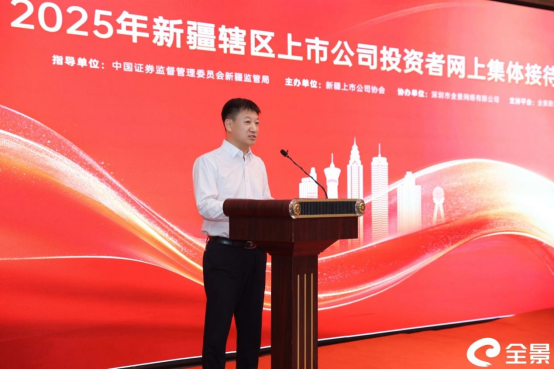
新疆辖区成功举办2025年投资者网上集体接待暨上市公司专题培训活动
Zheng Quan Shi Bao Wang· 2025-05-27 05:18
Core Viewpoint - The event aimed to enhance communication between listed companies in Xinjiang and investors, focusing on financial reports, operational planning, risk management, investor protection, and sustainable development [1][8]. Group 1: Event Overview - The online collective reception day for investors was held on May 22-23, 2024, with participation from over 200 staff from 61 listed companies in Xinjiang [1]. - The event featured expert lectures and discussions under the theme "Compliance Foundation, Technology Empowerment" [1][11]. Group 2: Regulatory and Governance Insights - Zhao Peng, Deputy Director of the Xinjiang Securities Regulatory Bureau, emphasized the importance of investor relations management and the need for listed companies to enhance governance, information disclosure, and core competitiveness [3][10]. - The event served as a platform for listed companies to showcase their commitment to transparency and investor engagement [3][6]. Group 3: Performance Metrics - As of the end of 2024, Xinjiang's listed companies had a total share capital of 115.575 billion shares and a total market value of 777.81 billion yuan, with total assets of 34,310.92 billion yuan and net assets of 8,796.15 billion yuan [7]. - The companies collectively raised over 760 billion yuan through equity and debt financing, significantly contributing to the region's economic development [7]. Group 4: Investor Engagement - During the event, investors posed 1,518 questions, with companies responding to 1,341, resulting in an overall response rate of 88.34% [8]. - The high engagement level reflects the commitment of Xinjiang's listed companies to maintain open communication with investors [8]. Group 5: Awards and Recognition - The Xinjiang Listed Company Association announced that three companies were recognized in the "2024 Best Practices in Investor Relations Management" by the China Listed Company Association [12]. - Awards were also given to individuals and companies for excellence in governance and ESG disclosures, highlighting the region's focus on improving corporate governance standards [12].
华为智能汽车生态“朋友圈”持续扩大与东风汽车全面深化战略合作
Zheng Quan Ri Bao· 2025-05-25 16:03
Core Viewpoint - The strategic cooperation agreement signed between Dongfeng Motor Group and Huawei marks a significant upgrade in their collaboration, focusing on automotive intelligence, digital transformation, and ecosystem development, which is crucial for Dongfeng's advancement towards high-end, intelligent, and global operations [1][2]. Group 1: Cooperation Details - The partnership will leverage Dongfeng's extensive experience in vehicle development, manufacturing, supply chain management, and sales services, alongside Huawei's strengths in cloud computing, AI algorithms, big data analysis, and industrial IoT technologies [2]. - Both companies plan to establish a joint innovation laboratory to focus on in-vehicle software development, continuous iteration of intelligent driving technologies, and the application of AI in various automotive scenarios [2][3]. Group 2: Market and Product Strategy - The collaboration will extend to multiple brands under Dongfeng, including Dongfeng Lantu, Dongfeng Mengshi, Dongfeng Yipai, and Dongfeng Nissan, aiming to create a range of intelligent vehicles tailored to different market segments and global user needs [3]. - There is an exploration of applying intelligent technologies in the commercial vehicle sector, aiming to integrate "hardcore products" with "smart technology" to build an open, shared, and mutually beneficial intelligent mobility ecosystem [3]. Group 3: Huawei's Role in the Automotive Industry - Huawei's strategy emphasizes becoming a "super supplier" for intelligent vehicles rather than manufacturing cars, expanding its ecosystem through various collaboration models with automakers [3][4]. - The company has developed intelligent automotive solutions that cover over 20 mainstream automakers, with cumulative sales of cooperative models exceeding 3 million units [3].
